Join the Toronto photo walk focusing on vibrant cityscapes and techniques using the Nikon F3/T and Kodak Pro Image 100 film for outstanding results.
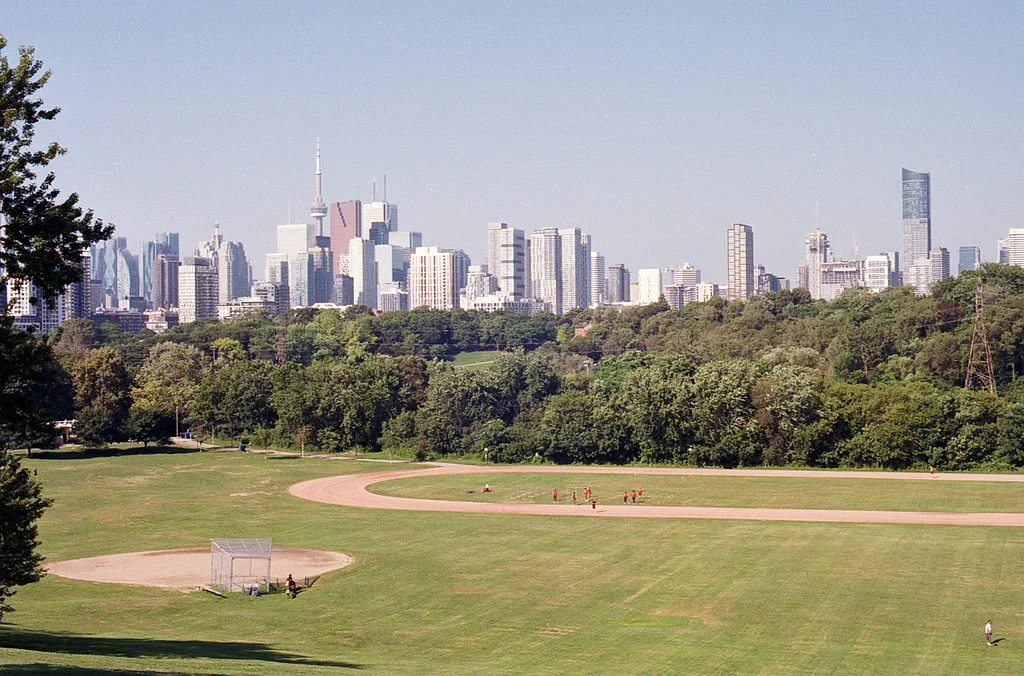
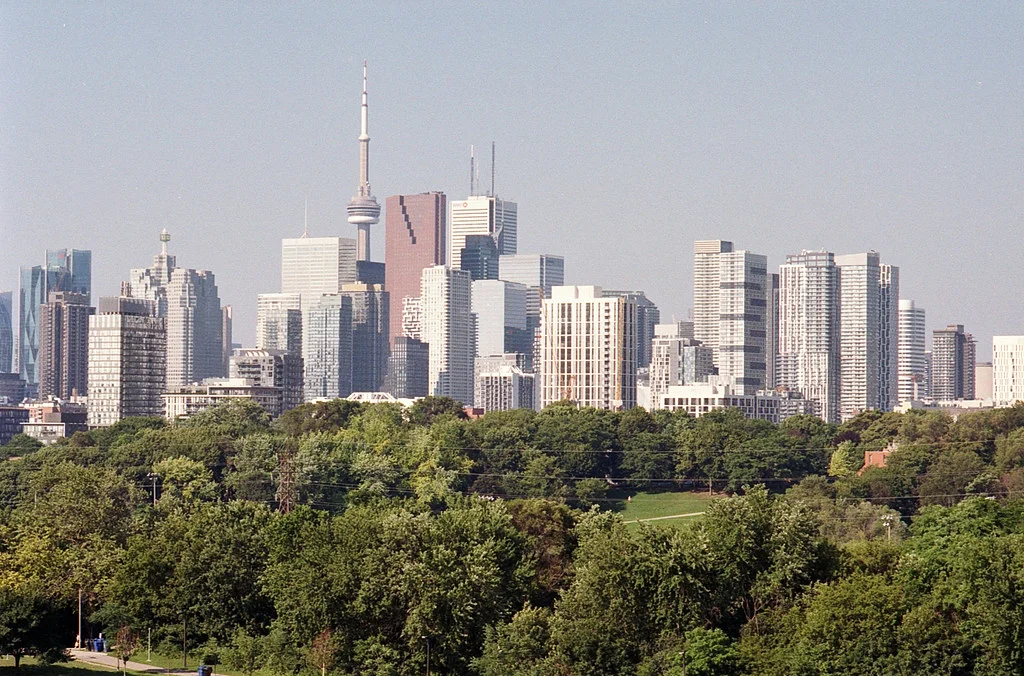
This July, photographers gathered for a vibrant photo walk in Toronto's east end, kicking off at the Rooster Coffee House located on Broadview Avenue. This café is a favorite for its excellent coffee and delicious baked goods. Moreover, the location is perfectly positioned across from one of Toronto’s most impressive skyline views, making it an ideal starting point for any urban photography excursion.
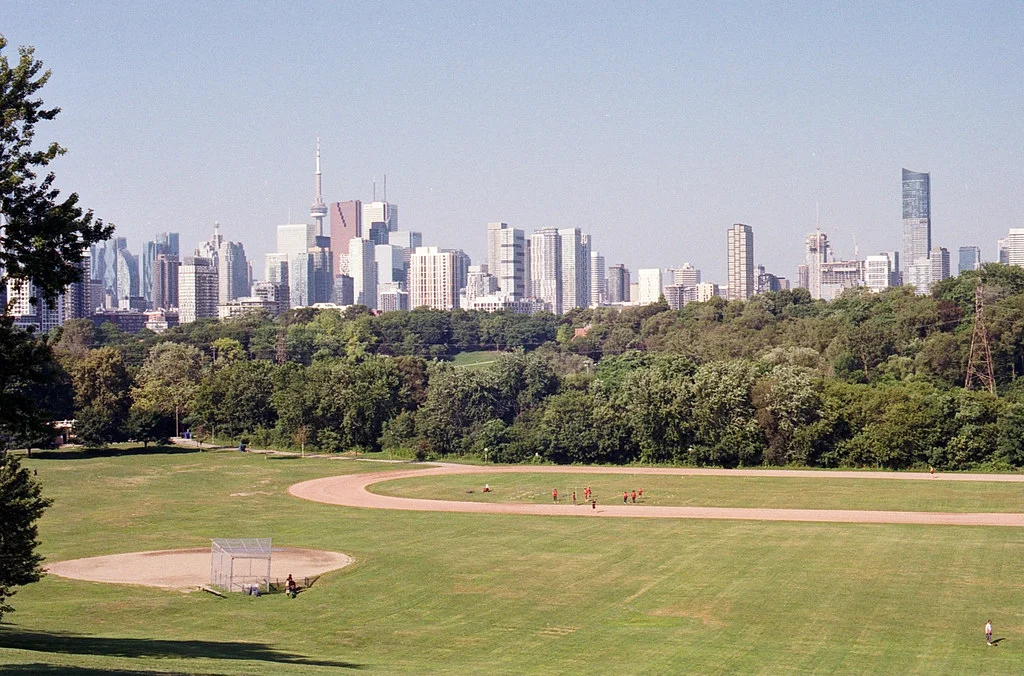
The choice of film for the day was Kodak Pro Image 100, noted for its pleasing color rendition, particularly on bright, sunny days. Many photographers often reach for Kodak Ektar 100 for color vibrancy, but Pro Image 100 offers an excellent alternative that balances both quality and cost-effectiveness. This film was processed by Graination, known for its reliable and high-quality processing of film.
The camera of choice was the Nikon F3/T, a stalwart in the film photography community. Known for its durability and excellent performance, the F3/T is a part of many photographers' gear collections, often alongside its predecessor, the Nikon F2. Coupled with Nikkor AIS lenses, this setup is perfect for both street photography and landscapes. The F3/T's TTL (Through The Lens) metering system provides accurate exposure readings, essential for capturing the dynamic lighting conditions often found in city environments.
Choosing the Right Settings
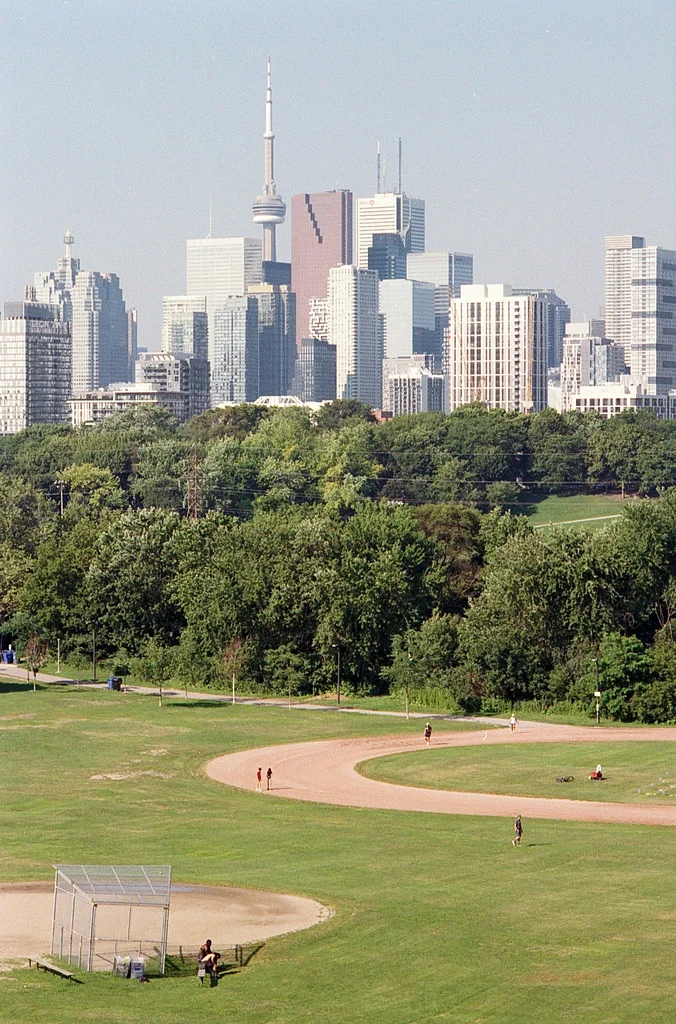
When photographing urban scenes, particularly skyline shots, achieving the correct settings is crucial. On bright days, set your ISO according to your film; in this case, ISO 100 for Pro Image. Use a moderate aperture, such as f/8 or f/11, to ensure a good depth of field. This will help in maintaining sharpness across your entire image, from foreground elements to the city skyline behind.

As for shutter speed, this can vary based on lighting conditions. Utilizing a shutter speed of around 1/125 to 1/250 seconds usually works well to prevent motion blur, especially if shooting stationary objects like buildings. If you want to capture some movement—like passersby or vehicles—consider a faster shutter speed to freeze that action.
Composition Techniques
Composition plays a pivotal role in urban photography. The rule of thirds is a go-to guide—try to position key elements along these lines or at their intersections. While shooting the skyline, aim to include foreground interest such as trees, light poles, or urban street scenes, bringing depth to your images.

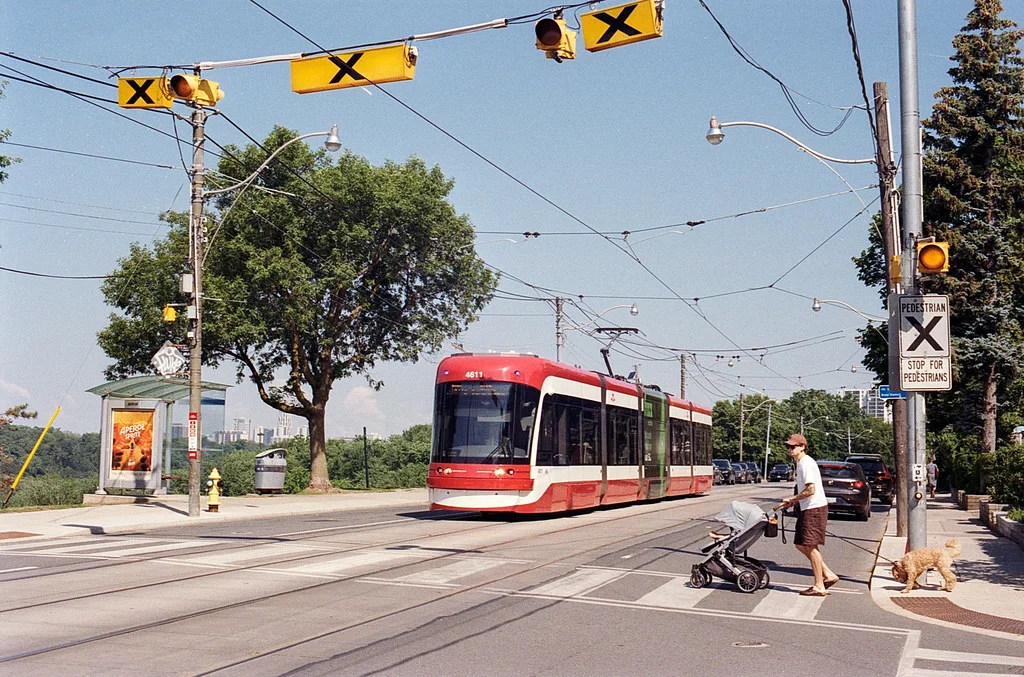
Don’t shy away from leading lines; they can guide the viewer's eye into the photograph. Gravitating towards streets or pathways that lead toward the skyline can create a strong visual path in your image. For instance, capturing the northbound 505 streetcar on Broadview Avenue can add dynamic energy to a shot while establishing a recognizable Toronto element.
Capturing the Essence of the Neighborhood
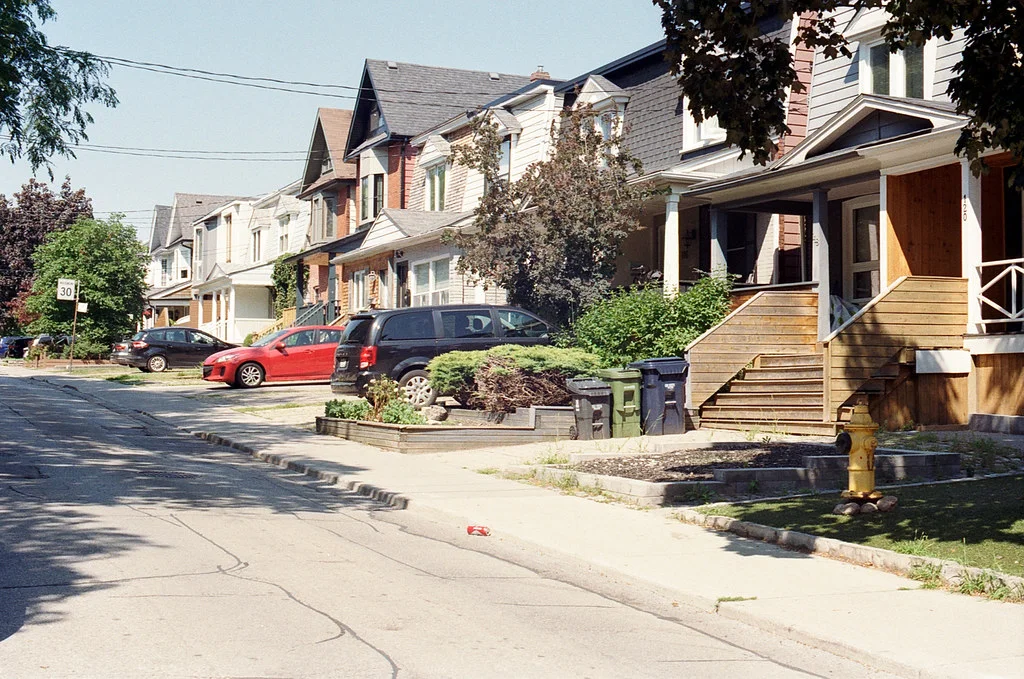
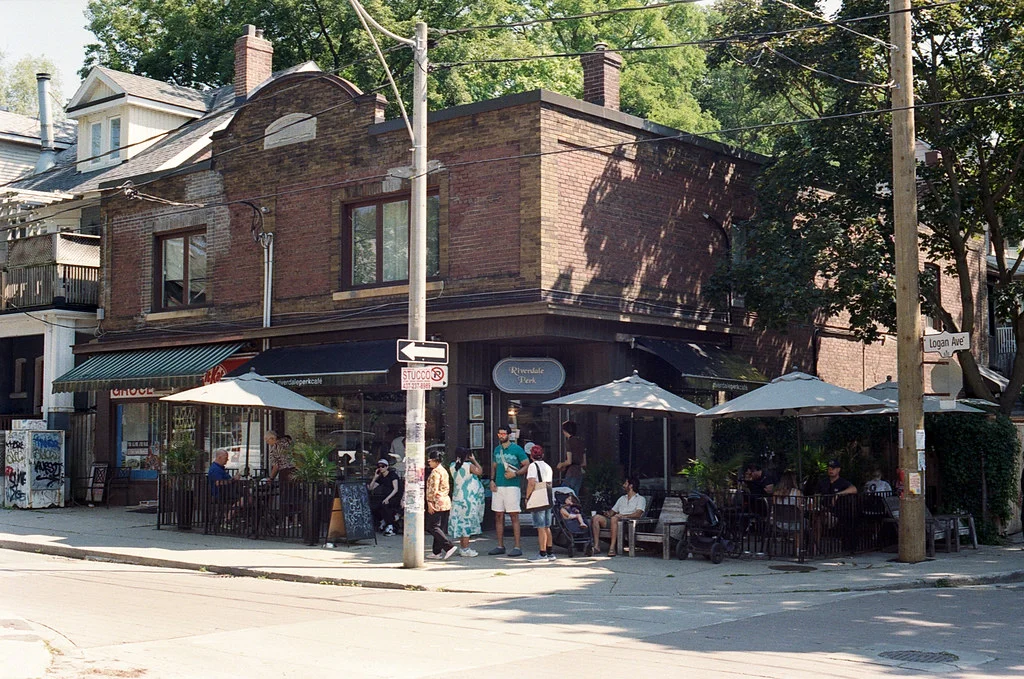
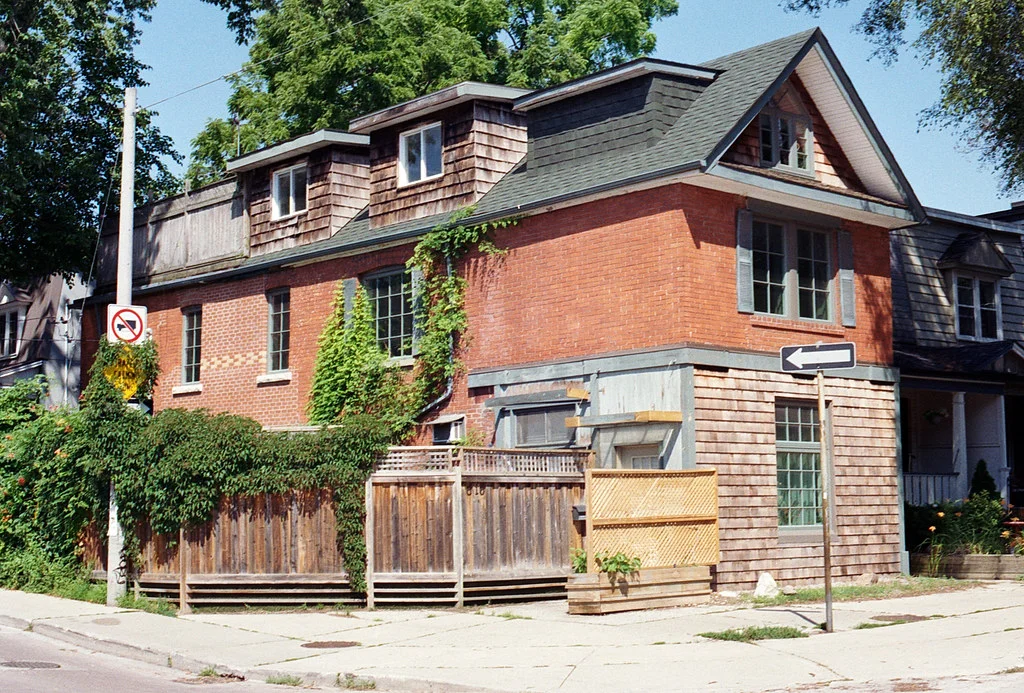
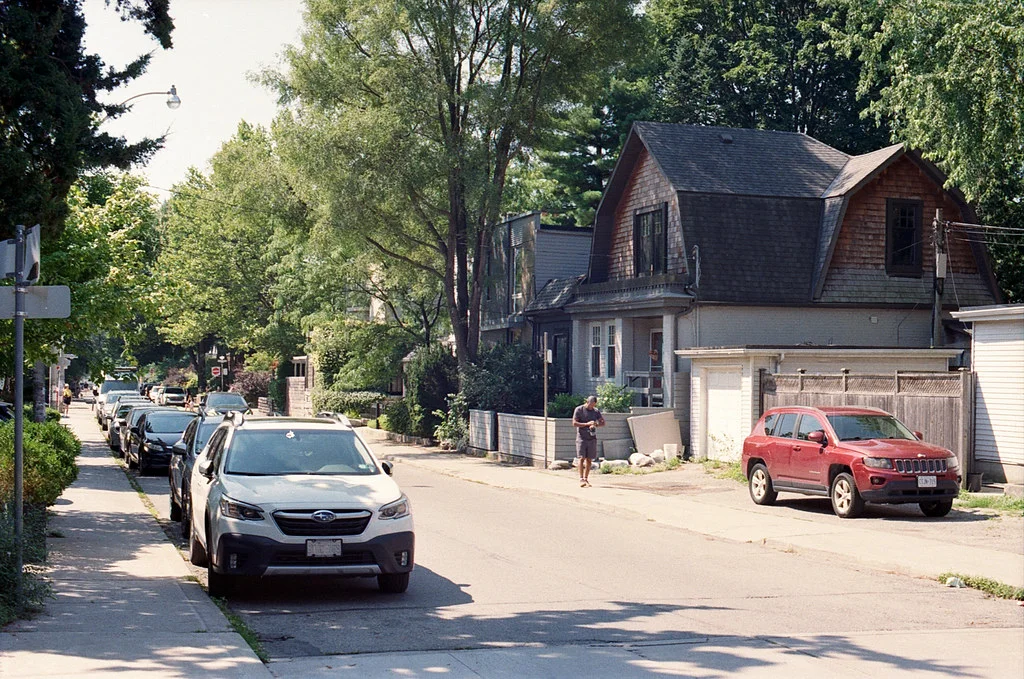
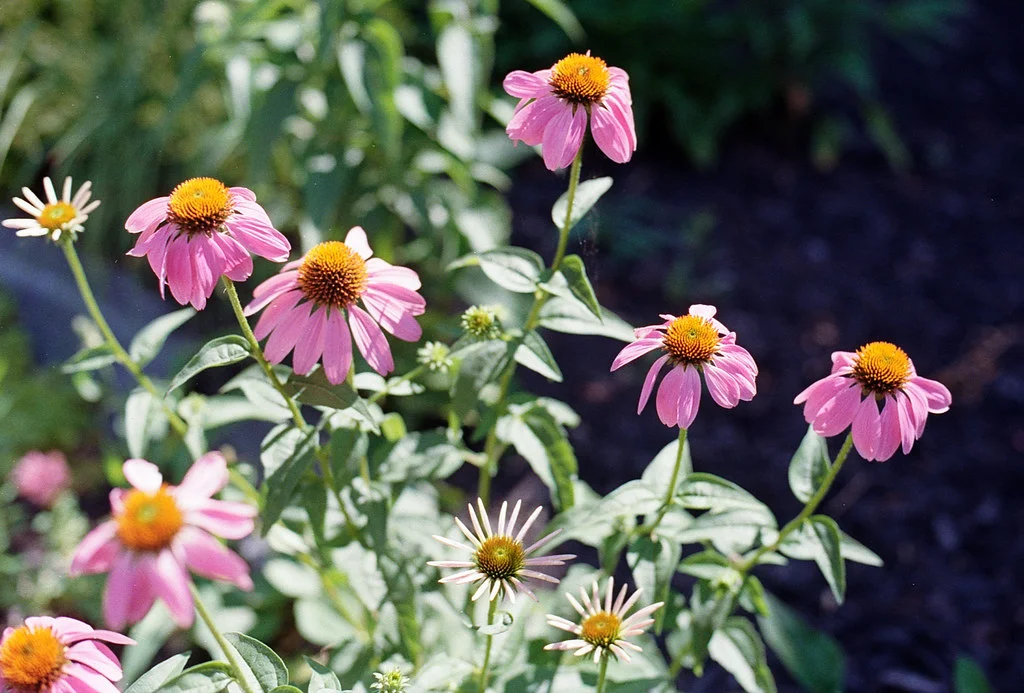
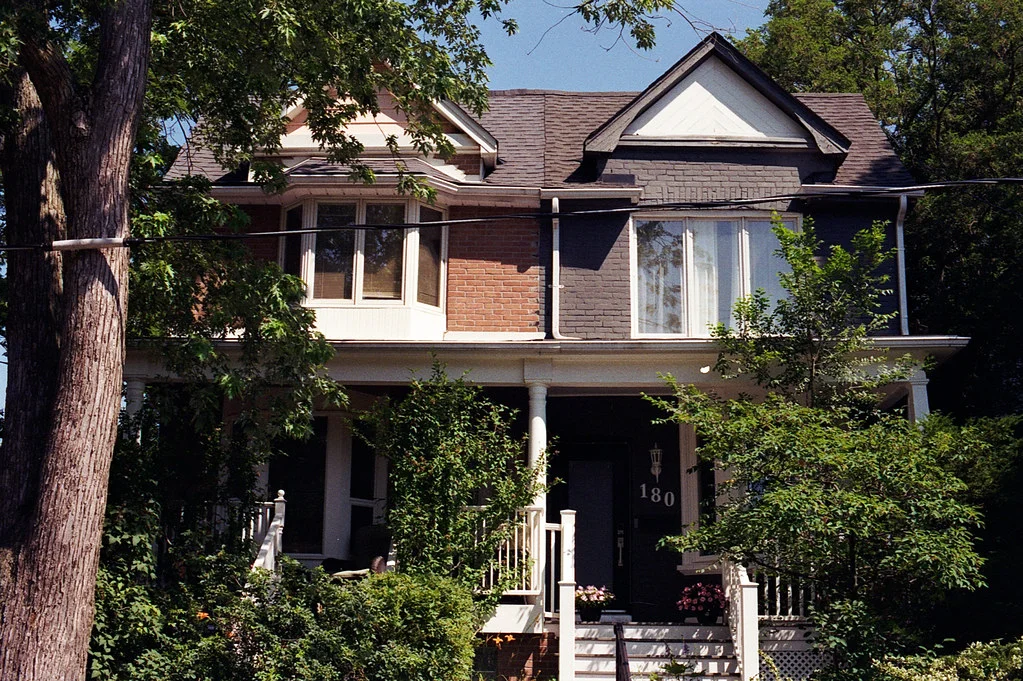
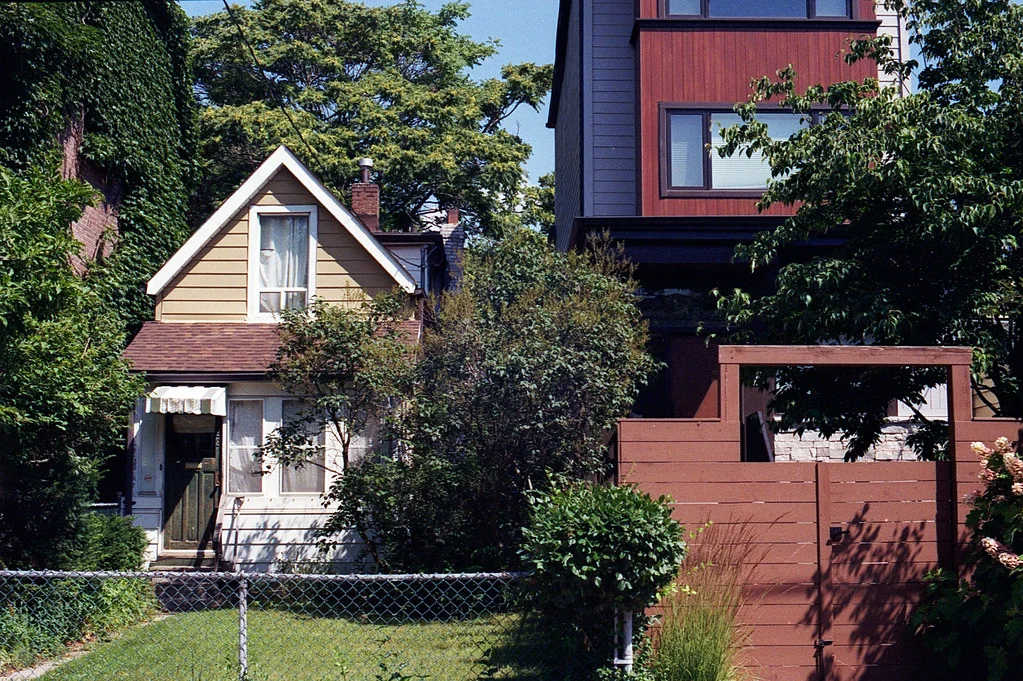
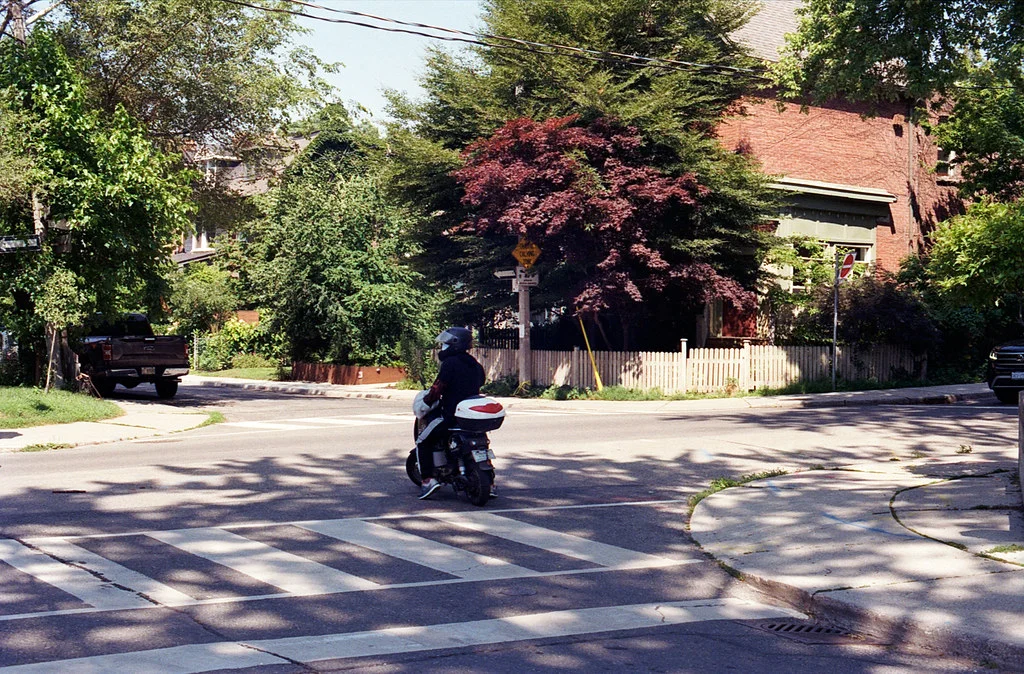
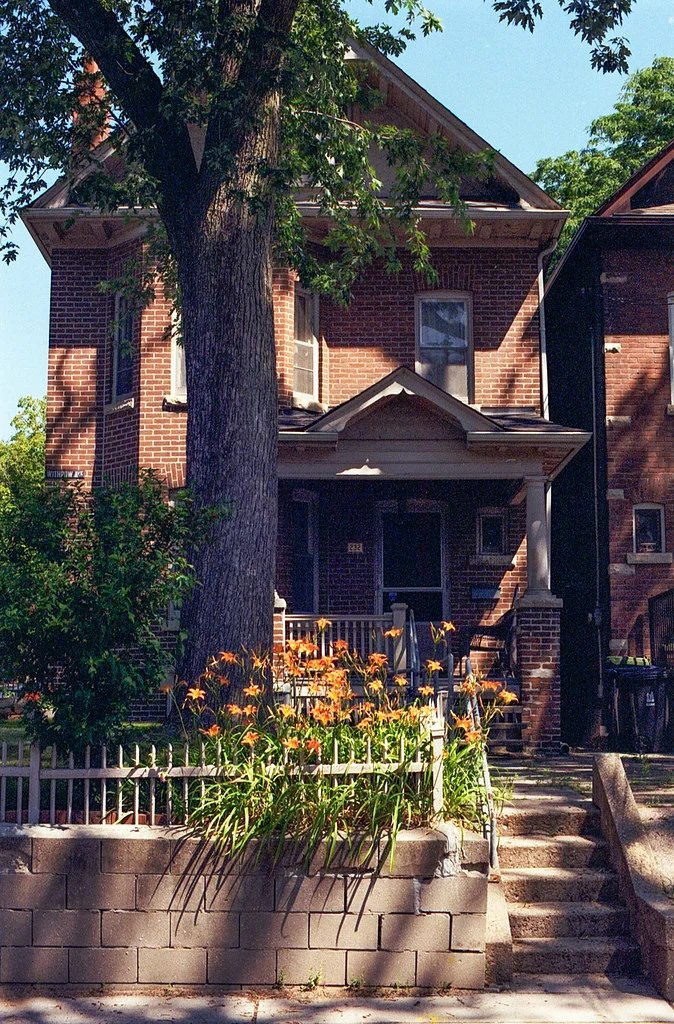
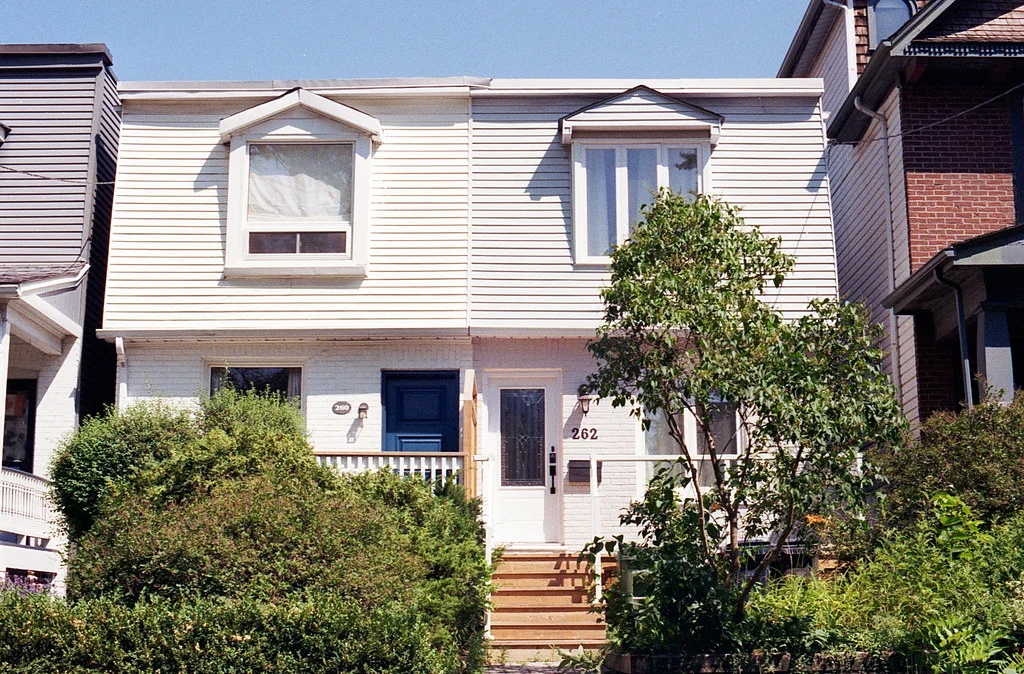
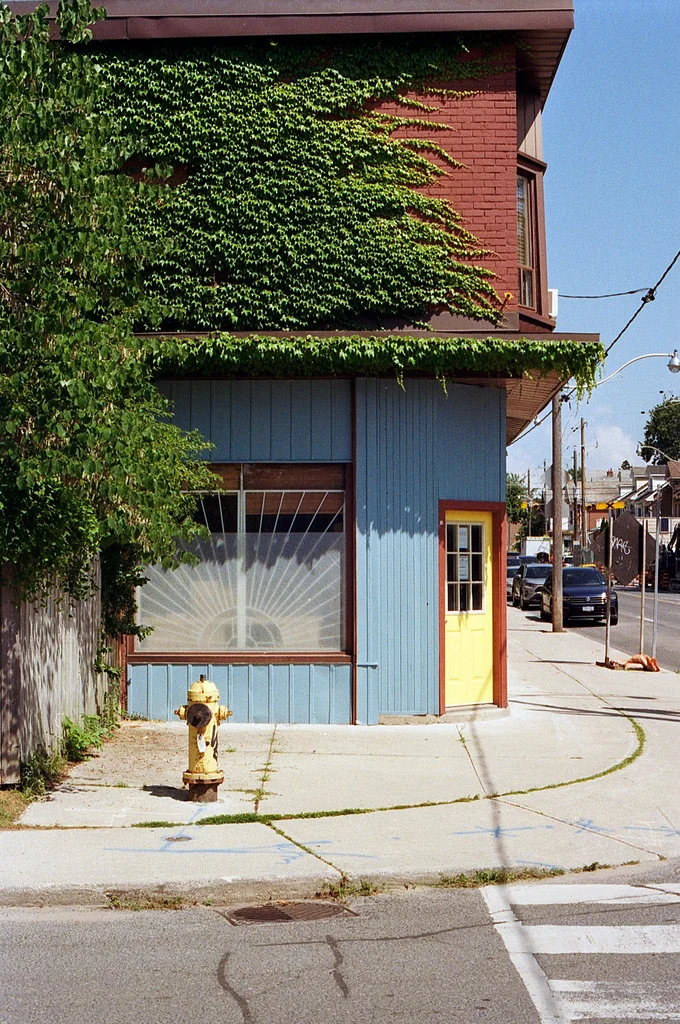
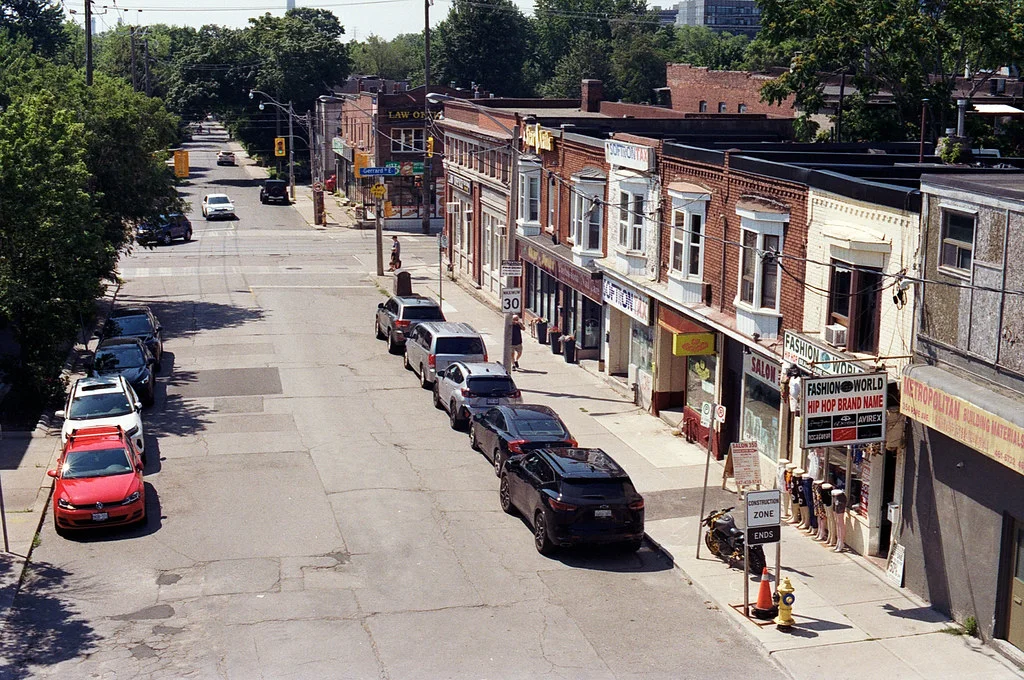
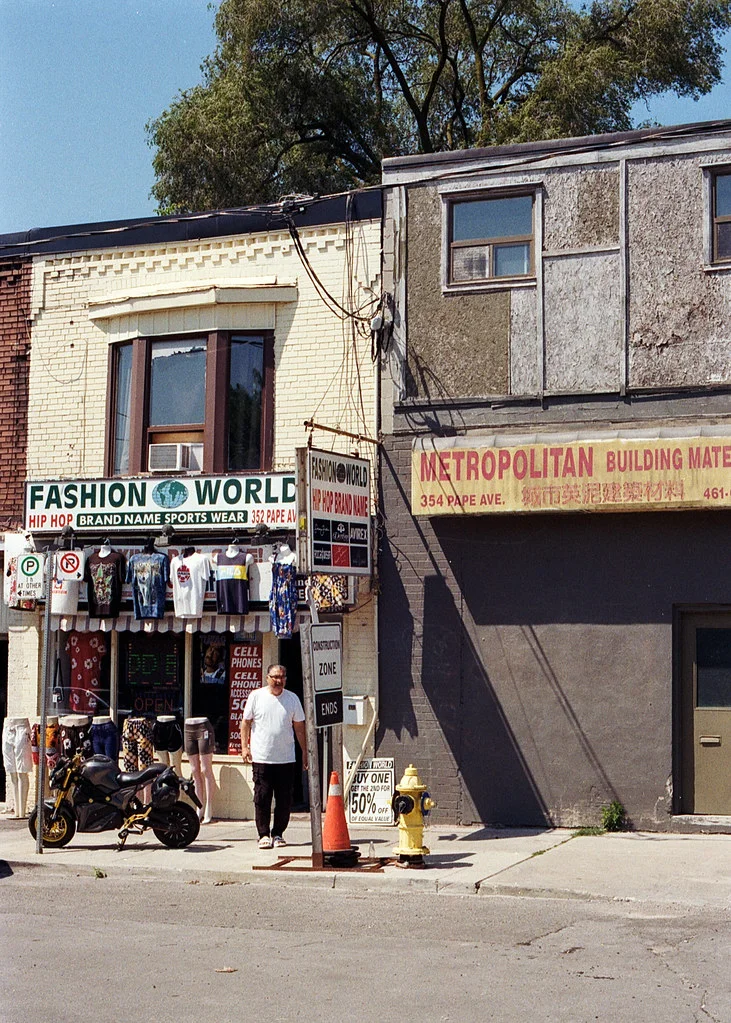
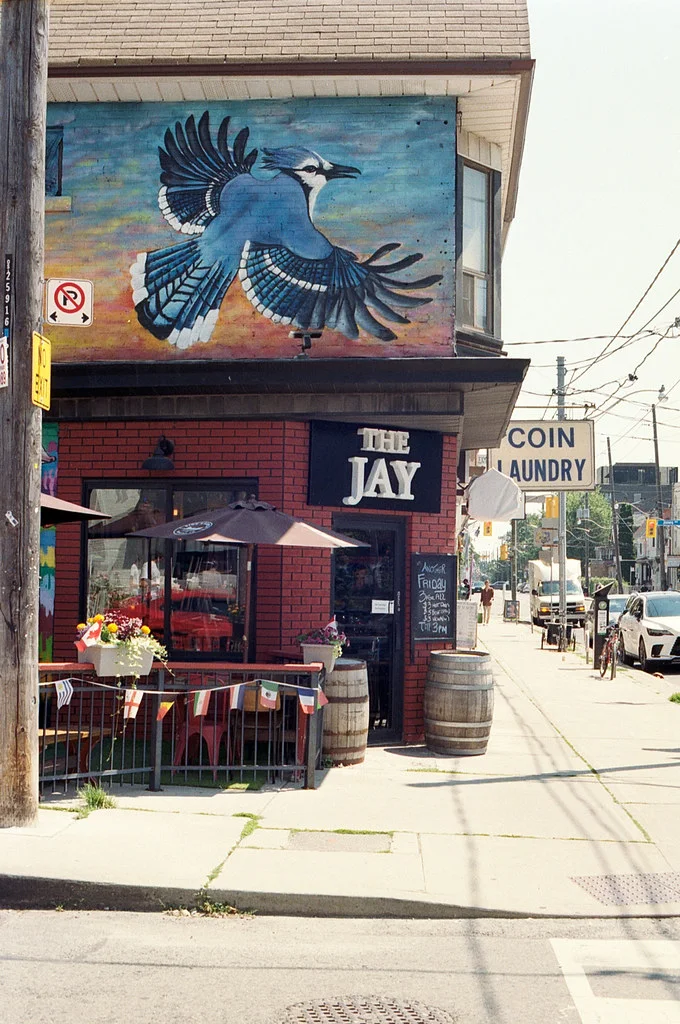
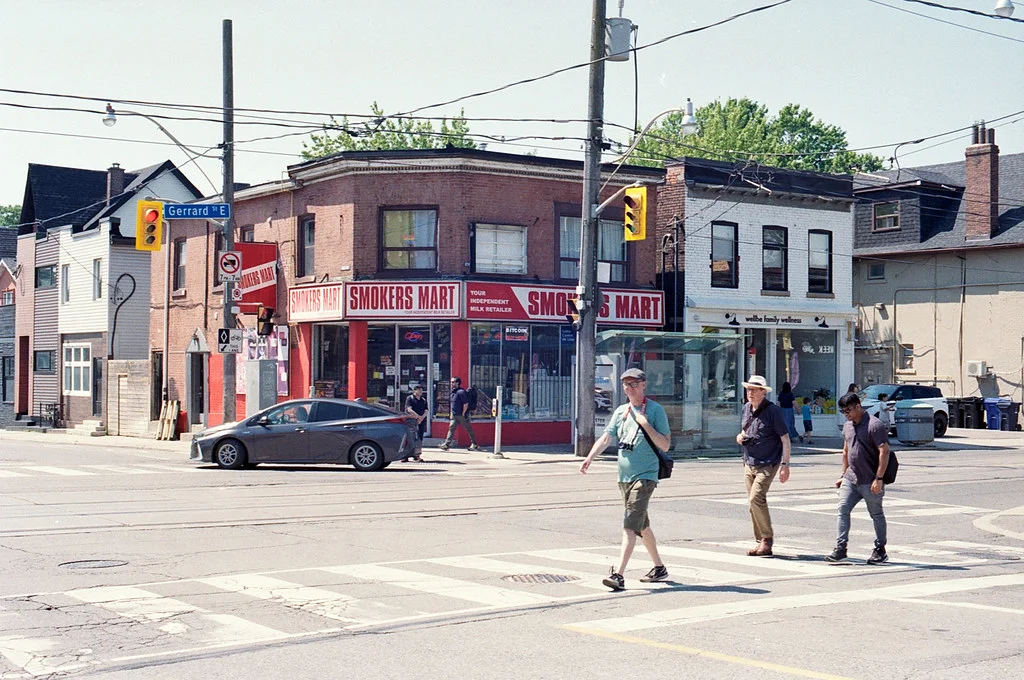
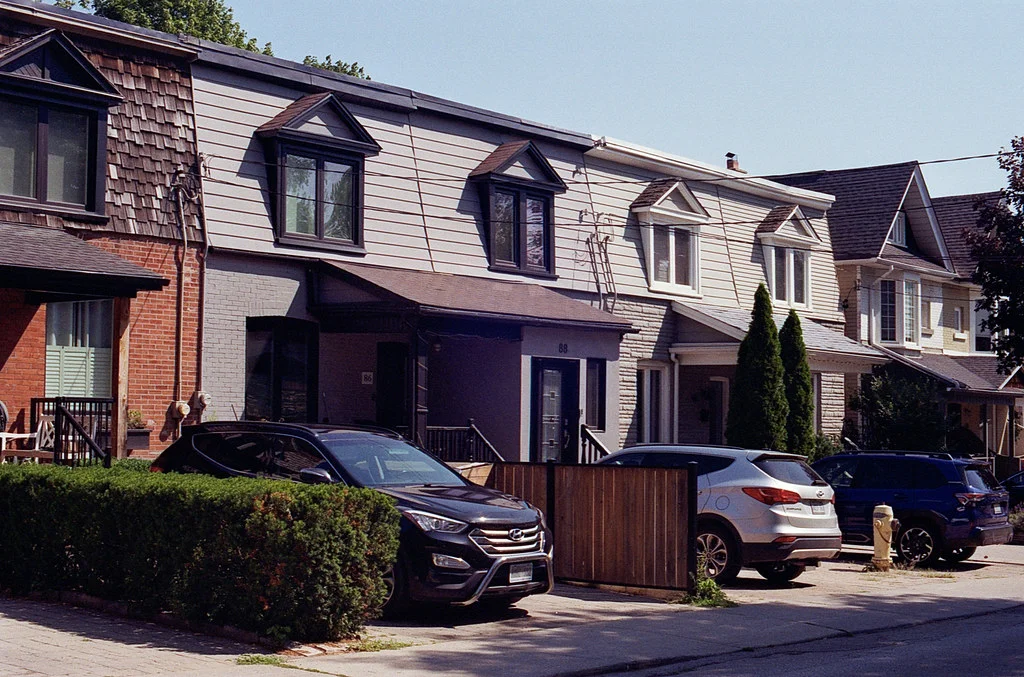
Beyond iconic skyline shots, immersing oneself in the community during the walk allowed for more intimate, candid photography. The diverse architecture in areas like Riverdale lends itself well to capturing the character of the neighborhood. Buildings like the Riverdale Row Houses and local flora—such as coneflowers—served as excellent subjects that depict both life and nature within the urban setting.
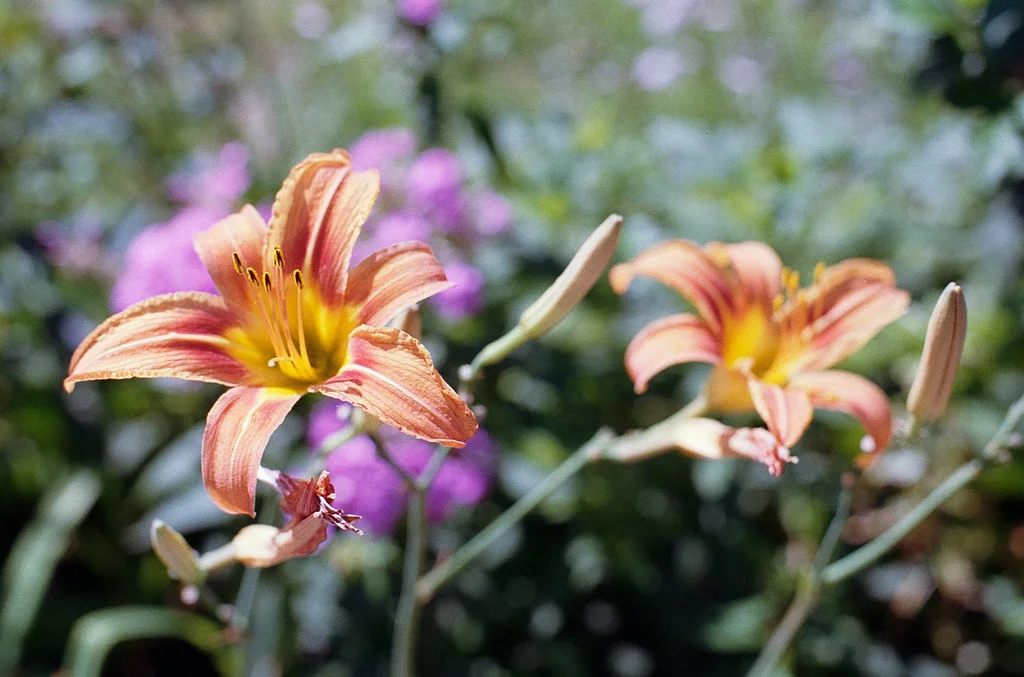
Each turn down a different street unveiled new opportunities; a flower mass in Riverdale, for example, can juxtapose the urban landscape and offer a splash of color in your composition. Utilize these elements deliberately in your work, focusing on how they interact with the structural components of the city.
Highlights of the Day
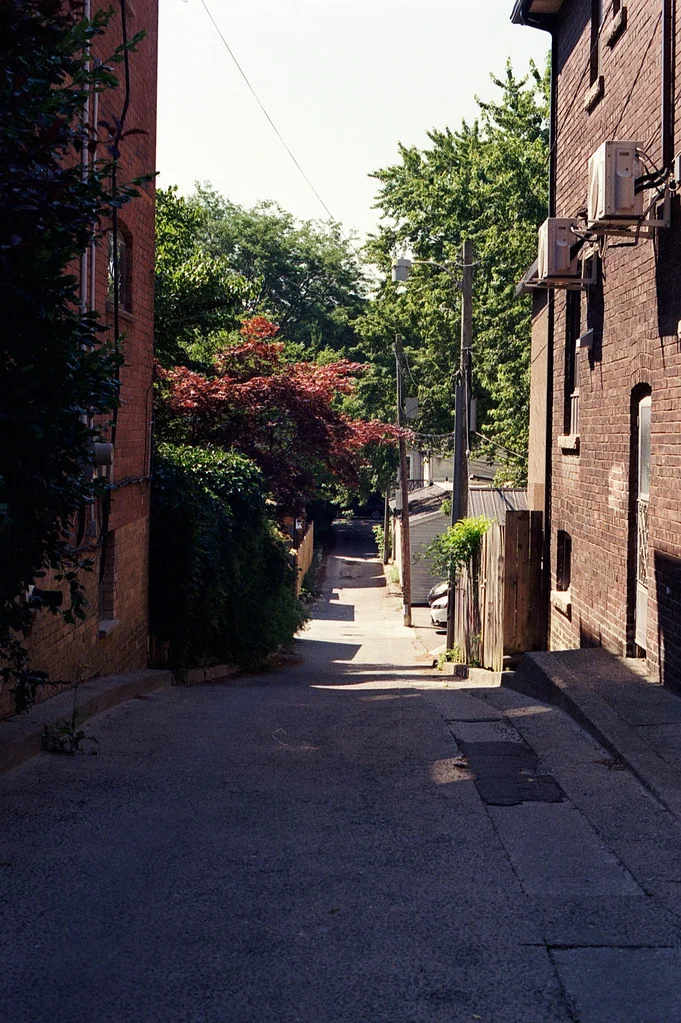
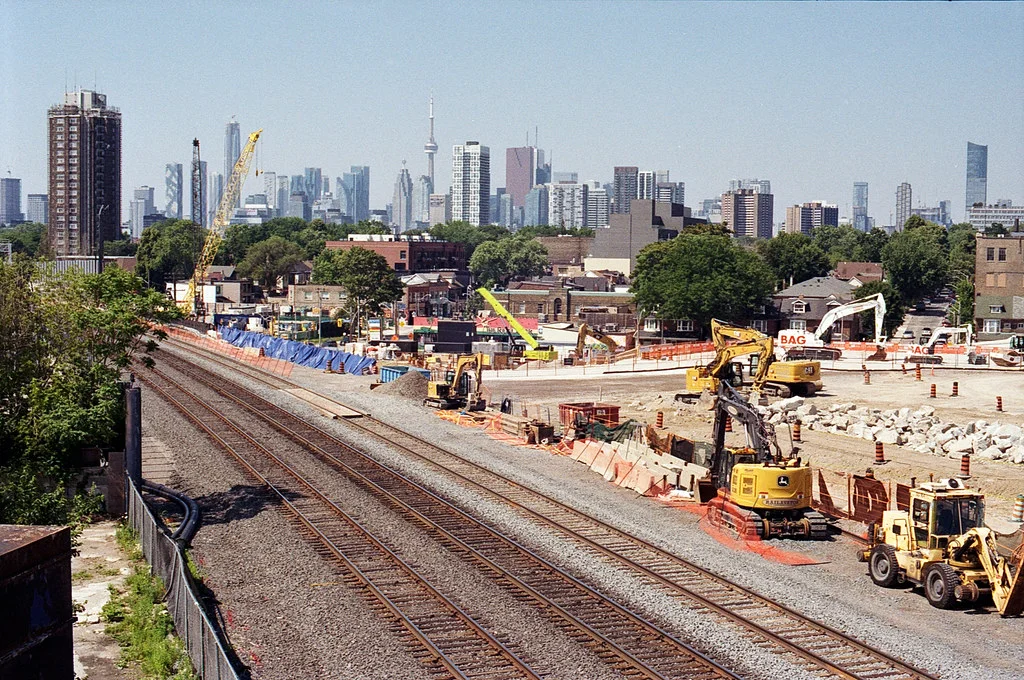
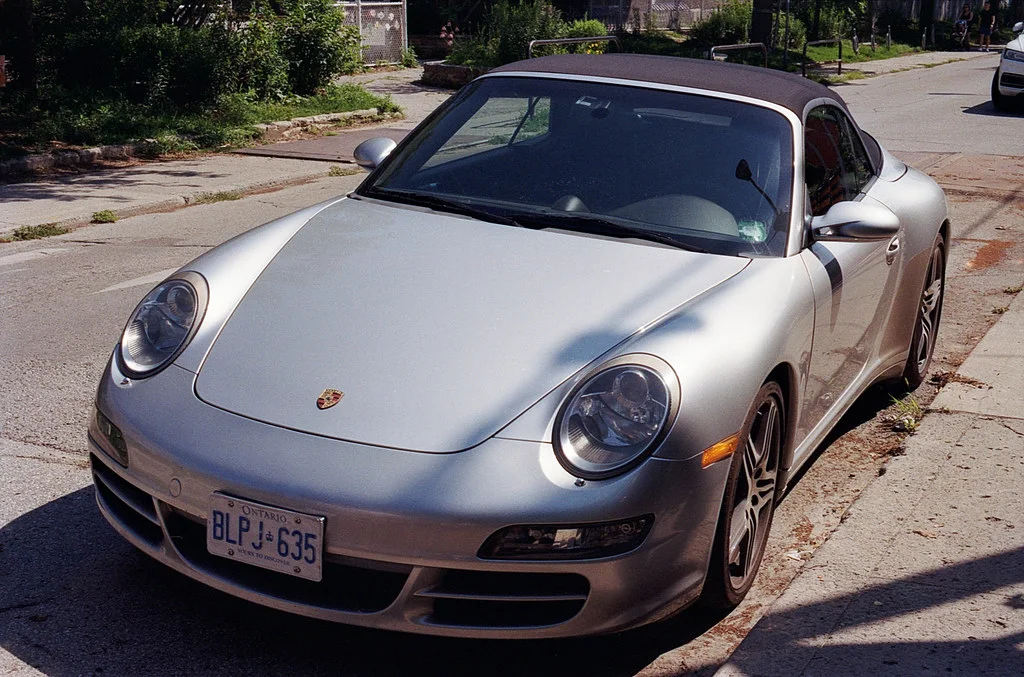
The Toronto Skyline, especially from vantage points like Riverdale Park East, offers breathtaking frames that truly encapsulate the essence of the city. Capturing moments such as a 911 Cabrio cruising by or a sea of daisies in full bloom made the experience rich and fulfilling. Photographers were also attracted to the visual storytelling that could emerge from an image of an alley or a quiet corner of the community, enhancing the narrative beyond the typical skyline shots.

As the day wrapped up, participants left not just with exposed rolls of film but with an enriched perspective on urban photography, the nuances of film use, and a stronger connection to their vibrant surroundings.

Final Thoughts
Every photography outing like this emphasizes the importance of community and collaboration among photographers. Sharing locations, techniques, and experiences enhances not just individual skill but fosters a sense of belonging within the larger photographic community. The next time you’re out with your camera, remember the techniques shared here: the considerations of settings, composition, and the value of a supportive community can transform each shot into a personal expression of your art.