Explore the nuances of fog photography, including the best conditions to capture, composition strategies, and exposure techniques for stunning images.
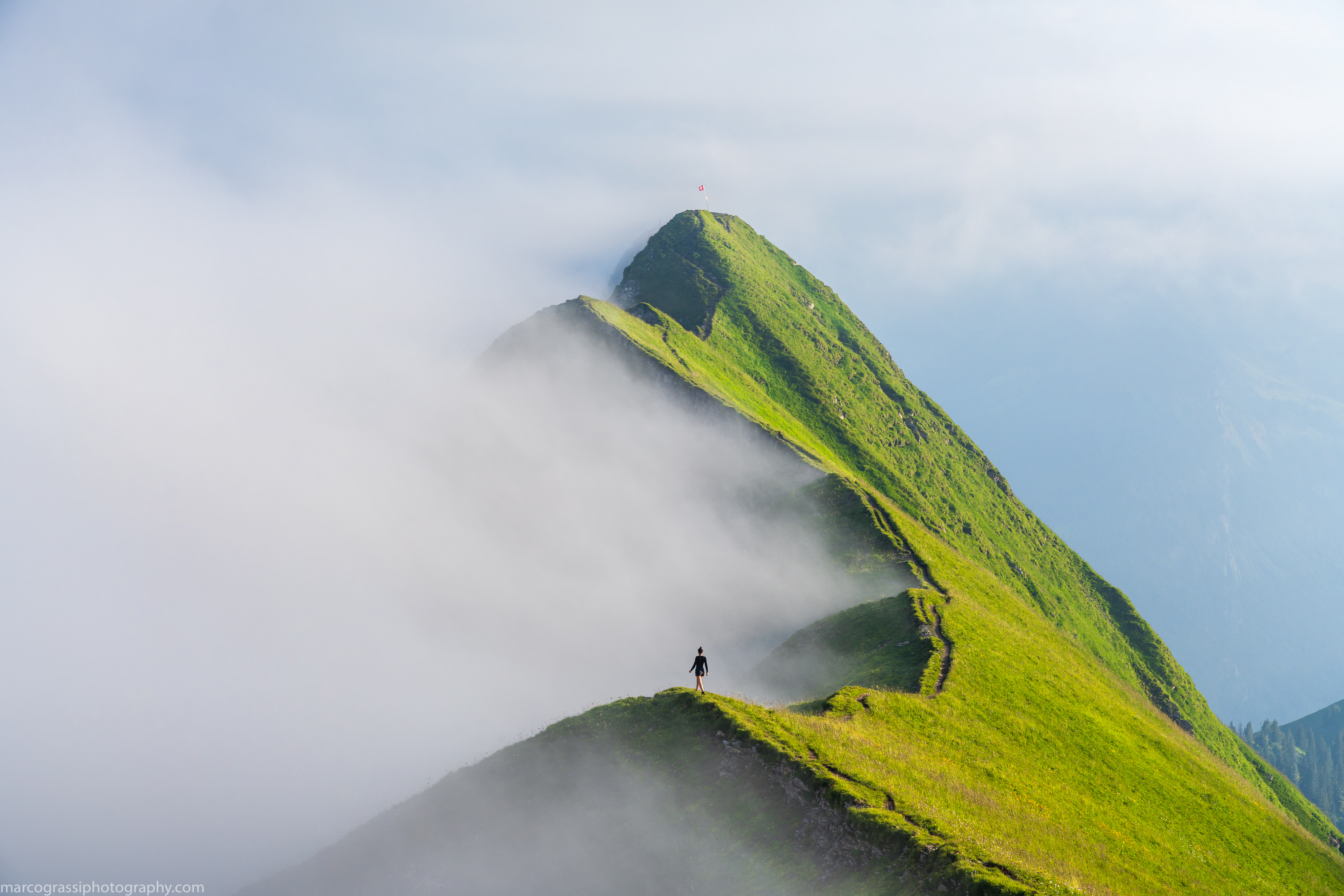
Fog brings a transformative quality to landscapes, enveloping familiar streets in mystery and turning bustling environments into serene vistas. It's not just a challenge but a rewarding avenue for photographers. The atmospheric conditions crafted by fog can simplify scenes, guiding viewers’ attention to essential shapes and tones while evoking emotional responses. Yet, capturing its essence requires finesse due to the fleeting and unpredictable nature of fog, coupled with the challenges of exposure. Here’s how you can harness fog to enhance your photography.
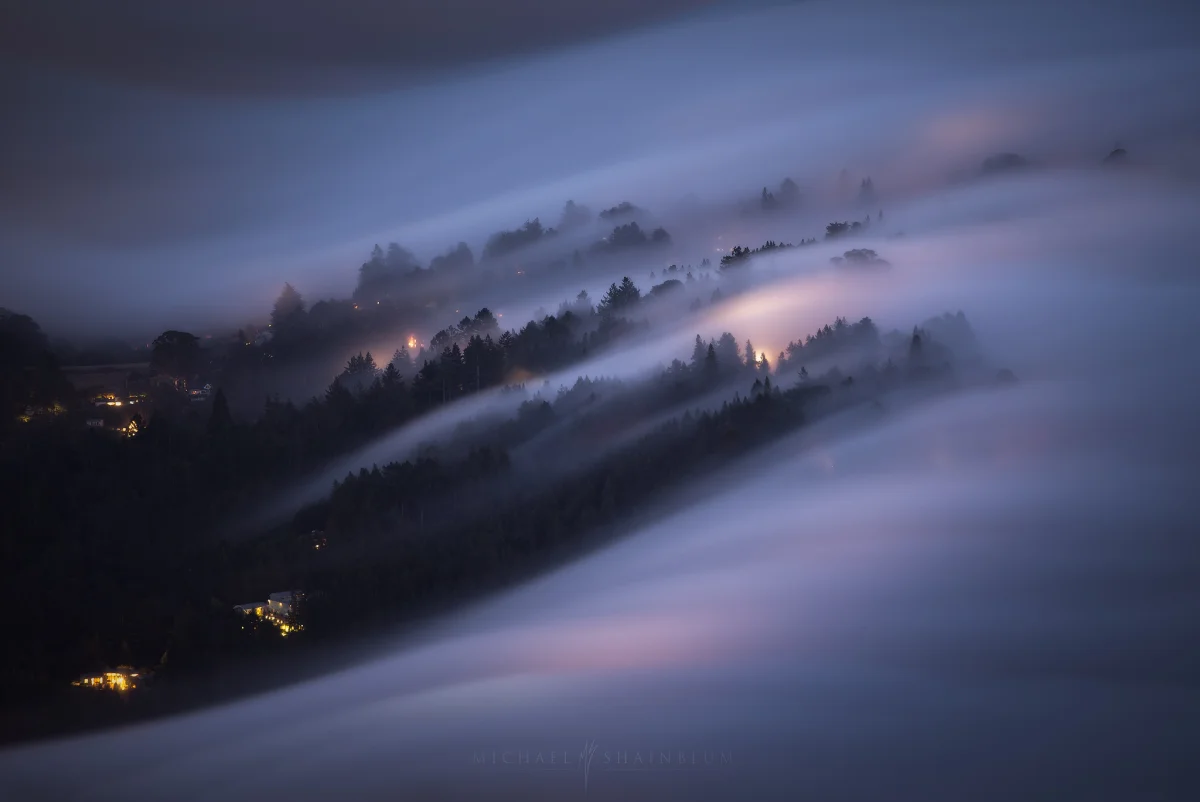
The Impact of Fog on Photography
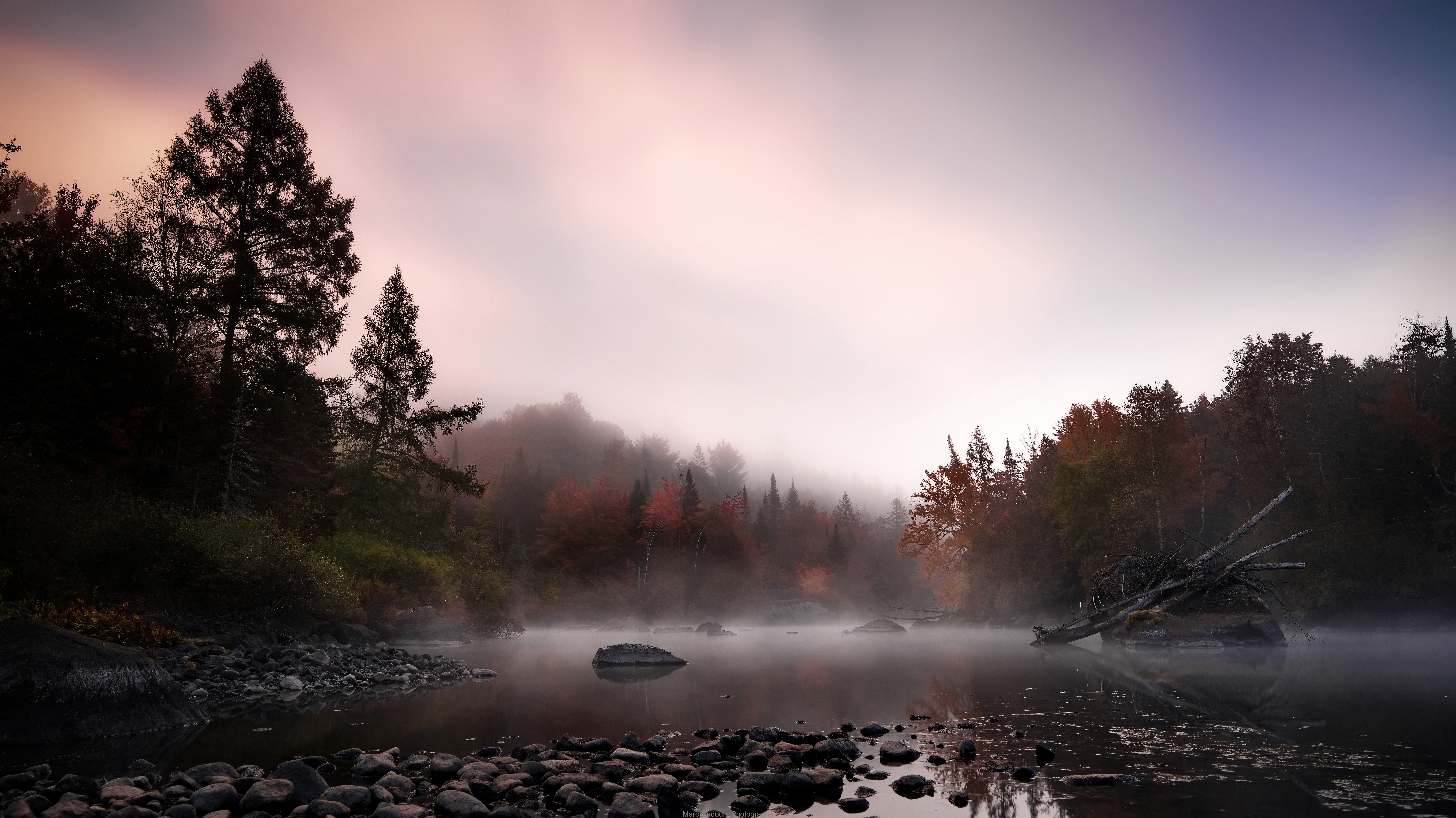
Fog scatters light in unique ways, softening edges and reducing contrast. Close objects appear more defined while distant items fade into ethereal whites. This natural progression creates a sense of depth termed atmospheric perspective, a technique leveraged by artists throughout history to convey distance in their works.
The charm of fog photography lies in its ability to reduce complexity. Superfluous elements such as power lines and busy backgrounds become obscured, allowing a focus on minimalist compositions. When engaging with fog, less truly becomes more; the atmospheric conditions strip away distractions, offering a canvas that rewards simplicity.
Finding the Right Conditions for Fog
To capture fog effectively, one must understand the elements that contribute to its formation. Fog typically develops when moist air cools to its dew point, often observed during late autumn when mild days are followed by clear, cold nights. Ideal locations to scout include valleys, lakesides, coastal areas, and low-lying fields where cooler air collects.
Monitoring weather forecasts is essential. Look for a close temperature-dew point spread, clear skies at night, and minimal wind. Early morning is crucial since fog often dissipates quickly after sunrise, with the most dynamic scenes occurring right before it begins to lift.
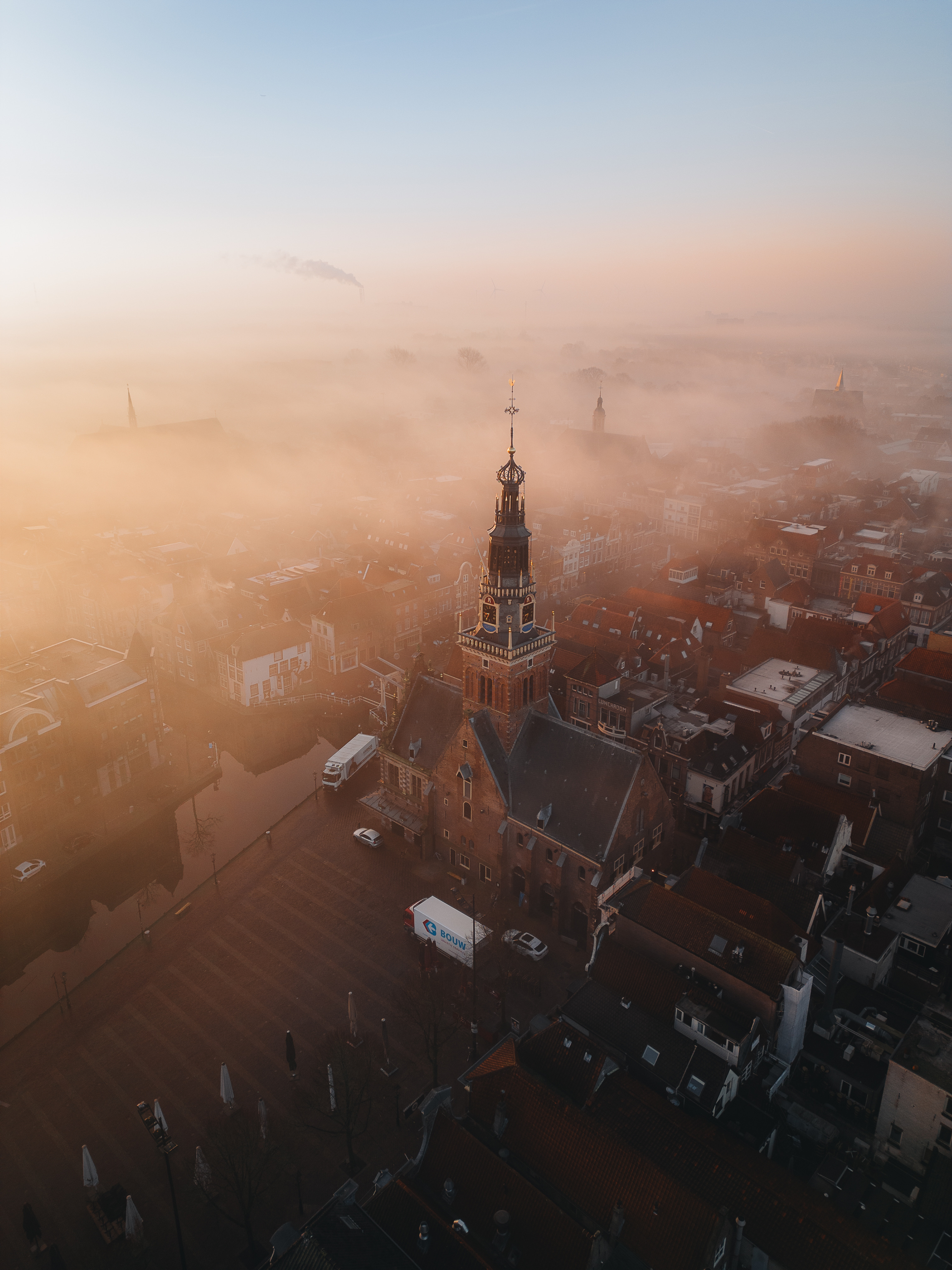
Composing in Fog
Choosing a Focused Subject
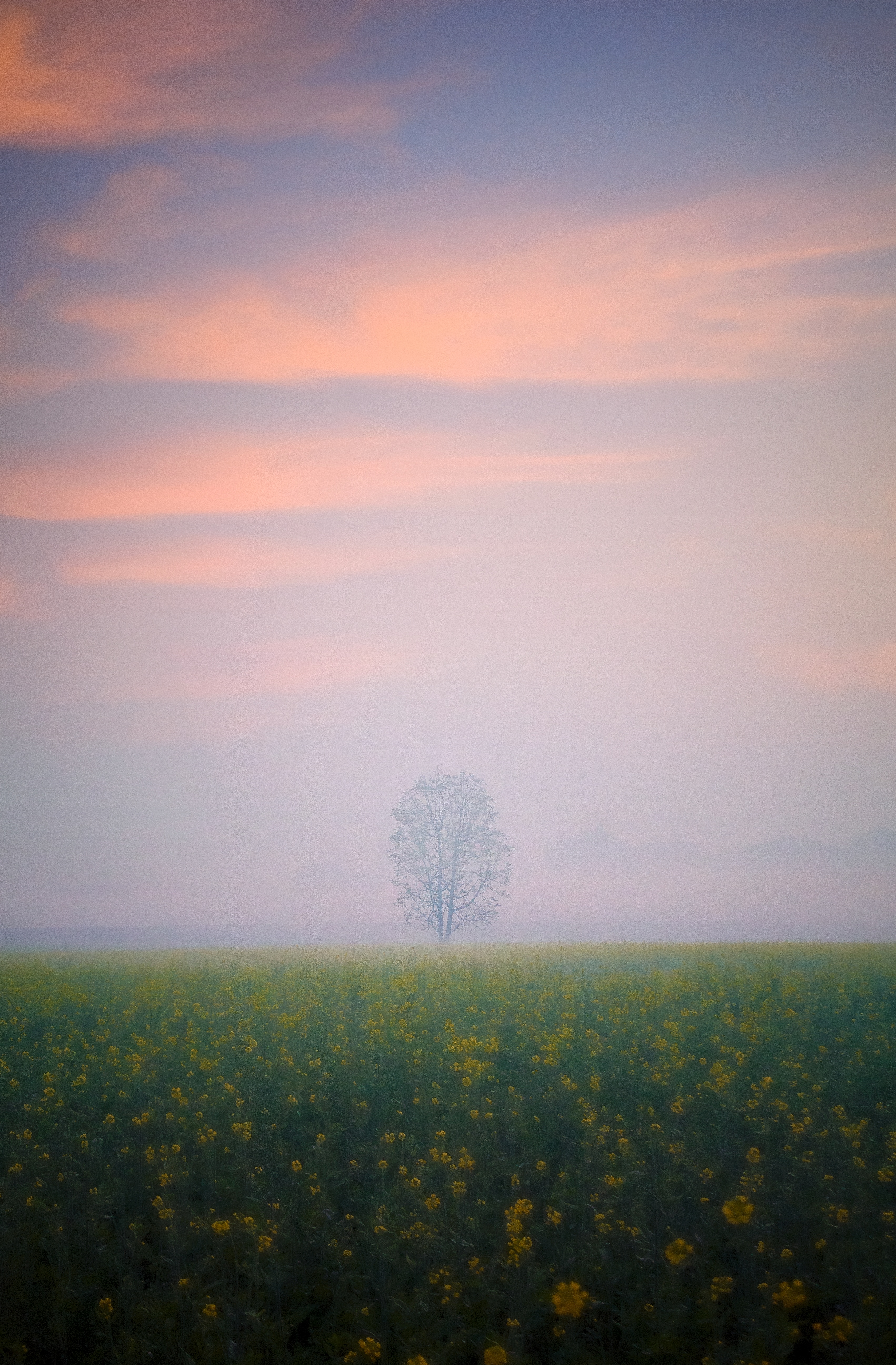
In fog, clarity is key. Focus on identifiable subjects like lone trees, lampposts, or figures that stand out against the soft backdrop. The outline of your subject against the mist can become the focal point of your composition, guiding the viewer’s eye amid the obscurity.
Creating Layers in Your Scene
To enhance depth, capture layers of fog as they recede into the distance. This might entail photographing rows of trees diminishing into lighter hues or utilizing lines such as roads that lead the viewer’s gaze deeper into the photography. Each layer, appearing softer than the one before, contributes to a rich sense of dimensionality.
Harnessing Light Sources
Utilize both natural and artificial lighting to infuse your images with intrigue. Streetlights or car headlights can create striking halos in the fog, drawing attention to atmospheric effects. Moreover, when low sunlight pierces through thinning fog, it produces beams of light that add to the surreal quality of your composition. Urban environments can gain a cinematic vibe in the mysterious, blue hues just before dawn.

Perfecting Exposure in Foggy Conditions
One common difficulty in shooting fog is achieving the correct exposure. Most camera meters are calibrated to average scenes as mid-grey, meaning that bright fog may lead to underexposure. To compensate, apply positive exposure compensation, generally between +1 and +2 stops. Keep an eye on the histogram to ensure it leans towards the right without causing clipping.
Autofocus can falter in low-contrast fog also. It's often more reliable to focus on a high-contrast edge or switch to manual focus, where zooming in can confirm sharpness.
In post-processing, avoid globally increasing contrast, as this can destroy the soft allure that fog offers. Instead, consider local adjustments to clarify your main subject while preserving the ethereal quality of the fog. Sometimes, a subtle color tint—whether warm or cool—can further enhance the mood of your photograph.
Finally, remember to keep a microfiber cloth handy. The moisture in fog tends to settle on your lens and viewfinder unexpectedly, so keeping your gear clear is essential to maintaining sharp images.
The Allure of the Unseen
Fog photography captivates not merely through what it displays, but what it conceals. A path fades into a blur, a figure dissolves into the haze, and bridges elongate into the unknown. This sense of mystery invites viewers to engage their imagination, creating a connection that transcends the visual realm. Embrace the subtlety of fog, and allow restraint to become the guiding force in your artistic expression. The fog may obscure vision, but it also opens the door to creative exploration.
The post Into the Mist: Creating Atmosphere with Fog Photography appeared first on 500px.


