This photo walk through Toronto's east end showcases the area's unique character, equipment choices, and visual storytelling techniques.
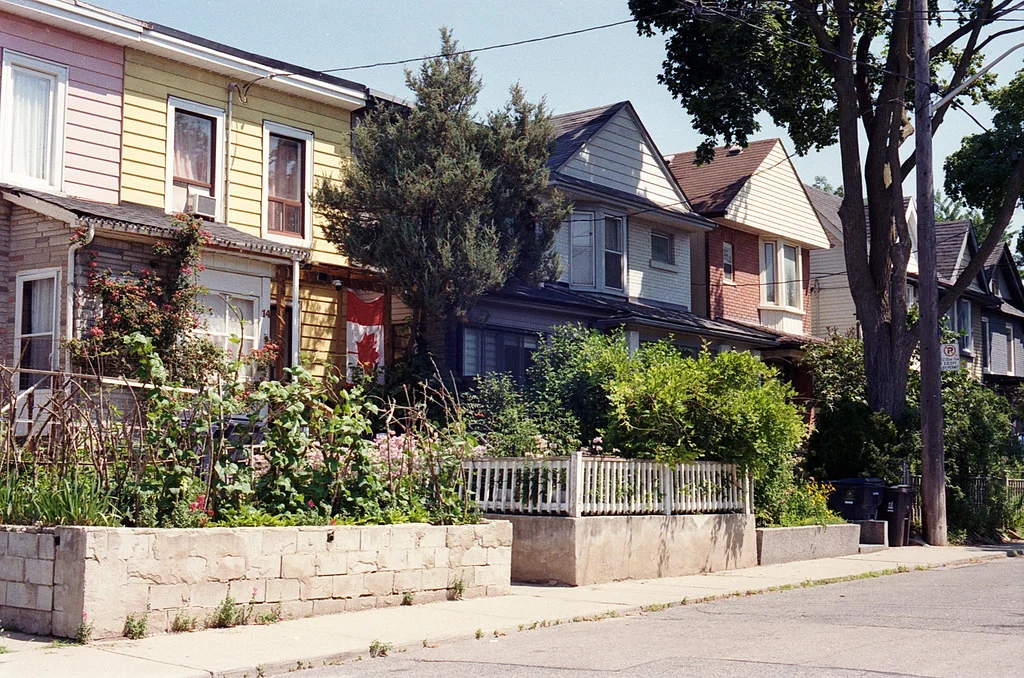
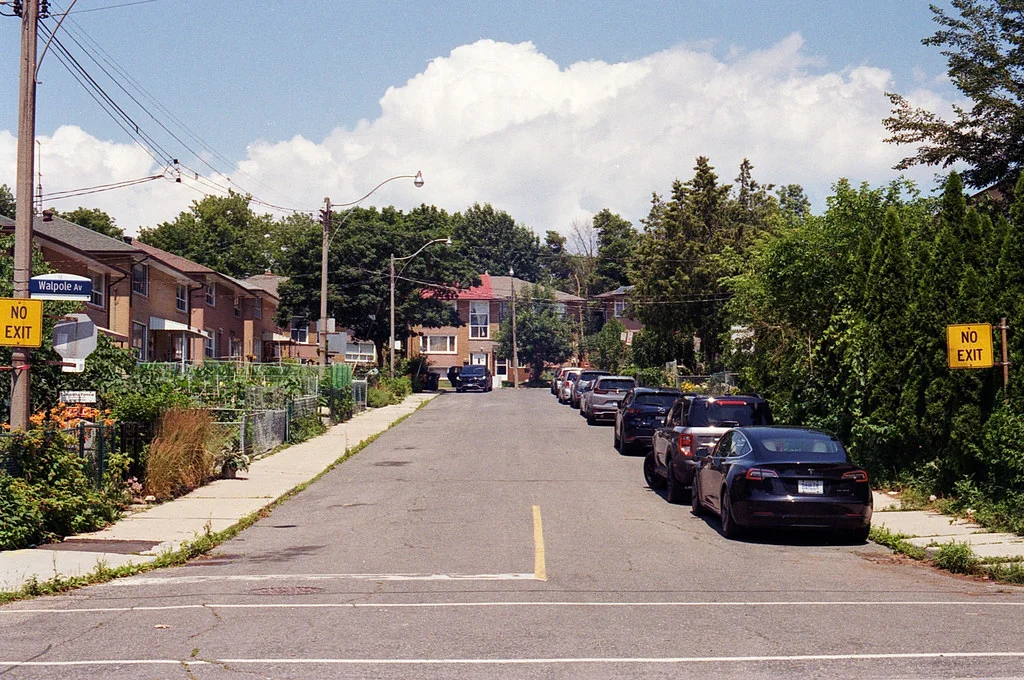
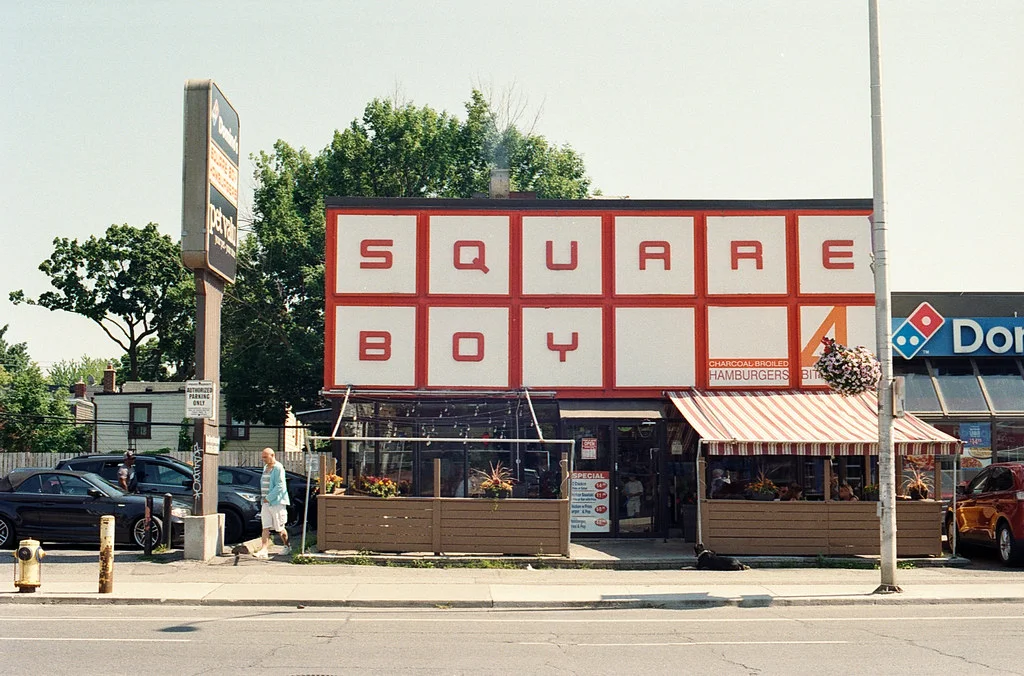
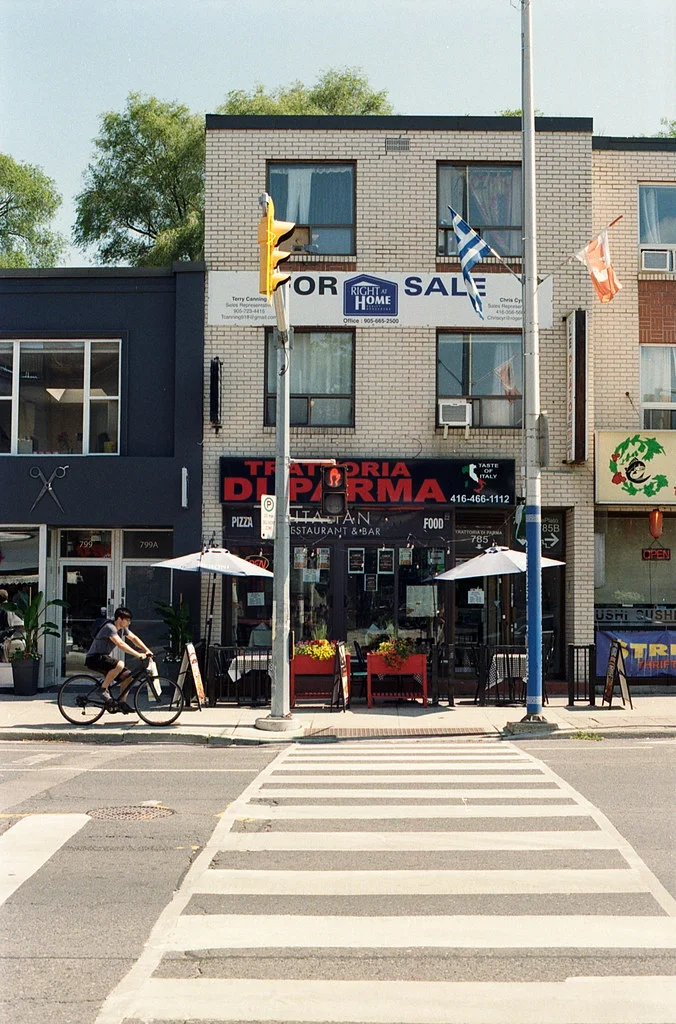
During a recent photo walk in Toronto's east end, participants experienced a vibrant atmosphere that captures the essence of the city. Unlike the western side, which has undergone extensive gentrification, this area offers a glimpse into the "real" Toronto. The chosen route focused closely on the east side's character, showcasing a blend of gritty urban landscapes and charming residential quarters. This contrast not only highlights socio-economic disparities but also creates a fertile ground for visual storytelling—ideal for photographers seeking authenticity.
Route and Experience
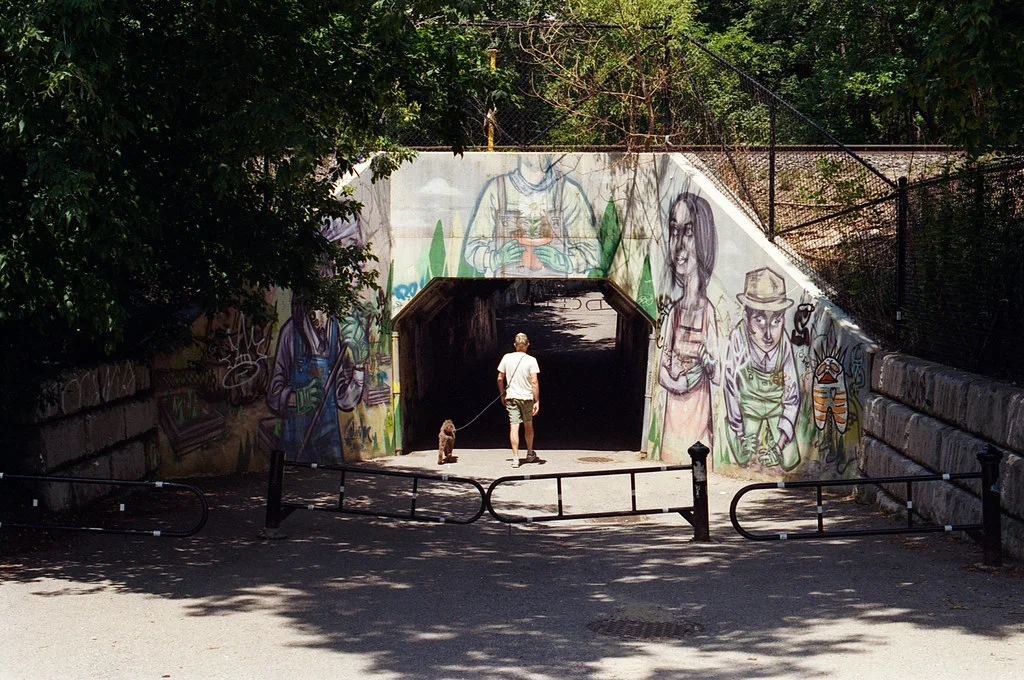
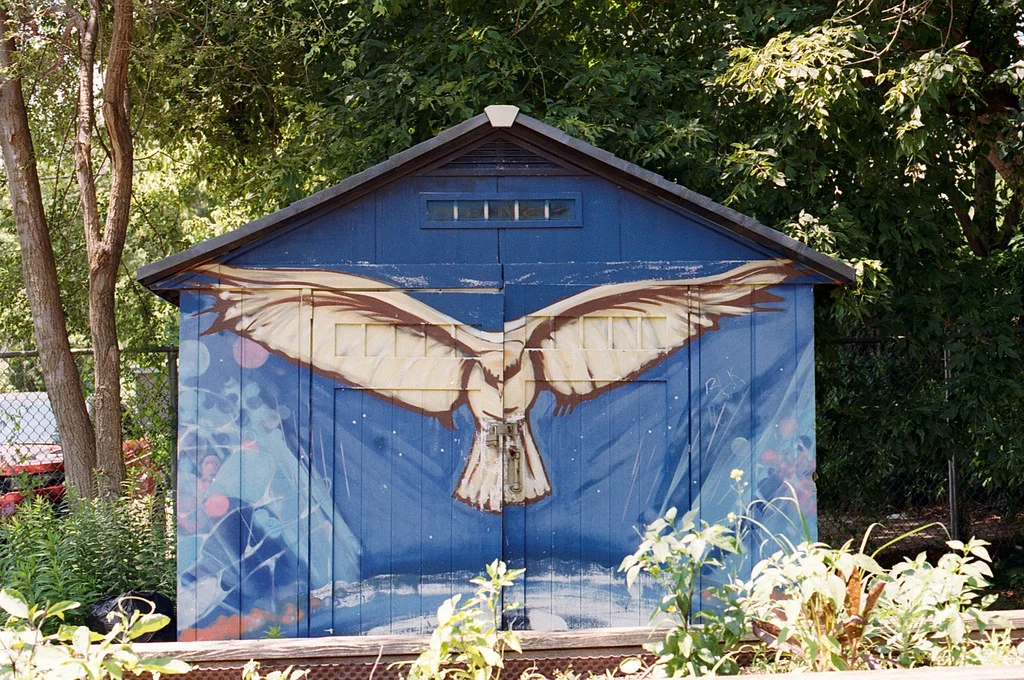
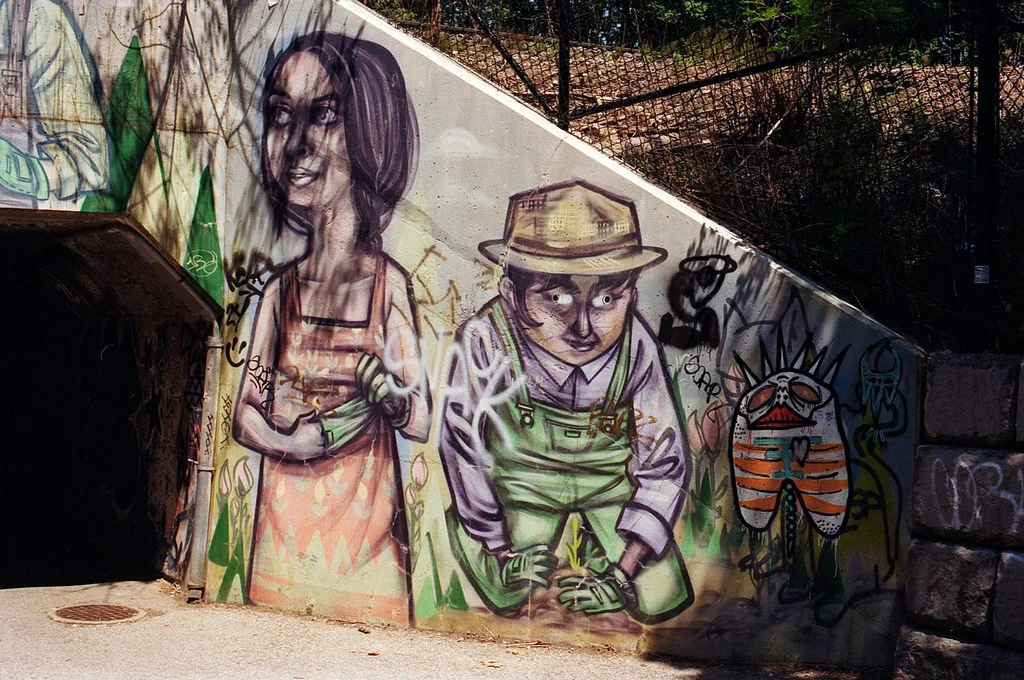
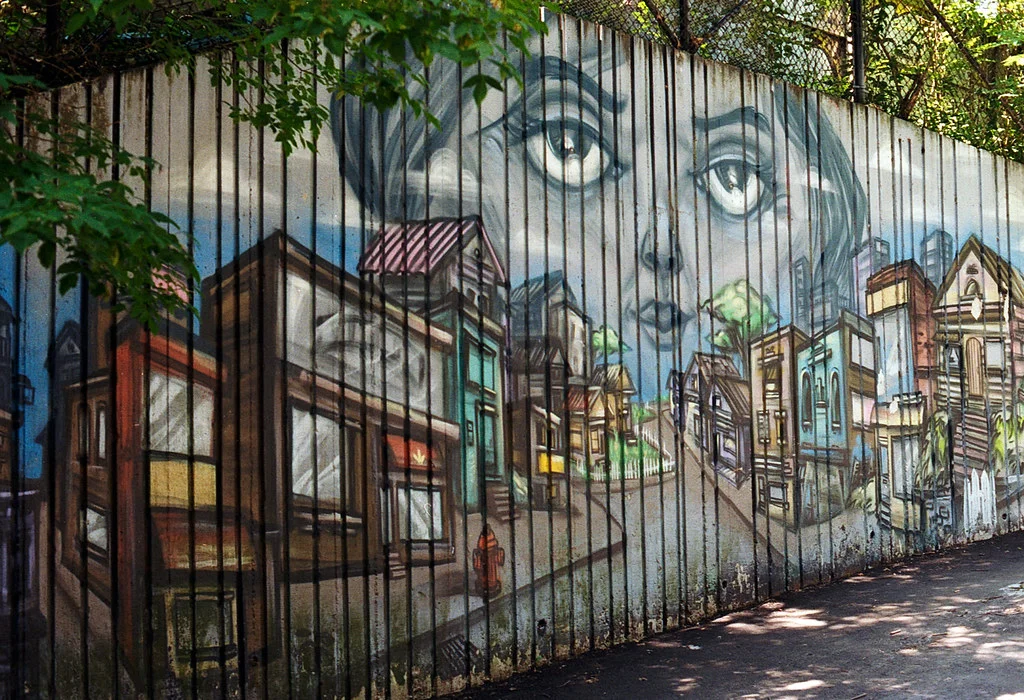
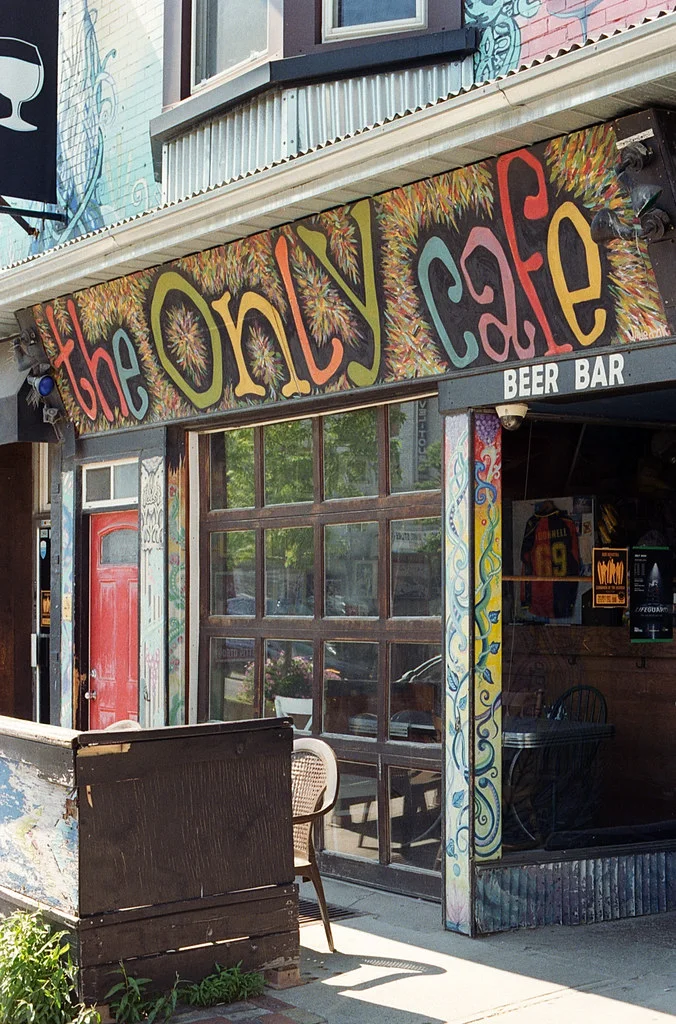
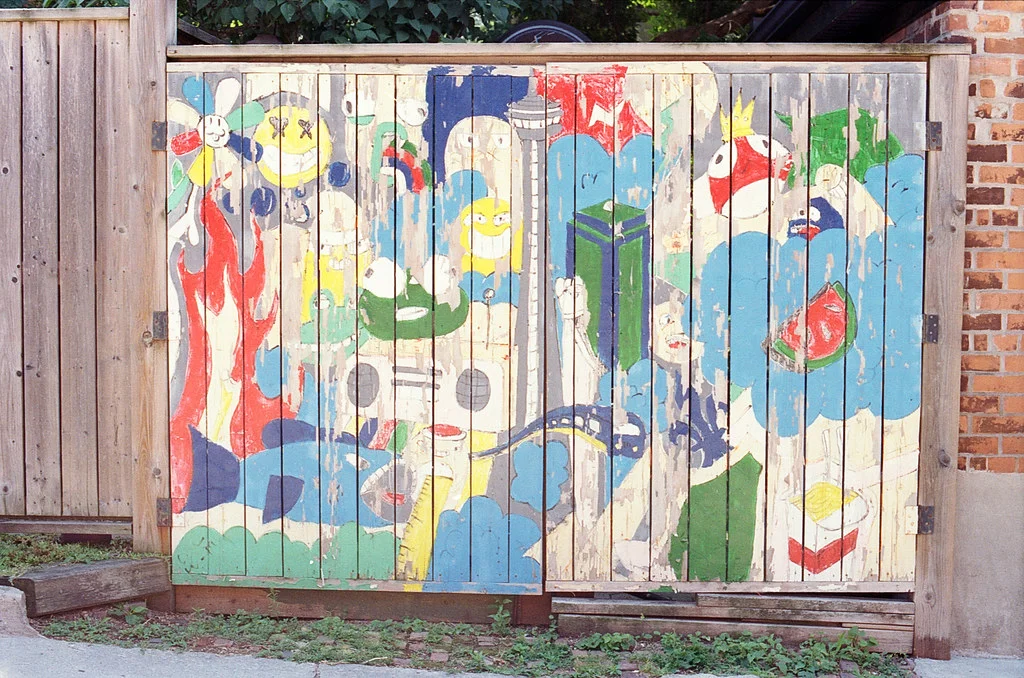
The photo walk covered key locations along the Line 2 Subway, where the trains are notable for their older rolling stock, contrasting sharply with the more modern trains of Line 1. This historical element adds a layer of character not just to the transportation experience but also to the images captured by participants. Meandering from Jones Avenue to The Danforth, photographers documented the unique nuances of the neighborhood, capturing its varied elements: the walls plastered with vibrant murals, the quiet corners where locals gather, and the open spaces that invite exploration. The walk concluded at The Wren restaurant, just west of Monarch Park and Danforth, where many attendees were drawn in by the promise of delicious hamburgers and friendly conversation, capping off a sensory-rich journey.
Capturing the Moment
Photographers utilized a range of settings and techniques to make the most of the urban environment. The choice to shoot with the Nikon F3/T and Nikkor AIS lenses was pivotal. This combination not only offers reliable performance but also produces images with the classic look that film provides—something that digital often struggles to replicate. It elevates the aesthetic quality, adding an organic feel to the photographs that resonates with viewers. Photographers aren’t just taking pictures; they’re creating artifacts that captivate the viewer's imagination.
For the film, Kodak Pro Image 100 was selected for its fine grain and color reproduction, making it versatile for capturing both vibrant city life and subtle, muted tones. This film type is regarded among enthusiasts for its ability to impart a more authentic feel to the images. The film was developed at Graination Lab, a local facility known for its meticulous attention to detail and quality. This attention ensures that the final images accurately reflect the aesthetic vision of the photographers involved, emphasizing how vital collaboration with knowledgeable local labs can be in achieving intended outcomes.
Key Techniques Employed
Throughout the photo walk, various techniques were employed to enhance storytelling through images. Here’s a breakdown of the essential elements:
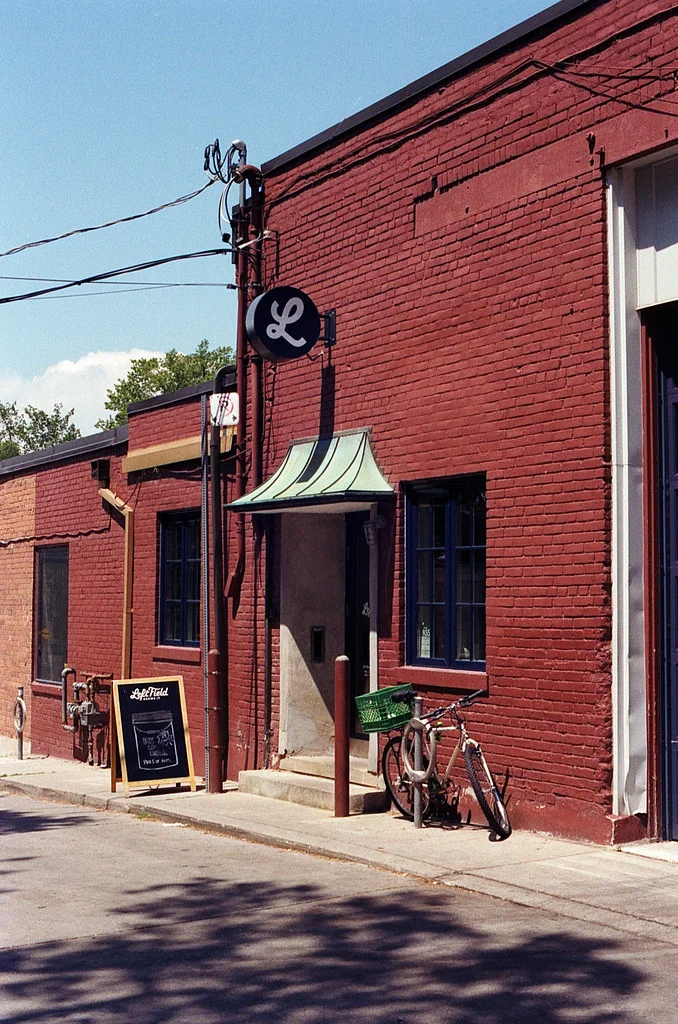
- Lighting Choices: The timing of the walk coincided with the golden hour, a period favored by photographers for its soft, warm light. This natural lighting condition allowed participants to capture nuanced shadows and highlights, effectively portraying the texture of the buildings and streets. Photographers are often aware that good light is one of the most critical components of compelling imagery, and the golden hour doesn’t disappoint.
- Composition: Many photographers experimented with diverse compositional styles, understanding that composition is the backbone of a striking photograph. Framing elements such as doorways or windows helped to guide viewers' eyes into the photograph, creating a sense of depth and inviting them to explore the story within the scene. A keen awareness of lines and shapes can transform an ordinary shot into something visually arresting.
- Focus and Depth of Field: Utilizing the Nikkor lenses enabled participants to play with depth of field. By opting for wide apertures in some scenarios, they could achieve a beautiful bokeh effect, isolating subjects against the bustling backdrop of urban life. It’s an effective technique to draw attention to specific subjects while maintaining contextual interest. Just the right amount of blur can make or break a photograph.
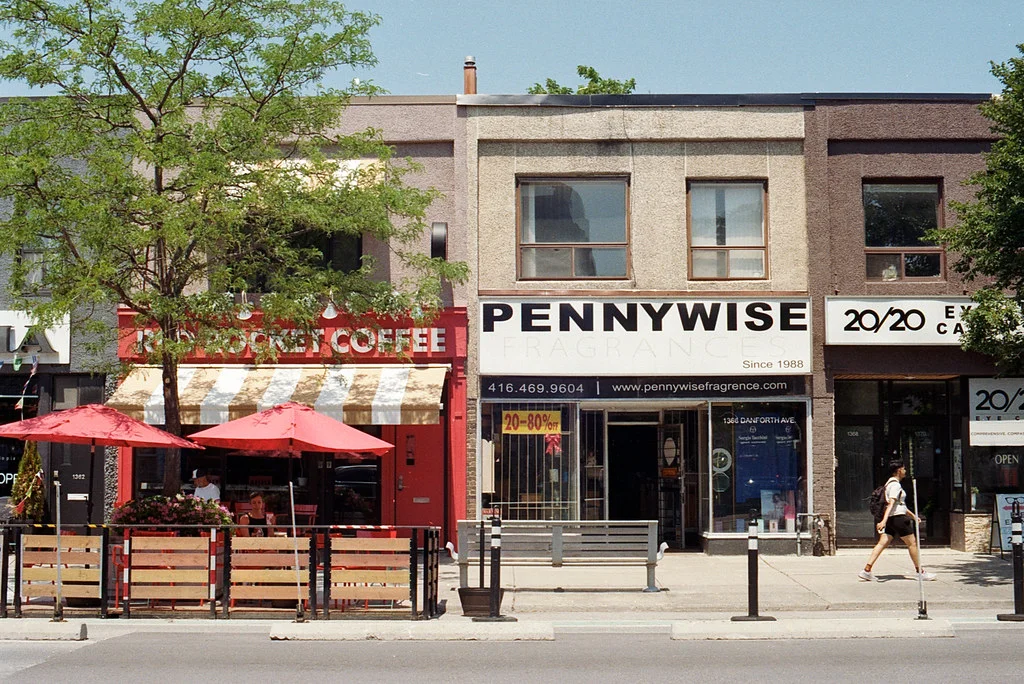
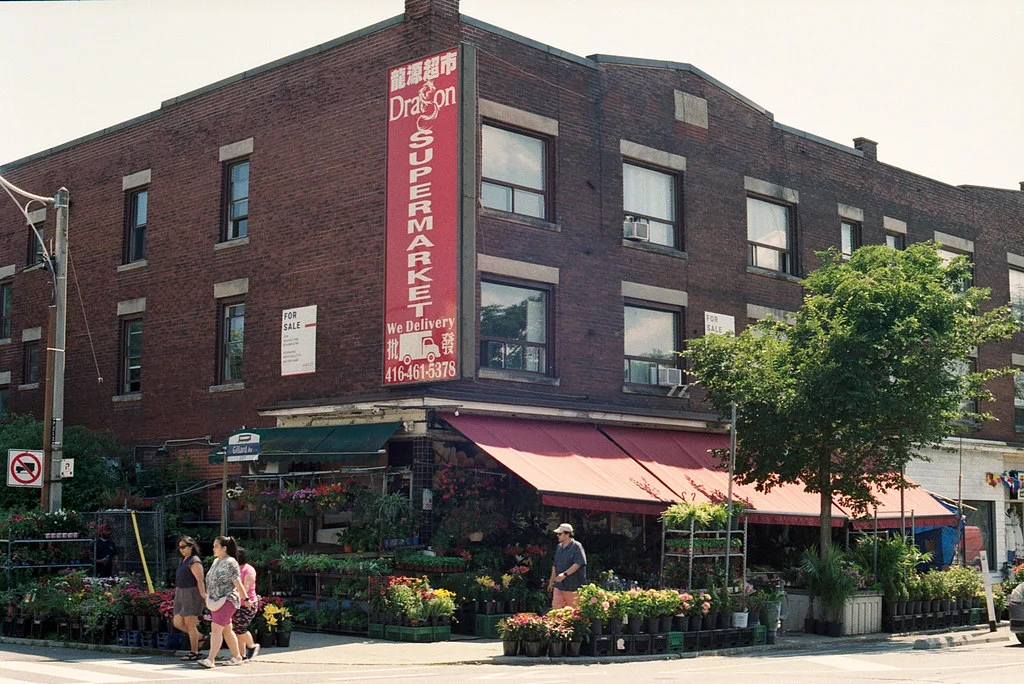
- Storytelling: Each captured image had a narrative element. From the iconic architecture of the Danforth area to candid street scenes of local residents, the resulting photographs tell interconnected stories that highlight the community's spirit. This is essential for any photographer: the ability to convey a narrative elevates photography from mere documentation to art.
Highlighting Unique Subjects
Among the various takes from the walk, select photographs stood out, showcasing unique subjects that embody the essence of the neighborhood:
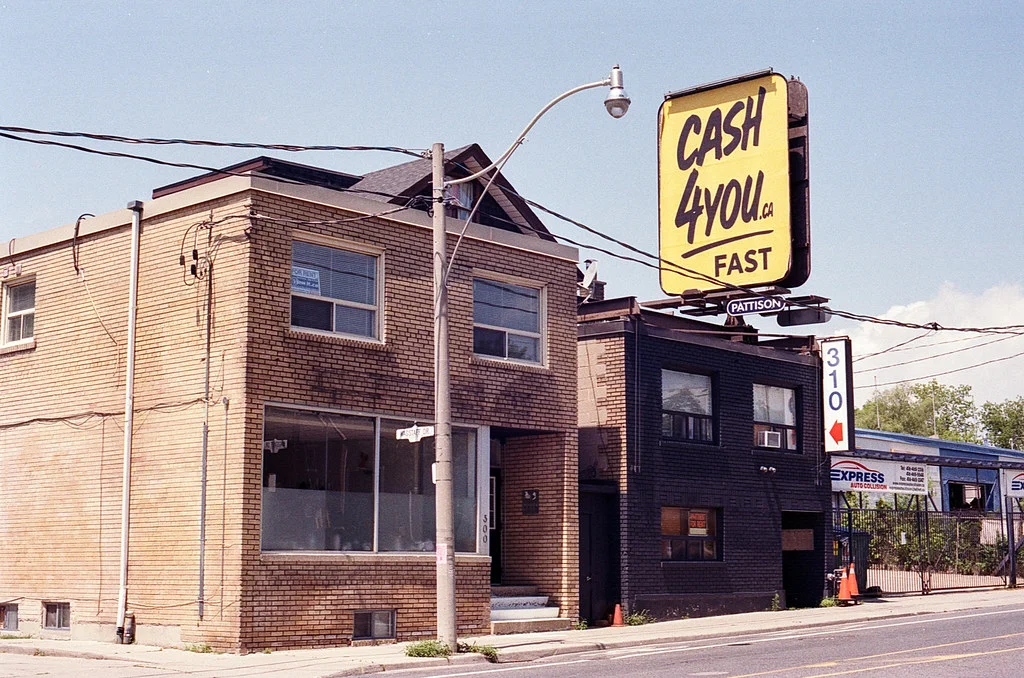
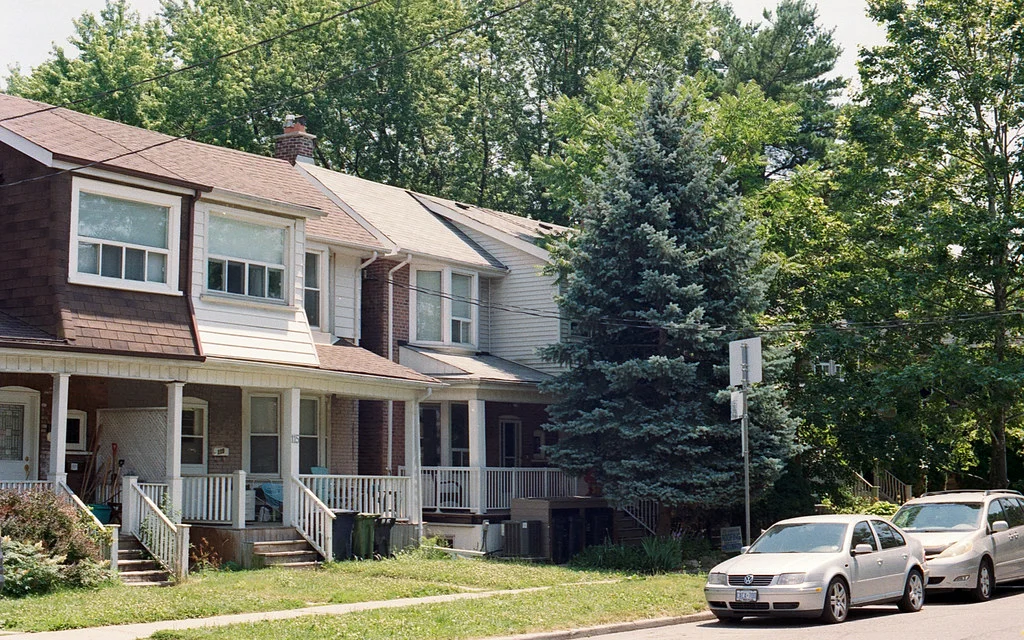
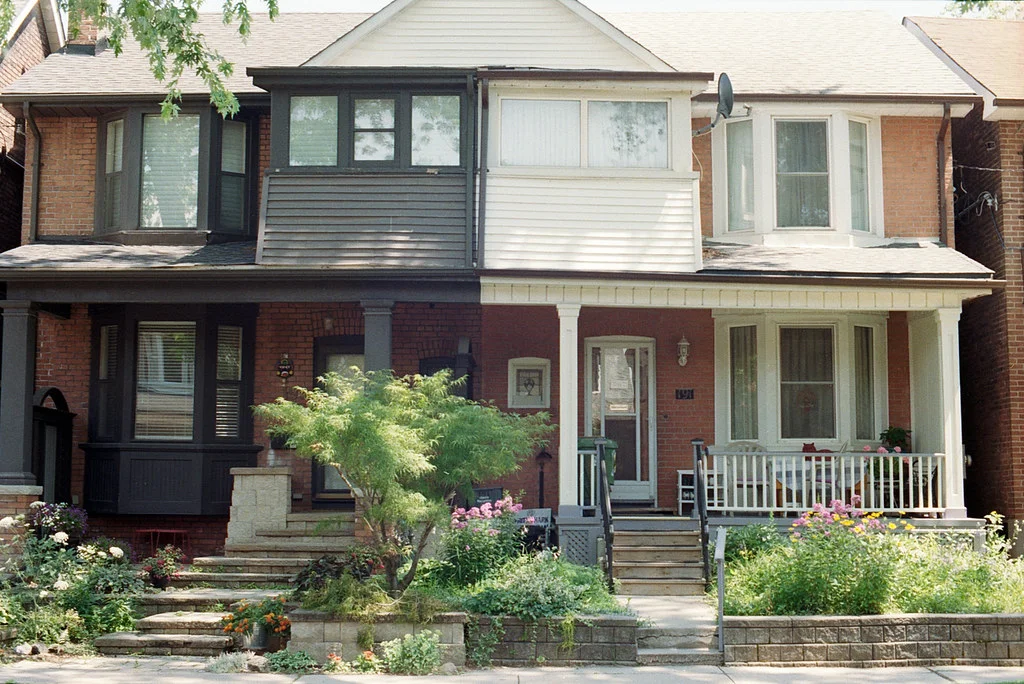
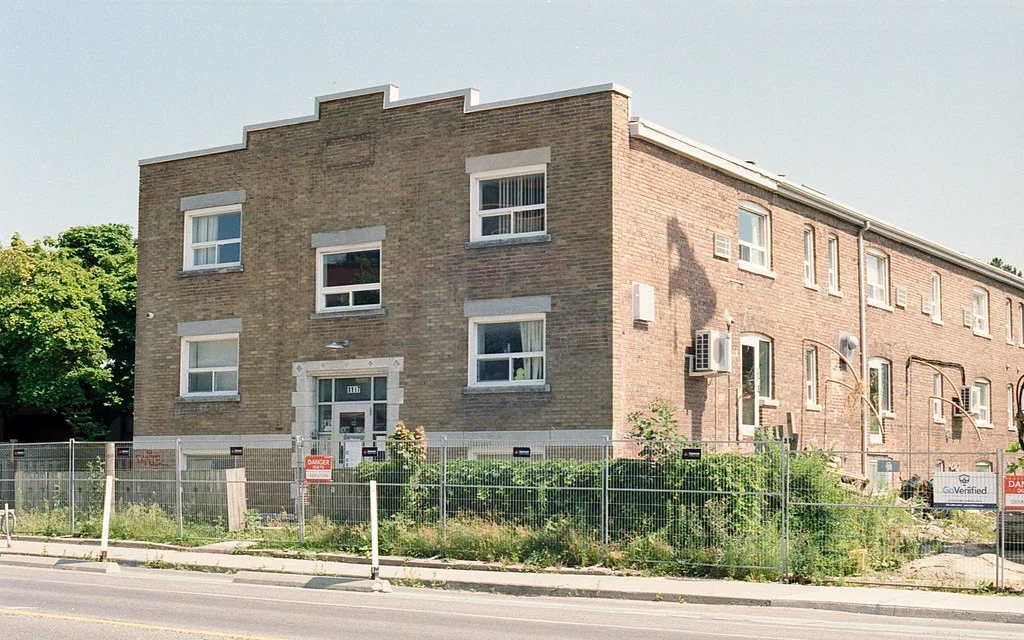
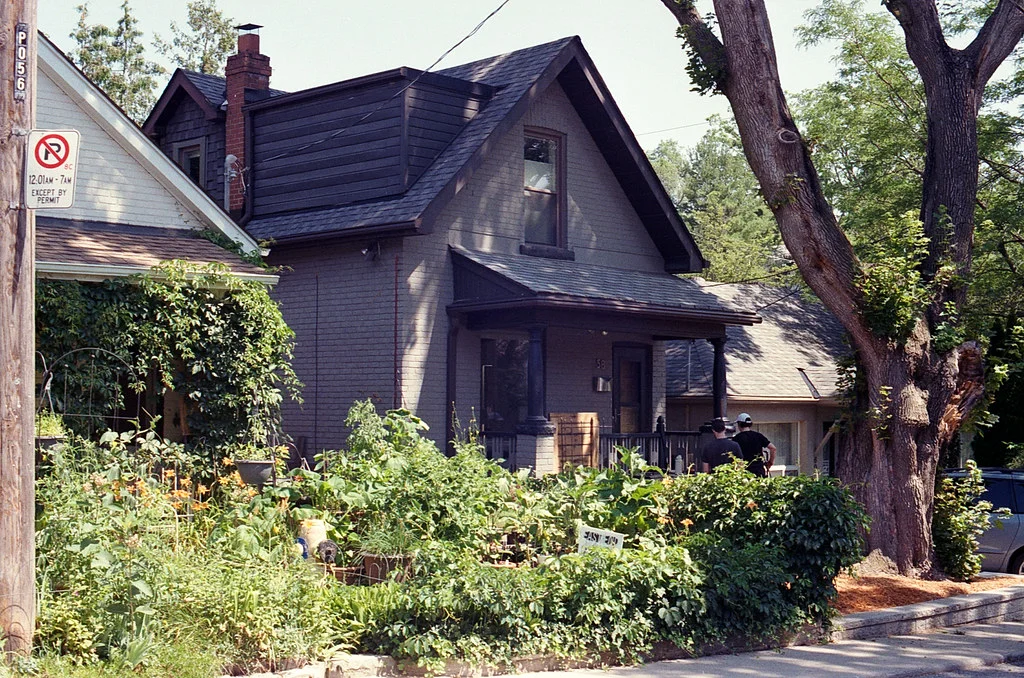
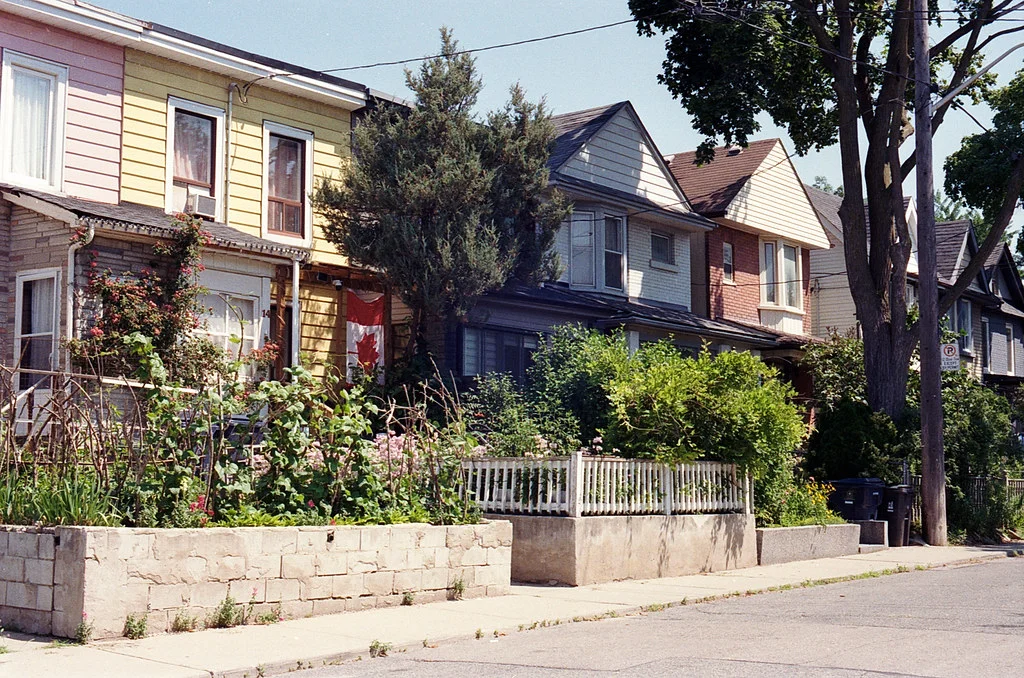 - This image captures a lined row of houses that reflect diverse architectural elements of the area. The interplay of colors and styles serves as a canvas for the rich history interwoven in this community.
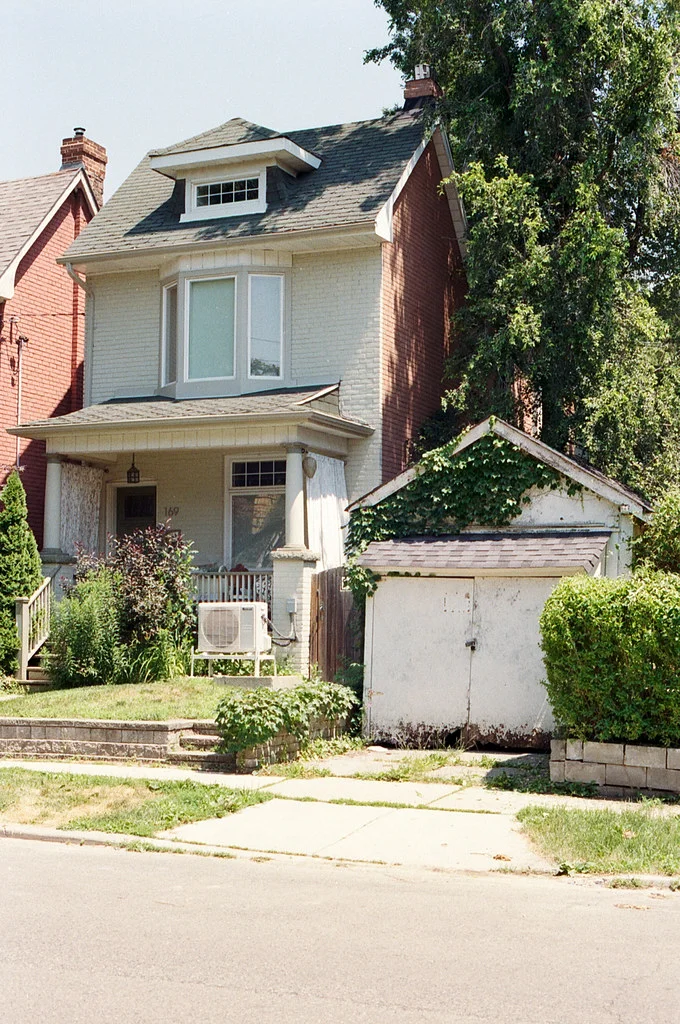
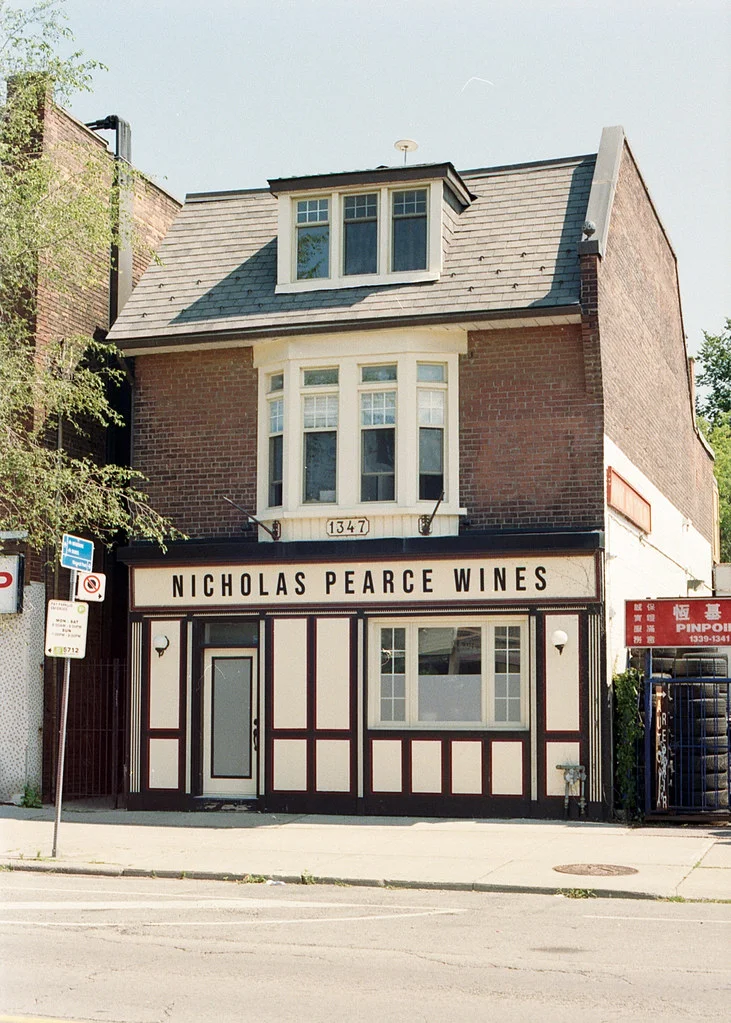
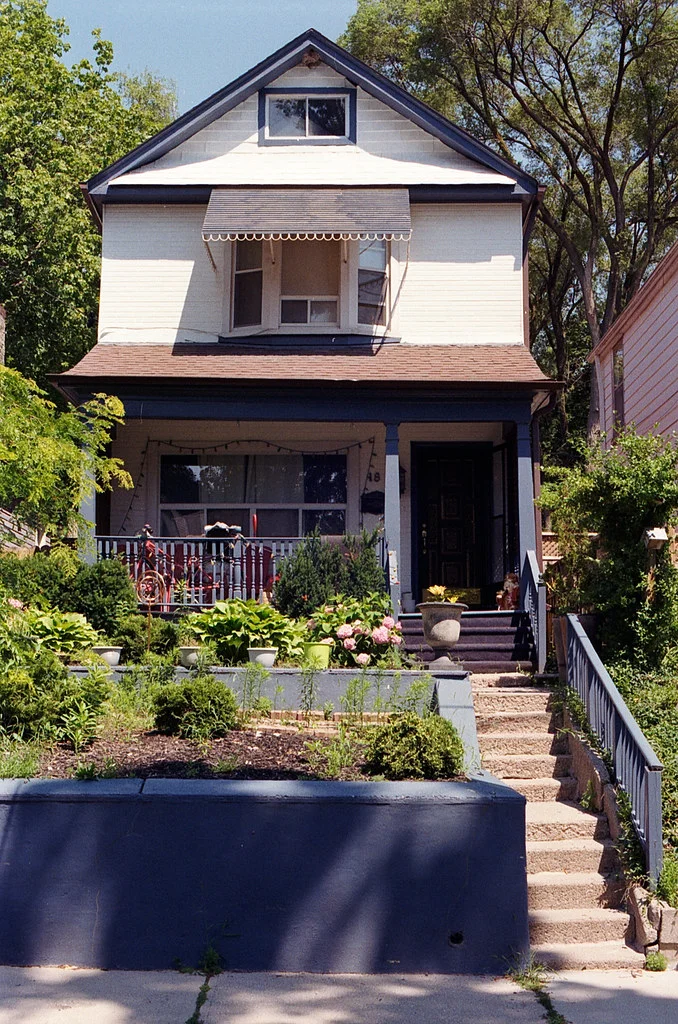
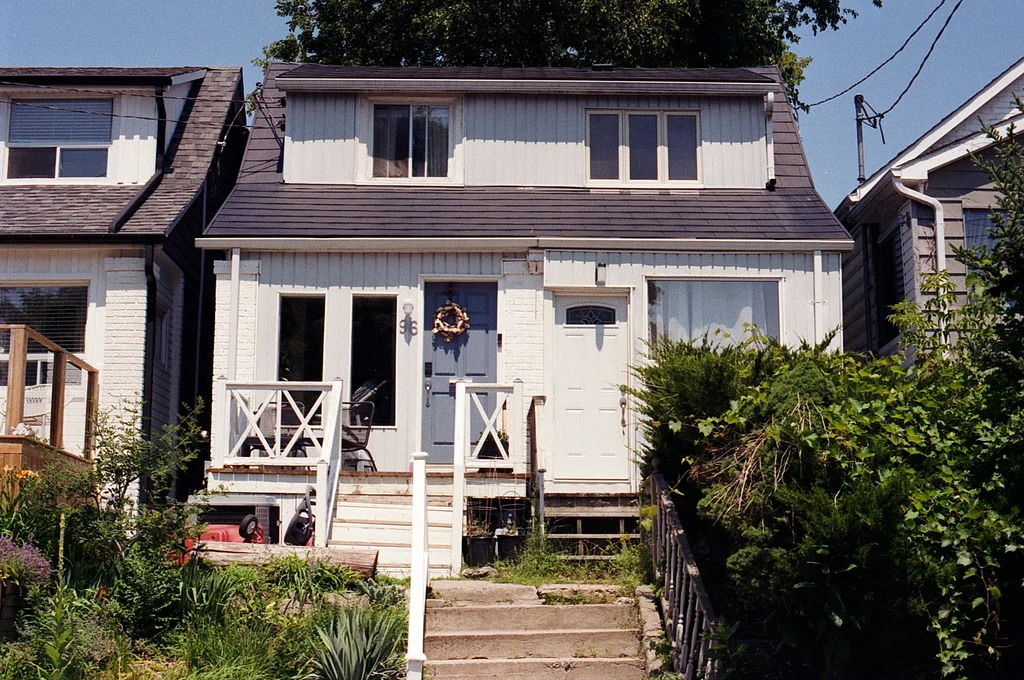
 - A striking house that tells its own story through its design and the surrounding space—each detail a testament to the lives lived within those walls.
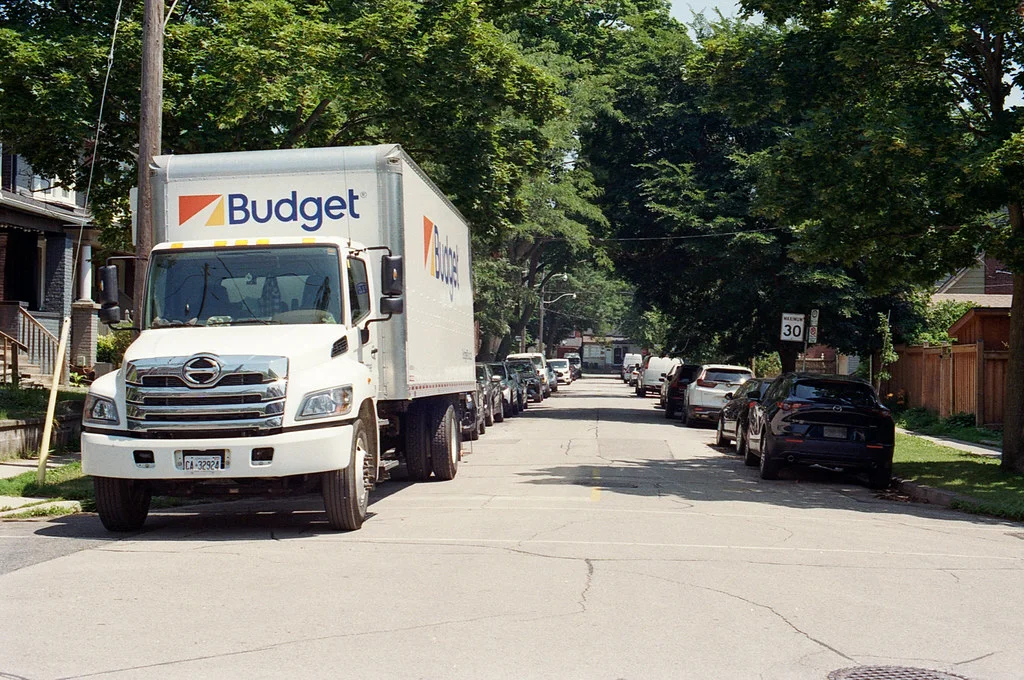
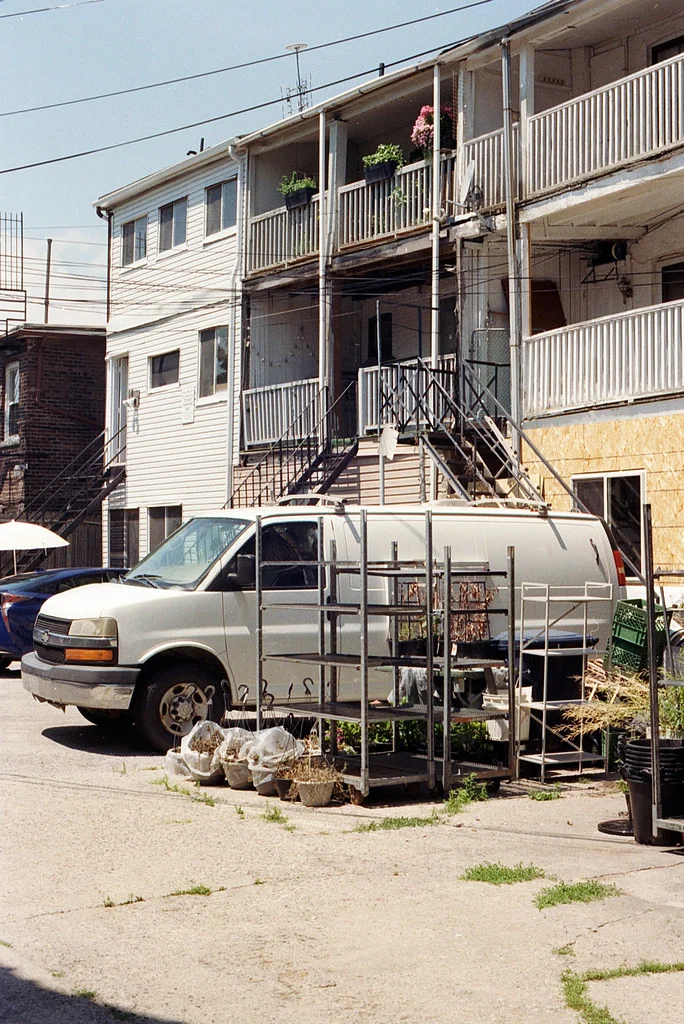
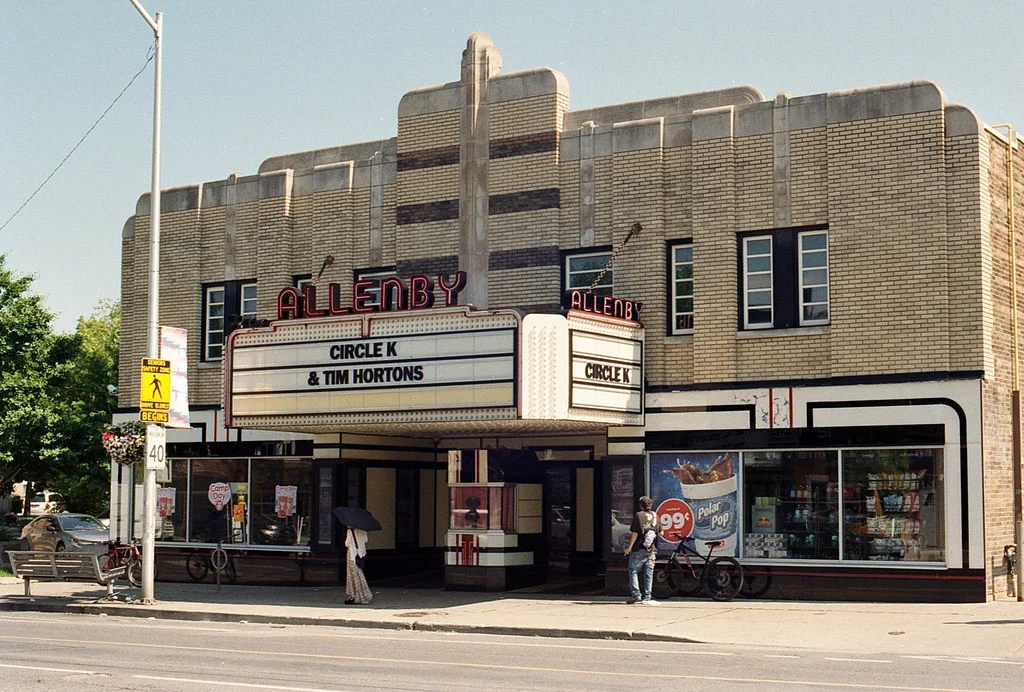
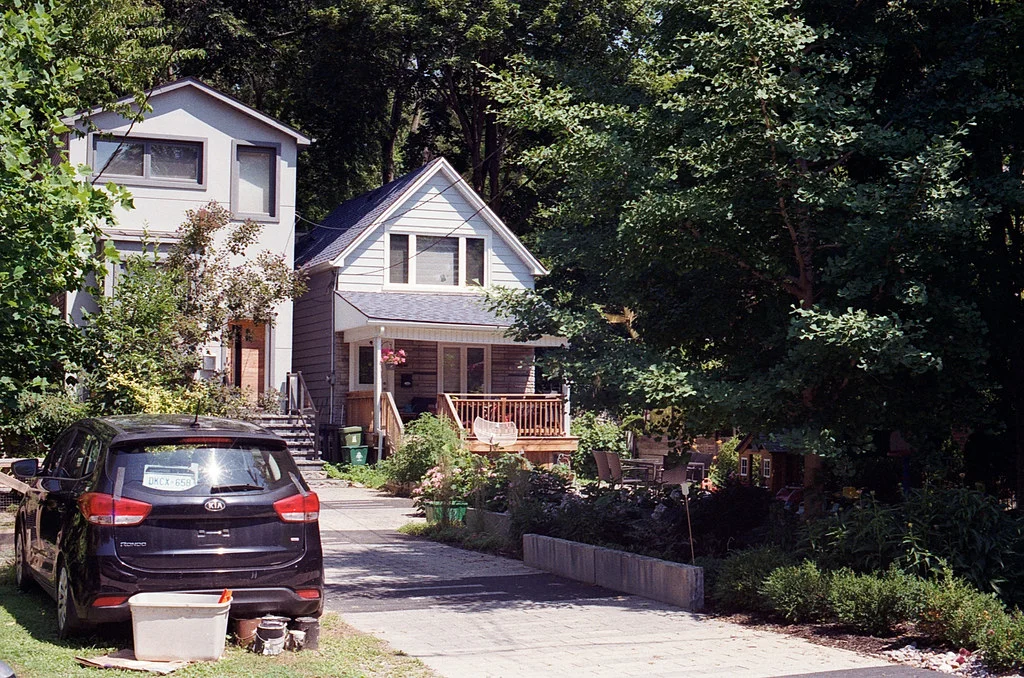
 - A nostalgic capture of an old vehicle resting against a lively backdrop. This contrasts the vintage and contemporary, evoking a sense of time gone by.
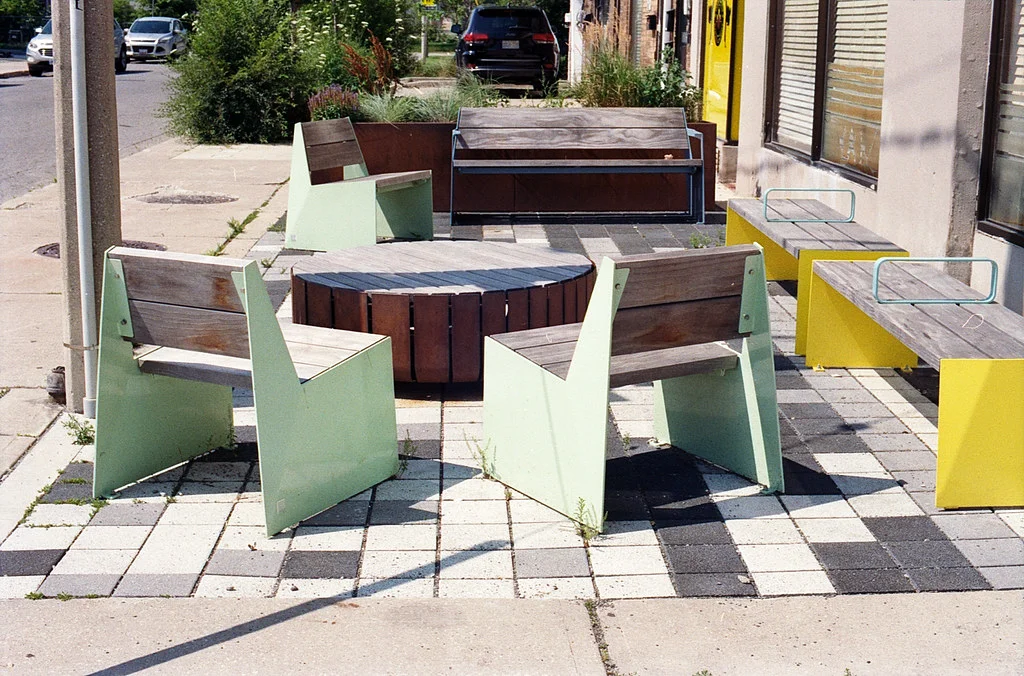
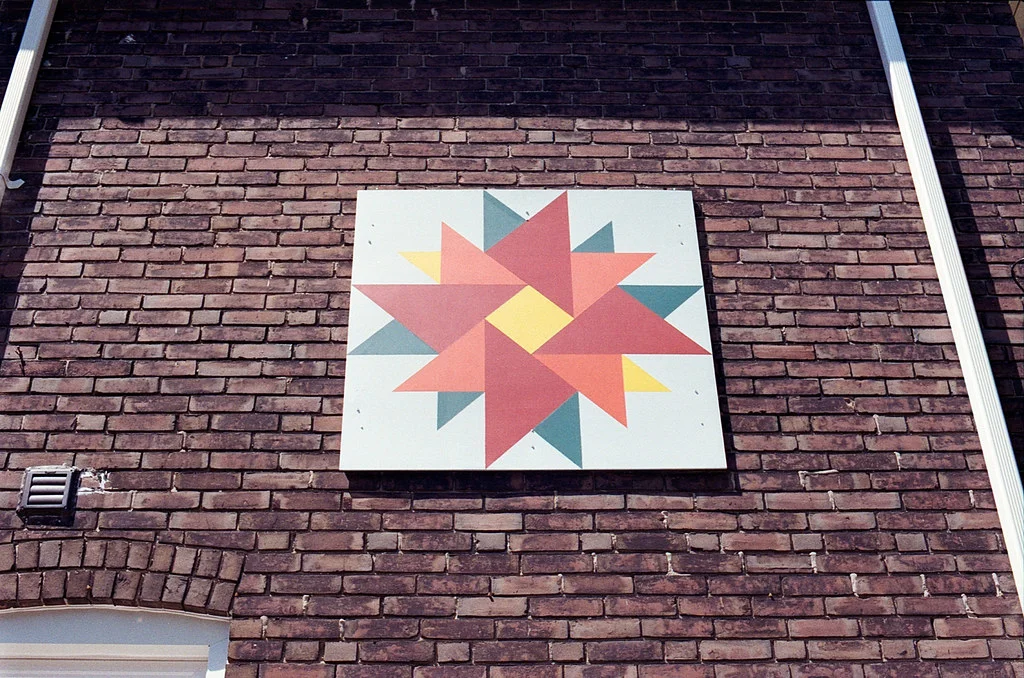
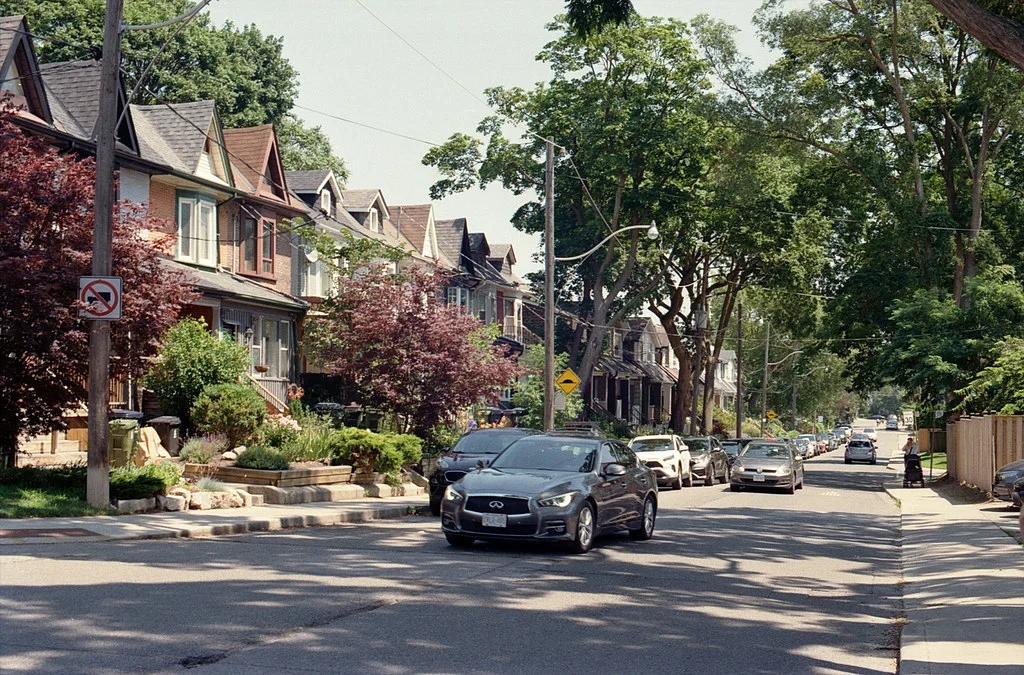
 - A charming glimpse into residential life, combining color and texture unique to this locale. Photographers must remember that such ordinary scenes often yield the most relatable imagery.
Implications for Modern Photography
This photo walk serves a broader purpose for the photography community, particularly in a time when digital imaging predominates. Engaging with traditional film techniques reminds photographers and enthusiasts alike of the value of authenticity. It challenges the notion that modern sophistication must cater to technical advancements alone. Shooting with film fosters patience and deliberation, qualities somewhat lost in the age of immediate results.
What this means for you, whether you’re a hobbyist or a pro, is simple: trying out film can offer a new perspective and break the monotony that often comes with digital photography. It encourages practitioners to think creatively about how they compose, capture, and develop images. As the artistic community continues to evolve, hybrid approaches may emerge—melding the immediacy of digital with the tactile joys of film.

Conclusion
The Toronto East End photo walk not only revealed the area's distinct charm but also demonstrated the effectiveness of traditional photographic techniques in a modern setting. Participants left with not only visual records of the neighborhoods but also a deeper appreciation of the stories these urban spaces hold. (And this is the part most people overlook.) In an era where images are consumed at lightning speed, the connection between photographer, subject, and environment has never been more poignant. Consider joining future walks to explore different parts of the city while honing your photography skills. You might just come away with more than just pictures—you could find stories worth sharing.