Explore a photographer's journey through the Annex neighborhood, featuring camera choices and techniques that highlight urban life and heritage.
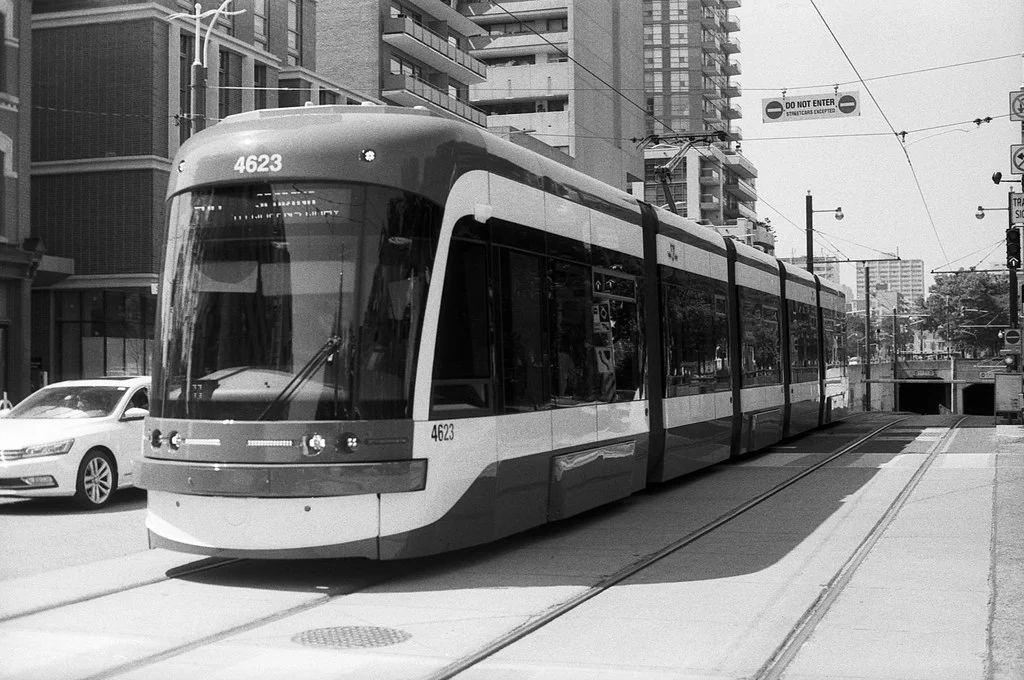
On a bright Sunday afternoon in July, I ventured into the Annex neighborhood, a lively and eclectic part of Toronto. My camera for this outing was the Nikon F2SB—a reliable pre-AI body known for its durability and rich photographic output. I paired it with a selection of Nikkor lenses: the 50mm f/1.4 and 28mm f/2.8 from the K series, along with my trusted 105mm f/2.5 Nikkor P.C. It's always a dilemma choosing gear; sometimes it feels like overpacking, but having options can prove invaluable.
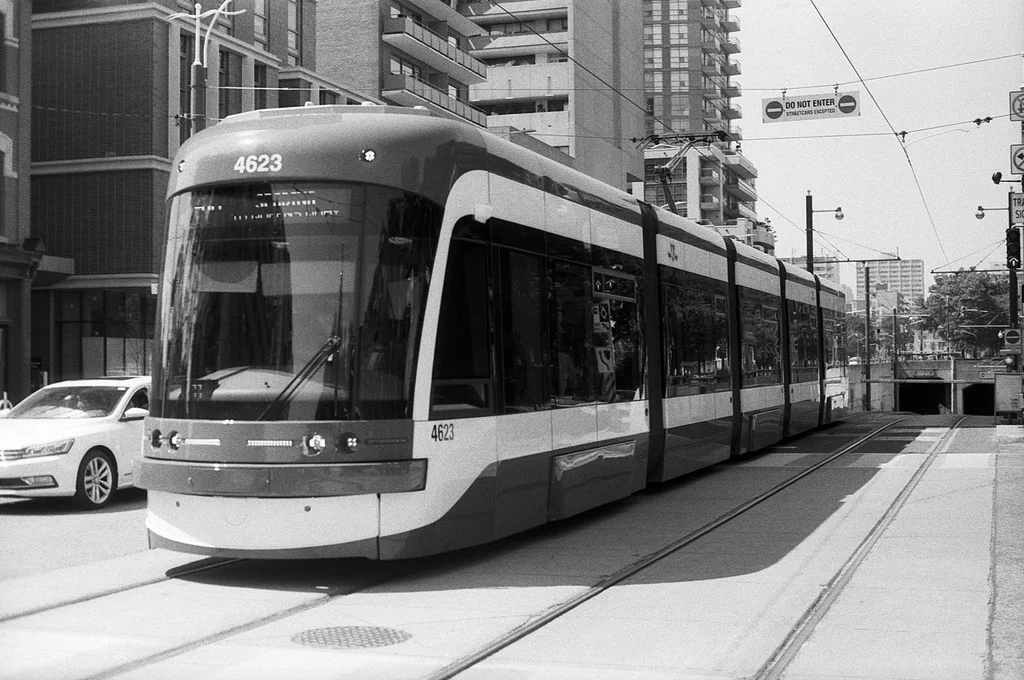
The film I used was Ilford FP4 Plus 125, a classic black-and-white film celebrated for its fine grain and broad tonal range. Processing was done in Ilfotec HC at a dilution of 1+31, which enhances the film's intrinsic qualities. The combination of this film and processing method yields rich contrasts and sharp details, perfect for street photography.
Focus on the Neighborhood
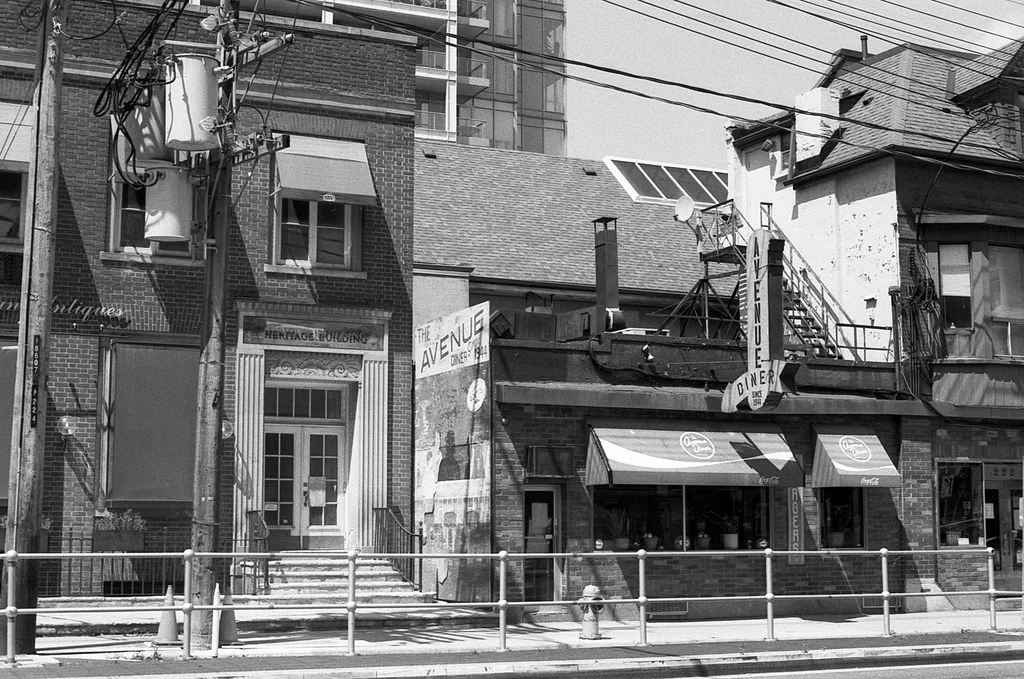
The Annex is characterized by its historic charm, filled with cafés, galleries, and unique shops. I made it a point to capture the Avenue Road Diner, a local icon that resonates with the neighborhood’s character. It stands as a testament to the past amid the shifting tides of redevelopment—an ongoing theme in urban photography. Each click of the shutter takes on the responsibility of documenting these fading aspects of our collective history.
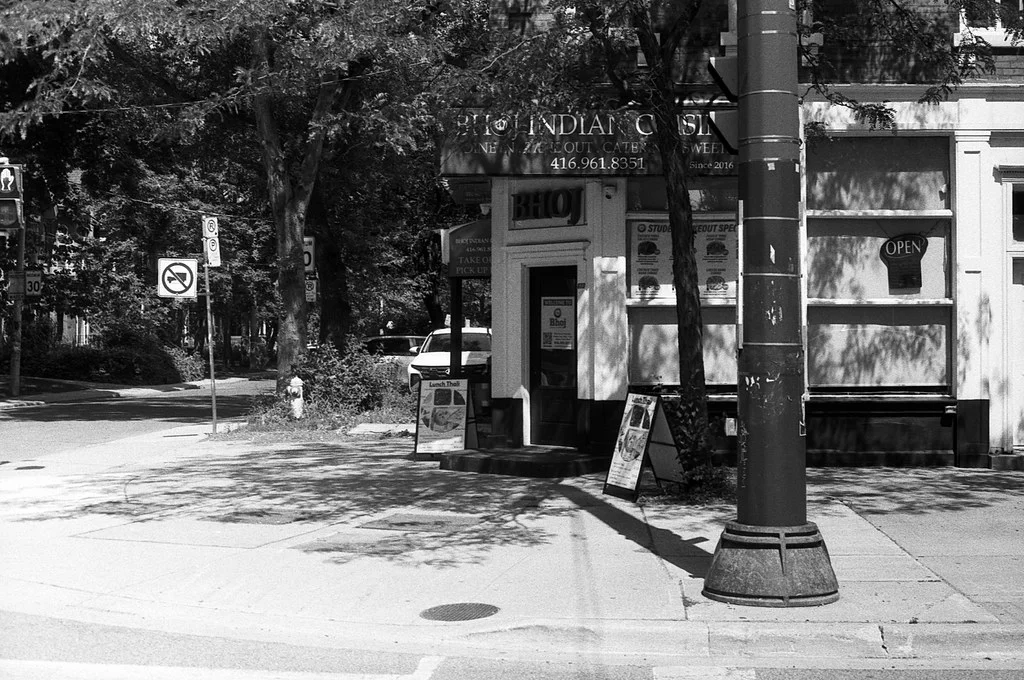
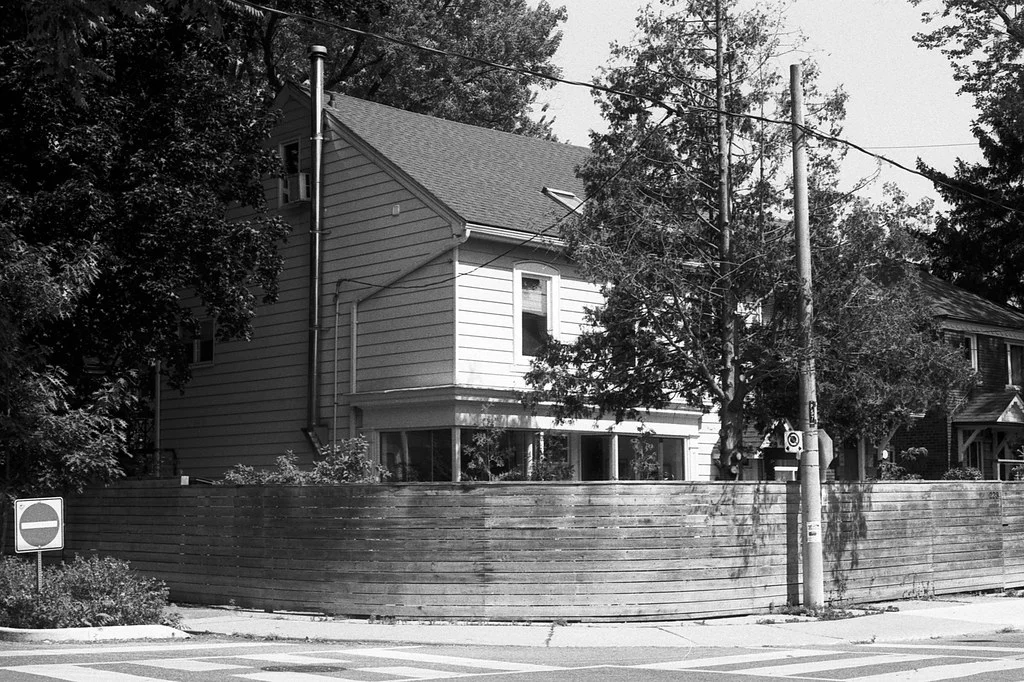
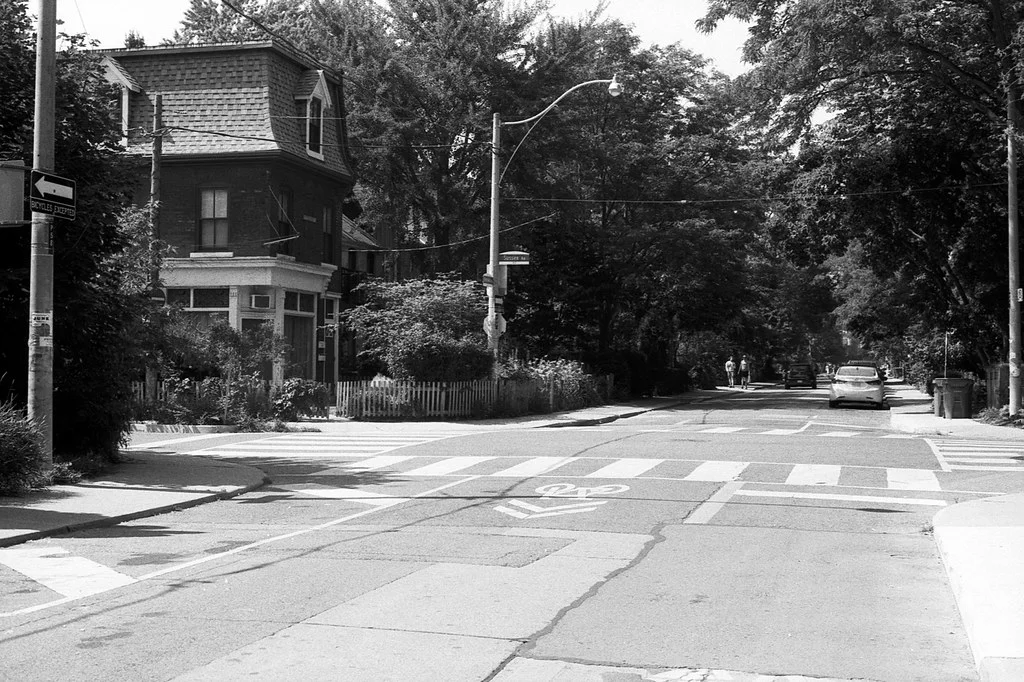
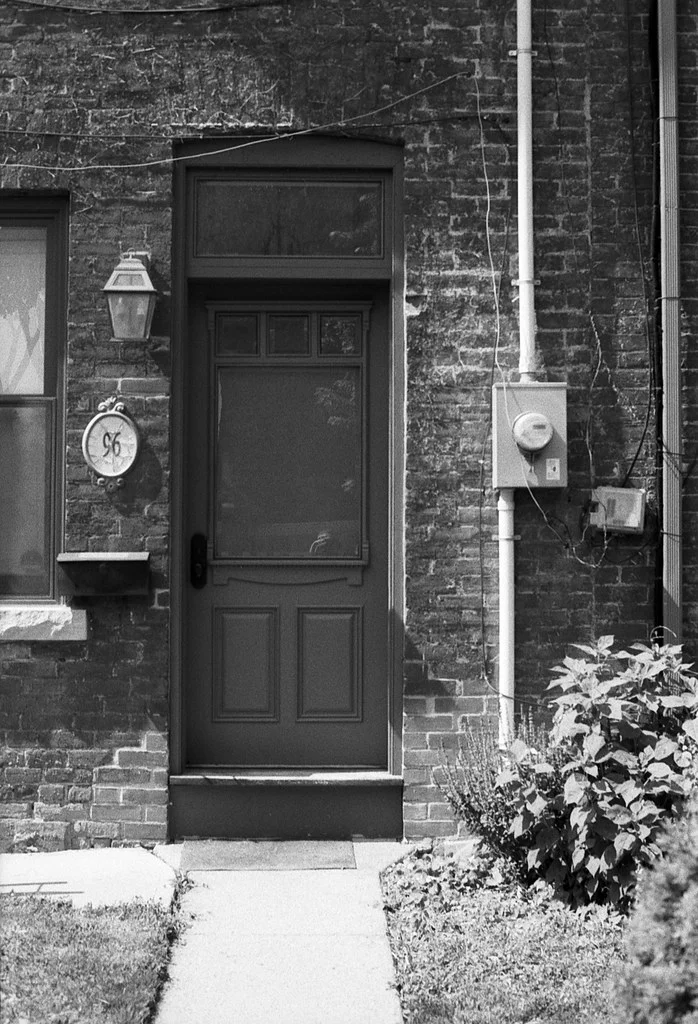
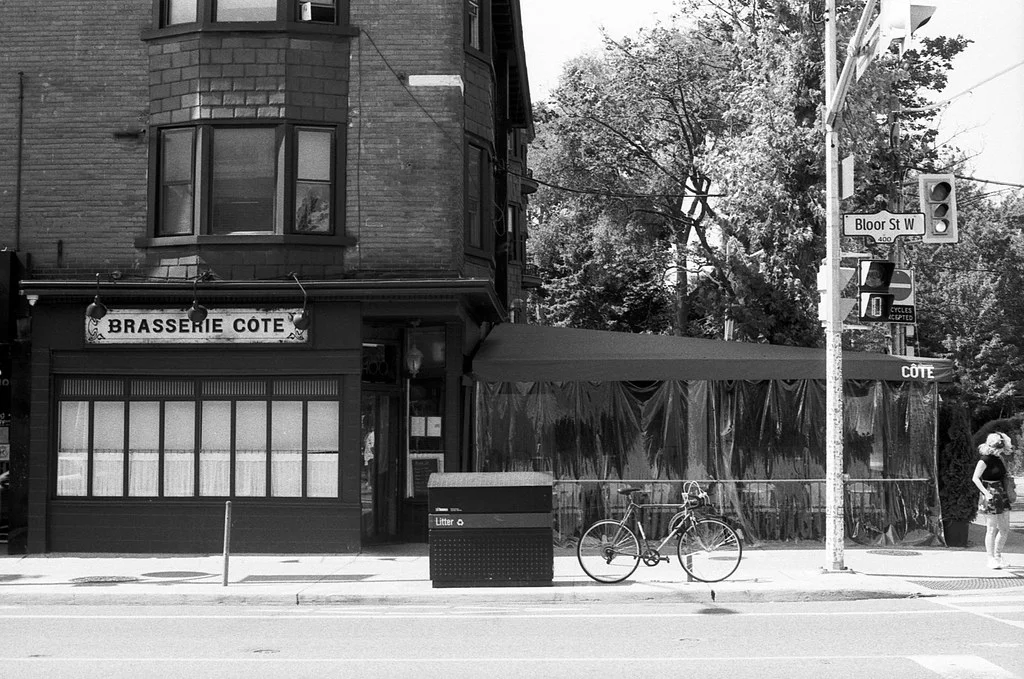
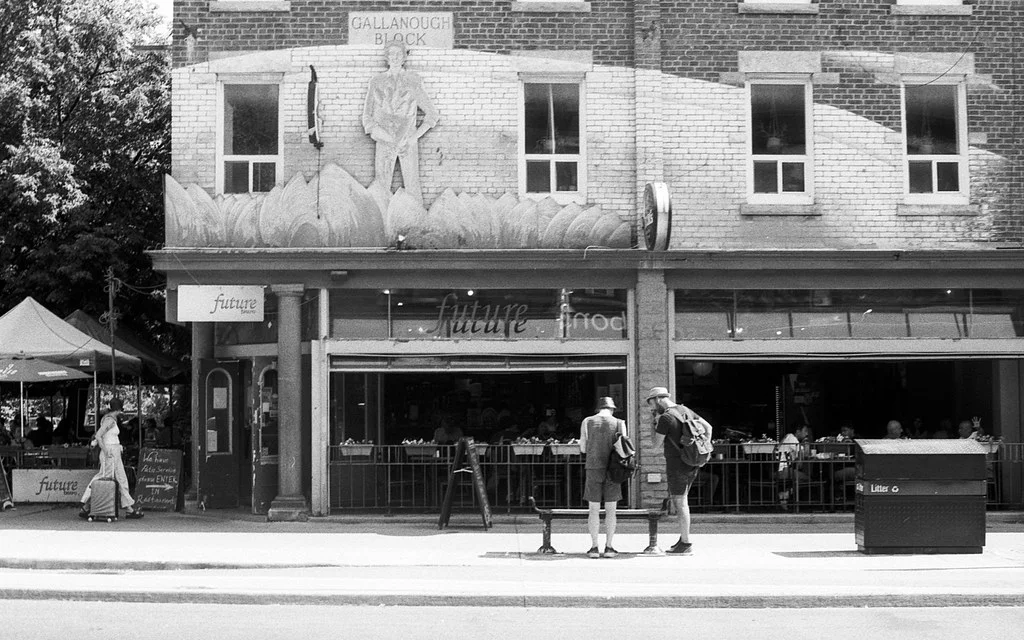
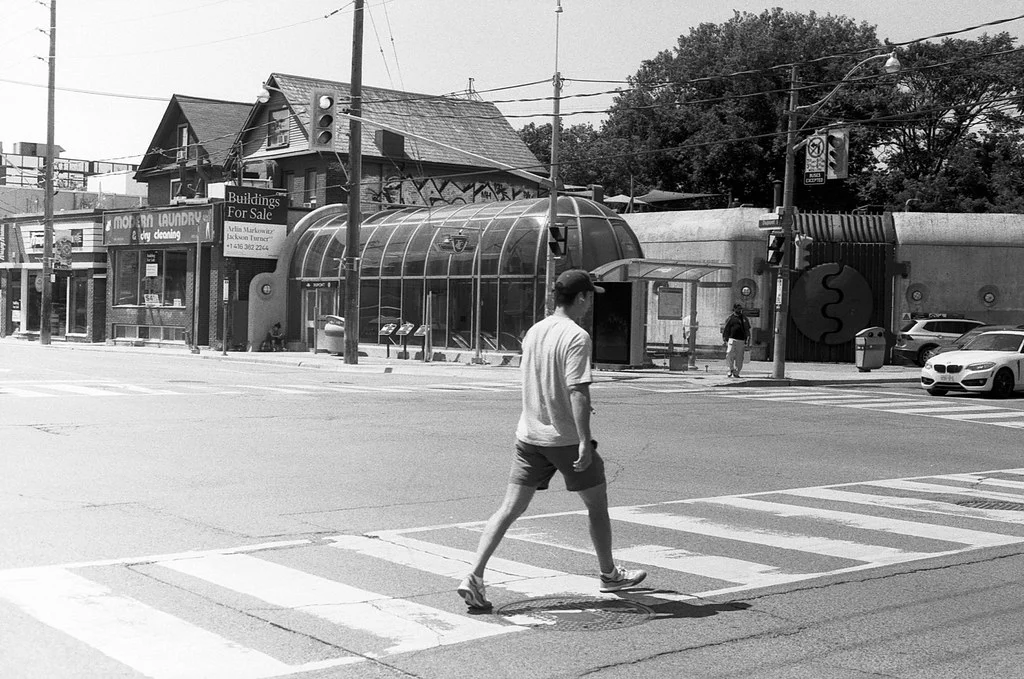
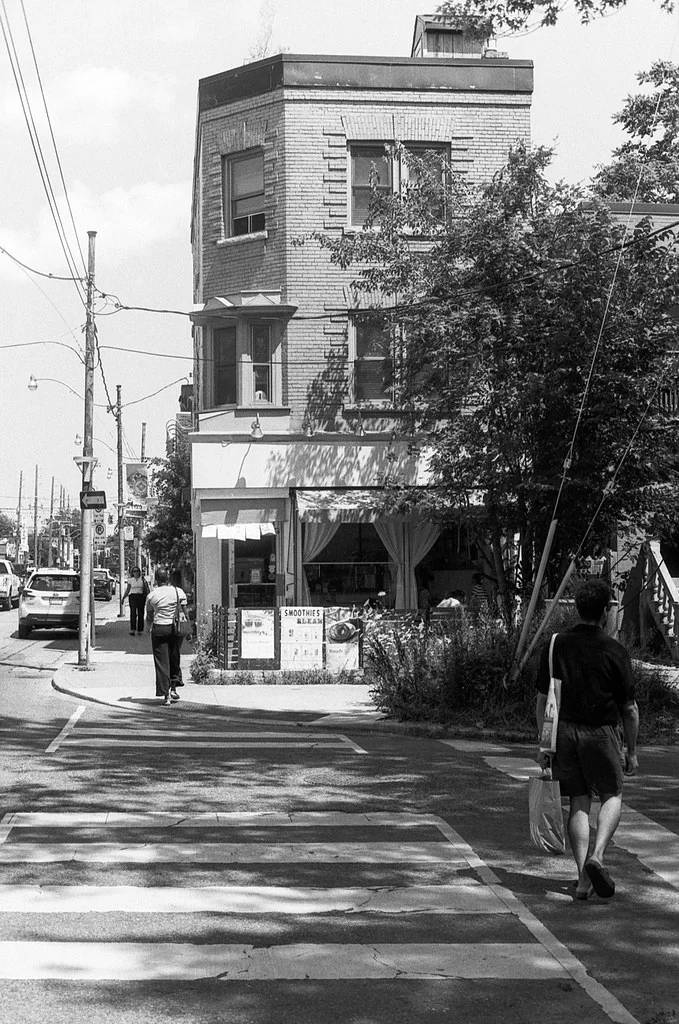
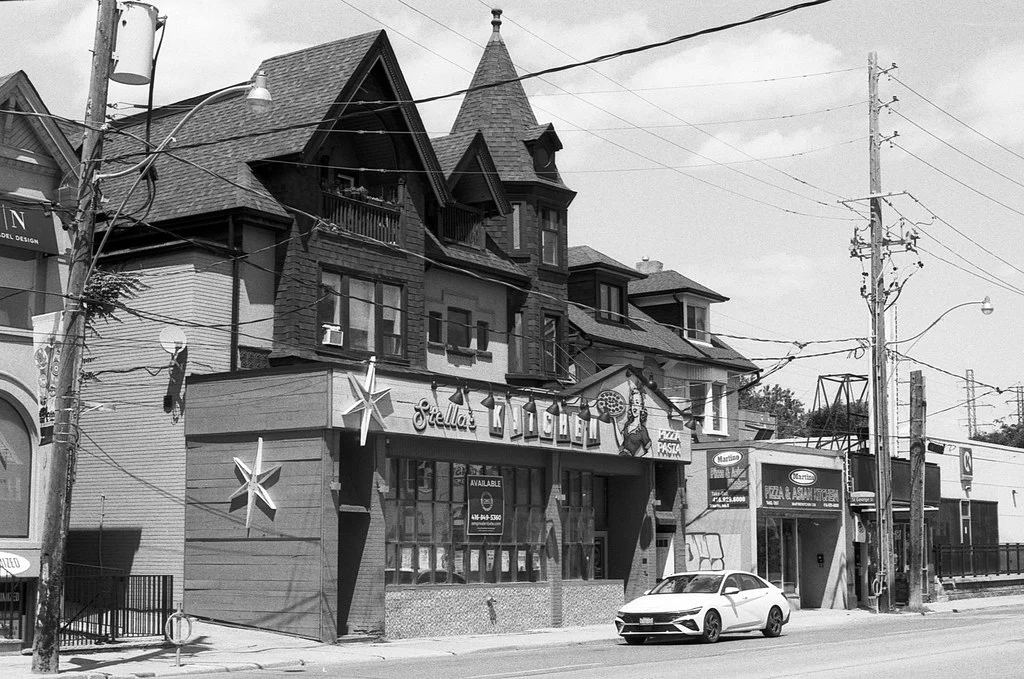
As I moved through the streets, I sought out subjects that told a story. Dynamic storefronts like those along Sussex Avenue caught my eye. Framing compositions involved strategic placement of elements within the viewfinder to create visual interest while maintaining clarity and context. The juxtaposition of architectural lines against the backdrop of everyday life is notably compelling in street photography.
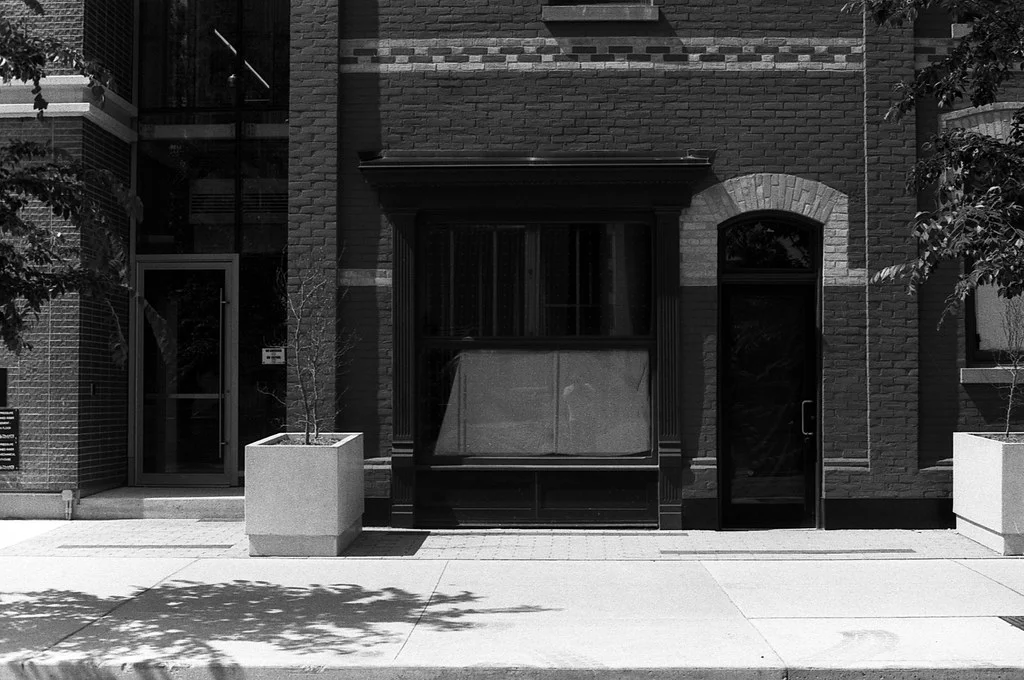
Technical Decisions and Composition
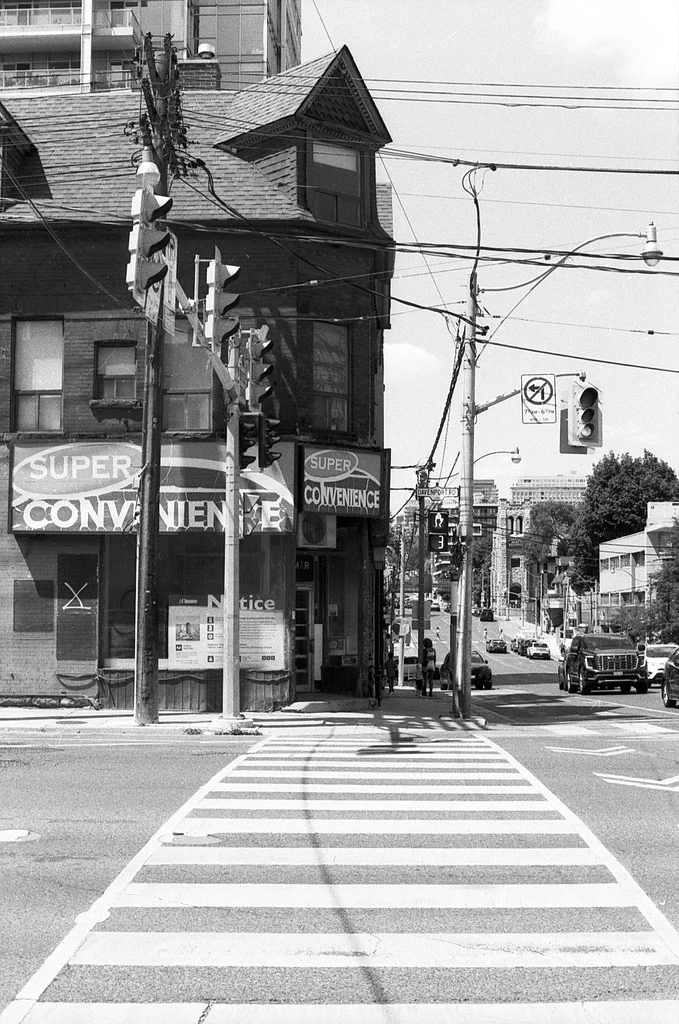
For the shots of Sussex and Major intersections, I opted for a moderate aperture of f/8, allowing sufficient depth of field to capture details from foreground to background. This decision is crucial when shooting urban landscapes; it ensures that the environment tells a story without losing focus on the subjects within it.
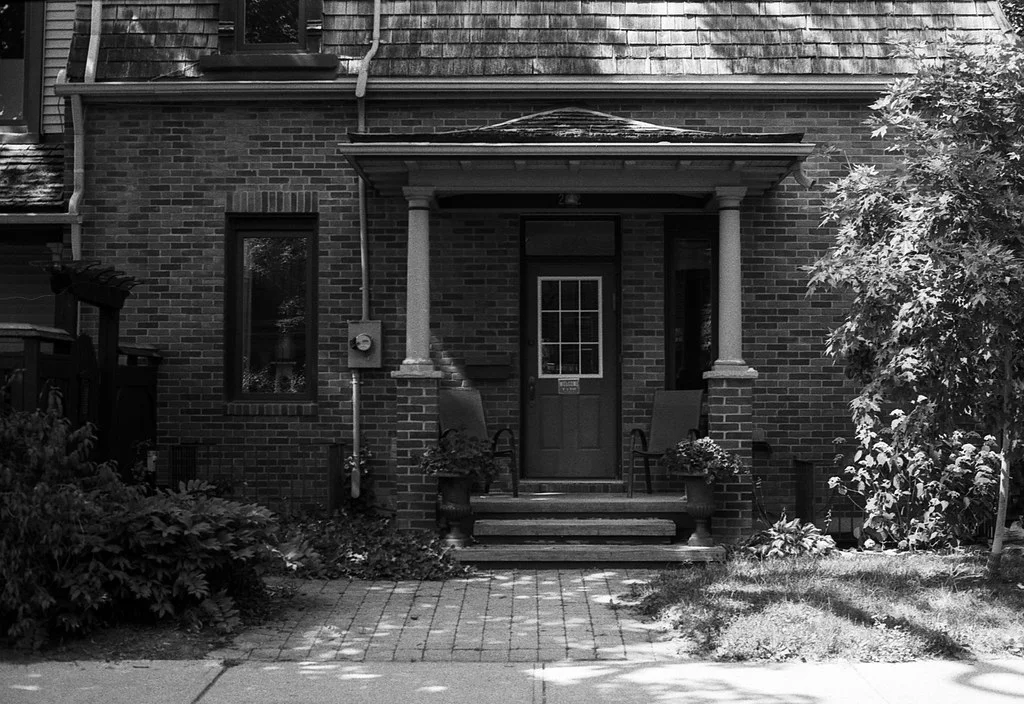
Adjusting my shutter speed was equally important. With bustling foot traffic and vehicles in motion, a speed of 1/250s provided the sharpness I needed while reducing potential motion blur. This balance between exposure settings and the inherent characteristics of my chosen film helped me achieve the right look and feel for each frame.
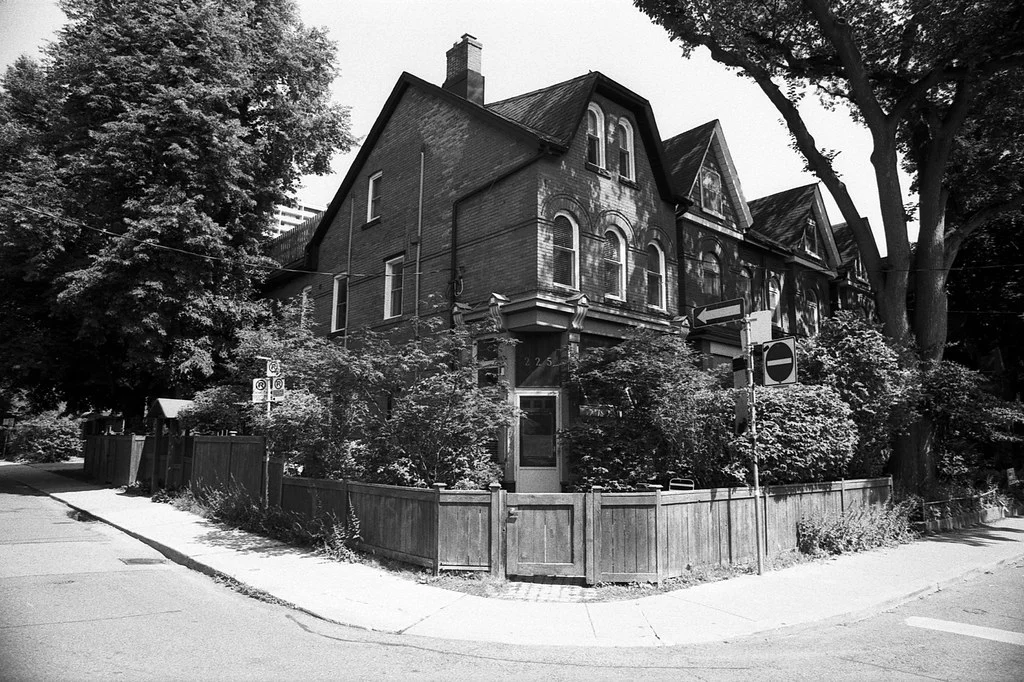
Sometimes, I find myself at odds with decisions on when to use my 105mm lens. While the 50mm or 28mm gives a more versatile range for environmental shots, the longer focal length allows for intimate portraits without intruding on the subject’s space—a fundamental quality in street photography. During this shoot, I found myself drawn to the spontaneous interactions of passersby at every corner, making use of my longer lenses to isolate moments effectively.
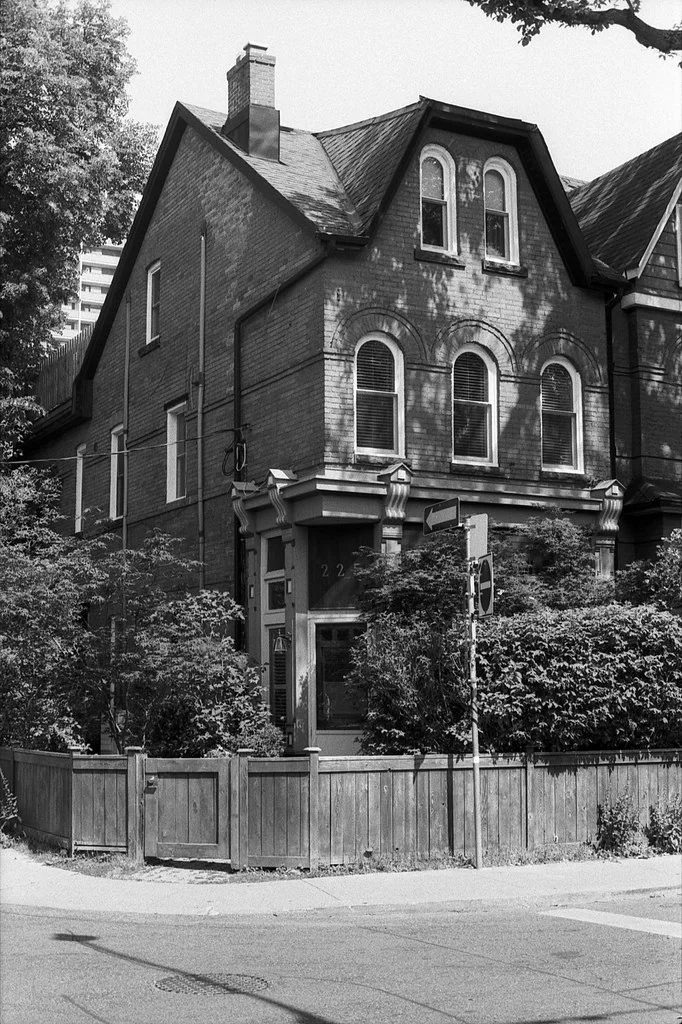
Iconic Locations and Moments
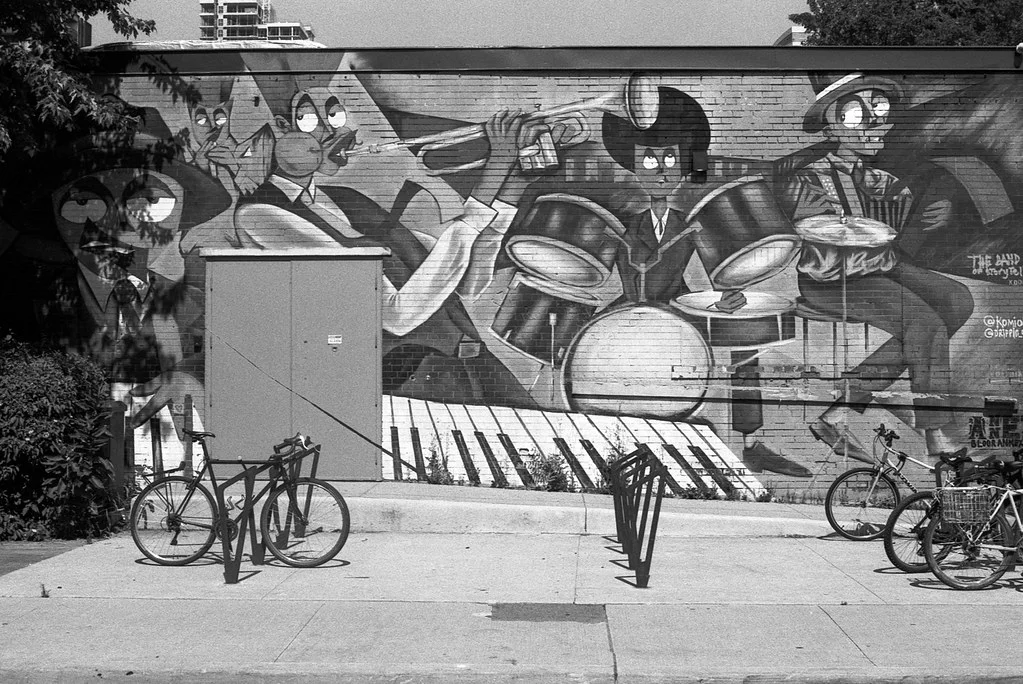
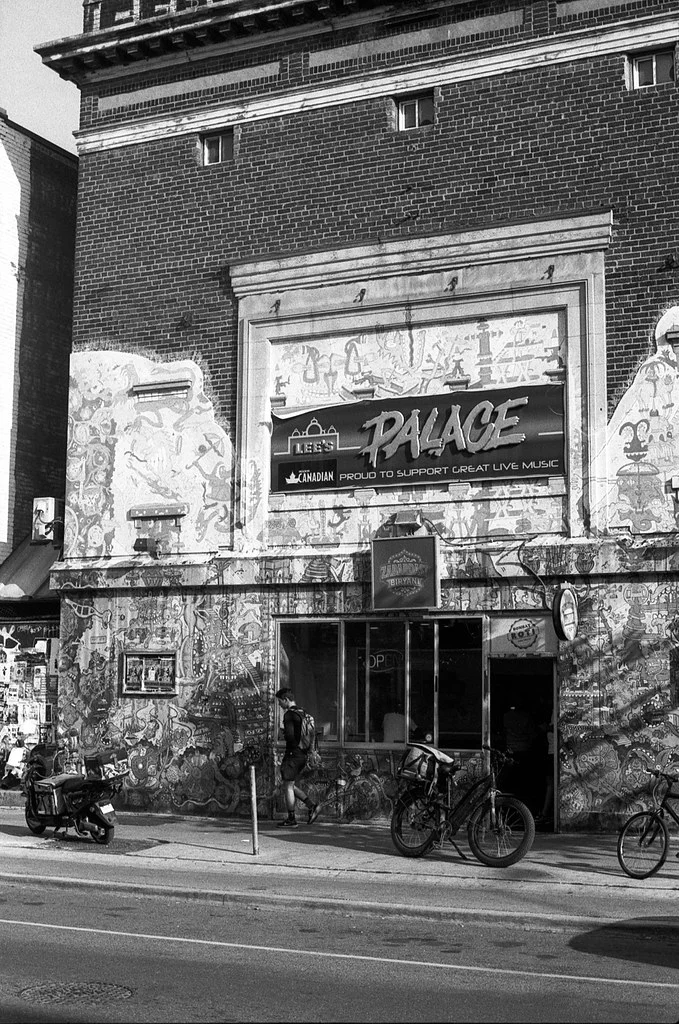
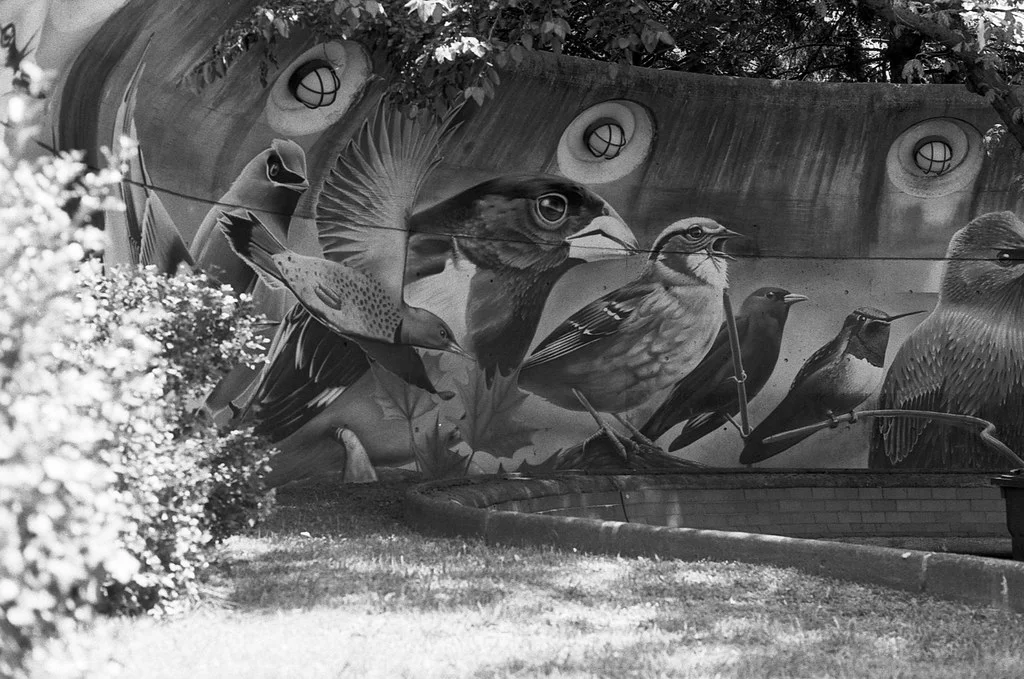
One of the highlights of my adventure was capturing images of storefronts that exude warmth and nostalgia. The former neighborhood store off Brunswick and striking murals along Dupont served as focal points, bringing a sense of community to life through my lens. These types of scenes necessitate a soft focus and tonal play, which is accomplished beautifully with the combination of my film choice and lens selection. The images resonate with the soul of the neighborhood—a representation of what makes urban life vibrant.
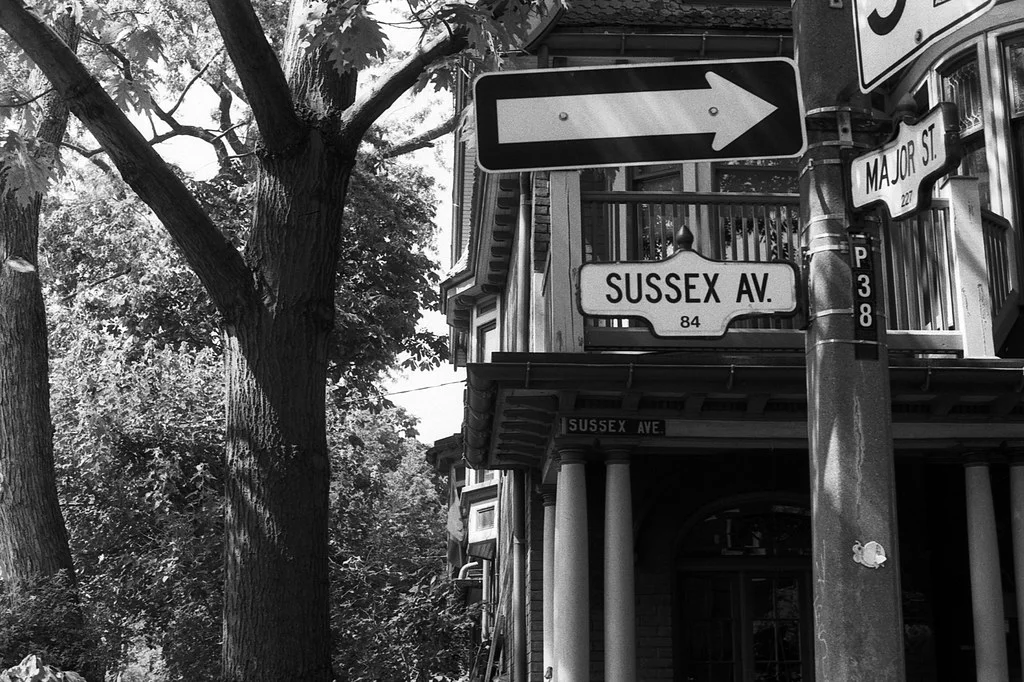
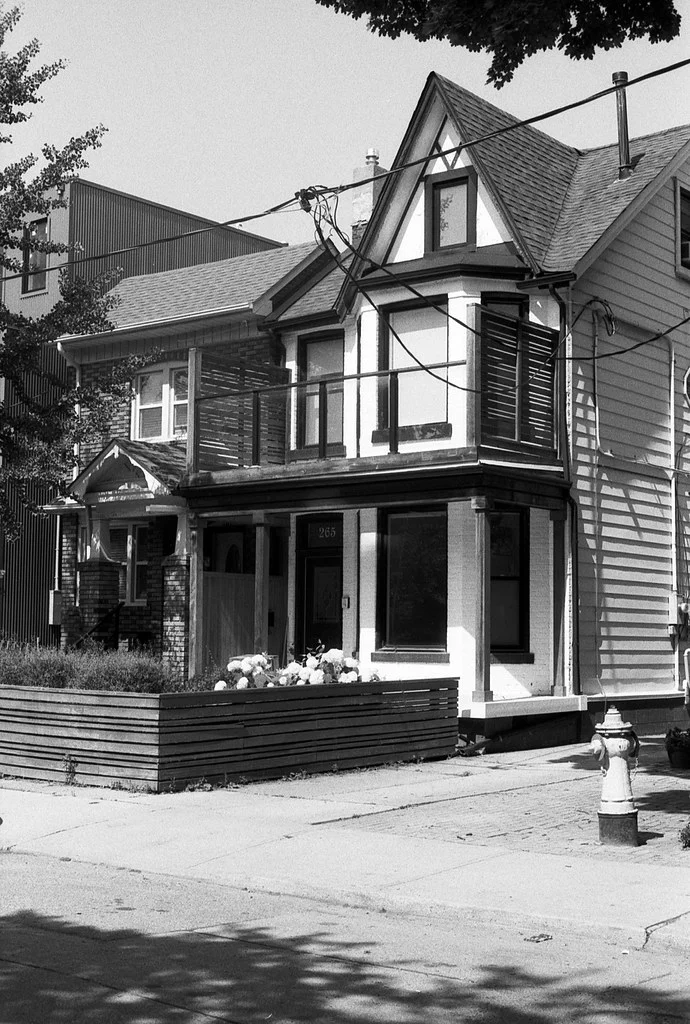
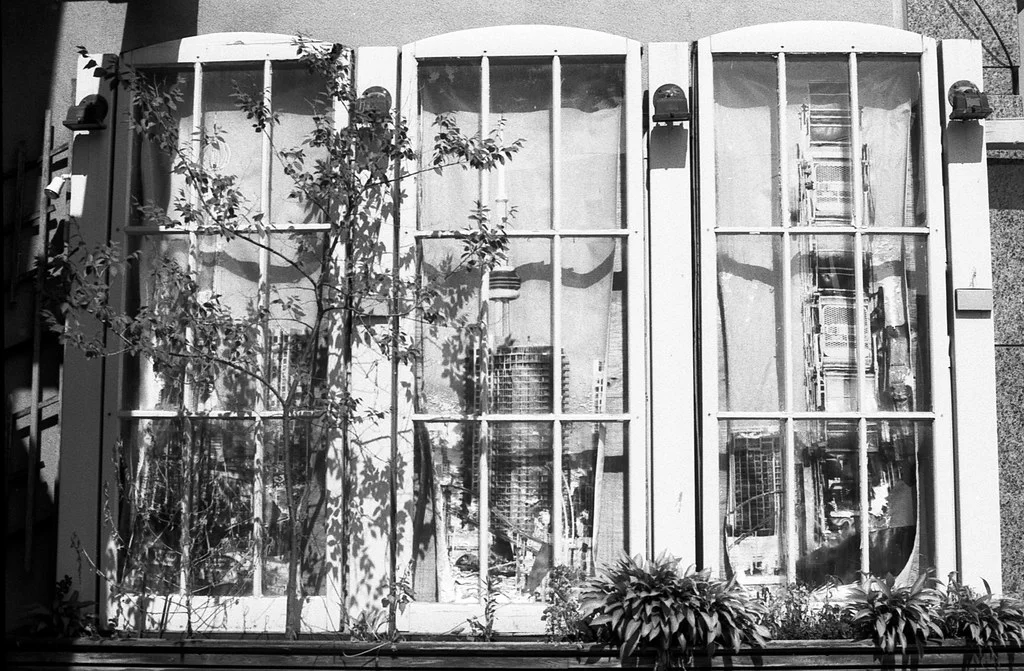
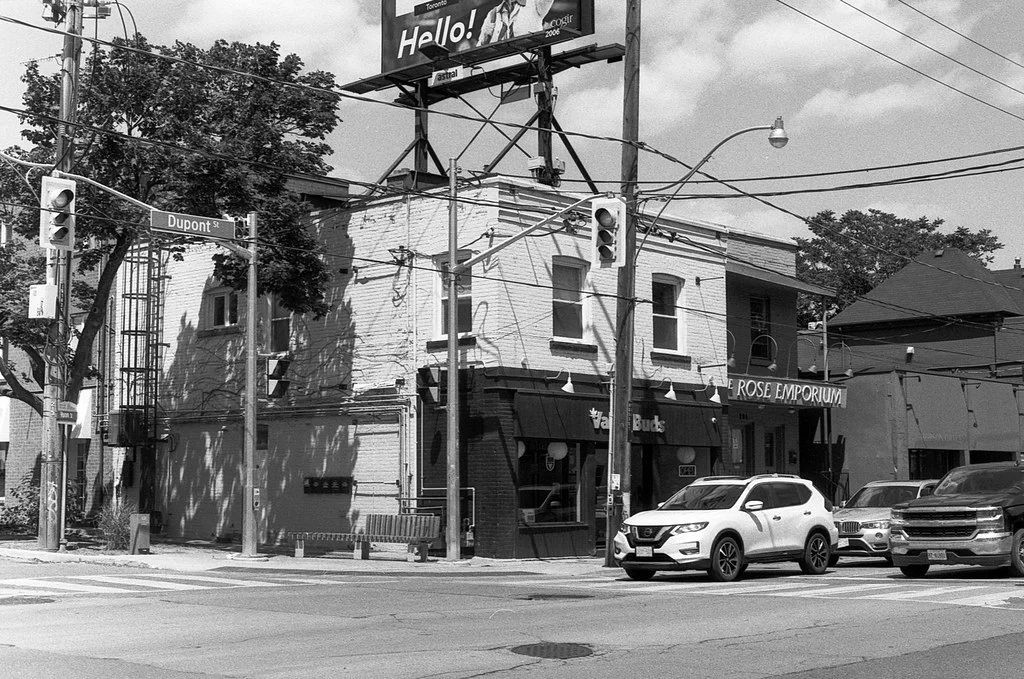
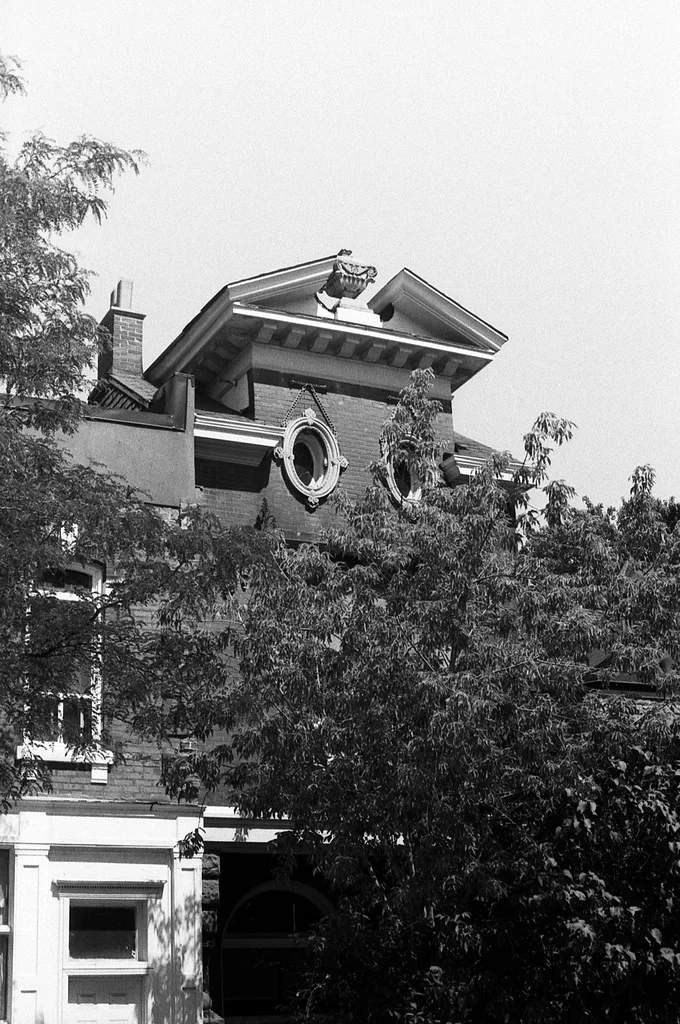
I also took some time to document the interactions between the city’s heritage and the newer developments, showcasing the vibrant embrace of old against the backdrop of a constantly evolving metropolis. This tension is what makes city life dynamic and ever-exciting to photograph.
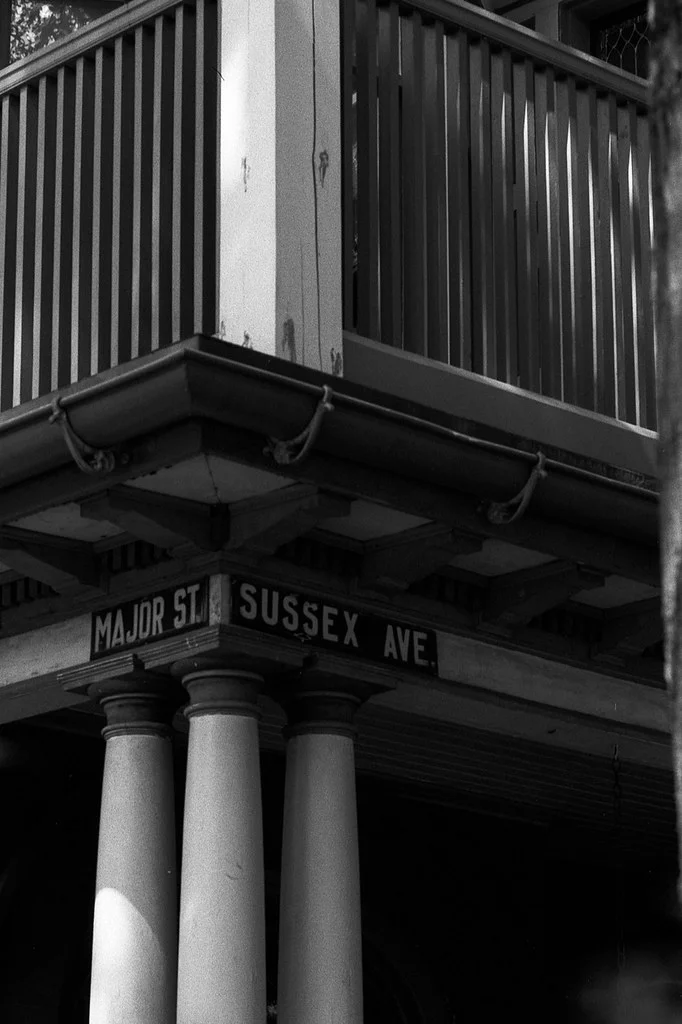
Final Thoughts on Urban Photography
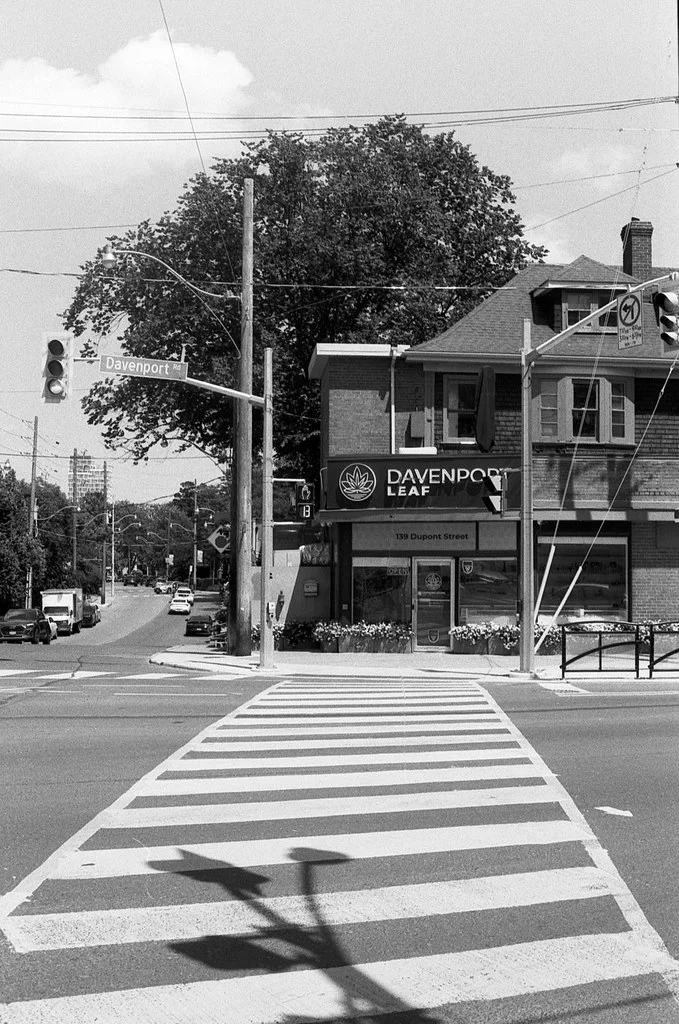
Two days after initiating this roll, I concluded my session along Dupont and Davenport, another part of town that often escapes my lens. Each shot became part of a narrative, intertwining the past through the present—offering viewers a glimpse into moments that might otherwise be forgotten.
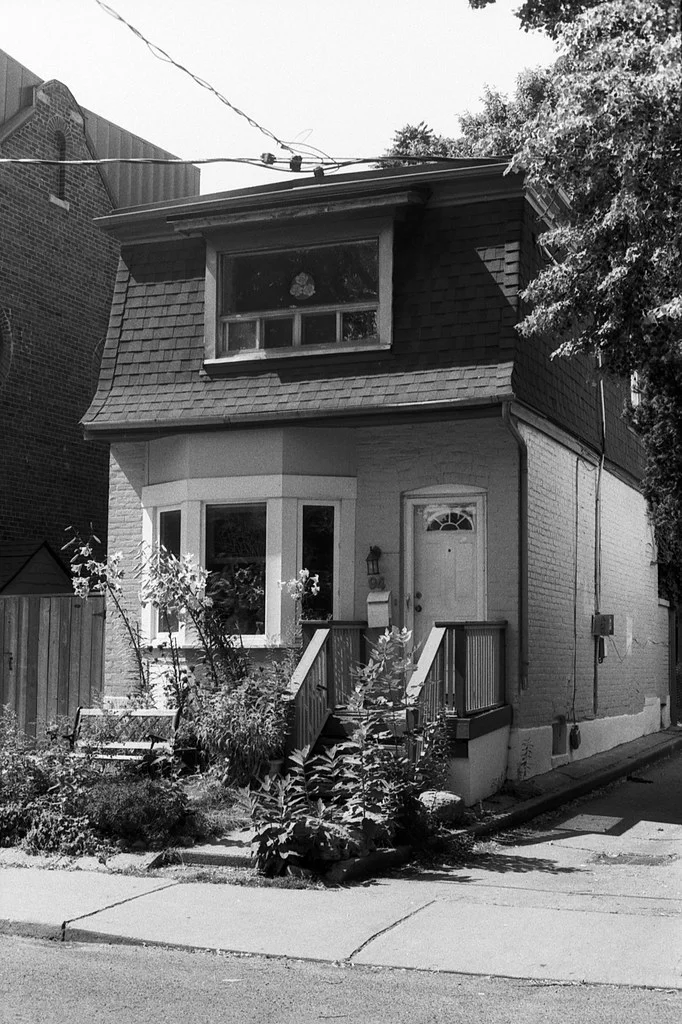
Ultimately, this photographic excursion served not only as an opportunity to practice my craft but also as a means to reflect on the importance of capturing transient moments in our ever-changing urban landscapes. Each photograph taken was my tribute to the Annex—an homage to its stories, characters, and locations. These moments are not just images; they are vital pieces of cultural history, enshrined through photography.
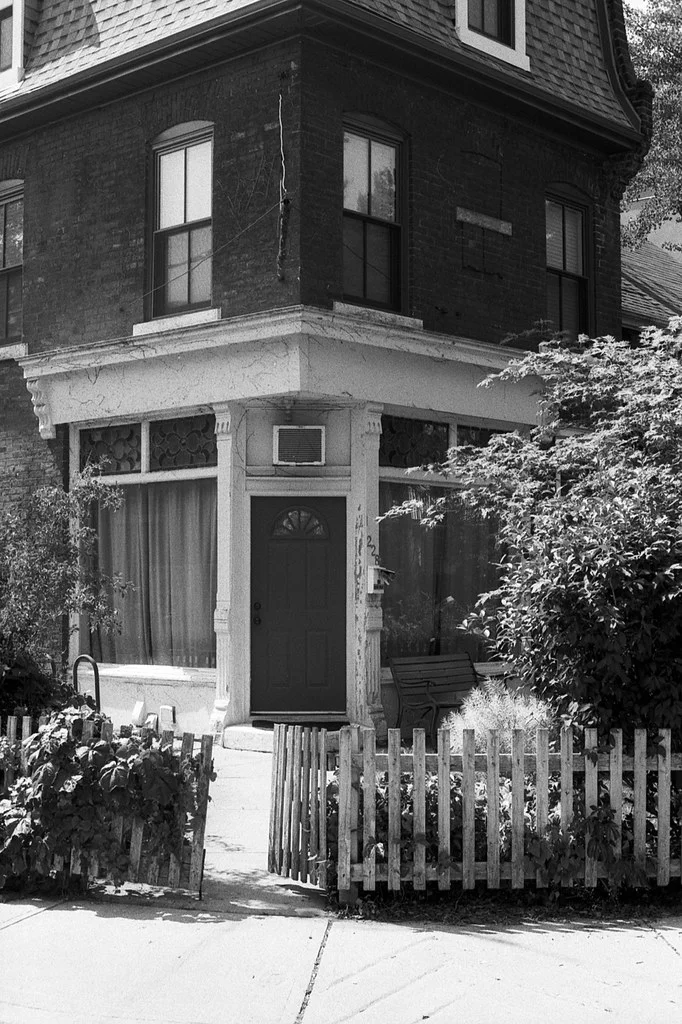
Through this exploration, the use of specific equipment, techniques, and a keen eye for composition cultivated an enriching experience that further deepened my appreciation for urban photography.