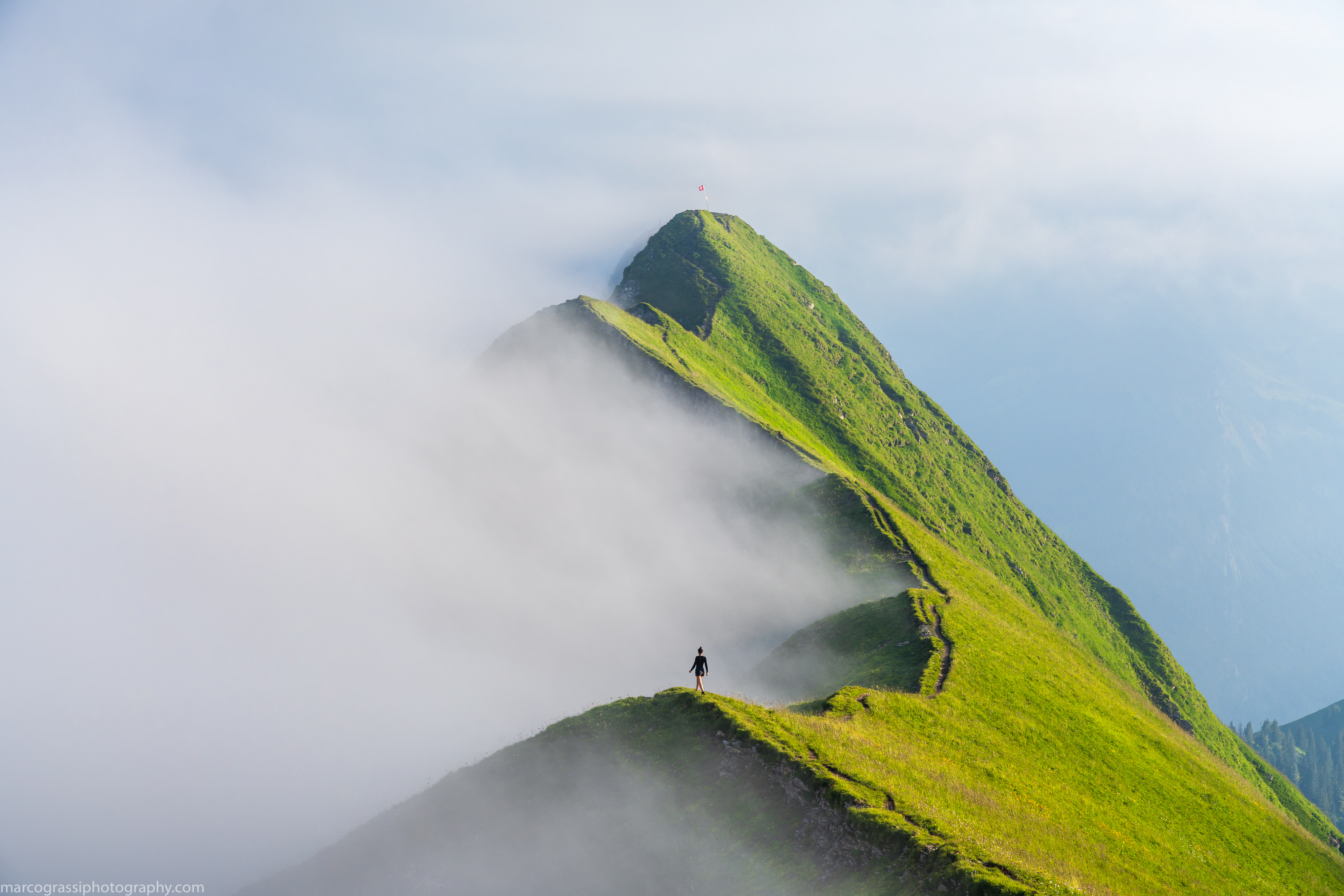
Ricardo Lostanaw blends photography and illustration in his captivating work, reflecting his unique artistic vision nurtured in Monterrey. Discover his creative process and inspirations.
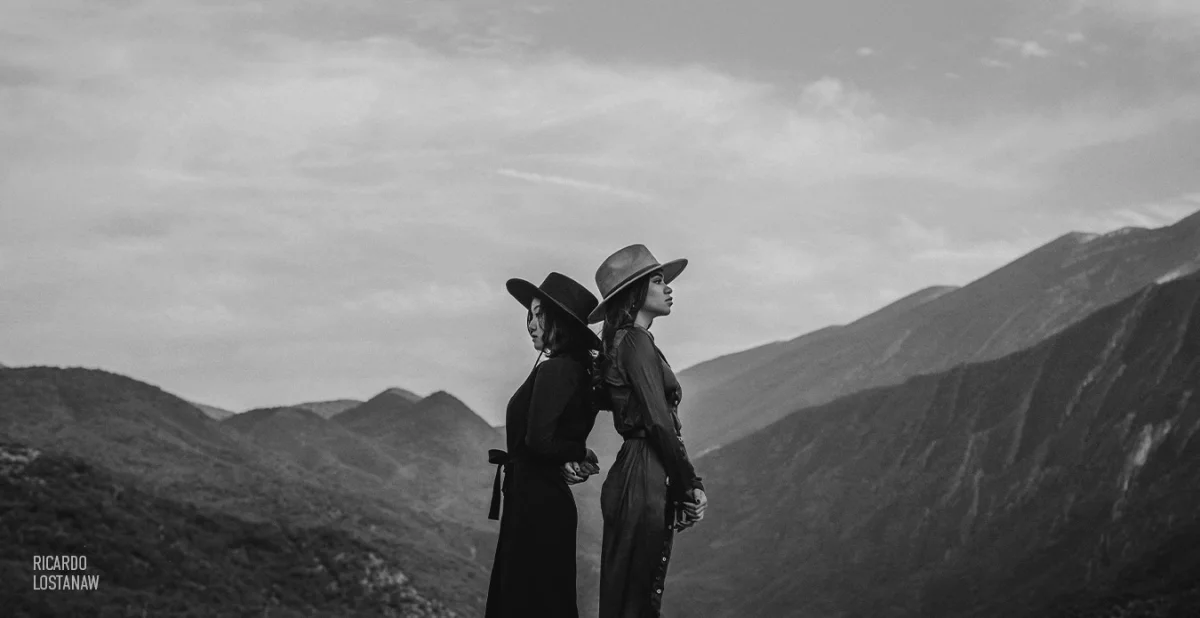
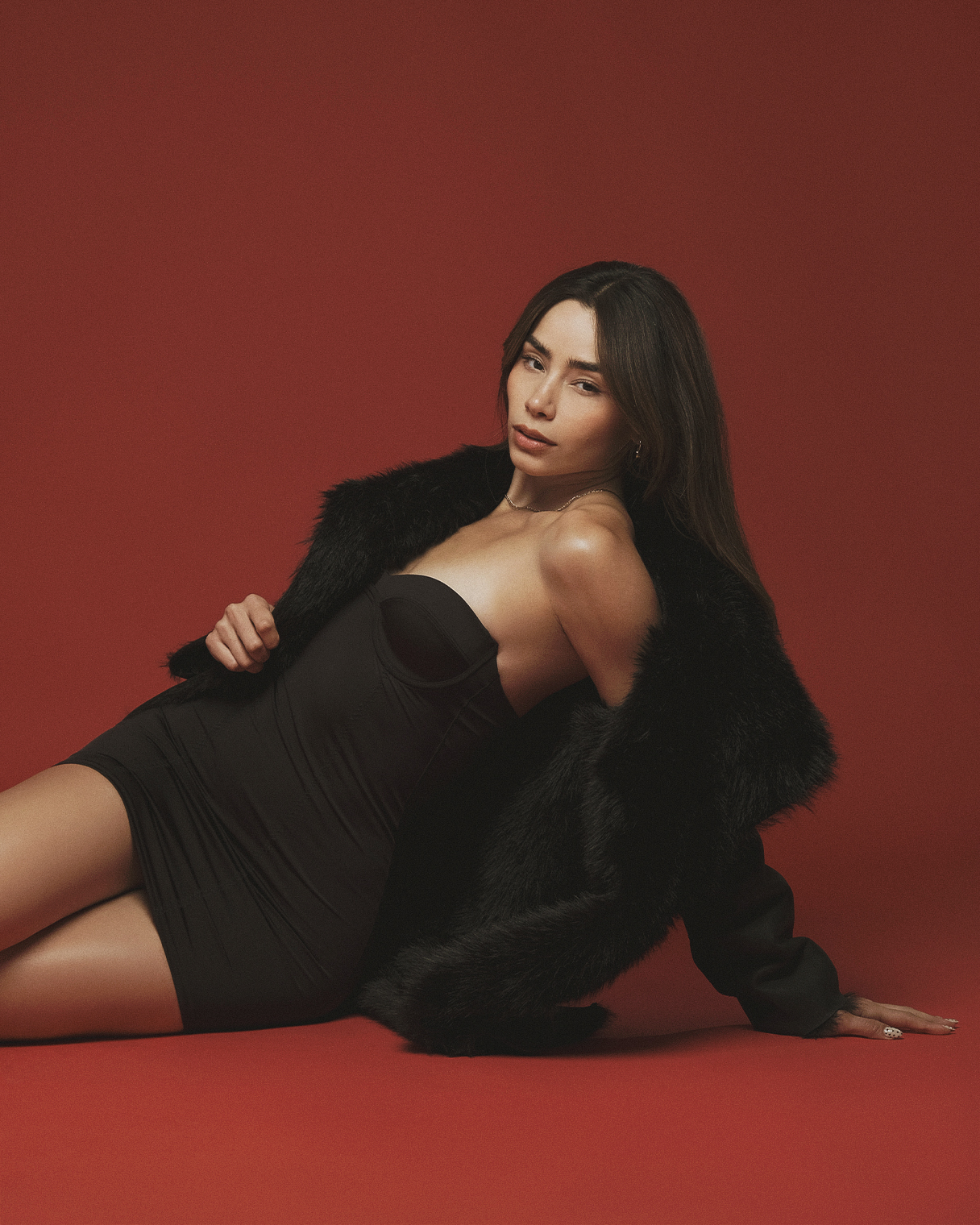
Ricardo Lostanaw sees himself as an artista mexicano, a term that extends beyond the traditional bounds of photography and captures the essence of his multifaceted artistic approach. Working out of Monterrey, Lostanaw has honed a specialization in minimalist portrait photography characterized by seamless backdrops, striking hard lighting, and a distinct editorial flair. His scope is not limited to portraits, as he also engages in wedding photography and cultural celebrations such as quinceañeras, showcasing both personal style and cultural relevance.
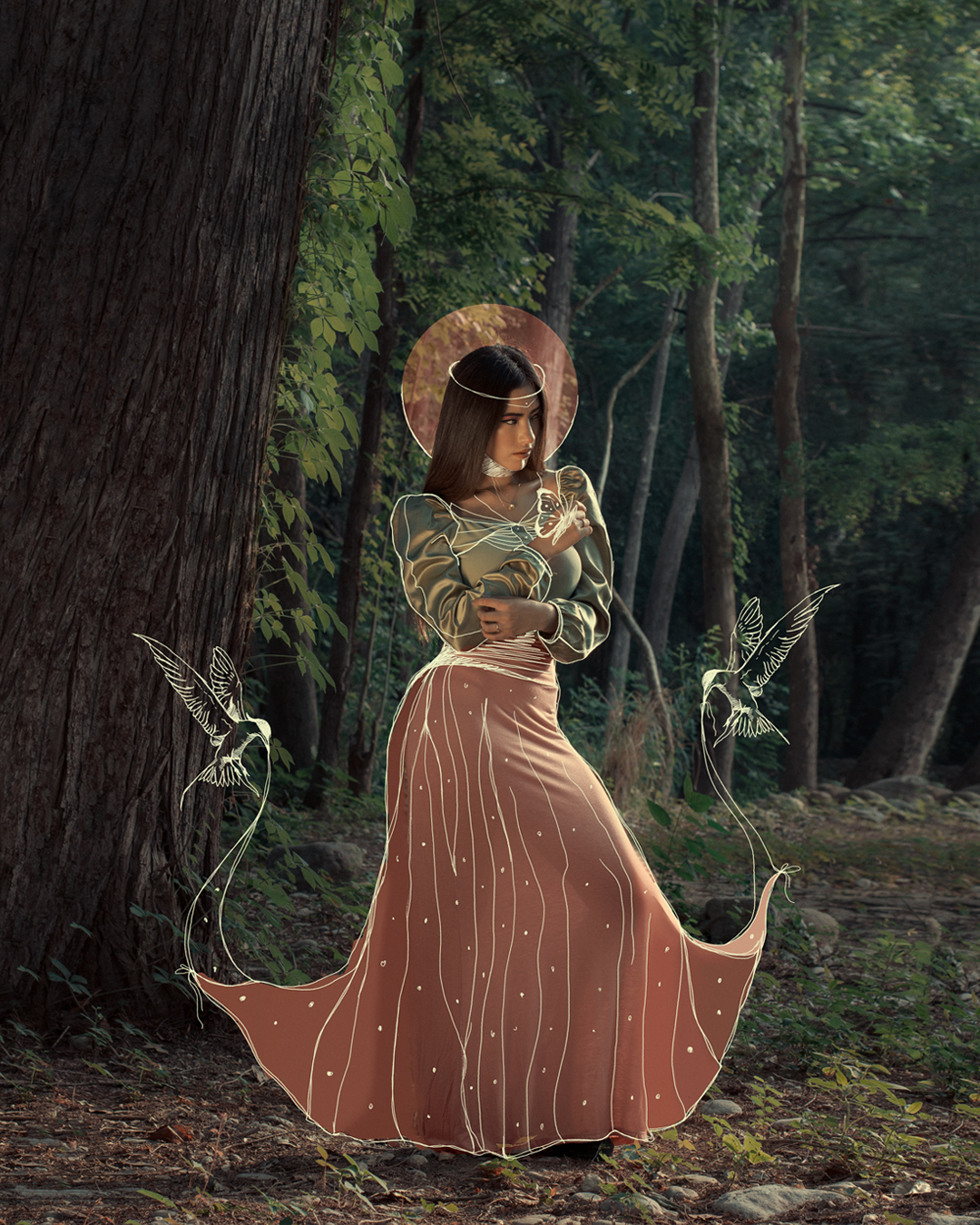
Lostanaw's artistic flair extends into the realm of illustrations, with products such as prints and phone cases available through platforms like Society6, Redbubble, and iCanvas. He has also made notable contributions to public art, including a mural approximately 50 meters long, showcasing his commitment to community engagement through his art.
Our conversation with Ricardo focused on the dual aspects of his artistic practice, examining the discipline involved in operating within a minimalist studio and the realities of pursuing a living as an artist in Monterrey.
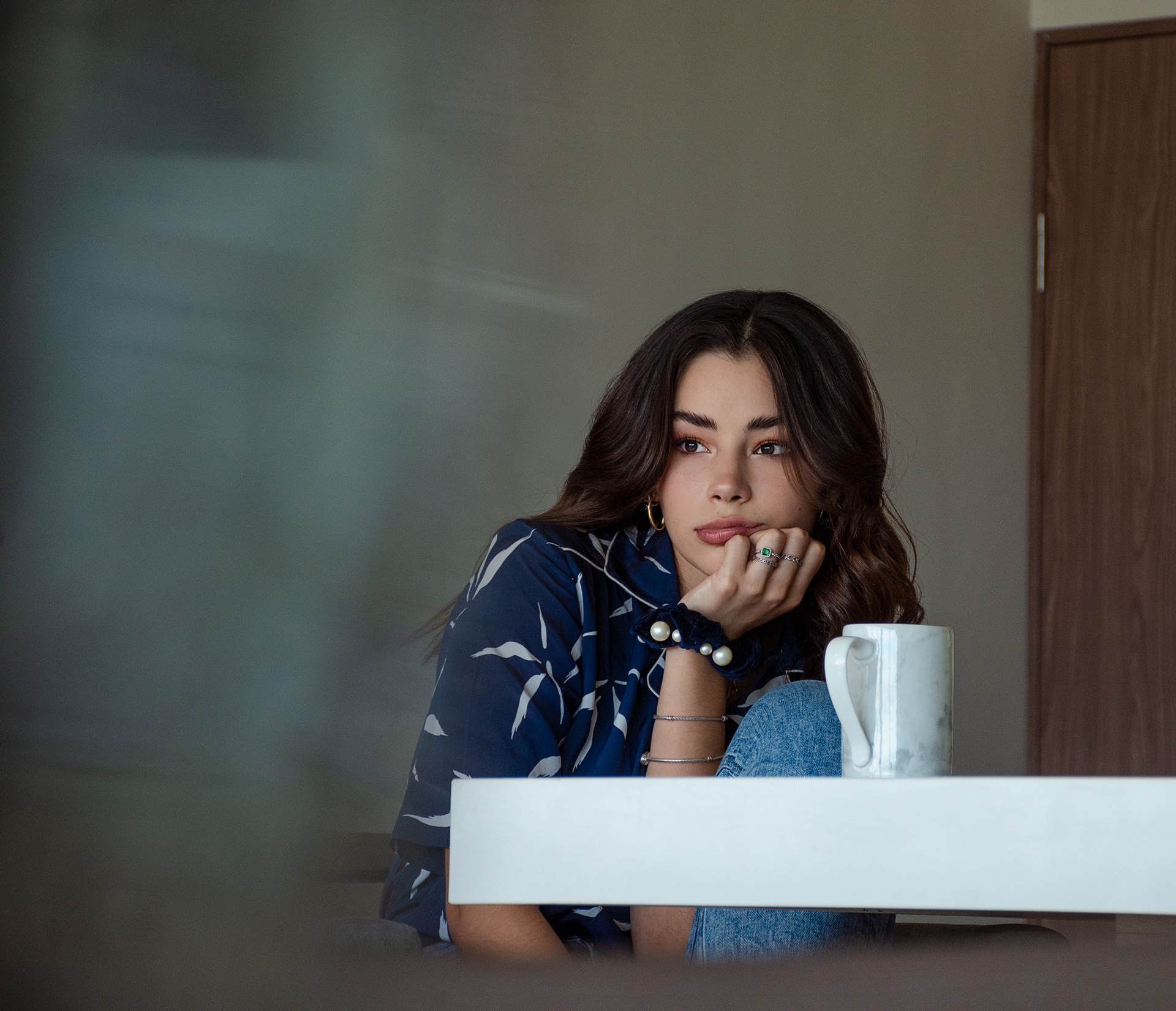
From Doodles to Artistic Expression
Ricardo, let’s discuss your origin story. You prefer the title artist over photographer. Which came first for you: drawing or photography?
For me, drawing was undeniably my starting point.
In kindergarten, I faced several challenges, including my struggle with dyslexia, which often made standard classroom structures feel alienating. This struggle led to frequent punishments, including being kept indoors during recess to complete unfinished work. Instead of conforming, I found an escape through drawing.
This outlet allowed me to express myself, and looking back, I fondly recall how my classmates appreciated my ability to sketch beloved characters like Tweety. They would pay me a peso for each sketch, providing a sense of validation. This early experience might have been my first brush with entrepreneurship. It opened my eyes to the idea that creativity holds inherent value to others.
As I grew, I continued to hone my skills through classes, eventually earning a degree in Graphic Arts. This journey expanded my horizons to various forms of visual expression, including printing, graphic design, and photography, igniting a fascination with how I could communicate similar concepts across different mediums.
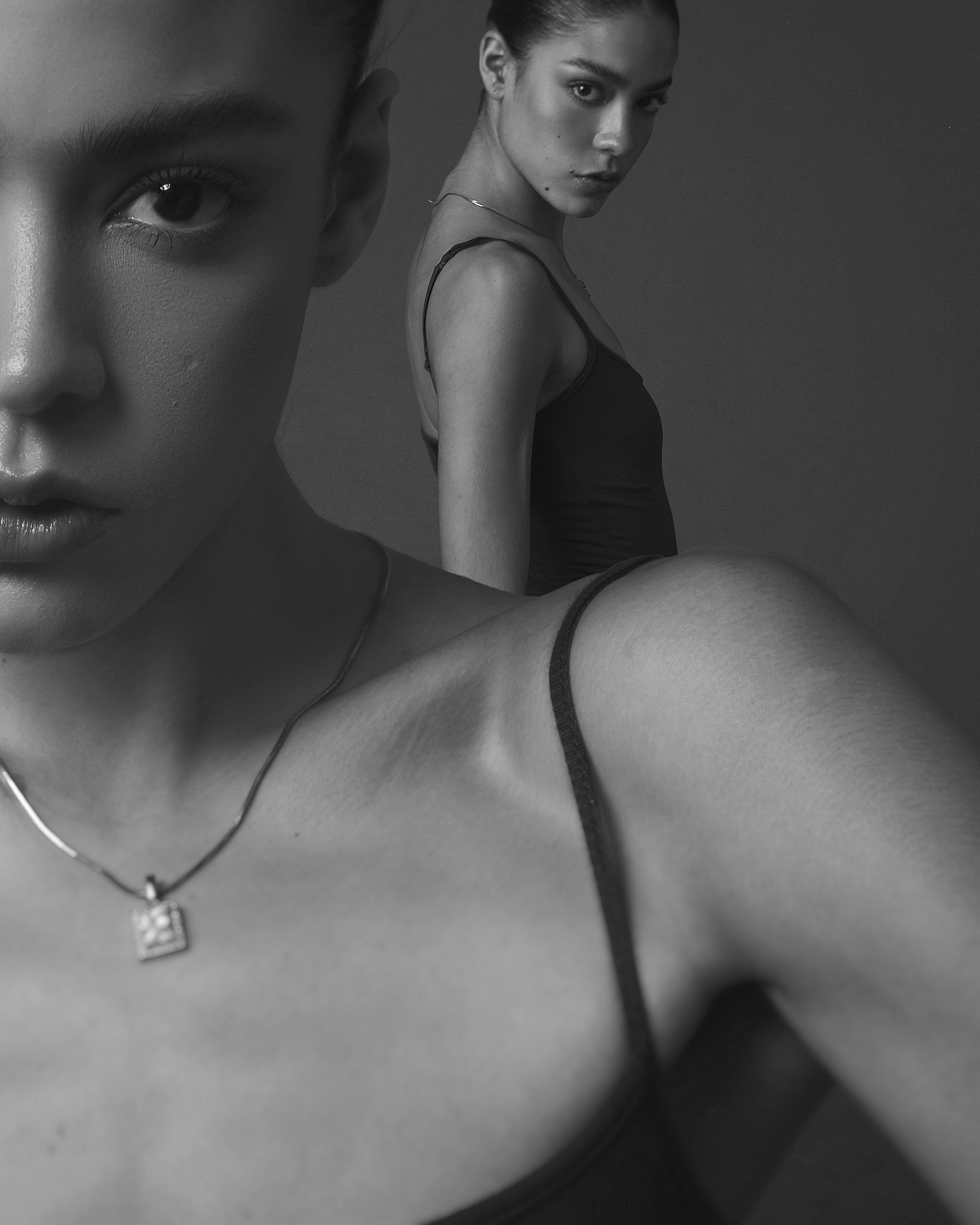
The Transition to Photography
Photography entered my life as a means of capturing memories. Growing up, I was camera shy, much preferring to document the experiences of others rather than putting myself in front of a lens.
This eventually led me to join a photography and videography company where I specialized in weddings and quinceañeras. This role was transformative, enhancing my observational abilities and helping me understand how to anticipate candid moments as they unfolded. Yet, I found myself yearning for a more direct engagement with my subjects that comes from the world of still photography, especially given my shy nature.
The Visual Influence of Monterrey
The visual language of Monterrey profoundly affects my work. The city’s unique aesthetic is shaped by its industrial architecture, dramatic steel structures, and stunning mountainous backdrop, which all influence my image compositions and stylistic choices.
Integrating Photography and Illustration

Many artists often compartmentalize their careers; however, you have navigated between photography and illustration. Do these two pursuits enhance or compete with one another in your routine?
I’ve never seen them as separate endeavors. They represent different tools aimed at the same goal: creative expression.
Initially, I tried to focus solely on one discipline, only to realize that I couldn't resist expressing myself in various forms. I immersed myself in one discipline at a time, absorbing its characteristics before transitioning to another.
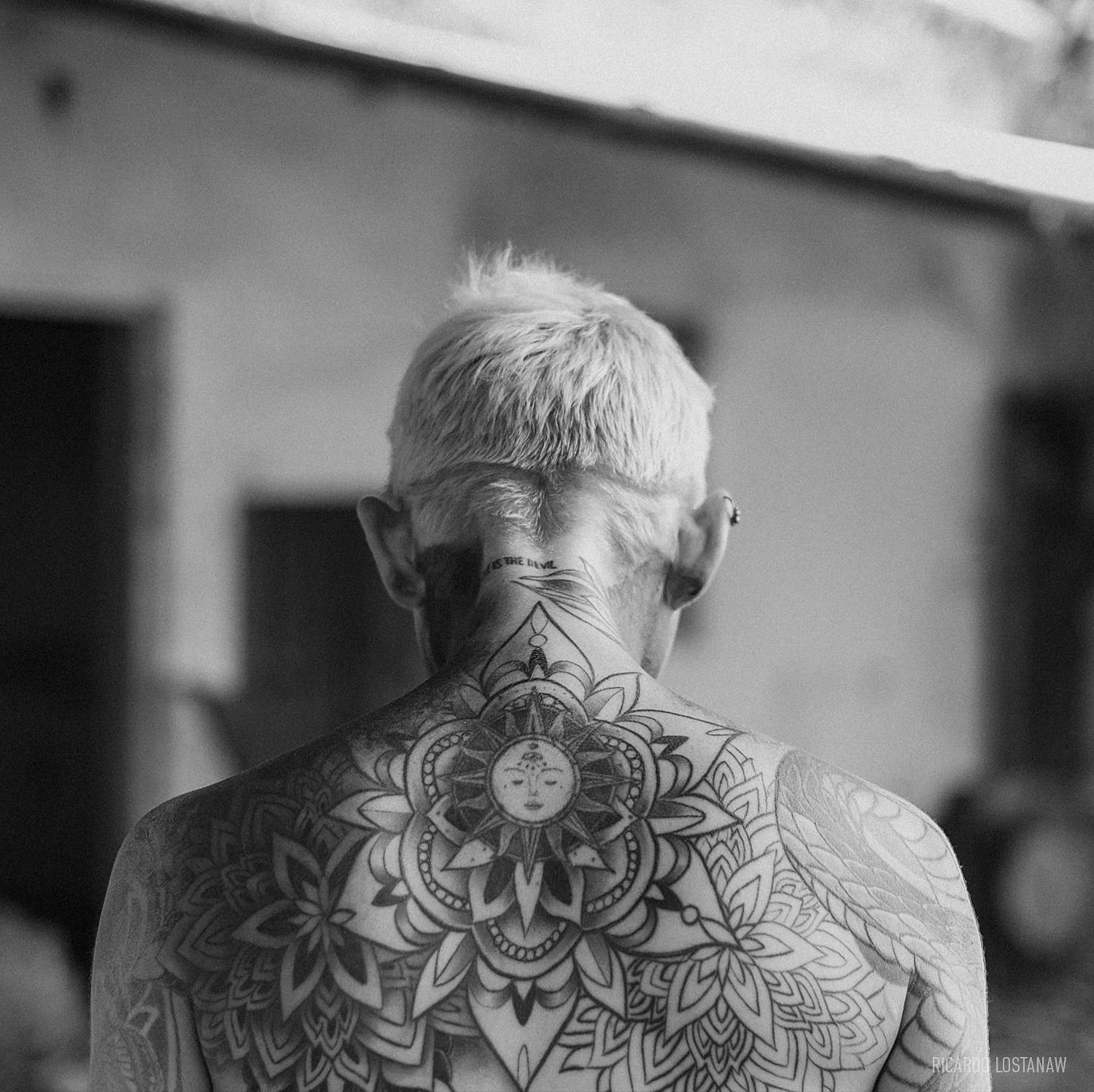
My background in photography sharpened my observational skills, while my graphic design studies deepened my understanding of composition and simplicity. My illustrative practice allows me to construct concepts from scratch. I even dabbled in music creation with FL Studio, expanding my artistic repertoire.
These disciplines don't compete; they inform and enhance one another. During a photography session, I channel the mindset of a designer, paying attention to elements like shape and balance. Conversely, I might apply principles of lighting or composition I’ve learned in photography when illustrating.
In embracing this interconnectedness, I've come to view myself simply as an artist, where photography, design, and illustration each form part of my expressive toolkit. I no longer feel pressured to choose one path over another.
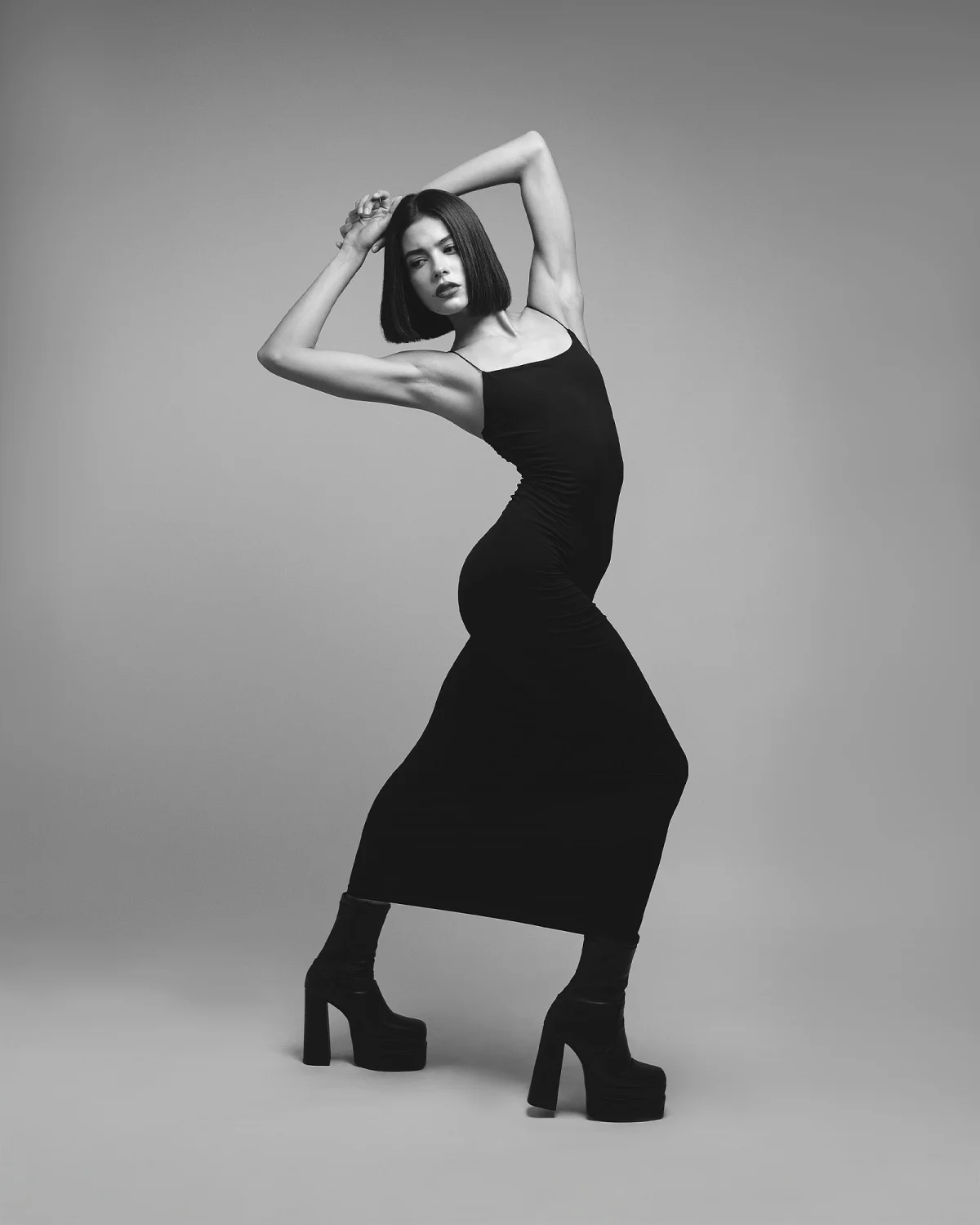
Embracing Minimalism in Portrait Photography
Your minimalist portrait style features simplicity: a seamless backdrop, direct light, the subject, and nothing more. How does this constraint purify a portrait?
My minimalist style has been a gradual evolution.
Initially, I was drawn to vibrant works, stuffing my images with colors and striking elements to catch the viewer’s attention. But over time, I shifted toward greater simplicity, experimenting with seamless backdrops and precise lighting techniques to find a style that felt authentic.
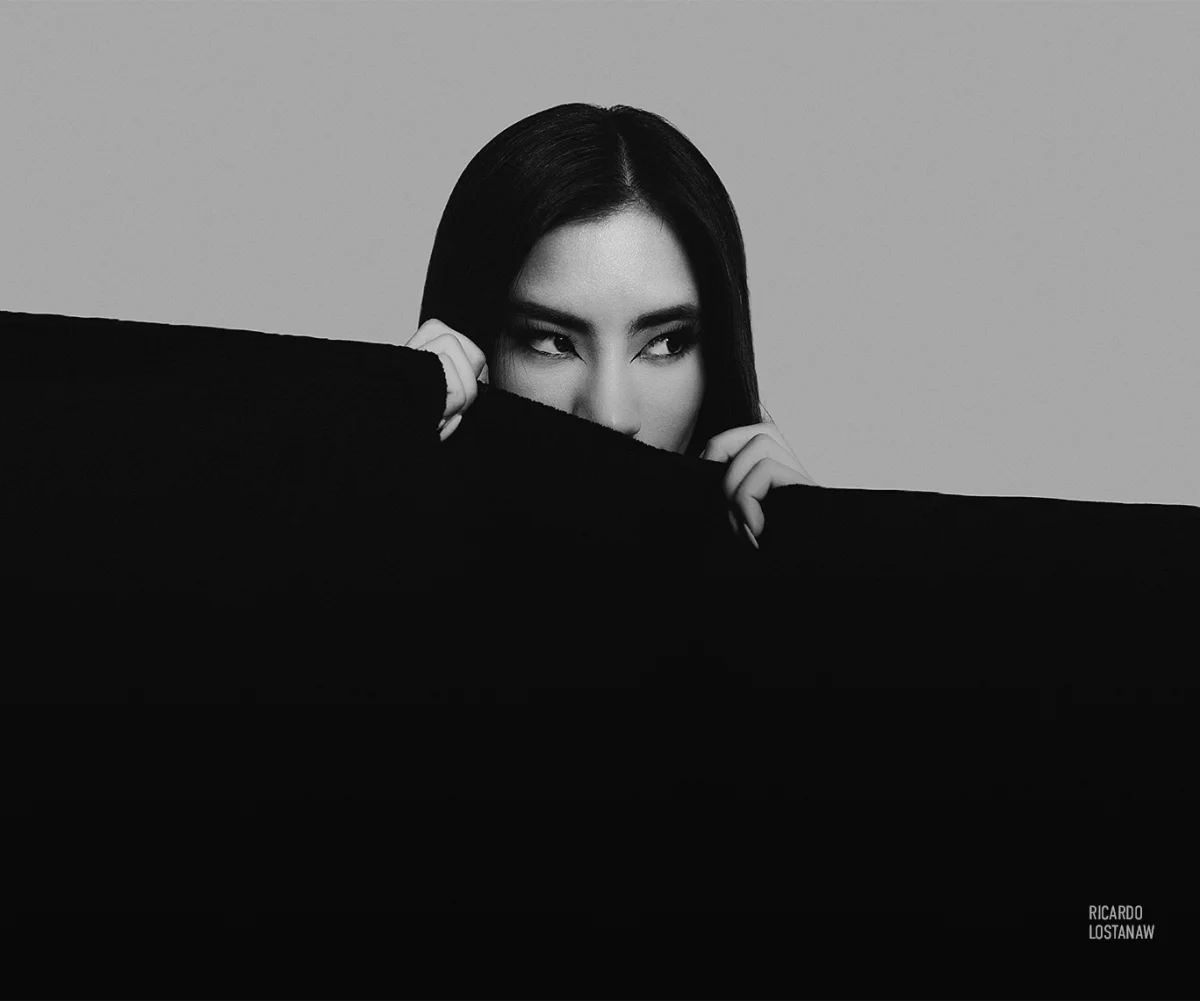
My personal preferences echo a love for solid-colored spaces and minimalist textures. I also lean towards straightforward outfits in my daily life.
Choosing minimalism wasn't instantaneous; it was a journey of distillation, where I finally stripped away the unnecessary elements to reveal what felt true to my artistic voice. With fewer elements, every detail in the portrait carries tremendous weight.
A subtle expression, a slight movement, or even the play of shadows can completely alter the narrative of a moment captured in the image.
The studio environment resembles the process of drawing: starting with an empty canvas and carefully constructing the scene layer by layer.
The Insights Gained from Wedding Photography
Wedding photography poses an entirely different challenge. With minimal control and significant expectations, what lessons have you learned from these events that inform your studio work?
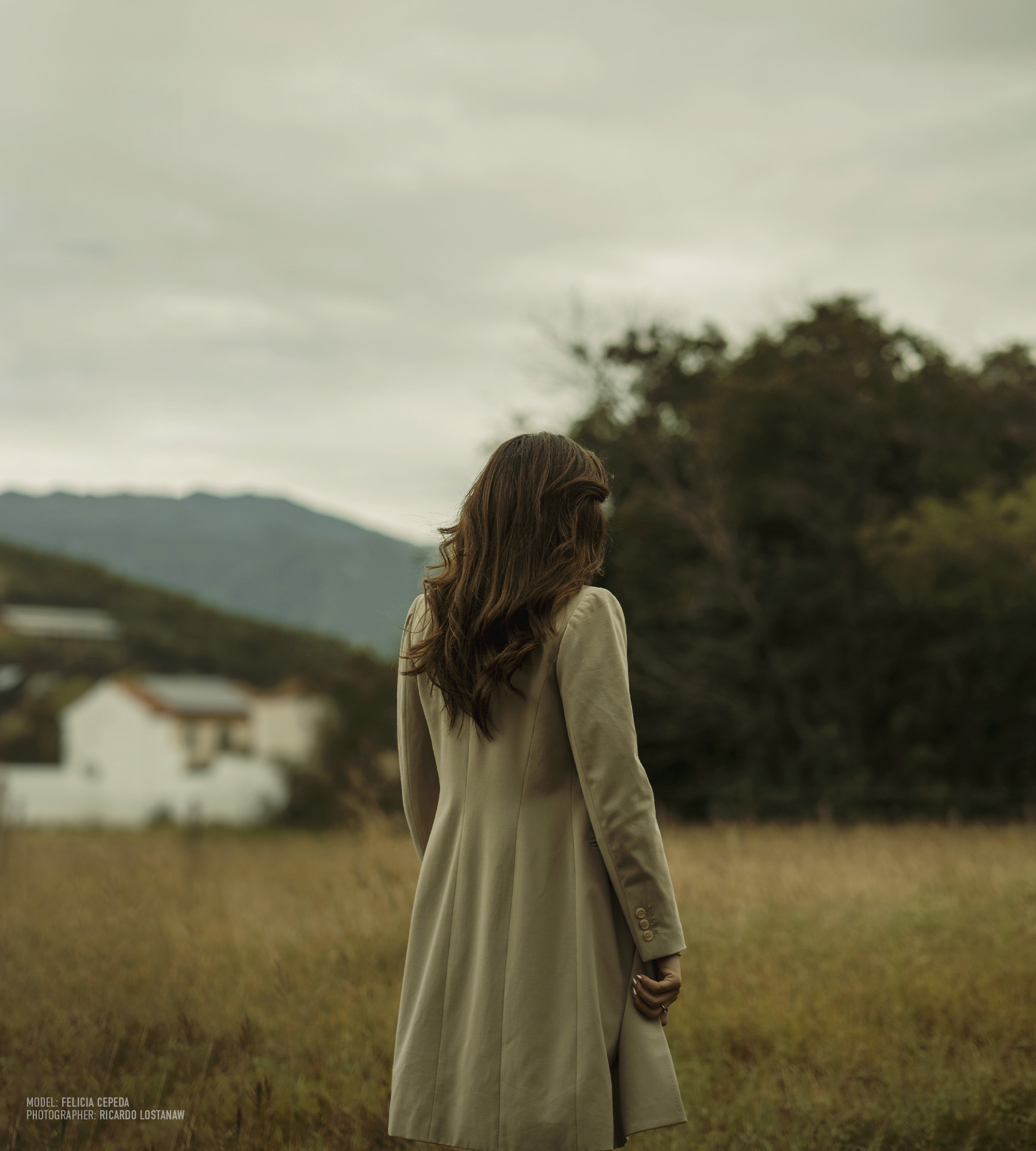
My experience with videography laid a foundation for my documentary work.
While involved in videography for weddings and quinceañeras, I cultivated a perception that was uniquely attuned to real-time events—there’s no chance for reshoots or pauses during those joyous occasions.
When I returned as a photographer, I recognized the opportunity to combine my background in video with the precise composition required for still imagery.
I genuinely enjoy capturing spontaneous moments while adding my editorial flair. To me, a wedding is reminiscent of a larger editorial shoot.
Each event has its unique rhythm. Some follow meticulously planned itineraries while others embrace unpredictable spontaneity. This unpredictability brings me joy, as it piques my curiosity and pushes me to capture something distinct amidst the hustle and bustle.
This documentary experience undoubtedly enriches my studio work, enhancing my ability to capture meaningful moments that emerge even within a composed setting.
An Insightful Approach to Quinceañera Photography
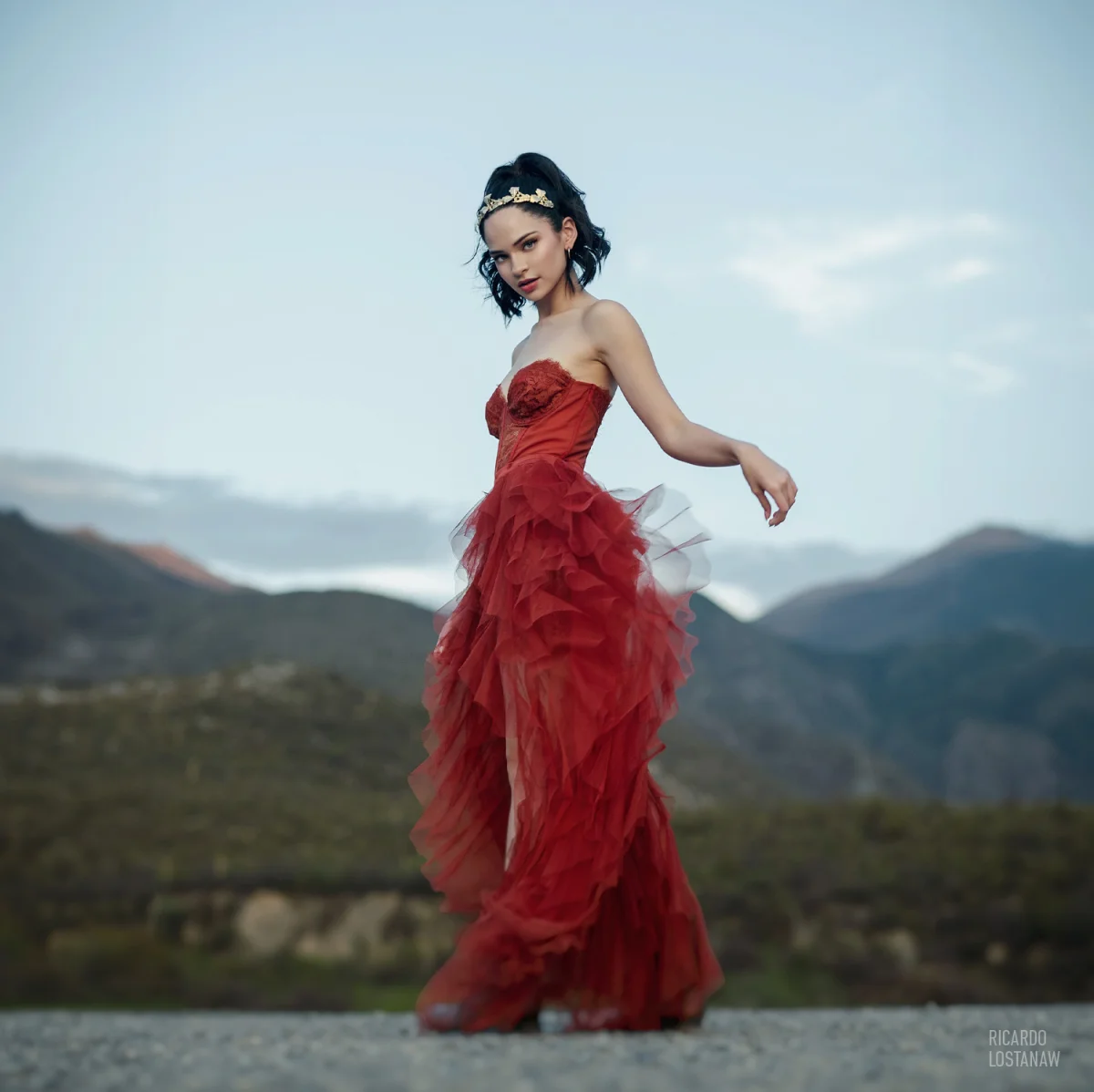
Photographing a quinceañera is a culturally significant rite of passage. How do you build rapport with a fifteen-year-old on this monumental occasion?
Documenting a quinceañera is especially fulfilling, as it often represents a young girl's first major experience with professional photography.
This mirrors my portrait sessions, where clients frequently share that it’s their inaugural venture into professional photography at various stages of youth, often around ages 14, 16, or 20.
From my viewpoint, the session starts long before I press the shutter. Establishing trust, calming nerves, and ensuring clients feel at ease are paramount in creating stunning results.
Sometimes, clients arrive feeling self-conscious about their appearance or uncertain about poses. Helping them navigate these emotions becomes integral to my role; it’s less about rigidly dictating a pose and more about fostering a comfortable environment for authentic imagery.
The Client who Made the Journey
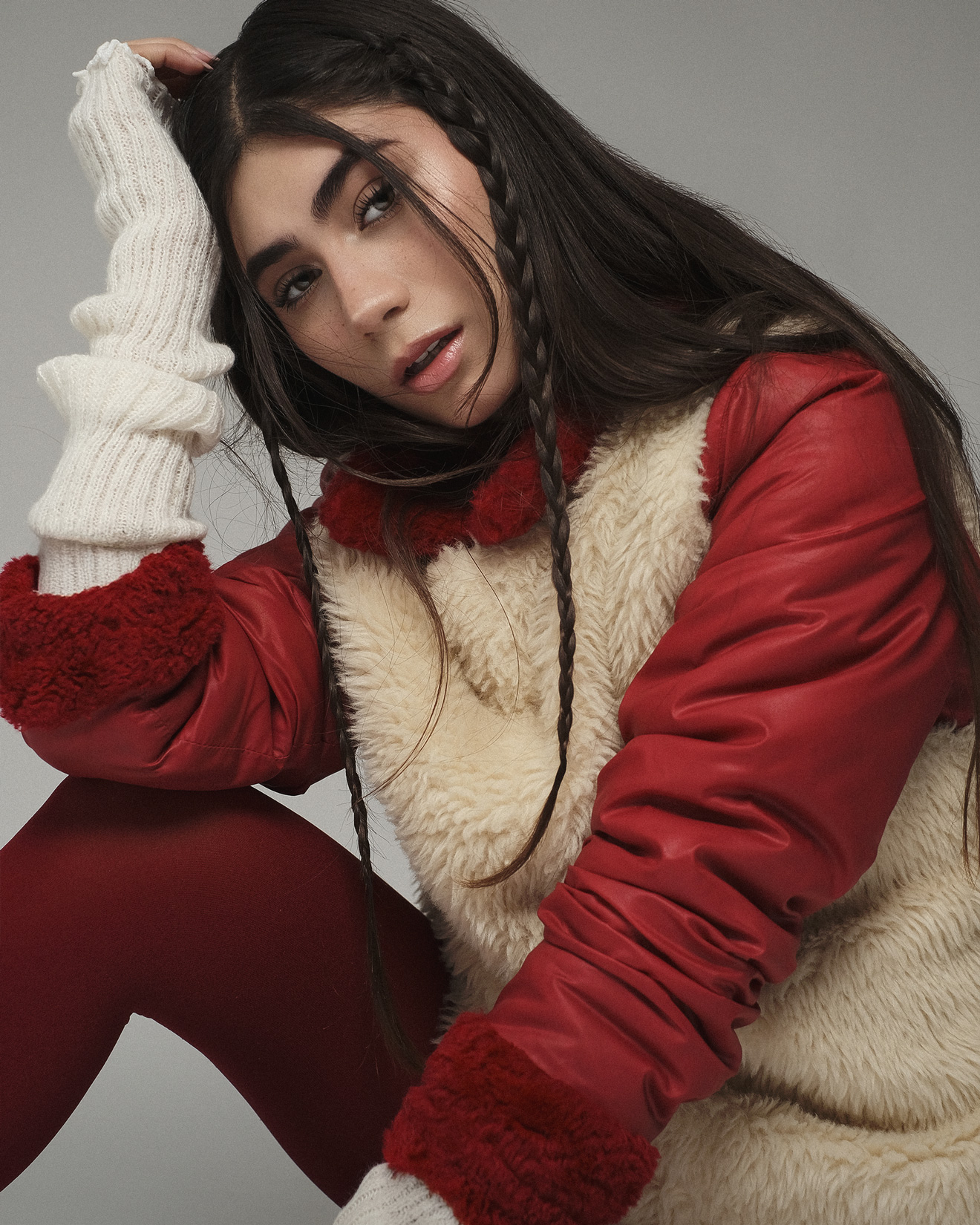
One particularly memorable experience was with a client who drove over two hours for her session with me. It was her first experience with professional photography, and she arrived with a very formal hairstyle that didn't quite match the aesthetic we aimed for. I suggested a wet look instead.
She trusted my vision, and the outcome was a stunning collection of images.
Afterward, she expressed profound gratitude for embracing the creative change and for making that long journey. For me, this experience was about more than producing beautiful photographs.
It's about crafting an opportunity for someone to discover a new aspect of themselves they may have never recognized before.
When clients leave a session feeling confident and excited about the resulting images, it reassures me that I'm headed in the right direction.
The Pug Illustration Phenomenon
Your artwork is available on platforms like Society6 and Redbubble, adorning everyday items. How does the knowledge of where your art will end up affect your creative output?
Much of this insight has come from experience.
When I first joined Society6, I primarily produced artistic portraits, but they generated little interest.
However, an illustration of a pug with a strawberry donut unexpectedly took off.
This experience taught me that art must resonate and connect with audiences to be successful.
Design considerations vary significantly based on whether the final product will be physical merchandise, digital displays, or framed art. Factors such as scale, composition, and how images integrate with their respective products become vital in this evaluative process.
This understanding has also shed light on the business side of artistry. Creating is just one part of the puzzle; engaging viewers, inviting them to envision your art in their lives, is a skill of its own.
Creating a Monumental Mural
Then there's the IMSS mural, Héroes del Futuro, a large-scale public artwork. What did it involve to create something so sizeable and lasting?
This project was born from a friend's suggestion who worked at IMSS. I was invited to propose a design to renovate a public plaza, part of a competition aimed at recognizing pandemic efforts and honoring healthcare workers.
After several weeks of ideation and execution, we unveiled Héroes del Futuro, which honors front-line institutions and individuals battling the pandemic.
This mural stretches around 50 meters in length and 6 meters in height, marking the significant transition from digital imagery to monumental artwork—a daunting task in itself.
Our project achieved first place in the competition, but more than any accolade, the true reward was witnessing an abstract idea manifest into a physical presence in a community.
Unlike digital art, which can easily fade into cyberspace, a mural becomes a permanent fixture in everyday life, creating a lasting relationship with the space it inhabits.
The Role of Humor in Polished Work
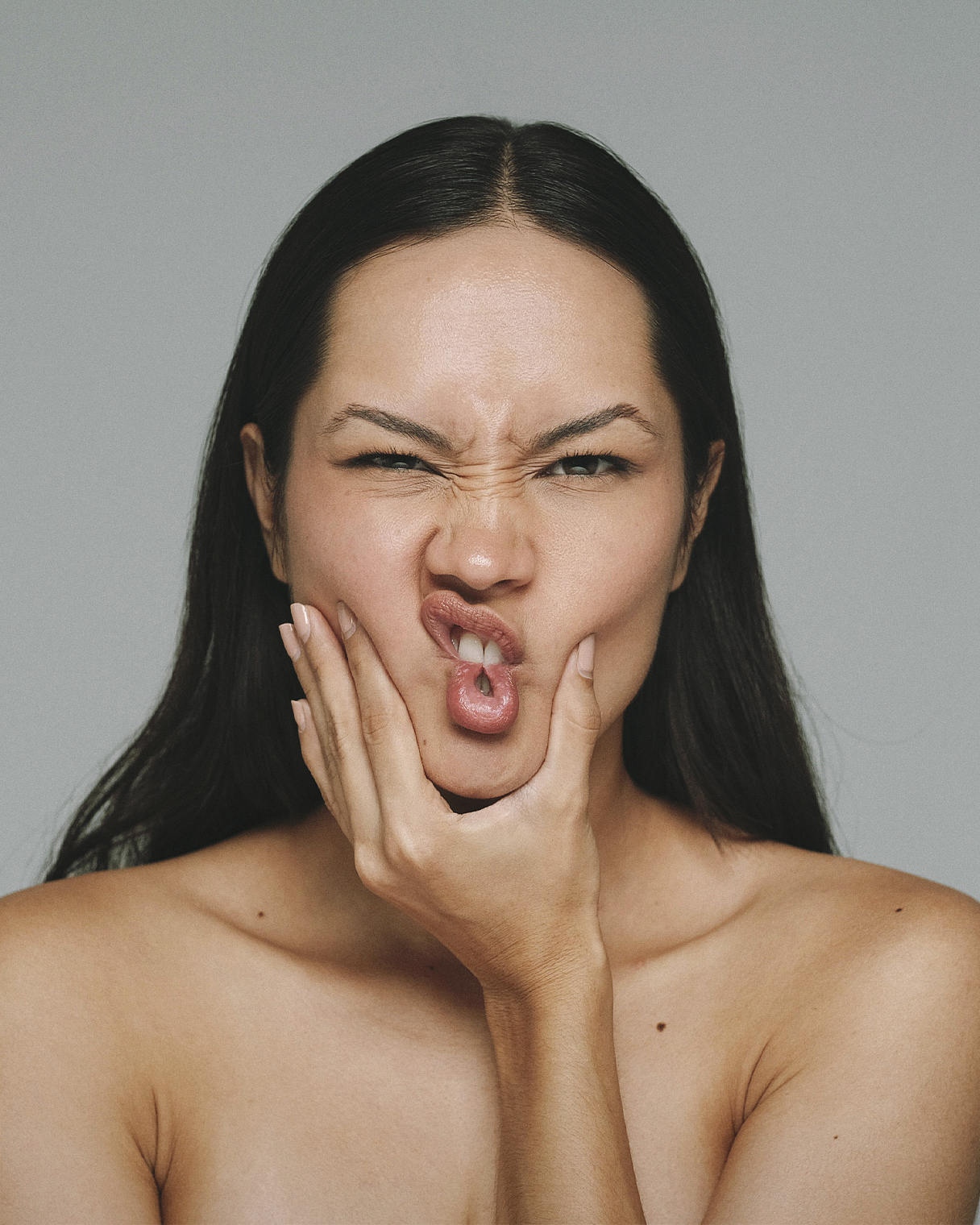
Intermixed within your composed fashion photography lies a candid frame of a woman pulling a playful face. How does humor fit into your polished aesthetic?
Humor plays an important role in my work.
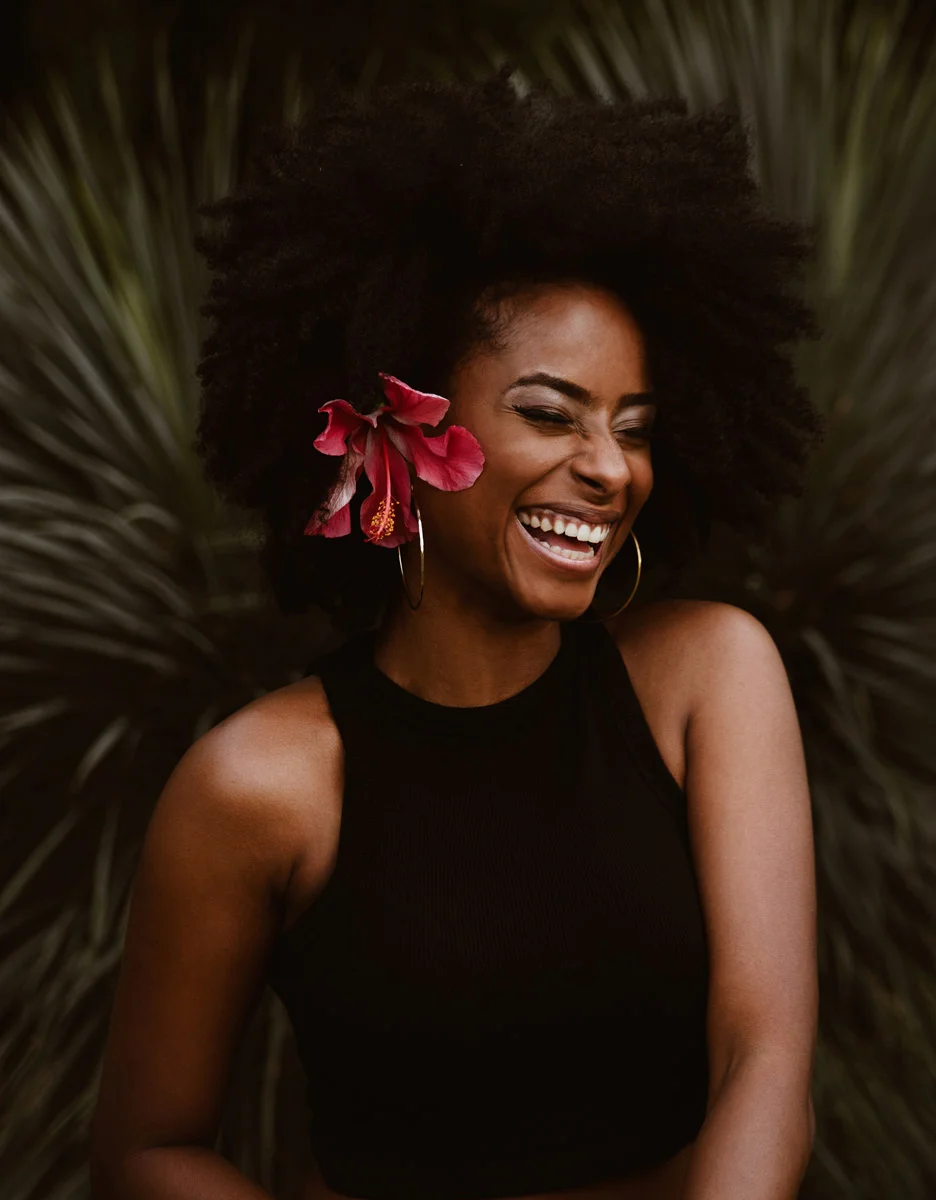
I derive immense joy from capturing authentic emotions and expressions. In my beauty portraits, I often focus primarily on conveying feelings rather than detailing the subject's entire body, clothing, or pose.
While some images may call for subtlety, others require more exuberant expressions and energy. I strive for a diversity of emotion throughout my photographic endeavors.
Humor often alleviates pressure that can accompany posing. When subjects become overly fixated on perfection, they risk appearing tense or stiff. Introducing laughter or lightheartedness enhances authenticity.
I believe an elegant photograph can still maintain a sense of liveliness.
Not every image should be weighed down by seriousness to have editorial merit.
Challenges and New Opportunities in Artistry
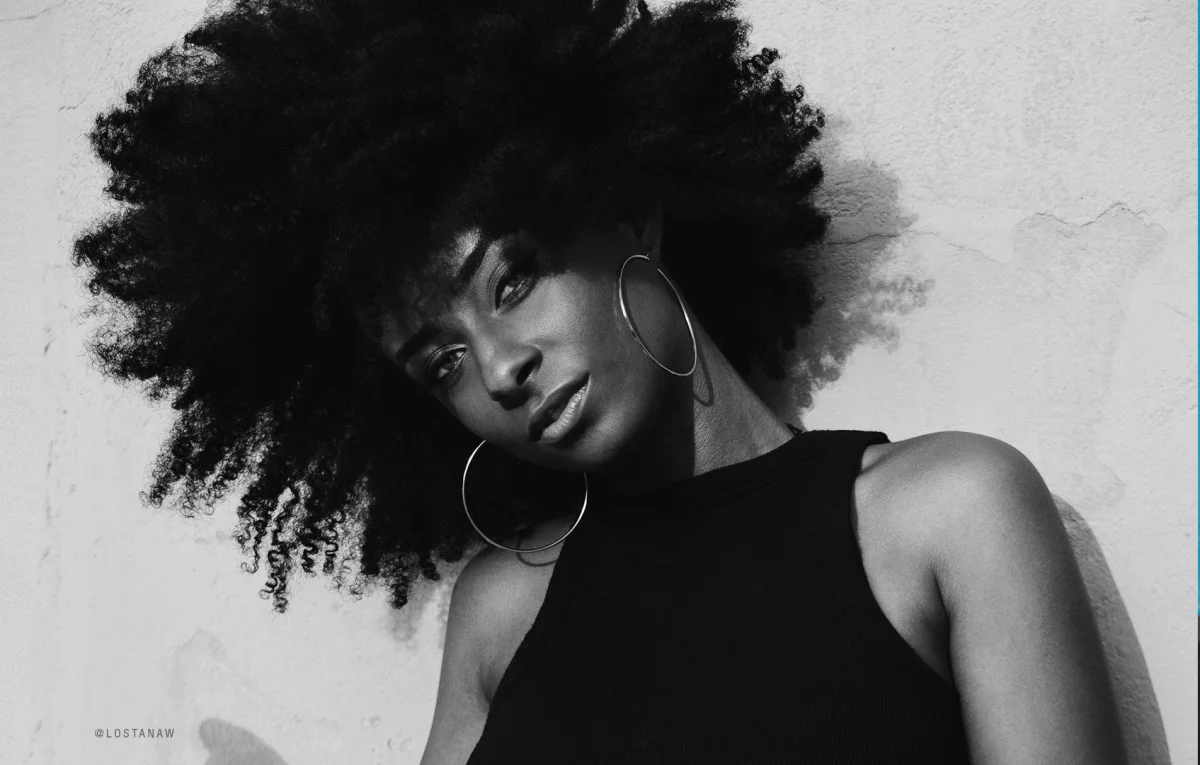
Over your extensive career, how has the environment for artists in Mexico changed, for better or for worse?
Accessing tools and platforms for showcasing work has certainly improved in recent years.
When I started, selling an illustration to an international buyer was a daunting and far-from-straightforward process. But now, releasing a piece can connect you with audiences across the globe.
However, this surge in accessibility comes with its own set of challenges. The influx of creators has intensified competition, making it difficult to stand out. Artists must also learn skills that once felt peripheral to their work: mastering social media, understanding marketing, and adapting to rapidly evolving technology, including artificial intelligence and digital tools.
This new reality challenges artists to balance their devotion to their craft with savvy promotional strategies to maintain visibility.
It's a lot to take in, but I see this evolution as part of the artistic journey.
Even after all these years, I still feel like I'm at the beginning of something new.
Upcoming Projects to Anticipate
To conclude, Ricardo, what exciting projects should our readers keep an eye out for?
I have an array of thrilling projects on the horizon.
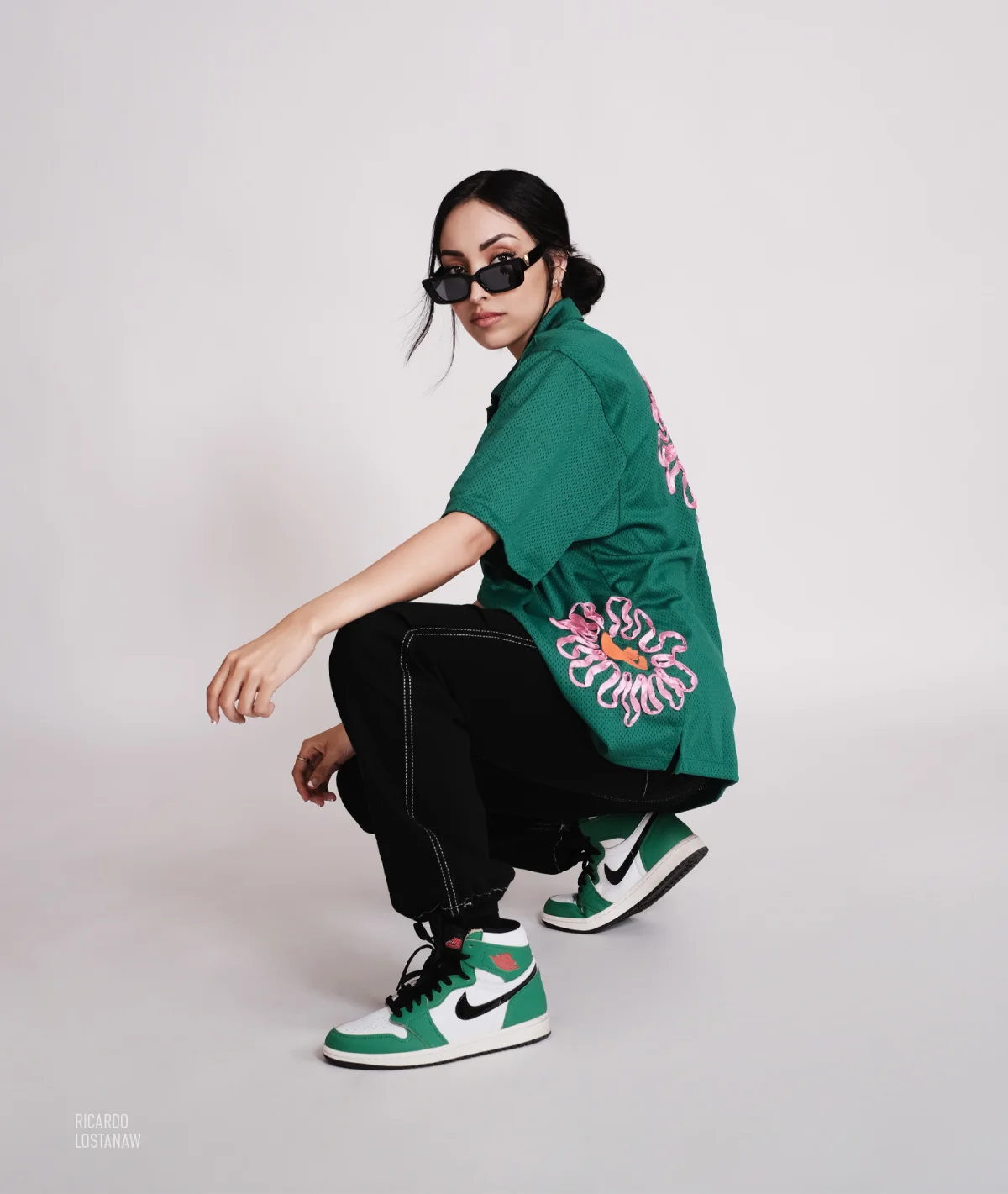
Currently, I’m collaborating with my best friend on Aleamoda, which centers on fashion shows in Monterrey, showcasing local designers and their innovative creations.
Additionally, I’m involved with District Studio, a creative space where various artistic disciplines converge, encouraging collaboration among photographers, painters, and other creatives.
Simultaneously, I'm looking to expand Lostanaw Studio, particularly in refining my wedding and quinceañera offerings. My objective is to create not just beautiful photographs but also memorable interactions throughout the client experience.
Continued Exploration of Creativity
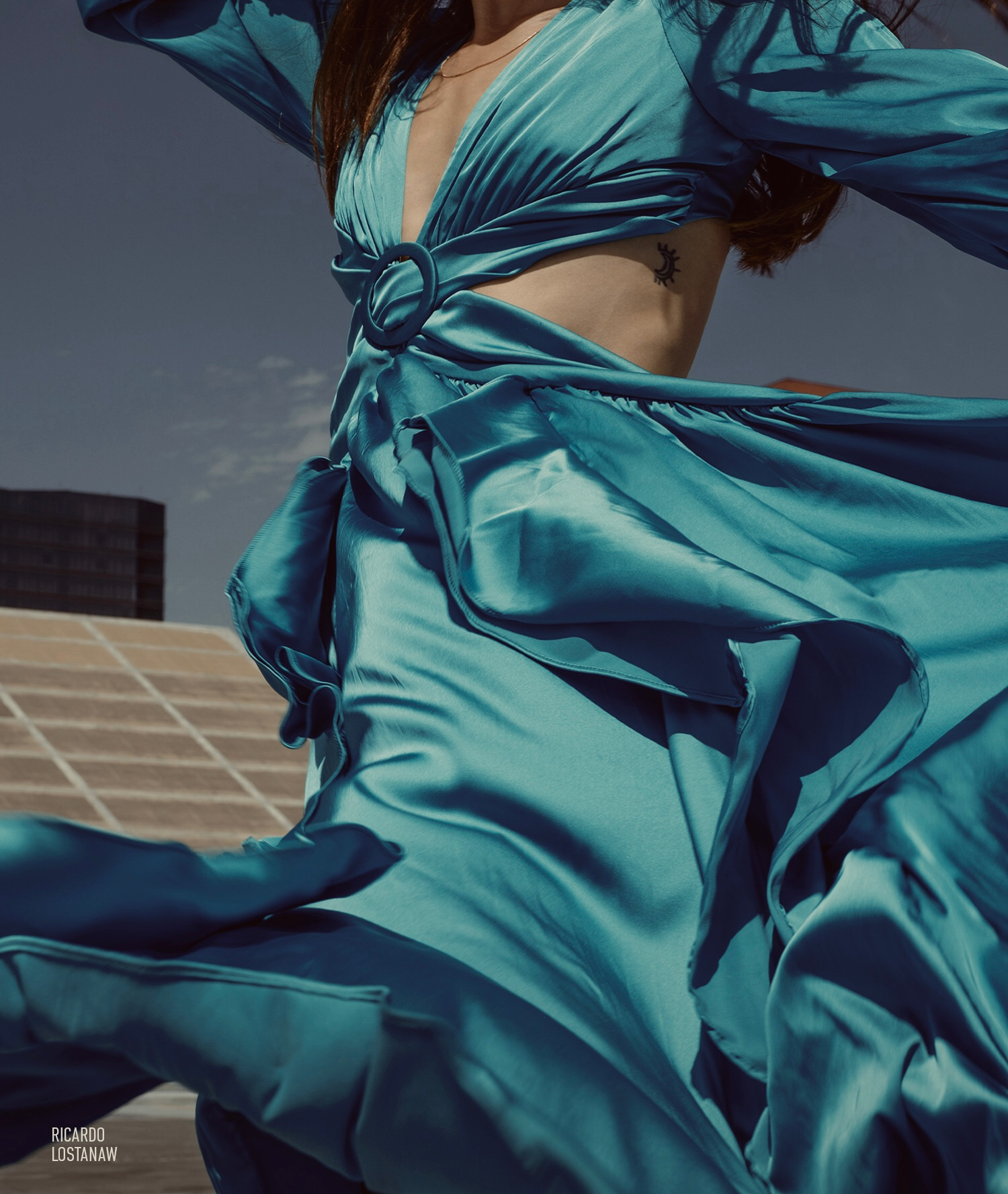
Through Lostanaw.art, I'm curating a personal collection of illustrations inspired by the video games and cartoons of my childhood, reinterpreted through my unique lens. I plan to transition select pieces into murals and exclusive artworks.
Across all these projects, one goal remains clear: I want to keep learning.
Whether it's experimenting with ceramics, exploring 3D techniques, diving deeper into innovative photography methods, or embracing new technologies, I'm excited about the creative exploration that lies ahead.
After years of practice, I’ve realized that the destination doesn’t matter as much as the continuous discovery and experimentation that comes with being an artist.
Discover More of Ricardo Lostanaw’s Work
If you’re interested in exploring more of Lostanaw's minimalist portrait photography, check out his 500px Profile. Additionally, you can explore his artistic ventures through his links page and follow his creative journey on Instagram, where he is known as @lostanaw.
The post Ricardo Lostanaw: Featured Photographer Spotlight appeared first on 500px.