Capture the subtle shifts in light and color as summer transitions to fall, enhancing your photography with practical techniques and emotional depth.
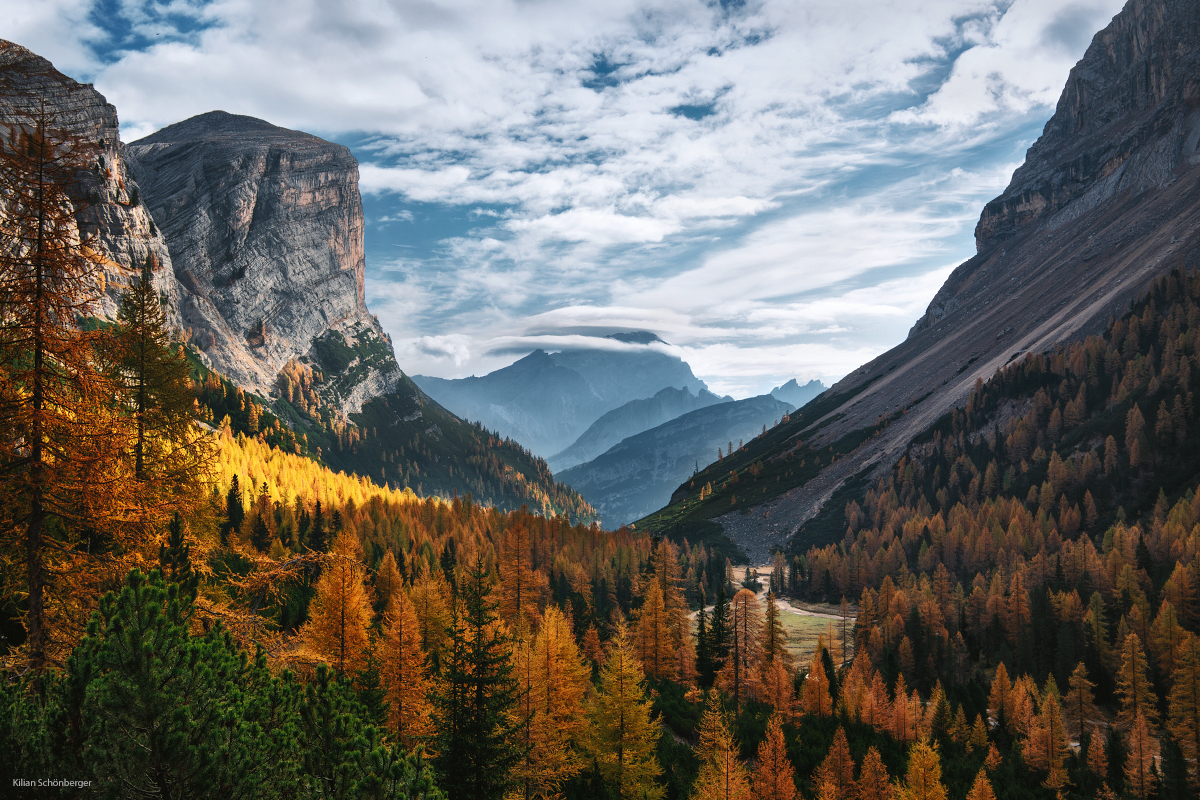
The transition from summer to fall unfolds gradually, marked by nuanced changes in the environment. Unlike the dramatic color shifts typically associated with peak autumn, this period offers photographers a rich canvas of subtlety—where the quality of light, the direction of shadows, and the interplay of warm and cool tones create captivating imagery. Understanding these transitions can elevate your photography, allowing you to harness the beauty that lies in those in-between moments.
Understanding Light Changes
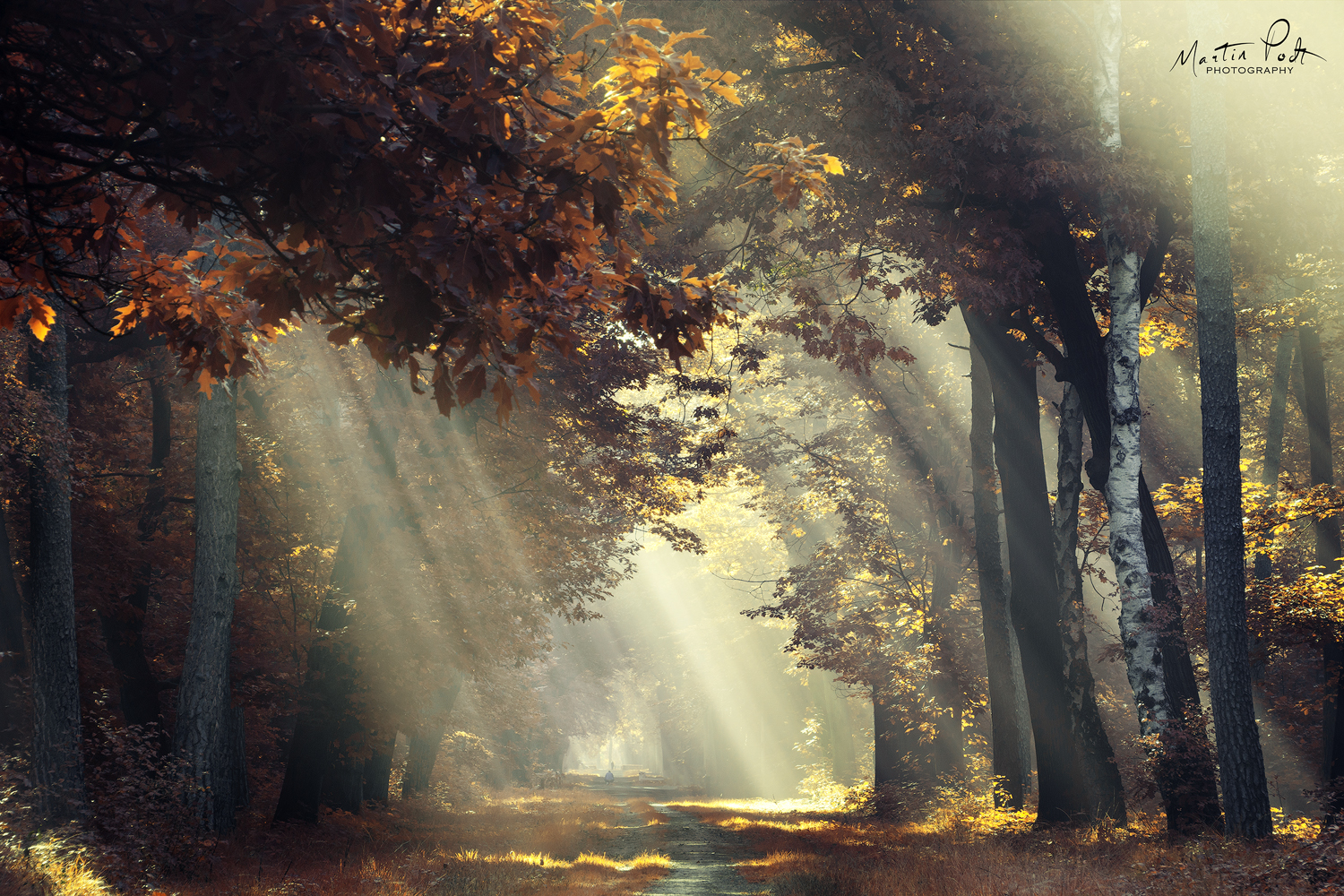
The most substantial change during this transition period is the sun's positioning in the sky. As the earth tilts away from the sun, its trajectory dips lower on the horizon throughout the day. This alteration results in longer shadows and a warmer quality of light, especially during hours when the sun was once high overhead in summer. Consequently, the nature of illumination transforms, offering a softer, richer glow that differs significantly from the harsh midday brightness of July.
The beauty of this shift is particularly pronounced in the late afternoon. Where 2 PM summer light shines flat and without warmth, 2 PM light in late September can resemble the golden hues traditionally associated with the evening golden hour. Photographers should pay close attention to these variations—capturing the same location at similar times across different seasons can reveal stark contrasts that explore the essence of time and change.
Capturing the Transition
Mixed Canopy Colors
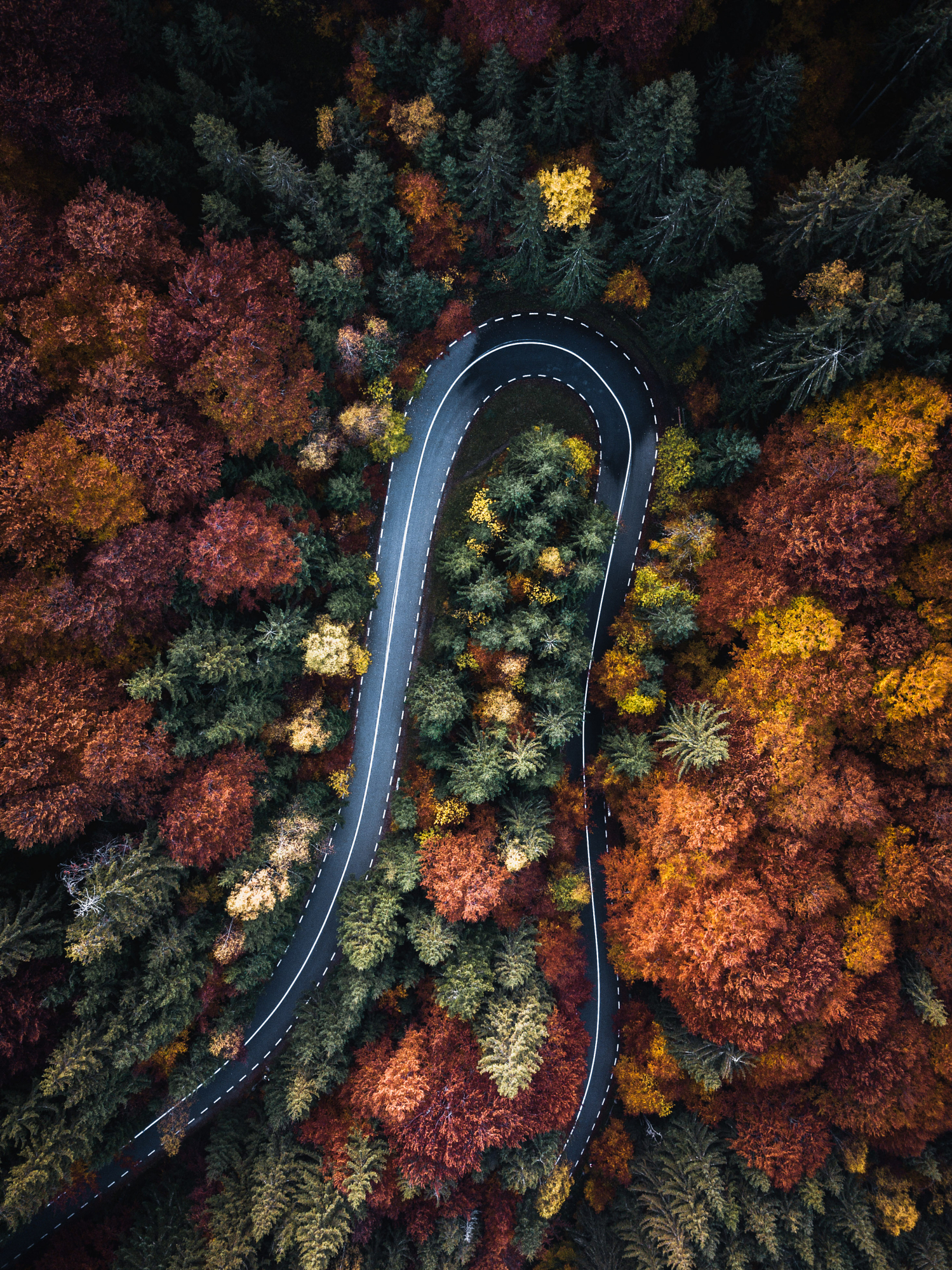
One of the most visually engaging aspects of the late summer to early fall transition comes from the mixed colors in the foliage. Rather than waiting for the full autumn colors to dominate the landscape, take the opportunity to photograph trees and hillsides where green, yellow, orange, and red coalesce. During this brief window, the diversity of tones within a single frame creates depth and richness, often outshining the monochrome palette of a fully developed autumn landscape. Light filtering through these partially changed leaves imparts a quality that's uniquely transient, capturing the essence of transition.
Long Shadows
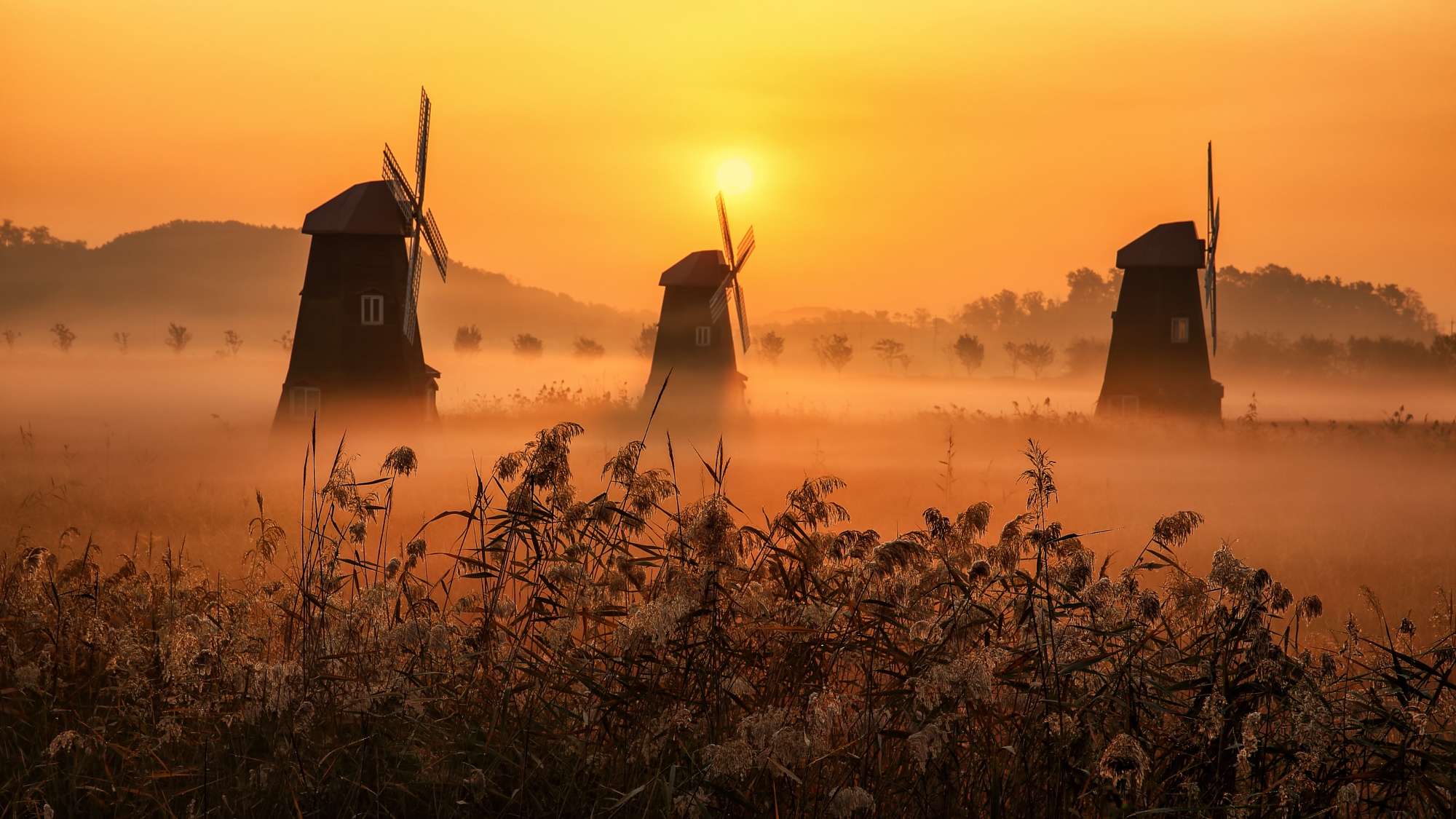
In open spaces such as fields and parks, the shift in the sun’s angle becomes apparent through elongated shadows that stretch impressively across the ground. These longer shadows can create strong geometric compositions, leading to interesting visual narratives that might have remained undiscovered in the summer’s direct light. By employing these shadows in your compositions, you not only highlight the seasonal transition but also add a dynamic element to your images.

Warm and Cool Contrasts
The interplay between the last remnants of warm light and the onset of cooler surfaces provides remarkable opportunities for emotional photography. The warmth of autumn's final rays juxtaposed with surfaces that are beginning to cool—like stone, water, or a pale sky—creates a palpable tension of warmth and coolness that resonates with a sense of impending change.
Practical Techniques for Capturing the Transition
To fully appreciate and document these seasonal changes, revisit locations you photographed in the summer. Observing how a familiar scene has transformed under the influence of autumn light can be enlightening. A similar camera position and framing can reveal the dramatic transformation between seasons, emphasizing the subtle differences.
Additionally, adjust your shooting schedule. The lower position of the sun means golden hour arrives earlier and extends longer in the fall, providing ample time to capture those magical light moments. What once might have been a brief window in June becomes a more leisurely hour of photographing warm light in October.
Moreover, remain vigilant about atmospheric conditions; the summer haze that often blurs distant subjects gives way to clearer fall air, enhancing details and colors in composite shots.

The Emotional Impact of Transition
Photographs taken during the summer-to-fall transition carry a distinct emotional weight that stands apart from standard autumn imagery. The theme of transition implies an ending—the culmination of warm days and the last vestiges of green before the change solidifies. This sense of impermanence renders your transitional images deeply resonant, often eliciting reflection and nostalgia, especially when both seasons are captured together in one frame. By focusing on these in-betweens, you can create photographs that celebrate the beauty of change and the fleeting essence of time.
The post Capturing the Shift from Summer to Fall Through Light appeared first on 500px.


