Explore effective techniques for photographing nightjars in Cornwall, including settings, compositions, and respectful wildlife interactions.

Nightjars are remarkable birds known for their exceptional camouflage, blending flawlessly into their surroundings. These unique avian creatures can be a photographer's dream, but capturing their beauty requires not just skill but also an immense amount of patience. The thrill of uncovering these secretive birds and photographing them in their natural habitat can be an exhilarating experience, albeit a challenging one.
Understanding Nightjar Behavior
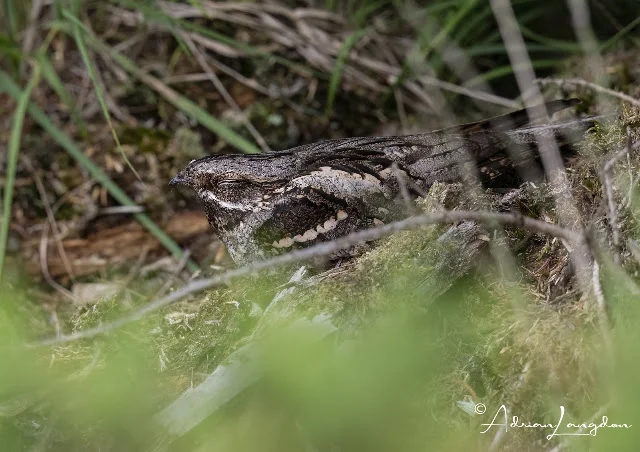
For years, I've found joy in observing and listening to nightjars in the forests and heathlands of mid and north Cornwall. These birds tend to roost on the ground, making them elusive and tough to spot, so the thrill of the chase is half the battle. In previous attempts, my images were often hurried snapshots of them either perched high on tree branches or flitting by me in flight. Each failed capture reinforced the need for a deeper understanding of their behavior, which often resulted in missed opportunities for more intimate, impactful images.
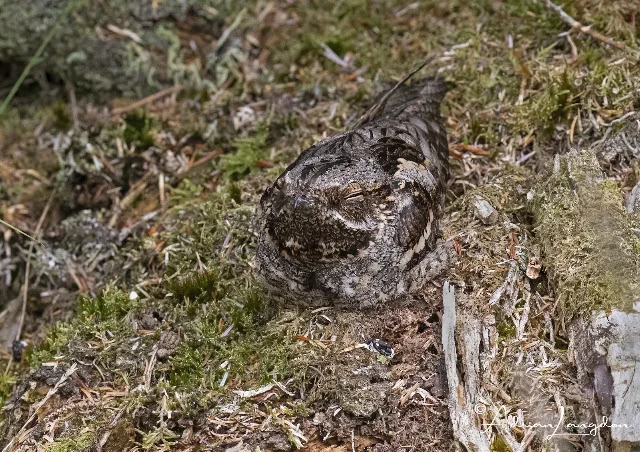
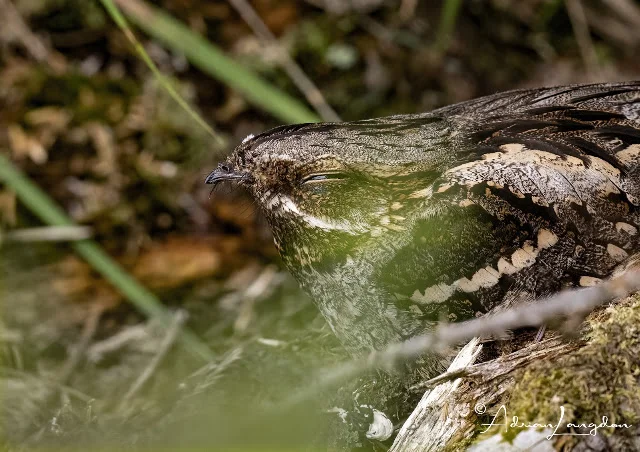
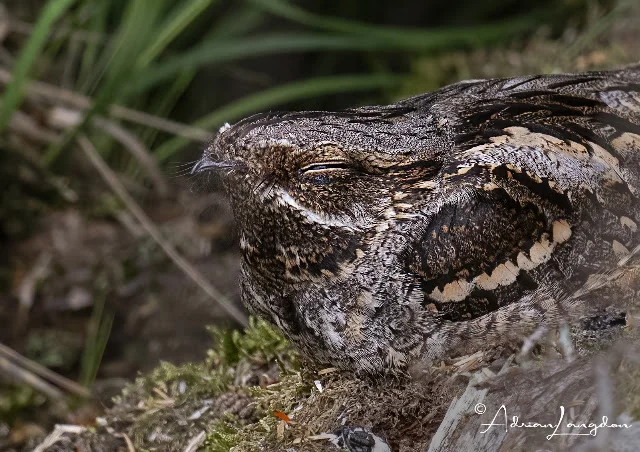
This year marked a significant shift in my approach when I discovered my first ground-roosting nightjar. Its eyes were closed, and it remained perfectly still, prompting me to ponder whether it knew I was there, relied on its impeccable camouflage, or was simply ignorant of my watchful gaze. This encounter ignited a desire to improve my techniques and refine my approach to photographing these elusive creatures. The experience underscored an essential truth: patience is vital in wildlife photography. Understanding the environment and the bird's habits can lead to some truly magical moments.
Photography Equipment and Techniques
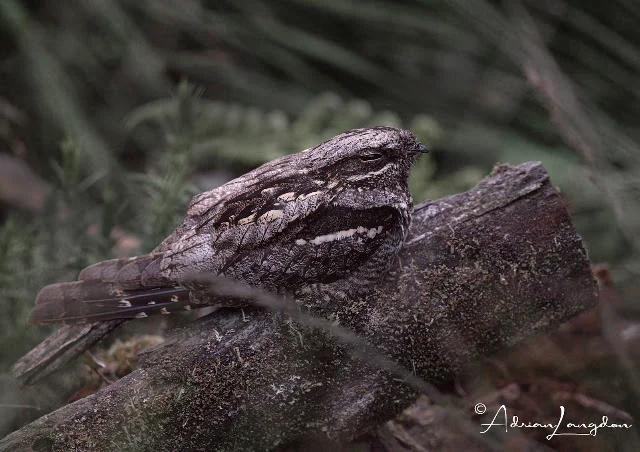
For capturing nightjars, I rely heavily on a 500mm lens. This extended focal length keeps a respectful distance, crucial in avoiding disturbance while still allowing for tight close-ups. Such a lens is invaluable, especially when you consider that nightjars are masters at blending into their surroundings. A longer lens grants you the capability to crop tightly during post-processing without compromising image quality. When setting up, I’m always mindful of my surroundings; elements like dry grasses and fallen timber are essential because they’re natural habitats where nightjars often go unnoticed.
Here’s a breakdown of the settings I’ve found effective:
- ISO: A higher ISO setting, around 800 to 1600, is often necessary during twilight hours when the available light is diminished. This range provides good detail without succumbing to excessive noise, critical when you're hoping to capture intricate feather details.
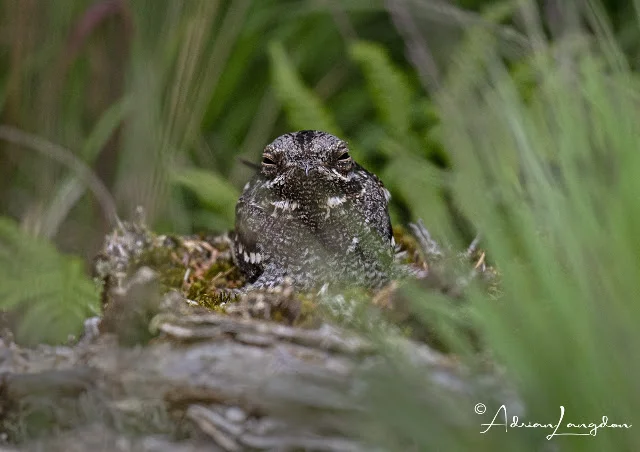
- Aperture: Employing a wide aperture, typically between f/4 and f/5.6, creates a beautifully blurred background, allowing the nightjar to stand out against its camouflage. The trick lies in balancing depth of field while still capturing enough detail.
- Shutter Speed: Nightjars can be surprisingly active, necessitating a shutter speed of at least 1/500s to freeze motion and maintain clarity. Relying on faster shutter speeds addresses the unpredictability of avian behavior and adds to the overall sharpness of the final image.
Interaction and Ethical Considerations
Maintaining a respectful distance from nightjars is paramount, especially in areas they’re likely to share with humans, like dog-walking paths. Observing their habits has shown me that many nightjars often take to the same logs or branches repeatedly, so I always give them ample space while I observe and photograph. This practice isn’t just courtesy; it’s essential for their survival.
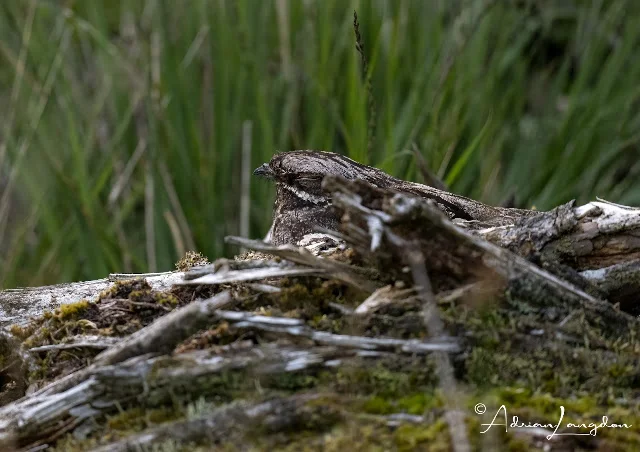
Even when nightjars are not nesting, they can feel vulnerable after fledging. They often roost close to forestry tracks and heath paths, so being aware of your surroundings is crucial. Rushing towards a bird or unduly stressing it can have negative consequences. The goal should always be to capture their essence while ensuring minimal disruption to their behavior and environment. You'll thank yourself later when those images are preserved, showcasing respectful interaction rather than idolizing their beauty at the cost of their comfort.
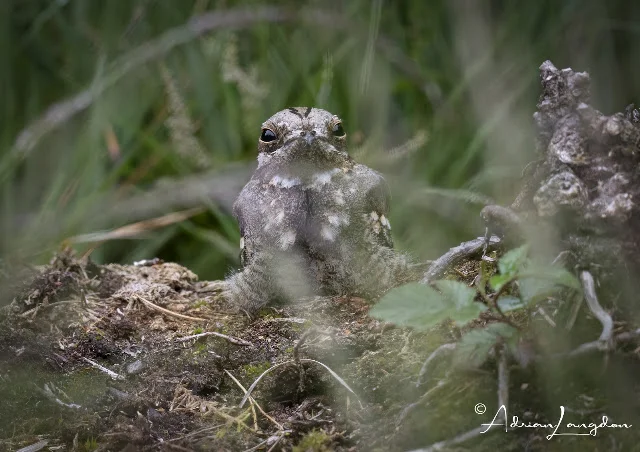
Image Highlights
As I navigate my photography journey focused on nightjars, I’ve curated a selection of images that embody their unique camouflage capabilities. Each shot reflects my deep respect for their habitats and the extensive challenge involved in capturing them in their natural settings. Below are a few selected images:
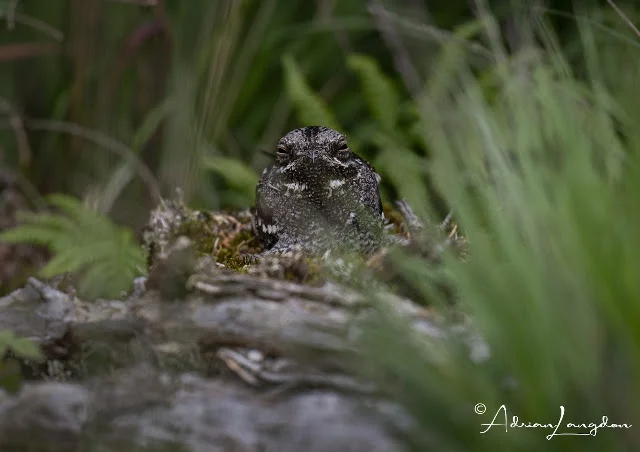


These moments captured not only highlight the beauty of nightjars but also emphasize the importance of understanding their behavior. Through patience and the right techniques, photographers can share the wonders of these unique birds while respecting their space. Each photograph becomes not just an image, but a testament to the delicate balance between wildlife and observation.
Looking Ahead
As I continue my photography journey with nightjars, I'm dedicated to learning more about their habits, habitats, and the best techniques to capture their essence on camera. Each outing reveals new opportunities and challenges, deepening my appreciation for these incredible birds and the settings they call home. A sustained commitment to ethical practices will enhance our relationship with nature's creatures, allowing their beauty to shine without interference.
Implications and Future Outlook
What this means for photographers is significant. The delicate interplay of nature photography and ethical practice reinforces the responsibility that comes with the camera. Future advances in technology, such as improved autofocus systems and lower light performance in cameras, may change how we capture such elusive species. Yet with every new tool at our disposal, there's an equal need for respect and mindfulness regarding wildlife ethics. We must always remember: capturing the perfect image should never come at the cost of our subject’s well-being.


