Explore the beauty of Spotted and Collared Scops Owls in India, highlighting photography techniques and the best locations for captures.

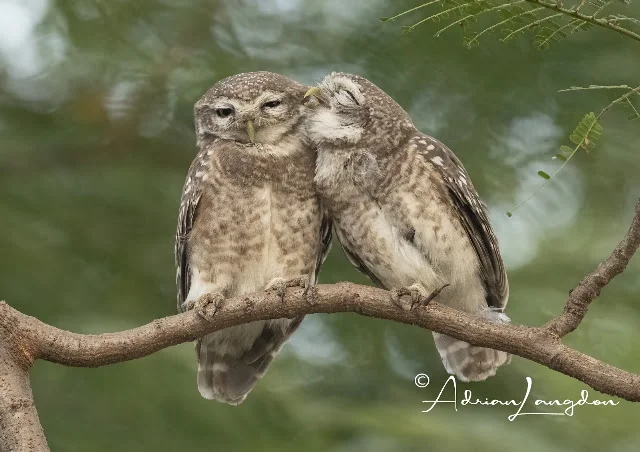
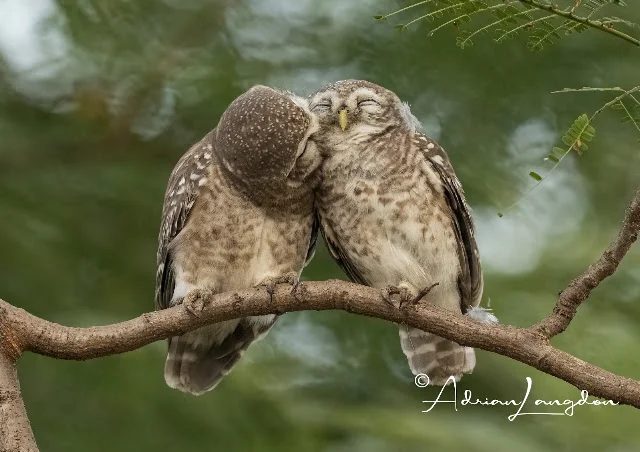
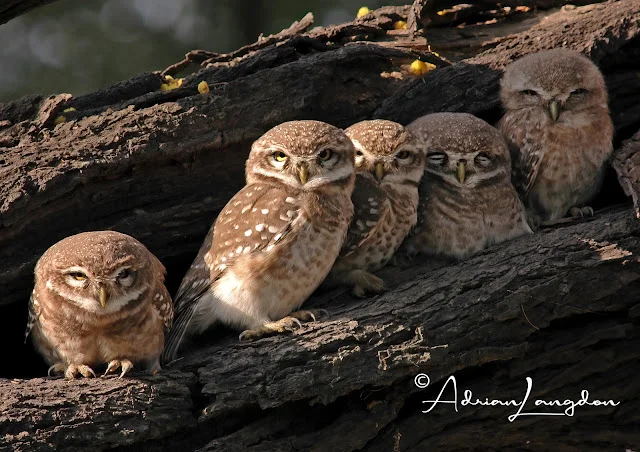
Photographers and bird enthusiasts alike have a wealth of opportunities when it comes to capturing the stunning Spotted Owlet (Athene brama) in India. During a recent trip to Keoladeo National Park in Bharatpur, I was fortunate enough to photograph several pairs of these charming owls. As I reviewed my images from the journey, I decided to share insights along with some of the compelling shots I captured.
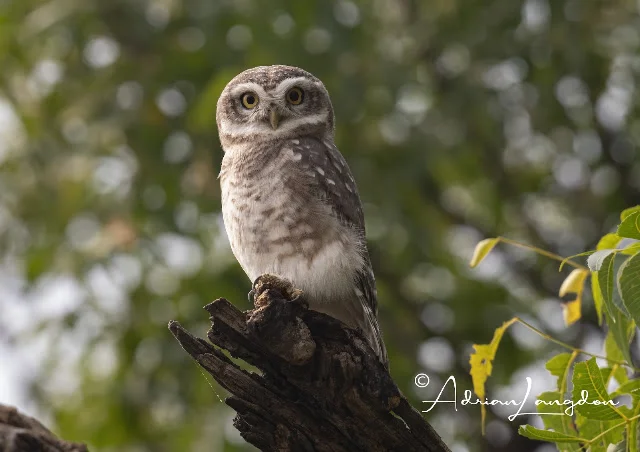
The Spotted Owlet Experience
Spotted Owlets find their homes not only within the confines of Keoladeo National Park but also in the surrounding farmlands and temples. This adaptability boosts their visibility, creating a unique opportunity for photographers eager to capture remarkable images. Trusting local guides, like Harish Chand, proved invaluable. His expertise about the area greatly enhanced our encounters, turning what could have been a mundane outing into a meaningful experience filled with rich stories about the owls' behaviors and habitats.
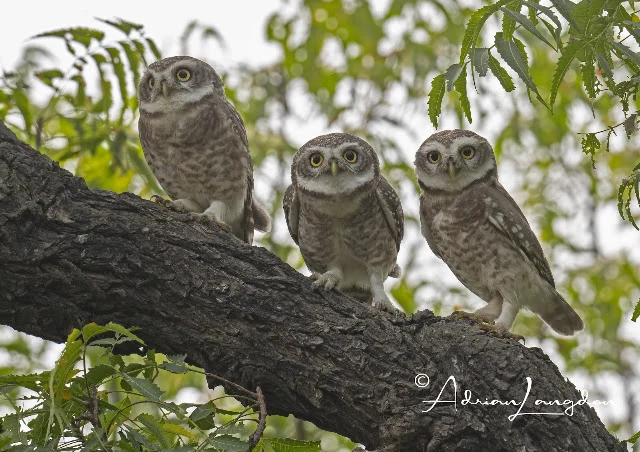
If you're working in this space and looking to photograph these owls, think carefully about your preparation. Here are some key factors to consider when planning your shoot:
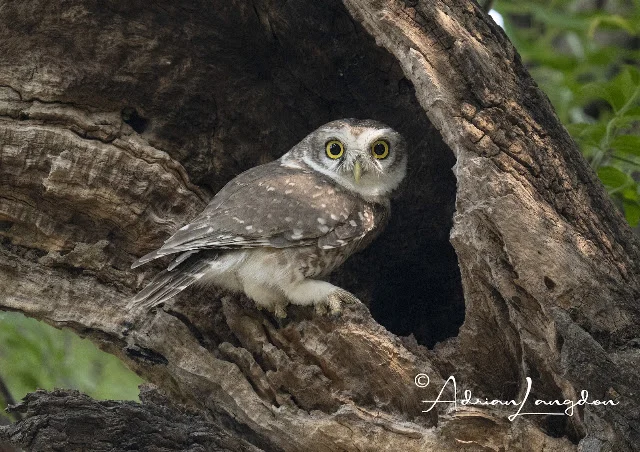
- Equipment: A DSLR or mirrorless camera with a reliable telephoto lens (ideally 300mm or longer) is essential. Fast autofocus capabilities and low-light performance are also critical when capturing owls, which tend to be most active during the twilight hours when lighting can be a challenge.
- Settings: Opt for a relatively high ISO (such as 800-1600) to maintain a fast shutter speed, especially in the park's shaded areas where light can get tricky. Aperture settings should be kept wide (f/2.8 - f/4) to allow more light and achieve a pleasing background bokeh effect, emphasizing the owlets while softening the backdrop.
- Timing: Early mornings and late afternoons are special times not just for light quality but also for owl activity. Shifting your plans to focus on these times can often yield the most vibrant images.
Photo Highlights of Spotted Owlets
Below are a few highlights from my owl photography journey:
 |
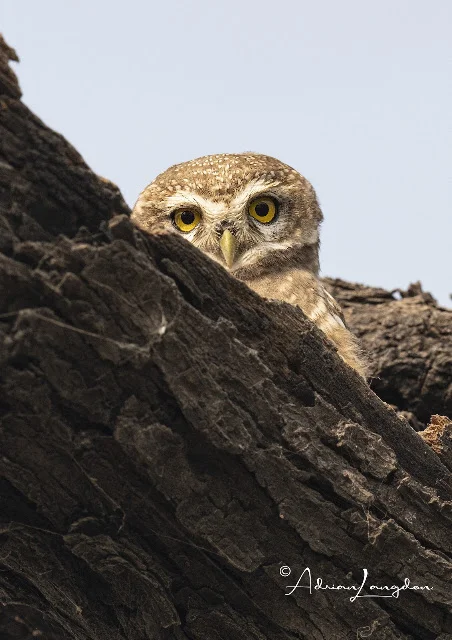
Spotted Owlet |
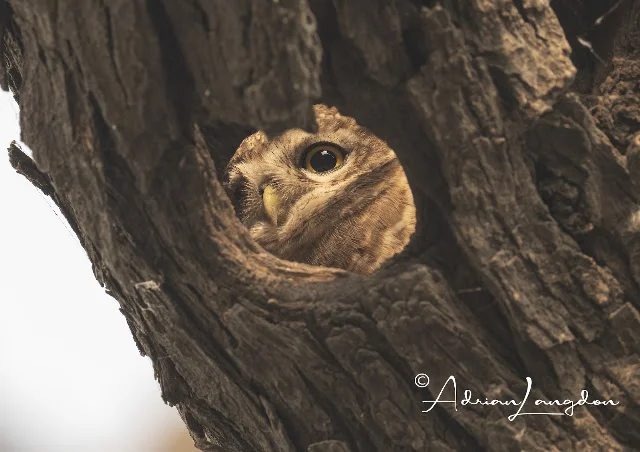
Among the numerous images, one really stands out—a shot of a Spotted Owlet that seems to invite you into its world, showcasing its curious demeanor. The composition skillfully incorporates its natural habitat, cleverly placing the owl within the frame to highlight its observational skills. This isn't just about capturing a picture; it's about telling a story—a moment frozen in time where the owl's gaze meets yours.
Collared Scops Owls: A Challenge
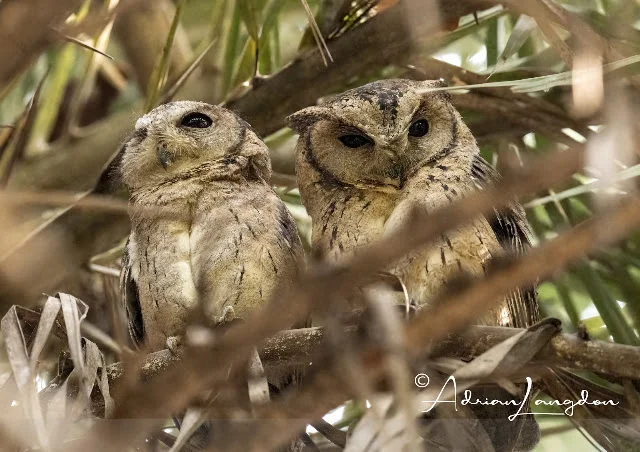
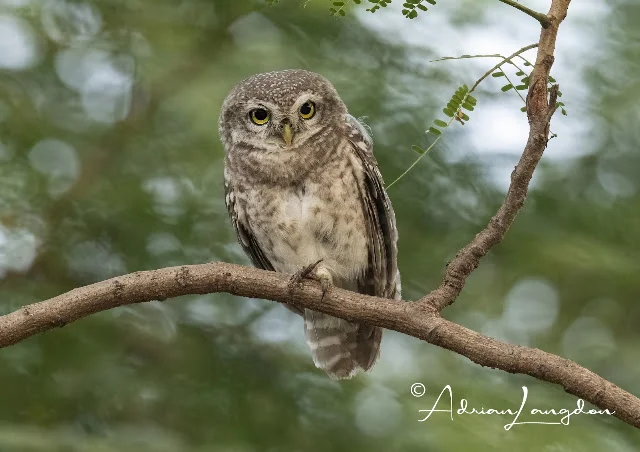
In addition to the Spotted Owlets, I aimed to photograph the elusive Collared Scops Owls (Otus bakkamoena). Unlike the Spotted Owlet, which often stands out, these owls can be quite tricky to locate as they prefer roosting in dense foliage. During our search, we had the fortune of spotting two nestled in a palm tree—a thrilling experience that tested our patience. Here’s where persistence comes into play: adjusting angles, holding your breath for stability, and waiting for just the right moment. This careful approach is what often leads to those breathtaking photos that capture the essence of wildlife.
 |
Collared Scops Owl |
Lessons from Previous Encounters
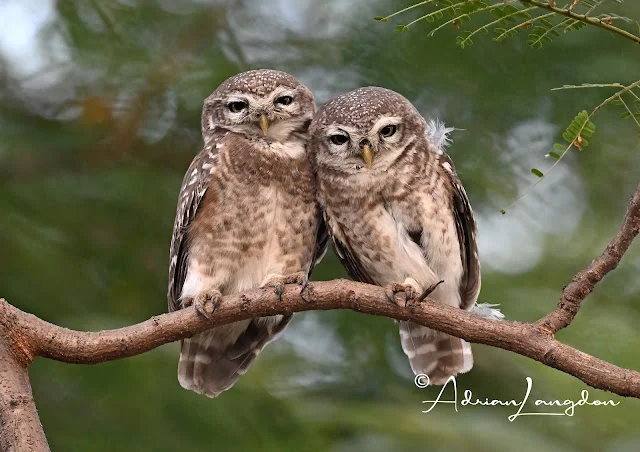
Reflecting on earlier trips, I also included a shot of the Dusky Eagle Owl (Bubo cornutus) taken in November 2005. This piece not only captures the owl but also illustrates how locations and techniques can evolve over time in wildlife photography. While we searched unsuccessfully for the Dusky Eagle on this recent trip, the past experience reminds us of the importance of flexibility. Being prepared to adapt is essential. After all, wildlife is unpredictable, and a successful outing may hinge on seizing unexpected moments.
 |
Dusky Eagle Owl |
Significance and Future Outlook
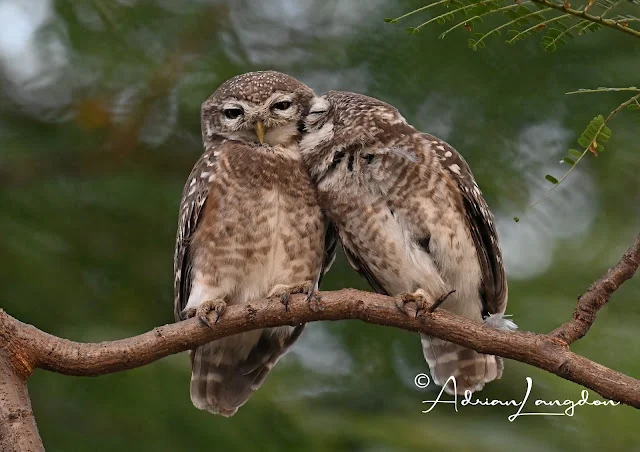
The essence of bird watching and photography lies in the profound connection it fosters between us and nature. By observing the delicate behaviors of Spotted Owlets and Collared Scops Owls, we gain insight into their ecosystems and the myriad challenges these remarkable birds face, from habitat loss to climate changes. The importance of these experiences extends beyond mere visuals. They provide a platform for advocacy and conservation, enabling photographers and enthusiasts to highlight the need for environmental stewardship. As you venture out with your camera, remember: every click not only captures a moment but potentially influences a movement aimed at preserving our wildlife. The journey doesn't stop here.
Final Thoughts
Bird watching and photography can profoundly deepen our connection to nature. Through observing the behavior of Spotted and Collared Scops Owls, one can gain a deeper understanding of their ecosystems and the challenges these remarkable birds face. As you venture out, remember to embrace the unpredictability of wildlife photography, and cherish every moment under the open sky.