Photographer recounts experiences capturing Long-billed, Egyptian, and Red-headed Vultures in India, sharing tips on techniques and encounters.

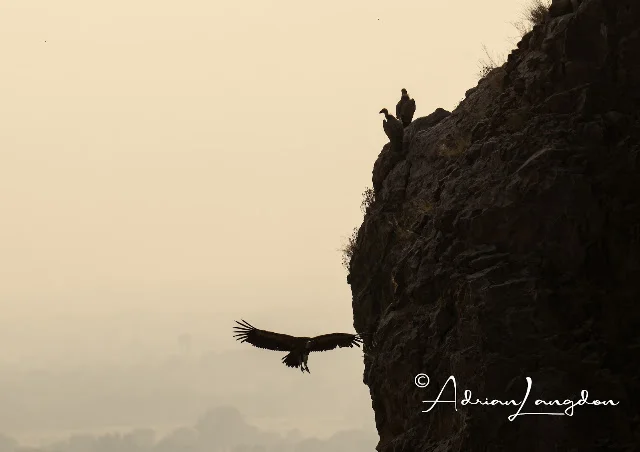
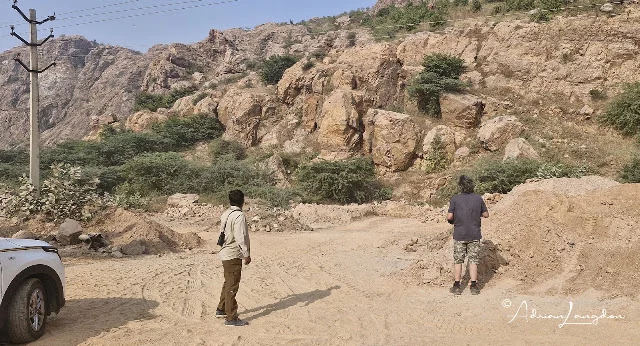
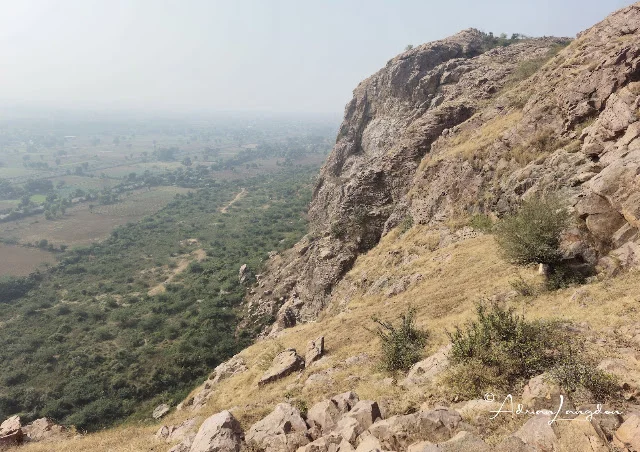
During my recent photographic expedition to India, I focused on capturing the stunning and often misunderstood vultures that inhabit this beautiful landscape. This trip brought me back to the foothills of Trilok Cliff, Bayana, where a colony of Long-billed Vultures has established their nests. My previous visit in 2003 only allowed me ground-level views, but this time, I was determined to ascend the slopes to better align with these magnificent birds' flight paths.
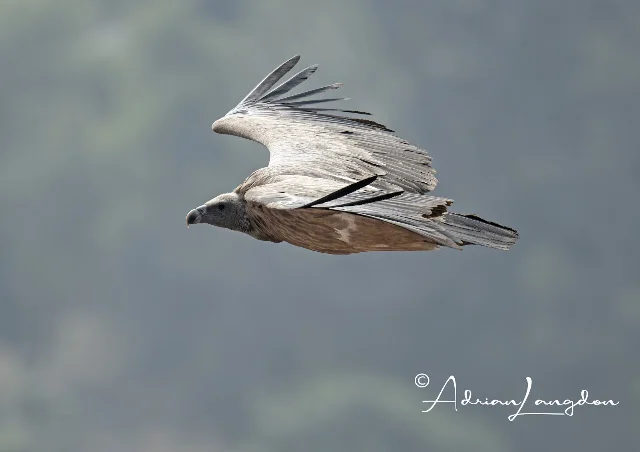
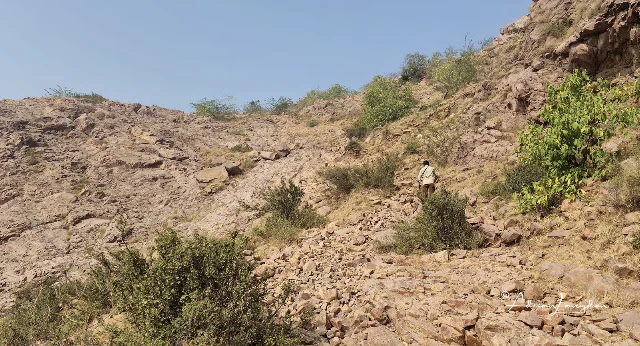
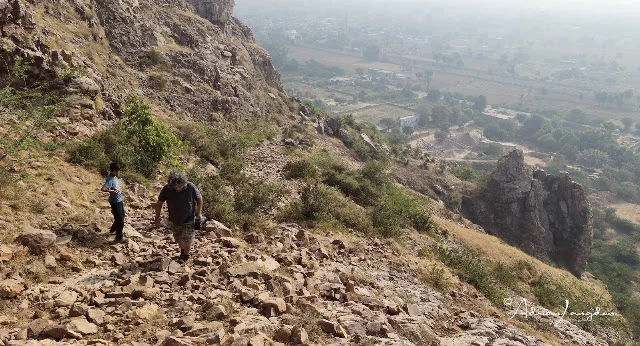
The trek was challenging but rewarding. Climbing the steep terrain allowed a completely different perspective of the vultures. On my initial ascent, I was thrilled to see the birds gliding overhead, but the lighting didn't quite cooperate. A week later, motivated by the potential of capturing them in late afternoon light, I ventured back, though the birds were less active during this visit.
The First Encounter
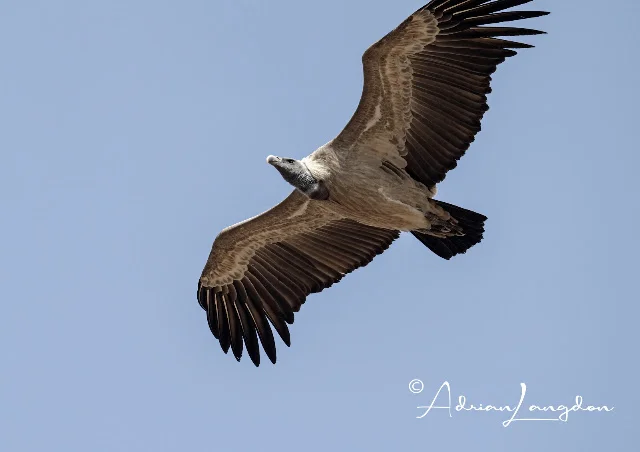
Arriving at the cliff's edge, I spotted a Long-billed Vulture perched on a distant rock. This moment highlighted the need for a good telephoto lens. I switched to a 500mm f/4, allowing me to fill the frame with the subject while maintaining the detail that characterizes this species.
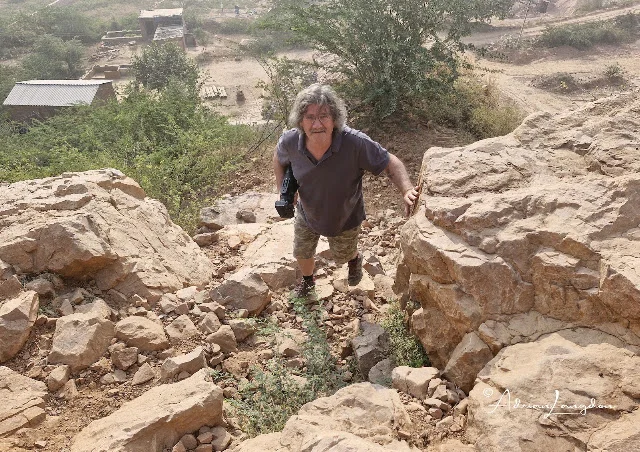
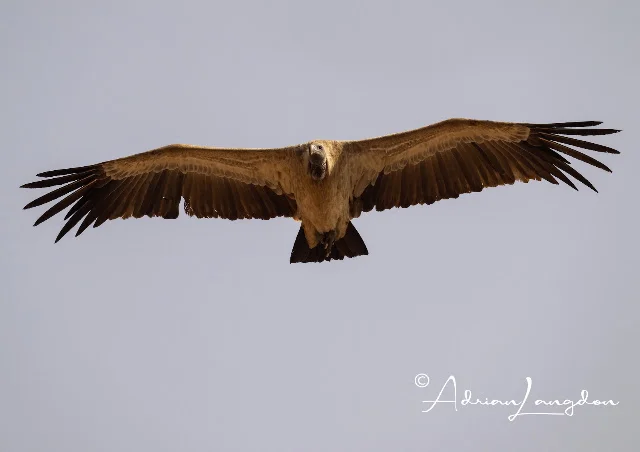
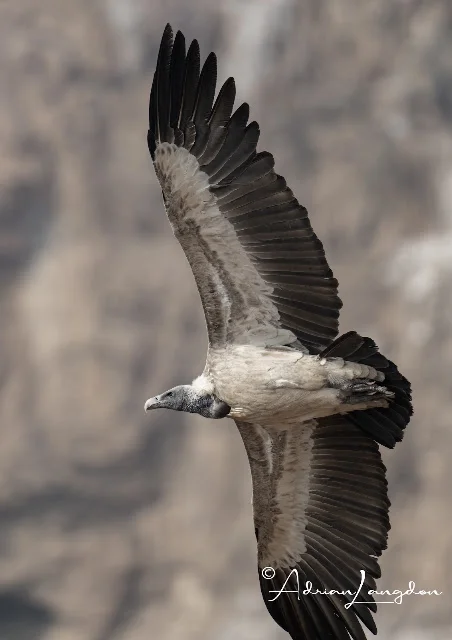
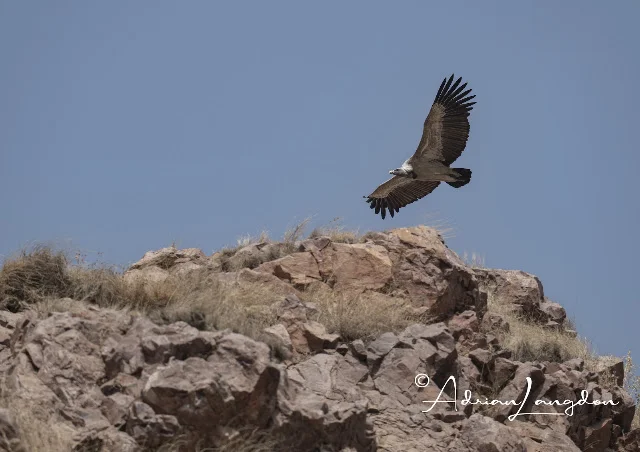
An important technique when photographing birds, especially in high-altitude locations, is to consider your angle. Shooting from below can create images that feel less engaging. I learned that by climbing higher, my angle not only matched that of the soaring vultures but offered dramatic perspectives that emphasize their majesty. The resulting images showcased their lengthy, graceful wingspans and distinctive long bills.
Exploring the Environment
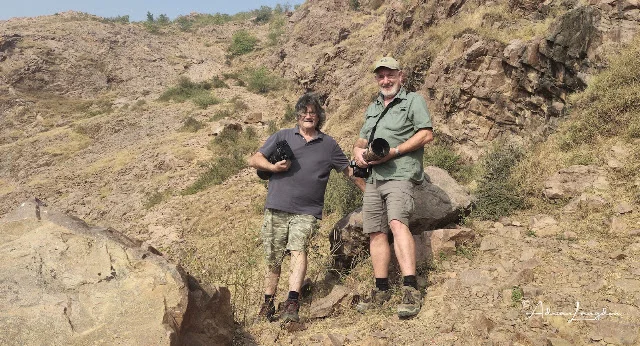
As I navigated the rocky outcrops, I took time to absorb my surroundings. While capturing images, I made sure to frame my shots carefully. Incorporating elements of the cliffs and sky enriched the composition, telling a more dynamic story of the vultures in their natural habitat. It was essential to keep an eye on the sun’s position, as the quality of light changed throughout the afternoon, providing varying moods in each captured moment.
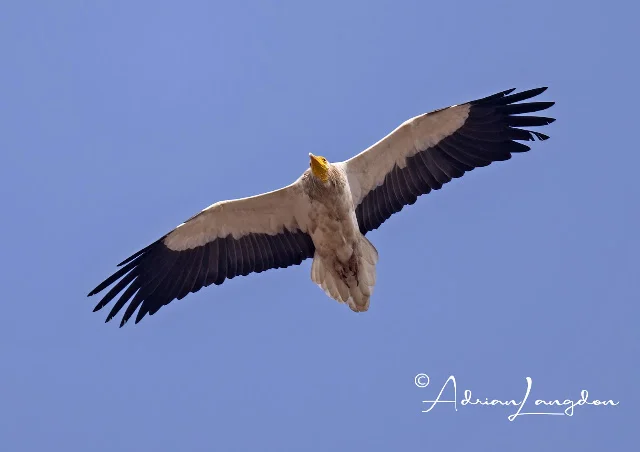
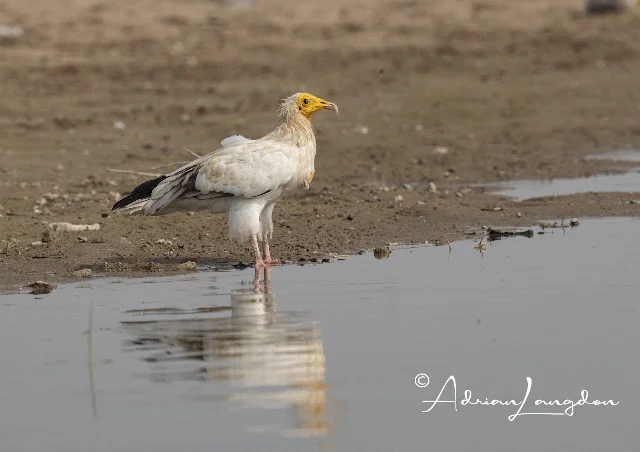
During my ascent, I encountered not only the Long-billed Vultures but also the Egyptian Vulture. Spotting these species together was a prime opportunity for comparison—for a birdwatcher and photographer alike. The two have differences that are quite pronounced, from their size to coloration, each showcasing unique adaptations for survival.
Memorable Moments
Our journey also took us to the Chambal River, where we located three Egyptian Vultures scavenging along the waterline. Convincing our boatman to maneuver closer was a success; we captured images that displayed their feeding behavior in the wild, further emphasizing the role these birds play in the ecosystem. These experiences reinforced the importance of patience and flexibility—key virtues for wildlife photography.
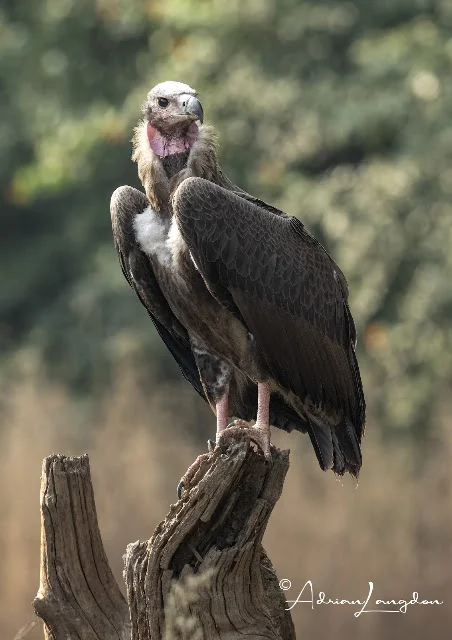
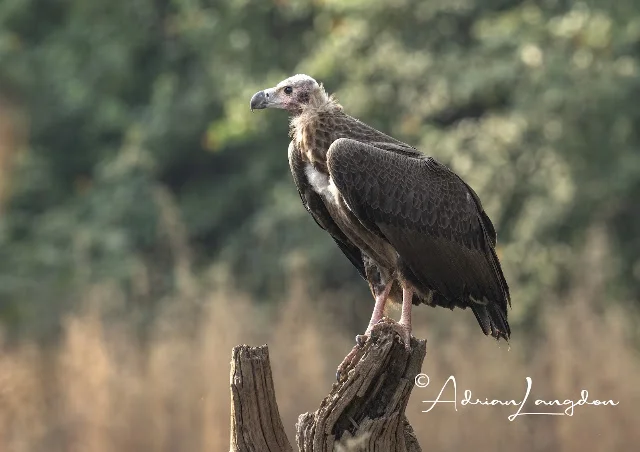
Another highlight was photographing the Red-headed Vulture at Panna Tiger Reserve. My guide led us to a vantage point, where we quietly waited for the vultures to appear. It paid off when one chose to perch in the sunlight, allowing us to capture its striking features from the back of an open-top jeep. Using a 300mm lens from this angle provided unfiltered views that brought depth and clarity to the images.

Challenges Facing Vultures
While my photography journey was fulfilling, it’s essential to acknowledge the increasing threats vultures face due to human impact. The alarming number of vultures succumbing to veterinary drug ingestion has drawn attention to conservation efforts. Some species may already be in critical decline, highlighting the urgency for awareness and protection.
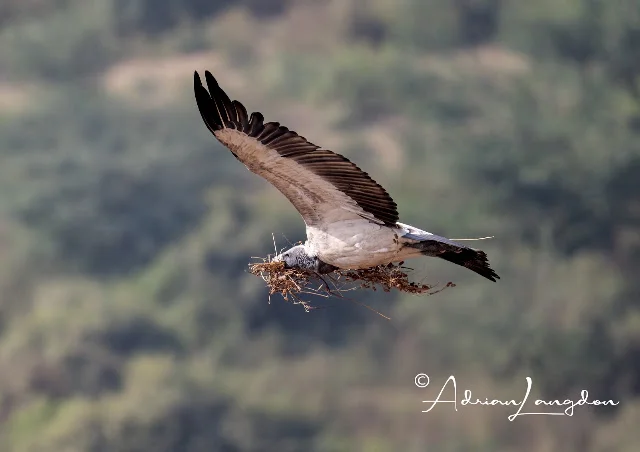
In total, my trip yielded a rich portfolio featuring the Long-billed Vultures, characterized by their slender bodies and long bills often seen collecting nesting materials, and the Egyptian and Red-headed Vultures with their unique appearances. Each photograph captures not merely the aesthetic, but a vital narrative about biodiversity and the need for proactive conservation efforts.
To add an interactive dimension to any wildlife photography project, consider incorporating social media outreach to spread awareness about these birds. By sharing your experiences and images, you not only engage with a wider audience but also inspire others to appreciate and protect these magnificent creatures. Ultimately, photographing vultures in India was more than a quest for stunning visuals; it became a deeper understanding of their ecological significance and the urgent need for preservation.