The Somerset Levels host a remarkable array of birdlife throughout winter and spring, highlighted by stunning migratory patterns and nesting behaviors.

Leading four photography tours through the Somerset Levels for Naturetrek has given me incredible insights into the area's diverse wildlife. Recently, I had the pleasure of leading three winter tours followed by one in mid-April. Additionally, I spent several days in February exploring these environments with friends. Capturing the essence of the remarkable birdlife that frequents these marshes can be challenging, but the experience is always rewarding.
The Avalon Marshes: A Hub of Avian Activity
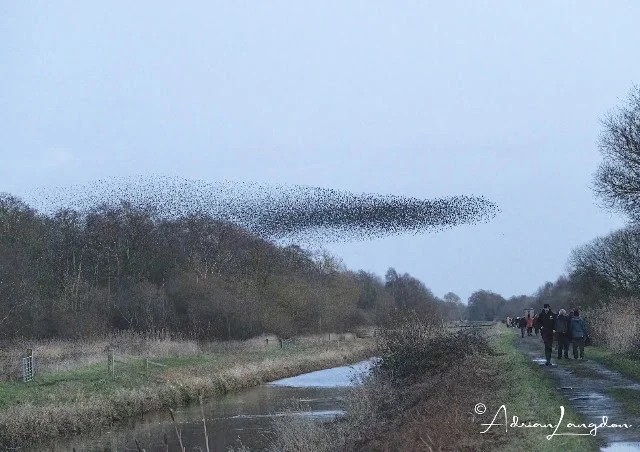
Our expeditions primarily focused on the Avalon Marshes, which comprise important reserves like RSPB Ham Wall, Shapwick Heath, and Westhay. To the west, we also visited RSPB Greylake and RSPB Swell Wood, both of which sit on the Polden Hills, ideal locations for wildlife observation. The marshes serve as winter havens for millions of birds, creating opportunities to witness spectacular natural events, particularly the evening starling murmurations.
Birdwatching Highlights in Winter
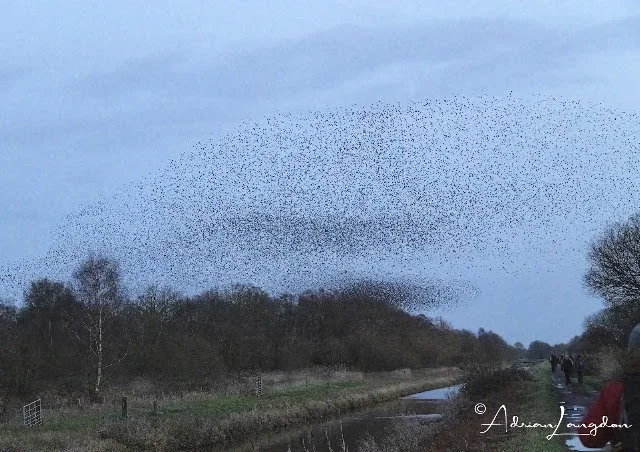
Each evening, during winter months, groups of starlings arrive in the tens of thousands to roost in the Avalon marshes. This phenomenon is not only breathtaking but also challenging to photograph due to the fading light conditions. As night falls, these birds create swirling patterns in the sky—a visual treat for enthusiasts and a favorite among our clients. For those without an extensive photographic setup, a mobile phone can capture decent video clips that might do this stunning display justice.
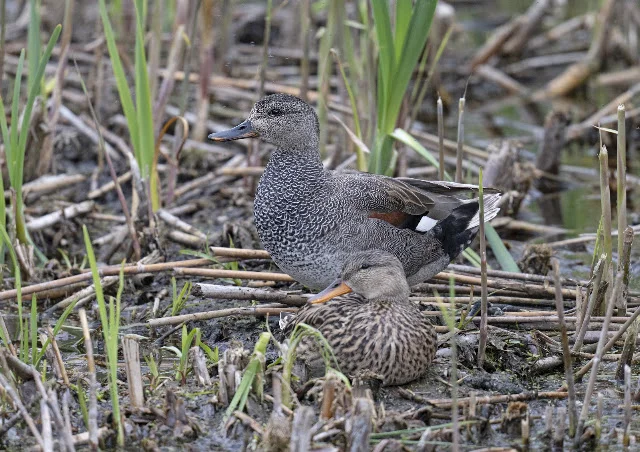
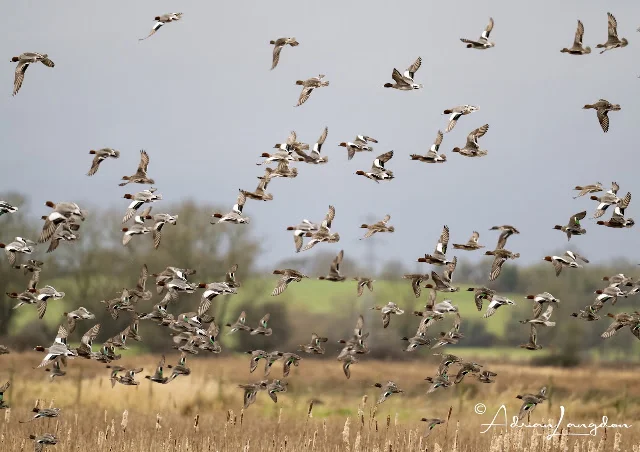
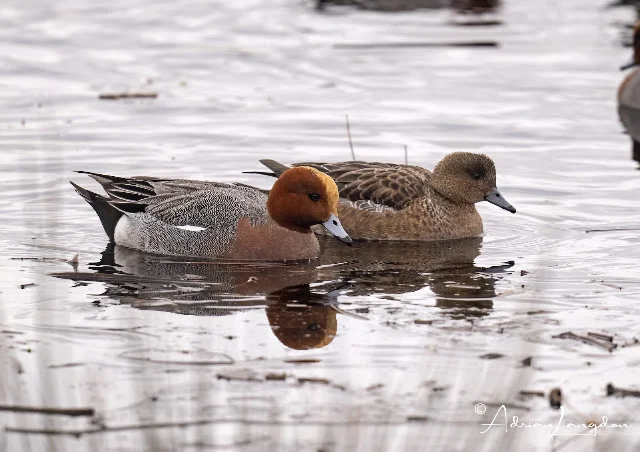
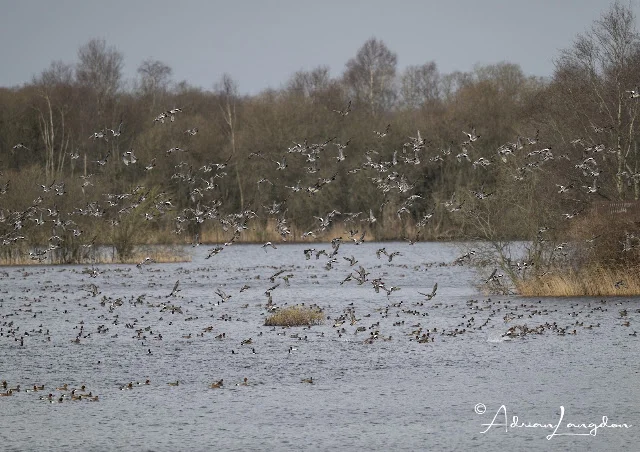
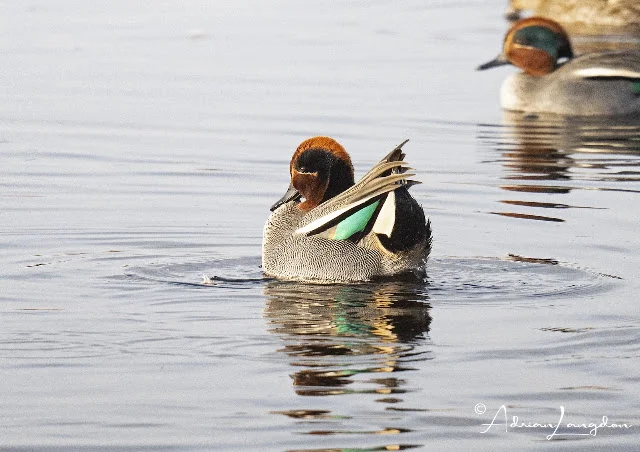
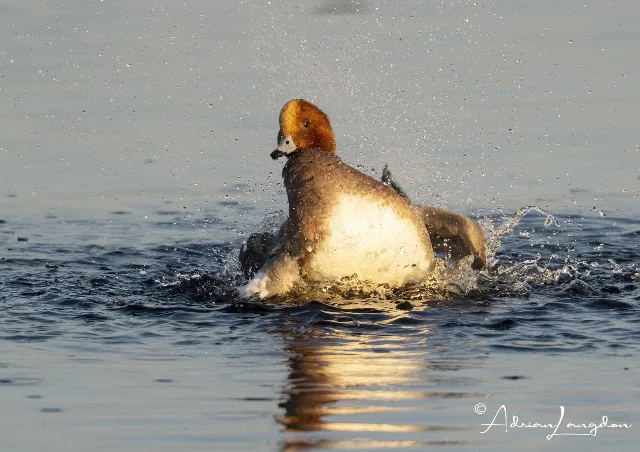
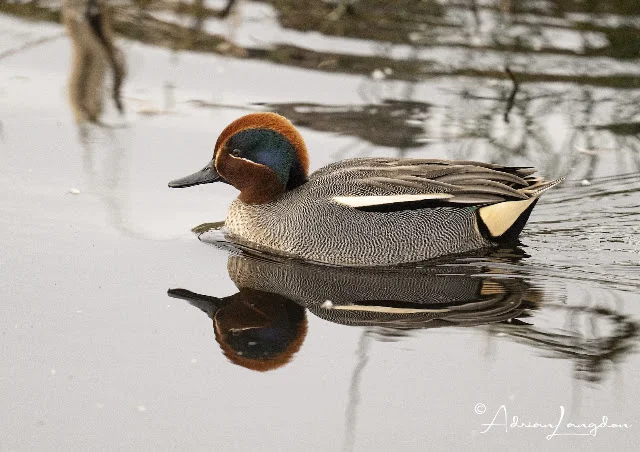
Alongside the mesmerizing starlings, we encountered numerous wintering wildfowl. Various species, including Wigeon, Teal, Shoveler, Pintail, and Gadwall, flock to lakes and marshes like Noah's Lake and Decoy Lake, adding depth to our wildlife experiences.
Challenging Conditions and Unique Encounters
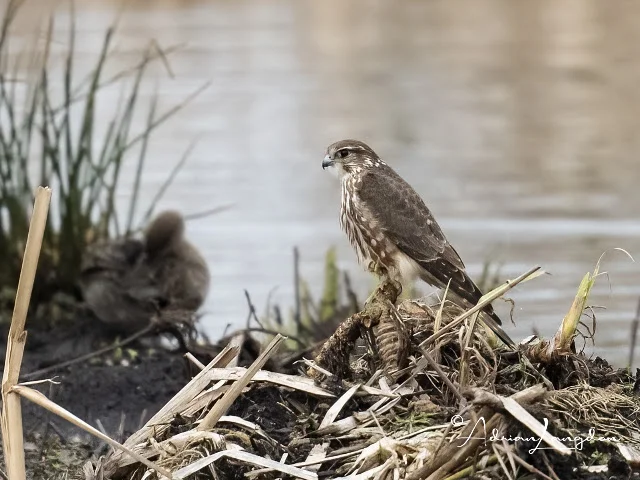
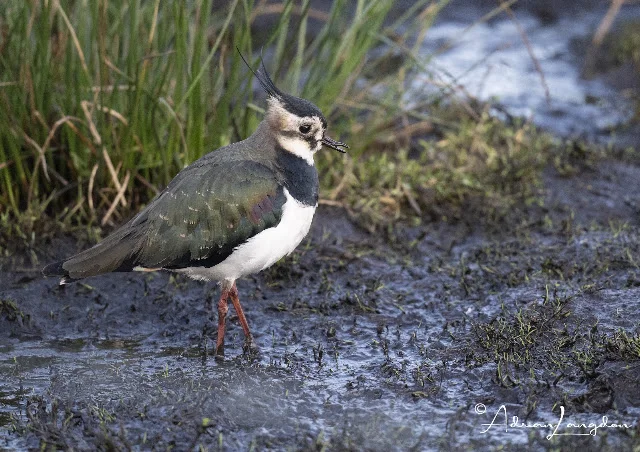
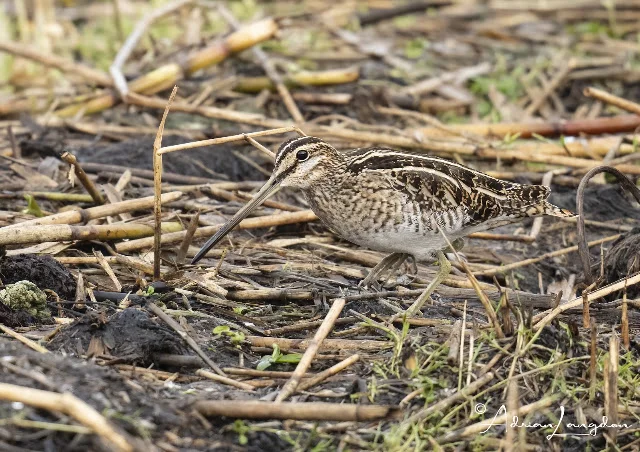
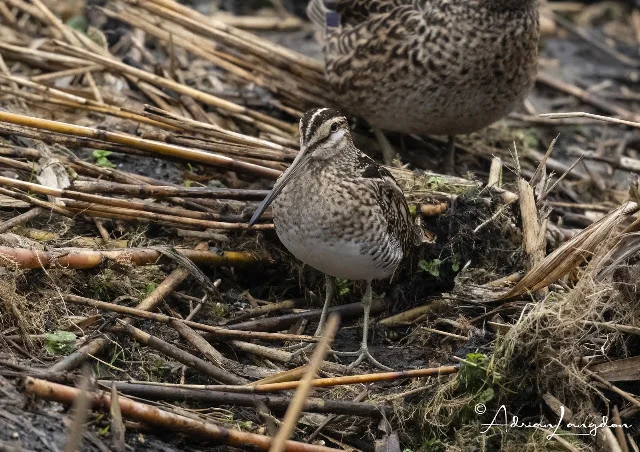
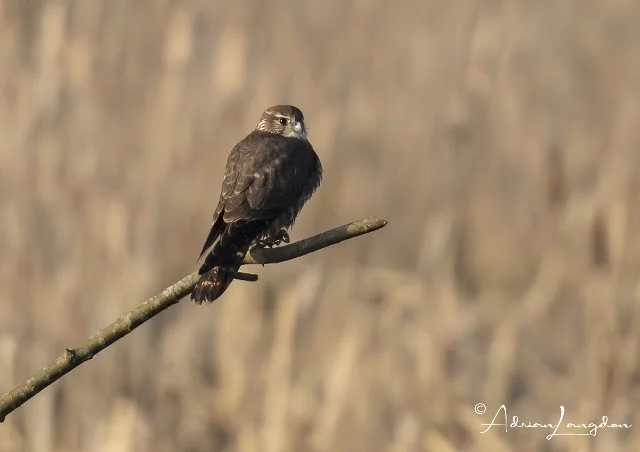
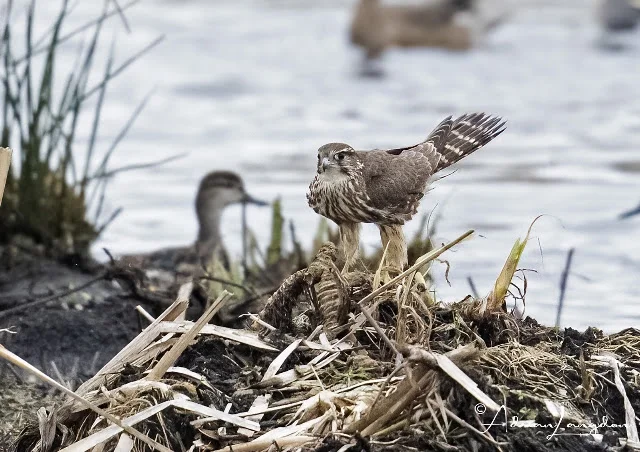
Our search for Lapwing and Snipe yielded exciting moments, especially with the presence of two female Merlins that were actively hunting within the Greylake complex. Observing snipe in their natural habitat proved a challenge, but spotting a Merlin on the prowl was exhilarating; these predatory moments underscore the intricate dynamics of the marsh ecosystem.
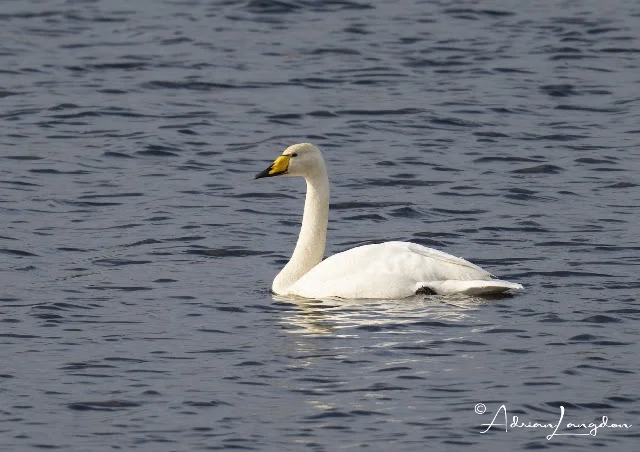
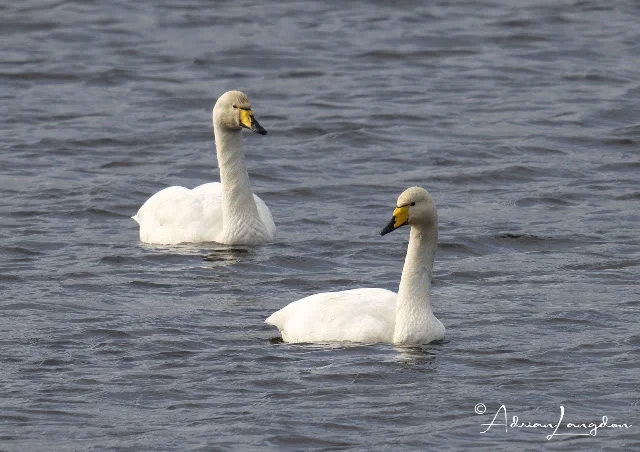
Winter also unveiled additional surprises, including sightings of Whooper Swans, which remained at Noah's Lake. Encountering these majestic birds actively displaying made for an extraordinary experience, especially during a tour where they positioned themselves directly in front of our hide.
Spring Awakening: Nesting and Migratory Birds
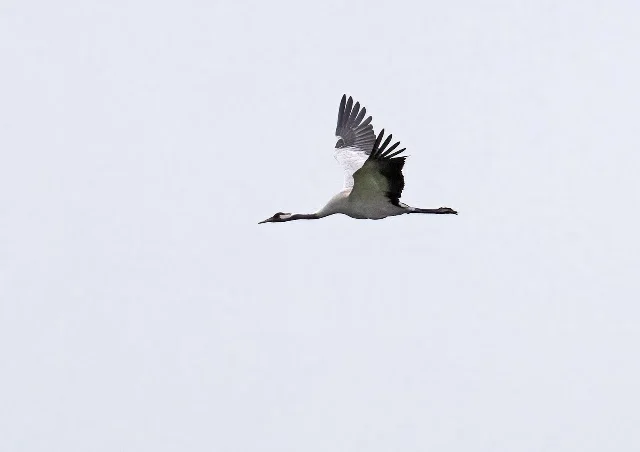
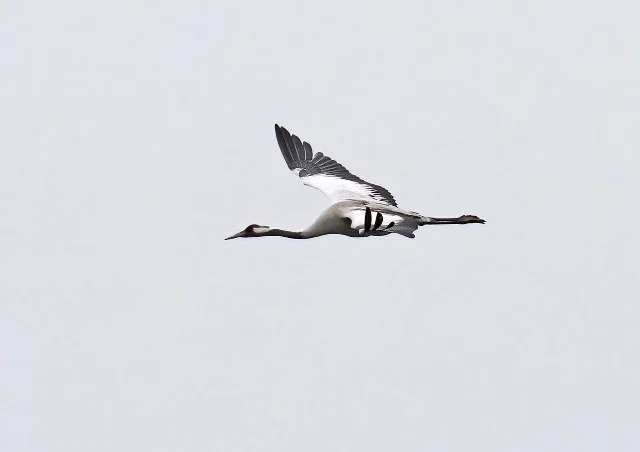
As spring approached, our attention shifted to nesting behaviors and the return of summer migrants. Common Cranes, reintroduced in 2010, are a particular highlight—we often observe them in the distance while utilizing a telescope to enhance clients' viewing experiences. Recently, we delighted in the unexpected opportunity to witness two cranes flying directly overhead at Greylake.
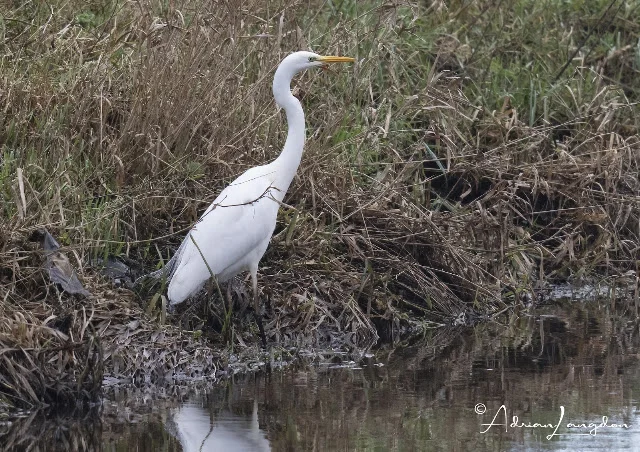
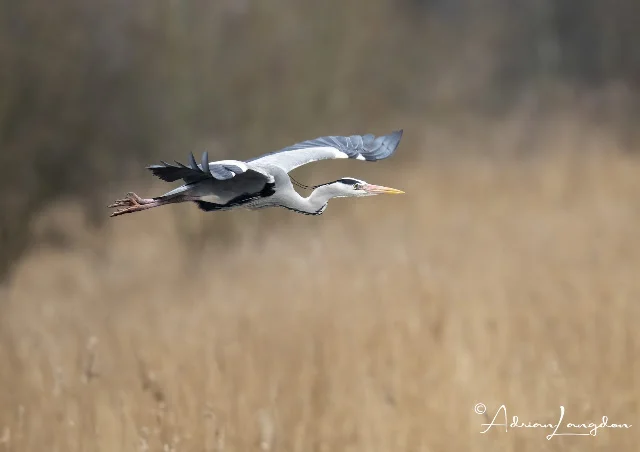
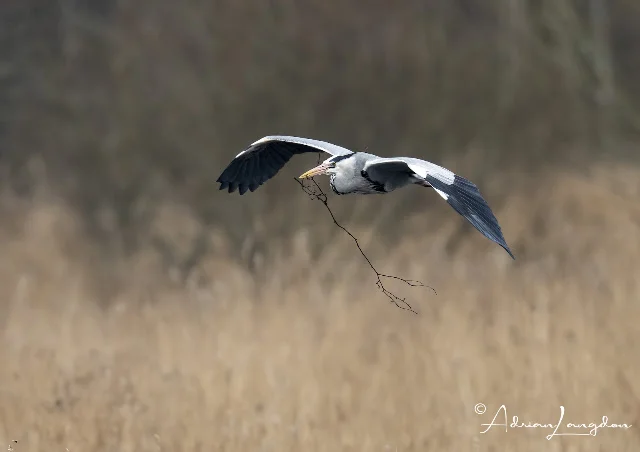
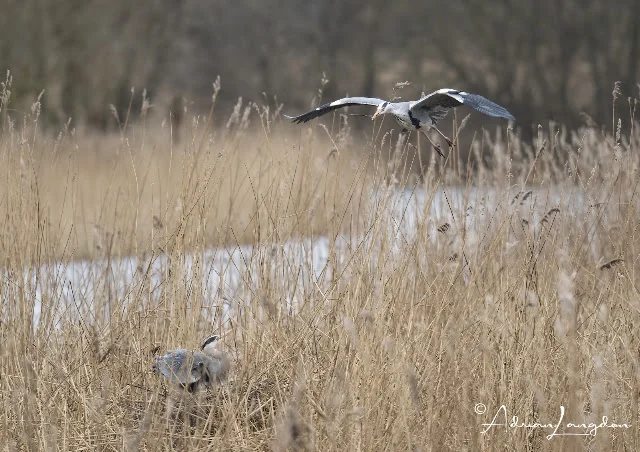
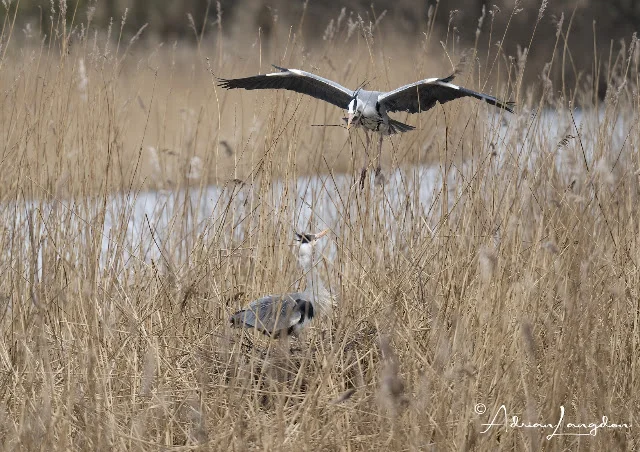
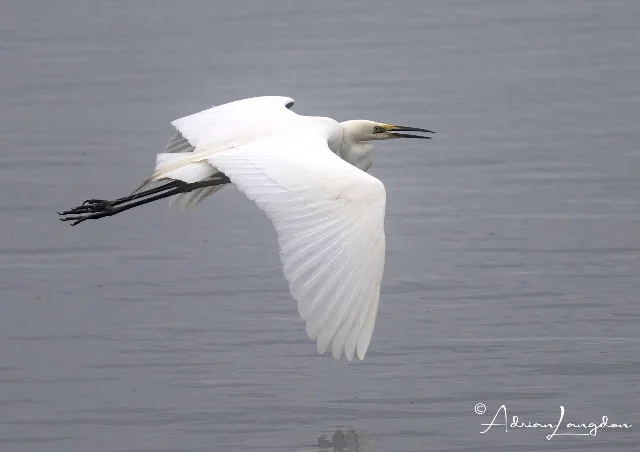
Great White Egrets have become increasingly common, effectively breeding alongside Grey Herons in the marshes. We observed their behaviors throughout the winter, and our February visits revealed their nesting rituals, as well as young chicks visible in nests during later tours. This observation indicates a positive trend in bird populations in the area.
Buzz of New Arrivals and Revisiting Locations
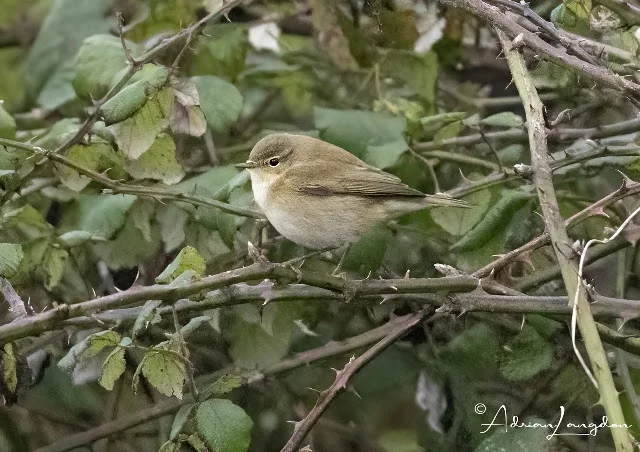
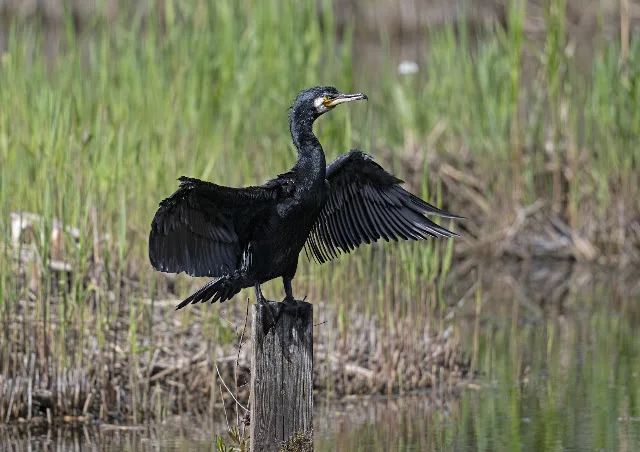
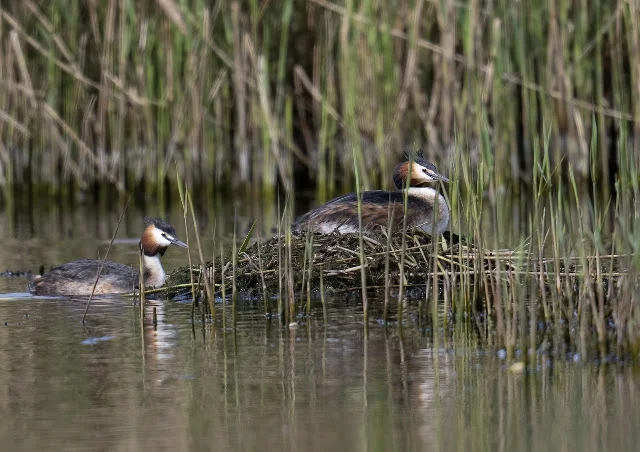
Spring’s arrival brought a vibrant chorus of birdsong, with species like Swallows, Sand Martins, Reed Warblers, Blackcaps, and Garden Warblers making their way back. I also observed Great-crested Grebes establishing nests and Cormorants displaying their breeding plumage, indicating readiness for the upcoming season.
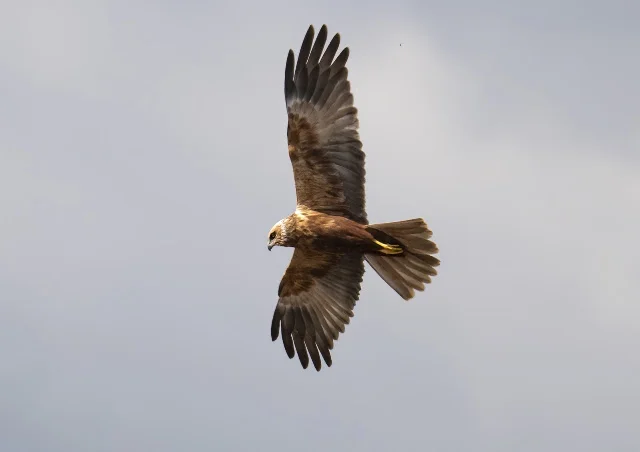
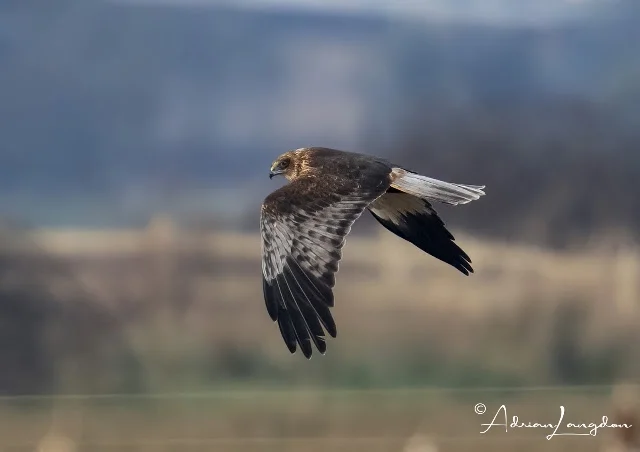
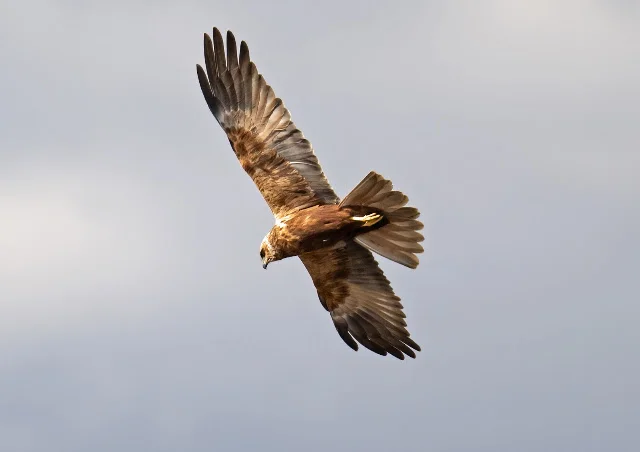
During this transition, Marsh Harriers were frequently seen, actively collecting reeds for nesting. Observing their behaviors added another layer to our birdwatching experience.
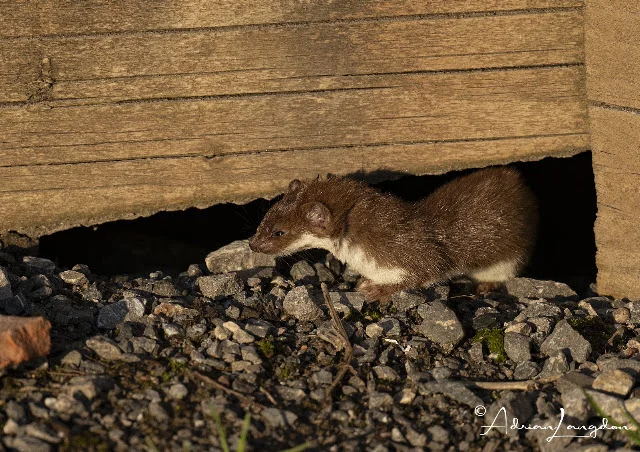
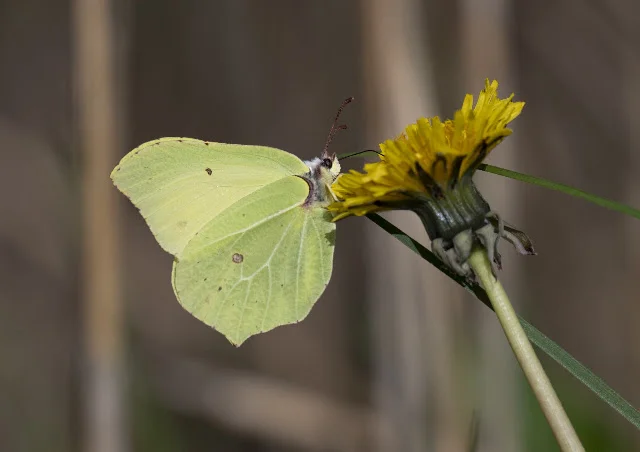
Throughout my tours, unexpected wildlife encounters, such as observing a Weasel in the Ham Wall car park and discovering a Brimstone butterfly basking in the warmth, added delightful surprises. I’m already looking forward to returning to the Somerset Levels for Naturetrek next winter, where we aim to capture even more breathtaking moments with nature.
For those interested in joining next year's tours, detailed information is available on the Naturetrek website, listing various excursions and birdwatching opportunities.