Witness the thrilling experience of photographing humpback whales off Cornwall, showcasing tips, techniques, and stunning images from the encounter.

Recently, I embarked on a thrilling marine life survey with the Cornwall Seal Group Research Trust, a collaboration that has consistently yielded exciting discoveries. This outing, however, was particularly noteworthy as there had been confirmed sightings of humpback whales in the vicinity, sparking great anticipation.
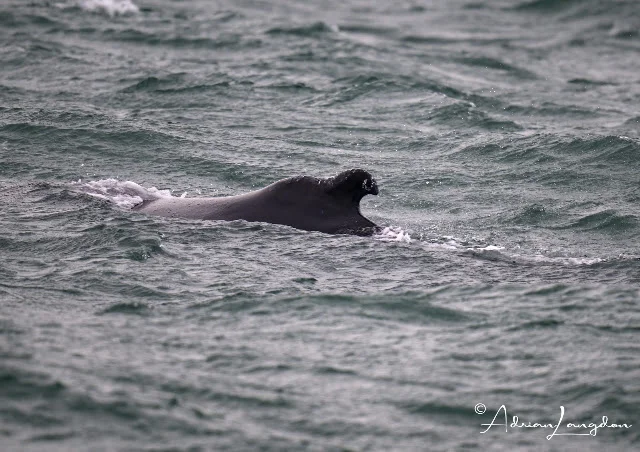
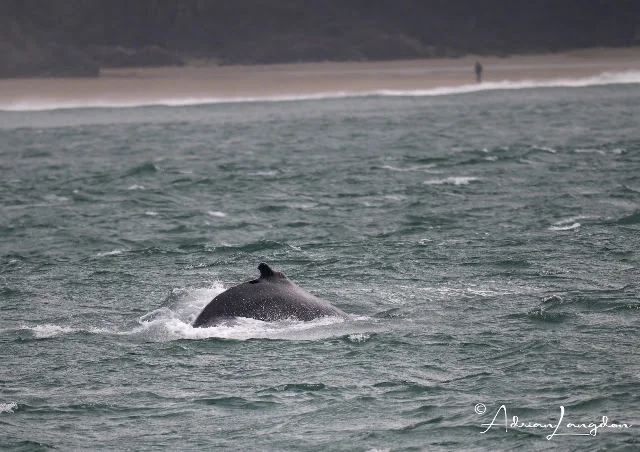
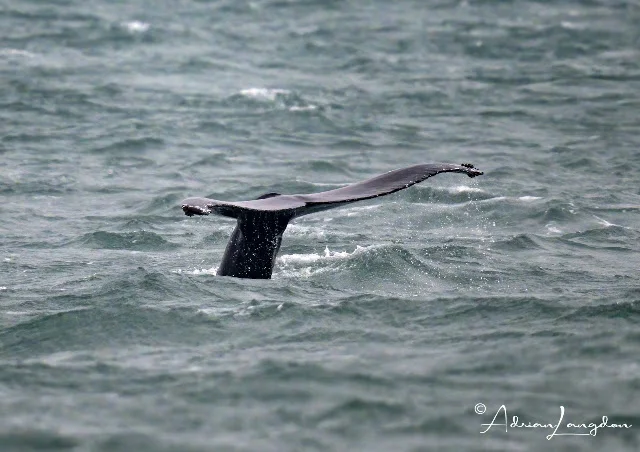
As we set sail from Watergate Bay, just north of Newquay, expectant and hopeful, we found our first humpback whale approximately two miles offshore. The thrill of spotting this magnificent creature was palpable, so we paused to capture some photographs. For this venture, I relied on my Nikon 500mm lens, which proved ideal for distanced marine photography. This lens allowed me to maintain a respectful distance without disturbing the whales, adhering to responsible wildlife photography practices.
Each aspect of our excursion was overseen by skipper Chris Lowe, whose boat is WISE accredited, ensuring all observers are conscious of the potential disturbances to wildlife.
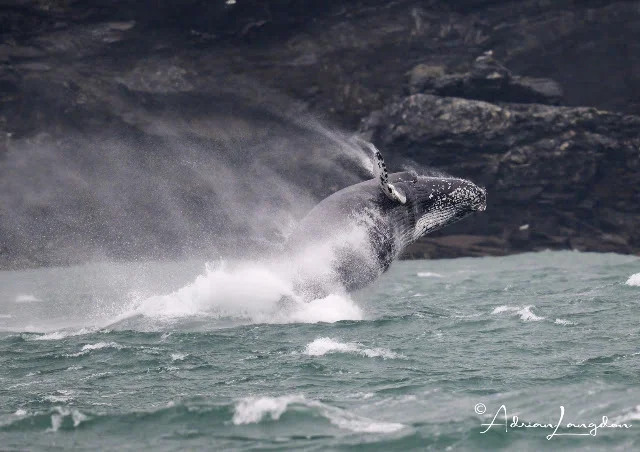
Techniques for Mammal Photography at Sea
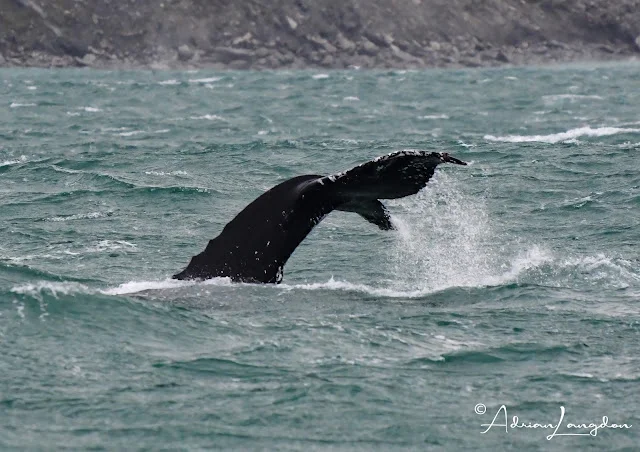
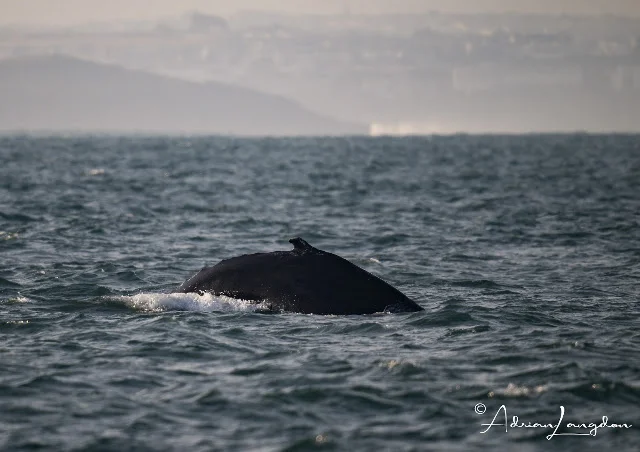
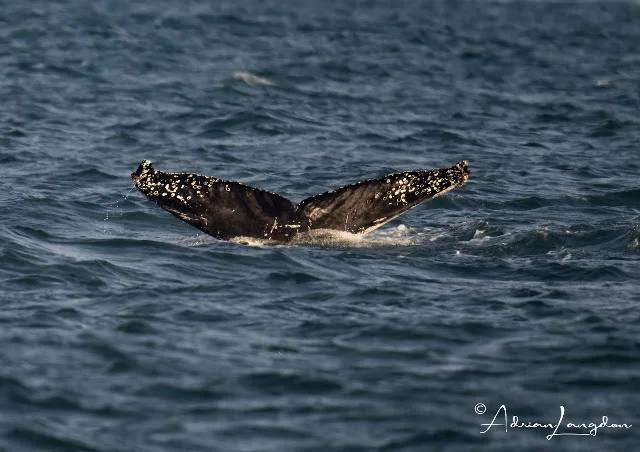
As we continued, we encountered a second humpback whale off the coast near Polly Joke. This individual was notably smaller and displayed a more elusive behavior, showing its flukes infrequently due to the shallower waters. Photographing marine mammals requires patience and adaptability, particularly in varying light conditions and over different water depths.
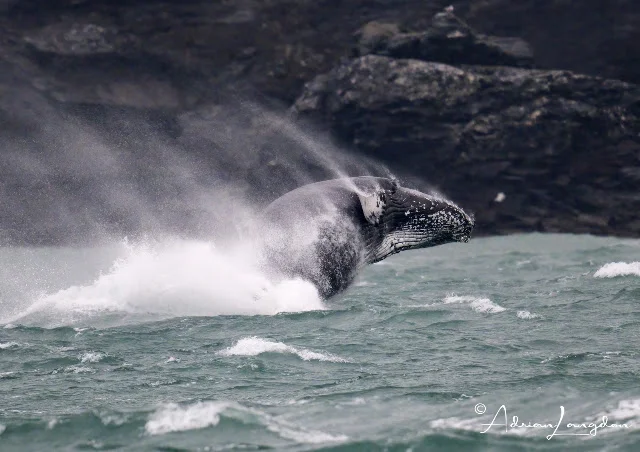
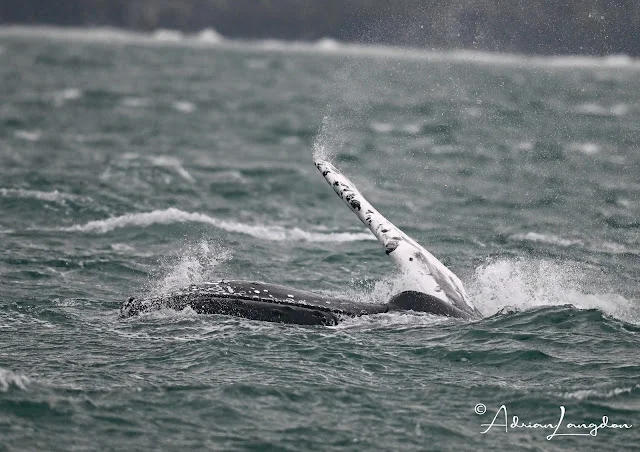
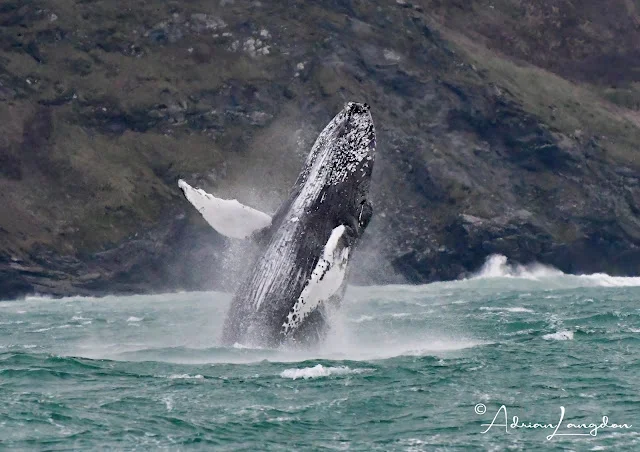
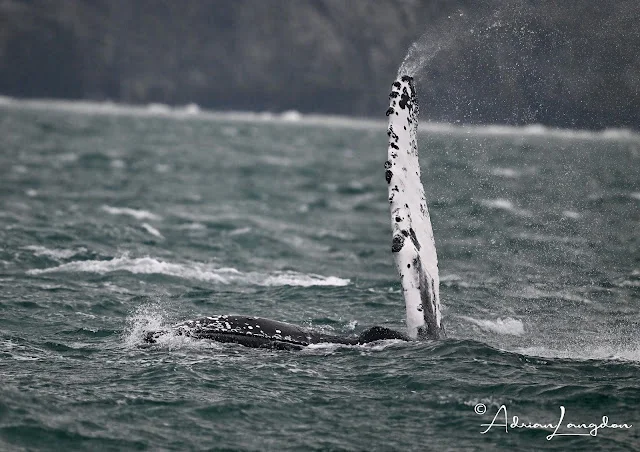
To capture images in these conditions, I adjusted my settings accordingly. Primarily, I used a high shutter speed to freeze the action of the whales breaching and slapping their pectoral fins against the water. I found that settings around 1/1000 sec worked well in the low-light environment as the afternoon sun began to dip. The aperture was kept wide to maximize light throughput (around f/5.6), and I set my ISO to adjust the balance as lighting changed, which ranged from 640 to 1600 ISO during our outing.
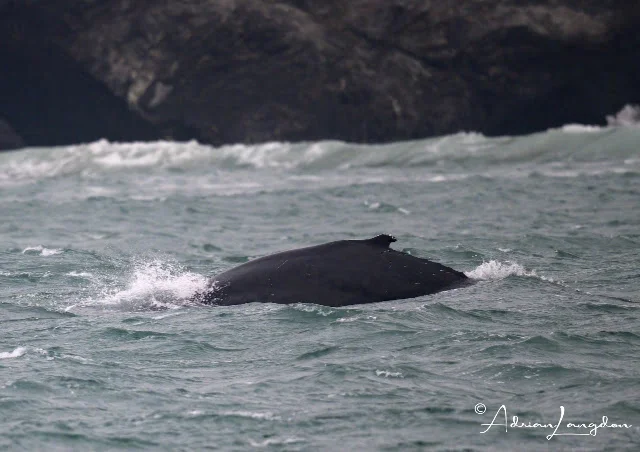
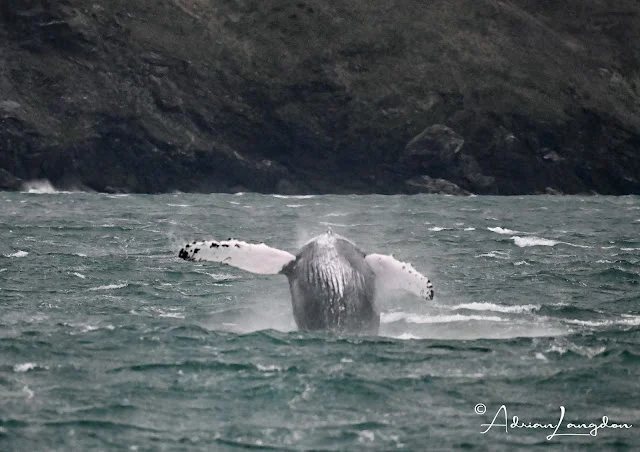
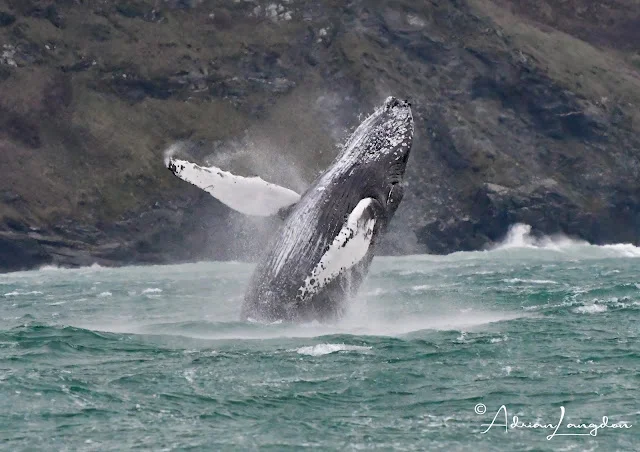
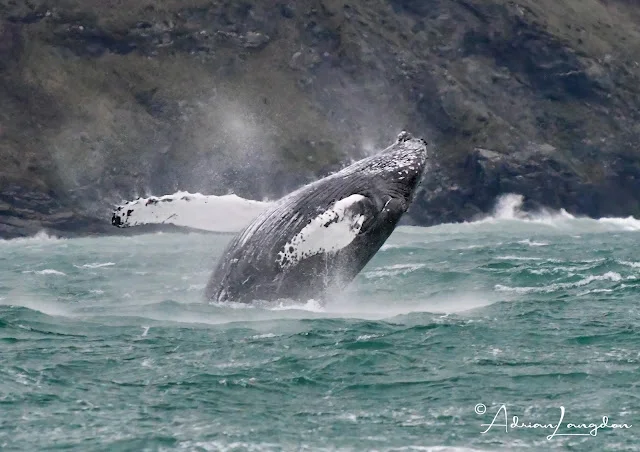
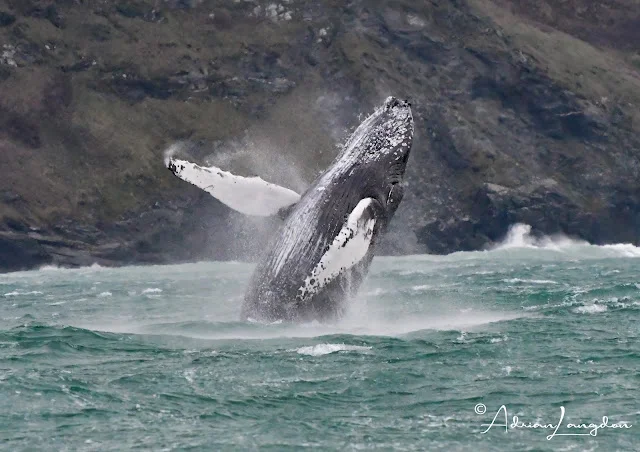
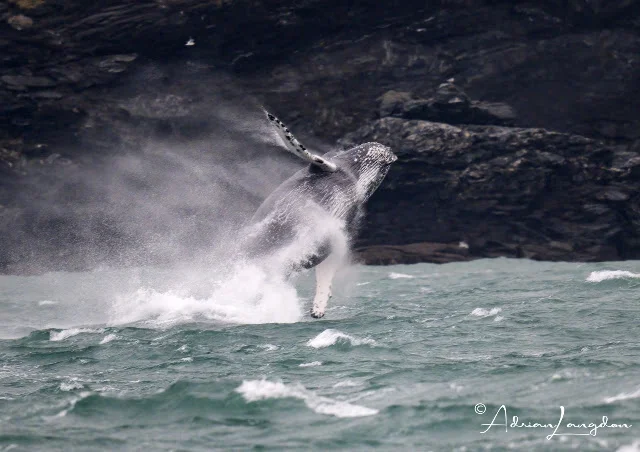
Later in the day, we were fortunate enough to encounter the original whale once again, this time performing an incredible display of behavior. It fluked, slapped its fins, and breached as many as a dozen times—an exhilarating series of movements that invited rapidfire clicking of my shutter. Photography at this pace is exhilarating but also challenging; maintaining focus and manual adjustments in a dynamic setting requires practice.
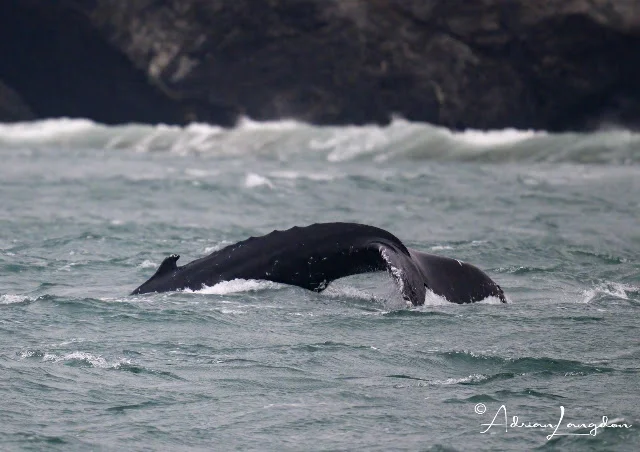
As the light faded, however, I noted a decline in image clarity. This is a common scenario in wildlife photography: as the light dims, so too does the potential for sharp images. An understanding of one’s equipment and proficiency with adjustments can often salvage moments like these; I experimented with a mix of auto-focus settings and manual focusing techniques to adapt for the changing visibility.
Reflections on a Successful Day
Upon returning to harbor, the elation aboard was palpable. The experience of photographing these spectacular creatures had left lasting smiles on everyone’s faces—a testament to the beauty of marine life and the importance of preserving such encounters. My immense gratitude goes out to Chris and Annabelle Lowe of Newquay Sea Safari's and Fishing, whose expertise and respect for wildlife greatly enhanced our adventure.
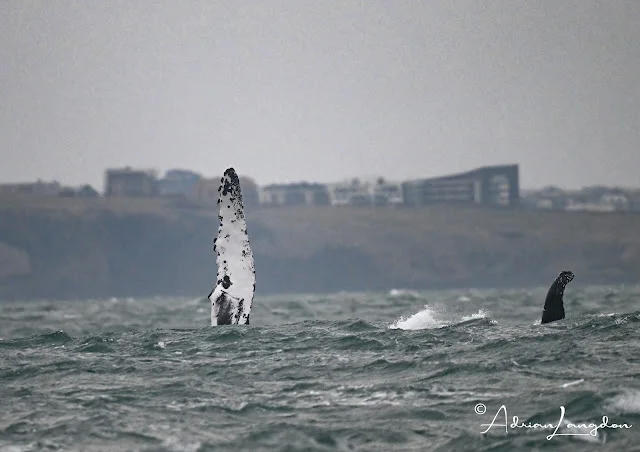
Here are selected images from our remarkable whale sightings, focusing on the breathtaking moments we shared.
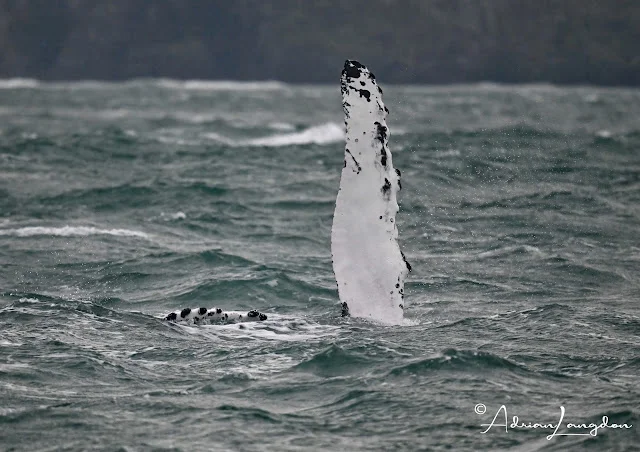


The journey provided both memorable encounters and invaluable experience with the technique of photographing these majestic giants. For photographers interested in wildlife, especially marine life, understanding these fundamentals can enhance future outings immensely. Watching these creatures engage in their natural behaviors not only delights the eye but also reinforces the necessity of conservation efforts in our oceans.
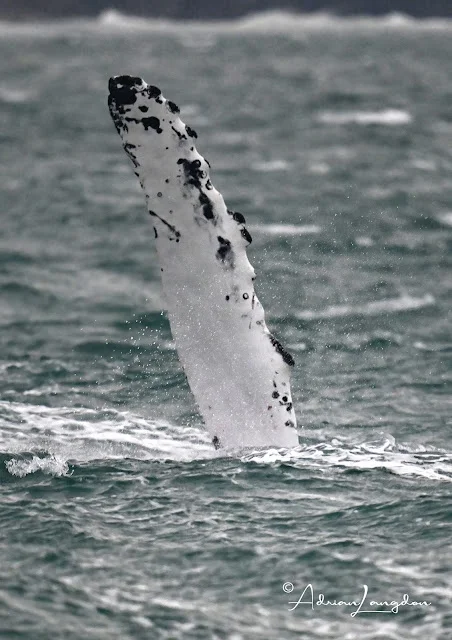
Please scroll through the selection of images below to appreciate the beauty of humpback whales in their natural habitat.


This journey not only reaffirmed my passion for marine wildlife photography but also highlighted the essential relationship we have with our oceans. Each sighting inspires a greater commitment to the conservation of our seas and the awe-inspiring creatures that inhabit them.