This article recounts a photographer's thrilling experience documenting the courtship of grey seals in Cornwall, highlighting effective photographic techniques and equipment used.

Recently, I spent a captivating afternoon observing and photographing grey seals in an idyllic corner of Cornwall. The undertaking took place over a span of two and a half hours as I recorded data for the Seal Research Trust. The quietude of this natural setting was soon interrupted by a small boat nearby, where onlookers appeared to be engrossed in something happening offshore.
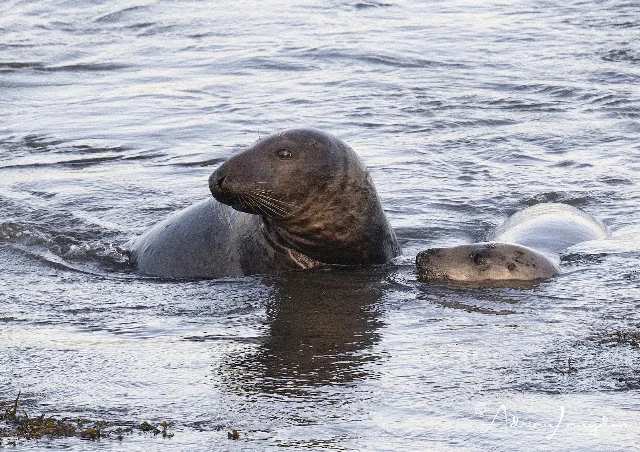
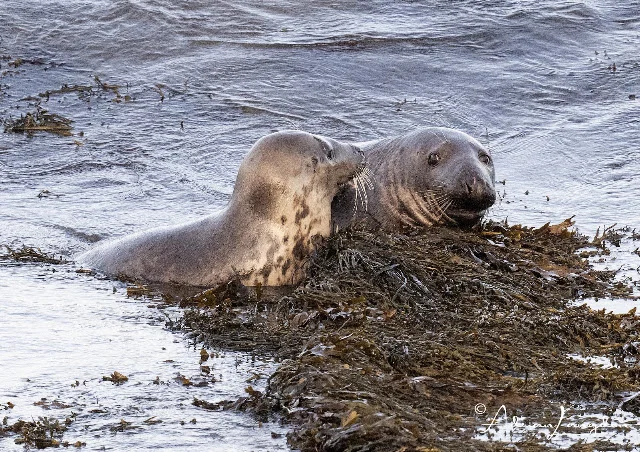
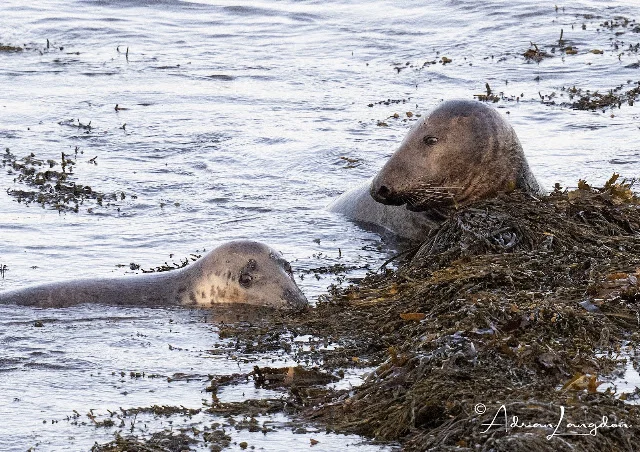
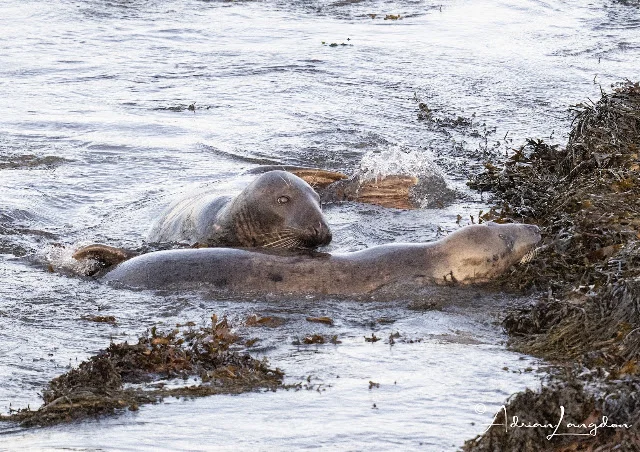
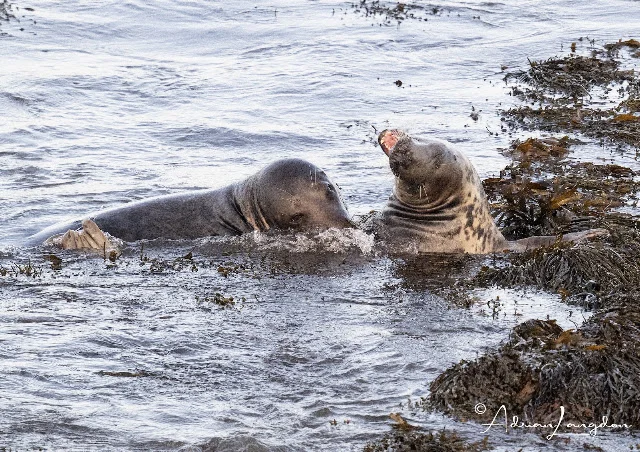
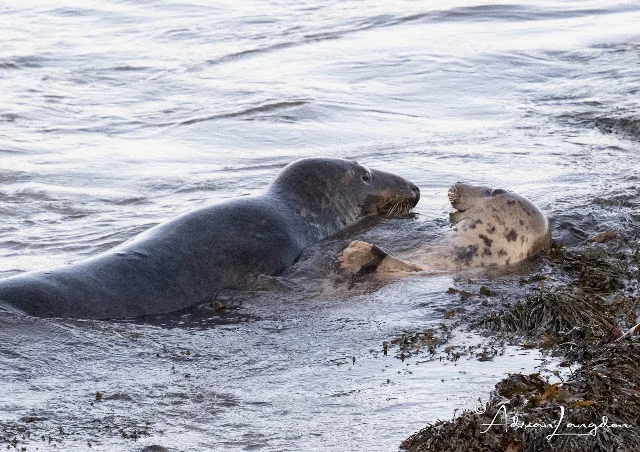
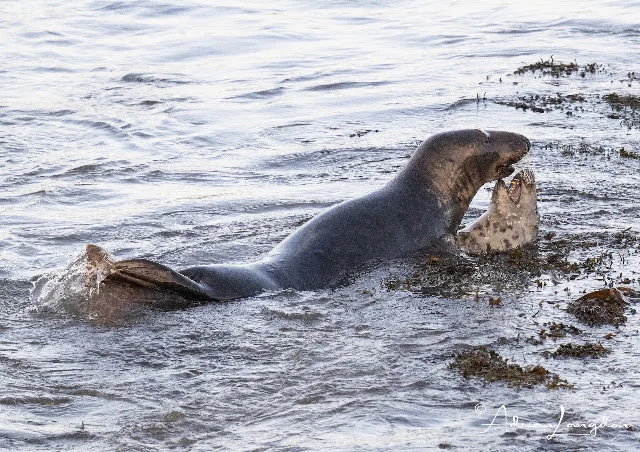
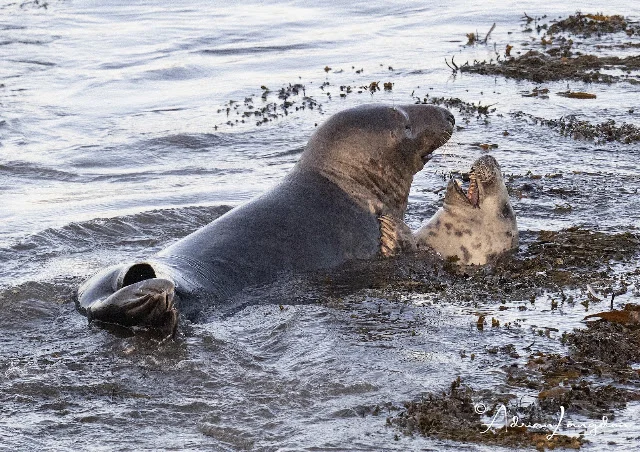
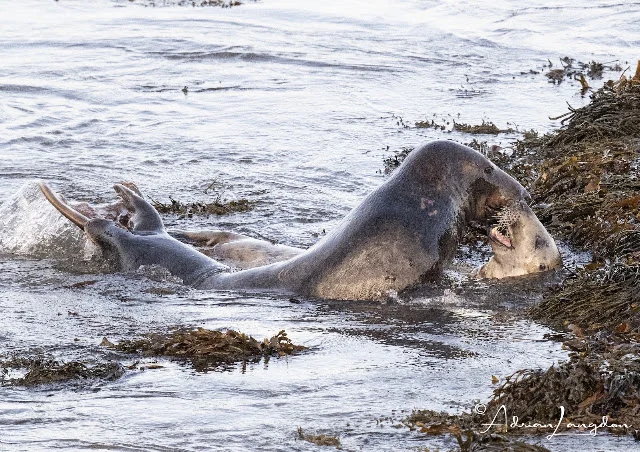
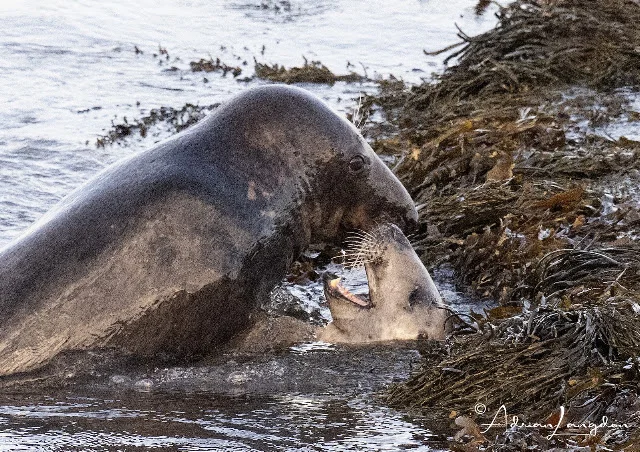
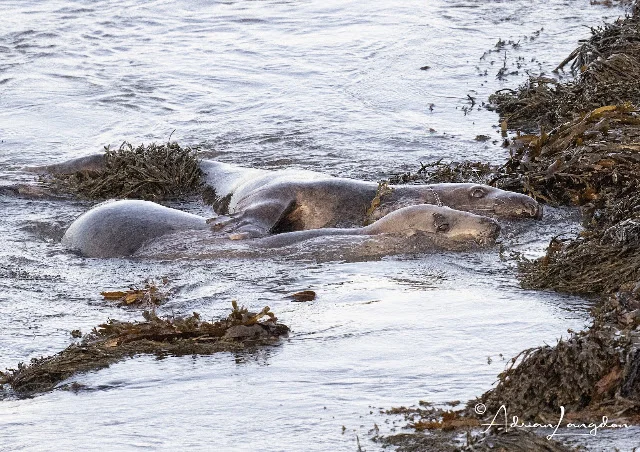
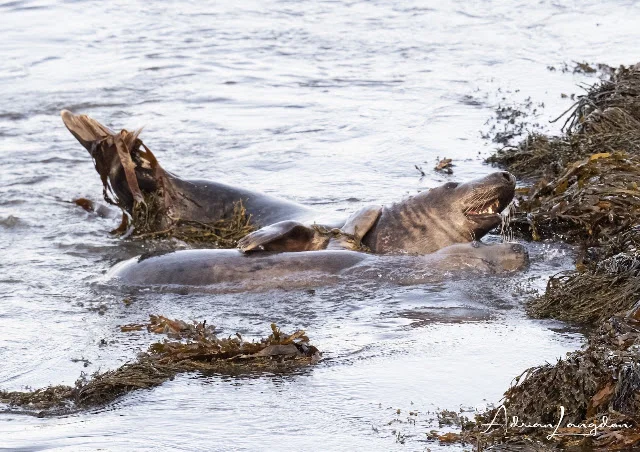
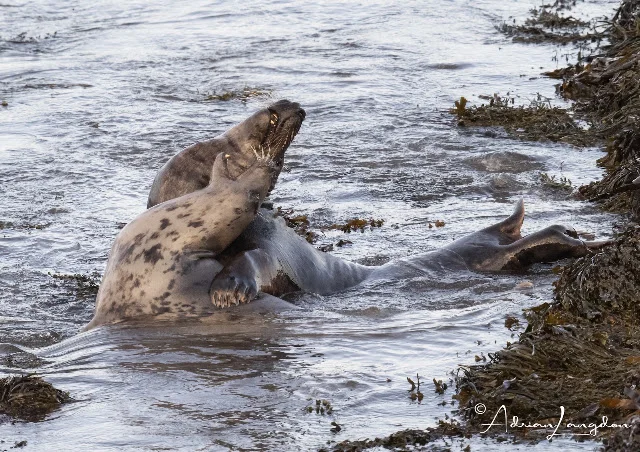
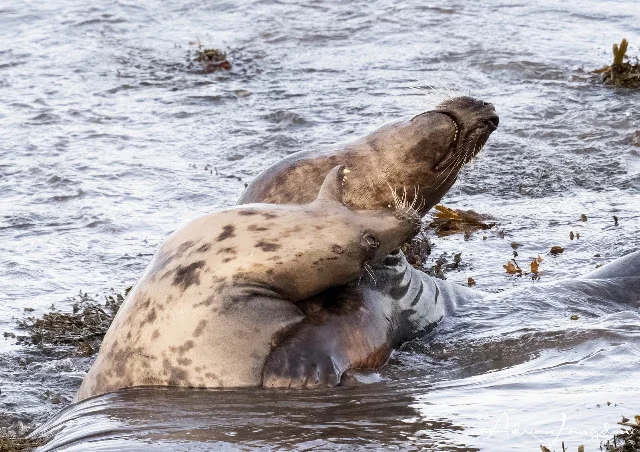
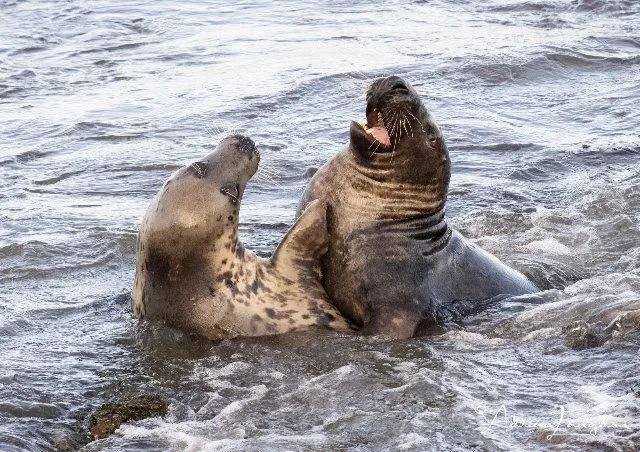
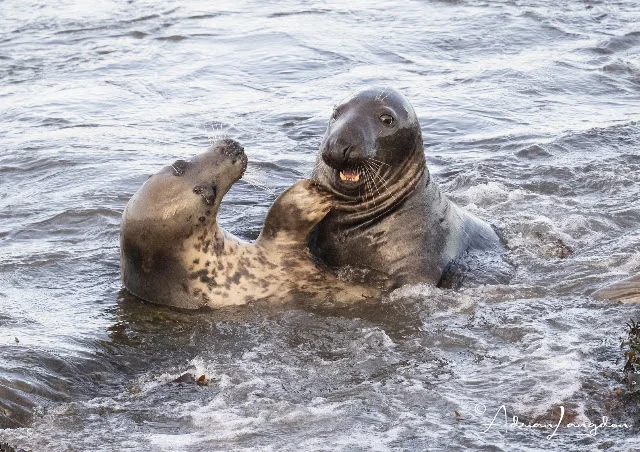
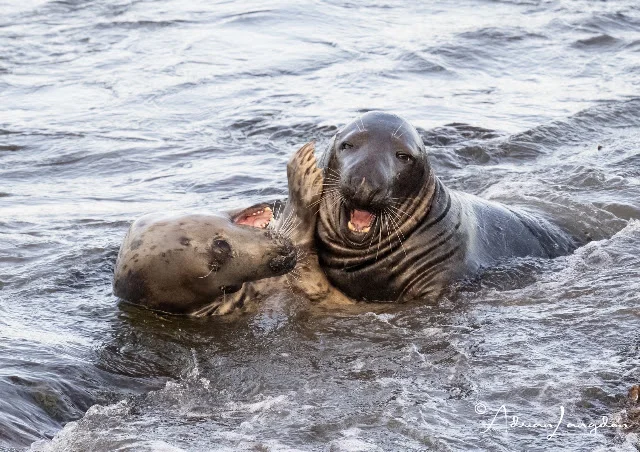
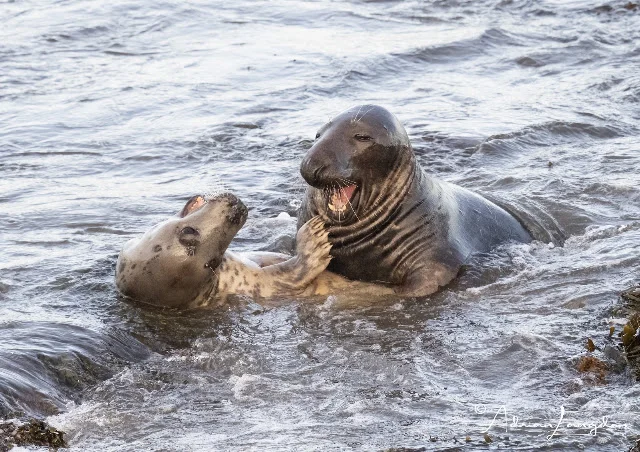
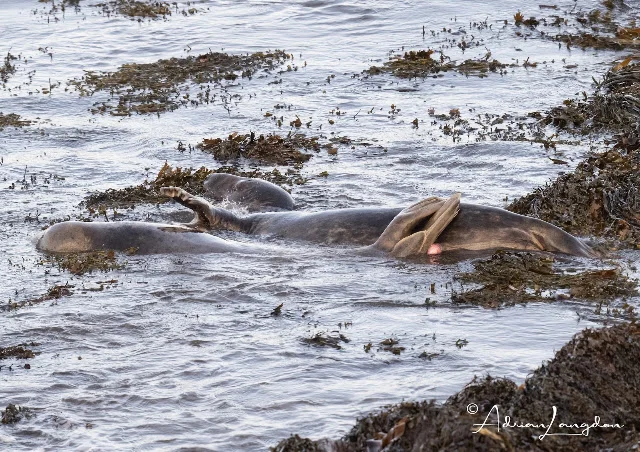
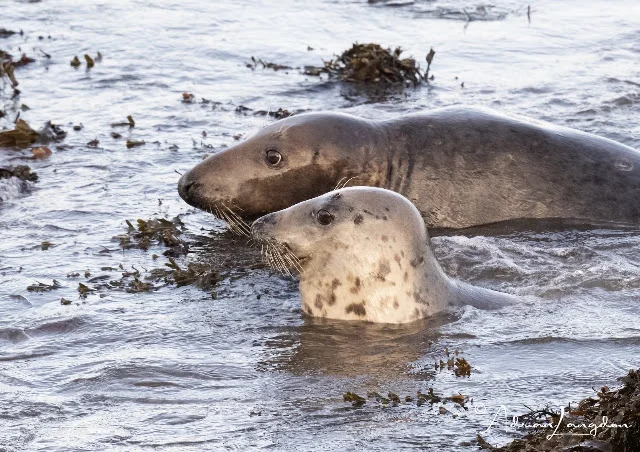
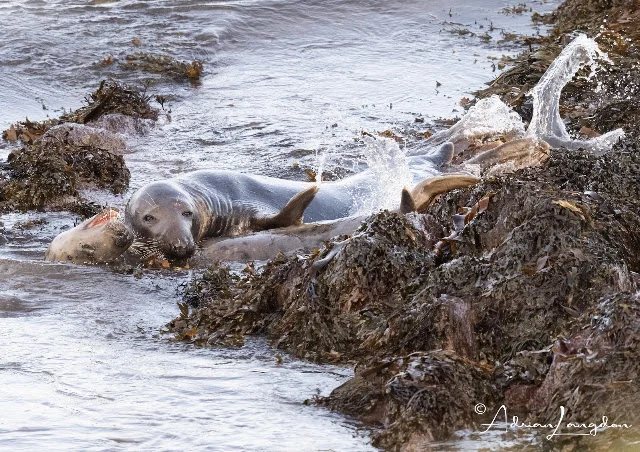
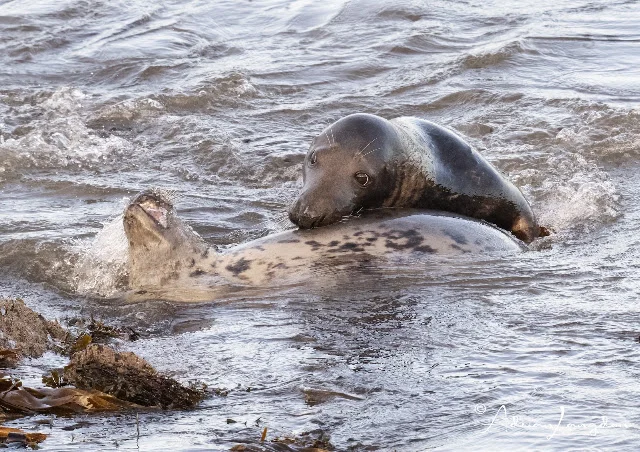
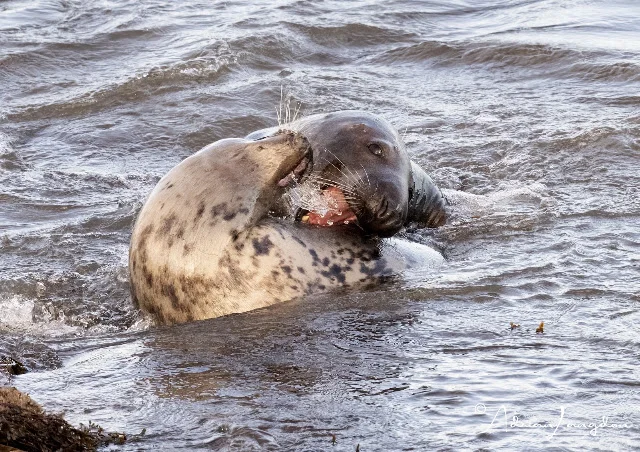
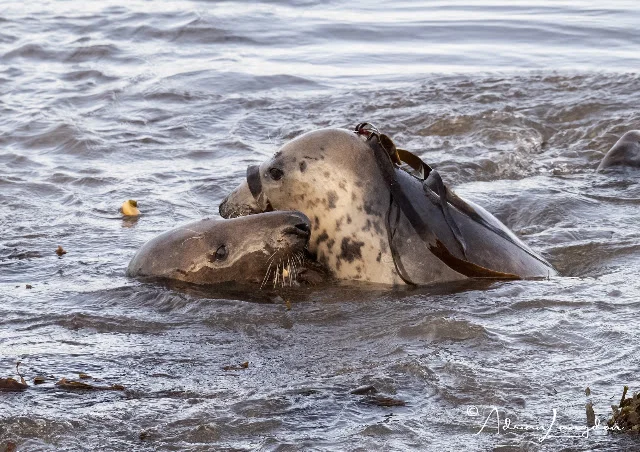
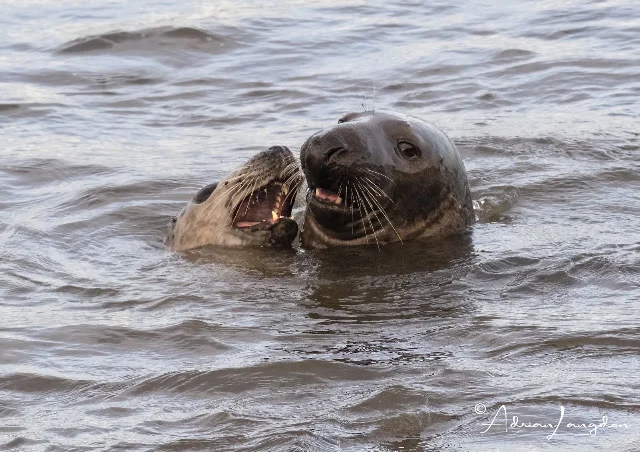
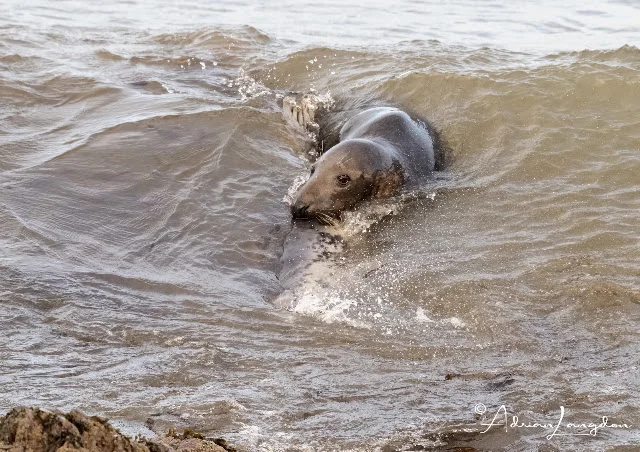
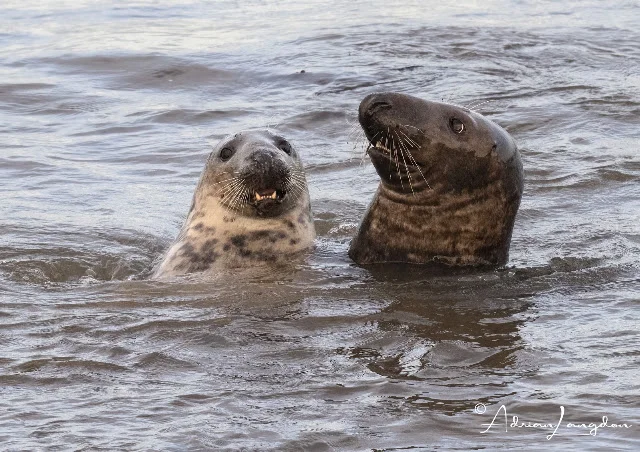
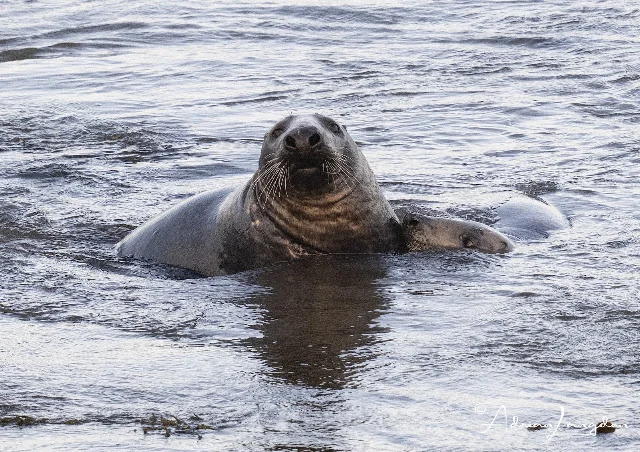
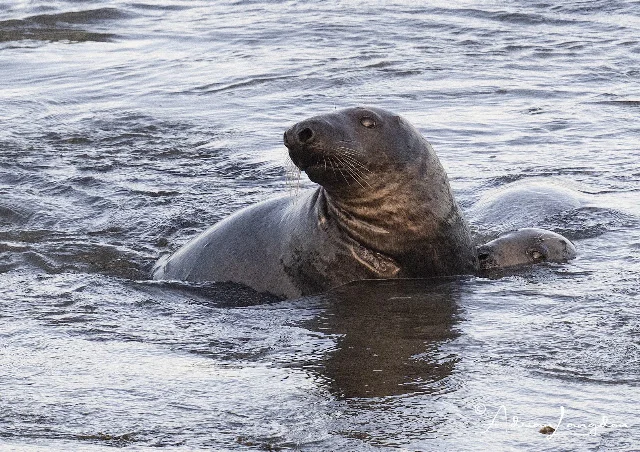
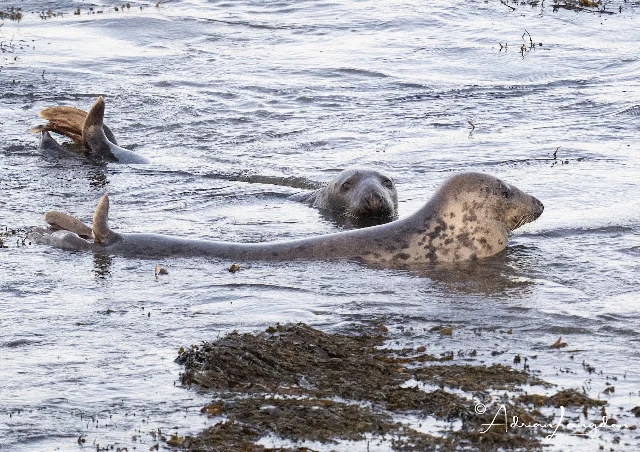
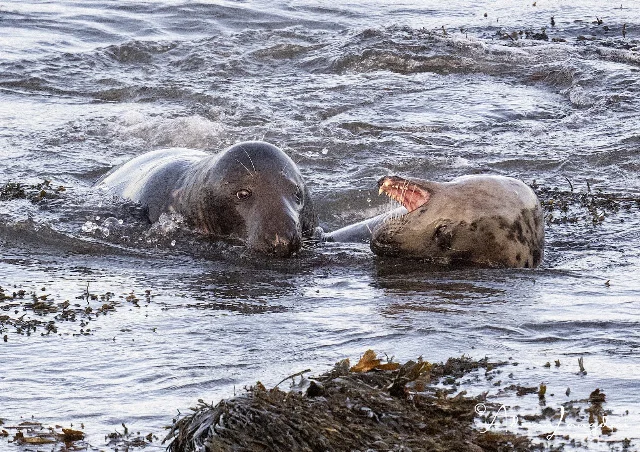
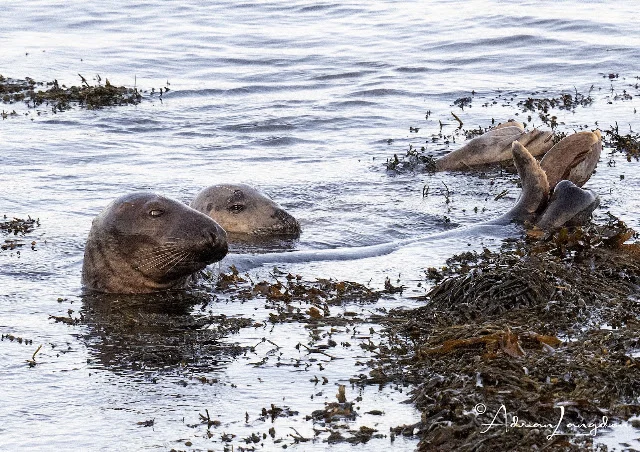
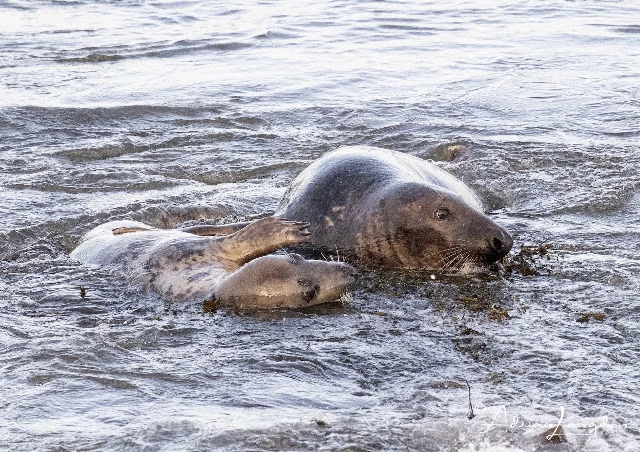
A brief sprint to the cliff's edge revealed the enchanting sight of a pair of seals engaged in courtship displays. The seals were remarkably close, demonstrating classic behaviors indicative of mating rituals. With the sun positioned perfectly behind me, the natural light accentuated their glossy bodies, creating stunning photographic opportunities. In situations such as these, light plays an integral role in wildlife photography, allowing photographers to capture high-quality images without flash, which can startle the subjects and disrupt their natural behaviors.
Equipment Choices
For this session, I opted for a Nikon mirrorless camera equipped with a silent shutter. Using a 500mm lens was intentional, as it allowed me to maintain a respectful distance from the seals while still capturing the intimate moments of their courtship. The selection of focal length is particularly significant in wildlife photography, where getting too close can disturb the animals and ruin the shoot altogether. With this setup, I was able to observe the seals without interfering in their natural behaviors, which is imperative for ethical wildlife photography. The capability to zoom in from a distance means that I could document their actions without becoming an intrusive presence in their environment.
Techniques for Wildlife Photography
When photographing wildlife, patience and careful planning are essential. You’re not just capturing an image; you’re capturing a moment that tells a story. Here are some techniques that proved effective during my shoot:
- Understanding Wildlife Behavior: Prior to the shoot, I spent a considerable amount of time researching grey seal behaviors, especially during the courtship season. By understanding their typical patterns, I was able to anticipate moments ripe for photography—moments that might escape the casual observer. This kind of foresight is what elevates wildlife photography; it’s not just about luck but informed observation.
- Use of Silent Modes: Activating the silent shutter on my camera was a crucial feature. It alleviated the concern of disrupting the seals' natural courtship activities, allowing me to capture genuine interactions without drawing their attention. Traditional cameras can emit sounds that might startle wildlife, and this technology is a shift many photographers should consider.
- Optimal Lighting: Choosing the right time of day can make or break a shoot. In this case, late afternoon light provided a soft glow that beautifully highlighted the seals against the rugged Cornwall coastline. Time management becomes a vital skill; understanding when your subjects are most active can result in the most compelling shots.
- Framing and Composition: When capturing wildlife, I aimed to frame the seals against the backdrop of their environment to enrich the narrative. This not only tells the story of their courtship but also immerses the viewer in the seals' habitat. Remember, a well-composed photograph is more than a snapshot; it invites the audience into the scene.
Recording Courtship Rituals
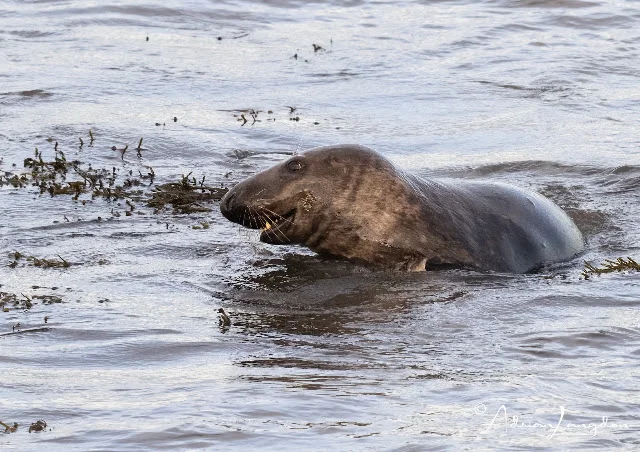
From the first spotting of the seals at 15:39 hours to their interactions with other courting pairs until 16:20 hours, I watched as they exhibited a variety of behaviors associated with courtship. My patience was rewarded as they swam together, often getting playful and nudging one another. These moments highlight the importance of being observant; the more you watch, the more you learn about the subtle expressions of animal behavior. (And this is the part most people overlook.) It requires not only technical skill but also deep patience to remain still and take in the scene without disturbing it.
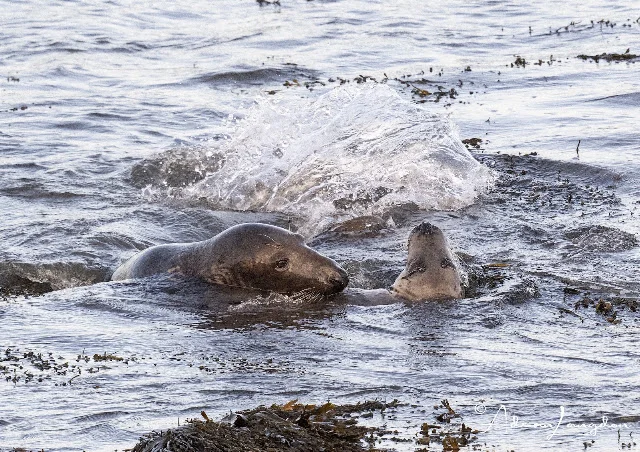
Throughout this session, I took numerous photos, resulting in a collection that showcases the intimate journey of these magnificent creatures. Below are a few highlights from the experience, which offer a glimpse into the beauty and complexity of grey seal courtship.


Ethics in Wildlife Photography
This enriching experience highlighted the importance of adopting ethical practices while engaging with wildlife. The delicate balance between observation and disturbance is critical; capturing such moments is not just about getting the shot but respecting the creatures that inhabit these beautiful spaces. Providing space for wildlife to thrive must always take precedence over the photographer's desire to get an image. If you're working in this space, this principle is paramount. Ethical photography involves not only skill but also a profound regard for the environment and its inhabitants.
Implications and Future Outlook
As the world becomes more interconnected and wildlife spaces shrink, the need for ethical wildlife photography has never been more pressing. Photographers have a unique responsibility to serve as advocates for the animals they capture. There’s growing awareness among consumers about ethical practices in photography and conservation, which means that photographers who adhere to these principles will likely gain more respect and following in the industry. The potential for positive change is significant, but it requires commitment and self-awareness from those behind the lens.
In the future, I look forward to more encounters like this, where patience, the right gear, and a keen understanding of animal behavior come together to produce stunning visual narratives. The challenge will persist; as wildlife interactions dwindle, the onus lies on photographers to adapt, learn, and share their experiences mindfully.