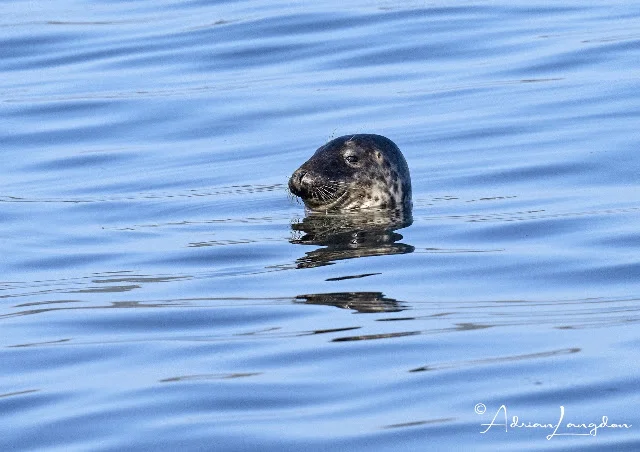
A recent seal survey at Looe Island showcased stunning wildlife, including seals, vibrant bird species, and a range of butterflies in excellent weather.

A remarkable day unfolded during the monthly seal survey at Looe Island on August 10, led by the Cornwall Seal Group Research Trust. Participants, greeted warmly by Jon and Claire at the jetty, embarked on a rewarding excursion filled with wildlife observations.
Ideal Conditions for Wildlife Observation
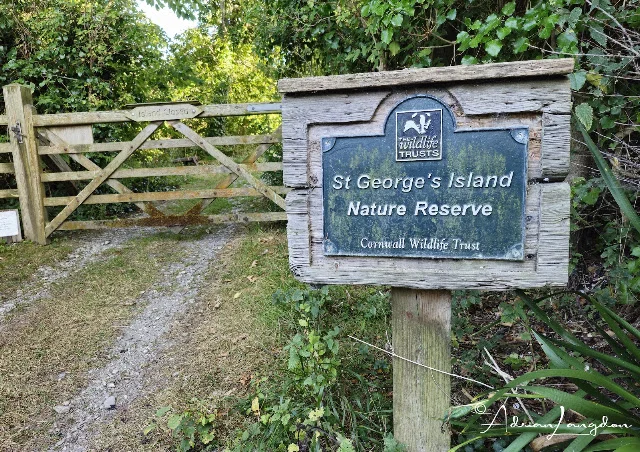
The weather played a significant role in the day's success, with conditions resembling a glassy sea that made for stunning visuals. Calm waters are typically favorable for wildlife encounters, providing a clear view for those hoping to catch a glimpse of marine life. Observers noted the serene environment which not only facilitated sightings, such as diving Gannets, but also enhanced the overall experience. However, some distortion from heat haze challenged photographers trying to capture distant subjects clearly. This phenomenon often affects images taken in warm weather, serving as a reminder that even the best conditions can have drawbacks that require consideration when documenting wildlife.
Seal Behavior and Human Disturbance
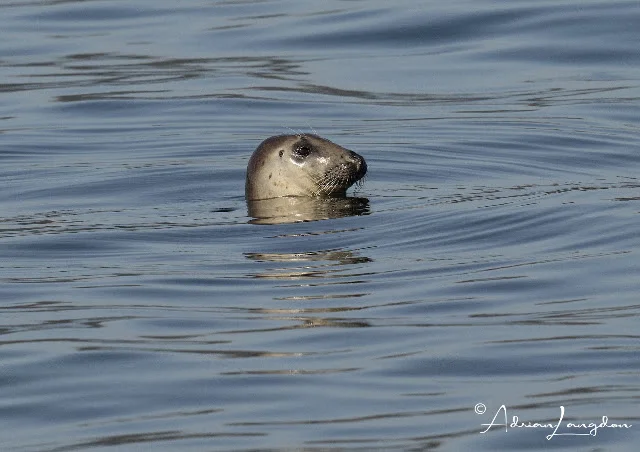
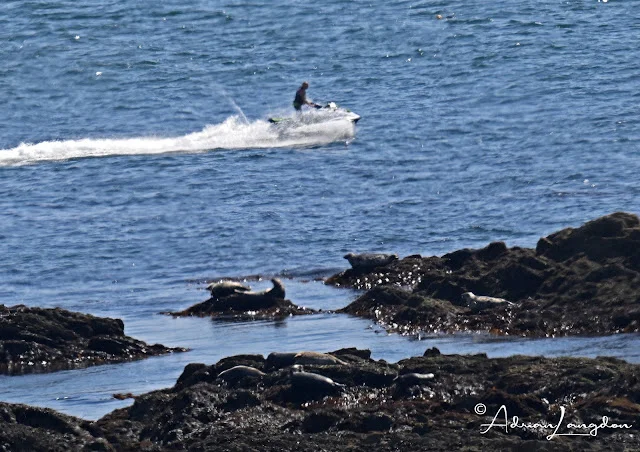
Given the calm weather on a summer Sunday, the team expected considerable human activity around the island due to the influx of recreational boats and personal watercraft. This raised concerns about potential disturbances to the seals. Fortunately, the anticipated disturbance was mitigated; most vessels maintained a respectful distance from the seal haul-out zones. Coastlines are often disrupted by human activity, which can stress wildlife or even alter their natural behaviors. On this occasion, seals basked on the rocks in relative peace, taking advantage of the low tide to rest and digest their meals. A few jet skis did encroach upon their territory, creating noise and splashes upon departure, but overall, the seals managed to enjoy their space. Their presence amidst such disturbances showcases the impact of mindful recreation practices; it's possible for humans and wildlife to coexist if respect is taken into account.
Diverse Bird Sightings
In addition to seals, the survey noted a variety of avian species, enriching participants' experience. Birdwatching is a valuable aspect of wildlife surveys, offering insights into the ecological relationships within the environment. Highlights included:
- A solitary Kingfisher observed hunting along the shoreline, a striking example of adaptation in pursuit of prey.
- Multiple Mediterranean Gulls soaring overhead, providing a glimpse into the avian diversity prevalent in coastal regions.
- Whimbrel and Oystercatchers spotted foraging along the water's edge, each species exhibiting unique foraging behaviors reflective of their diets.
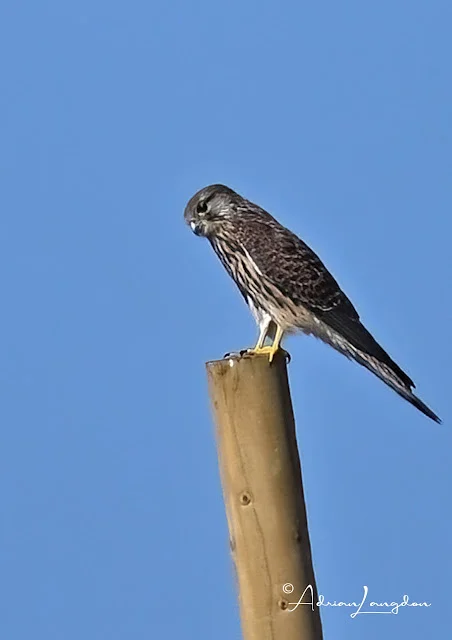
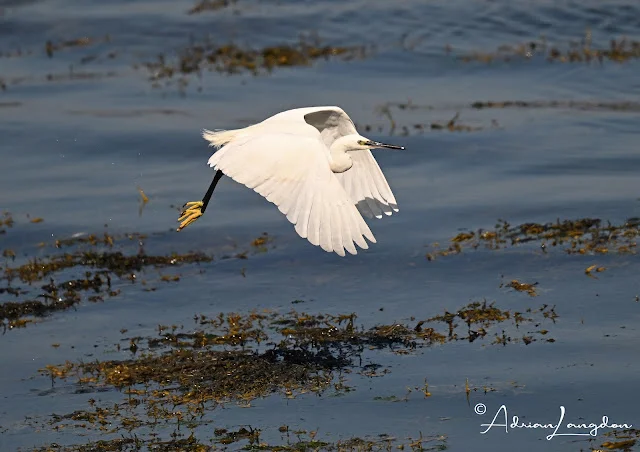
- Little Egrets and a Kestrel contributing to the dynamic atmosphere, both of which add to the ecological tapestry found in such habitats.
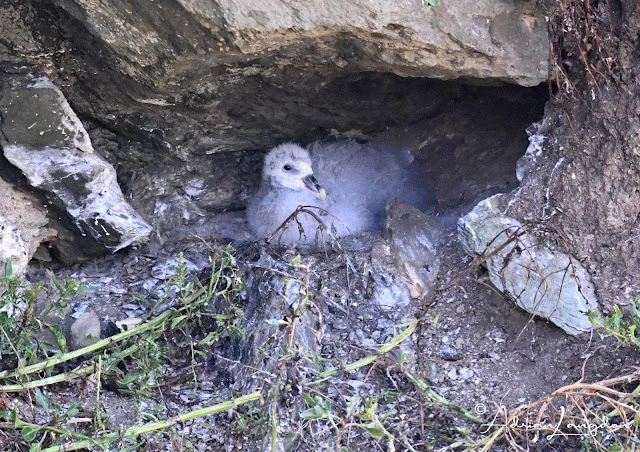
- Various gull species, including Great Black-backed and Herring Gulls, making their presence known—these birds often thrive in human-altered landscapes, showcasing their adaptability.
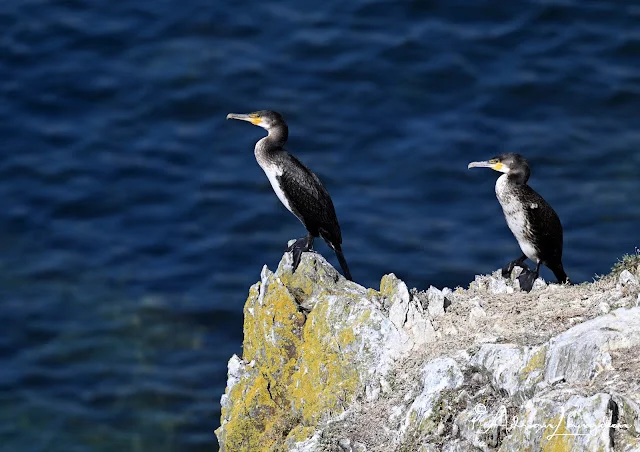
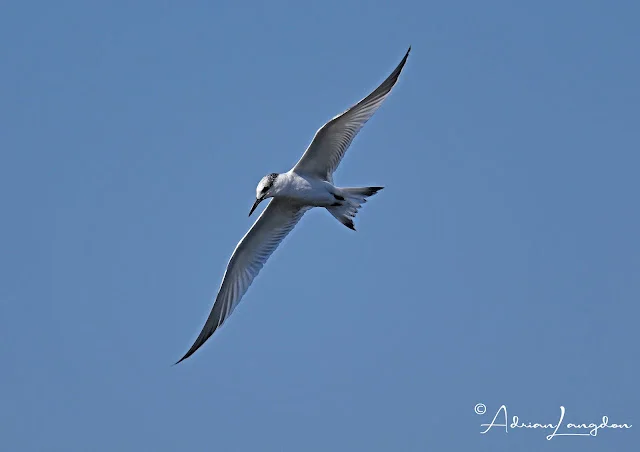
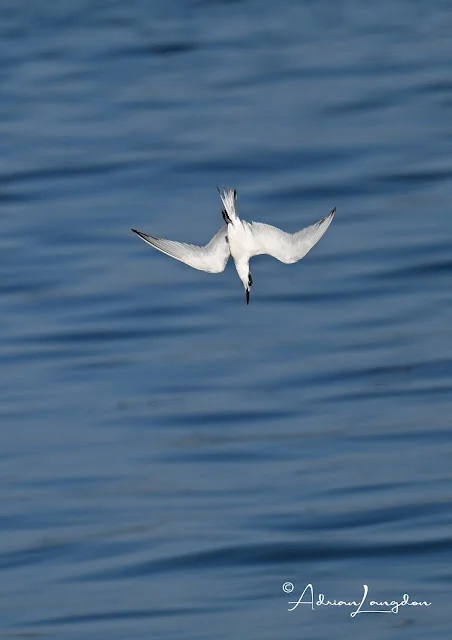
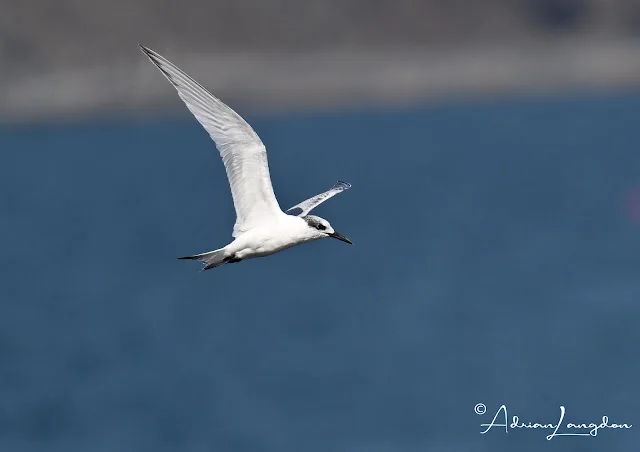
- Sandwich Terns diving proficiently for fish, alongside Shags and Cormorants, highlighting the region's richness in marine avifauna.
A Glimpse of Island Flora and Fauna
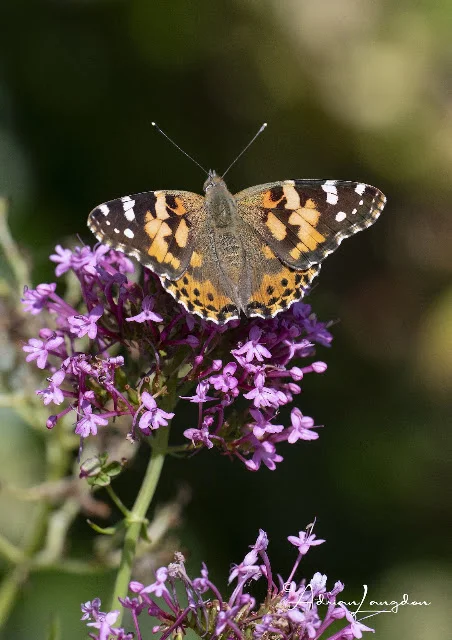
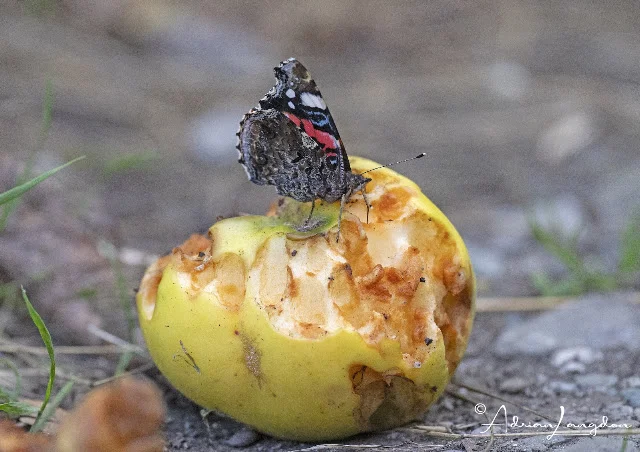
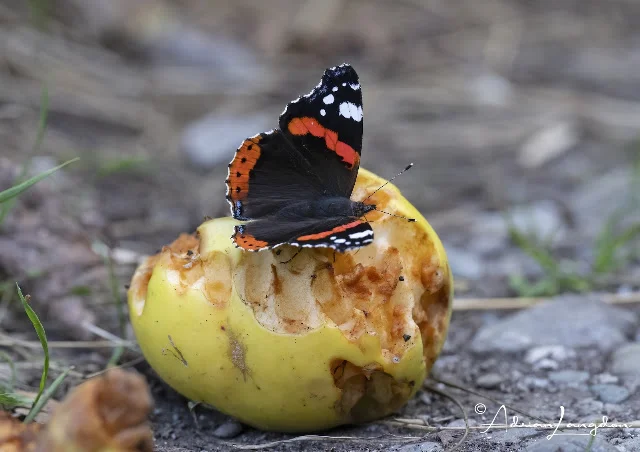
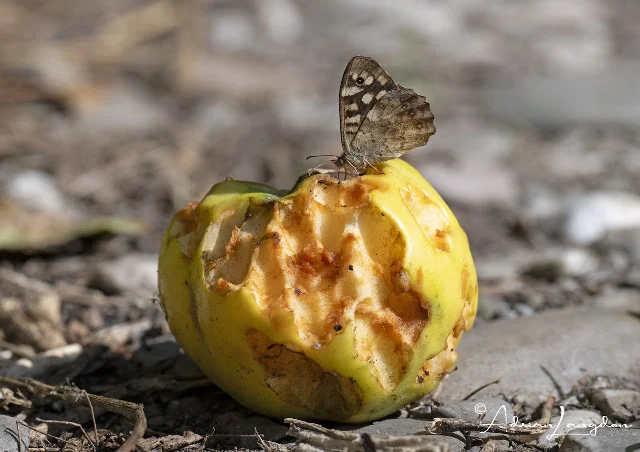
The island's charm extended beyond marine life. Participants marveled at the butterflies flitting about, with sightings including Painted Ladies and Red Admirals, which flourished due to the sunny conditions. The appearance of these vibrant insects is often a reliable indication of healthy ecosystems. Butterflies serve as important pollinators and their numbers can provide insights into habitat quality. Interestingly, these colorful insects were particularly drawn to the Red Valerian blooming abundantly in the area, reflecting the interconnectedness of local flora and fauna. This kind of engagement with nature is central to the experiences cultivated at Looe Island, illustrating how every element—a flower, a seal, a bird—contributes to the narrative of this unique ecological system.
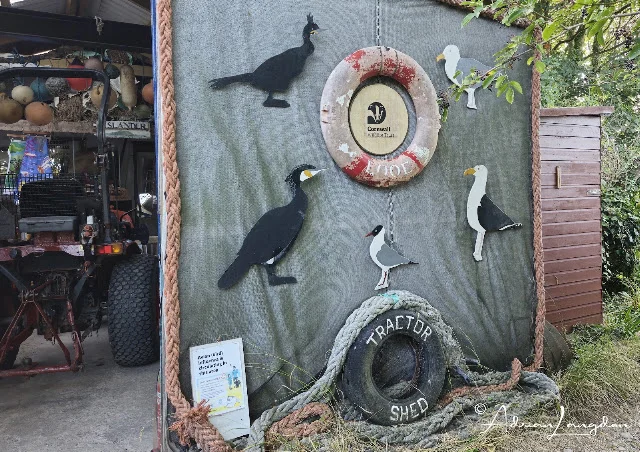
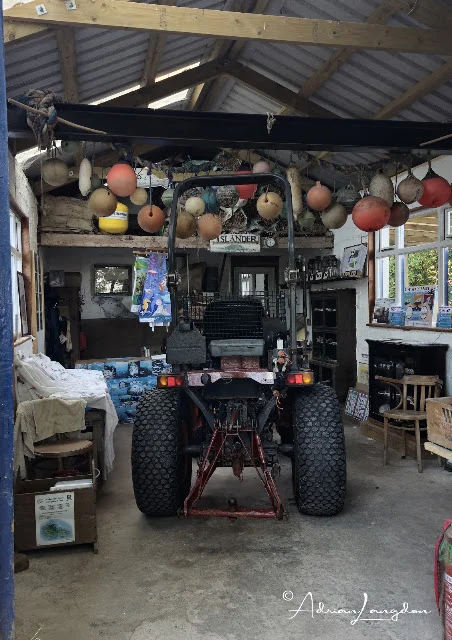
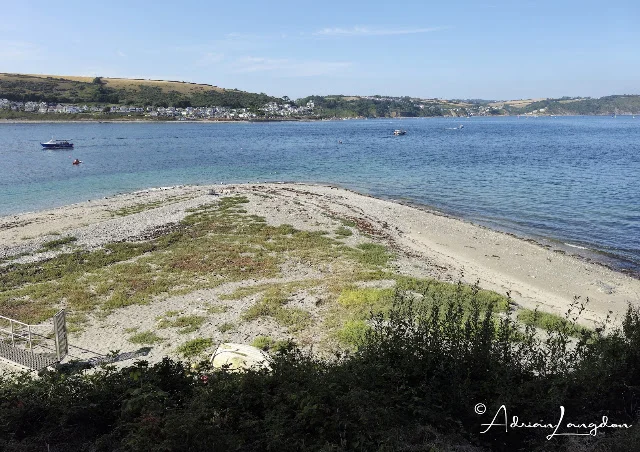
Images captured during the survey showcased not only the seals and birds but also the stunning backdrop of Looe Island, further enhancing the day’s narrative:
 |
View from the jetty |
Afternoon Adventures with Young Seals
As the tide began to rise, the team was treated to a playful display from two young seals, frolicking near the jetty. Their antics, characterized by energetic splashes and curious behaviors, served as a fitting conclusion to a day filled with wildlife excitement. This encounter is emblematic of the joy that wildlife observation can bring; it also raises larger concerns about the future of seal populations. Observations like this highlight the necessity for ongoing conservation efforts to ensure these young seals grow into adults that can thrive in their natural habitat.
Closing Thoughts on a Successful Survey
As participants wrapped up their visit, they left with not just photographs, but with memories of a truly splendid experience on this flagship nature reserve. Appreciation extended to Jon and Claire for their hospitality and guidance, reflecting the critical role that local experts play in wildlife research and conservation. The survey team looked forward to returning the following month to continue their essential work in wildlife research and conservation. Each visit provides another layer of understanding about the ecosystem, reinforcing the commitment required to preserve such environments.
The abundance of wildlife observed during this trip emphasizes the ecological importance of Looe Island. No single sighting or species can encapsulate the significance of this area; every observation contributes to a collective narrative that underscores the ongoing need for conservation efforts and awareness to protect vital habitats.
What to Expect Next Time
Looking ahead to the next survey, it will be interesting to see how wildlife patterns may shift with the changing seasons. If you're working in this space, the potential for new seal pups to emerge is particularly exciting, as it presents opportunities to document the dynamics of seal family life. Participants will likely be eager to observe variations in bird species as well, reflecting migratory patterns and seasonal changes. Such ongoing surveys are essential for understanding the area's ecosystem and ensuring the long-term health of its wildlife. The anticipation surrounding these future surveys serves as a reminder of the ongoing relationship between nature enthusiasts and the ecosystems they study.

Broader Implications for Wildlife Conservation
The events of this survey at Looe Island offer critical insights into the relationship between human activities and wildlife habitats. Such outings reveal not just the beauty of nature but also the fragile balance that sustains it. Increased human presence in these areas can lead to both positive and negative outcomes; while some enjoy the marine life responsibly, others may inadvertently disrupt it. It's a delicate dance. What's more striking is that conservation efforts hinge on participation from the public; actively engaging people in wildlife research fosters a culture of stewardship and respect for nature. Moving forward, the lessons gleaned from such surveys can inform not only local conservation strategies but broader wildlife management practices across similar ecosystems.