The inaugural Great British Bird Race in Cornwall challenged birdwatchers with 48 hours to spot diverse species amidst winter weather, yielding an impressive 94 sightings.

The first Naturetrek Great British Bird Race took place in January 2026, drawing enthusiasts to various picturesque locales across eight counties in Britain. The Cornwall group was stationed at the Marazion Hotel in Marazion, near Penzance, which provided comfortable accommodations and a welcoming dining experience perfect for fueling the team amidst chilly weather. This event isn’t just about competition; it’s a celebration of avian diversity and community engagement among birdwatchers.
Challenging Conditions and Competitive Spirit
Though the winter weather in Cornwall proved to be quite demanding—featuring heavy rainfall, flooding, and powerful winds—the participants approached the challenges with enthusiasm. Those familiar with birdwatching can attest that conditions can oftentimes make or break an outing. The resilience displayed by the participants is a testament to their dedication to the craft, driving them to brave inclement weather for the love of birdwatching. The competitive spirit was palpable as the group journeyed through stunning coastal, estuarine, and woodland habitats. This creates a unique bond, as participants support one another, forming silent alliances amidst the friendly rivalry.
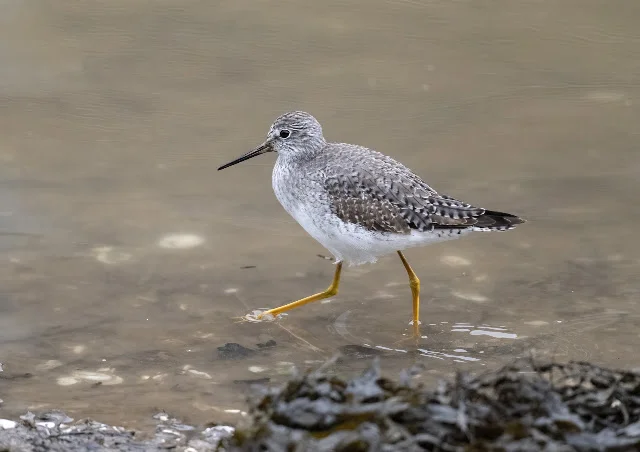
Highlights of this adventure included remarkable views of North American species such as the Lesser Scaup and the Lesser Yellowlegs, alongside native sightings of the Avocet, Spoonbill, and Ring-necked Duck. These birds are not just numbers on a list; they embody the rich narrative of migration routes, habitat adaptation, and conservation challenges. The group also observed Bonaparte’s Gull and enjoyed excellent sightings of seals and diverse wildlife. Observing such a variety in a short span emphasizes Cornwall’s vital role as a habitat, drawing not just local avifauna but also migratory species—the lifeblood of birdwatching.
The Race Structure and Goal
The challenge lasted for 48 hours, initiating at 2 PM on Wednesday and concluding at the same time on Friday. You can imagine the intensity of the experience, with birdwatchers constantly on the move, tuned into their surroundings for any sign of activity. This competitive environment inspired participants to immerse themselves fully despite the friendly rivalry with the renowned birdwatching hotspot of Norfolk, known for its numerous reserves and rich biodiversity. Their aim was to track as many bird species as possible during this limited timeframe, a goal that not only stresses efficiency but also highlights the need for a keen understanding of bird behavior and habitat—both skills honed over countless hours.
Record-Breaking Sightings
By the end of the two-day event, the team successfully recorded an impressive total of 94 species, showcasing the rich avifauna found in Cornwall. Such a variety in observations showcases not just the quantity but also the quality of wildlife present in the area. Below are some notable species and sights the team encountered throughout their journey:


St. Michael's Mount, Marazion
The backdrop of St. Michael's Mount adds another layer to this experience. It’s not just about birds in isolation; it's about the scenery, the history, and the stories that come with it. This stunning landmark has long formed a part of local culture, illustrating how intertwined the natural world is with human narratives. Participants often take a moment to absorb the history and breathtaking views. It's these experiences that enhance the allure of birdwatching trips.

Black-tailed Godwit
The sighting of a Black-tailed Godwit offers a glimpse into the remarkable adaptability of species. These birds thrive in diverse environments, which speaks volumes about ecosystem health. If you're working in this space, understanding the behaviors of such birds can inform broader conservation practices. The Godwit’s long migration paths serve as a reminder of the needs for consistent habitats across regions.

Greenshank
Another standout encounter included the Greenshank, a wader known for its graceful movement along shores. Such species often reflect the health of wetland environments, so spotting one in good numbers can be a positive sign for local ecosystems. When observers witness such birds, they're not only counting them, they're also gauging the pulse of the habitat they thrive in.

Redshank
Similarly, the Redshank’s distinctive call and striking plumage make it a fan favorite among birdwatchers. Observations of these birds can crowd memories long after the event, encapsulating the joy of birdwatching. The connection people feel to these creatures, even in fleeting moments, is part of what makes events like this worthwhile.


Gwithian

Godrevy Island and Lighthouse
Enjoying the sights around Godrevy Island and its iconic lighthouse underscores the natural beauty participants encountered. The lighthouse itself, a beacon for sailors, offers yet another layer of significance. It represents human interaction with nature, guiding both boats and birdwatchers alike. That juxtaposition adds depth to the experience—the thrill of birdwatching intertwines with the culture surrounding these beautiful landmarks.

Ring-necked Duck (Female)
Spotted along the waterways, the female Ring-necked Duck exemplifies the nuances of identification. Birdwatchers need to discern subtle distinctions, which cultivates a deeper appreciation for avian diversity. This isn’t just a number to tally on a list; it’s an exercise in observation and mindfulness, where patience and awareness translate into success.

Lesser Scaup (Female)
Another notable sighting was the female Lesser Scaup. As you watch them glide across the water, there's a certain elegance to their movement. Interactions among bird populations provide an opportunity for deeper insights into their ecological roles. The Lesser Scaup showcases the importance of preserving wetland habitats, which serve as critical stopover points for migratory birds—a reality that becomes evident with every sighting.

Lesser Scaup (Drake)
The male Lesser Scaup, or Drake, isn't just notable for his striking appearance but also embodies the complex dynamics of avian life. His beautiful plumage serves a dual purpose, both attracting mates and signaling health and vitality. This characteristic draws birdwatchers in and adds an element of intrigue to their observations—something that shows how aesthetics can play into ecological roles.

Bonaparte's Gull
The highlight for many might have been the Bonaparte's Gull. Known for its acrobatic flight, this species captivates those lucky enough to spot it. Gulls often receive a mixed reputation, but their adaptability speaks to larger patterns of change in our ecosystems. Observing them can be a lens into broader questions about environmental shifts and their impacts on species distribution.

Bonaparte's Gull
To see multiple Bonaparte’s Gulls adds a layer of excitement. Sometimes, nature can surprise you, offering unexpected scenes that spark pure joy. (and this is the part most people overlook) The serendipity of wildlife observation reminds participants why they pursue birdwatching in the first place—those fleeting, magical moments that encapsulate a deep connection to nature.

Team Cornwall
The camaraderie displayed in Team Cornwall emphasizes another beauty of such competitions. They’re not only about the numbers; it’s about developing bonds between participants who end up sharing stories and experiences. As they scour the countryside, the shared goal of sighting birds fosters a sense of community and shared learning experiences. There’s great value in that. Birdwatching is often seen as a solitary pursuit, but events like this demonstrate its collective aspects.

Team Cornwall at Walmsley
Spending time at locations like Walmsley allows participants to immerse themselves further into the ecological richness of Cornwall. Understanding the nuances of local habitats enhances one’s ability to predict bird movements and increases success in future birdwatching endeavors. Observation becomes an informed practice, steeped in environmental context.
Implications and Future Outlook
The first Great British Bird Race exemplified not only a competitive spirit among participants but also highlighted the diversity and beauty of Cornwall’s wildlife. This event fostered connections among birdwatchers while promoting awareness of local biodiversity. It showcased the importance of community and collaboration in wildlife observation. As more such events unfold, they will undoubtedly continue to enrich the experience for both seasoned birdwatchers and newcomers alike.
Events like these could serve as critical drivers for conservation efforts. The excitement generated through friendly competition can spark greater interest in protecting habitats. Not only do participants develop skills in observation, but they also cultivate an emotional connection to the landscape and its avifauna. This emotional investment could prove vital for advocating for greater protections in the future. The potential for growth in these events is significant, as they can inspire comprehensive studies, workshops, and community outreach, further paving the way for environmental stewardship.


