Discover essential techniques for capturing breathtaking close-ups of spring cactus blooms, from focus stacking to lighting considerations.
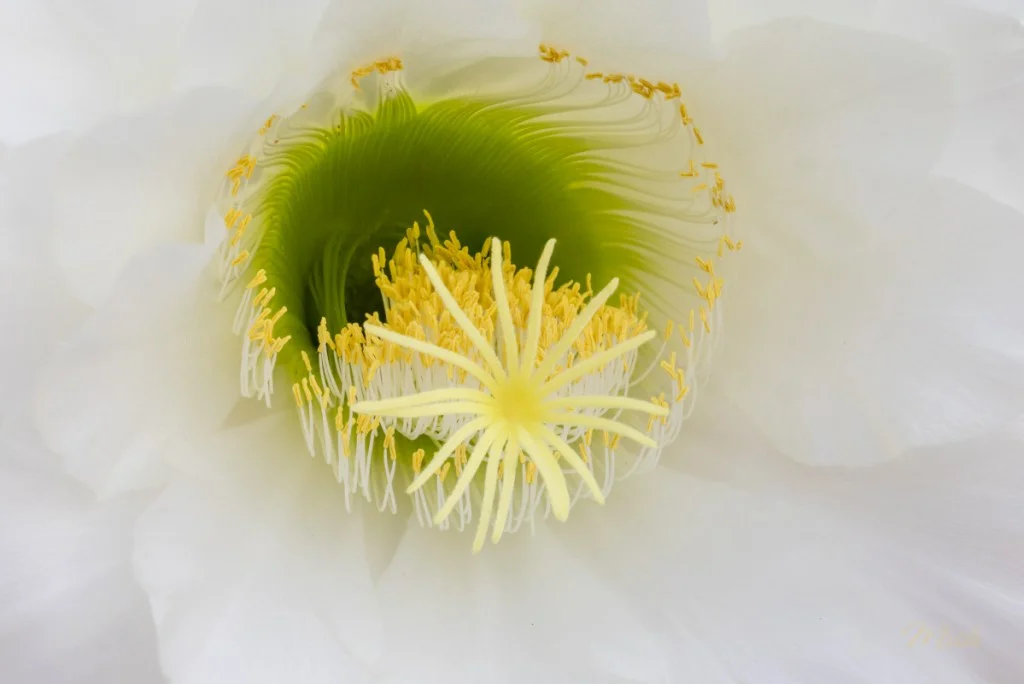
Spring breathes life into gardens, and in my back garden, it’s no different, especially with the stunning display of colors from various blooms between March and May. This year, the cacti particularly flourished, showcasing an array of intricate flowers that are fascinating subjects for close-up photography.
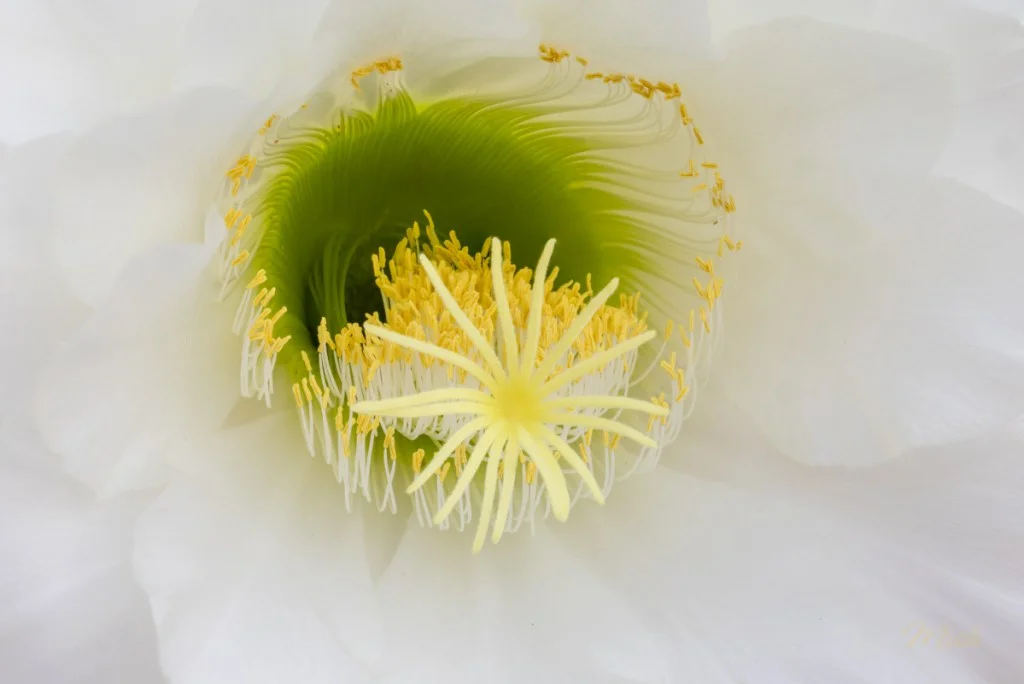
Highlighting the Argentinian Saguaro
Among the standout performers in my garden is the Argentinian Saguaro, known for its large white blooms. These flowers offer a unique challenge, as they only bloom for a single day, typically opening in the afternoon and wilting by noon the following day. To make the most of this fleeting opportunity, the timing of your shoot becomes crucial. To capture these blooms at their best, I recommend scheduling your photography for the late afternoon when the flowers first unfurl.
Capturing these ephemeral beauties required a keen eye and meticulous planning. I opted for a focus stacking technique, which involves taking multiple images at different focal points to ensure that every detail is sharp. This method proved effective, as the above image blends eight or more shots from various angles, resulting in an almost three-dimensional representation where everything is perfectly in focus.
Minimizing Environmental Disruptions
The unpredictable nature of spring weather in my garden posed some challenges. Sun and wind were two critical factors to consider. A breeze could introduce motion blur, making it difficult to achieve a crisp image, while direct sunlight would create harsh contrasts that could wash out the delicate details of the flowers. Therefore, I found that working with a cloudy day or using a white umbrella to diffuse the light worked wonders for maintaining vibrant colors and details while avoiding over-exposure.
Showcasing the Diversity of Cactus Blooms
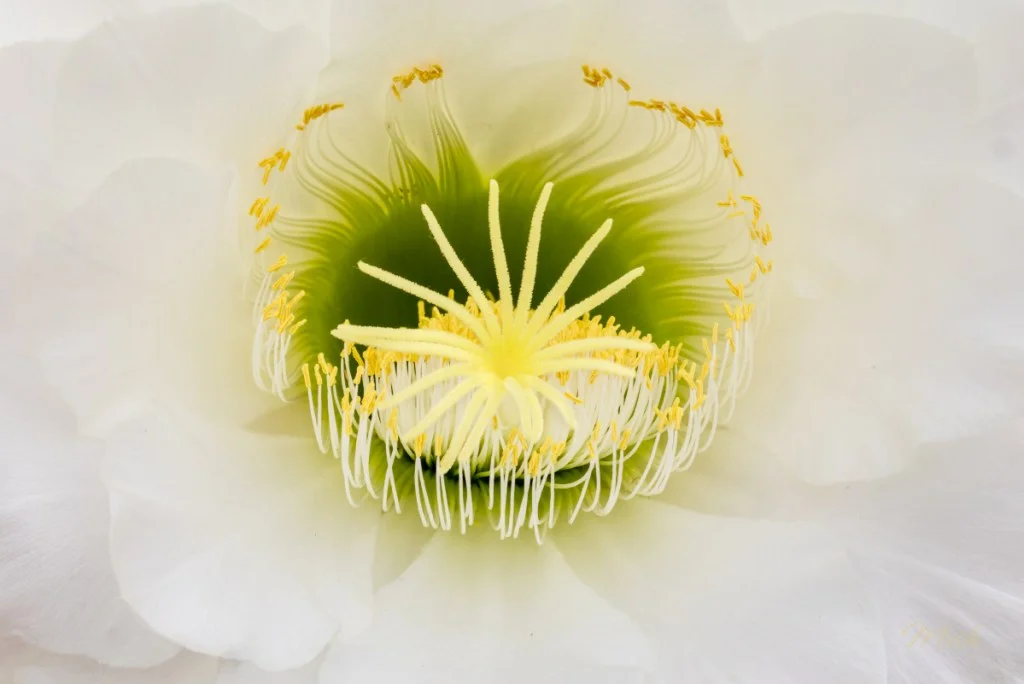
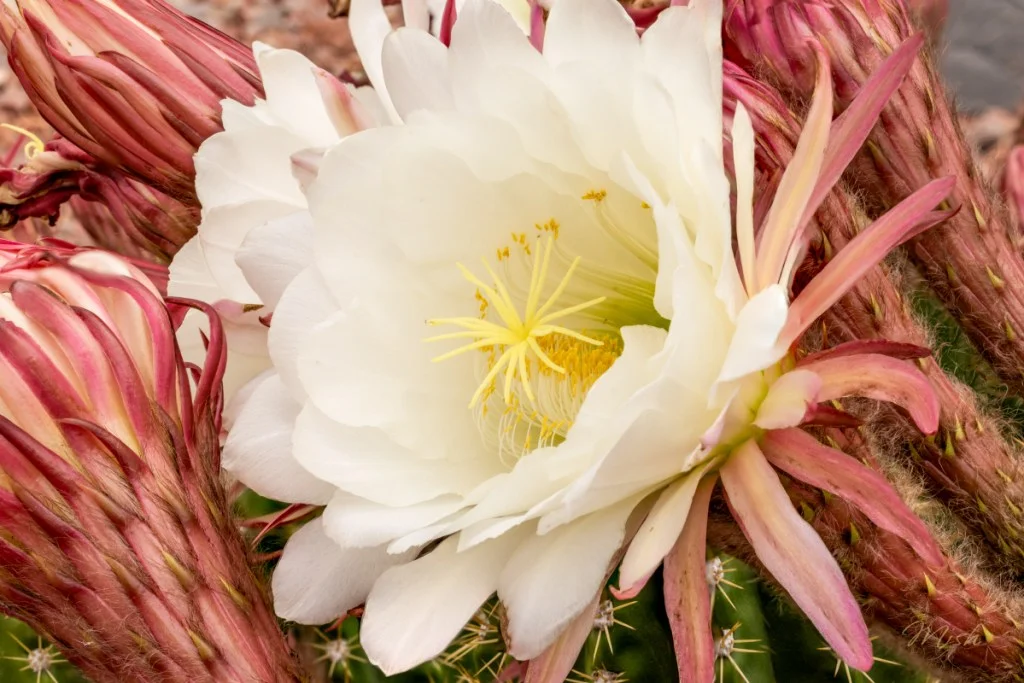
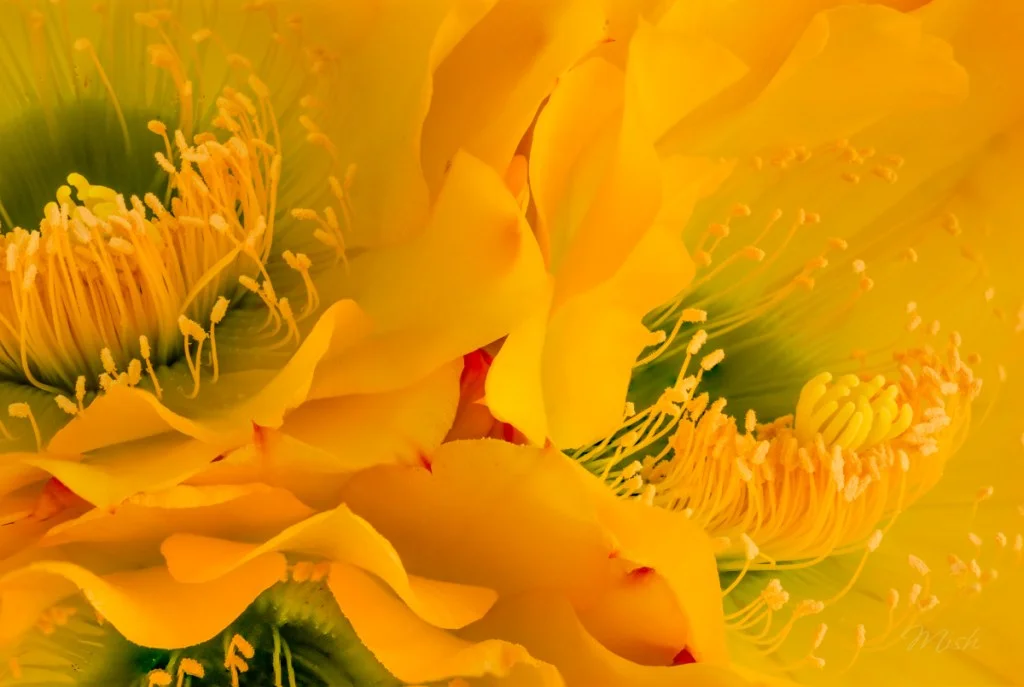
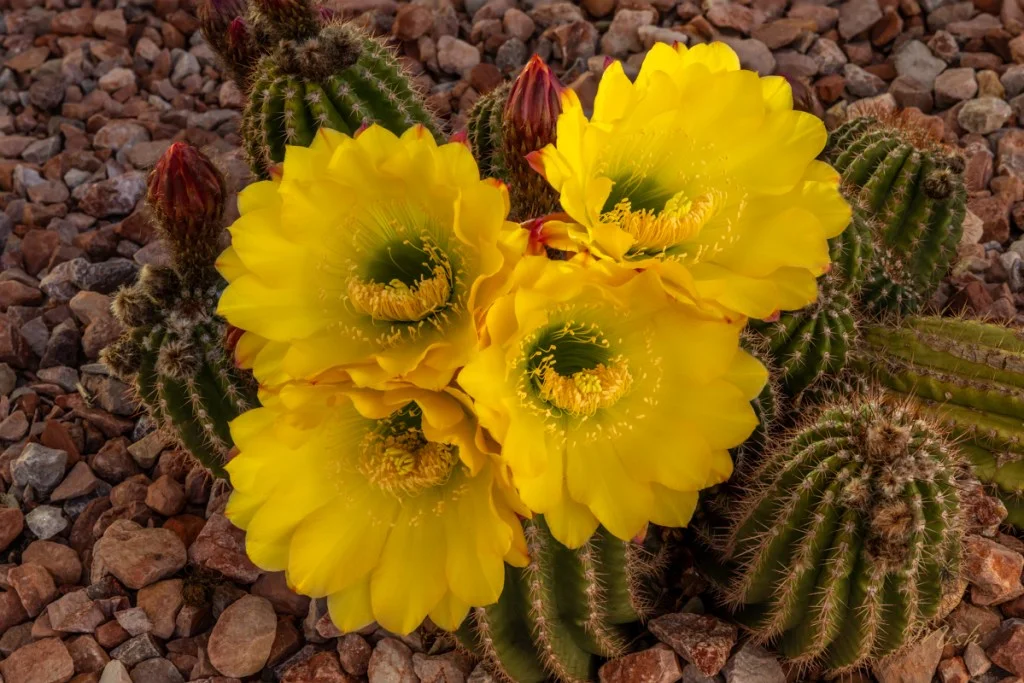
In addition to the standout Argentinian Saguaro, my garden features a variety of saguaros that bloom in white, yellow, and even pink hues. The yellow flowers are particularly captivating, each showcasing subtle differences in intensity based on their exposure conditions. The glaring sunlight under a white umbrella produces one set of bright buds, while the overcast conditions bless another set with a softer, muted palette.
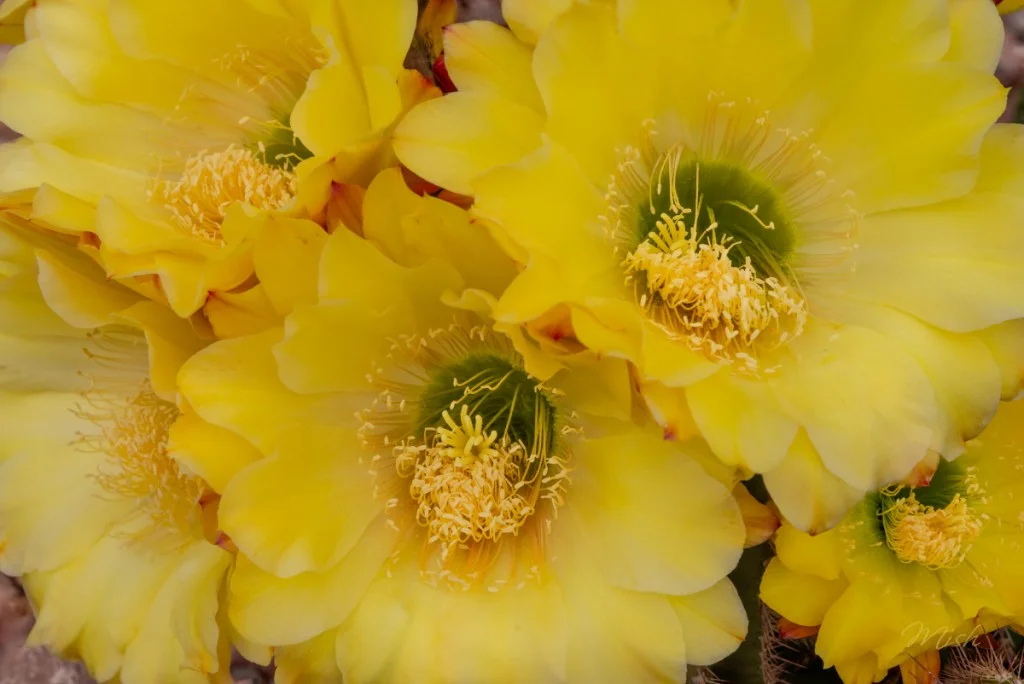
This variation is essential for adding depth and interest to your floral compositions. When photographing, pay attention to how colors interact with light. Sometimes, adjusting your angle slightly or changing the time of day can unveil unexpected hues and enhance the emotional impact of the photos.
Tools of the Trade
To capture these intricate details, I relied on the Canon 100mm macro lens, which enabled me to get close to the flowers while achieving a beautiful background blur that emphasizes the subject. The macro capabilities of this lens ensure that even the smallest features of the blooms are visible, making it essential for any close-up work.
For those intrigued by my choice of equipment, more comprehensive details can be found in my Mish’s Equipment List. Each piece of gear is tailored for specific shooting conditions and can aid in elevating your close-up photography.
Looking Ahead
While the blooming season is temporarily behind us, I’m excited to share that my next series of posts will focus on photographing the Milky Way. Capturing celestial imagery presents its own set of challenges and rewards, and I can’t wait to share techniques and tips from those sessions.
As always, if you found value in this article, or if it inspired you to venture into your garden or create captivating floral photography, please consider sharing it. Every little bit helps spread the passion for photography and nature.
For those looking to fill their walls with captivating art, check out Mish Moments Fine Art Images. It's a wonderful way to bring a piece of nature's beauty indoors.
Mike “Mish” Shedlock


