Explore the stunning beauty of spring blooms in a back garden, highlighting techniques for photographing cactus flowers and their brief, breathtaking presence.
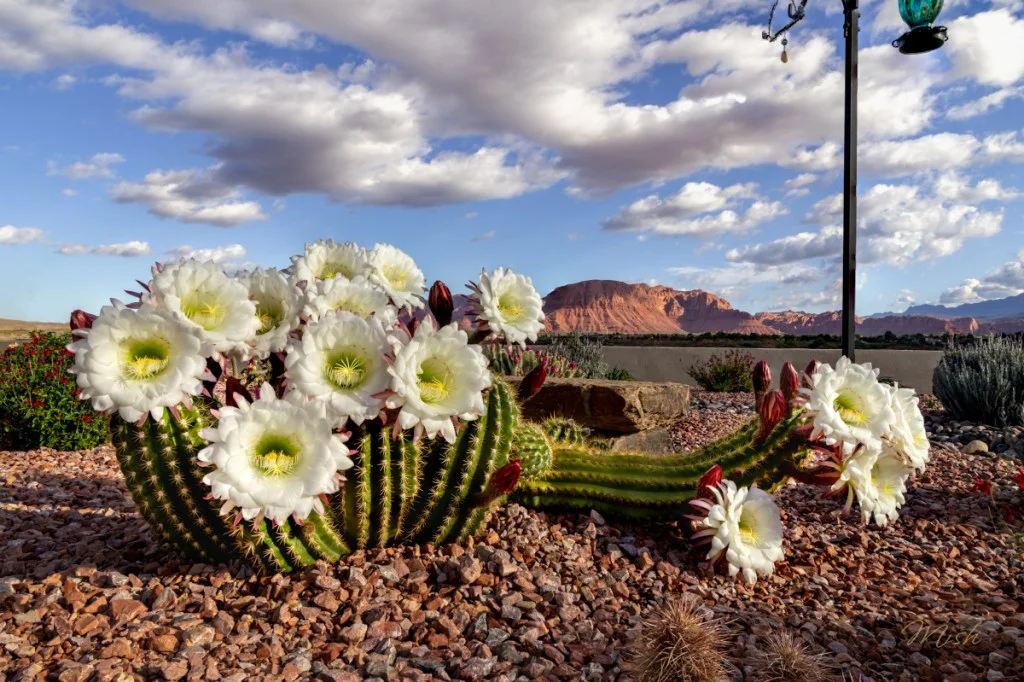
Spring Blooms: A Feast for the Eyes
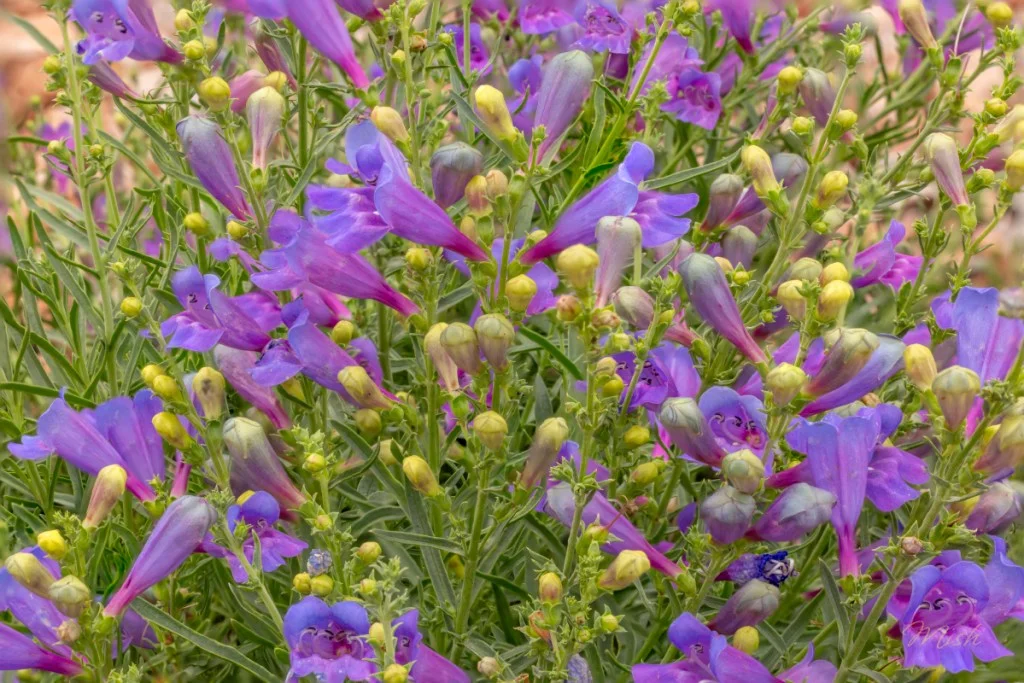
As spring takes hold from March through May, gardens burst into life with vibrant colors and fascinating textures, particularly in cactus species. This season is not just about rebirth; it showcases the miracles of nature in exquisite detail. The back garden showcased here serves as a brilliant canvas for nature’s artwork, where the interplay of light and color captivates both the photographer and the observer. This year proved especially rewarding for both the cacti and the other blossoms, creating a visual feast that draws attention from any passerby.
The Alluring Argentinian Saguaro
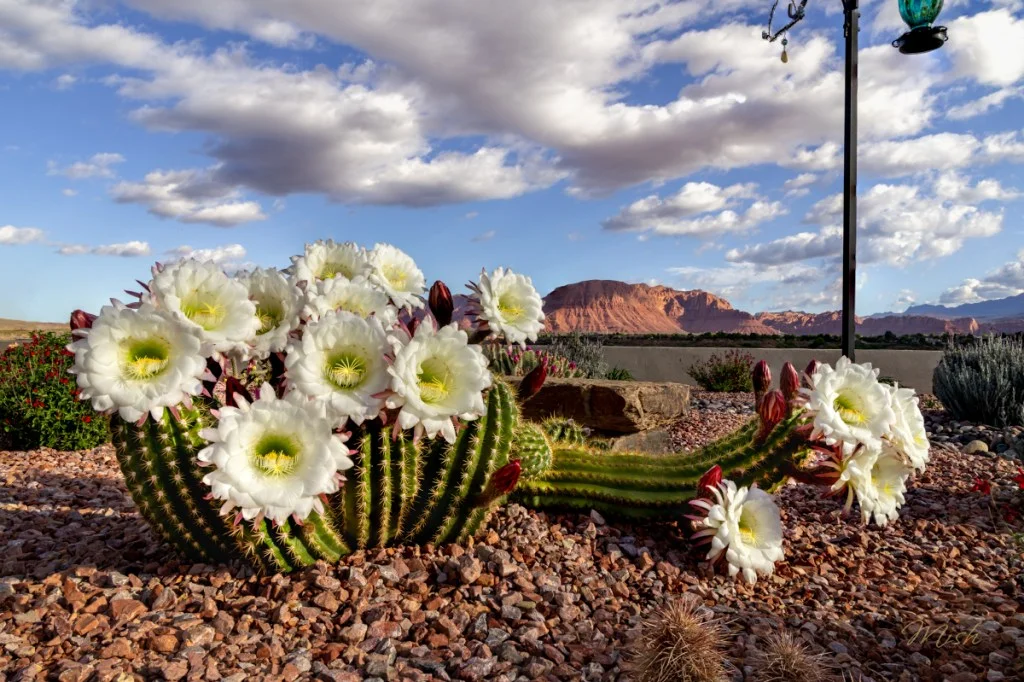
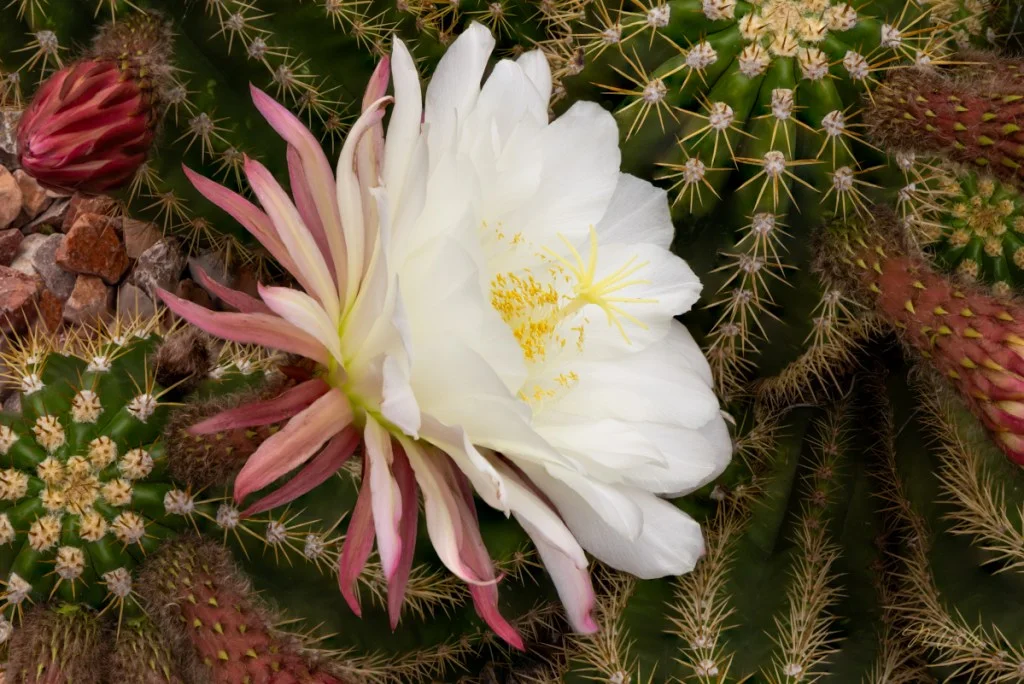
One of the standout features of the garden is the Argentinian Saguaro, known for its magnificent white flowers. These blooms are ephemeral, lasting only a single day, which adds a layer of urgency to any photographic pursuit. They bloom in the afternoon, reaching their peak until noon the following day, after which they begin to fade rapidly. This fleeting nature isn't just a challenge; it's an opportunity. Photographers need to be prepared to act quickly, capturing the unique beauty of these flowers before they vanish. This is more significant than it looks; the rush of capturing something so transient often leads to some of the most compelling images.
Employing a tripod positioned just inches above ground level allows for a unique perspective, showcasing the delicate nature of these blooms against the backdrop of their towering cactus counterparts. Such angles create a connection between the flower and its environment, inviting viewers to feel the intimacy of the moment.
Diversity in Cacti Blooms
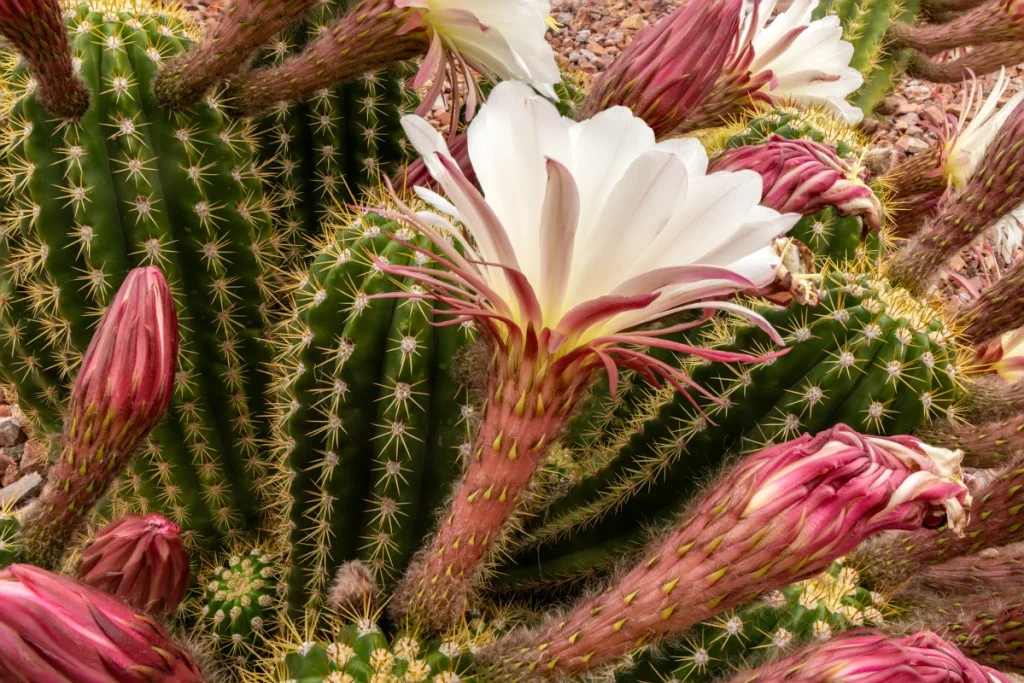
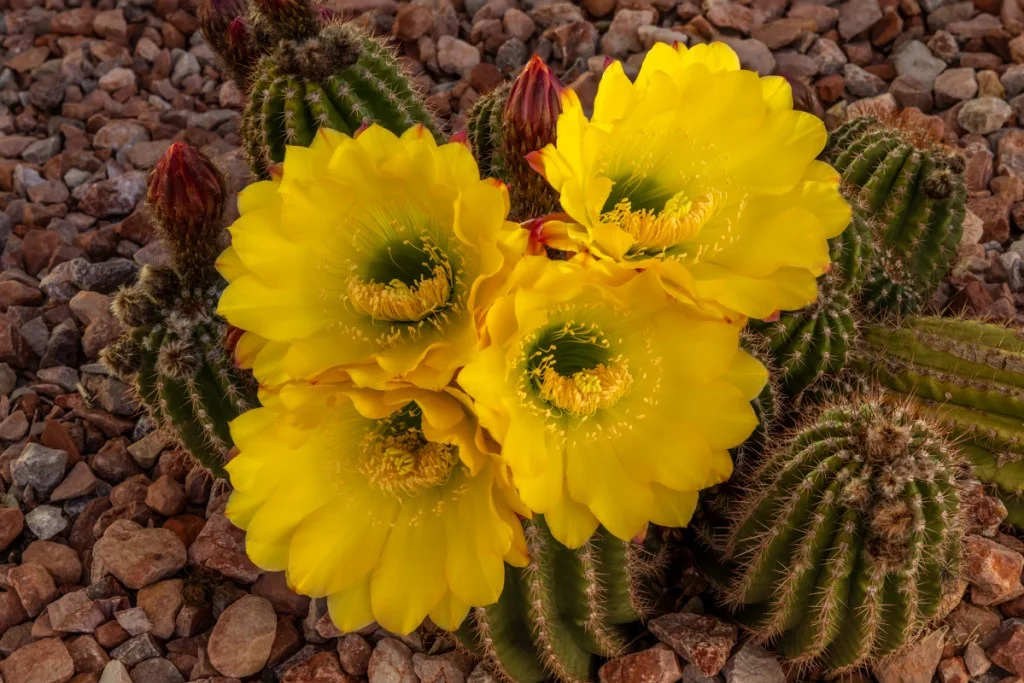
Cacti are not just defined by their size; the variety of flowers they produce can range from white and yellow to pink, each hue telling its own story. This garden features numerous saguaros sprouting striking white blooms, alongside a rare specimen flaunting yellow flowers. Each color variation offers a unique visual appeal, essential for creating diverse compositions in photography. The way colors interact with the natural light can elevate a simple photograph into something memorable, creating a more immersive experience for the viewer. It’s the subtleties in these tones that can make or break a composition.
Cholla and Prickly Pear Highlights
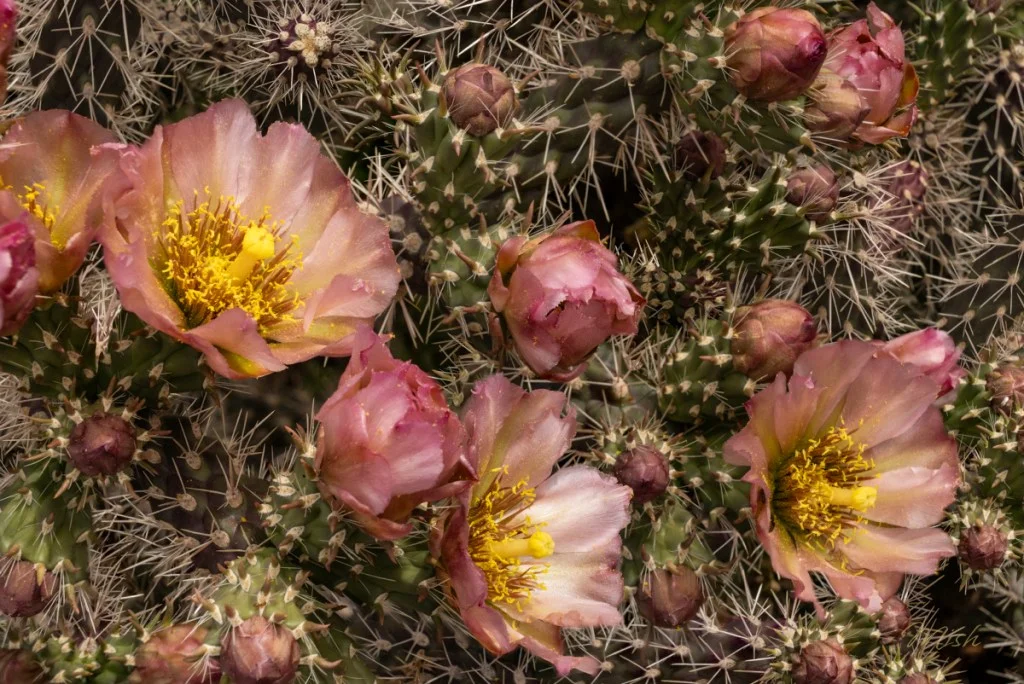
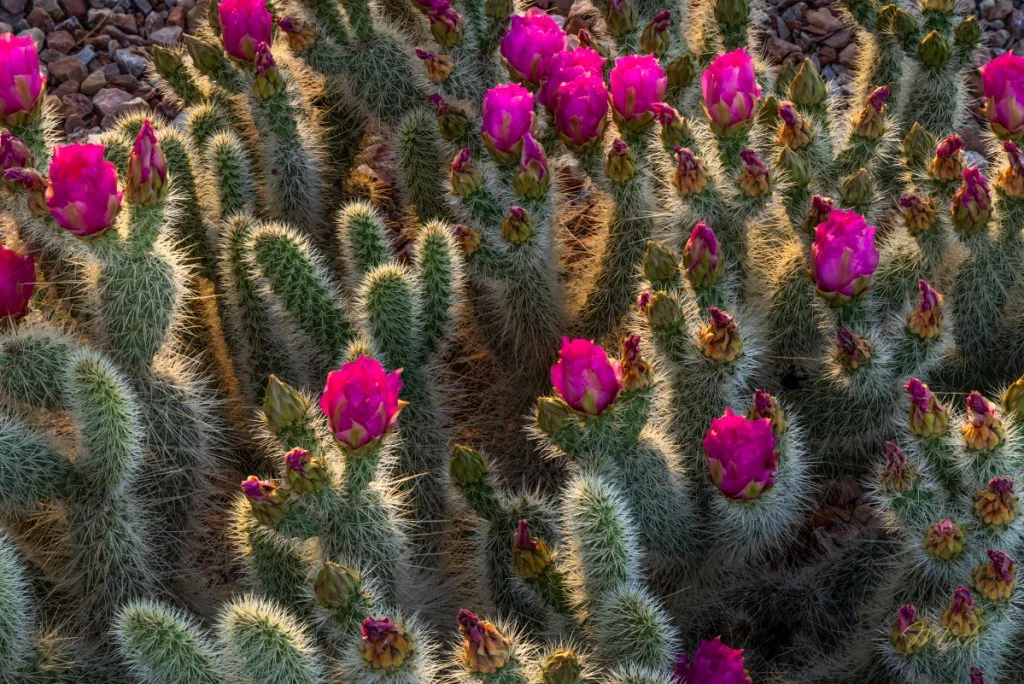
The beauty of spring in this garden extends beyond saguaros. Cholla and Prickly Pear cacti contribute their own stunning blooms, each bringing its own character to the overall aesthetic. Photographers should consider different times of day for their shoots; for example, an image taken at sunset can offer dramatic backlighting that highlights the unique texture of these blooms. Consider how the different shapes of Cholla and Prickly Pear interact with the diminishing light, creating shadows that lead the eye deeper into the frame. This dance of light and form can add layers to the story being told through the image.
The Golden Hour and Evening Effects
The golden hour, just before sunset, casts a warm hue across the garden and enhances the natural colors of the plants. This time of day is pivotal for photographers; it’s when the sun creates an almost magical quality in images. The ocotillos throw long, interesting shadows against the retaining wall, giving compelling opportunities for photography. This dynamic play of light and shadow can be effectively harnessed to convey depth and mood in the final images. Every detail becomes accentuated, revealing textures that might otherwise go unnoticed. The transformations that occur during this hour are not just about aesthetics; they provide an opportunity for emotional resonance in the captured images.

Photographic Considerations
When photographing spring blooms, particularly those that are fleeting like cactus flowers, timing and lighting are paramount. Experimenting with angles that showcase the flowers against their natural habitat can lead to fresh perspectives. For instance, using a low tripod position for ground-level shots invites viewers into the floral world directly, making them feel like part of the scene. Additionally, wider apertures help achieve a shallow depth of field, allowing the cactus blooms to stand out sharply against a softly blurred background. This focus creates an engaging separation from other elements in the frame, elevating the image's impact.
Equipment Insights
For those eager to learn about the tools employed in capturing these images, detailed insights on the camera gear used can be found on my equipment list, which highlights specific lenses, tripods, and other accessories that optimize floral photography. Knowing what equipment works best can make a significant difference, especially in capturing those fleeting moments. Whether for beginners or seasoned pros, understanding gear can either empower the photographer or limit their potential. So, here's the thing: investing time in mastering your equipment pays off in the long run.
Each spring brings new opportunities to document the cycle of life in my garden. A deeper exploration showcasing close-up images and intimate details of these stunning cactus blooms will follow in my next post. Watch this space; there’s always something new to discover.
Sharing the Beauty
If this glimpse into the vibrant life of spring in our back garden resonates with you, please consider sharing this article through email or social media. A simple click can help spread the beauty of these flowers with fellow enthusiasts and photographers. Art does not exist in a vacuum; sharing it enriches the community.
For those interested in bringing art into their home, check out Mish Moments Fine Art Images for a collection that showcases various floral scenes and nature photography. Each piece tells a story, waiting to find its place in your life.
Mike “Mish” Shedlock
Future Outlook: The Legacy of Spring Photography
As we look toward future springs, the intersection of photography and nature will continue to evolve. With advancements in technology and changing environmental factors, photographers face new challenges and opportunities. What this means for you, if you're working in this space, is a need to adapt and innovate. The lessons learned from capturing ephemeral blooms can lead to a deeper understanding of both the art and the science behind photography. Staying attuned to seasonal changes will only enhance one's ability to capture those magical moments that nature offers.
Ultimately, each photograph tells an unfolding story that reflects not just the beauty of the moment, but also the ongoing journey of the photographer. The blossoms may fade, but the images—they live on, becoming part of a larger narrative of appreciation for nature’s wonders.


