Dive into the artistic journey of film processing and editing, with insights from a decade-long exploration of Hokkaido's landscapes and impressions.
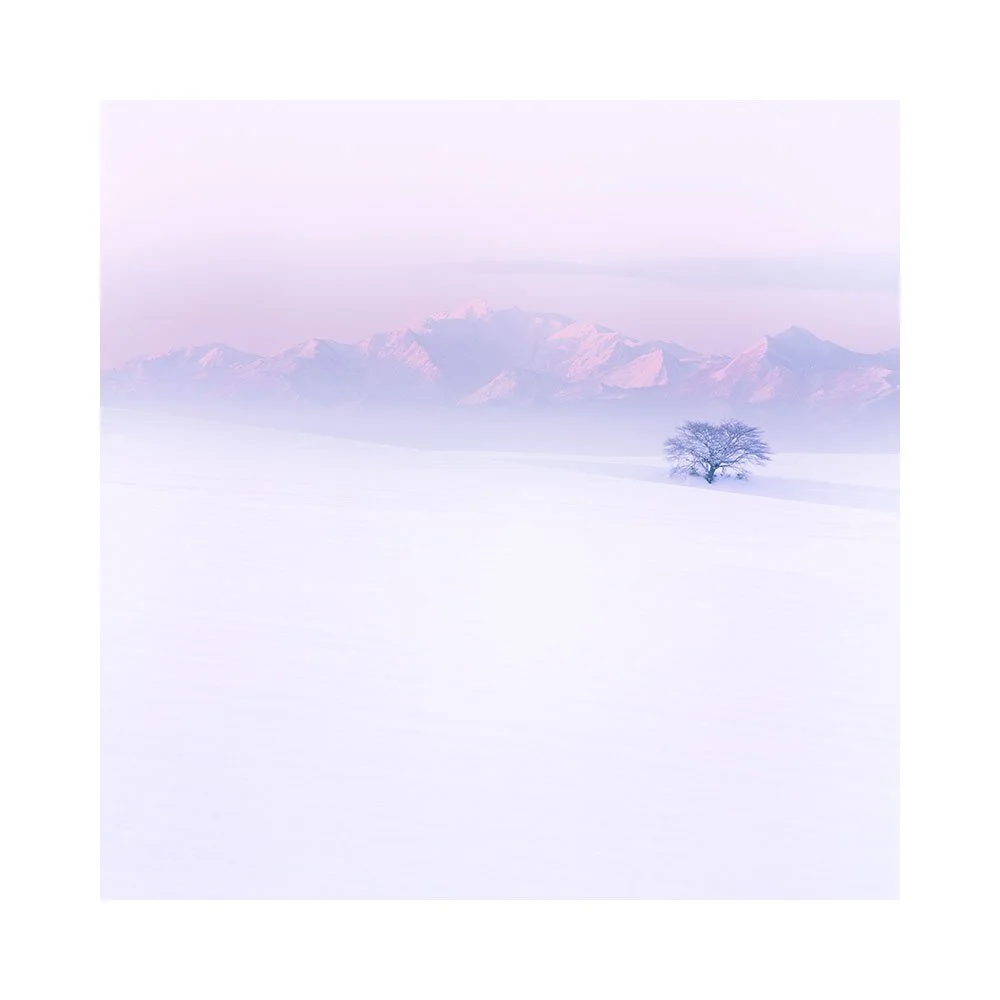
The art of film processing is an intricate dance between memory and imagination, a delicate interplay between the tangible and the abstract. Recently, I’ve spent my days immersed in this rewarding process, where each roll of film emerges from the development tank, revealing glimpses of moments captured. This initial unveiling sparks an exhilaration that is hard to describe—a flicker of potential creativity just waiting to be harnessed.
These "glimpses" hold significant importance for me, transforming the viewing experience. They transcend a mere observational act and tap into a profound emotional response. Where clear details might typically dominate, it’s the incomplete fragments that excite my imagination. The mind fills in these gaps, exploring possibilities beyond the frame, which is essential to the storytelling process. The resulting impressions often illuminate personal narratives that resonate more strongly than the images alone could convey. It's this elusive quality I'm drawn to, as it pushes the boundaries of what photography can evoke.
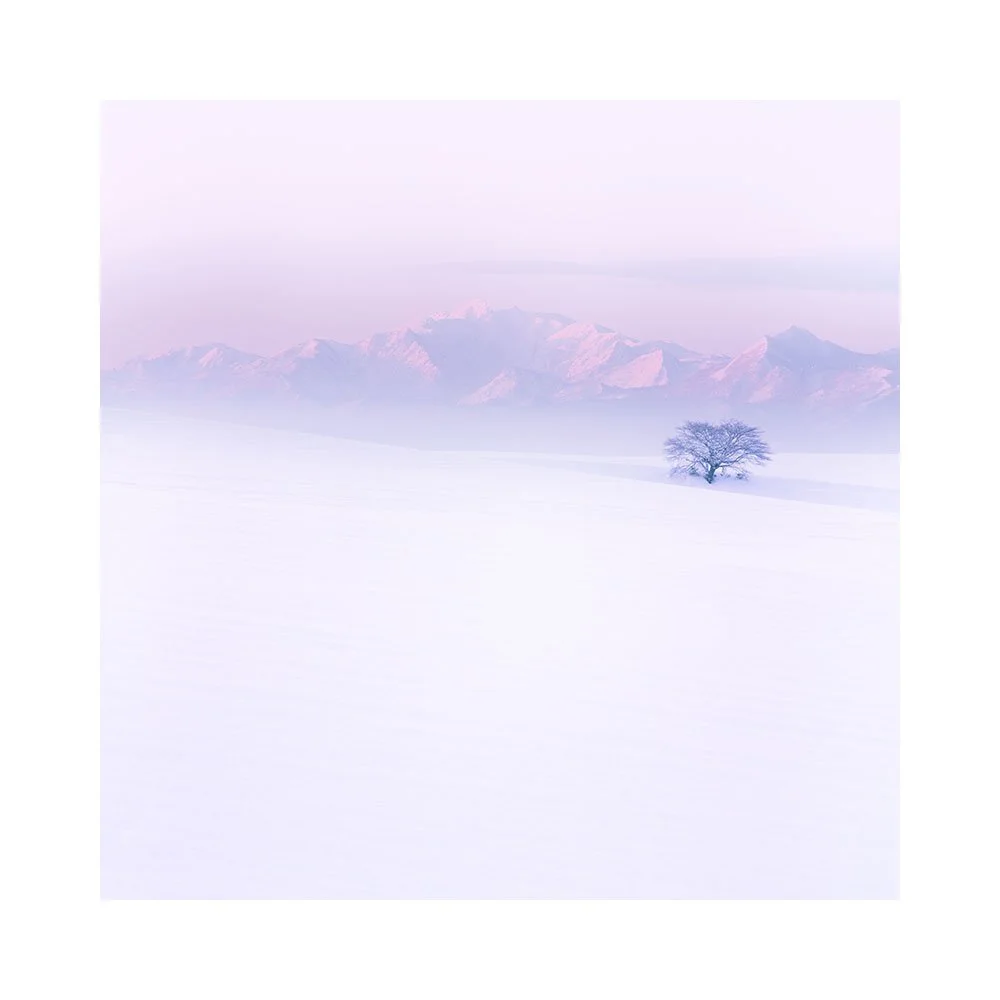
This artistic philosophy has matured over the past decade since I first ventured into Hokkaido. Each visit has influenced my creative approach, marking a journey filled with learning and growth. Revisiting my early works from this region allows me to track not only my photographic evolution but also the transformation in my perception of the landscapes. I find it fascinating to see how my lens has captured the dynamic changes in the scenery over time, from seasonal shifts to subtle alterations in color and light.
The Compassionate Edit
Today, I find myself at the starting point of a new chapter in this ongoing project—initially selecting and editing shots from my recent escapades. This first day is crucial; it lays the groundwork for what’s to come. I approach this task with an open mind, as each selection becomes part of a broader narrative I aim to construct. I’m conscious that the subsequent editing sessions will shape the final output, potentially leading me to refine, alter, or even remove initial choices.
One principle I adhere to during this process is allowing myself the freedom to experiment in the beginning stages of editing. This liberates me from the constraints of definitive judgments too early on. In doing so, I embrace a more organic workflow that prioritizes discovery over expectation. I watch closely for emerging themes, motifs, or even unexpected emotional reactions that surface as I sift through the imagery. It’s crucial to remain vigilant and open, as it’s from this unpressured environment that some of my best insights arise.
Unfolding Narratives
Aren't all creative pursuits essentially about stories waiting to unfold? Photography is no different. By focusing on what resonates, I make room for deeper narratives to express themselves. For example, a single photograph may encapsulate the tranquility of a distant hill or a fleeting emotion captured in fleeting light—a moment worth expanding upon through editing. It’s within these spaces of ambiguity that potential lives, lying in wait for the right editorial choices to launch them into existence.
Every photo choice and selection serves as a thread woven into the tapestry of broader themes. Might the unifying pattern become one of nostalgia, exploration, or perhaps an appreciation for the natural world? As the first edit comes together, the task becomes not just technical, but deeply personal, revealing what Hokkaido inspires in me and what I wish to communicate about it.
The balance between intuition and technicality is key in this exploratory phase. The original shot may need minimal adjustments to highlight its essence or require more significant alterations to draw out an emotional reaction. My mission is to reveal the heart of each image—understanding that not every shot will make it to the final selection. It's a process steeped in empathy and respect for not just the photograph, but also for the story it endeavors to tell.
Looking Ahead
As my editing session progresses, I welcome the possibility of change. It’s natural to revisit earlier choices as new insights shape my perceptions. This adaptive mindset reflects the beauty of artistic creation; nothing must remain static if new interpretations or reflections arise. My editing journey in Hokkaido isn’t merely about crafting a series of images; it's about exploring a landscape of thoughts and emotions that naturally ebbs and flows. Each step forward is an invitation to rethink and reimagine, a liberating process that asserts itself through the captured moments I cherish.
Ultimately, my relationship with film processing and editing Hokkaido’s landscapes represents not only an artistic endeavor but also a personal voyage. It's an ongoing narrative I intend to embrace, allowing the impressions I encounter to guide my choices and deepen my narrative voice as a photographer.


