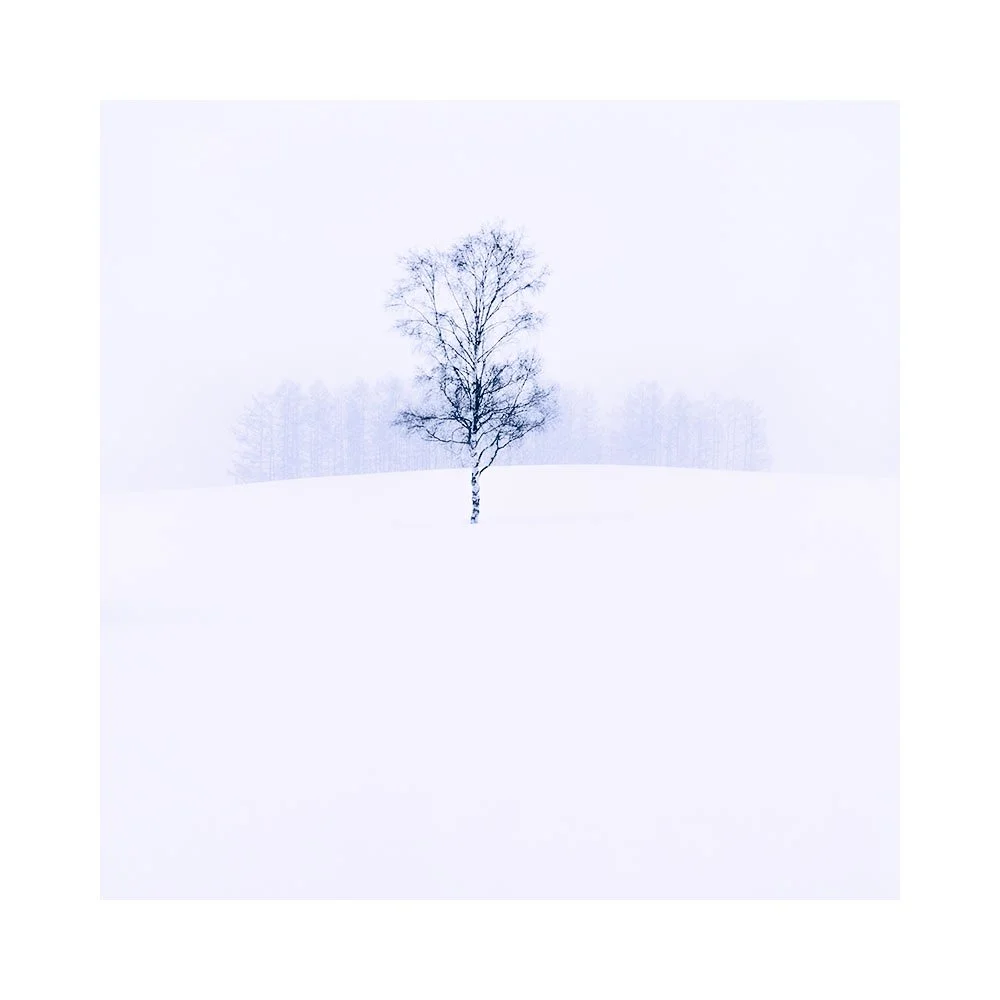
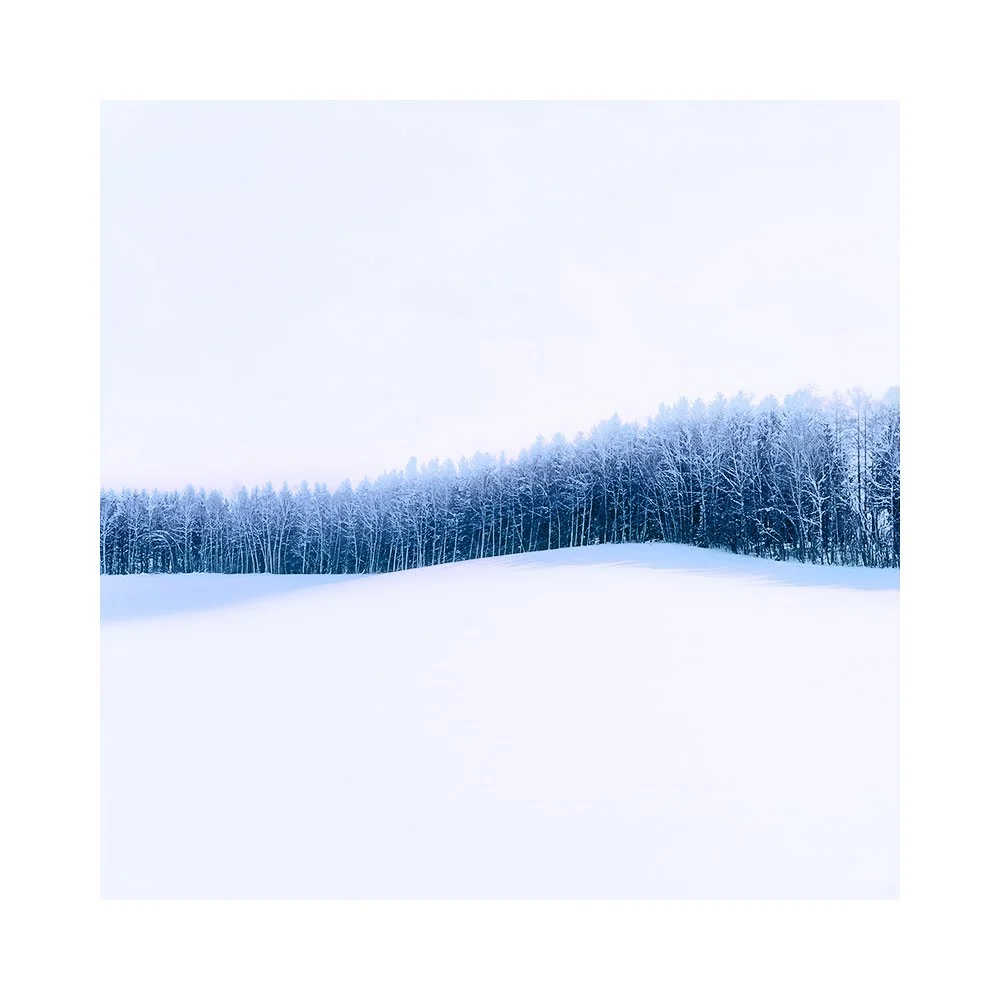
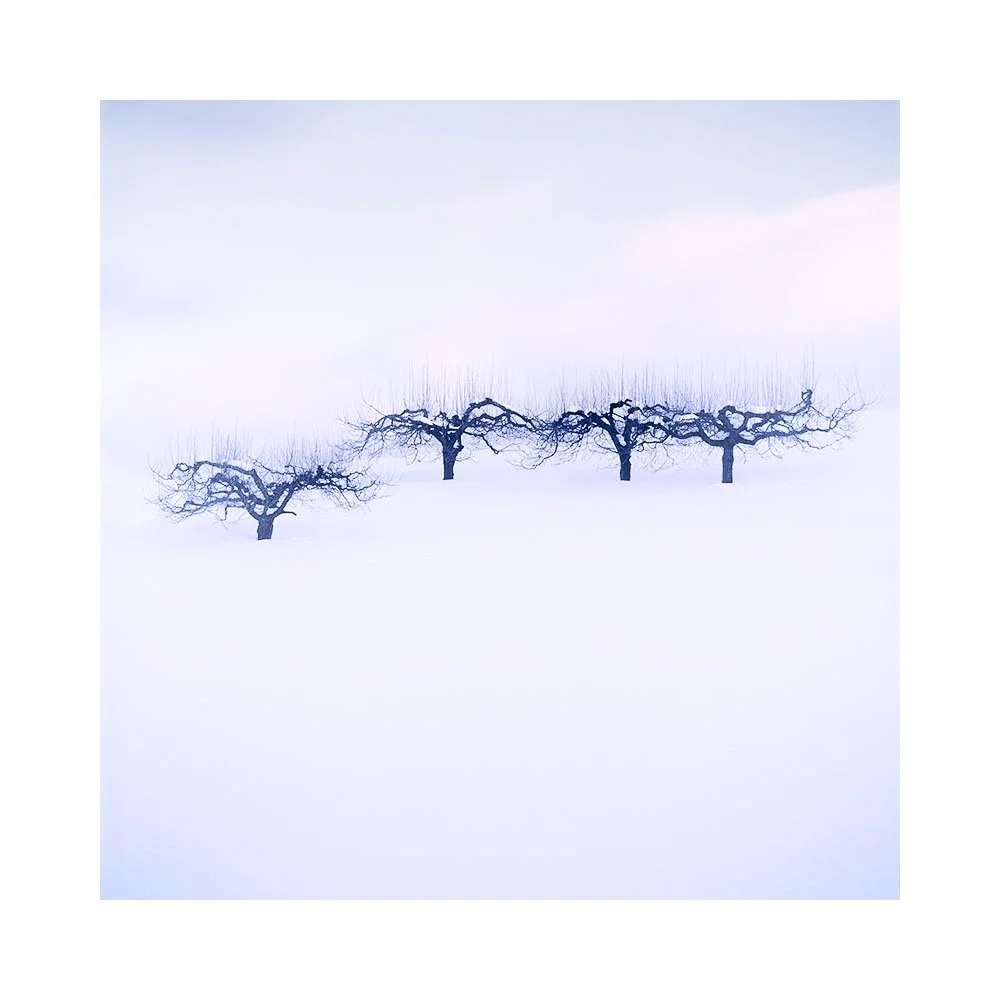
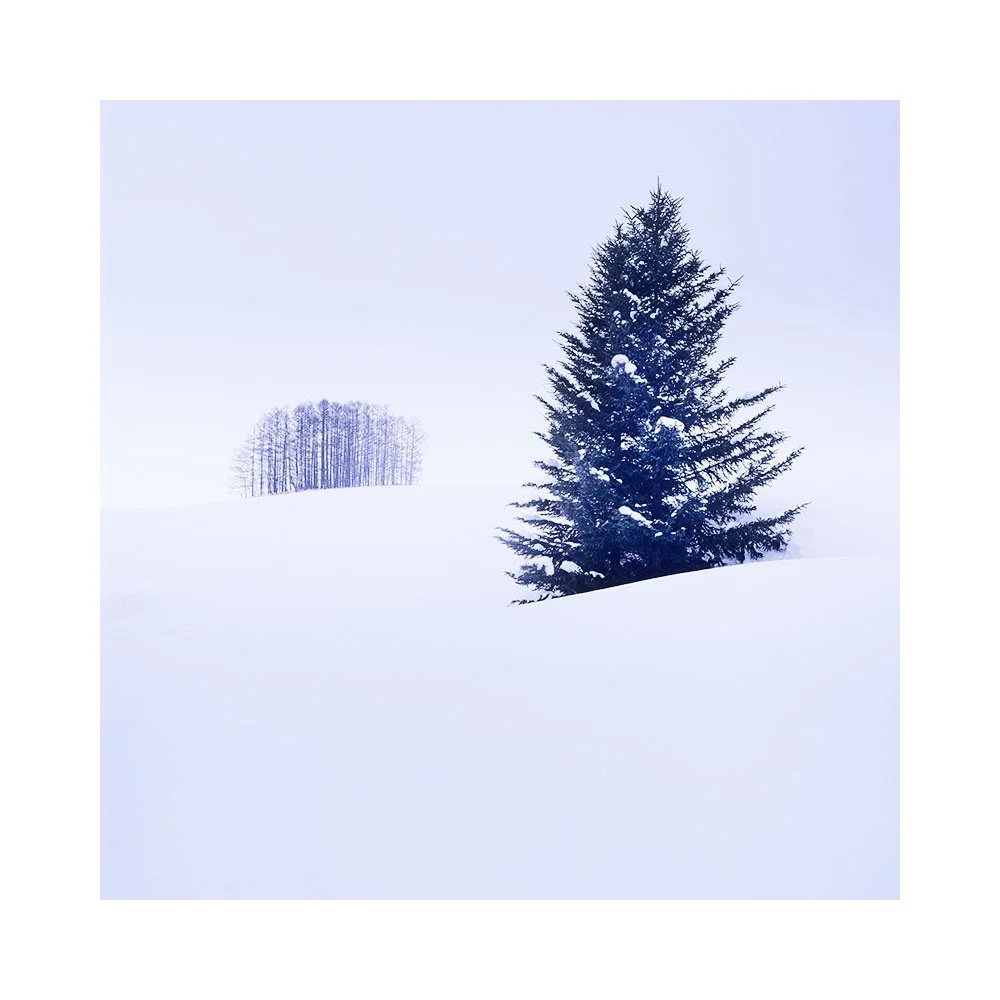
Explore the editing journey behind a Hokkaido photo portfolio, examining tonal adjustments and the creative process for photographers.
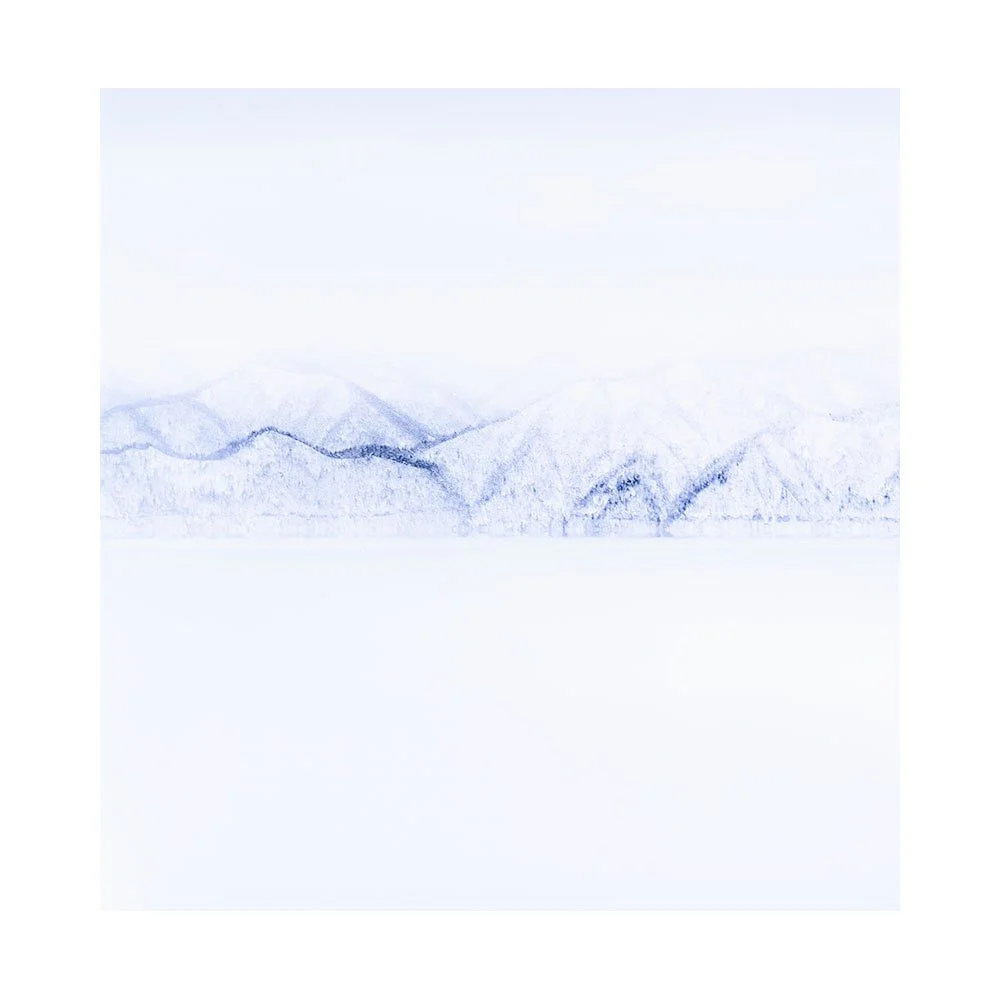
The recent process of editing my Hokkaido images was an enlightening experience that unfolded over two days. Despite typically dedicating an entire week for such tasks, I often wrap up sooner than expected, usually on the second day. The essence of the work is typically in place by then, but the next step involves stepping back to see how the images resonate over the following week. This waiting period serves as a form of self-assessment, allowing me to return to my work with fresh eyes, ready to refine further.
Finalizing the Portfolio
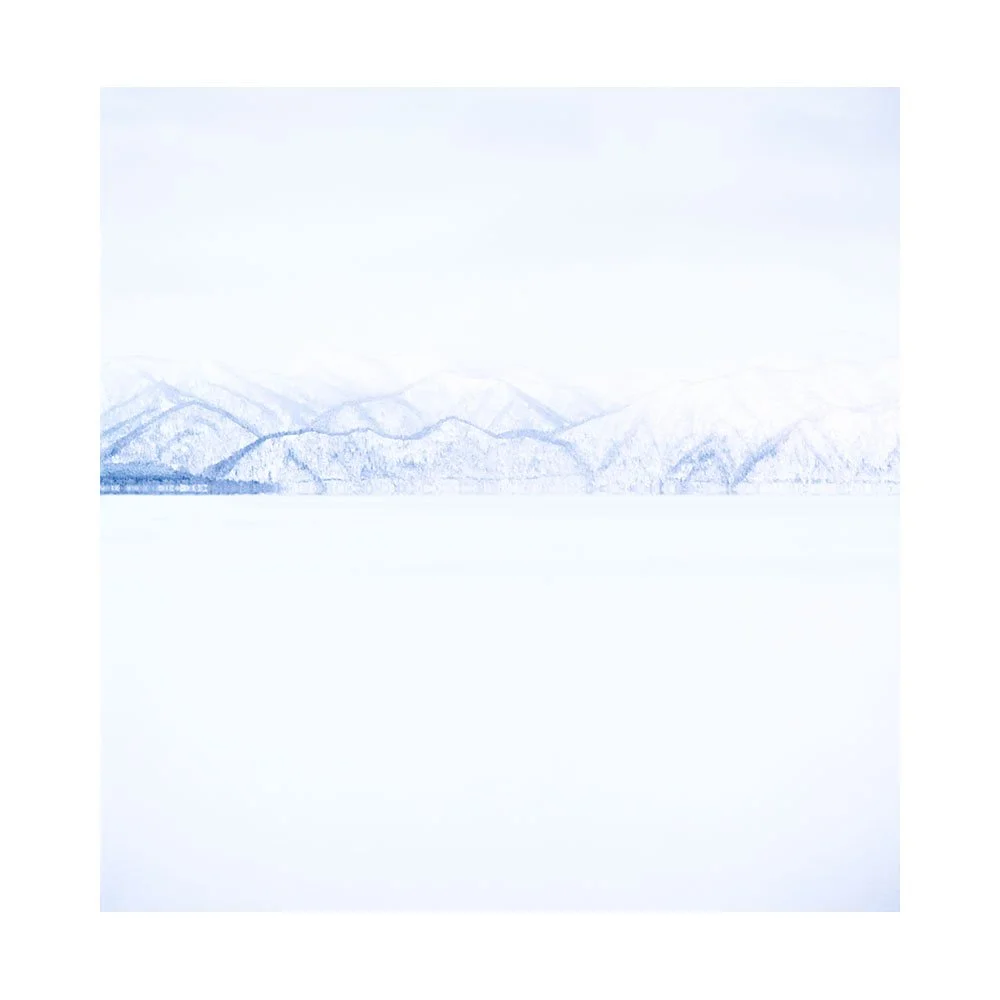
The completed portfolio makes me fairly satisfied, although it wasn’t without its share of revisions. Each image went through an iterative process where I had to critically assess the depth of darker tones. Initially, I started with a more vibrant, softer setup for the images. Moving into the review on day three, I recognized a potential for darker tones, ultimately refining them further. In photography, as in many art forms, the initial vision often morphs under scrutiny, revealing dimensions previously overlooked. This inconsistency in initial perception illustrates the inherent complexity of translating a moment into a still image.
Revisiting for a New Perspective
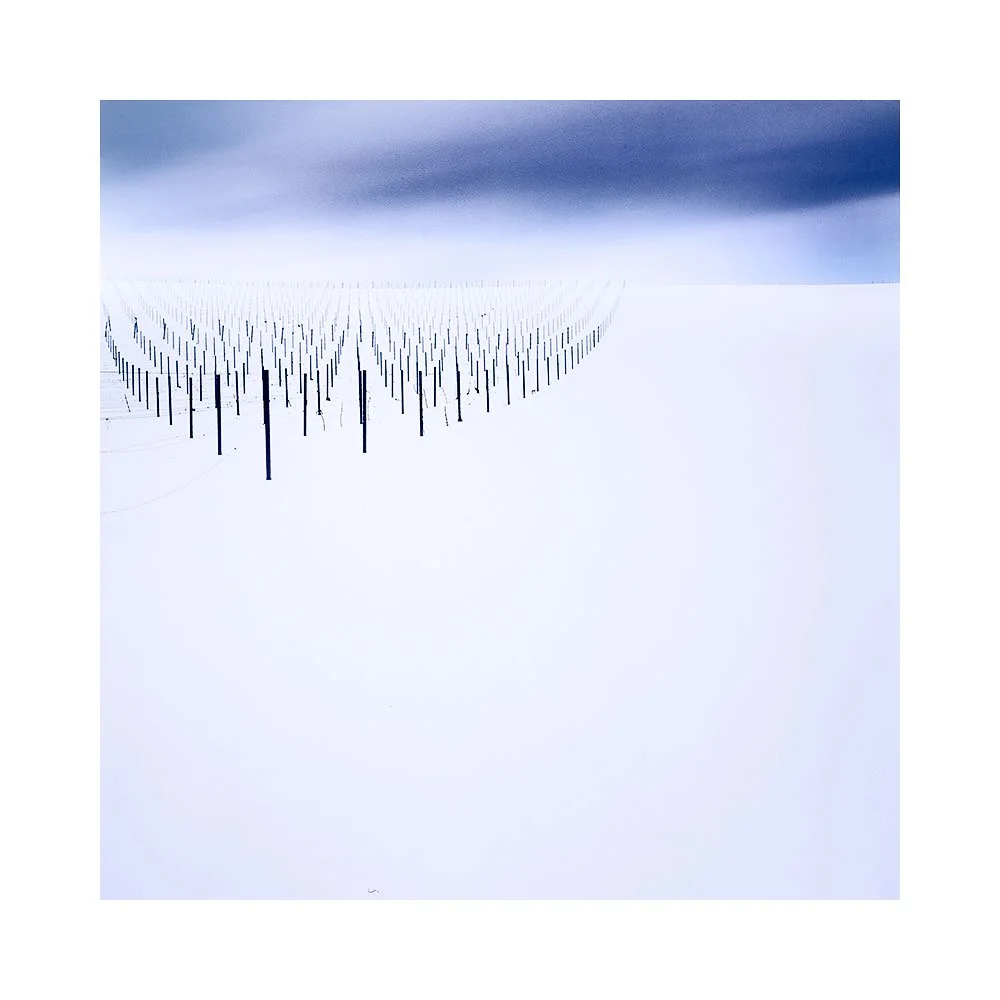
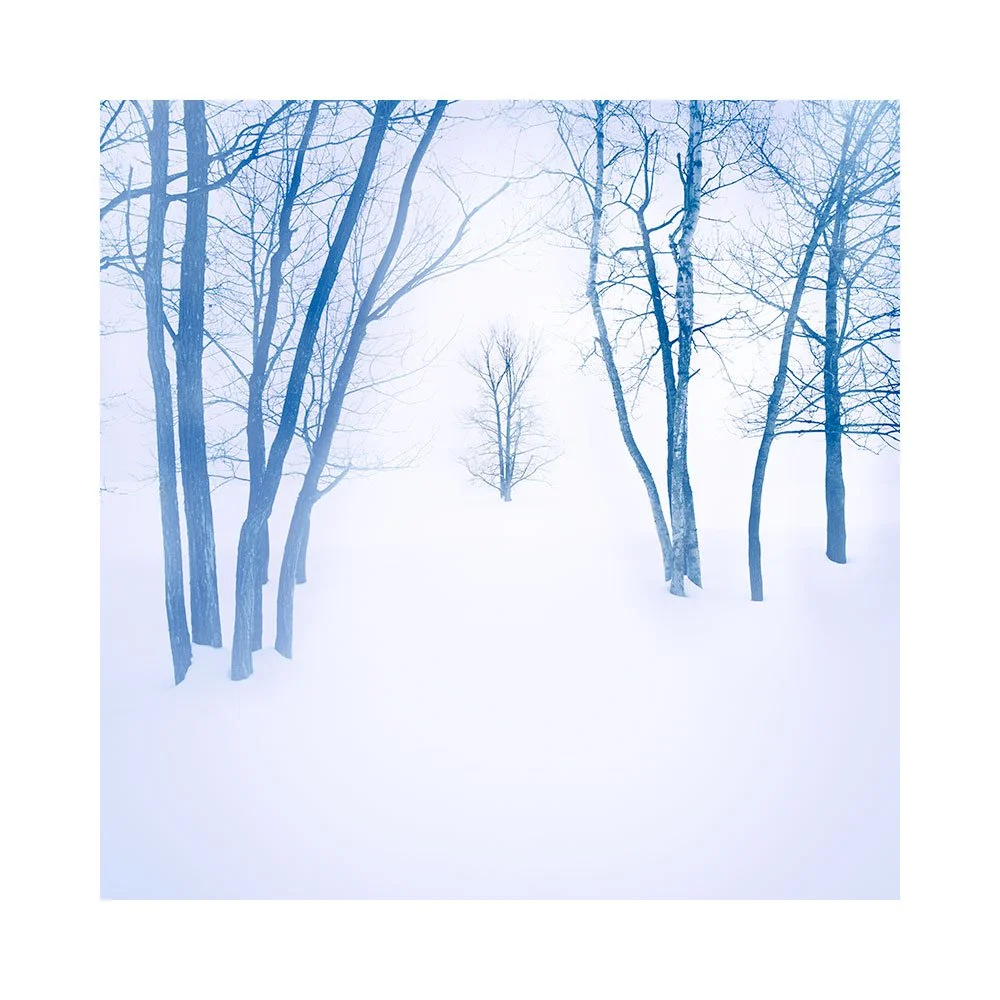
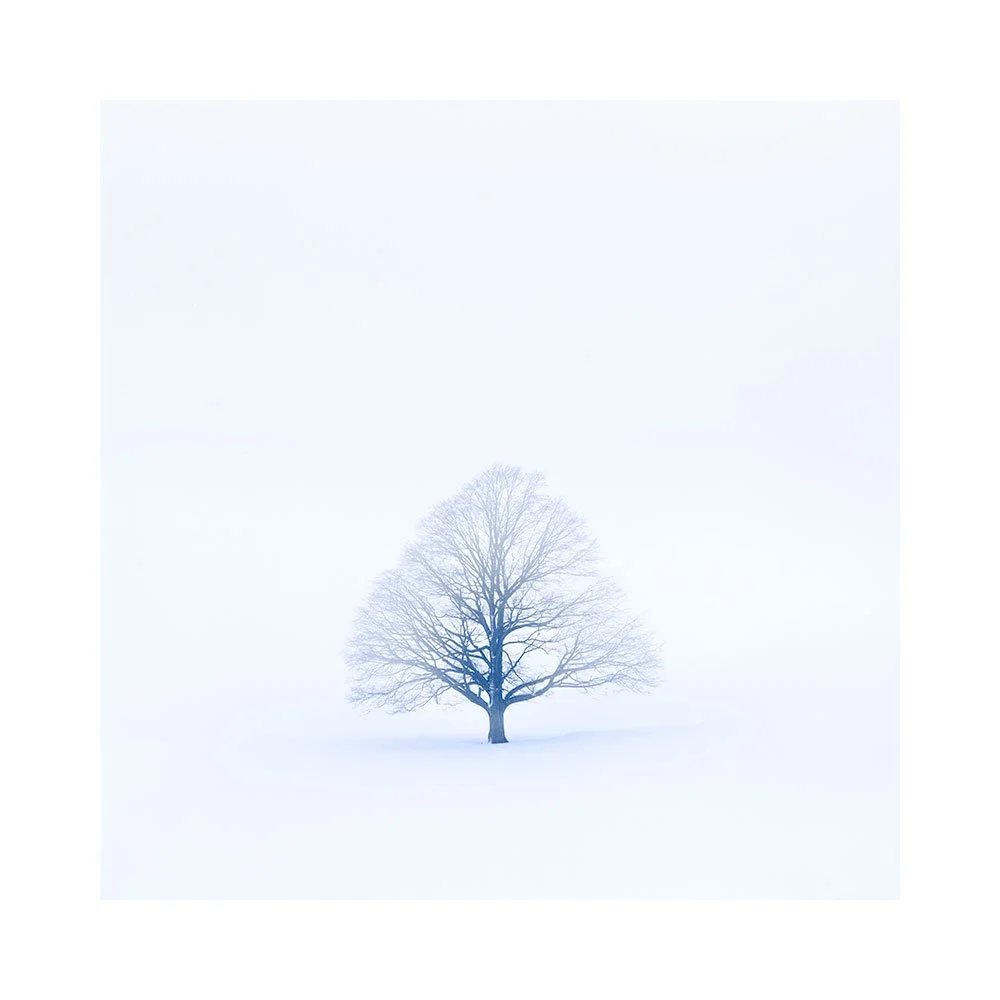
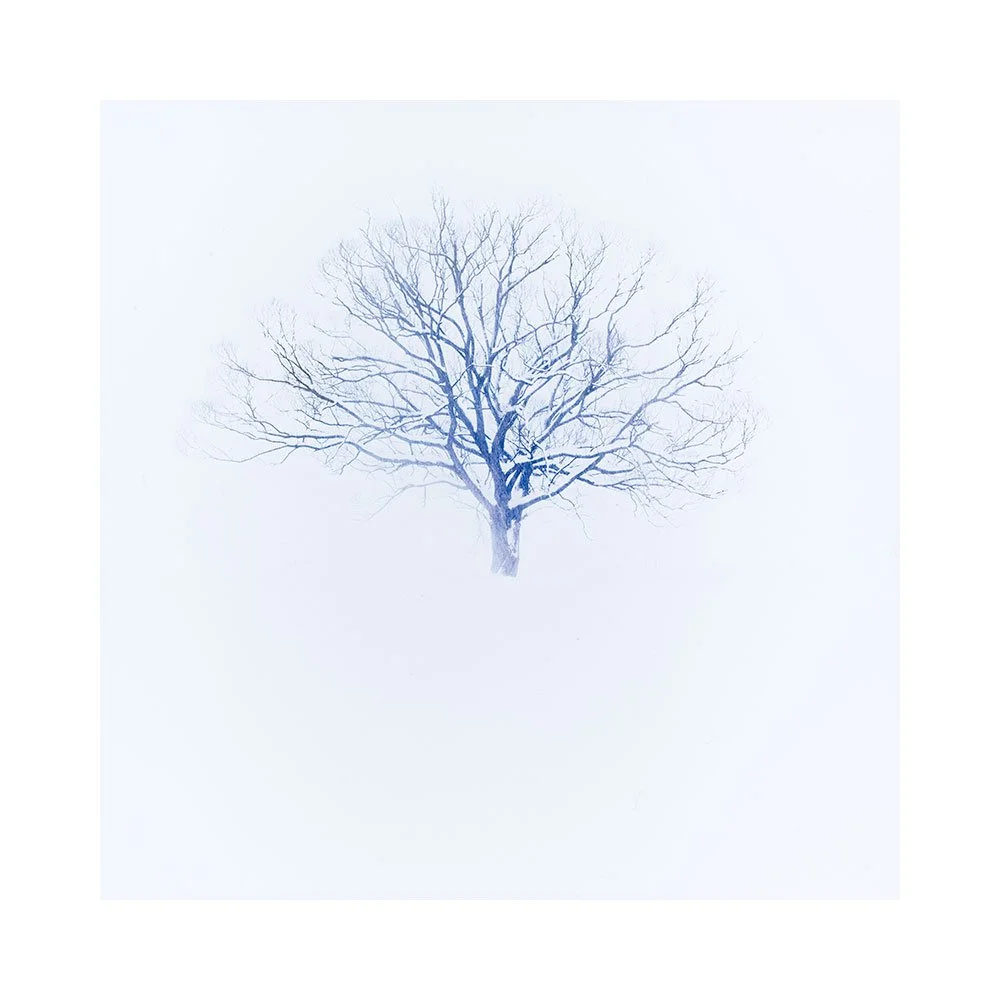
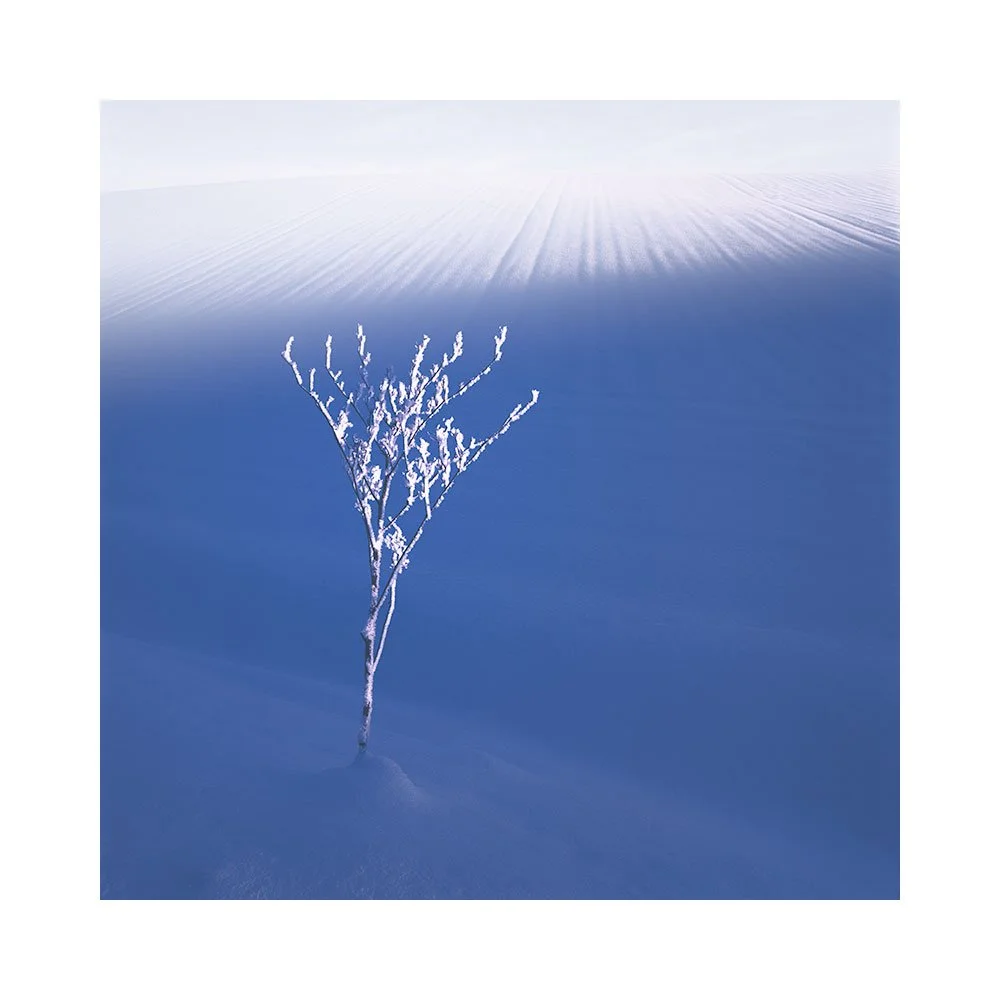
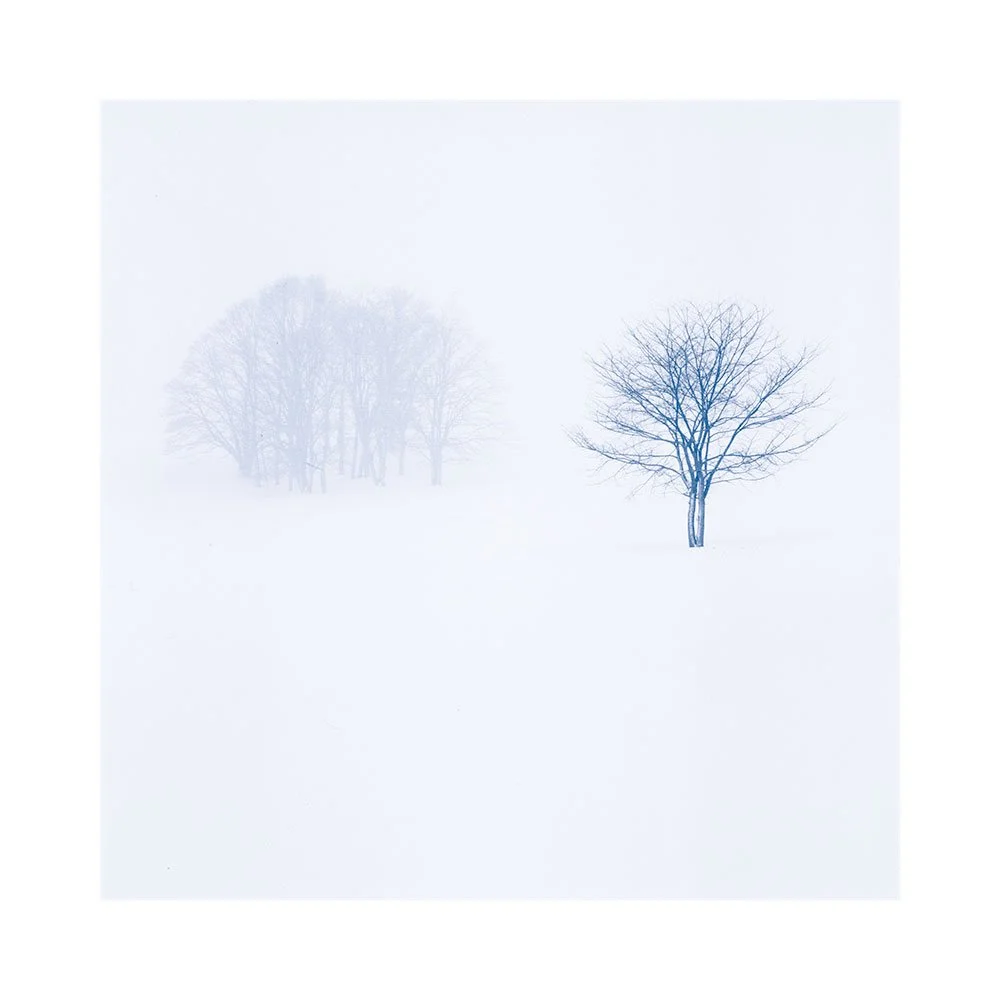
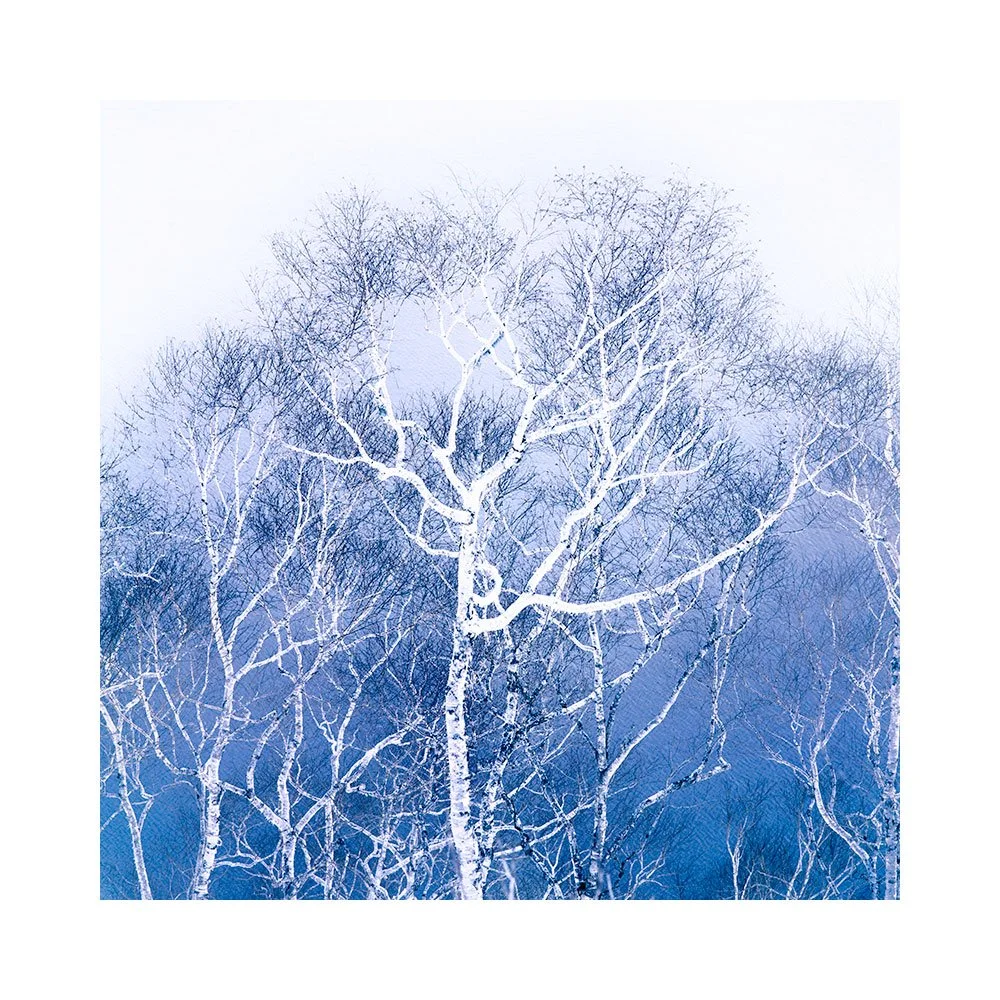
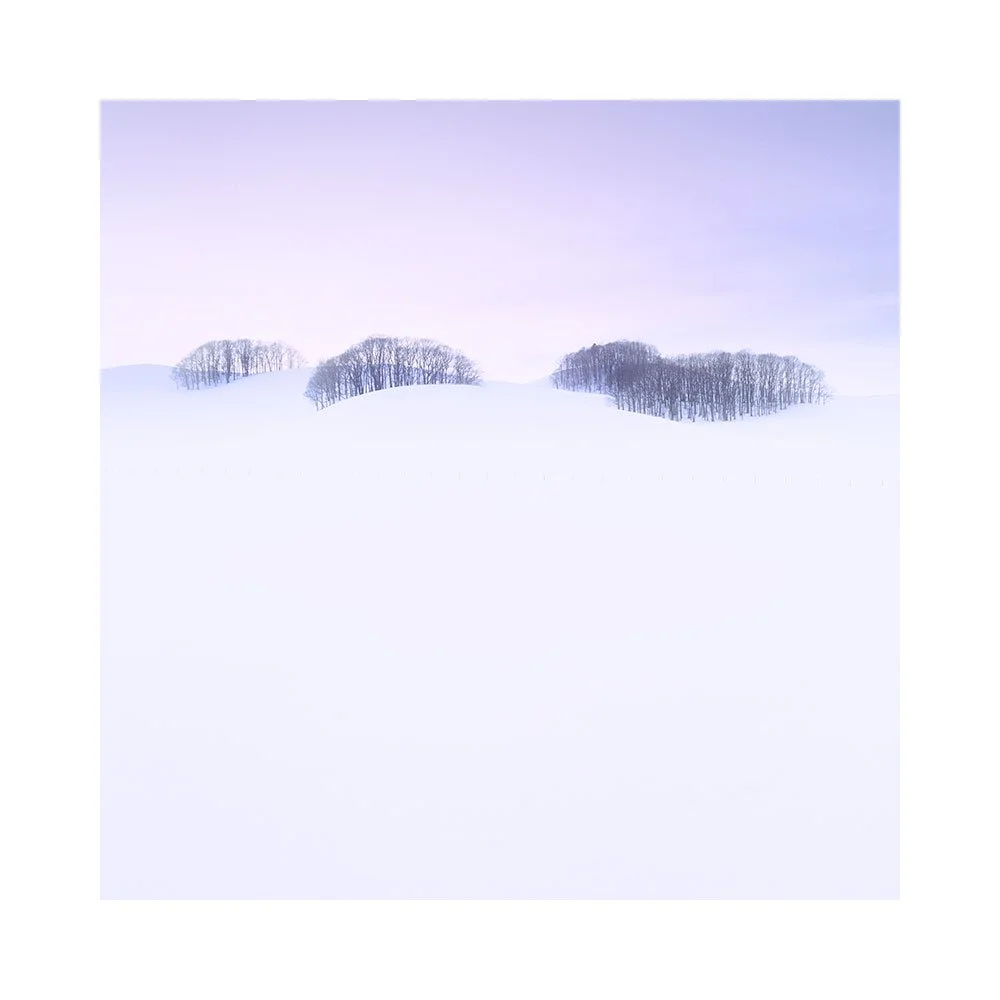
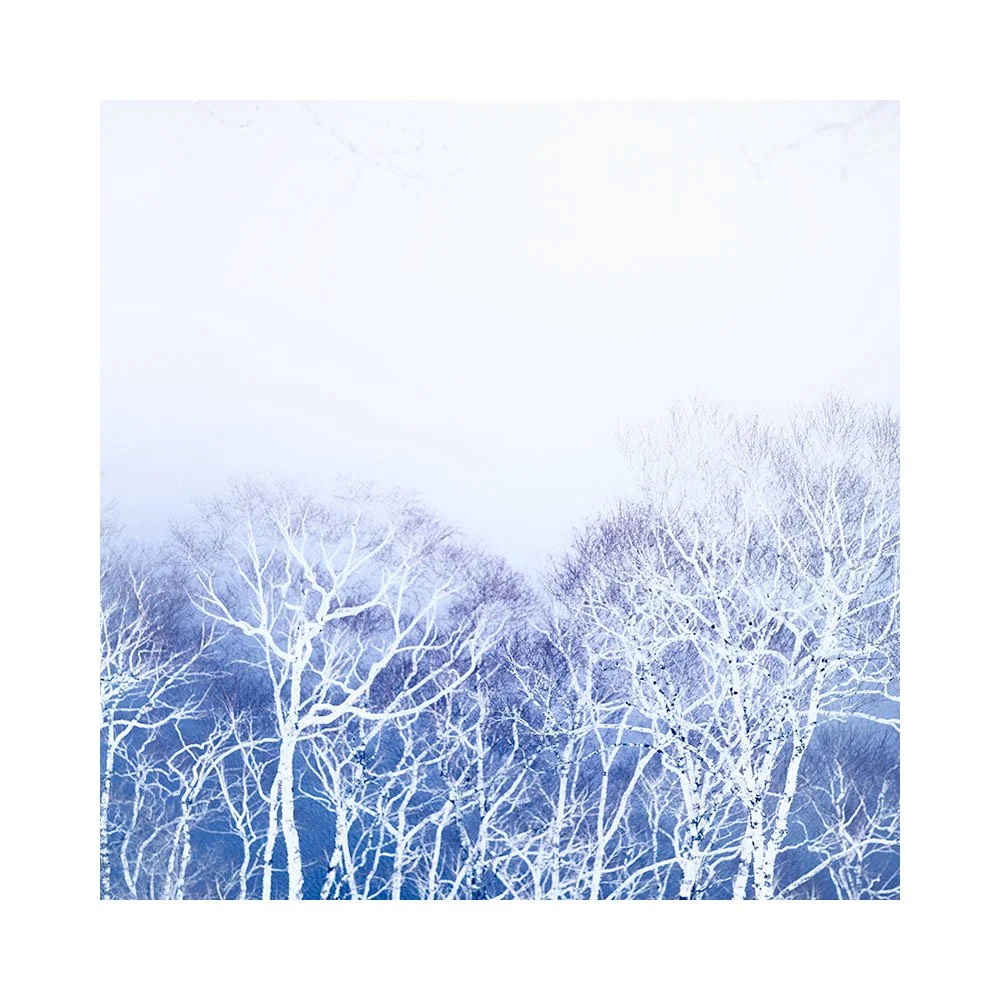
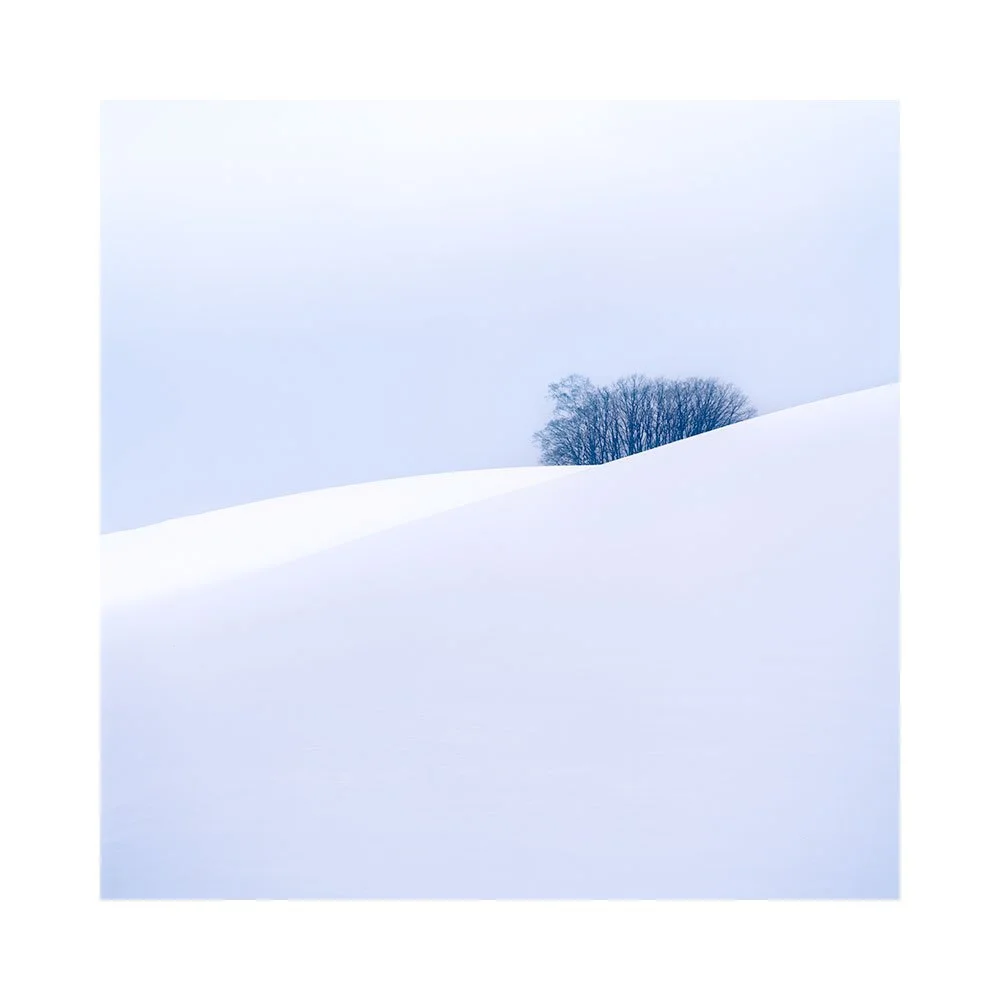
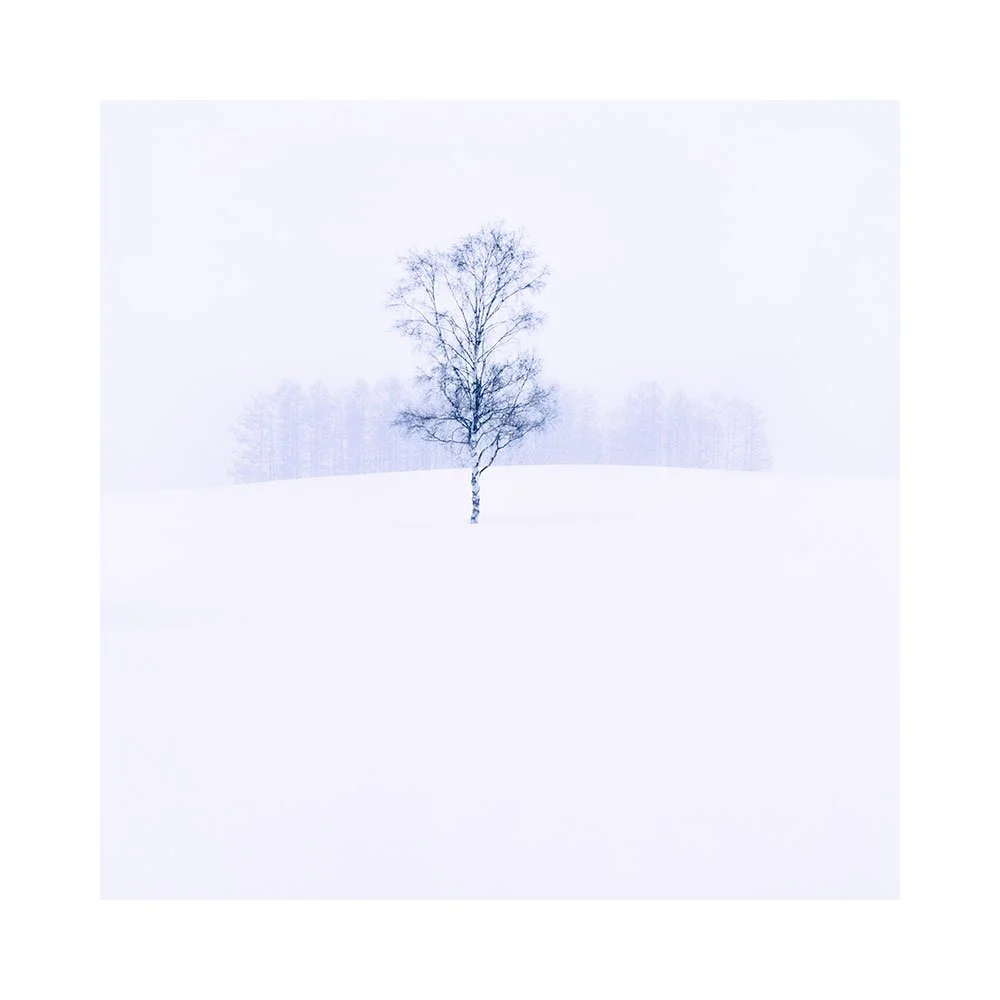
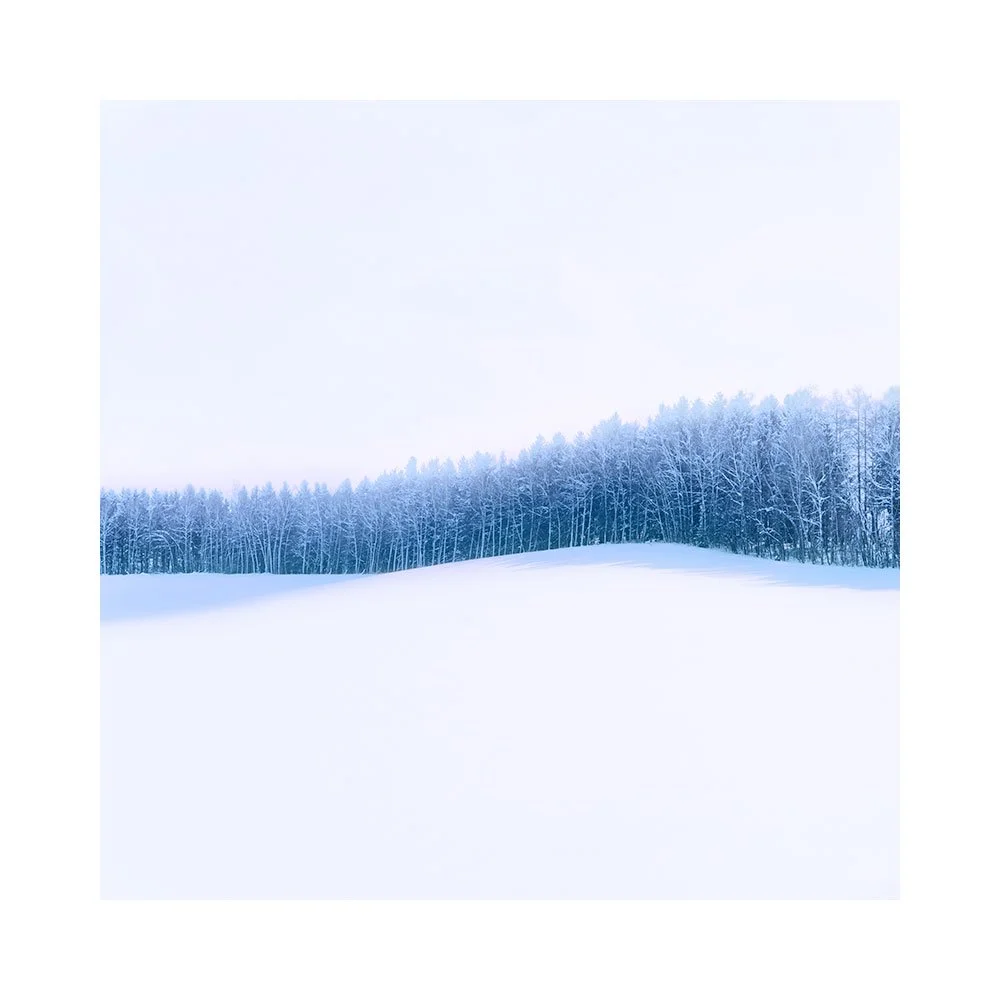
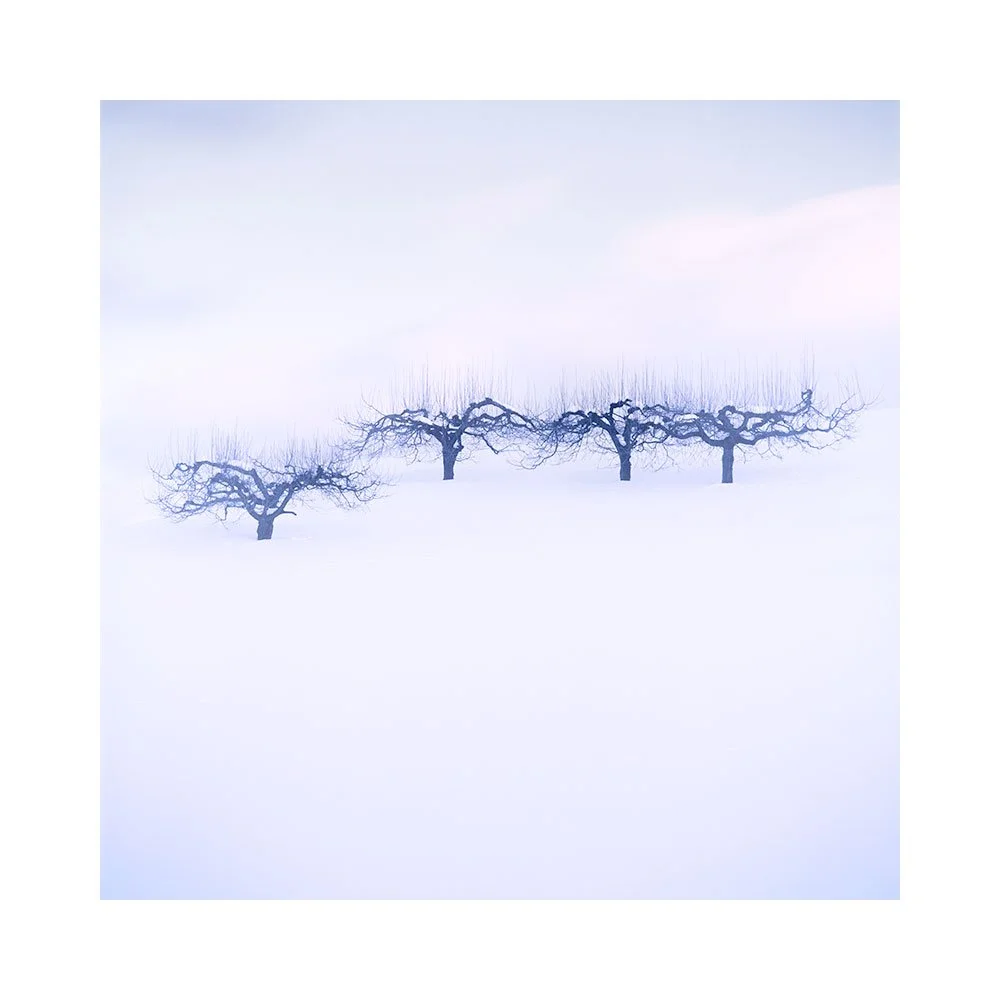
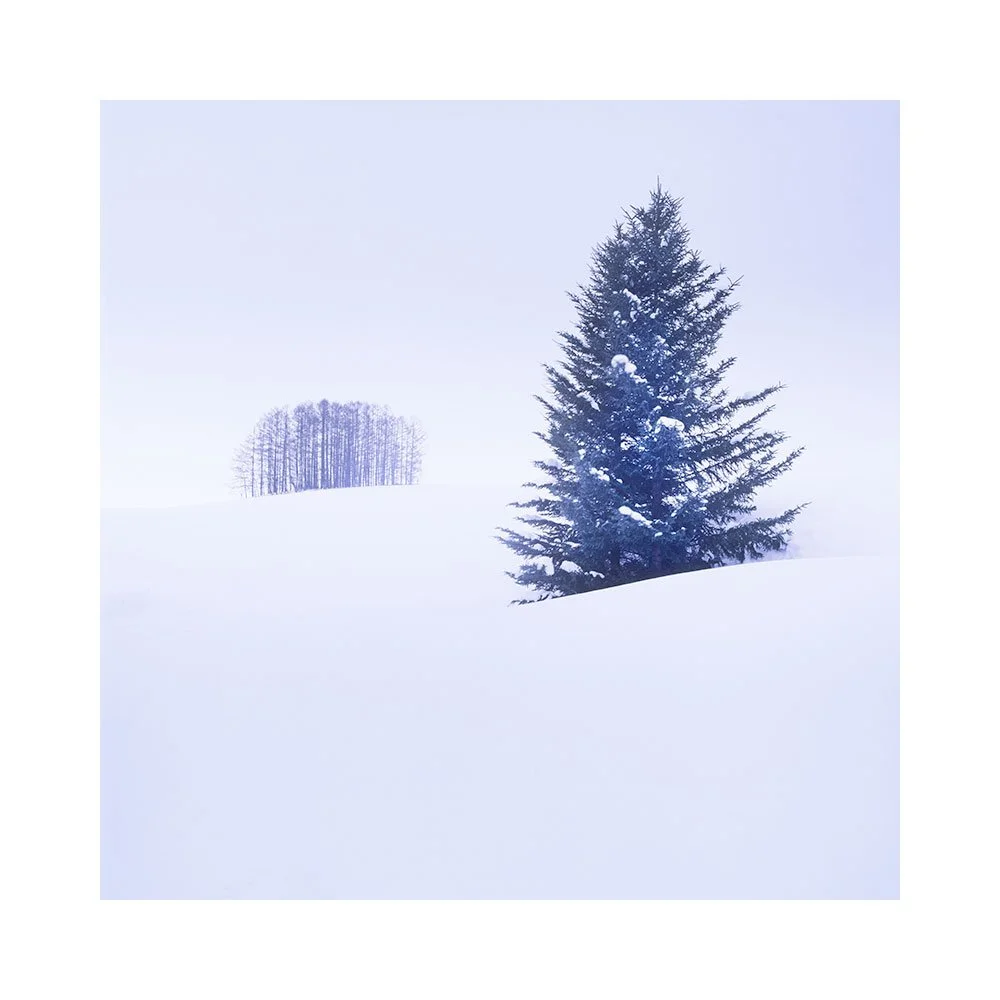
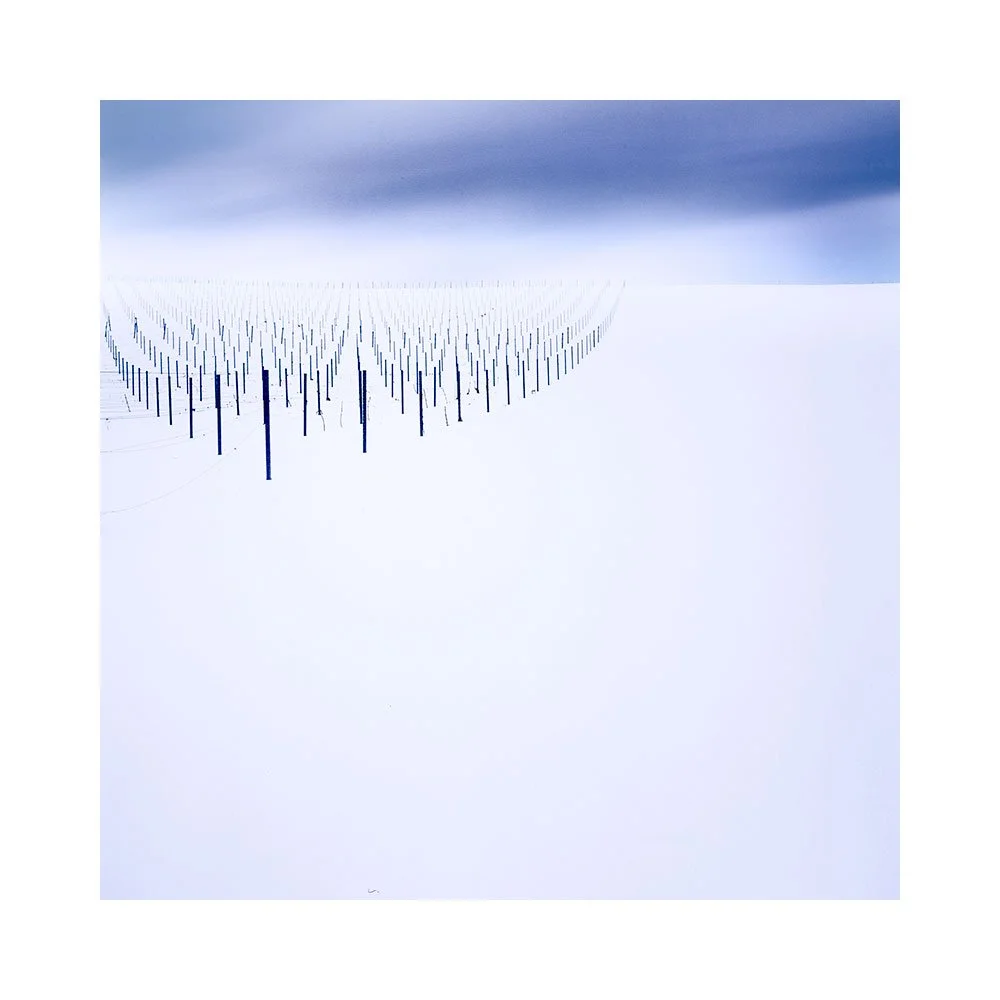
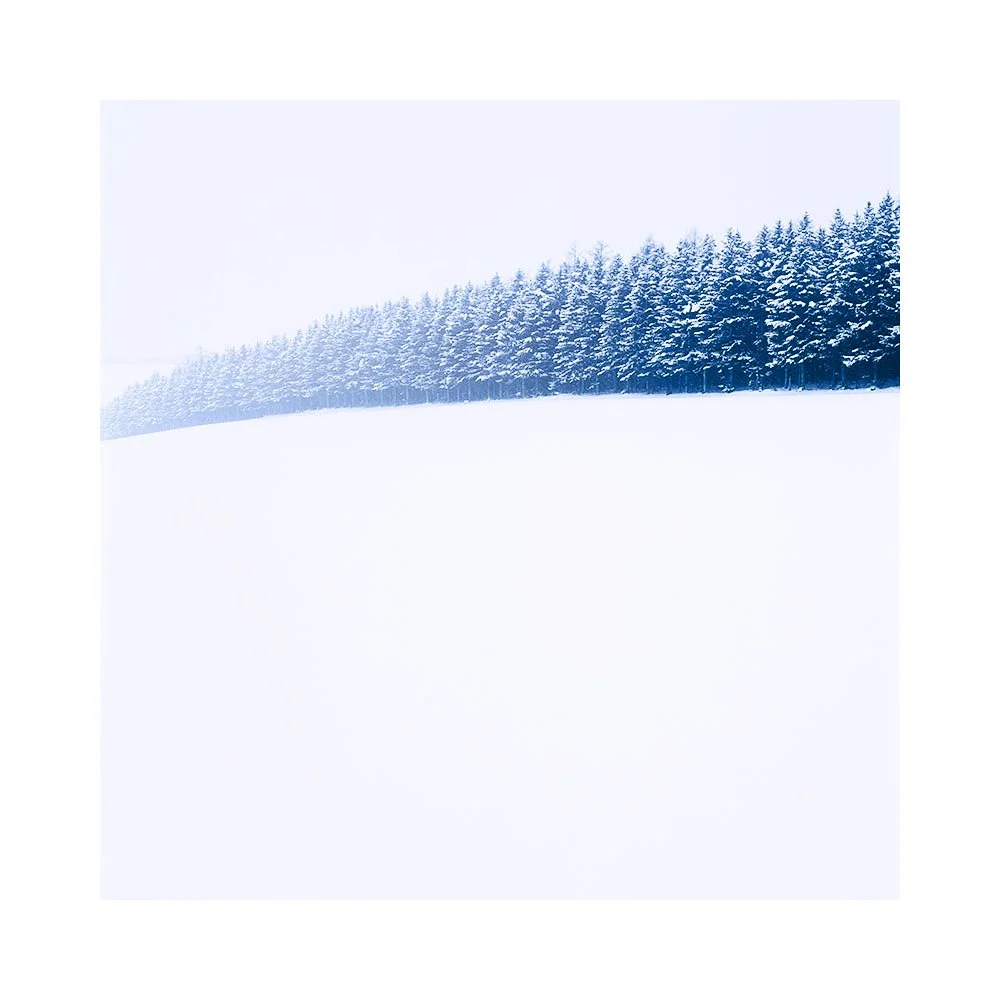
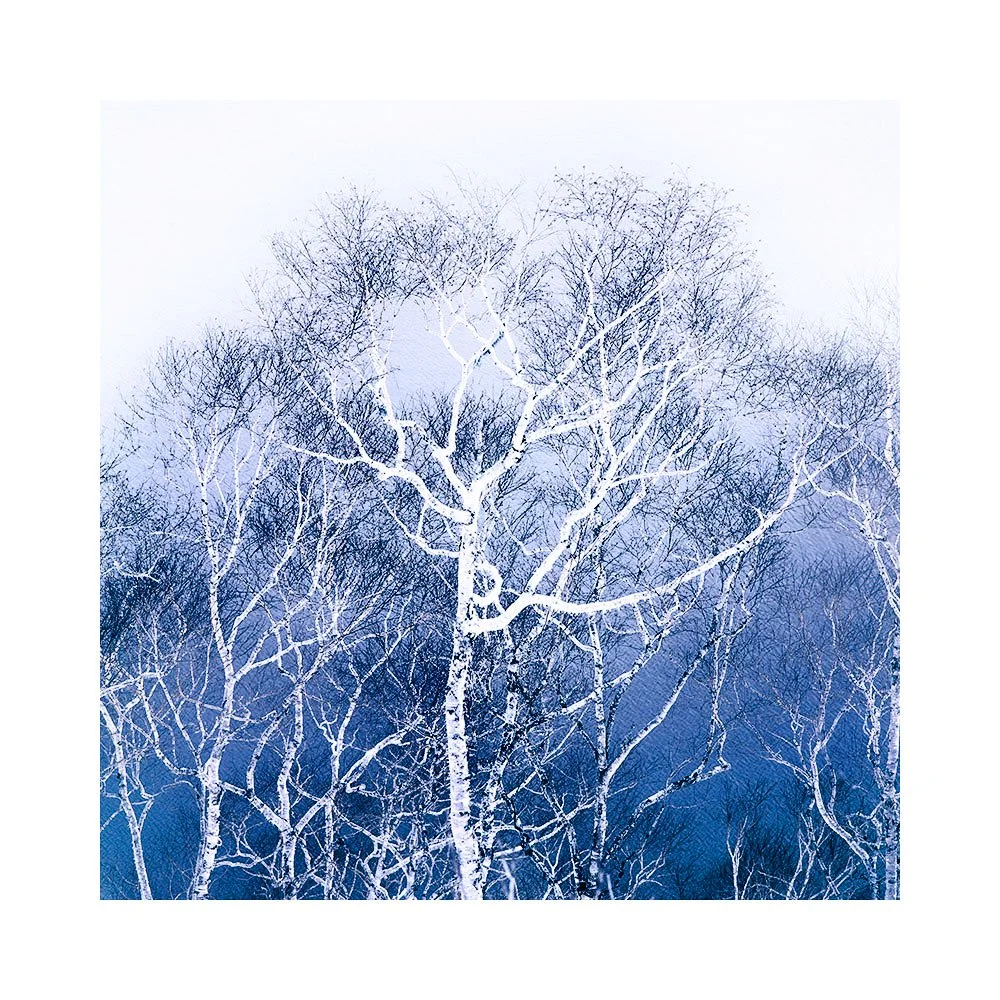
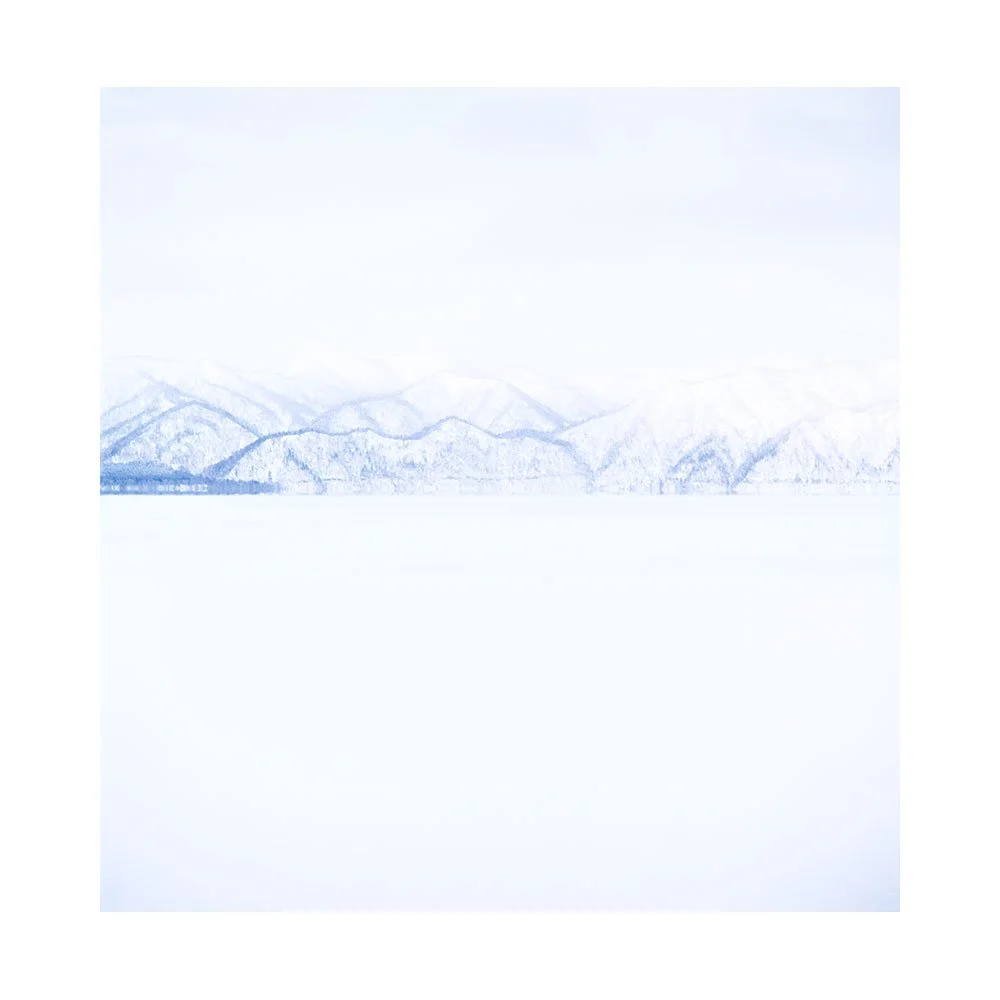
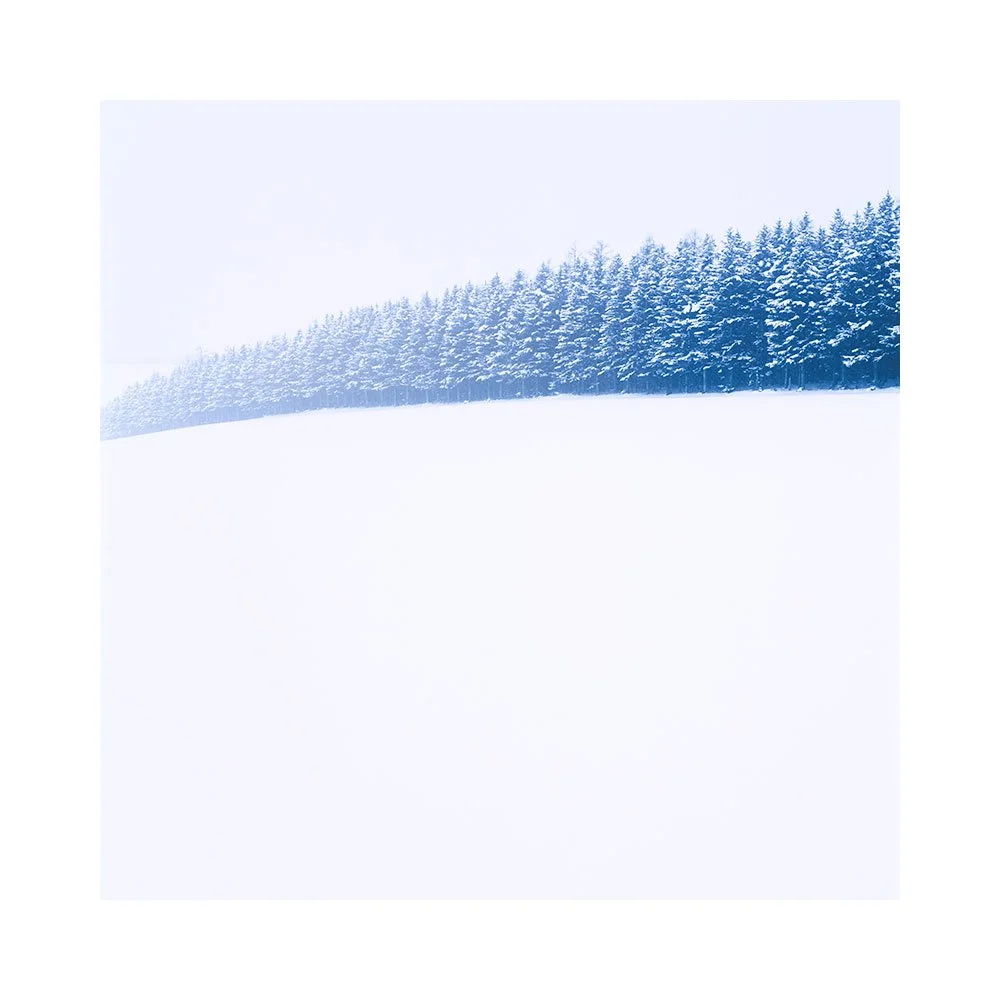
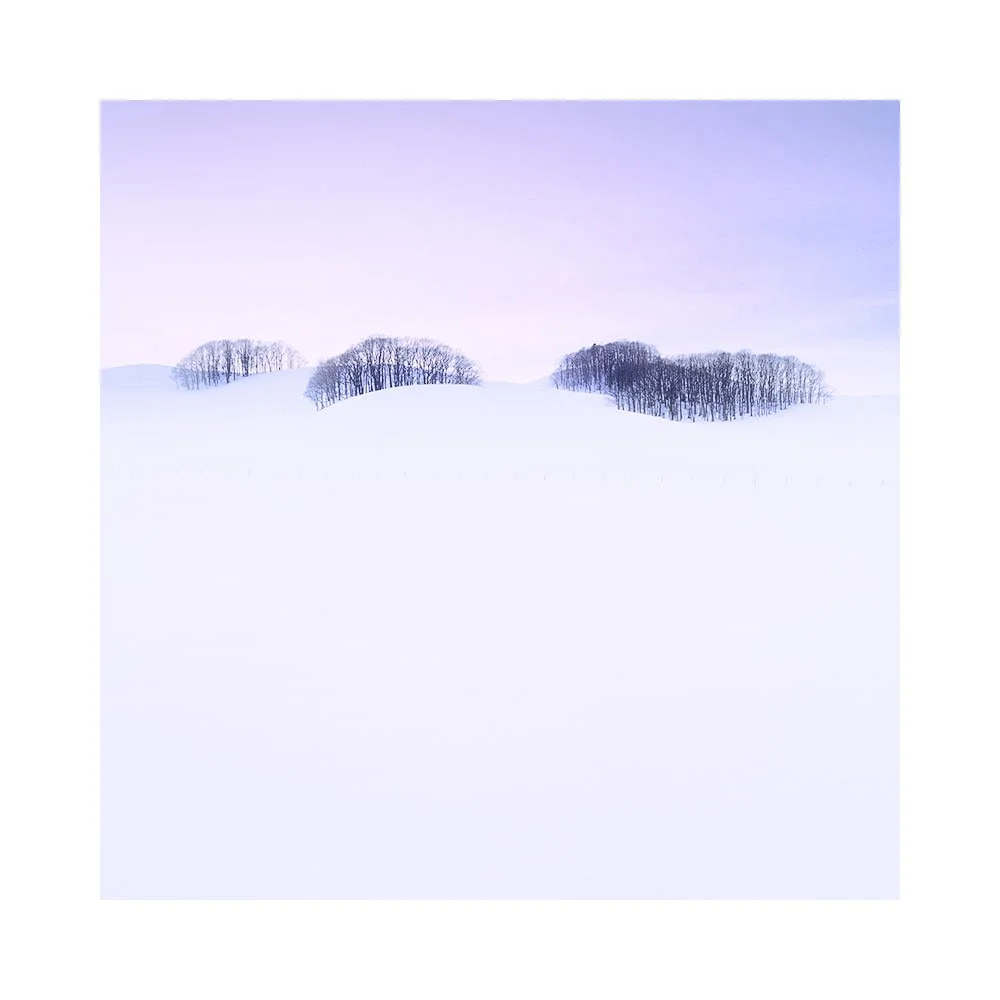
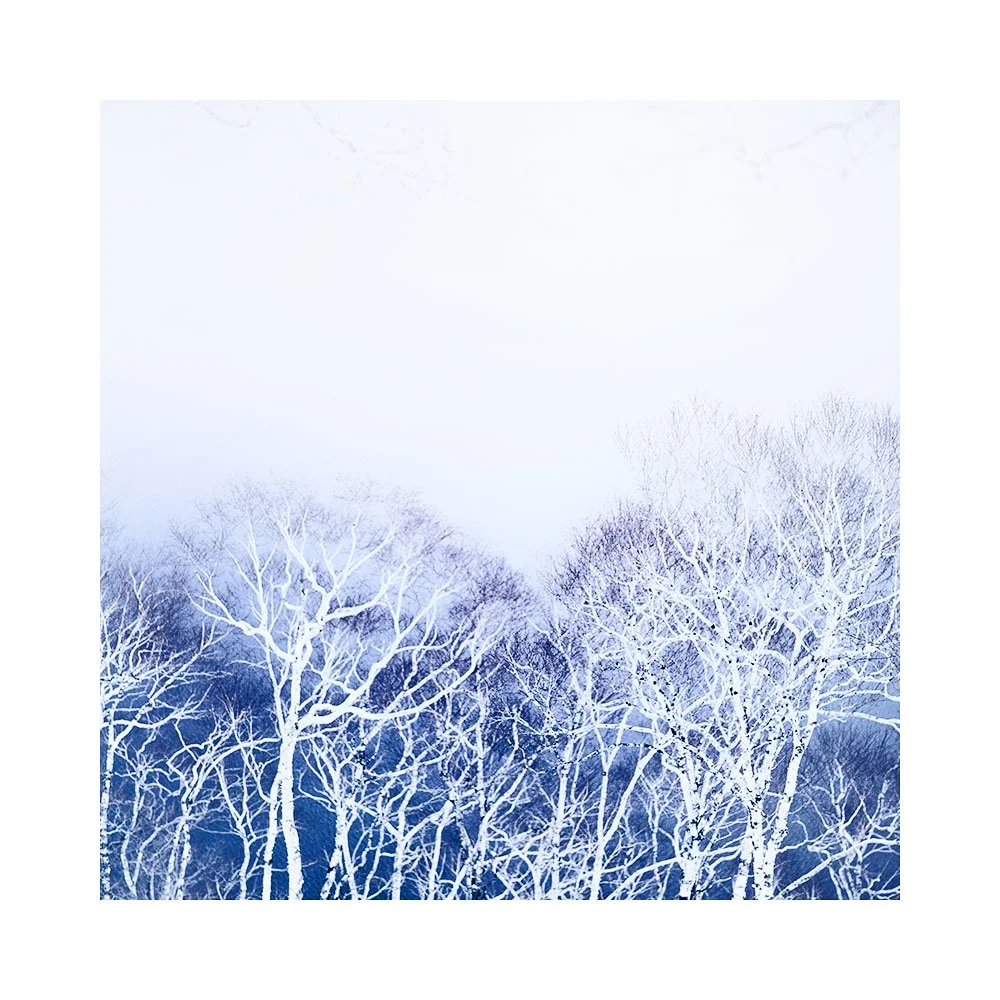
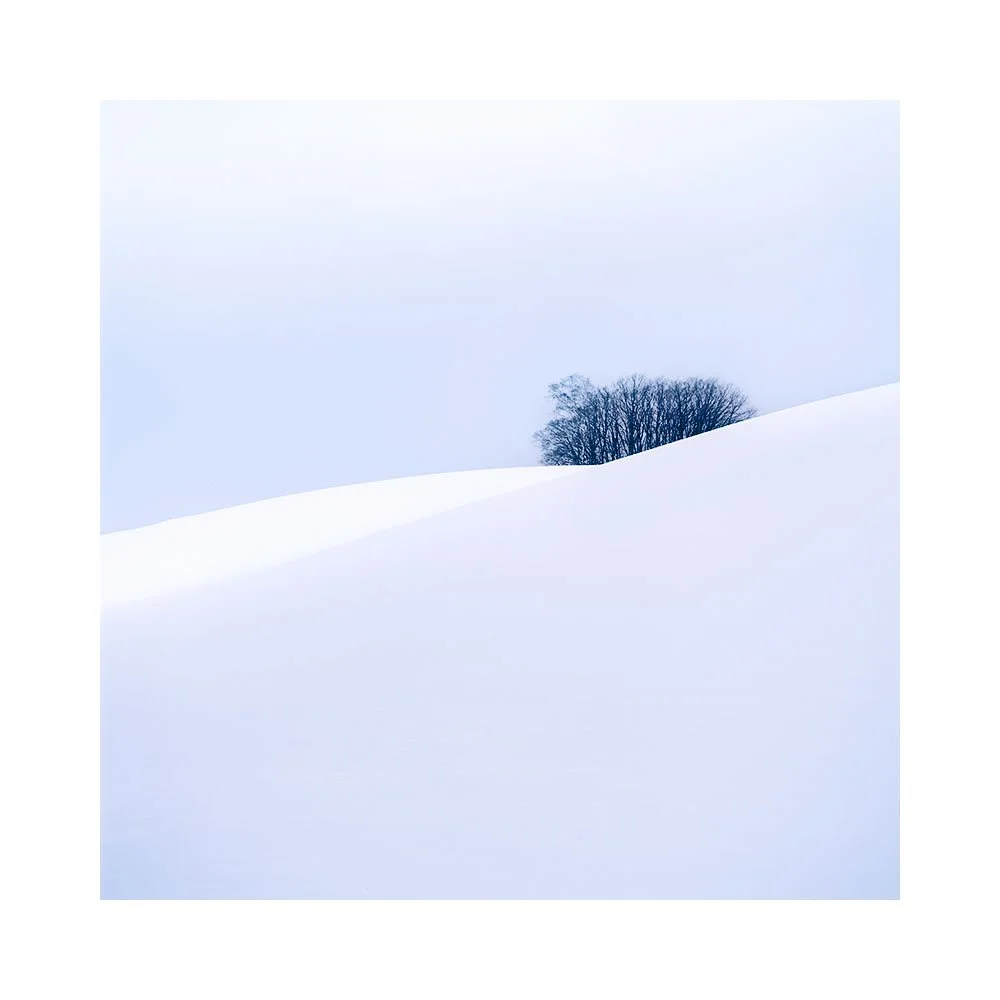
However, it was on day five, after allowing space away from the work, that I realized I could push the images even darker. This moment of reflection emphasized a valuable lesson: emotional distance helps in identifying areas that need more work. When you're too close to the subject, interpretation can be skewed, clouding judgment. The first half of the editing journey involved confirming that I used the full tonal range available to me. While some projects demand a narrower tonal range, this series benefited from deeper blues—a characteristic that increasingly became a focal point throughout my editing. By allowing myself to step back, I could see the narrative unfolding more clearly, revealing hidden layers within the images.
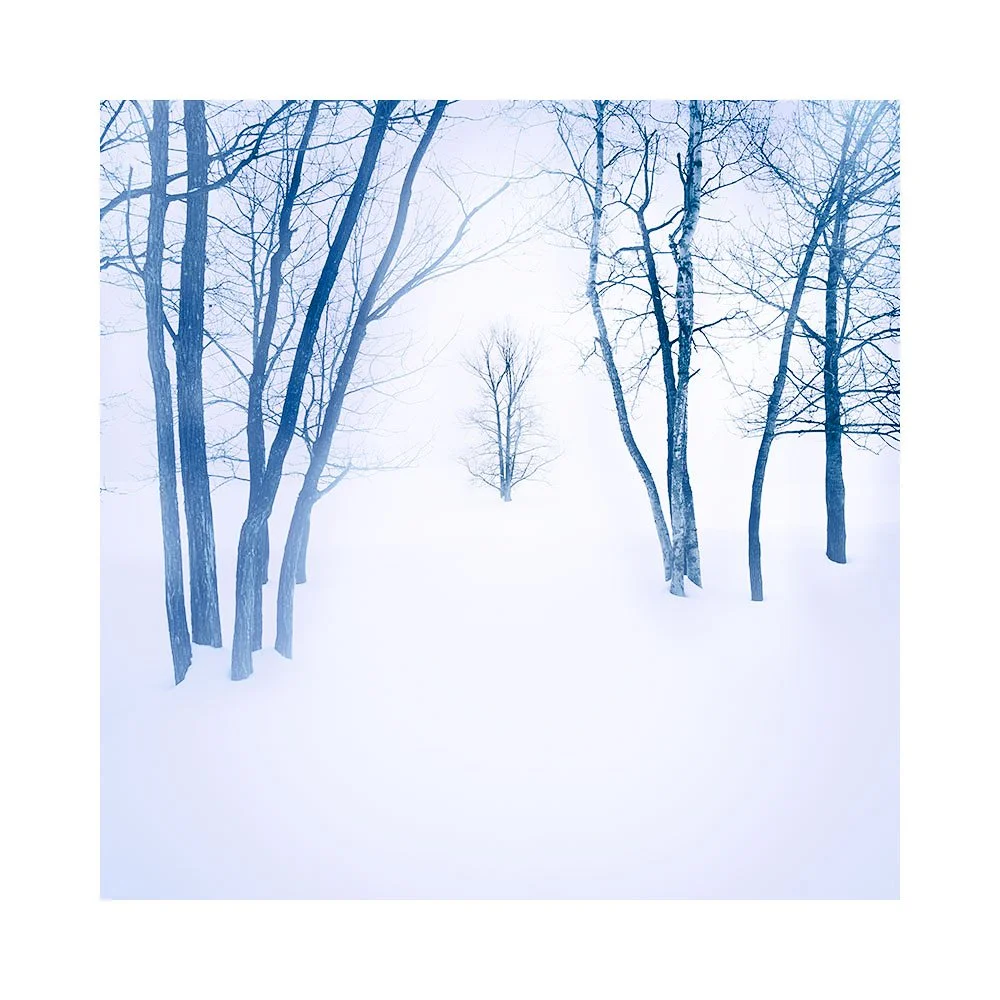
You can take a closer look at the final portfolio images below:
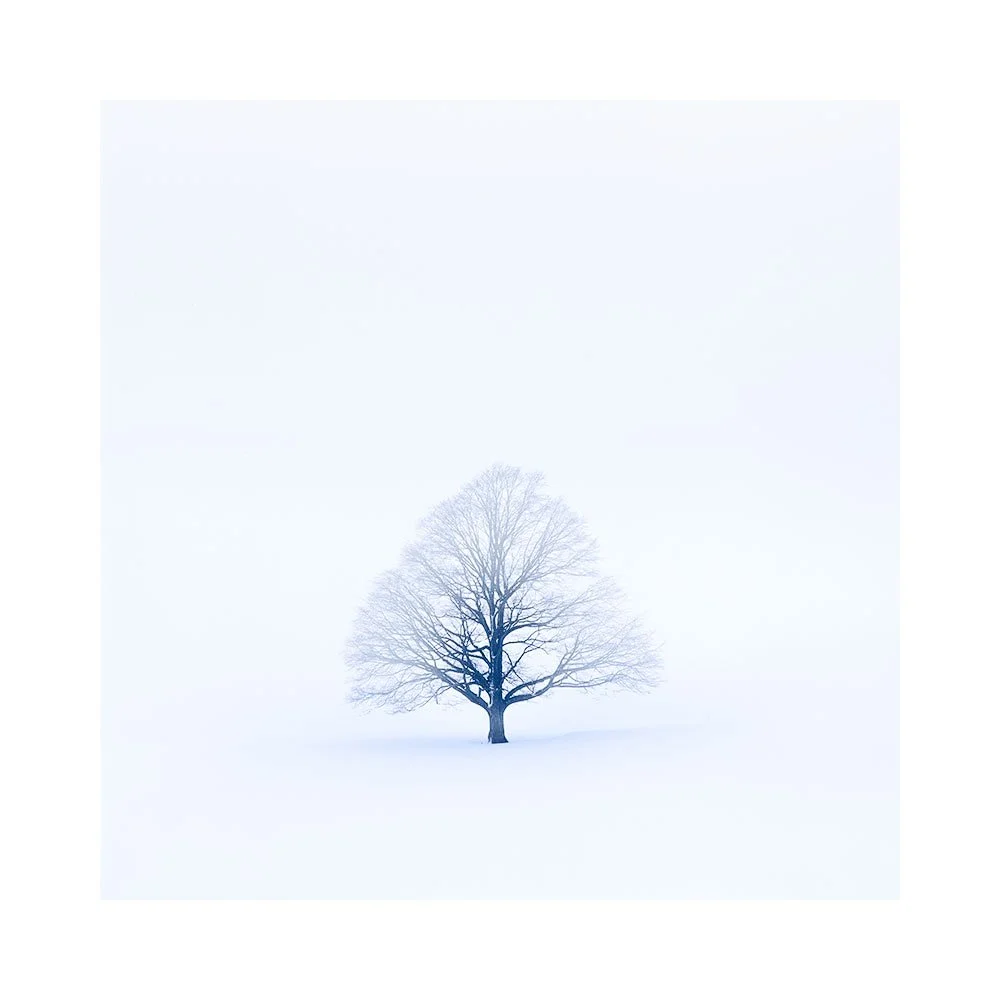
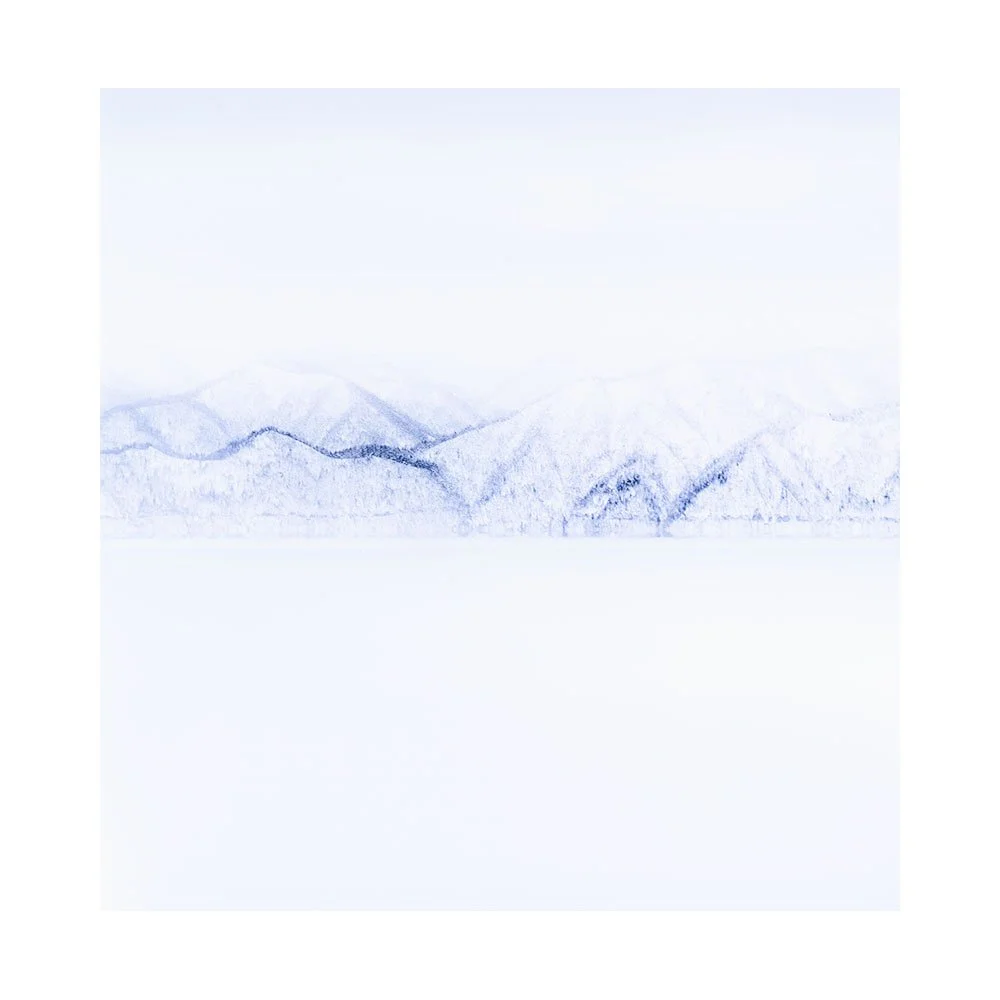
View fullsize
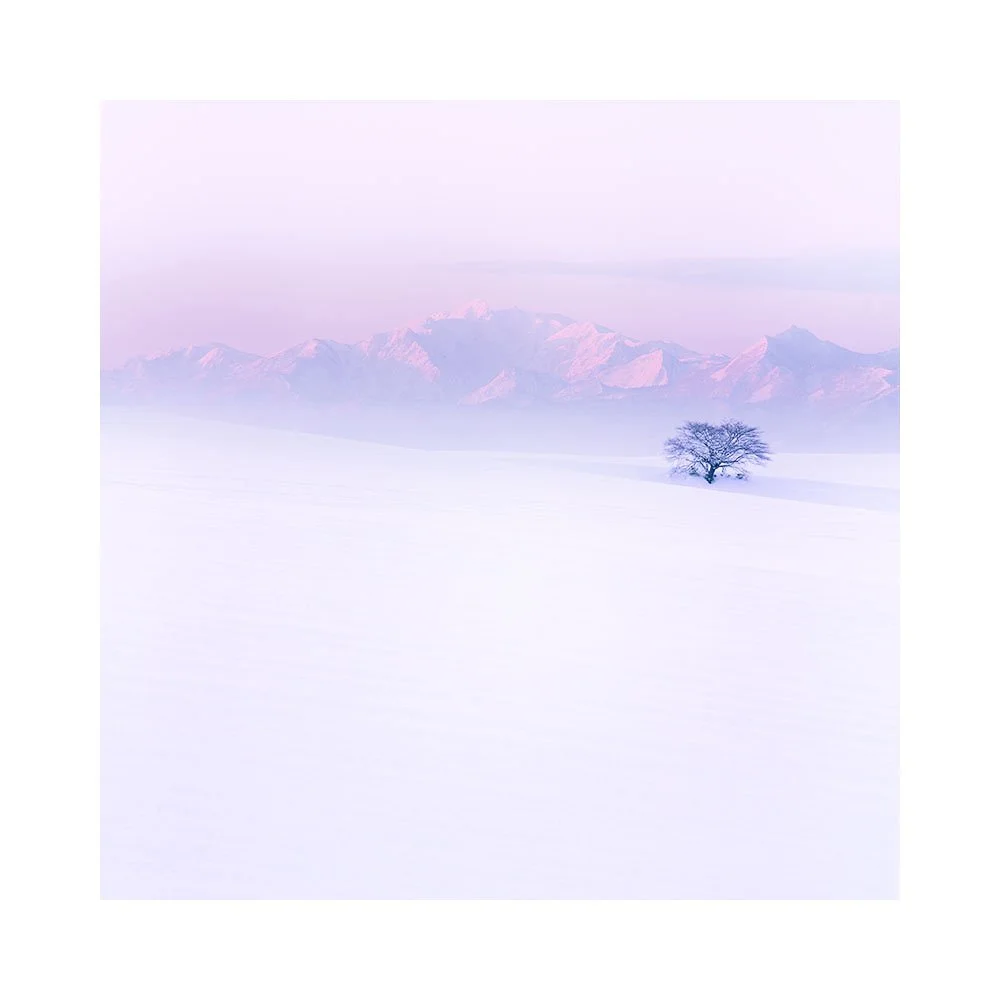
The Power of Iteration
The path toward the final version involved several revisions, refining layers of depth and contrast. When I initially perceived the images as nearly complete, it became evident through time that final touches were necessary. This iterative process goes beyond superficial adjustments; it reshapes how viewers emotionally connect with each image. Each tweak not only refines the image technically but reshapes its narrative, subtly guiding the viewer’s emotional experience.
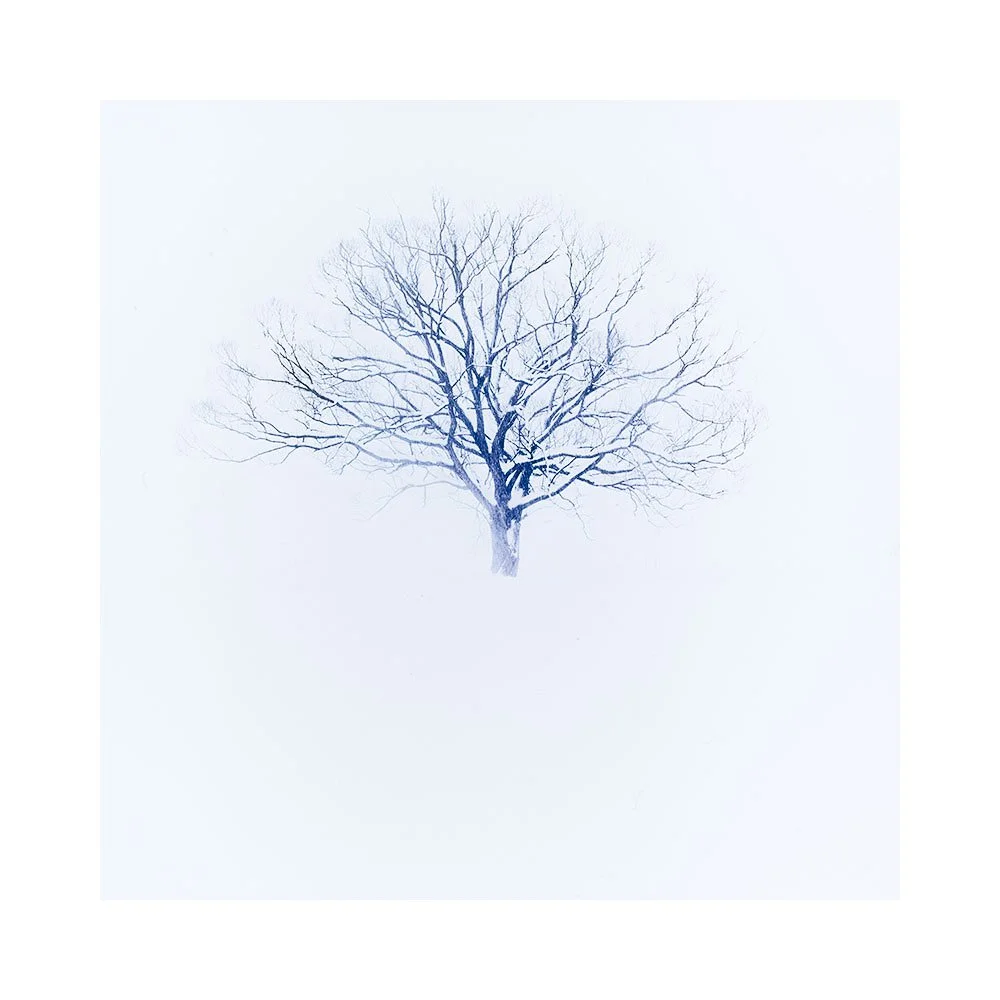
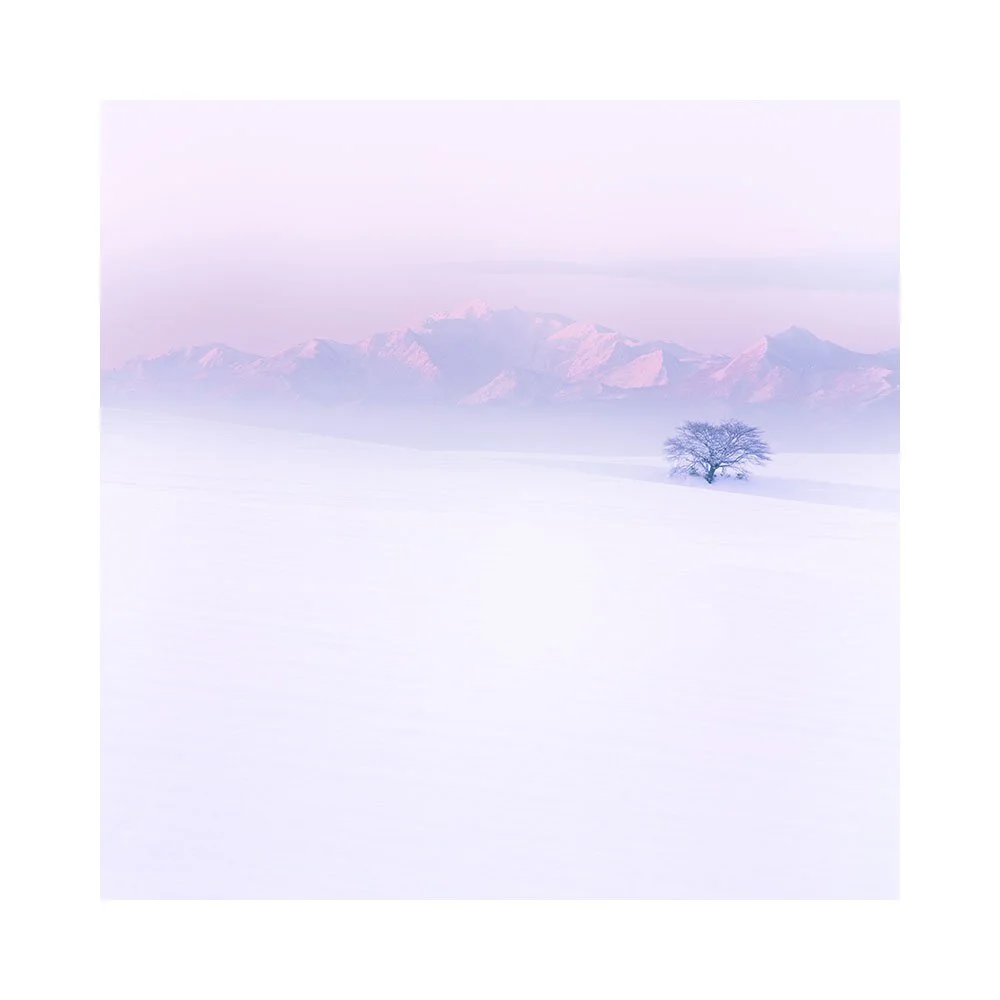
Here’s a closer look at the previous revision, highlighting the contrast with the final set. Each revision brings a different narrative, revealing just how evolving one's perspective can alter the experience of the work. Sometimes the most significant changes arise from the smallest of adjustments, bringing forth aspects of an image that were previously muted. Imagine if I hadn’t revisited these images—some of that depth would have been lost forever:
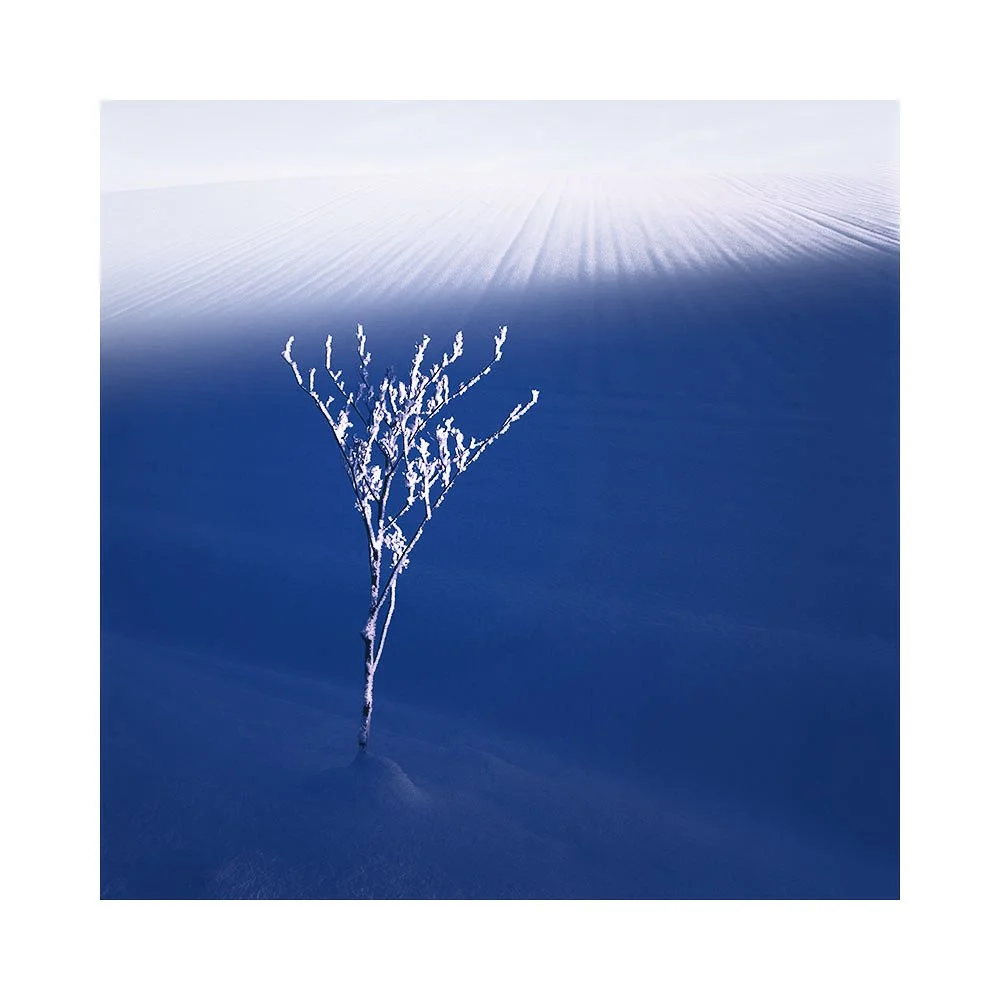
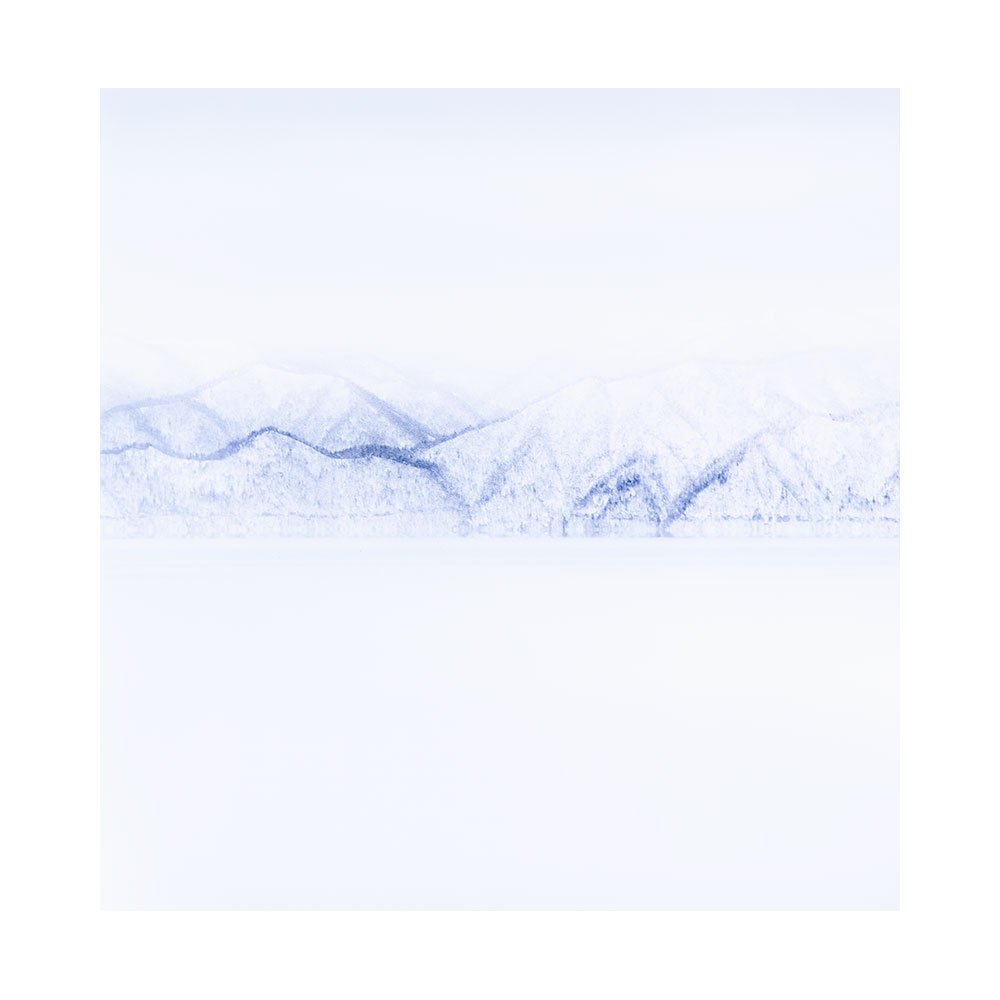
View fullsize
Understanding Tonal Range
A significant part of achieving the intended mood involved mastering tonal dynamics. Darker tones can dramatically shift the emotional impact of an image. Throughout my editing saga, the realization that the blue hues needed enhancement became a critical point for me. It showcased how important it is to pour time and consideration into our work—to let it breathe before finalizing our creative decisions. An image isn't just a snapshot; it’s an emotional canvas that echoes the photographer's intent.
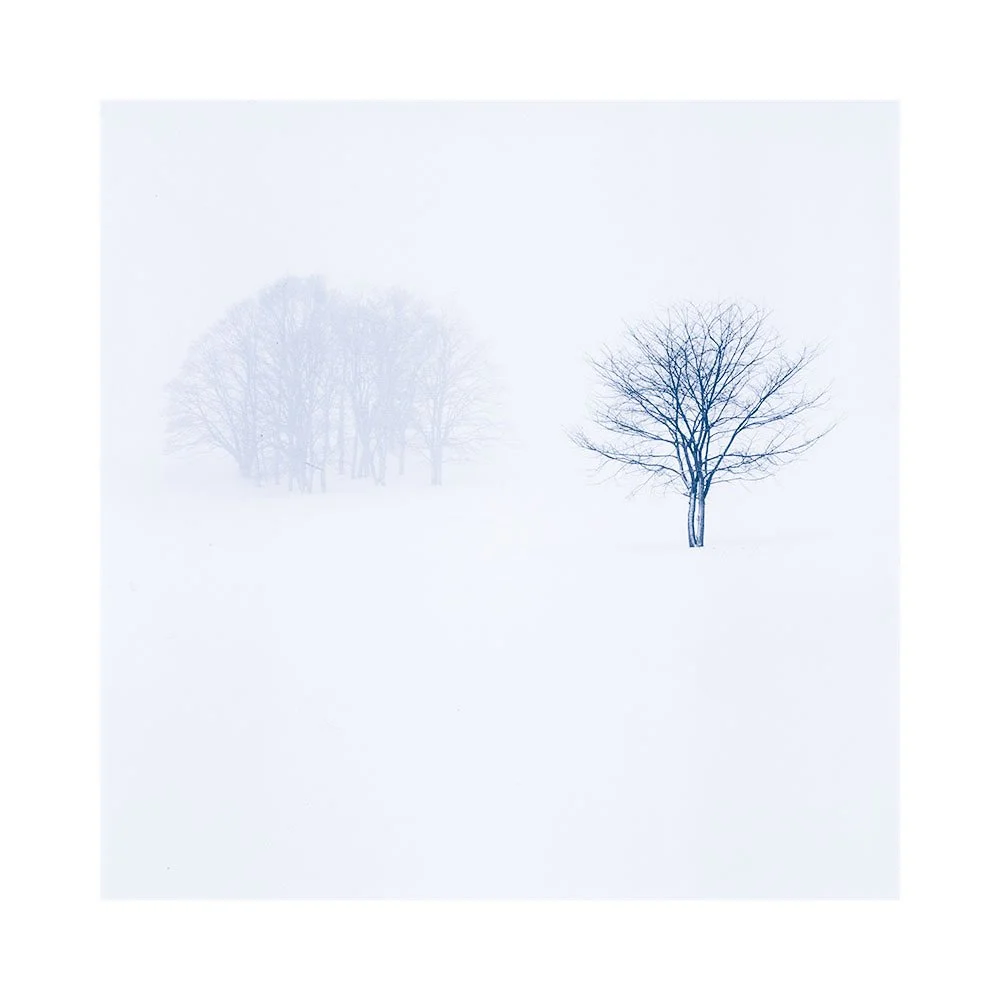
To illustrate this, the images included in both revisions serve as a comparative analysis, not to declare one superior over the other but to demonstrate how perception shifts with time and reflection. It’s like looking at the same piece of art years later and discovering new insights, **a valuable reminder that our work is never static**.
View fullsize
Takeaway from the Editing Process
Ultimately, the overarching takeaway from my revision journey is realizing the value of patience and distance from one's work. The necessity to revisit the images after taking time away proved vital in discerning where improvements could be made. Engaging in such a dialogue with my portfolio reaffirms the idea that good photography often stems from persistent refinement. This type of reflective practice can significantly improve not just current projects but sharpen skills for future endeavors.
If you're working in this space, consider engaging in a similar practice. Whether you’re a hobbyist or a seasoned professional, evolving your portfolio through an iterative process can lead to remarkable enhancements. How might your own perspective change over time with distance from your edits? This question encourages active reflection, nurturing a dialogue between the photographer and their work that can yield profound insights.
Implications for Future Projects
The insights gained from this editing experience extend beyond just these images and could influence future projects. With the understanding that emotional distance is essential, future efforts will involve similar pauses during the editing processes. Implementing structured breaks could lead to richer revisions and allow a more robust exploration of tonal dynamics. This way, you're not just editing images; you're crafting a more compelling narrative. The art world is invariably about interpretation, both from the artist's and the audience's perspectives.
In essence, photography is as much about what you present as it is about the choices you make in editing. As the depth of the images evolves, so does the story they tell. It's also a reminder to document these journeys—the mistakes, the lessons, and the triumphs—because they inform future creativity. After all, great photography is built on a foundation of continuous learning and reflection.