Discover how the vibrant street art of Purmamarca, Argentina, comes alive through stunning photography with a Leica M240 and Light Lens Lab lenses.
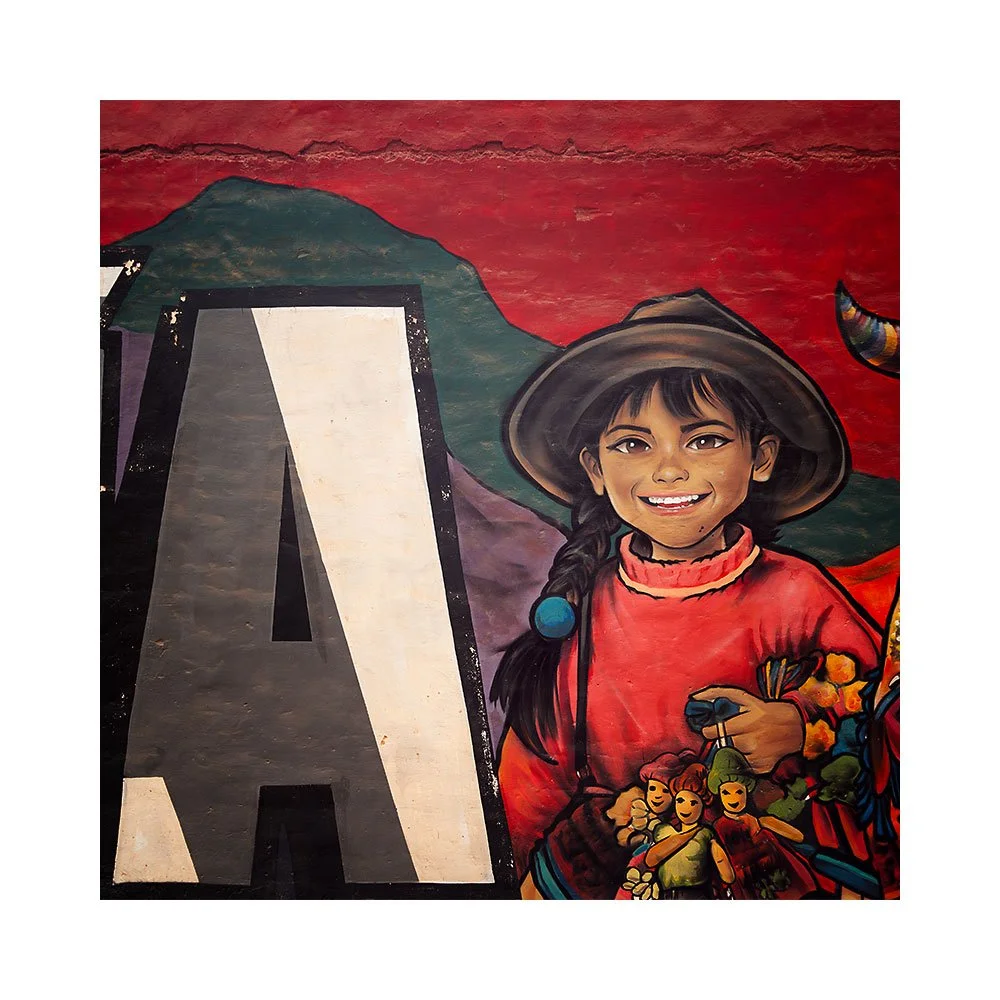
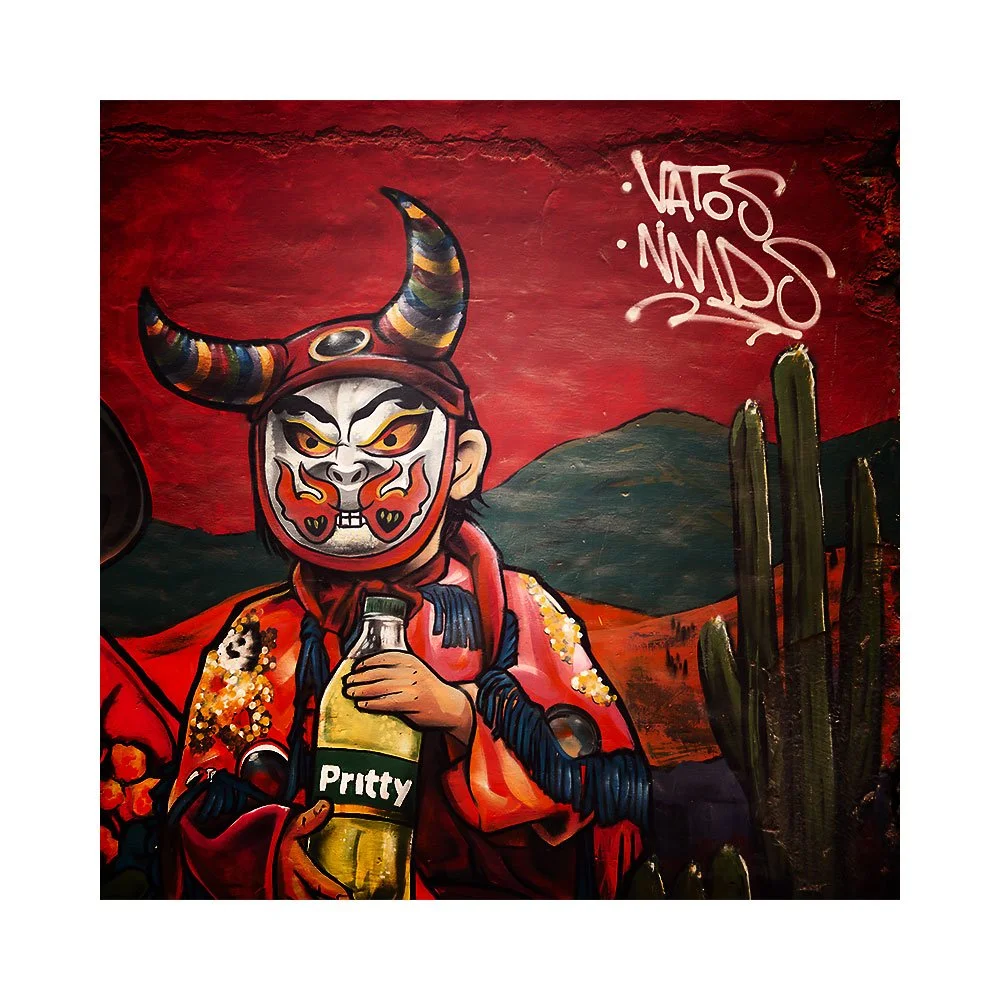
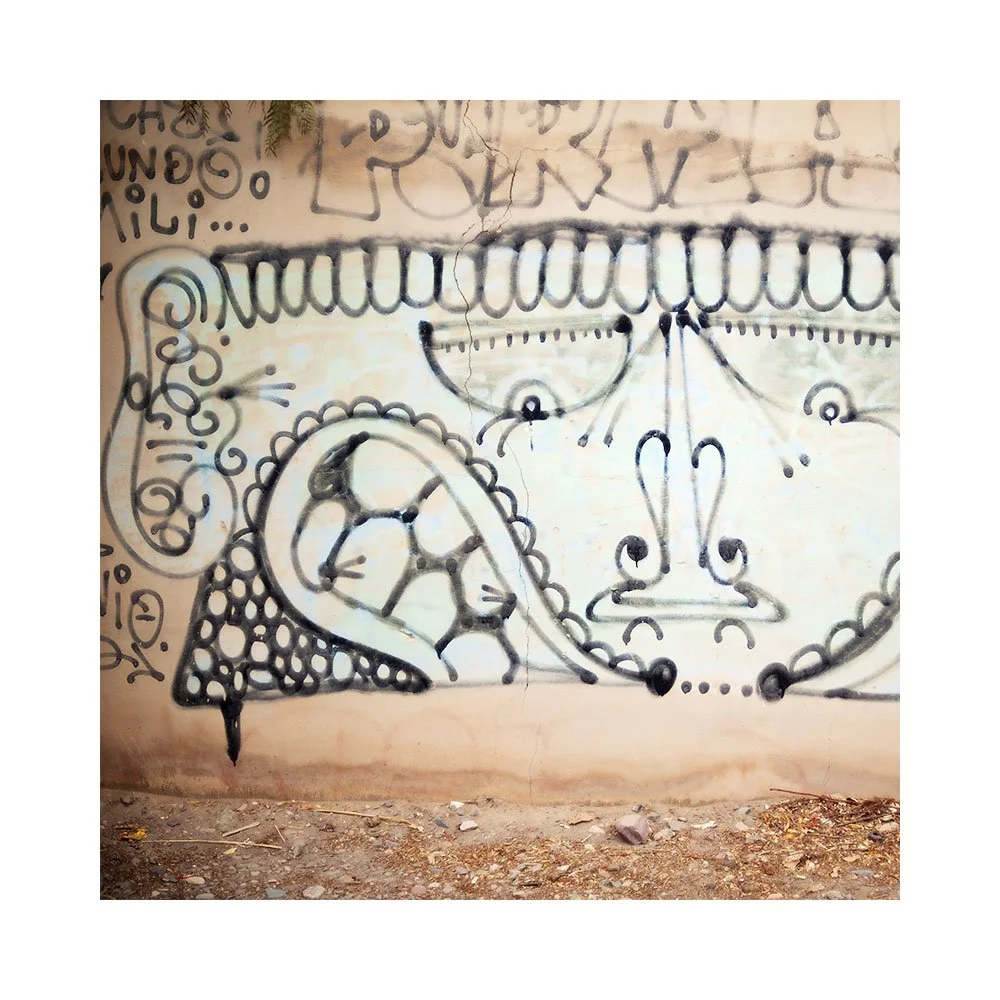
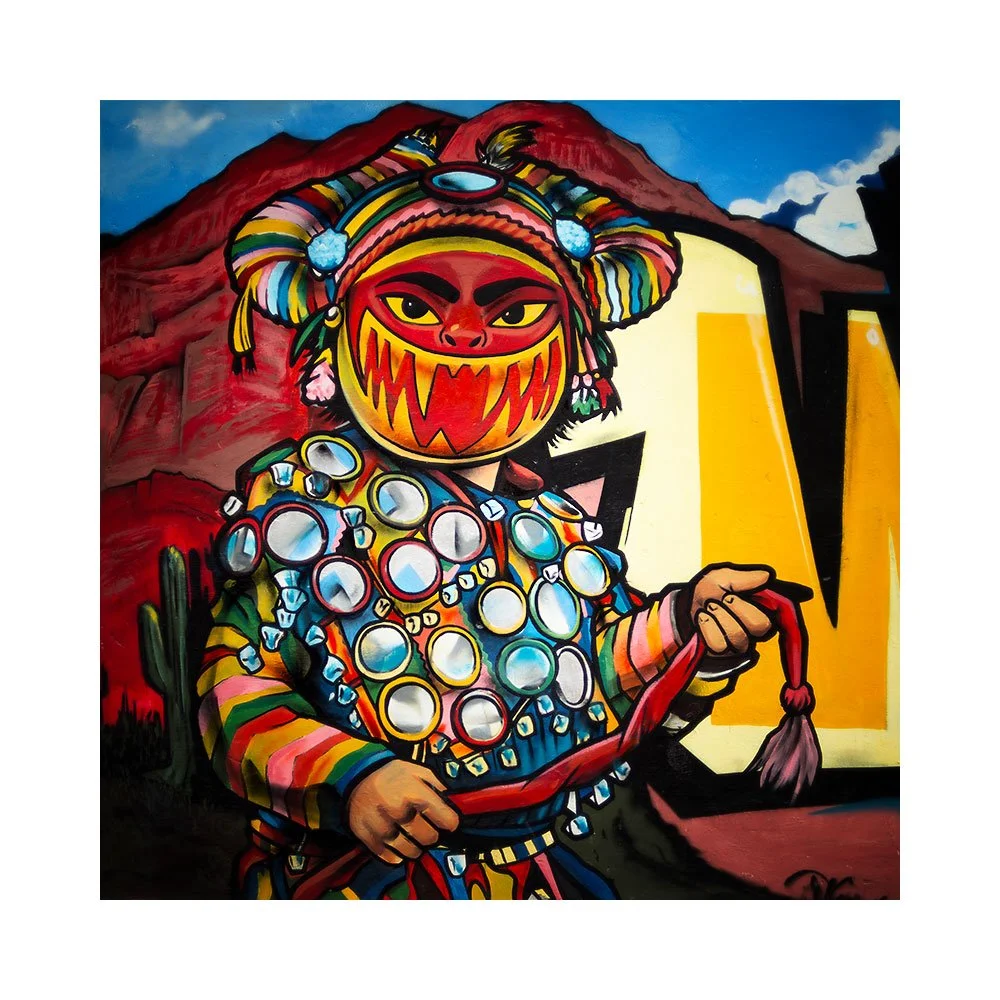
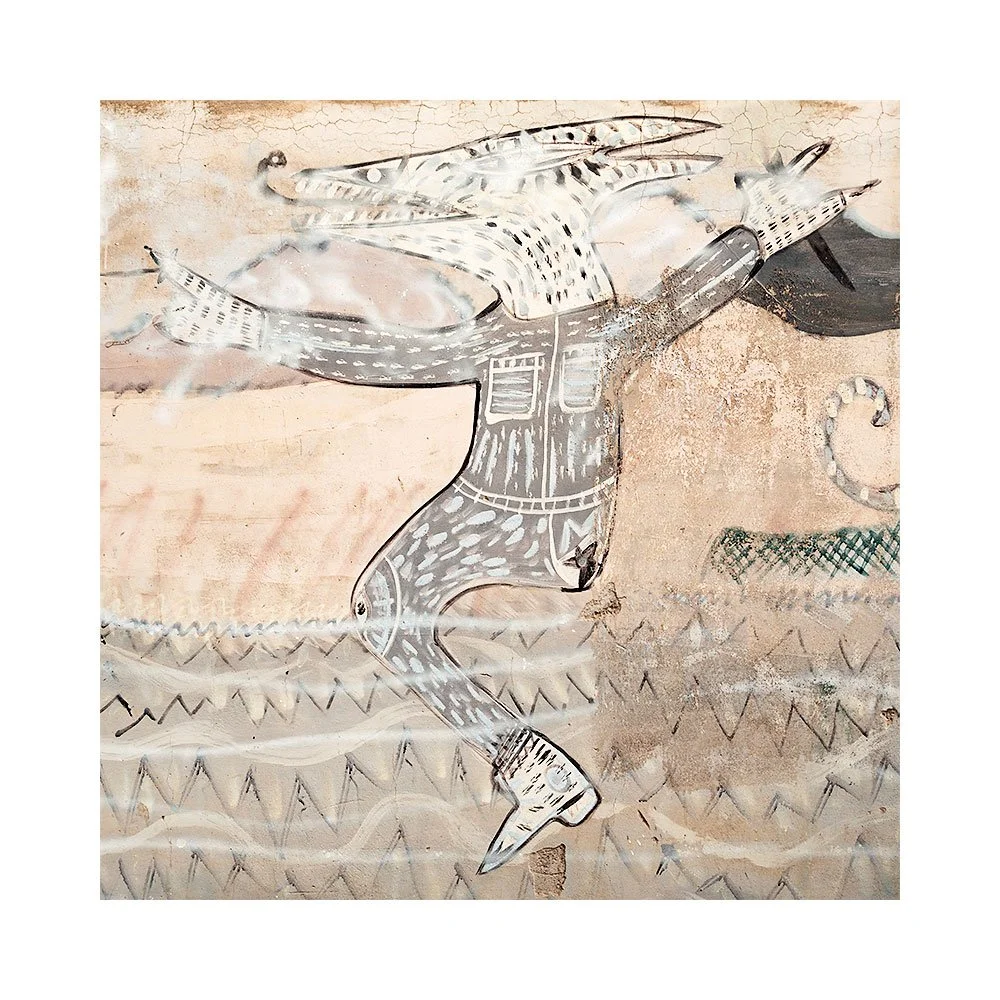
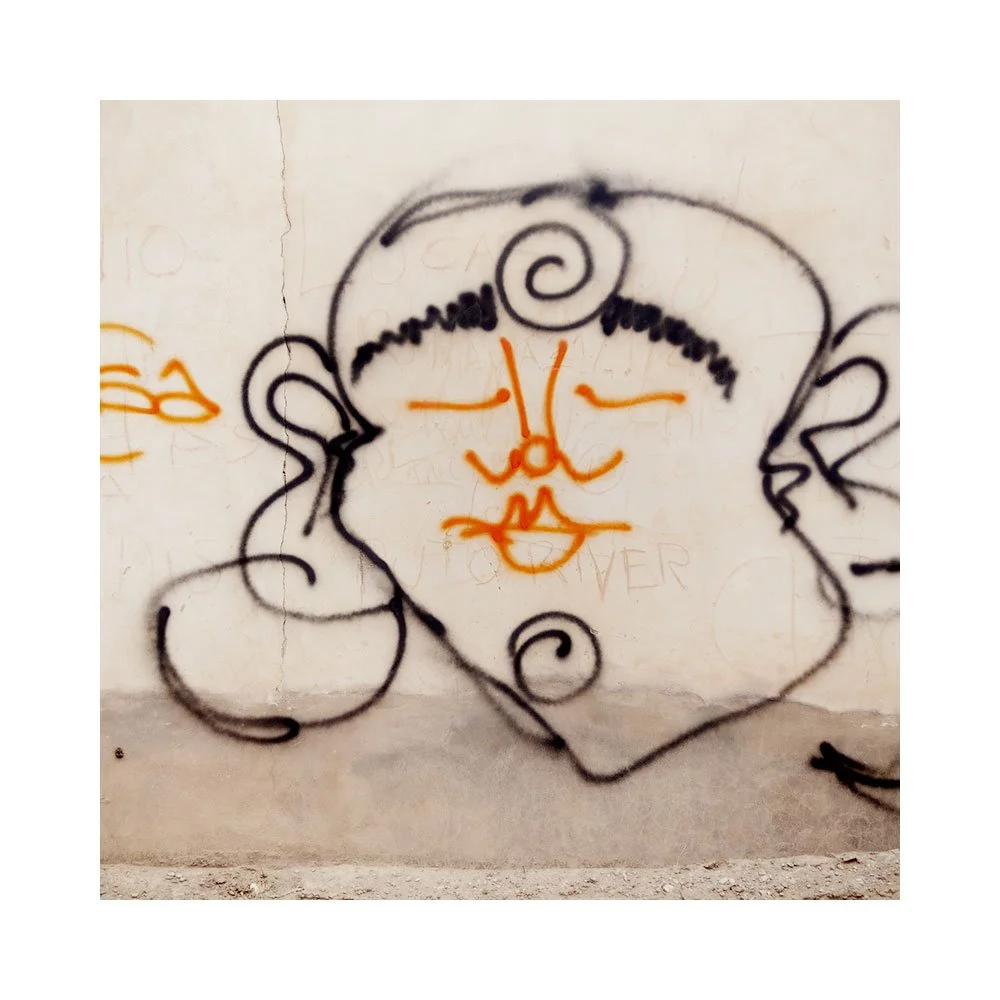
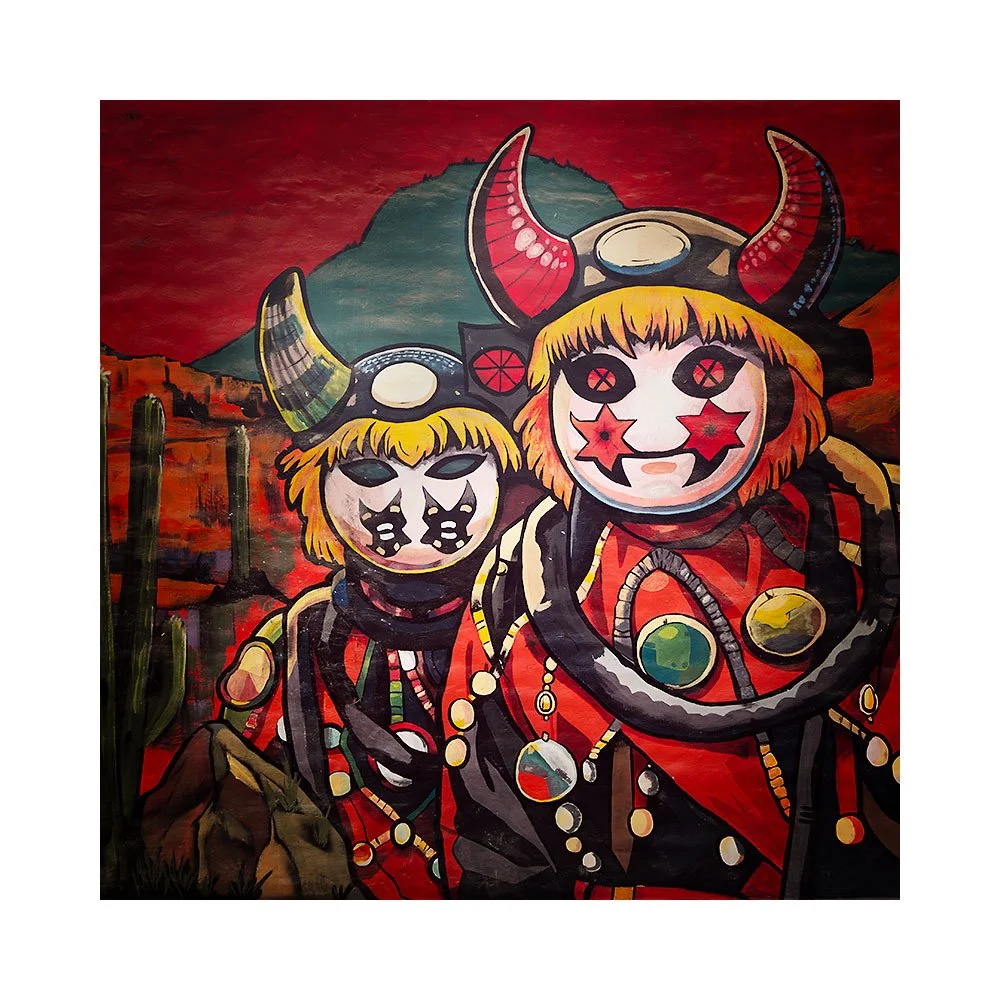
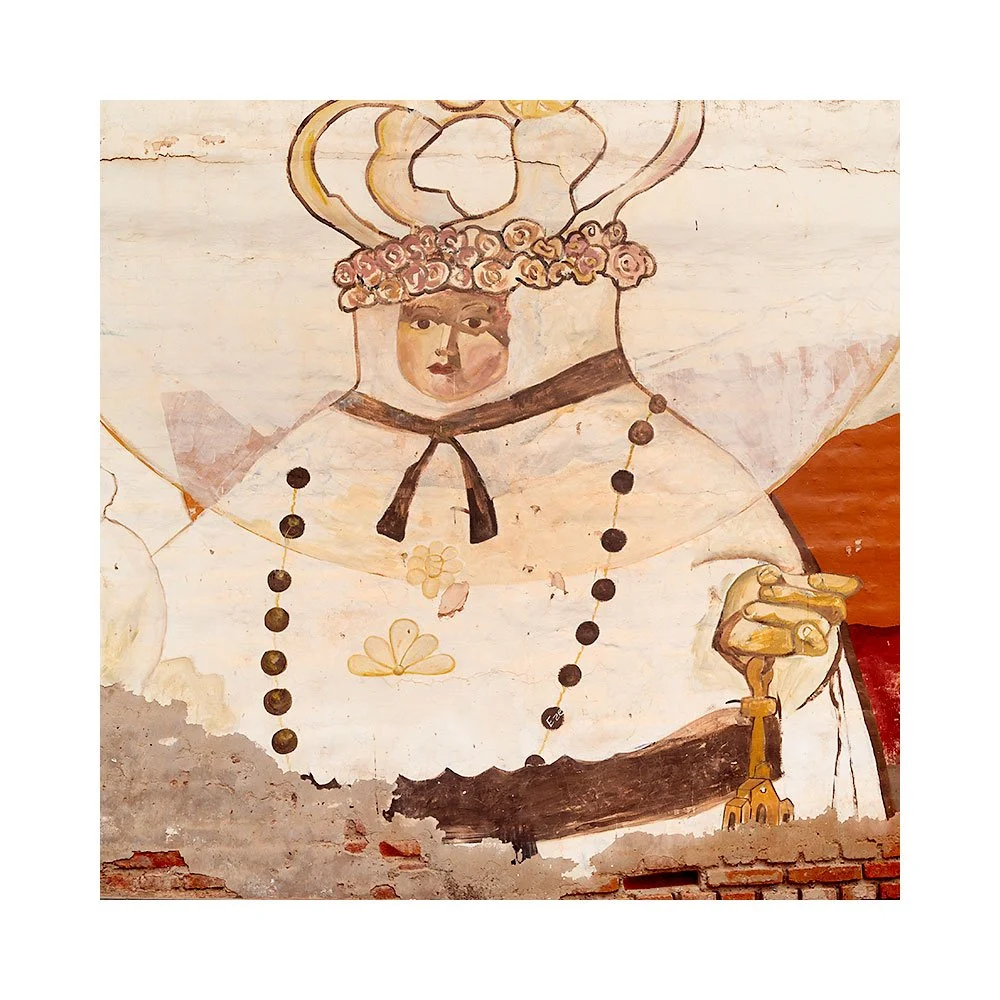
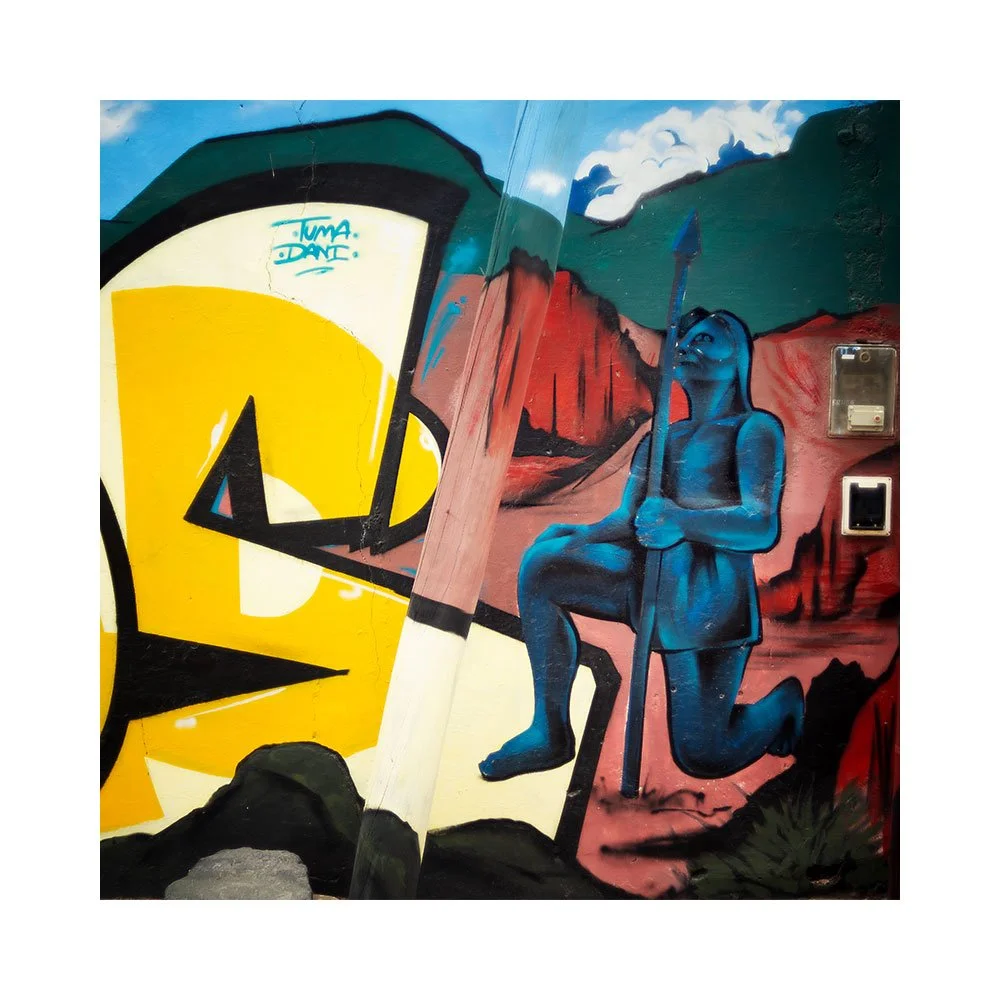
Photographer's adventures can lead to unexpected treasures, and that’s certainly the case in Purmamarca, a picturesque town in northern Argentina known for its stunning landscapes and vibrant street art. A recent excursion with a classic Leica M240, paired with Light Lens Lab lenses, yielded a captivating series of images that showcase the colorful expressions of this unique locale.
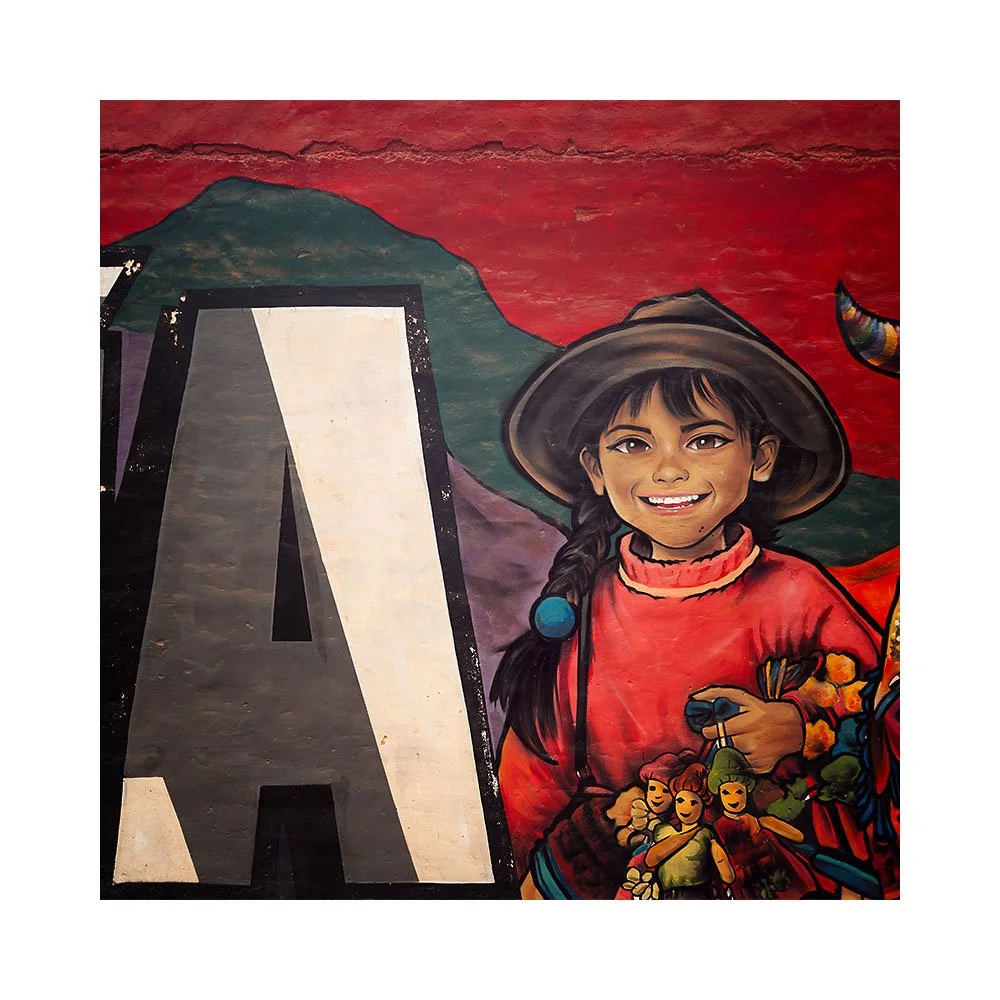
The Leica M240 Experience
The Leica M240, renowned for its analog charm married with digital precision, offers a unique shooting experience. With its full-frame sensor and straightforward controls, it encourages photographers to think critically about composition and exposure. This hands-on approach allows one to engage more deeply with each shot, fostering creative expression. The Light Lens Lab lenses further enhance this experience, known for their exceptional optical quality and distinct rendering characteristics, allowing the photographer to capture the vibrant hues of Purmamarca's art.
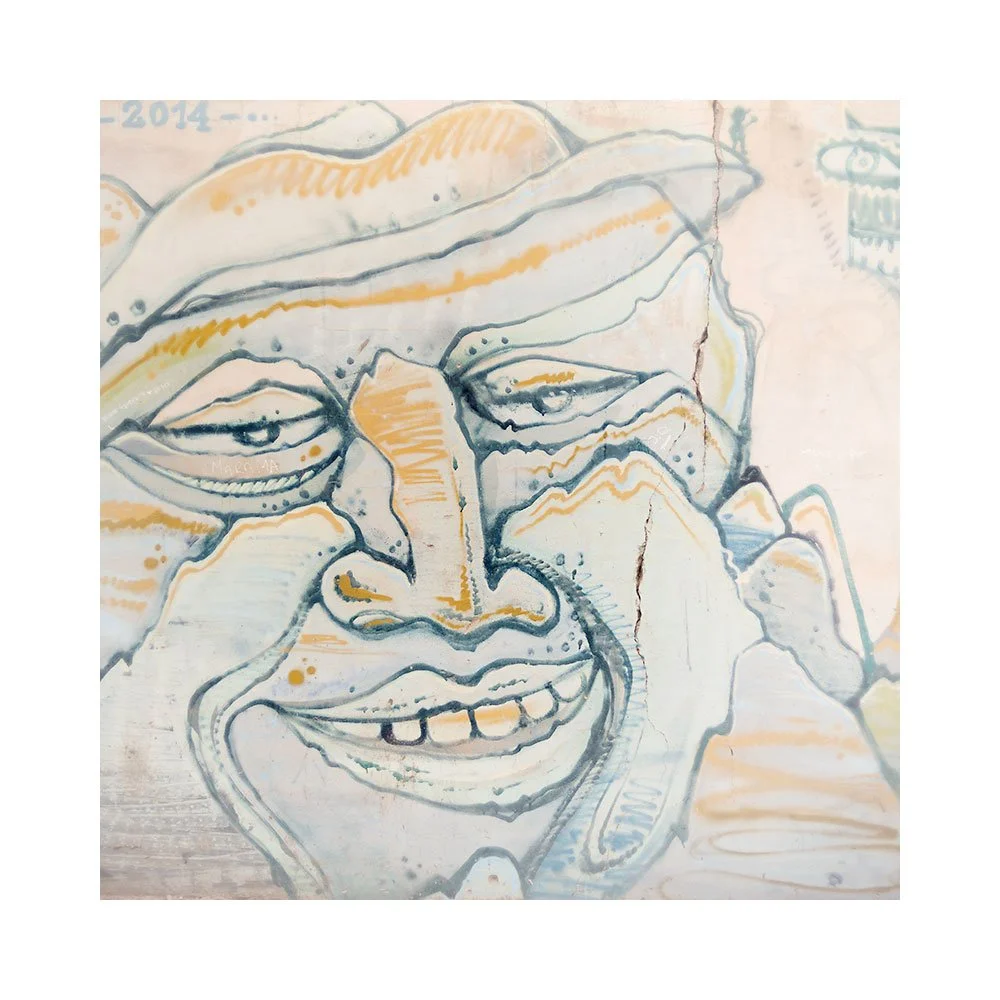
Creating Vibrant Visual Narratives
Beyond merely documenting the street art, the act of photographing in Purmamarca presents an opportunity to create vivid visual narratives. For instance, while shooting in the late afternoon, the soft, golden hour light complements the rich colors of the murals, creating depth and contrast that enhance the overall storytelling aspect of the images. The close proximity to the artwork allows for intimate details to shine — from texture to color gradation — elevating the street art from mere backgrounds to focal points.
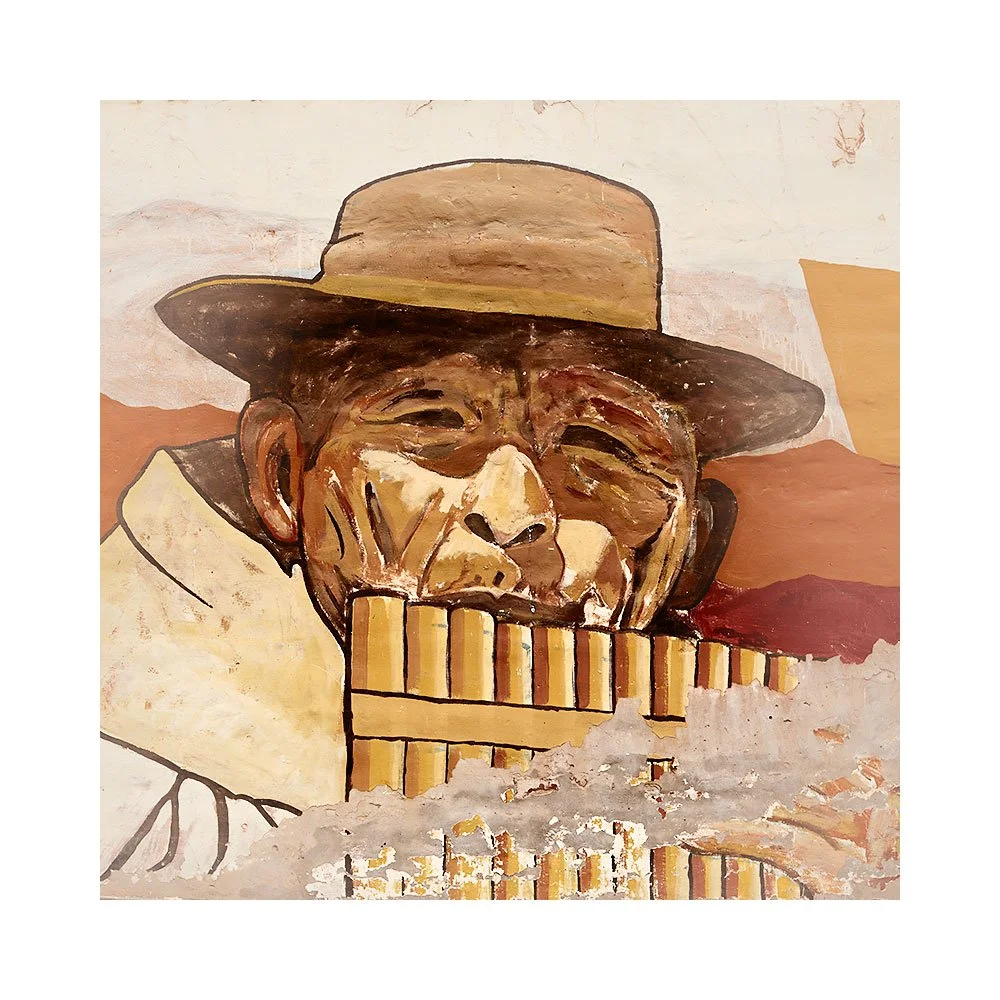
Technical Settings for Street Photography
For those looking to replicate this style, consider these technical settings and tips when shooting street art:
- Aperture: Use a wide aperture, such as f/2.8 to f/4.0, to achieve a shallow depth of field. This will help isolate the artwork from the environment, allowing the colors and details of the graffiti to pop.
- Shutter Speed: A shutter speed of 1/250s is typically sufficient for sharp images, but adjust according to light conditions, especially in the dynamic environment of street photography.
- ISO Settings: Start around 200 ISO in daylight, adjusting up only as necessary to maintain proper exposure without introducing noise.
- Focus: Utilize manual focus for precise control, as cluttered environments might confuse autofocus systems, particularly in low-light scenarios.
Compositions to Consider
Composition plays a vital role in street photography, especially when photographing murals and urban graffiti. Here are a few composition techniques to experiment with:
- Framing: Use elements in the environment to frame the artwork. Archways, foliage, or even adjacent buildings can create a natural frame that draws the viewer’s eye to the subject.
- Leading Lines: Seek out leading lines that guide the viewer into the image, such as sidewalks or streets that converge towards the artwork.
- Perspective: Don’t be afraid to change your perspective. Explore low angles or shoot from above to create a dramatic view of the artwork in relation to the surrounding environment.
Documenting the Surroundings
While capturing the essence of street art is exhilarating, the surrounding imagery also tells a story. The interaction of locals and visitors with the murals offers a glimpse into daily life in Purmamarca. A focus on peripheral visuals enhances the narrative and context of the photographs. For example, capturing a passerby admiring a mural can add a human element that resonates emotionally with viewers.
Future Plans for Street Photography
The desire to expand one's photographic repertoire can lead to new creative goals. A keen interest in street photography presents an opportunity to document not only murals but also the vibrancy of everyday life in the town. Such ambitions can broaden one’s artistic portfolio, pushing boundaries and exploring new techniques in natural light and candid moments.
The Power of Color and Editing
Finally, the enchanting colors of Purmamarca’s artwork translate beautifully through post-processing. The interplay between the vibrant murals and the nuanced light during editing creates stunning final images. It’s essential to maintain a balance between enhancing colors and preserving the authenticity of the scene. Using programs like Lightroom or Photoshop can help refine the images while keeping the original spirit intact.
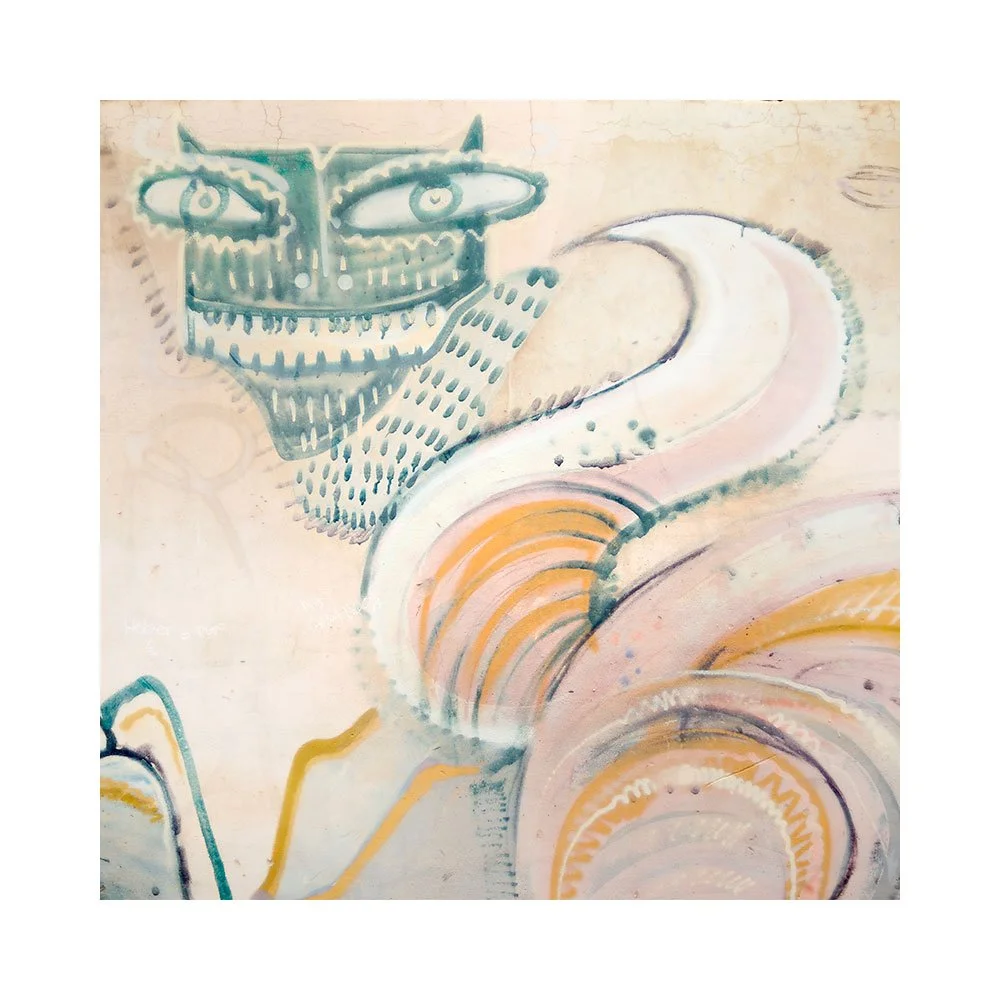
In summary, exploring Purmamarca’s dynamic street art with a Leica M240 fosters not only a delightful photographic journey but also sparks a deeper appreciation for the art form and its context within the community. Each click of the shutter tells a story of creativity, culture, and connection — a visual feast waiting to be captured and shared.