Exploring the emotional interplay of light and color in photography, this article reflects on the unique experiences captured during two distinct shoots in Burano and São Luis.
My recent photography sessions in Burano, Italy, and São Luis, Brazil, were exercises in emotional expression through color and light. Each location shaped the images I captured, reflecting the different atmospheres presented by these vibrant locales. In Burano, the interplay of colors and the luminance of the afternoon light significantly influenced the narrative of my images.
The Power of Color in Burano
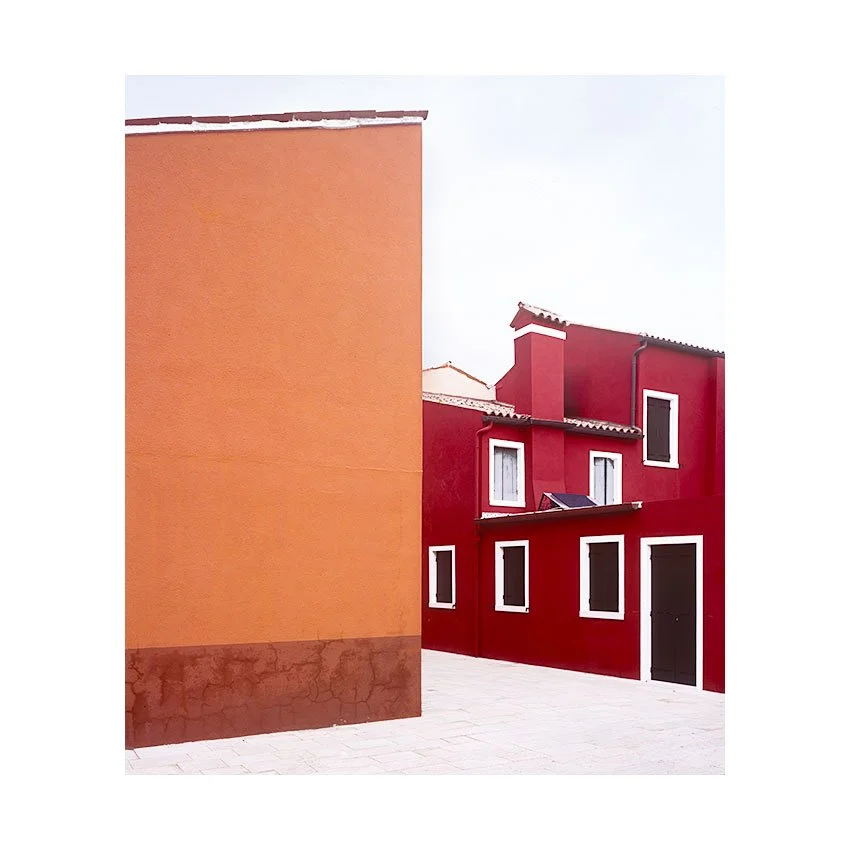
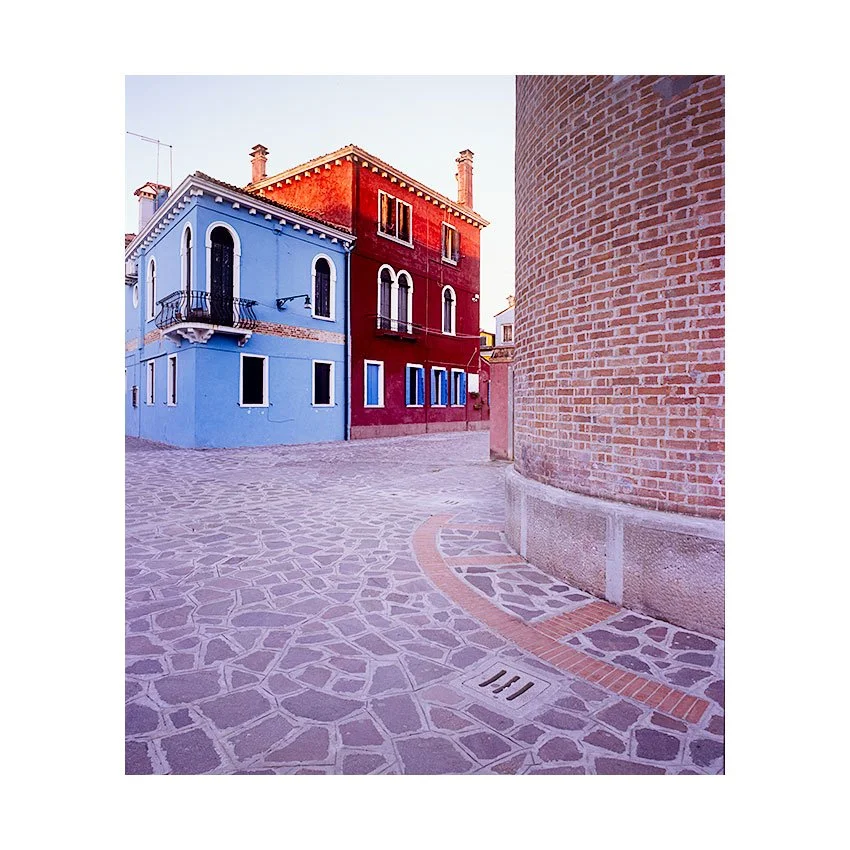
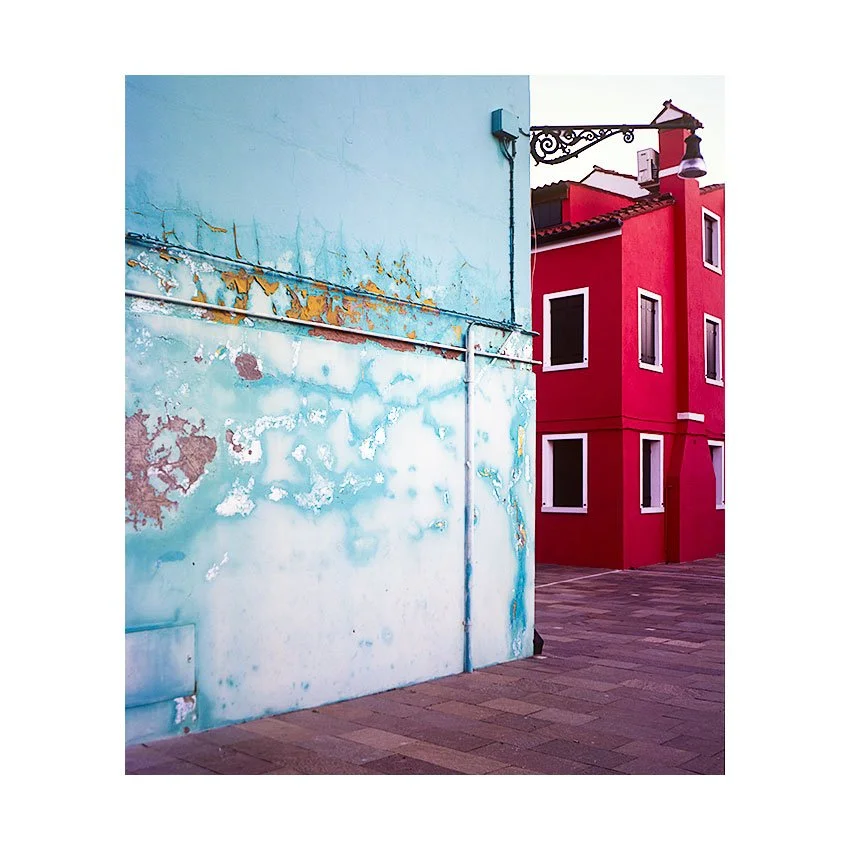
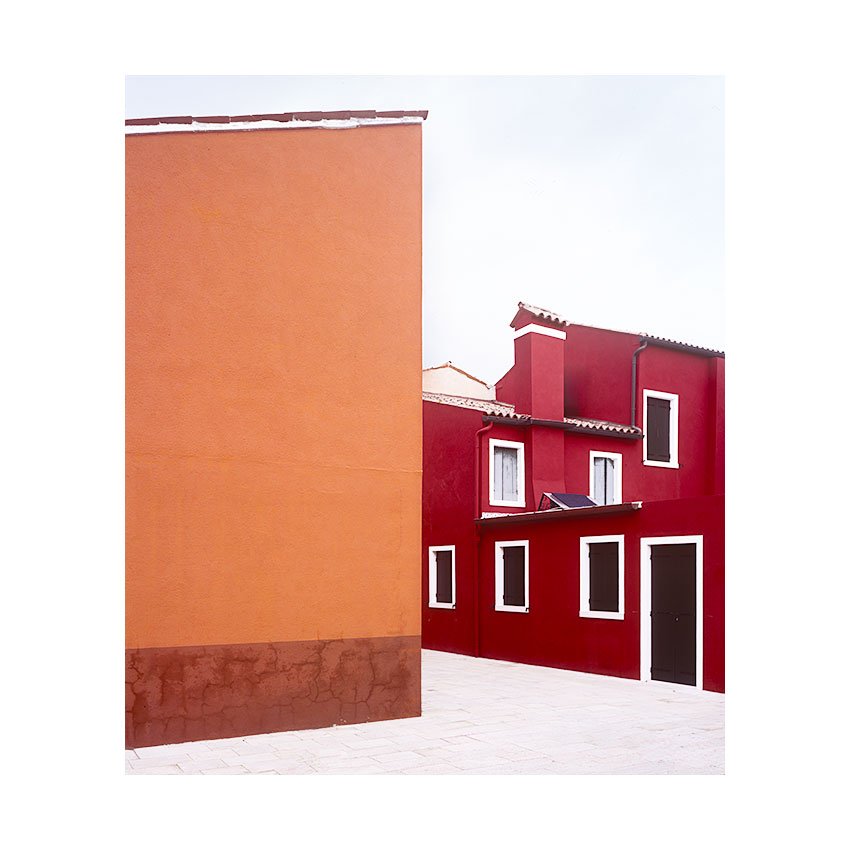
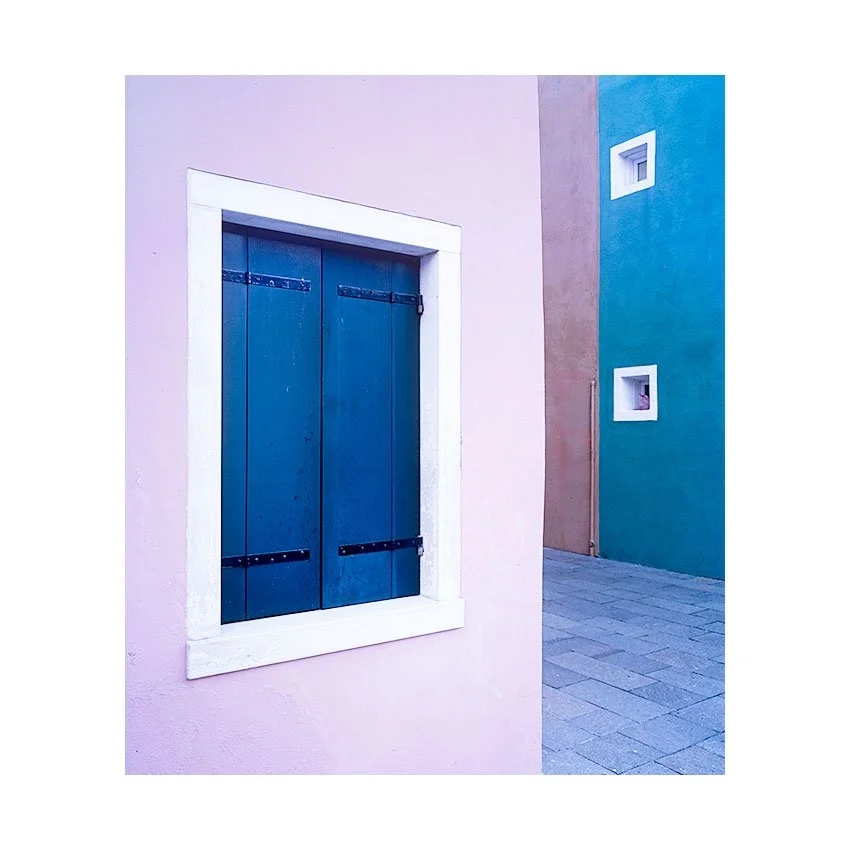
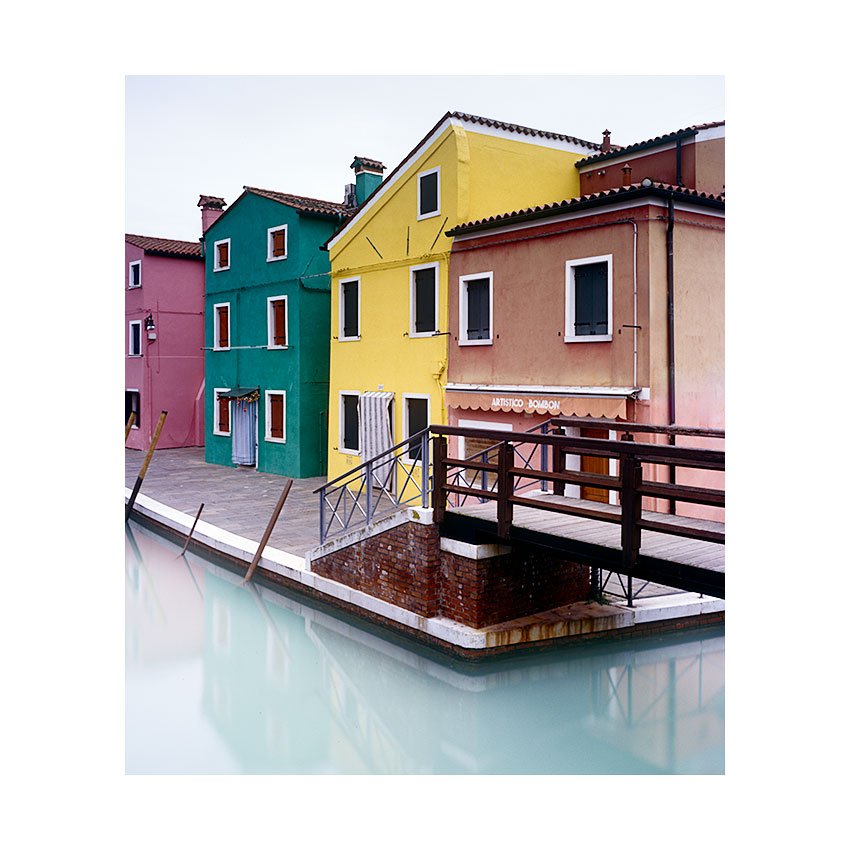
As I walked the streets of Burano, I felt an undeniable connection to the vivid hues that adorned the houses. Color is not just a visual element; it's an emotion that resonates deeply within the viewer. The unique shades of pink, blue, and yellow found in Burano’s architecture are not arbitrary; they tell the stories of the island's history, culture, and its inhabitants. On that specific day, the colors seemed to dance in harmony with the golden sunlight, which heightened contrast and brought a dynamic feel to the scenes. Capturing this essence was effortless, driven by the natural beauty surrounding me.
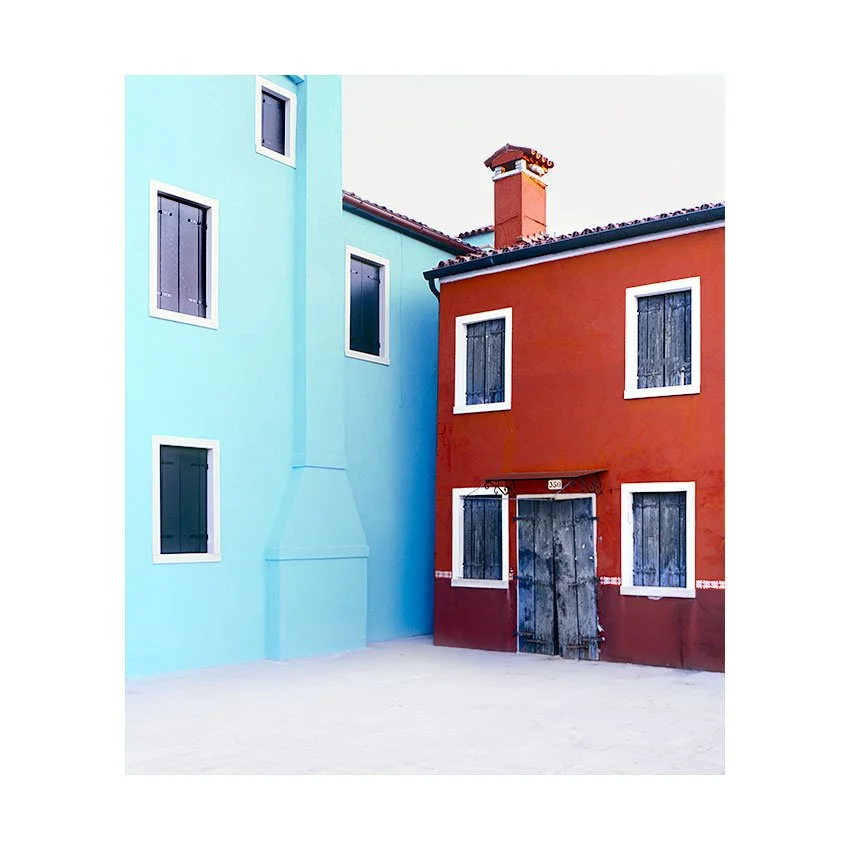
The technique of photographing vibrant colors against natural light has been a staple for many photographers. It creates a vivid tapestry that can provoke a visceral reaction from the audience. Contrast is key; it injects drama into the visuals and engages viewers on a deeper level. Working in Burano was a lesson in how to let color and light work for me, emphasizing details that might otherwise go unnoticed.
View fullsize
Crafting Emotion Through Contrast
When capturing images, contrast serves not only to enhance visual appeal but also adds depth to the emotional narrative. During my shoot in Burano, I found that the light's harshness creates bold shadows that add an element of drama. The juxtaposition of bright colors against deep shadows enriches the emotional experience, providing layers that invite contemplation. By positioning my subjects thoughtfully against these light contrasts, I crafted compelling compositions that drew the viewer in.
This awareness of contrast is particularly important in photography. It doesn’t merely highlight details; it also communicates underlying emotions. For instance, a brightly lit subject amid shadows can evoke feelings of hope surrounded by despair or clarity amid chaos. This complex emotional architecture is something I strive for in each photograph.
The colors in Burano are stark, vibrant, and filled with stories waiting to be told. However, even if I retraced my steps today, the resulting images would forgo that same magic. The unique lighting conditions, personal moods, and fresh perspectives would inevitably shape a new visual dialogue. This realization emphasizes a fundamental truth in photography: it’s an ever-evolving art form. Each click of the shutter is a moment in time that can never be replicated, which makes photography a pursuit deeply rooted in the human experience.
São Luis: A Different Narrative
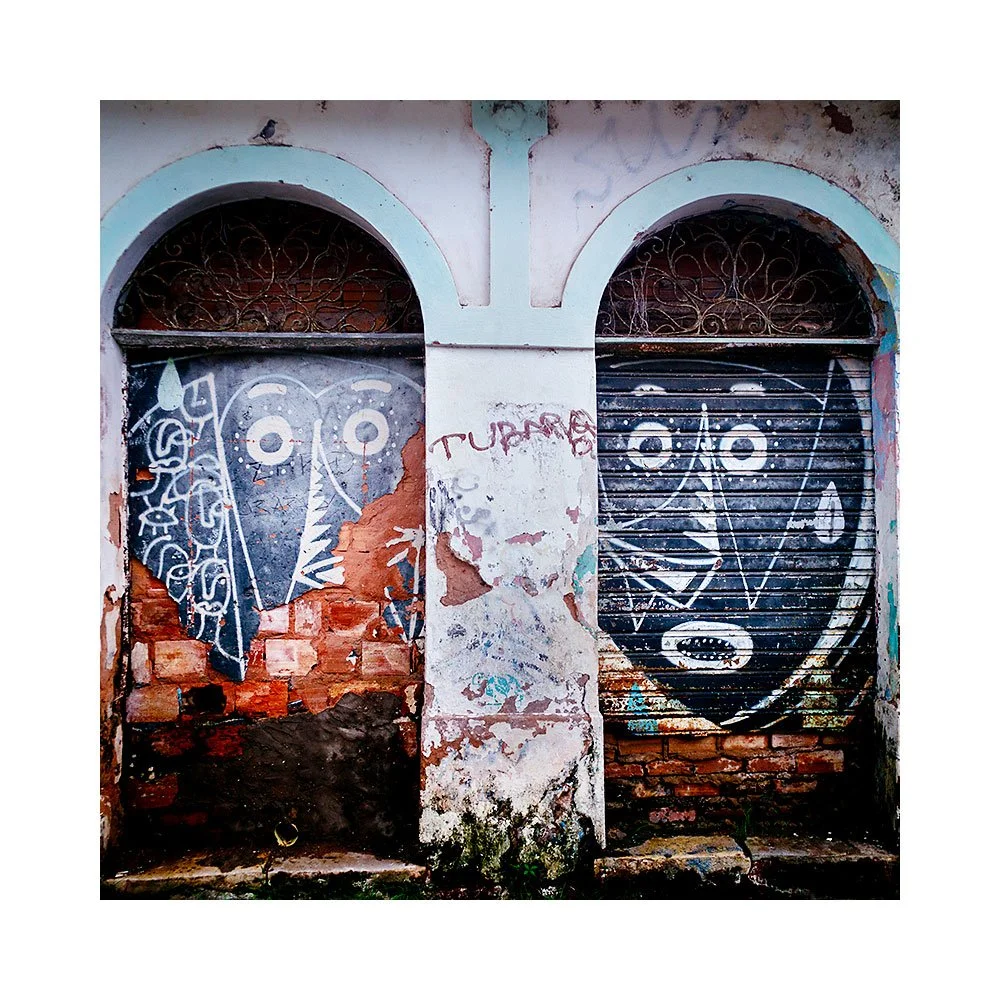
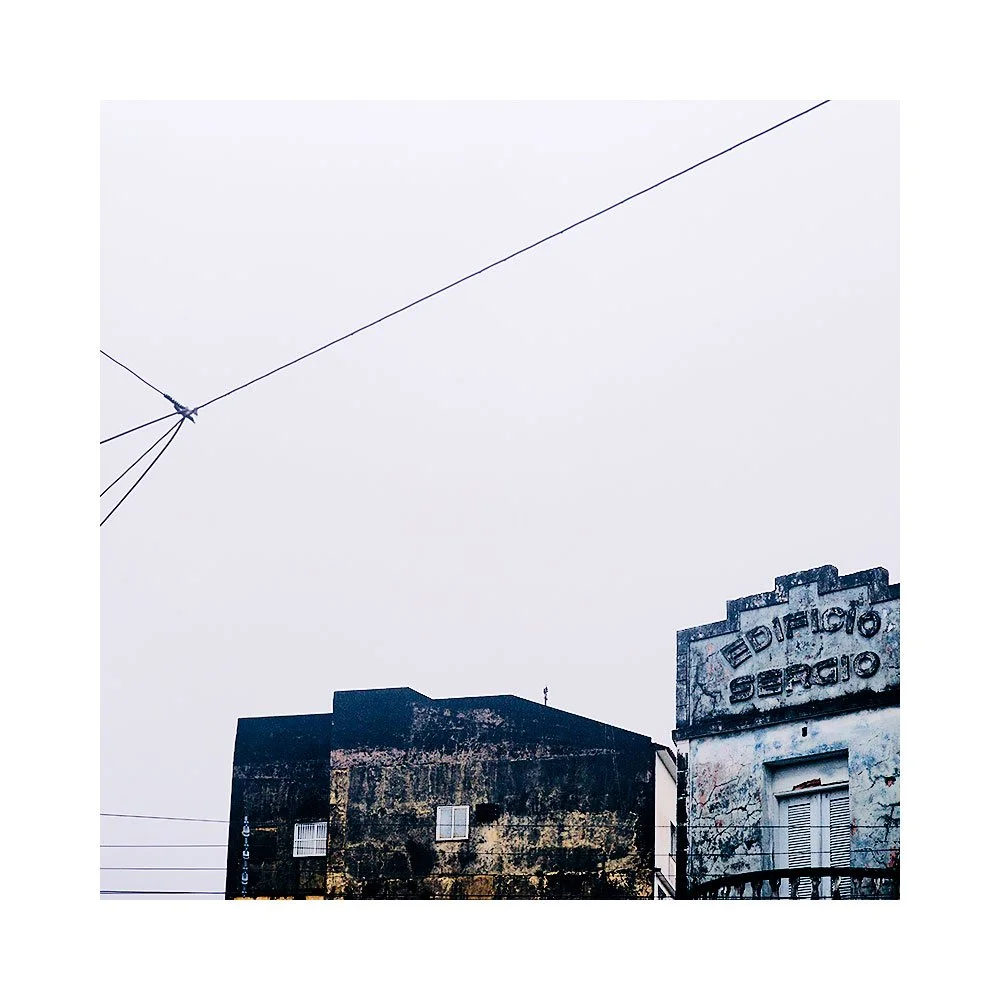
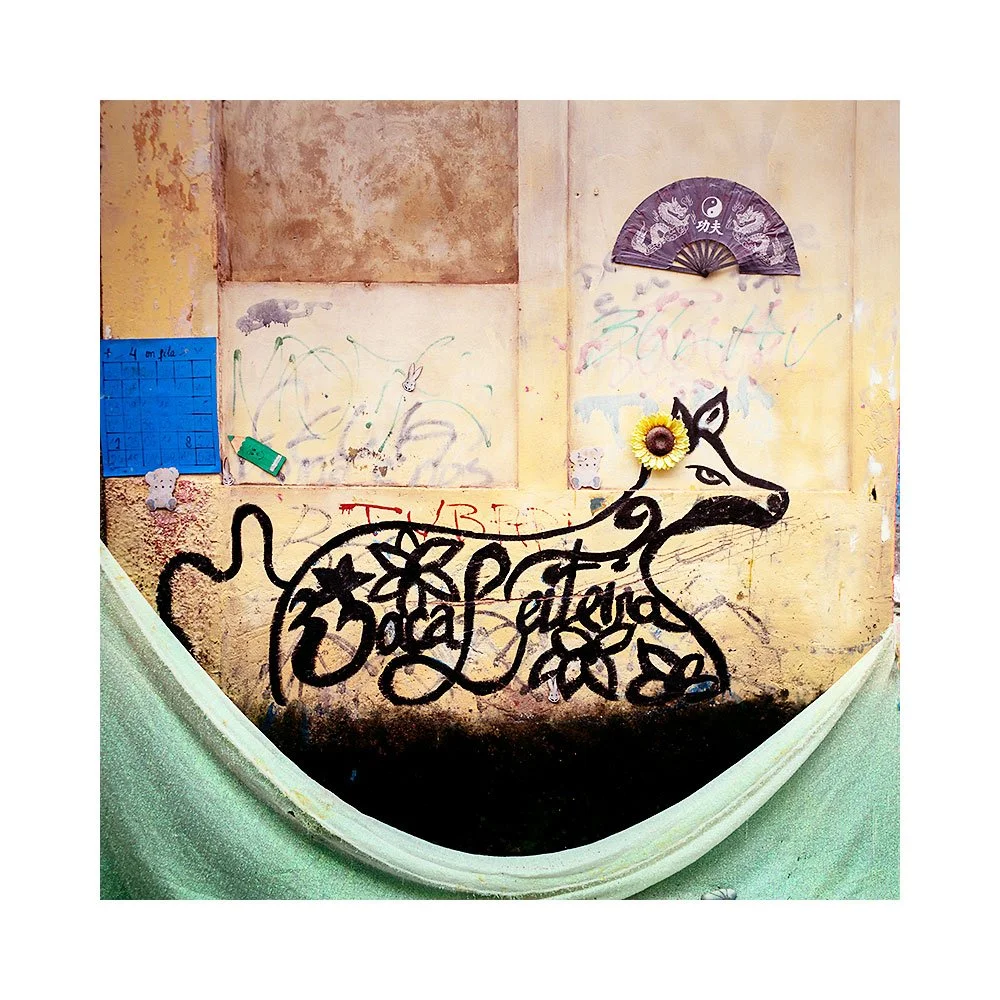
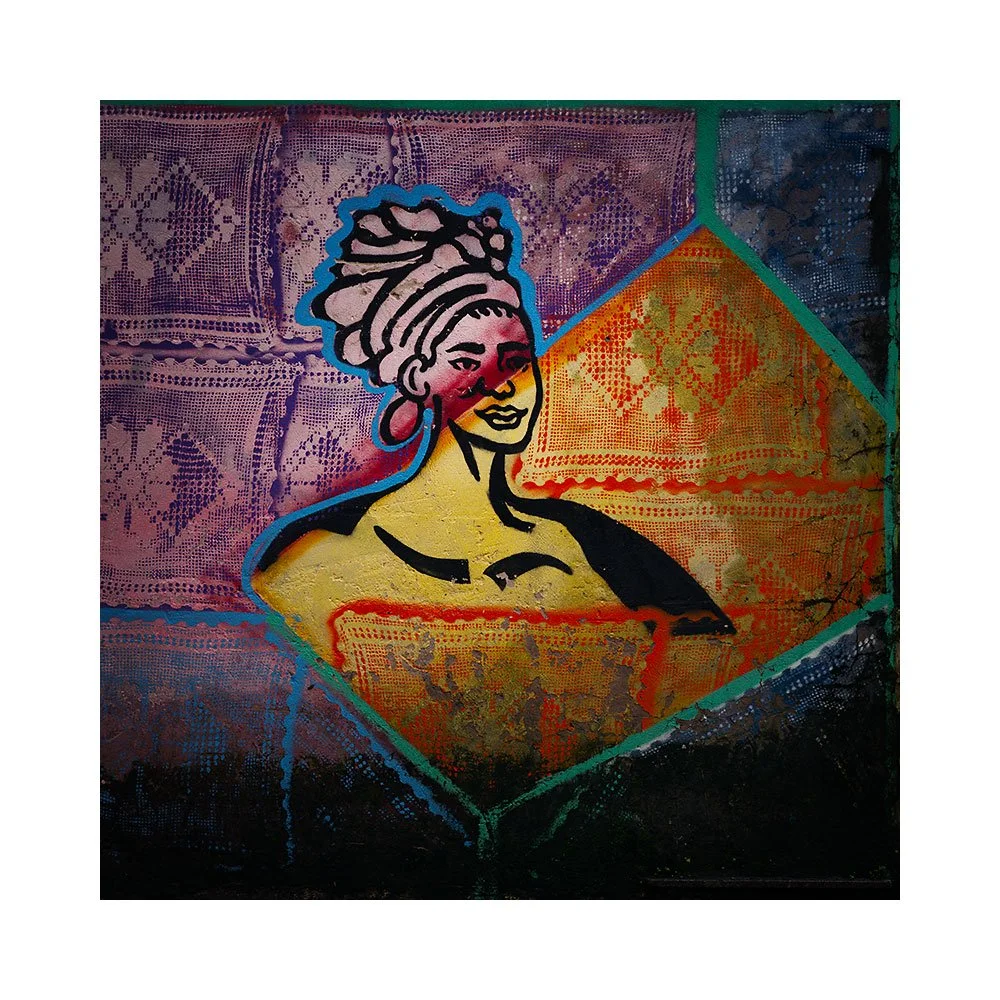
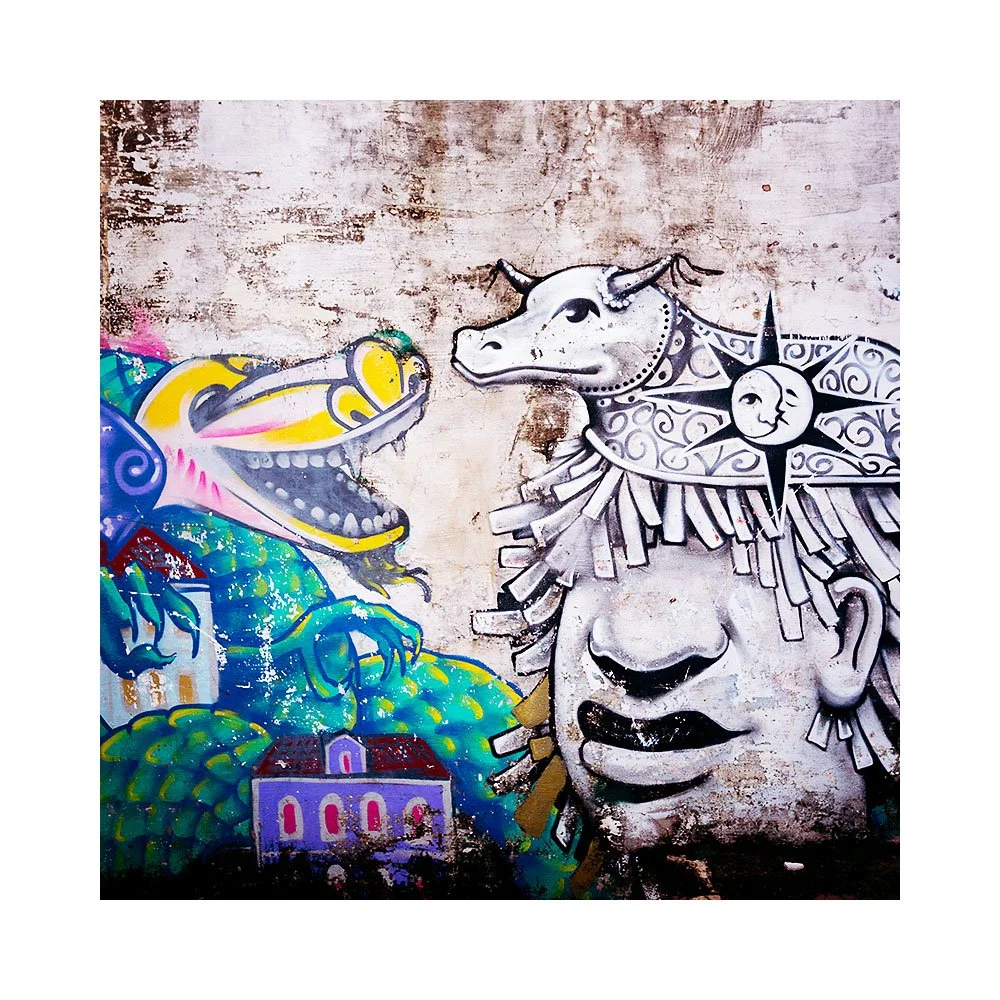
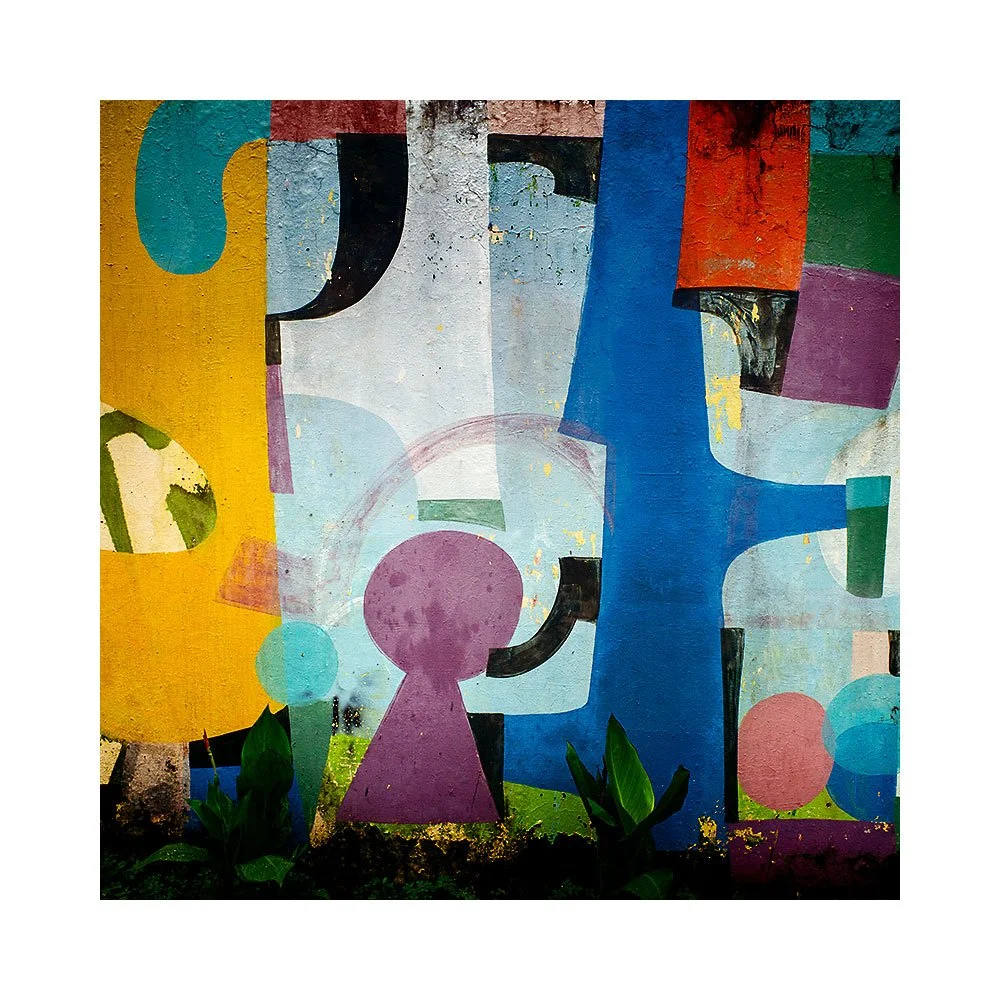
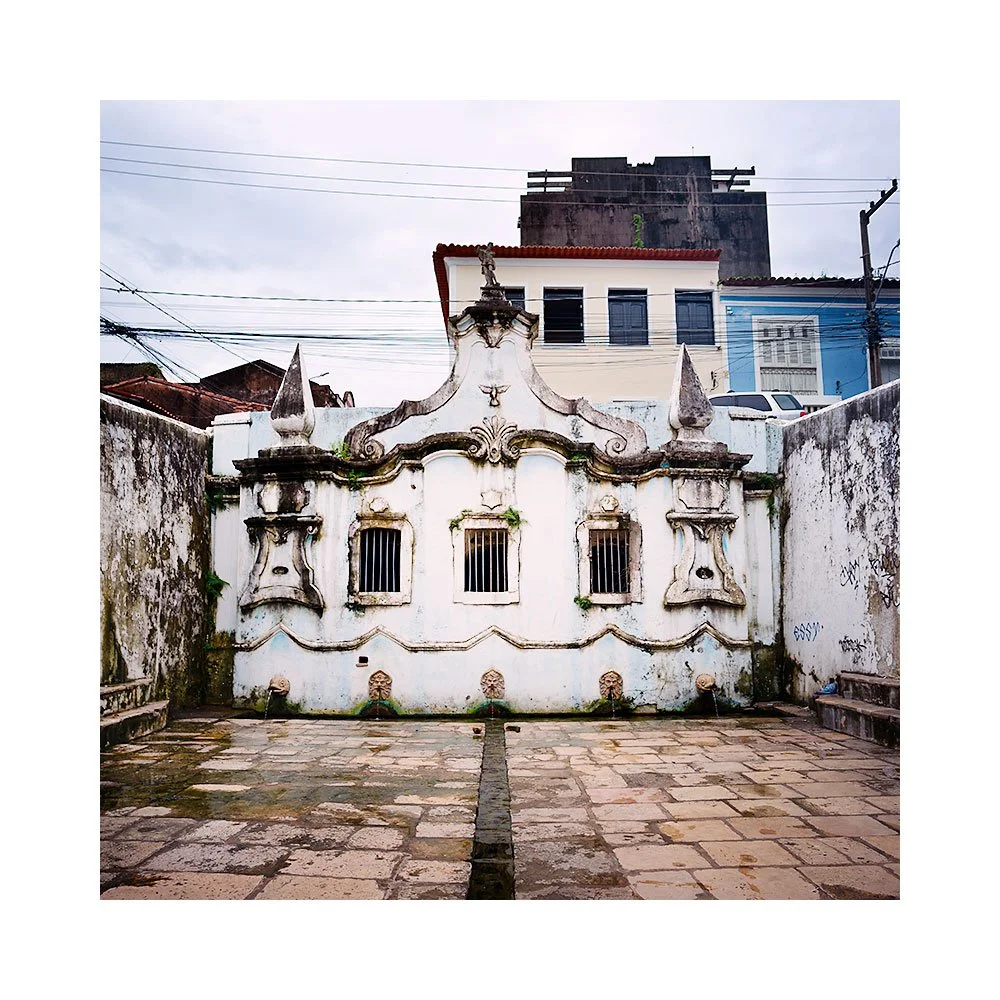
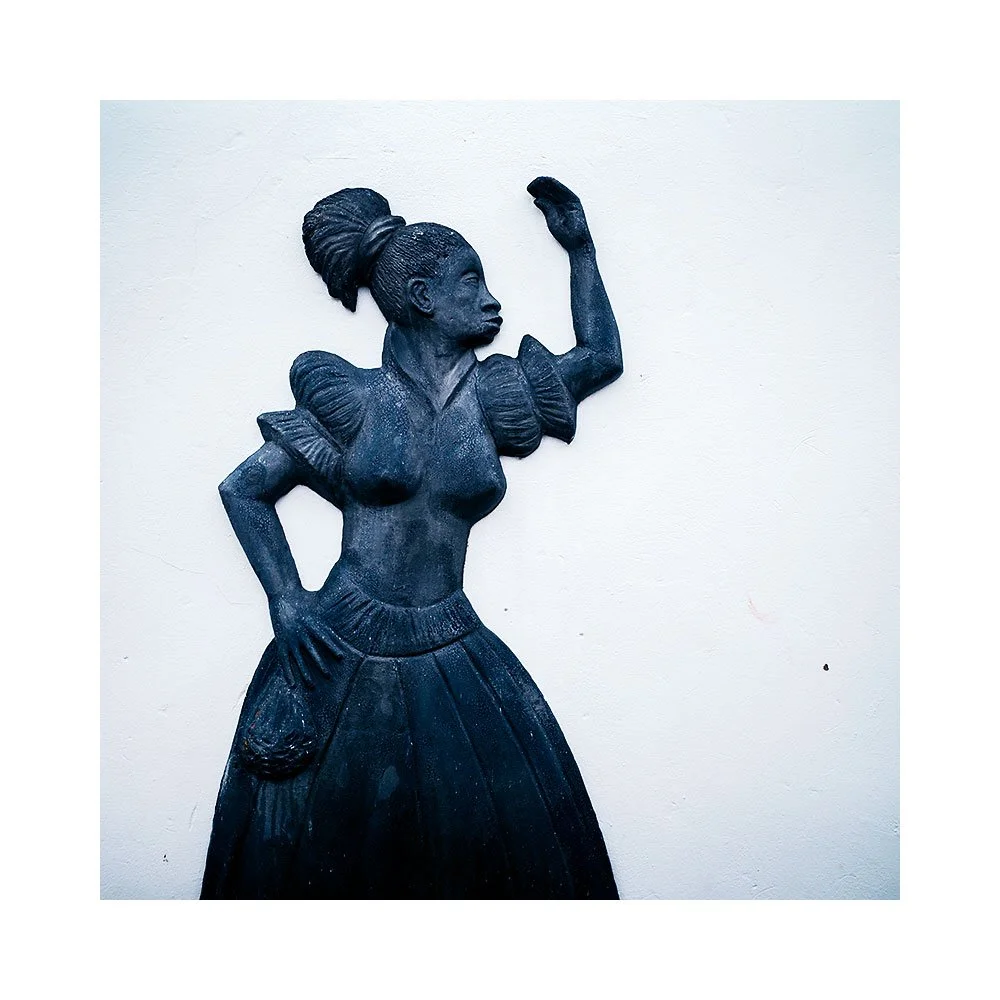
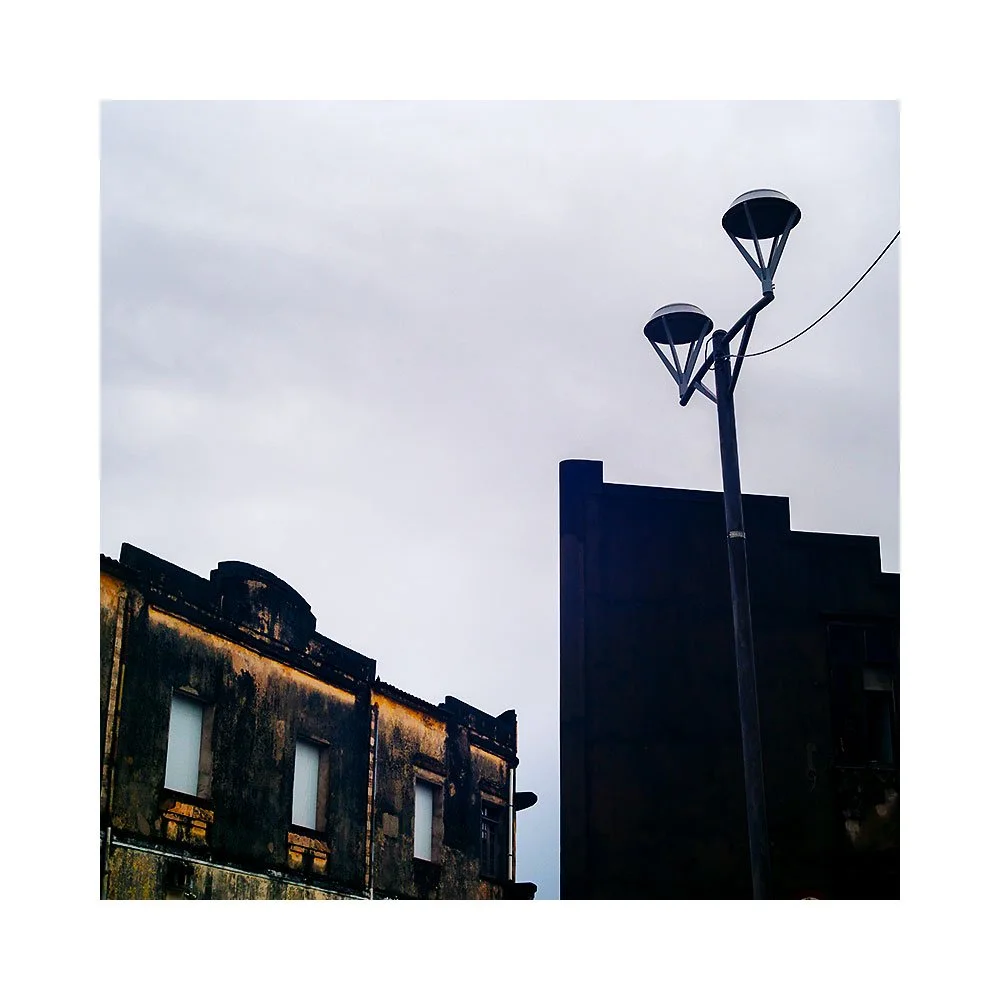
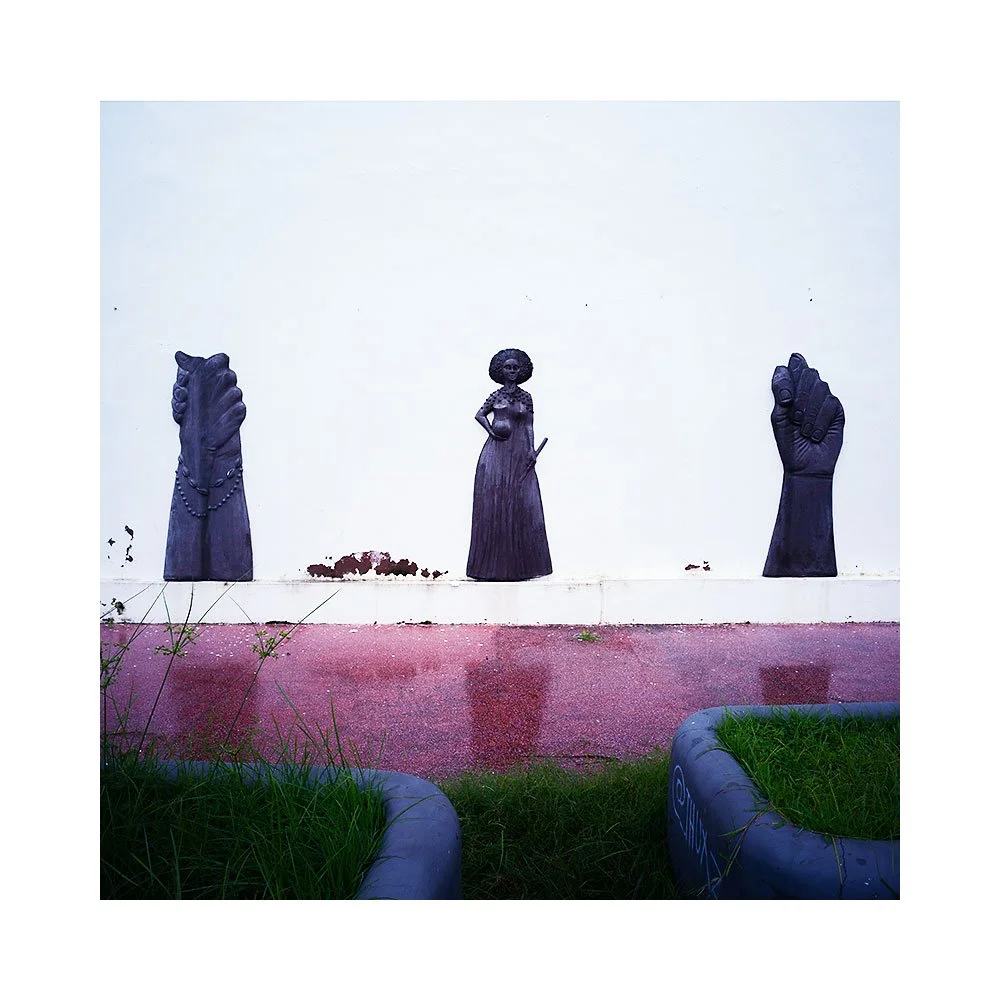
Conversely, my experience in São Luis painted an entirely different emotional narrative. The day of my shoot there was marked by overcast skies and rain, which darkened the walls and infused the environment with a moody, earthy tone. The colors appeared subdued yet deeply textured, encapsulating an atmosphere of stark yet captivating beauty. In São Luis, I found inspiration in the decay, with the dampness adding a historical weight to the visuals.
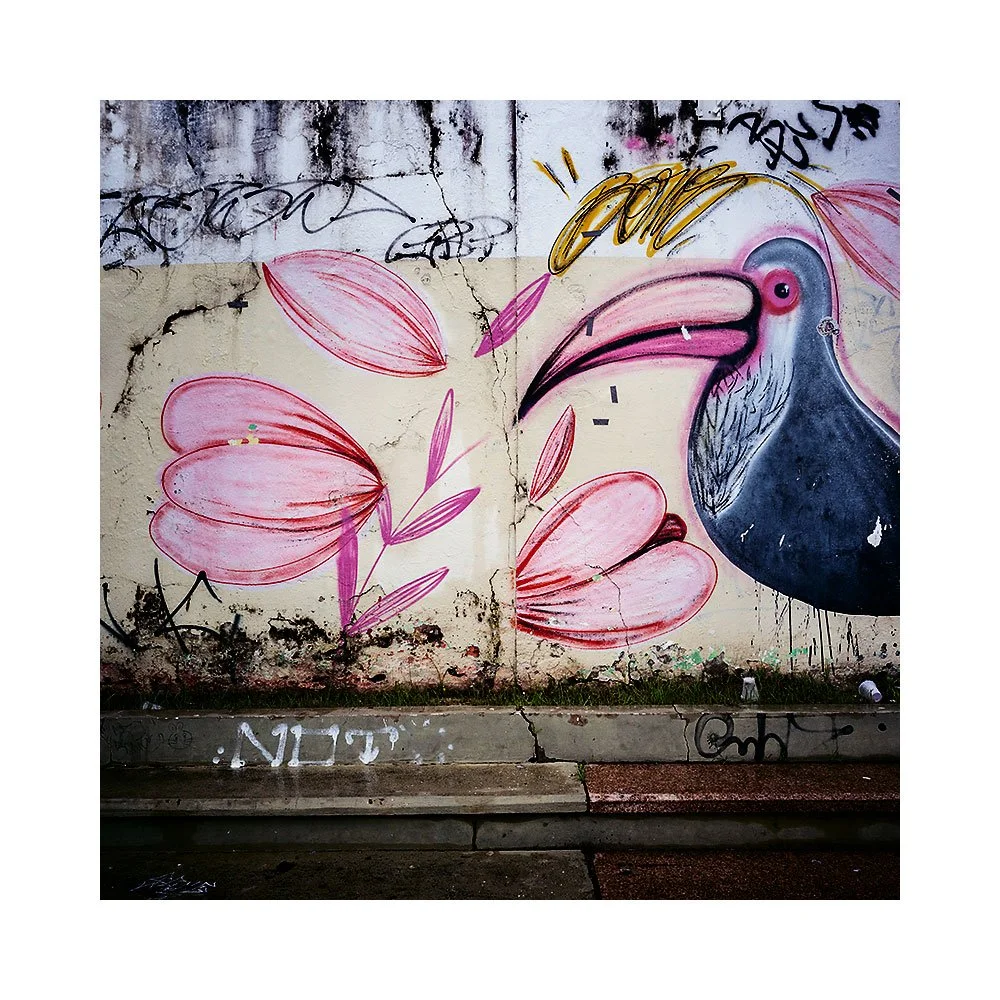
In this setting, the subdued palette transformed my approach. Unlike Burano, where vibrant colors act like a siren call, São Luis offered an introspective experience. The urban decay whispered of lost narratives and histories that felt layered and complex. The saturated colors in Burano would transform into desaturated palettes in São Luis, and this shift changed not only my subjects but also the emotional resonance of my images. The dark, damp walls of the houses each seemed to carry their own stories, echoing the idea that a place reveals itself differently under varied circumstances.
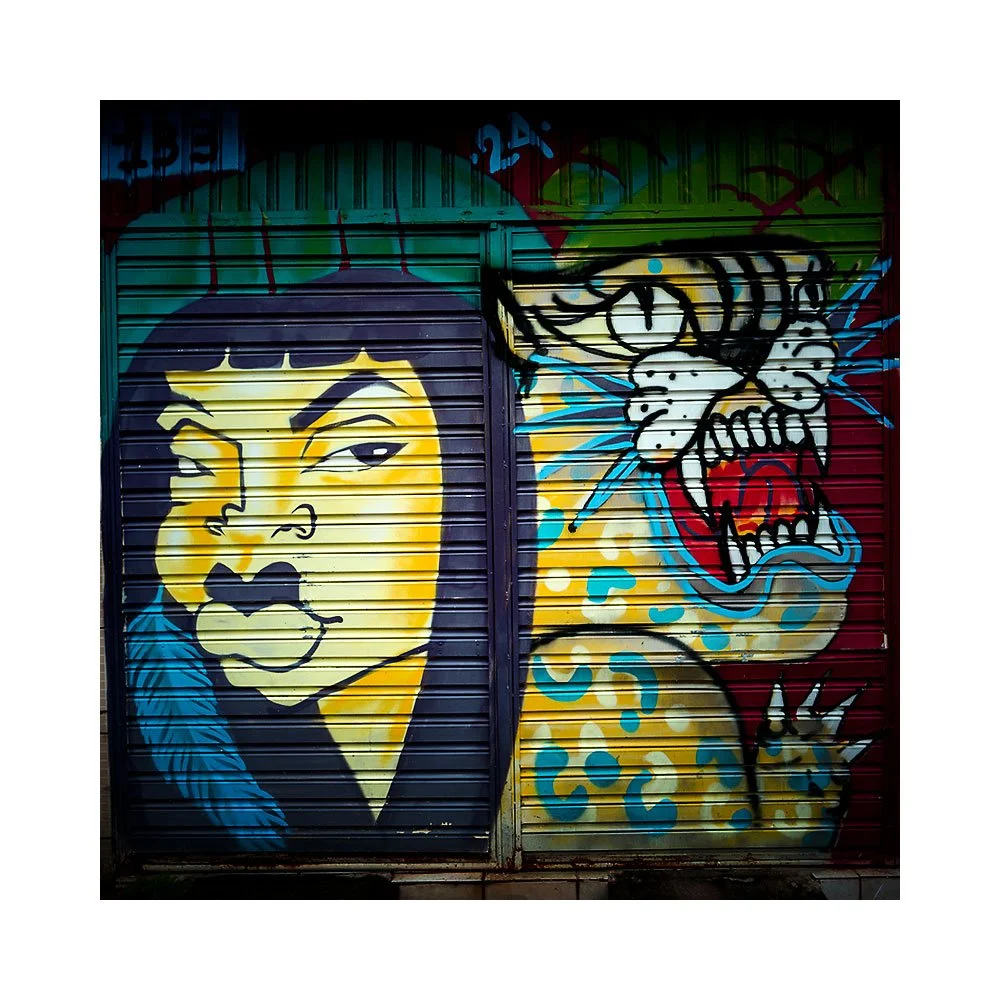
This speaks to an often-overlooked aspect of photography—how the environment itself acts as a co-creator in the imaging process. It’s vital to recognize how weather and light can convey meaning and influence the emotional weight of your photographs.
The Performance of Photography
Every outing with a camera reflects a unique performance. Each shoot comes with its own rhythm, a beginning that sets the stage, a middle filled with discovery, and an end that wraps up the experience. I’m always conscious of this timeline—if I arrive at a location too early in the day, I might miss the magical light that shapes and enhances my work. This clock governs the potential for emotional depth; timing can make or break a photograph.
The notion of viewing each shoot as a performance alters my perspective: every moment is fleeting and irreplaceable. Just like an actor on stage, when I step into a new location, I engage with the environment and allow it to guide me. The colors, the light, and my own emotions contribute to the art being created. And here’s the thing: this perspective transforms photography from a simple activity into a storytelling medium, one that demands engagement and connection.
Reflections on the Journey
The beauty of this iterative experience is that each portfolio I compile becomes a unique representation of my journey through various environments. Capturing moments in time is what makes photography such a compelling art form; each image serves as a reflective document of personal growth and discovery. As photographers, we're performing artists, telling stories through our lenses, imbued with the essence of that very particular moment.
Implications and Future Outlook
This interplay of light, color, and emotional context not only informs individual projects but also speaks to broader trends in the world of photography. If you're working in this space, understanding how diverse settings can influence your storytelling will allow you to adapt your techniques. Consider the future of photographic practice: with advancements in technology and editing software, each of us must navigate a path that strikes a balance between technical prowess and emotional depth. The craft will continue to evolve, but the bedrock of effective photography will remain rooted in these elemental relationships of color, light, and atmosphere.