Discover the captivating visual exploration of Argentina's Puna region through stunning landscapes and insightful reflections on documentary photography.
Immersed in the striking Puna highlands of northern Argentina, the morning presented a demanding yet beautiful setting for landscape photography. Battling temperatures dipping to -10ºC, I ventured out with my Hasselblad film camera loaded with Fuji Velvia 50 film. This combination not only captures vibrant colors but also offers the unique textural details that film is known for, particularly in such challenging weather conditions.
The Beauty of the Puna Highlands
The Puna region is characterized by its vast and barren beauty, where the dry landscape contrasts sharply with the mountainous backdrop. Shooting landscapes in the early morning provided me with the opportunity to harness the soft, diffused light that enhances the details in the rugged terrain. Here, shadow and light dance over the land, revealing the textures and contours that define this dramatic environment. Maintaining an aperture of f/16 allowed depth of field, yielding crisp, detailed shots that invite viewers into the scene.
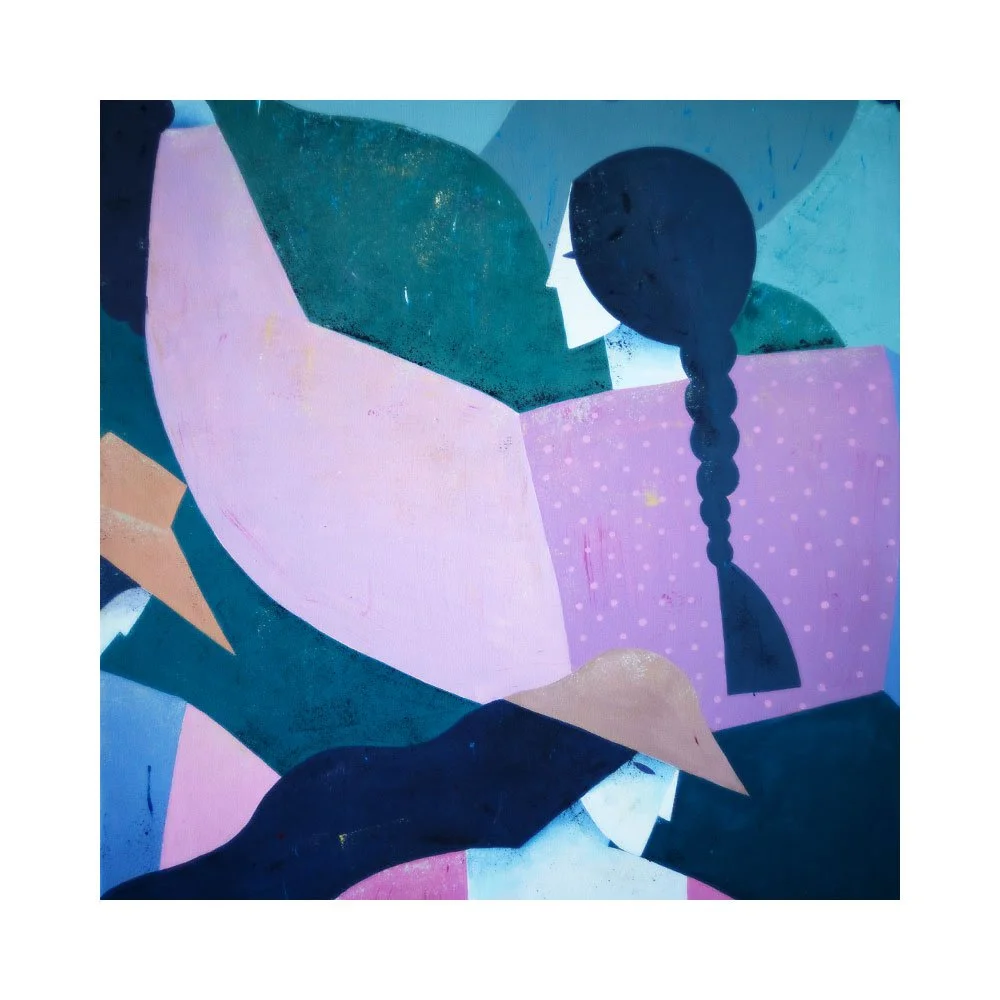
Documenting Everyday Life with Leica
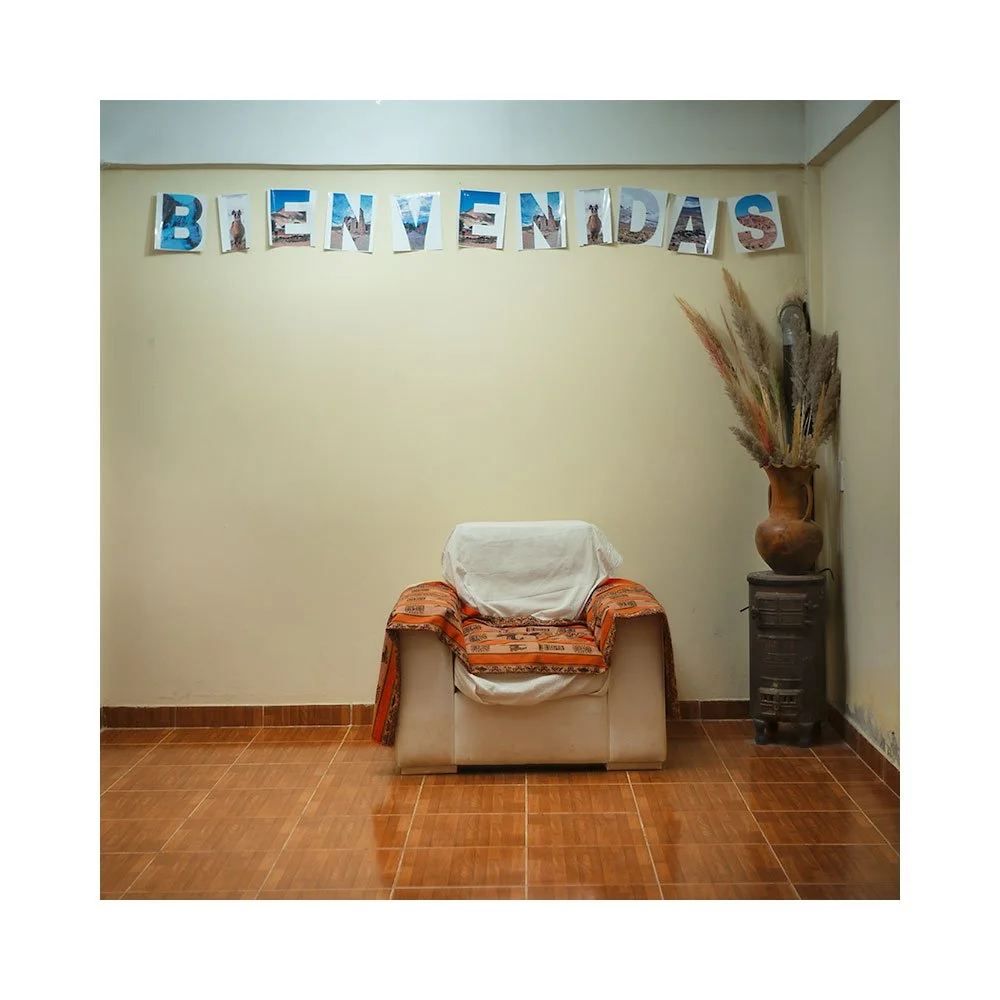
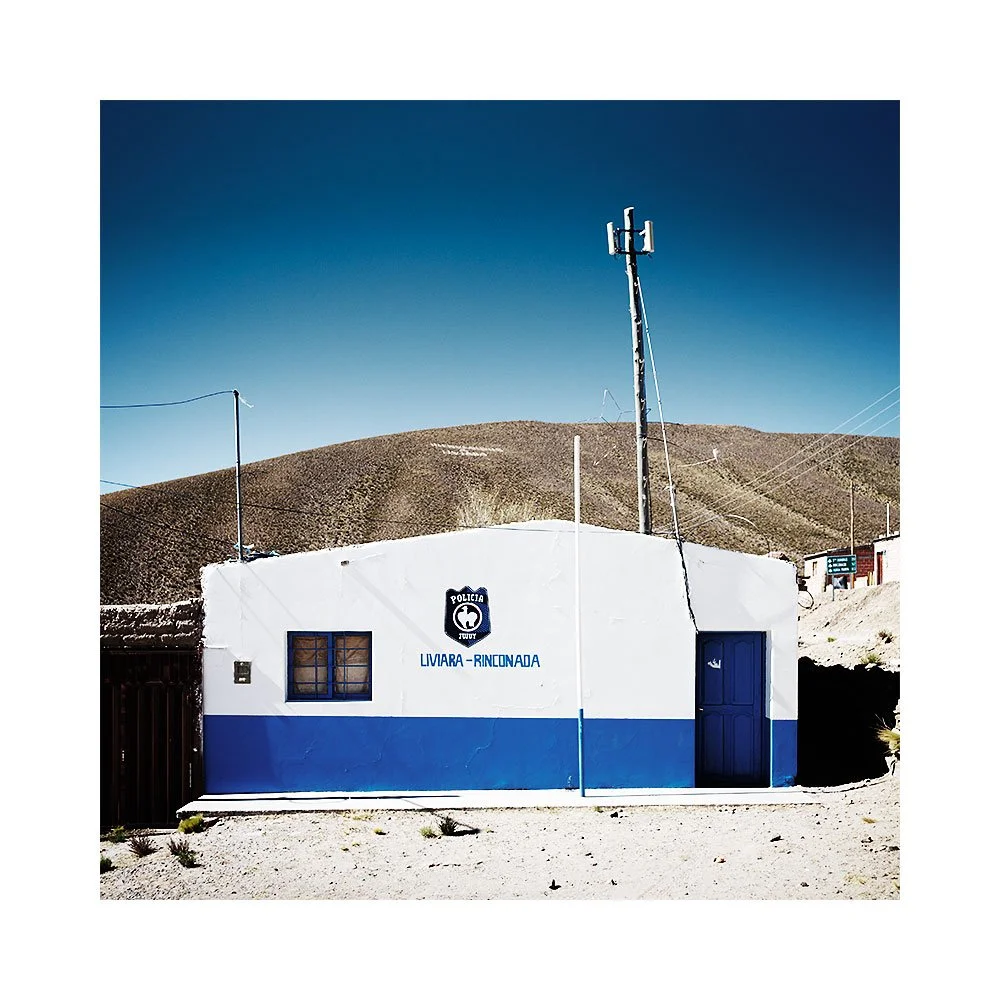
Once the landscape session concluded, my day continued in the arid expanse of the desert, where I found myself taking a more leisurely approach to photography. Utilizing my Leica M240, I shifted focus from sweeping vistas to capturing the subtle nuances of everyday life in the surrounding highland towns. This shift in technique involved a move towards more intimate compositions, framing scenes that exhibit the local architecture and the interactions of people within their environment.
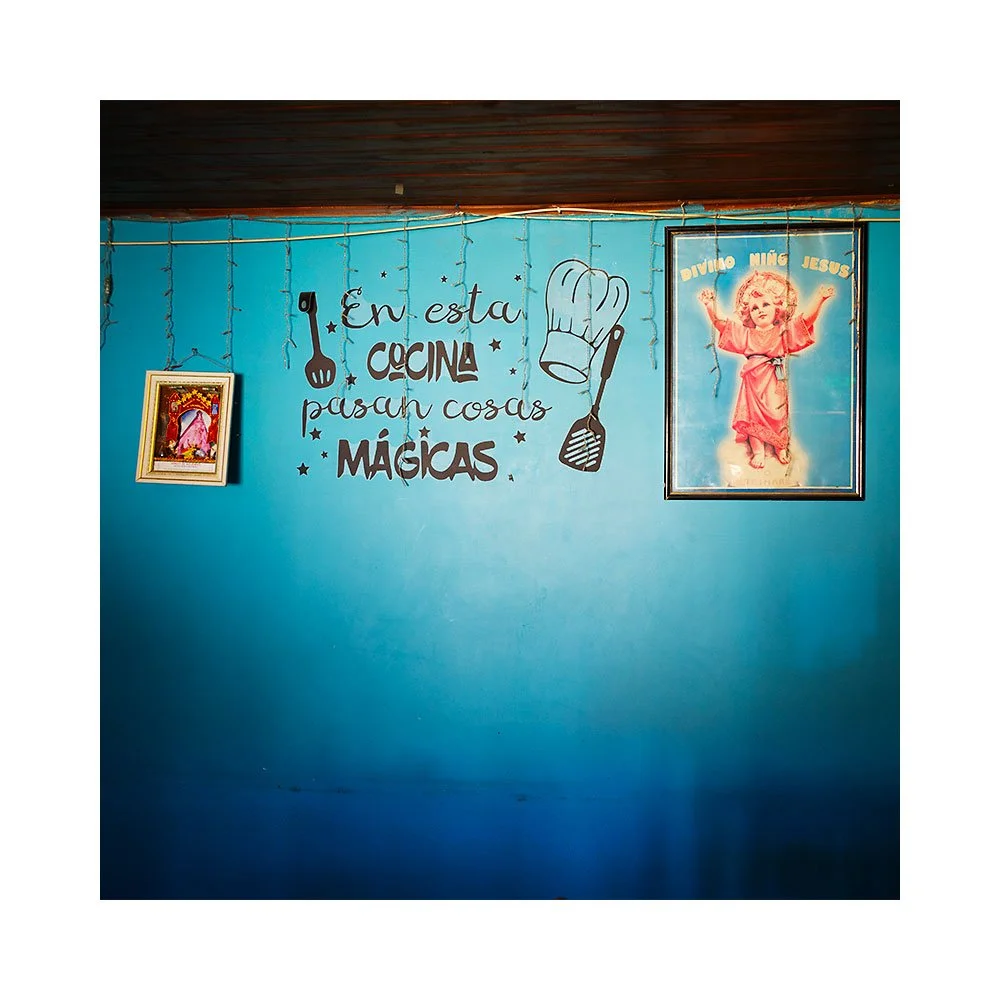
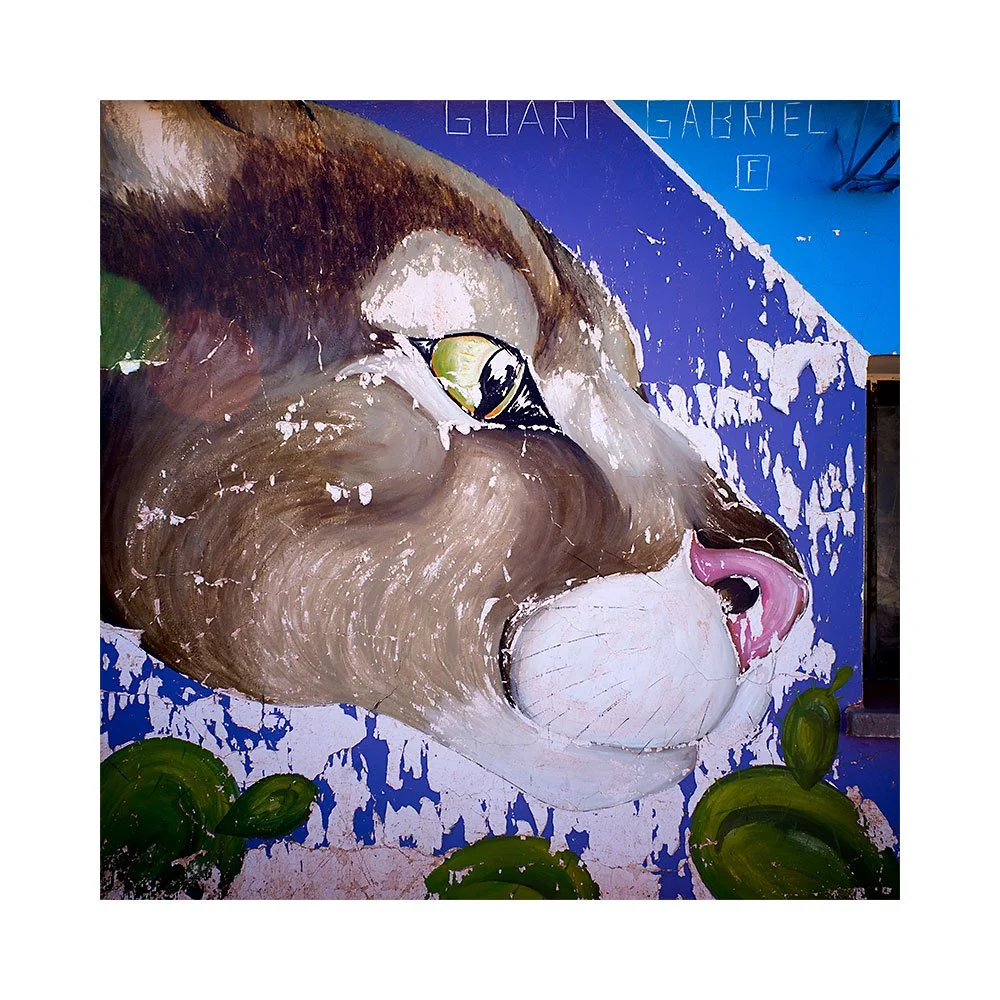
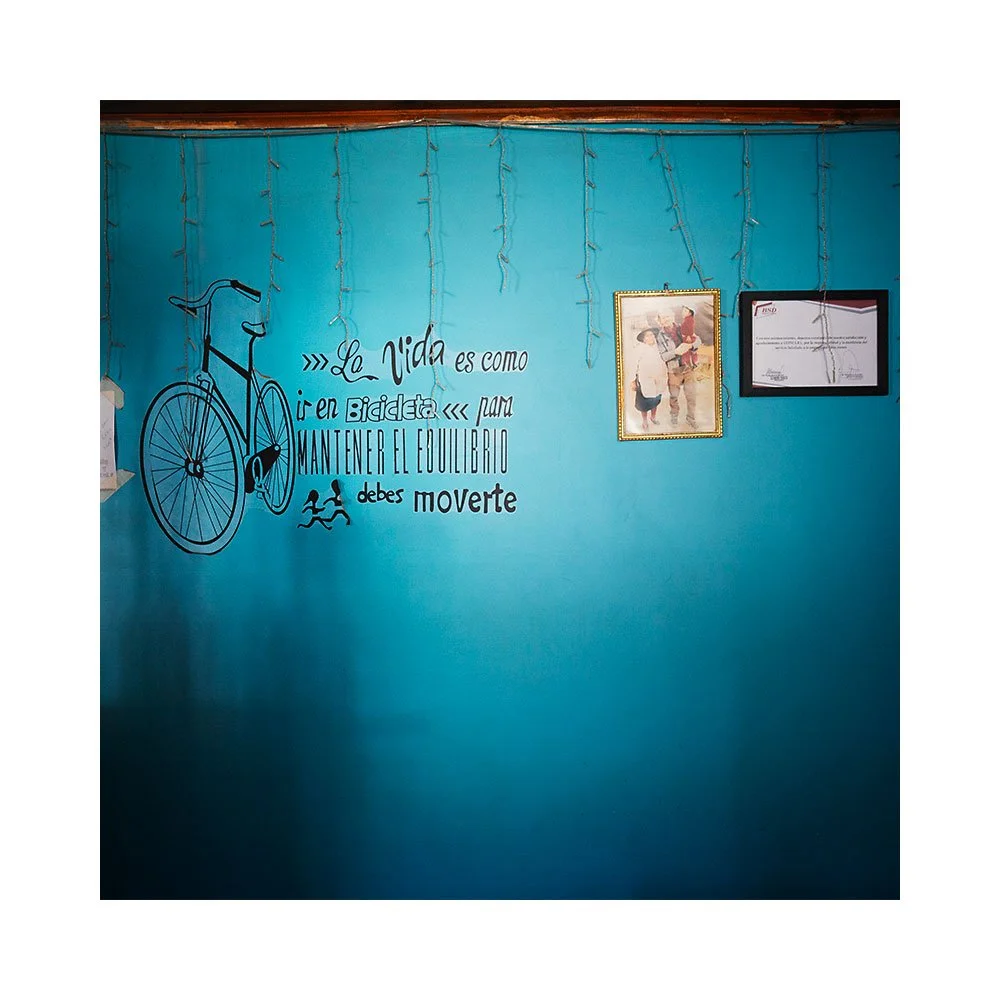
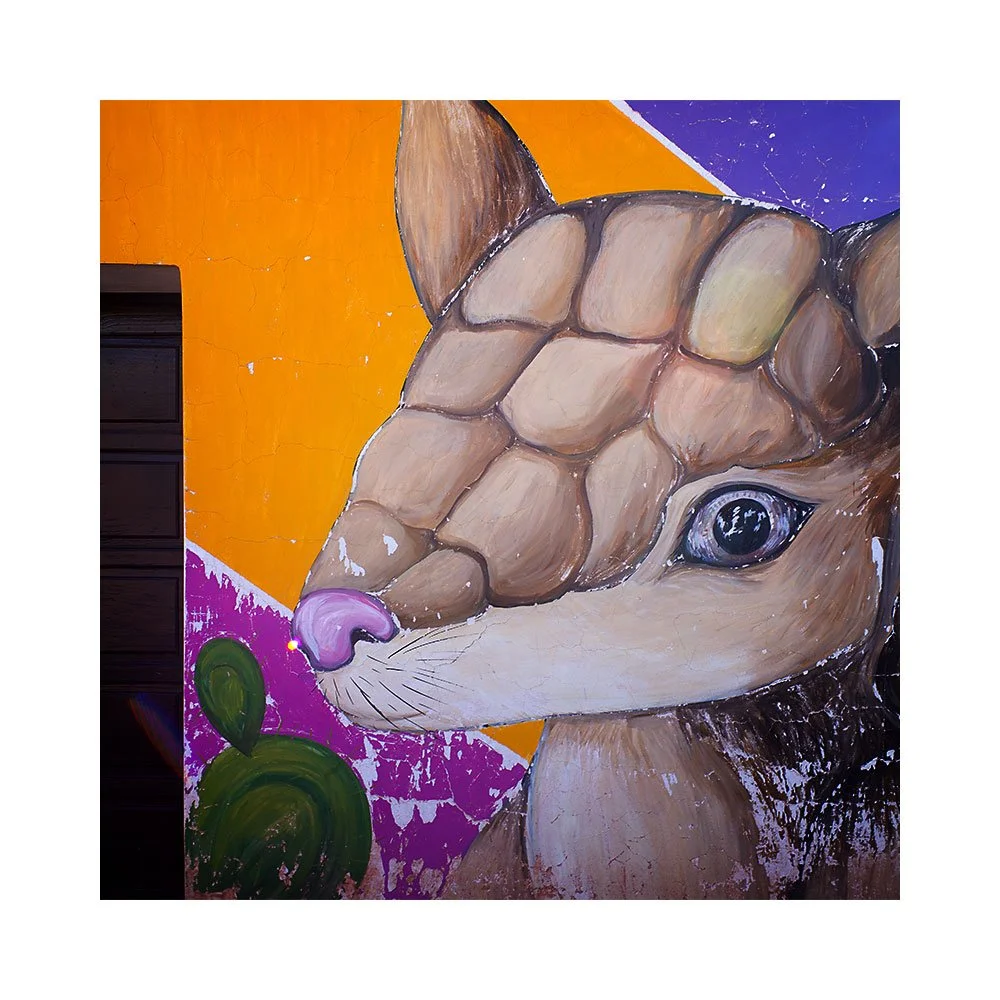
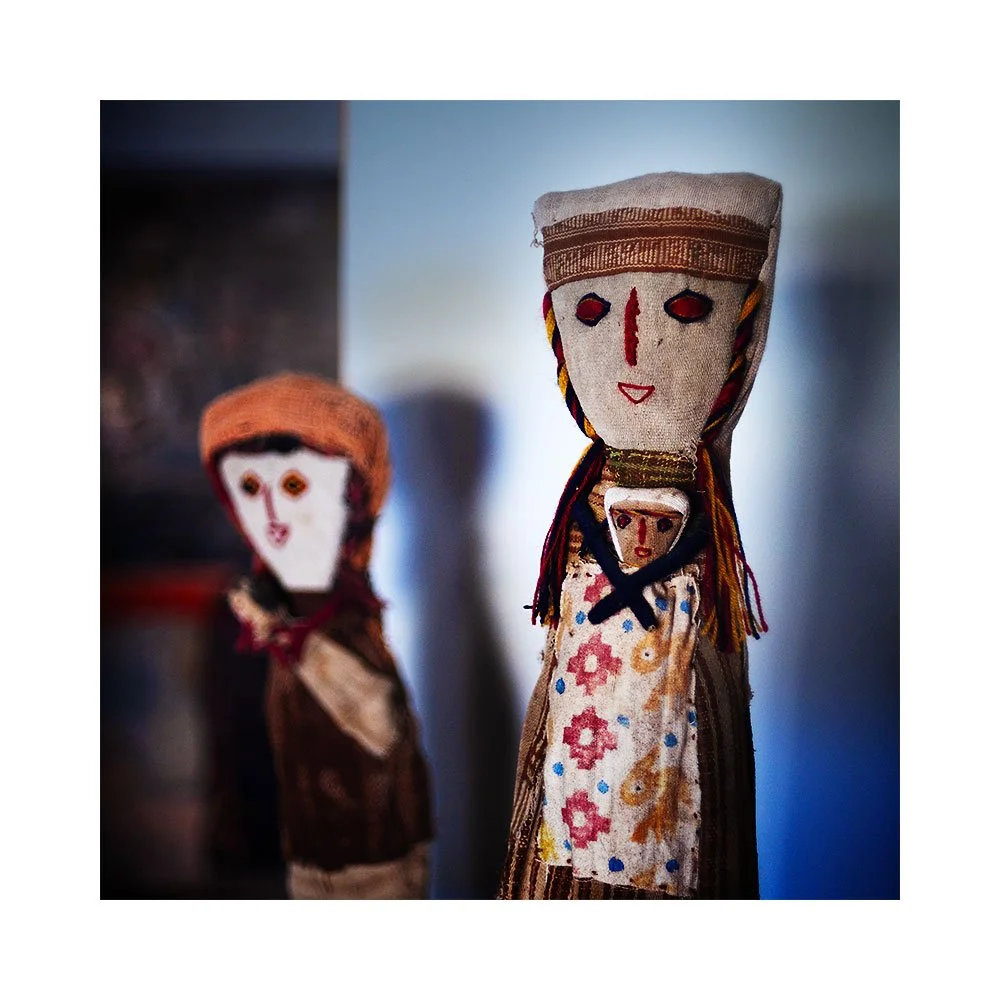
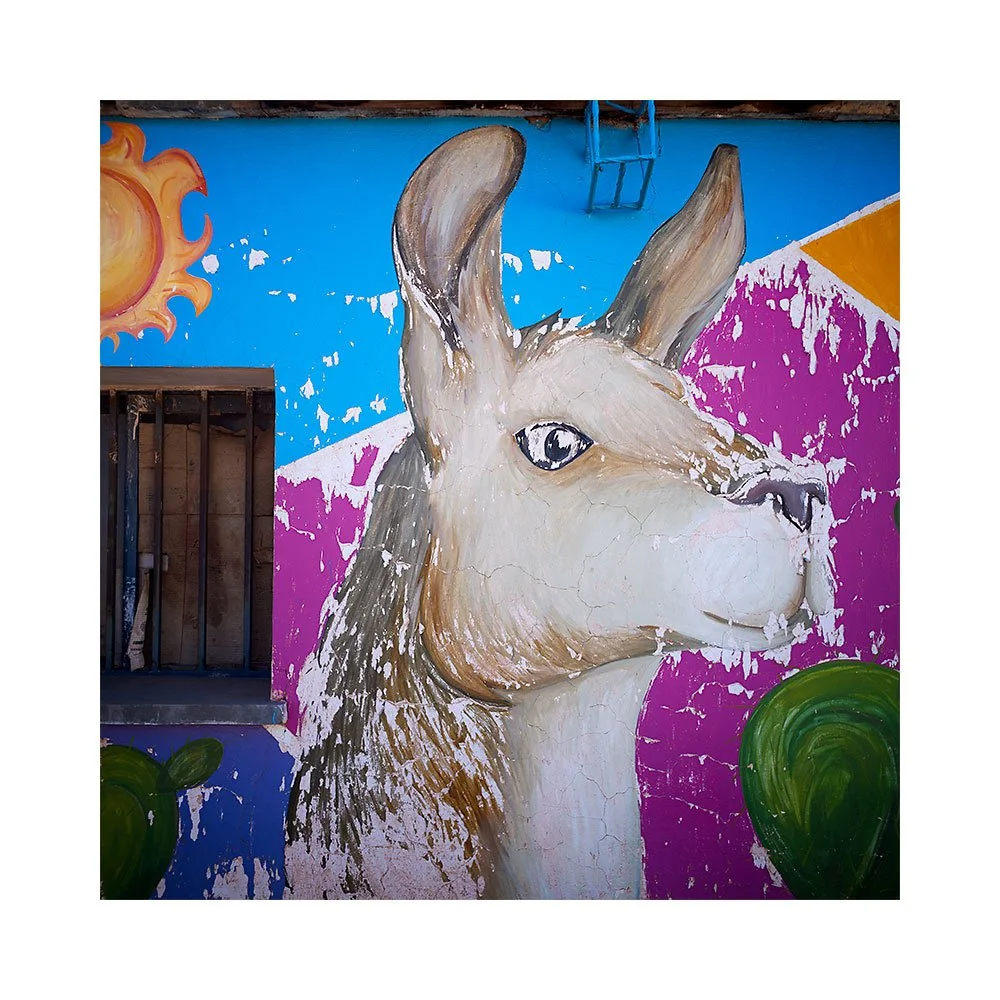
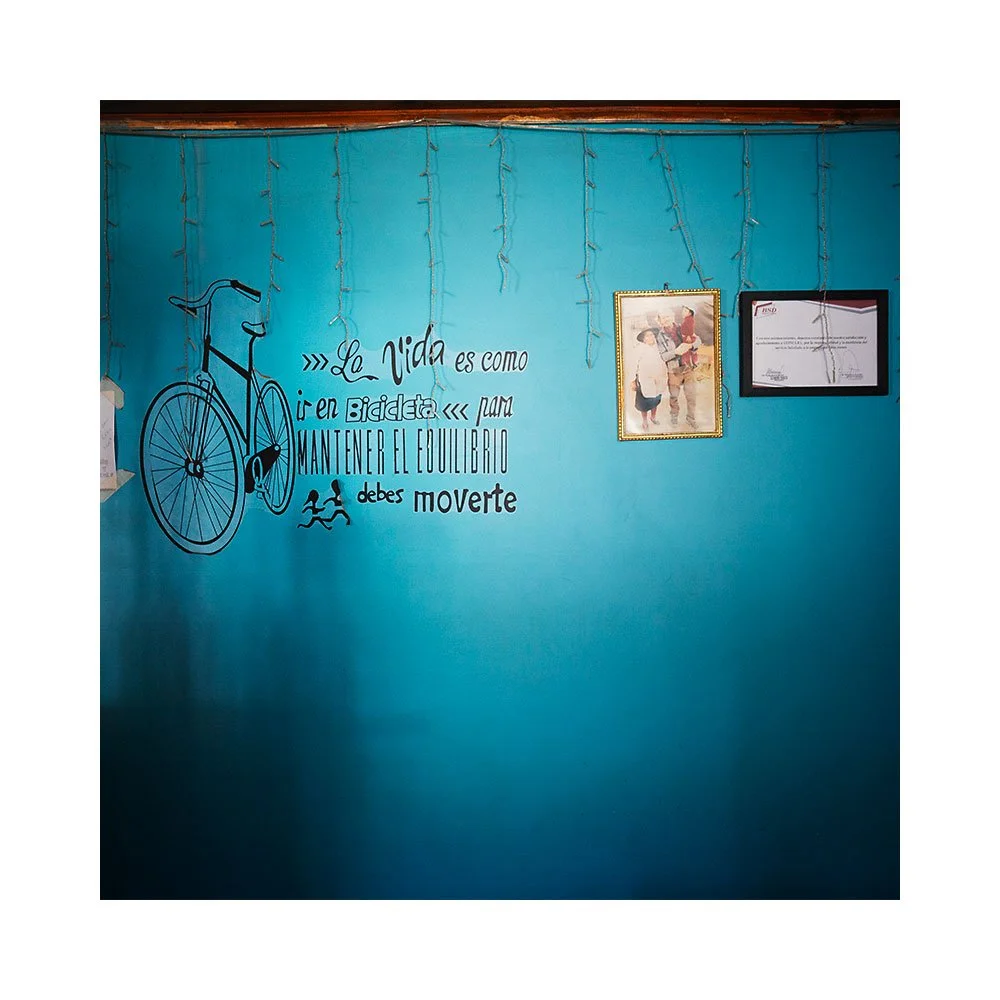
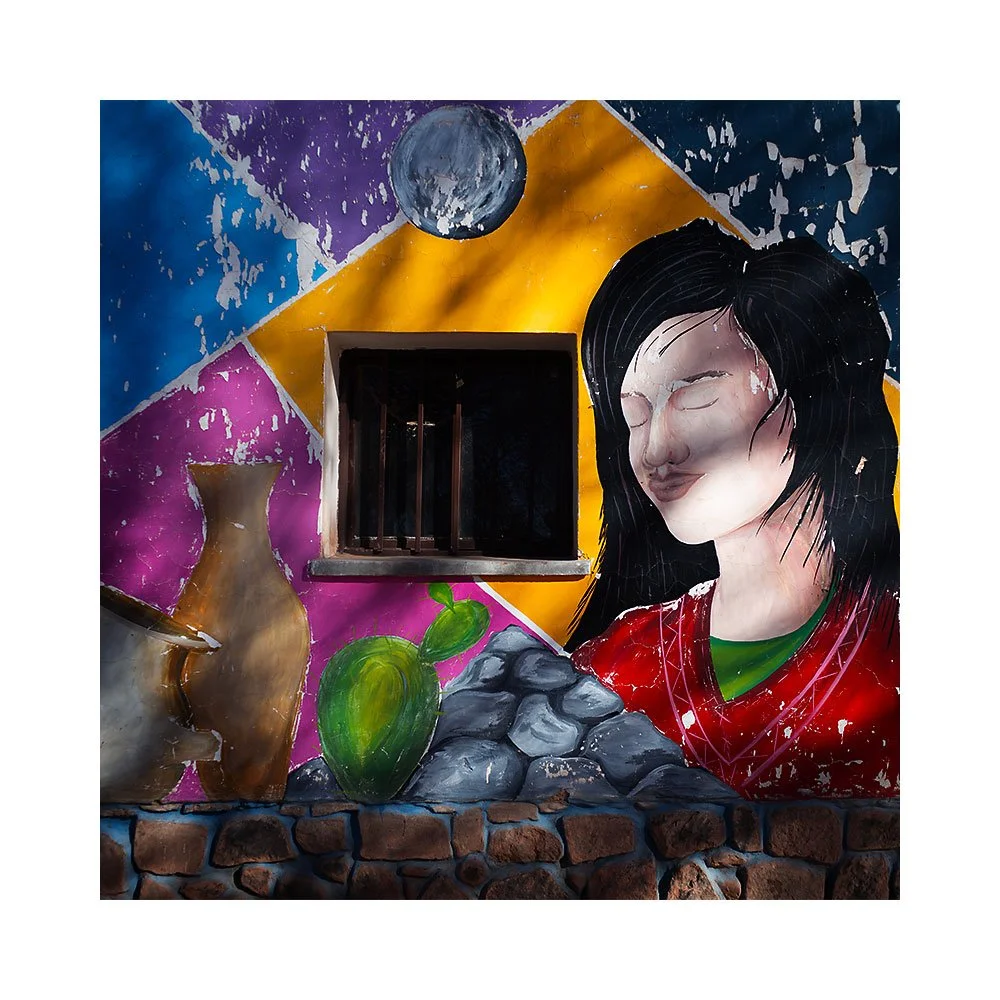
Using a fast aperture, such as f/2.8, allowed me to create a shallow depth of field, isolating subjects against softer backgrounds. In doing so, I captured not just the landscapes, but the essence of life here in the Puna—a testament of its culture and community. For example, the rich colors of local wall art and intriguing interior designs tell stories beyond just visual appeal; they reflect the identity and vibrancy of the region.
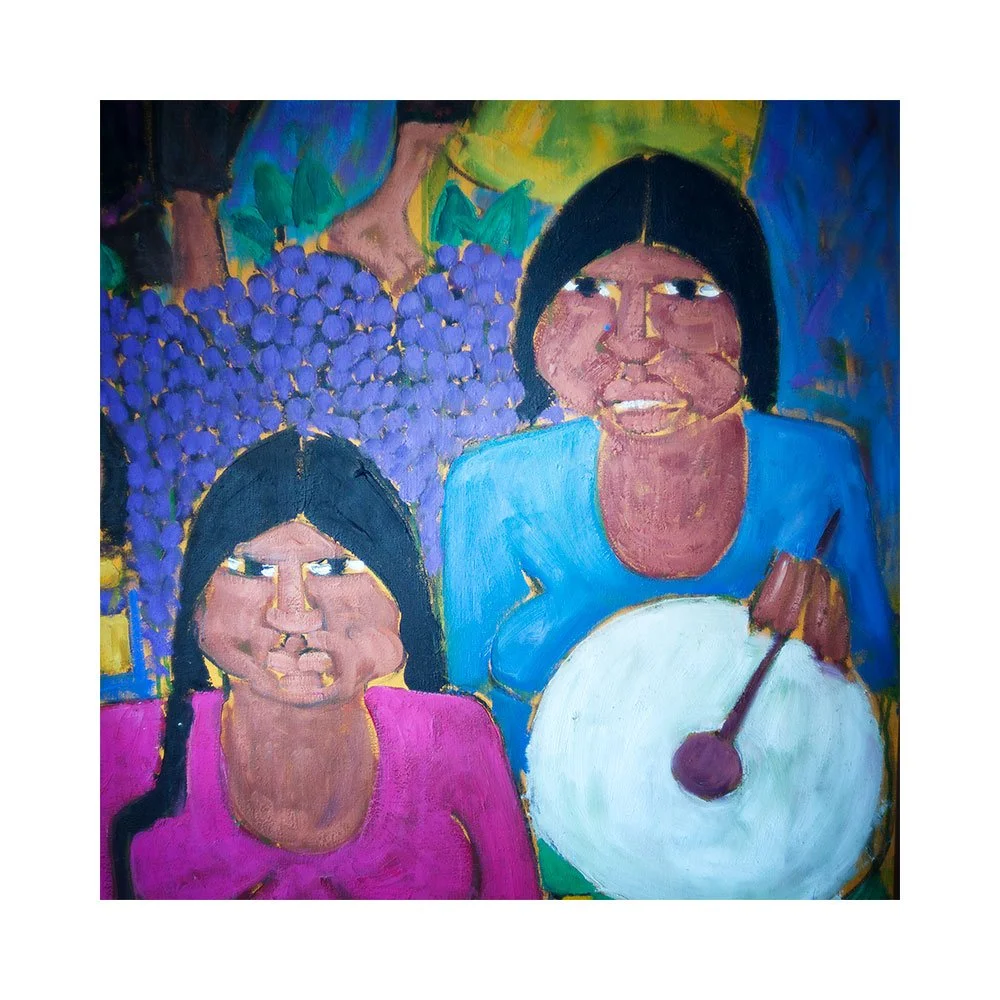
Expanding My Photographic Focus
As I sit in the quiet of the dry surroundings between shoots, a thought resonates deeply—documenting my journey more comprehensively. Approaching 60, it prompts a reflection on my nearly two decades of photography, sparking the desire to blend traditional landscape photography with a broader narrative. Until now, I’ve often distinguished between landscape work and other forms, thinking that anything outside nature’s grandeur held little value. Yet, the urge to capture documentary images grows stronger, challenging me to look beyond landscapes.
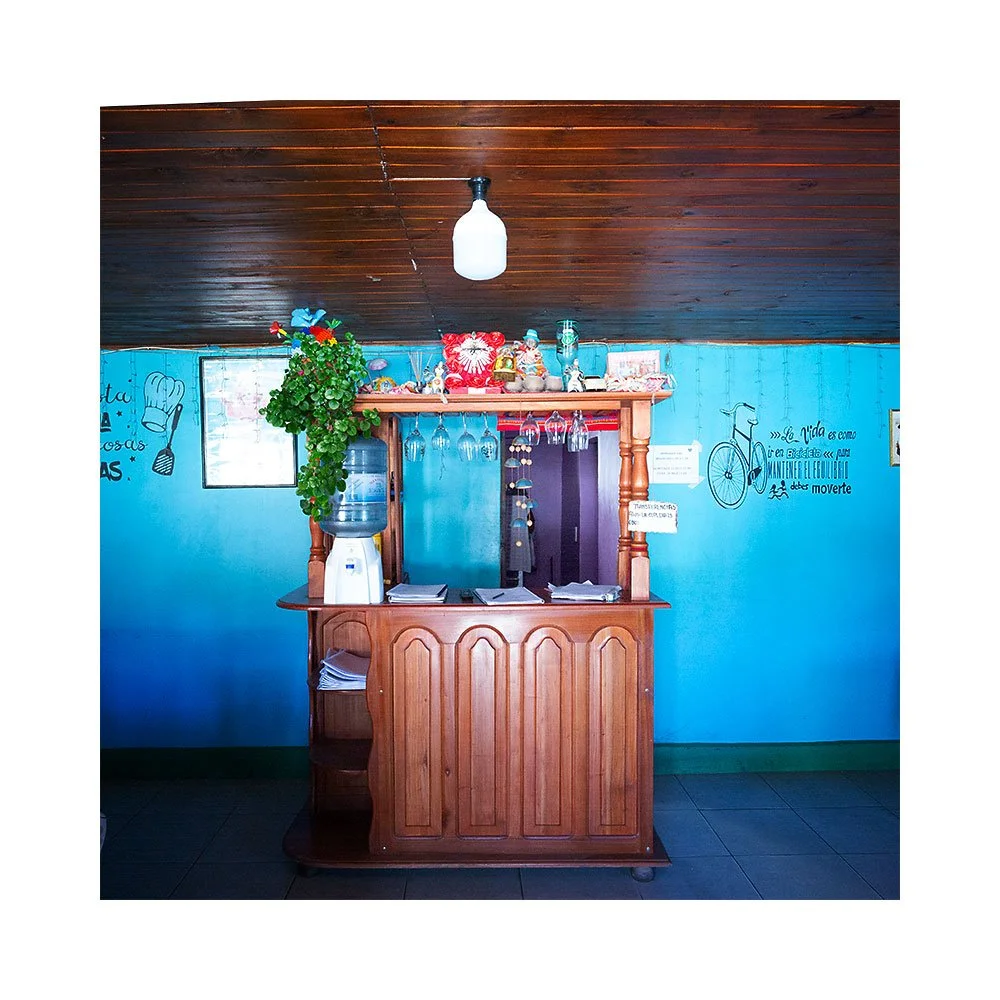
This new focus serves not just as a journal of my travels but also as a personal exploration of identity and environment through the lens. Capturing both stunning landscapes and everyday life provides layers to my photography, bringing authenticity to the visual story I want to tell. Through this evolution, I seek to understand how different elements interplay and affect the perception of a place.
Technical Considerations
When stepping into the role of documentary photographer, I’ve found that knowing how to approach each situation varies greatly from landscape photography. For instance, in addition to the camera model, lens choice becomes immensely significant. A versatile 35mm lens on the Leica suits tight interiors and wide street scenes alike. The film vs digital debate also surfaces; while film possesses a magical quality in landscapes, there's a raw, immediate feeling of capturing candid moments digitally.
Interactive Image Highlights
Throughout the day, I recorded numerous images depicting the picturesque surroundings. Here are a few highlights:
View fullsize
Conclusion: A Dual Vision
Through this mesmerizing journey in the Puna highlands, my photographic vision evolves from one strictly focused on landscape artistry to a more integrated approach that captures the spirit of both nature and community. It opens up exciting avenues for exploration—stretching the boundaries of my creative narrative while enriching the viewer's experience. As I move forward, the challenge will be to maintain this dual vision and see how these stories unfold through my lens, effectively bridging the gap between landscapes and the life that surrounds them.