David Hockney's artistic legacy challenges our understanding of perception in photography and painting, blending visionary techniques with personal interpretations.
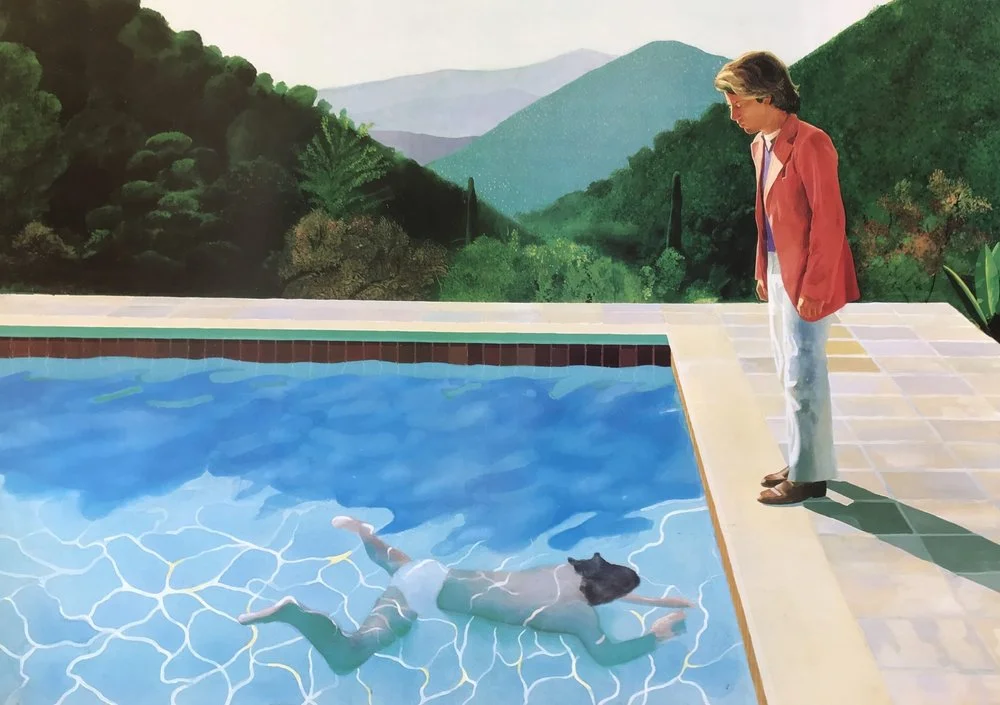
Today, the art world mourns the loss of David Hockney, a pivotal figure whose work expanded the boundaries of visual perception. His influence not only touches the aesthetic realm but also provokes contemplation on how images—whether painted or photographed—are interpreted and experienced.
Hockney gained prominence through the film ‘Tim’s Vermeer’ and his acclaimed book ‘Secret Knowledge.’ In these works, he argued that many towering figures in art history, including Vermeer and Da Vinci, employed advanced techniques like the Camera Obscura to enhance their artistic visions. This unconventional idea redefines our appreciation for icons of art, positioning them not merely as creators but also as innovators who utilized the technology of their times.
Take Johannes Vermeer, for example; his paintings exhibit hyper-realistic qualities that seem almost photographic. Hockney points to works like the ‘Girl with the Pearl Earring’ as emblematic, suggesting that they transcend traditional painting to reflect a deeper truth captured through understanding and technique. Vermeer’s consistent studio dimensions and the chromatic aberrations visible in his works further hint at a methodical, almost scientific approach to art, one that aligns closely with photographic principles.
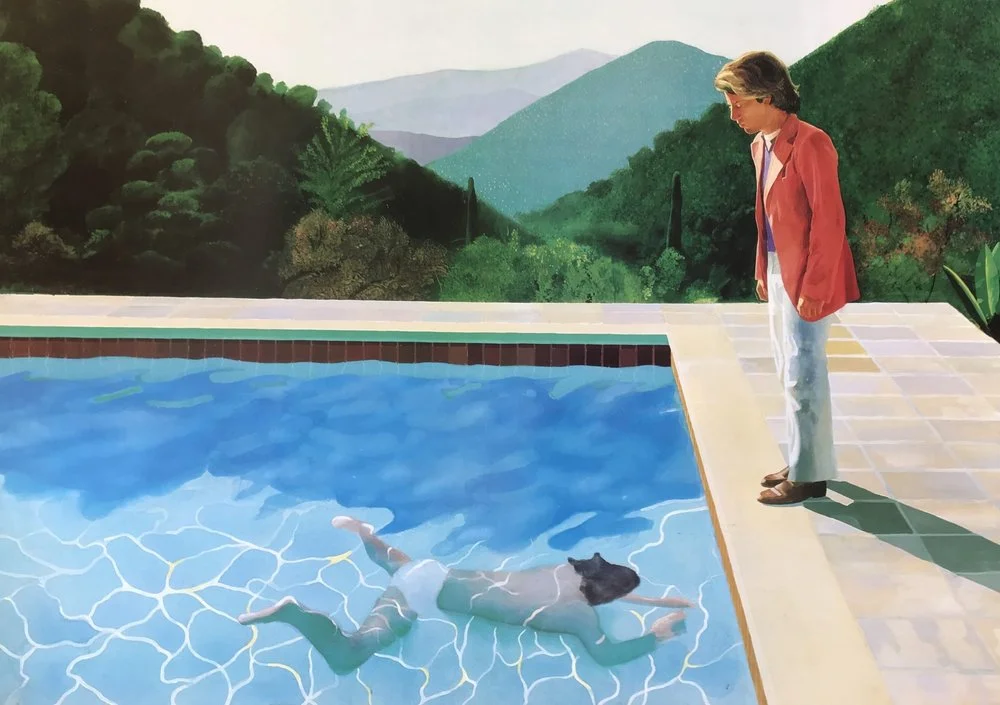
For Hockney, the line between painting and photography is blurred. He believed that all artists, whether wielding brushes or cameras, share a fundamental goal: to interpret their perspectives and convey unique views of the world. When discussing the nature of perception, Hockney raised profound questions about subjective experience. Can we ever truly know if the red of a balloon seen by one person is identical to the red seen by another? This notion disrupts the commonly held belief that photography offers an objective record of reality.
Indeed, the very essence of photography, as Hockney might argue, is not in its ability to reproduce the world exactly as it is, but rather in its capacity to convey individual interpretation. Each photograph is filtered through the photographer’s lens—both literal and figurative. The act of shooting goes beyond mere image capture; it's an expressive medium that allows for personal storytelling and interpretation.
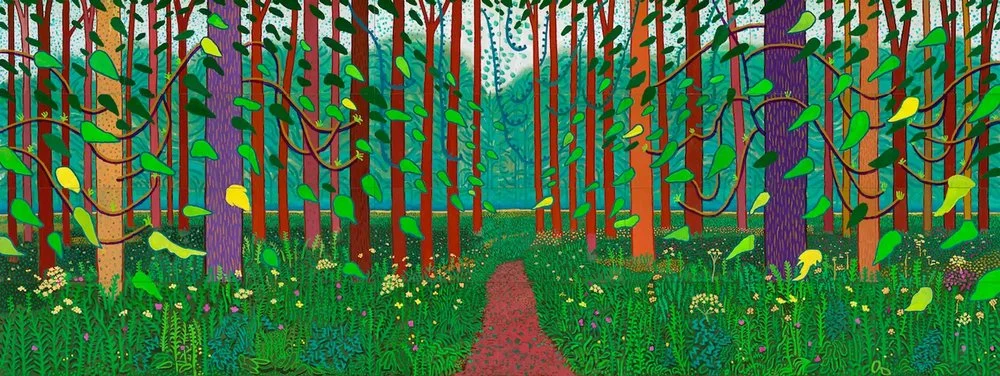
Hockney expressed that if Leonardo da Vinci were alive today, he would undoubtedly embrace the camera as a tool for creative expression. This perspective invites contemporary photographers to rethink their craft, not just as technicians behind a lens but rather as creative artists wielding a profound tool capable of transcending reality. Hockney himself frequently explored new technologies, utilizing digital mediums in his later works, suggesting that innovation is essential to artistic evolution.
Interestingly, the overlap between photography and painting is not merely thematic; it’s rooted in history. Many renowned photographers began their careers as painters, bringing with them an understanding of composition, light, and personal expression that enhances their photographic work. For instance, Henri Cartier-Bresson, a pivotal figure in documentary photography, initially studied painting, illustrating how deeply interwoven these disciplines are.
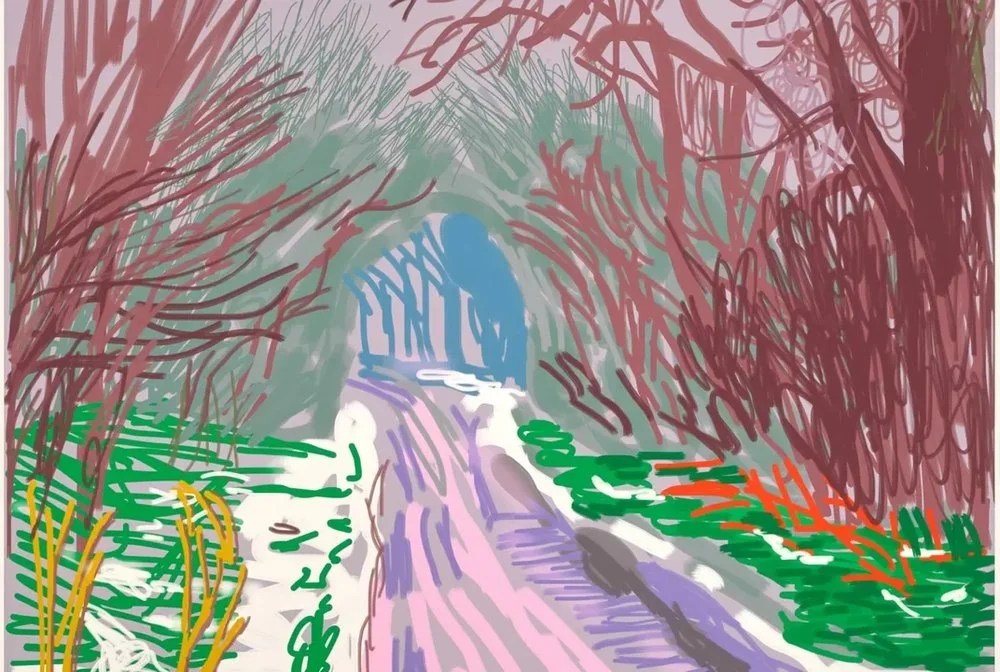
Painting, in many ways, is akin to capturing moments in oil or watercolor, as both mediums emphasize the significance of light, shadow, and color. Artists, regardless of their chosen method, are deeply engaged in a dialogue about their experiences and perceptions. Hockney’s own works are celebrated for their vivid exploration of light and form, showcasing a unique vision that invites viewers to see the world through his eyes.
This singular perspective is what creators—both painters and photographers—should aspire to convey. Photographers hold the power to present their interpretations of life, capturing moments that resonate with authenticity and emotion. Just as Hockney challenged viewers to reconsider the seen and the unseen in his paintings, modern photographers are encouraged to reflect their individual truths, engaging with viewers on a deeper level.
David Hockney’s legacy is not just in the art he created but in the conversations he sparked about perception, technology, and the continuation of artistic expression across mediums. As we move forward, let his work inspire both painters and photographers to embrace their unique visions and explore the interplay between seeing and expressing the world around them.


