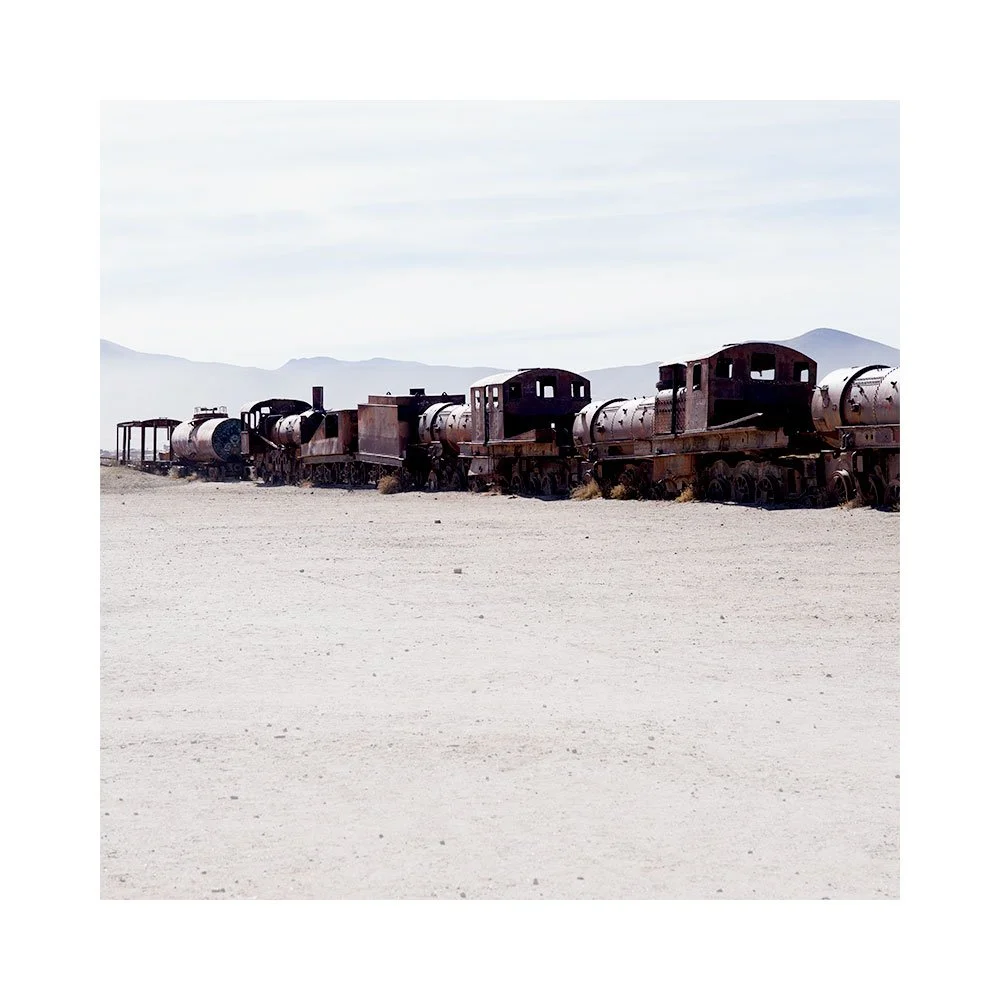
A photographer reflects on capturing the vibrant graffiti at the Uyuni train graveyard with a Leica M240, blending spontaneity with artistry.

The Uyuni train graveyard in Bolivia is a hauntingly beautiful location where rusting locomotives and vibrant graffiti converge, creating a stunning tableau of decay and color. Often regarded as a photographer's paradise, this site offers endless opportunities for capturing creative images, a reality that becomes evident during a recent visit.

Equipped with a Leica M240, the photographer embarked on a quick 30-minute shooting session filled with vibrant spontaneity, despite dealing with a non-functioning LCD screen. The challenge of working without a reliable display can be daunting, but it forces an engagement with the photography process that often leads to unexpected and exciting results. The limited time frame encouraged swift decision-making, allowing for a fluidity often absent in more calculated shoots.
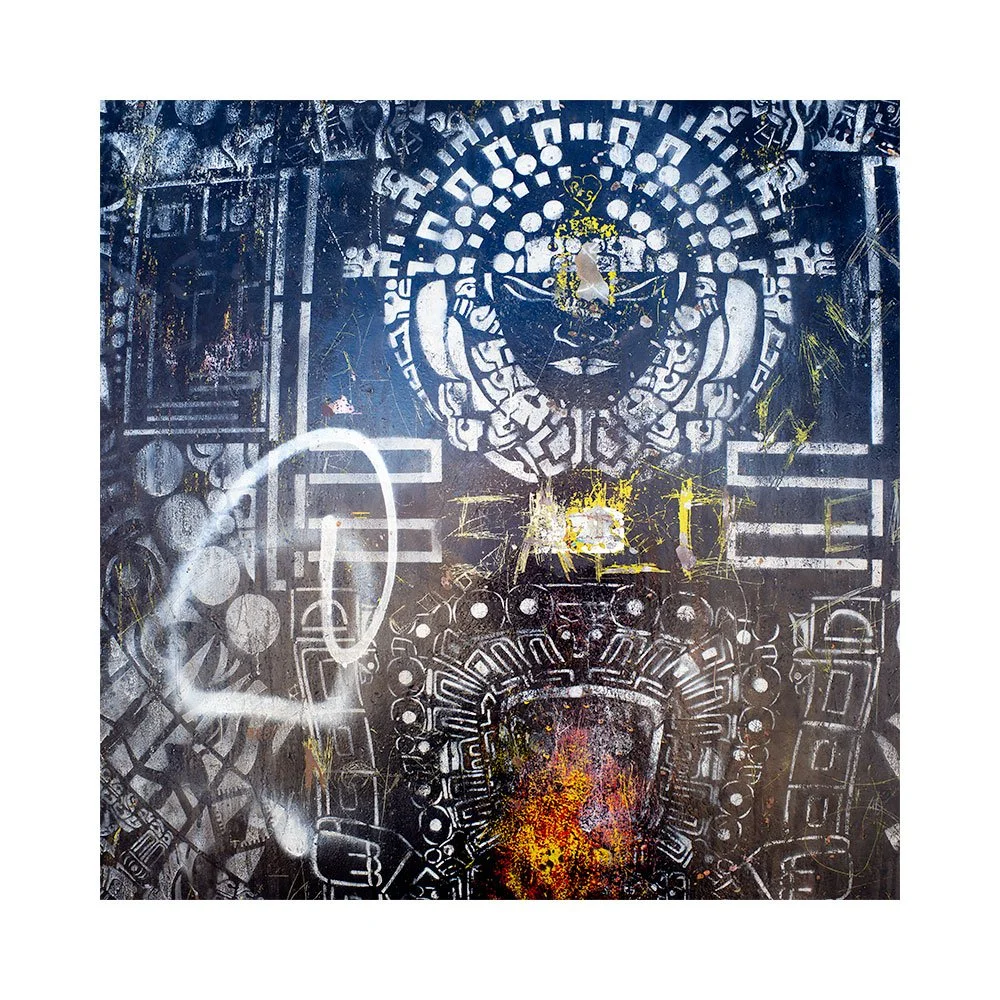
Understanding the Uyuni Train Graveyard
The Uyuni train graveyard is more than just a resting place for forgotten trains; it's a canvas where nature and art merge. Over the years, local artists and travelers have left their mark on the decaying metal, creating a landscape rich with colors and textures. From graffiti that tells stories to the rustiness of the trains that symbolize history, every corner offers a different perspective, enticing photographers to explore its depths.
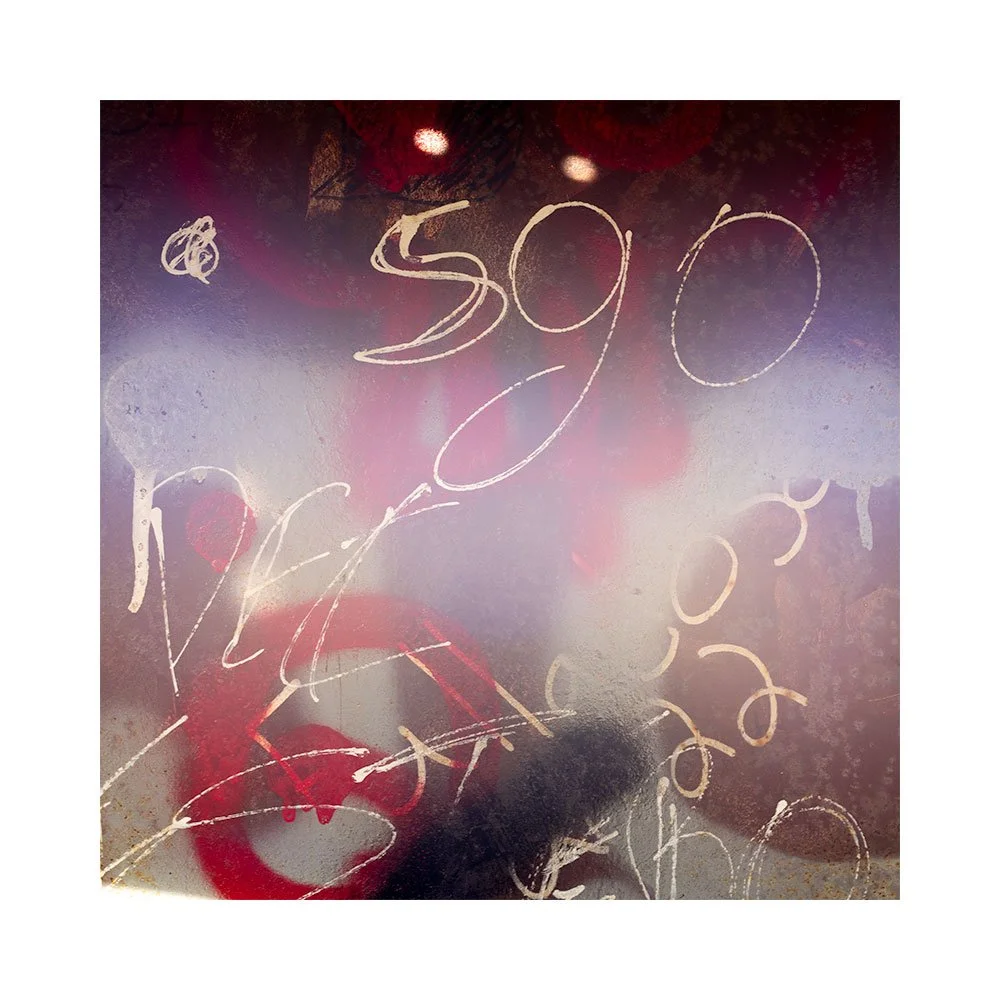
Emphasizing Quick Decision-Making in Photography
There’s a certain magic that happens when you abandon meticulous planning for quick, instinctual photography. In this session, the photographer emphasizes the importance of working quickly, which often leads to more naturally composed images as choices become less calculated and more intuitive. This spontaneity can produce unexpected angles and compositions that a thoroughly planned shoot may miss.

When rushing to capture images, one must trust their instinct and the camera's capability. The photographer found that this speed allowed for a broader expression of one's visual narrative. The ability to adapt to the surrounding environment without hesitation can sometimes result in raw and authentic photographs. Here, the trains become more than objects; they transform into subjects imbued with personality and emotional weight.
The Role of Light and Composition
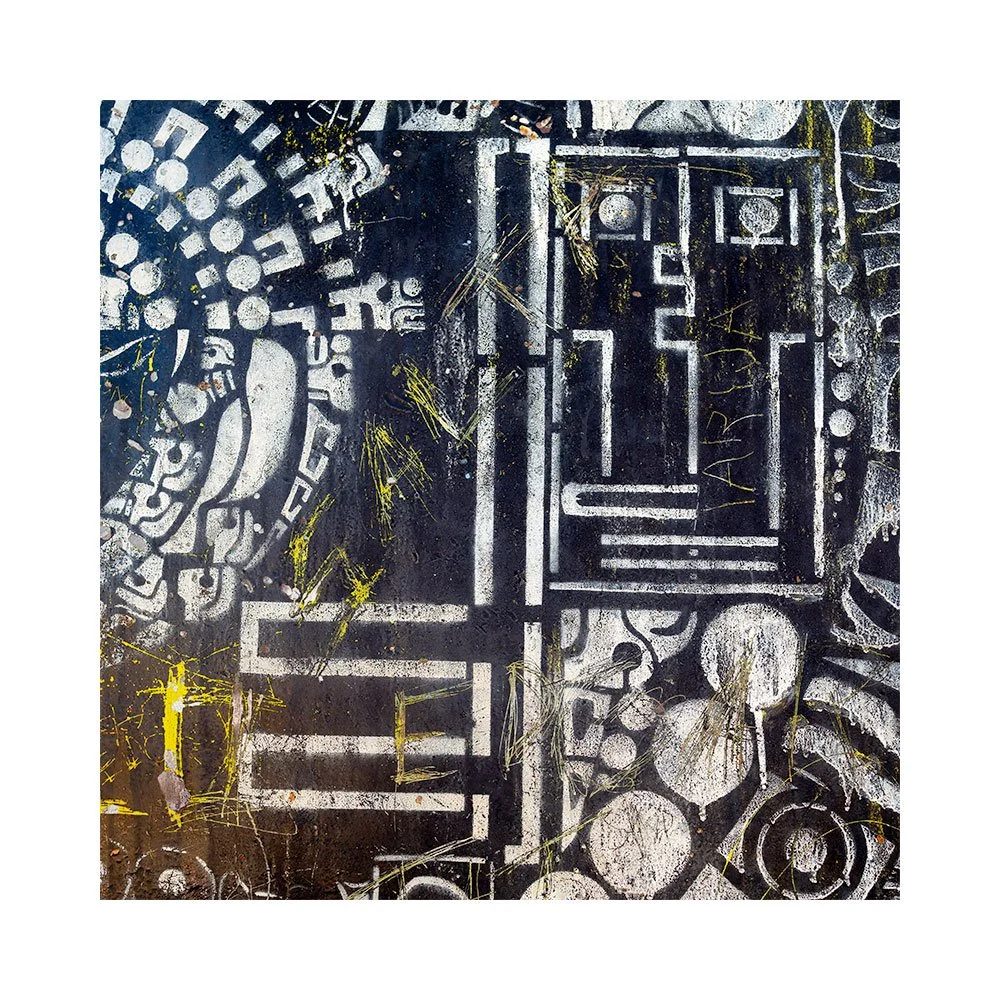
Light plays a pivotal role in how images are perceived, especially in a setting like the Uyuni train graveyard. The gentle light during the early morning or late afternoon accentuates the textures of the rusted metal and highlights the vibrant graffiti. For photographers looking to capture the essence of this place, it's essential to consider the time of day and how it affects the scene.
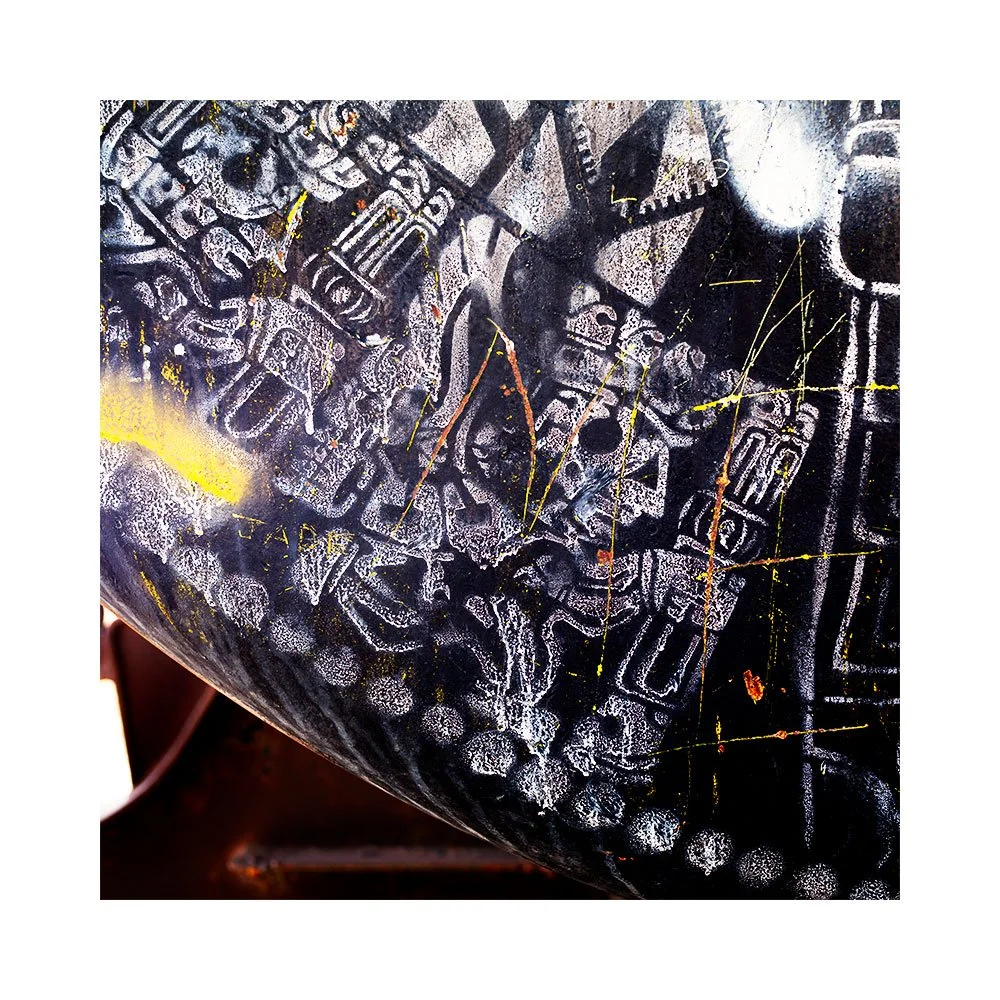
In this particular outing, capturing the interplay of shadows and bright patches of color turned into an exploration of composition. The photographer chose to focus on contrasting elements – the starkness of the metal structures against the lively colors of the graffiti. Utilizing angles that emphasize these contrasts can lead to dynamic images that draw the viewer in.
Integrating Travel Photography into Broader Practice
This visit to the Uyuni train graveyard wasn't just a standalone project but a harmonious addition to the photographer’s ongoing work. It serves as a reminder of the importance of finding inspiration in different types of photography, including travel vignettes that complement larger projects like landscape photography. Events and emotions captured during travels enhance skills and keep the photographic eye fresh.
While shooting landscapes usually relies on patience for the right moment, quick trips like this create a balance that enriches one's overall practice. The fleeting, vibrant images taken in transit continue to nurture creativity, bridging gaps for days when ideal landscape lighting is elusive.
Conclusion: The Importance of Keeping Engaged
The experience at the Uyuni train graveyard demonstrates how diverse photography experiences can keep an artist's eye engaged. Quick sessions in vivid environments, even with equipment challenges, encourage creativity and adaptability. It’s a crucial aspect of developing a photographer’s voice, especially in visually rich scenes where history and art unite.
As photographers and filmmakers continue to explore places like this, the lessons learned — about spontaneity, composition, light, and the joy of discovery — remain pivotal in enhancing their craft. Ultimately, these moments not only yield compelling images but also strengthen the bond between the photographer and their subjects, composing a narrative that reflects both the relationship and the setting.