This article explores the marketing tactics used to promote the documentary "The Forgotten Occupation" in just over a week, highlighting successful outreach and community involvement.
In the fast-paced world of documentary filmmaking, timely and effective promotion is crucial, especially when the release date is just around the corner. A recent case study can be found in the marketing efforts surrounding The Forgotten Occupation, a documentary focused on Haiti, which began its promotional activities with less than two weeks to its opening in Los Angeles.
After being approached by the film’s creator around December 31, 2025, I took on the task of elevating the film’s visibility ahead of its premiere, which was set for January 10, 2026. The filmmaker wanted to make a significant impact despite the limited timeframe, seeking to generate attention from media outlets, secure reviews, and rally support from the community.
Initial Strategies: Interviews and Social Media
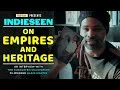
One of the first initiatives was to arrange an interview with Ian Simmons, a recognized film critic based in Chicago. We conducted a video interview that provided both a platform for Simmons to share his review of the film and an engaging resource for potential audiences. This kind of content not only enriches promotional material but also builds credibility through expert opinions.
Promotion efforts also extended across various social media platforms, focusing primarily on Twitter (recently rebranded as X), Facebook, BlueSky, and even Instagram, albeit to a lesser extent. With announcements and engaging posts, the aim was to reach broad audiences while attracting the attention of individual influencers in the film community.
Building an Outreach List
To expand our outreach, I compiled a targeted list of around 100 media organizations and influencers who might be interested in the film. This list was particularly beneficial as it included not only contacts I had developed but also others who may have been aware of the film from earlier promotional activities. It’s significant to note that some of these outreach efforts were follow-ups to previous contacts, emphasizing the importance of maintaining relationships in the industry.
We crafted customizable email templates that the filmmaker could use when contacting media organizations. While the effectiveness of standard templates can vary, they often provide valuable guidance and streamline communication. Templates serve as a tool to frame the message effectively, catering to different audience types, and they can be particularly helpful for community organizations with a vested interest in the film’s subject matter.
Engaging Film Critics
As the release approached, we ramped up efforts specifically targeting film critics. I personally contacted over a dozen critics, while collectively reaching out to approximately 30 media outlets, bloggers, and podcast hosts. As of the premiere date, five reviews were already in the pipeline. The challenge of promoting a film during the holiday season—and especially the New Year's week—did not go unnoticed. Many individuals were still on holiday breaks, complicating outreach efforts during a critical time. However, by strategically timing our communications and sending some emails out as early as December 31, we were able to maximize our chances of engaging reviewers.
Premiere Success: Community Involvement
The film opened on January 9, with a special event held the following day. Notably, this event was sold out, attracting an audience of 250—an impressive feat for a documentary with a limited promotional budget. The surge in attendance was largely attributed to the support of local Haitian community groups, who lent invaluable assistance in spreading the word about the film. Their local knowledge and connections boosted visibility, showing how grassroots efforts can pay off in promoting independent documentaries.
Community engagement is often a critical factor in achieving success for documentaries. By harnessing the power of local organizations, filmmakers can create a network of support that enhances outreach, builds enthusiasm, and ultimately drives attendance. Local community groups can often provide a connection to the target audience, which is instrumental in generating buzz and fostering a sense of involvement.
Concluding Thoughts on Promotional Efforts
The experience promoting The Forgotten Occupation serves as a valuable lesson for filmmakers and promoters alike. In the face of a tight timeline, strategic planning and community outreach can yield impressive results. The combination of a well-executed interview, leveraging social media channels, and engaging local organizations proved essential in generating anticipation and ensuring a successful turnout for the documentary’s premiere.
As the film industry continues to evolve, filmmakers should consider these promotional tactics, particularly for independent projects facing limited advertising budgets, as they strive to make their stories heard. Building relationships within the community and reaching out to influencers can turn the tide in favor of a successful film launch.