Explore the nuanced filmmaking techniques of Béla Tarr, a master of Slow Cinema, and discover how his approach reshapes our perception of time in film.

Béla Tarr's work encapsulates the essence of Slow Cinema, a genre that celebrates the profound experience of time rather than the frenetic pace commonly found in mainstream films. Often underappreciated in American film discourse, Tarr's artistry invites viewers to engage with their existence on a deeper level, foregrounding time as a core thematic element.
A Deep Dive into Slow Cinema
Slow Cinema is more than just a style; it’s a philosophical approach to storytelling that emphasizes contemplation, atmospheric depth, and the passage of time. Unlike mainstream cinema, which often relies on rapid cuts and spectacle, Slow Cinema—particularly in the hands of Tarr—steers the audience toward introspection and the exploration of human experiences. By capitalizing on long takes and minimalistic dialogue, these films require viewers to be active participants rather than passive consumers.
The Films of Béla Tarr
Recognized as a master of this genre, Tarr's significant works include:
- Family Nest (Családi tűzfészek, 1979) — His raw debut shown through a cinéma vérité lens.
- Damnation (Kárhozat, 1988) — The turning point that showcased his distinct hypnotic visual style.
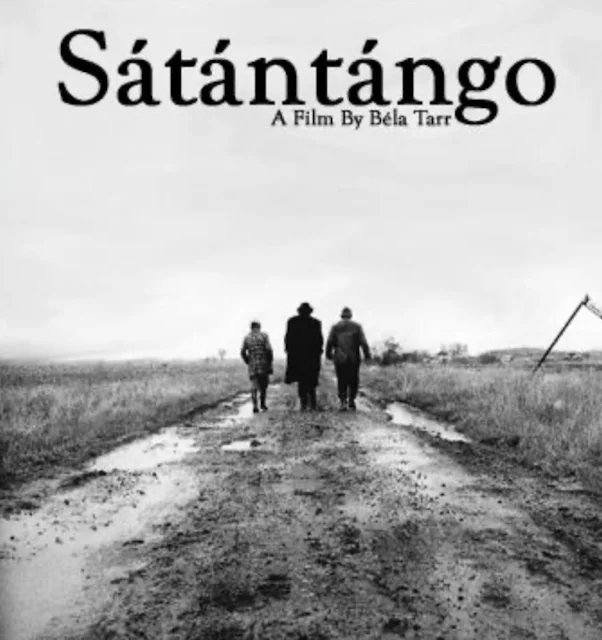
- Sátántangó (1994) — A 7.5-hour epic that profoundly examines human interactions through the lens of time and despair.
- Werckmeister Harmonies (2000) — A disturbing yet poignant art piece reflecting on societal collapse.
- The Turin Horse (A torinói ló, 2011) — His stark minimalist final work, which he deemed a farewell to his directing career.
All these films exhibit Tarr's hallmark styles, including minimal dialogue, extended shots, and depictions of desolation and collapse. They often leave audiences with a meditative experience, challenging conventional narratives and typical cinematic time.
The Philosophy of Time in Film
At the heart of Tarr's approach is the perception of time. He suggests that "we are born into time, we live in time, and time ends our existence." This reflects in his films, which portray time as both a friend and an adversary. Each shot reveals moments of stillness, evoking the audience's understanding that life and death coexist in their relentless march. Films like Werckmeister Harmonies present intricate, almost excruciating experiences where the viewer has no choice but to engage with the drawn-out tempo.
Making a Slow Cinema Film
Creating a film in the tradition of Tarr involves a unique methodology that differs sharply from conventional filmmaking. Here’s a step-by-step guide inspired by such processes:
1. Conception and Script
Tarr often starts with minimal scripting, viewing traditional dialogue-heavy structures as misleading. The script primarily serves to secure funding, while he allows the real film to emerge organically during rehearsals and shooting.
2. Extensive Preparation and Rehearsals
Significant time is dedicated to rehearsals. Actors engage in detailed practice that covers movements and dialogues until everything feels natural, yet precisely choreographed. This level of preparation is crucial for executing the long takes that Slow Cinema celebrates.
3. Core Team and Collaboration
A successful production relies heavily on Tarr's long-standing team, including co-director Ágnes Hranitzky and cinematographer Fred Kelemen, who consistently collaborate to achieve the desired aesthetic and emotional resonance. This tight-knit group fosters an environment for creative exploration, often under strict budget constraints.
4. Shooting: The Heart of Slow Cinema
Shooting is characterized by black-and-white film stock, focusing on long, meticulously planned takes. Tarr's films often contain very few shots; for instance, Werckmeister Harmonies has roughly 39 takes in its 2.5-hour runtime. This minimalist approach allows for the exploration of time, character, and the surrounding environment at a contemplative pace.
5. Sound and Music
The auditory landscape is equally crucial in these films. Sound design—including ambient noises like wind, footsteps, and breathing—builds immersion, while the sparse use of music intensifies the emotional weight rather than distracting from it.
6. Post-Production
Edit the long takes minimally, primarily stitching them together while fine-tuning sound and music. The extensive post-production phase mirrors Tarr's perfectionism, often taking years to fully realize his vision.
Influence on Contemporary Filmmakers
Béla Tarr’s innovative approach to cinema has cast a long shadow over contemporary filmmakers, inspiring a diverse range of artists across the globe. Notable directors like Gus Van Sant, Jim Jarmusch, and Apichatpong Weerasethakul demonstrate clear influences from Tarr in their work.
- Gus Van Sant — His "Death Trilogy" exemplifies a clear homage to Tarr's long take aesthetic.
- Jim Jarmusch — Tarr's observant style resonates strongly within Jarmusch's contemplative narratives.
- Apichatpong Weerasethakul — Directly influenced by Tarr's immersive storytelling and pacing.
- Carlos Reygadas — Echoes Tarr's depth and aesthetics in films like Silent Light.
Furthermore, the "slow cinema" movement, solidified by Tarr, continues to thrive, encouraging filmmakers to explore narrative forms that might challenge or diverge from mainstream cinematic expectations.
A Legacy of Contemplation
Béla Tarr's artistry is an invitation to connect with cinema as an experiential medium that provokes thought and emotion. Through his commitment to exploring the layered complexity of time, his films transcend traditional movie-making conventions, offering viewers an avenue toward meditation on the human experience.
Ultimately, Tarr leaves a lasting legacy, encouraging audiences to engage calmly and thoughtfully with the world around them. As he stated, "The film isn't the story; it's mostly picture, sound, a lot of emotions," signaling the need for a deeper appreciation of not just what we see on screen but how we exist alongside it.
For those looking for mainstream accessible interpretations of this genre, consider watching Lav Diaz's upcoming epic, Magellan, which promises to blend the immersive qualities of Slow Cinema with a more approachable narrative form.
Béla Tarr's contributions to film underscore a profound understanding of narrative time, creating an indelible mark on the history of cinema that will continue to inspire future generations.


