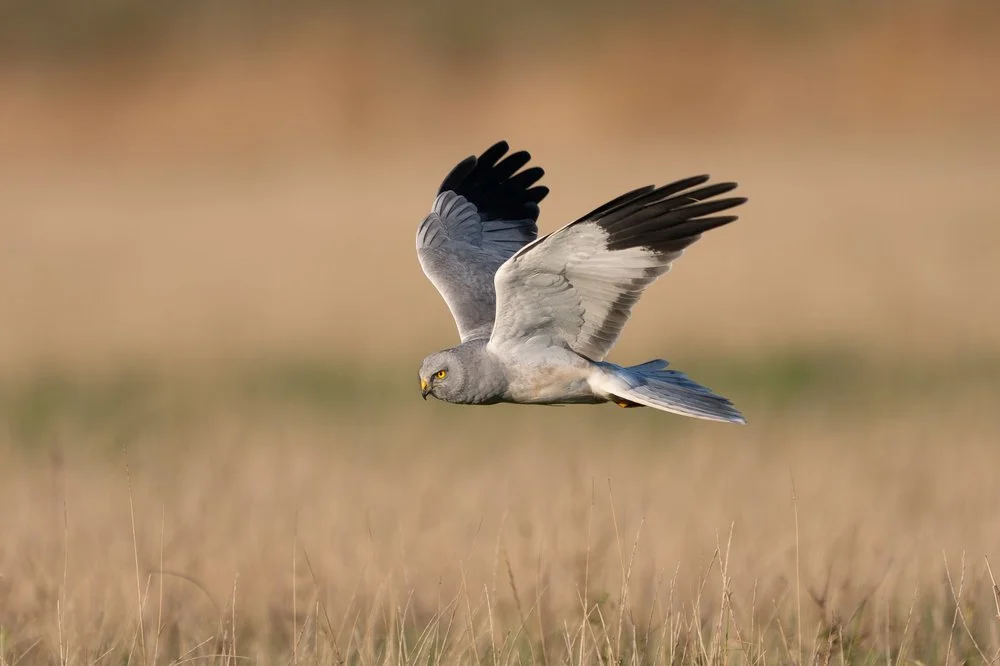
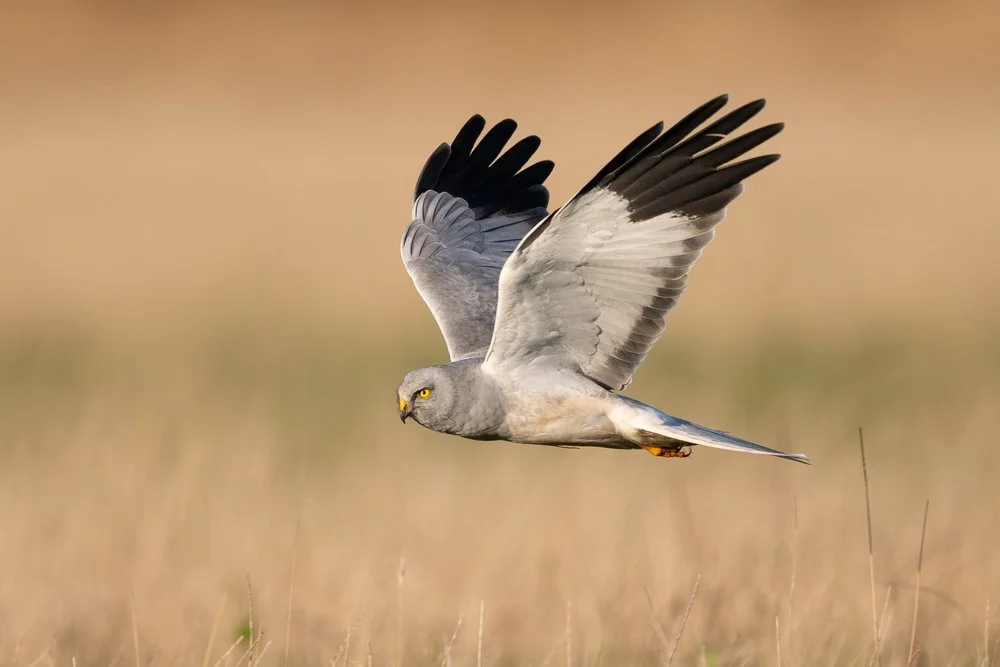
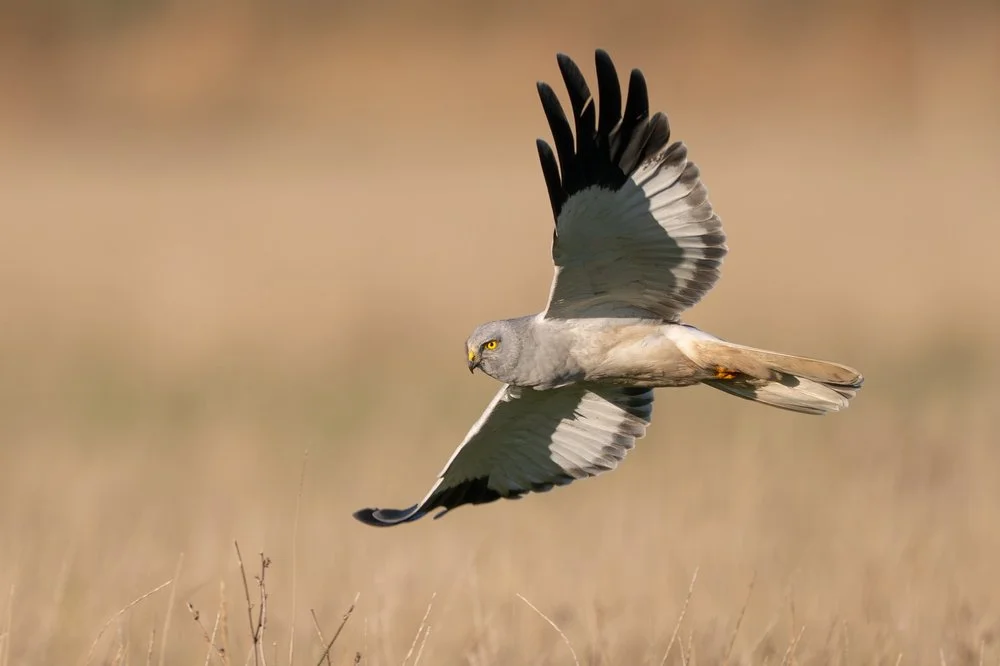
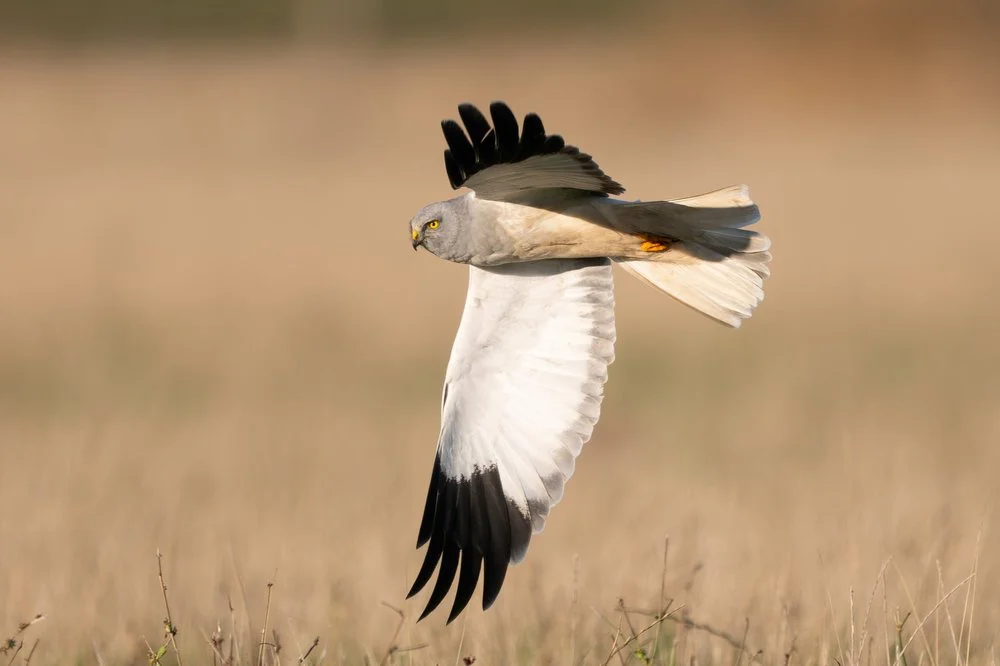
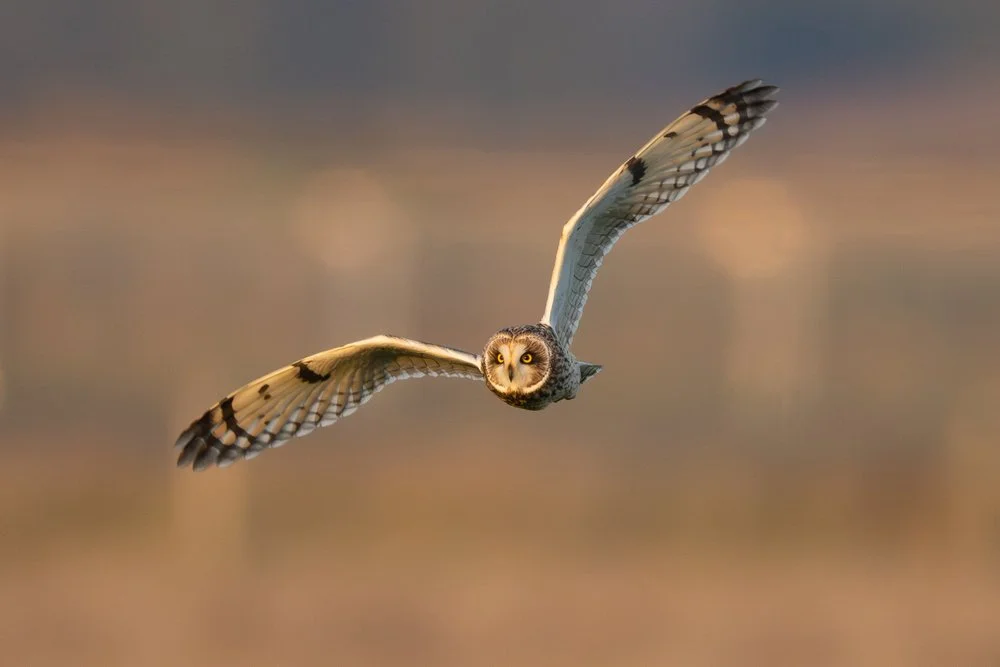
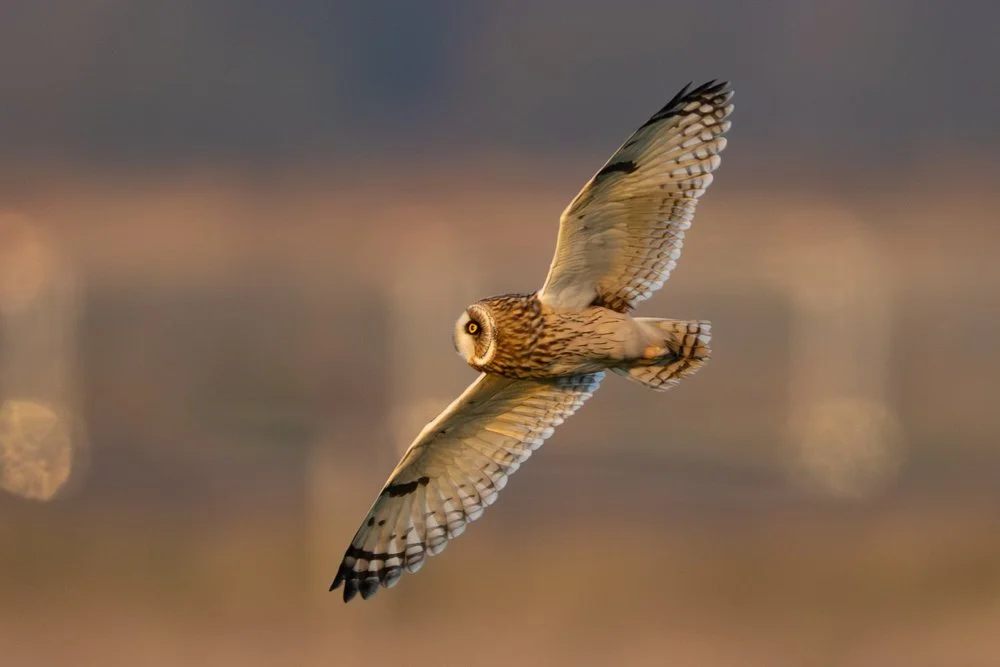
In the Humber region, one photographer shares an exhilarating day of raptor photography, highlighting techniques, encounters, and the impact of weather conditions.
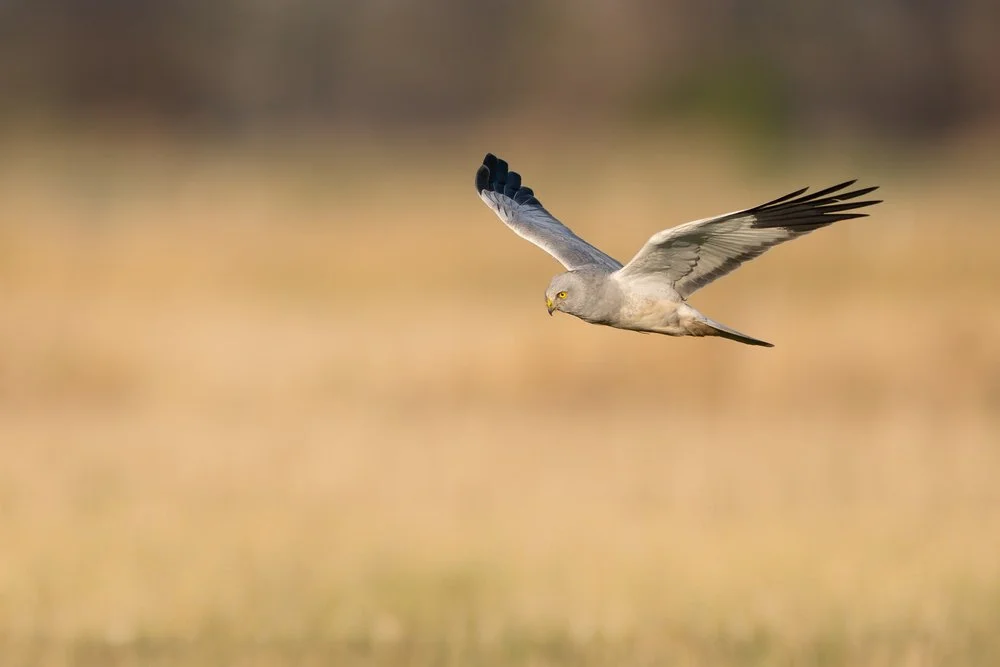
Recently, I had the opportunity to experience an extraordinary day of photography in the Humber region, where everything fell perfectly into place. Following a series of dreary days marked by foul weather, the forecast promised bright sunshine, an ideal condition for spotting raptors which likely hadn’t had ample feeding opportunities during the previous storms.
Setting the Scene
I made my way to my favorite vantage point around 10 AM, spirits high with the clear blue skies contrasting sharply with the recent gloom. During my ascent, I was excited to observe a female hen harrier hunting in the distance. It wasn't long before a male harrier took off from the saltmarsh, along with three short-eared owls that took flight – a promising sign of the day ahead.
Building Anticipation
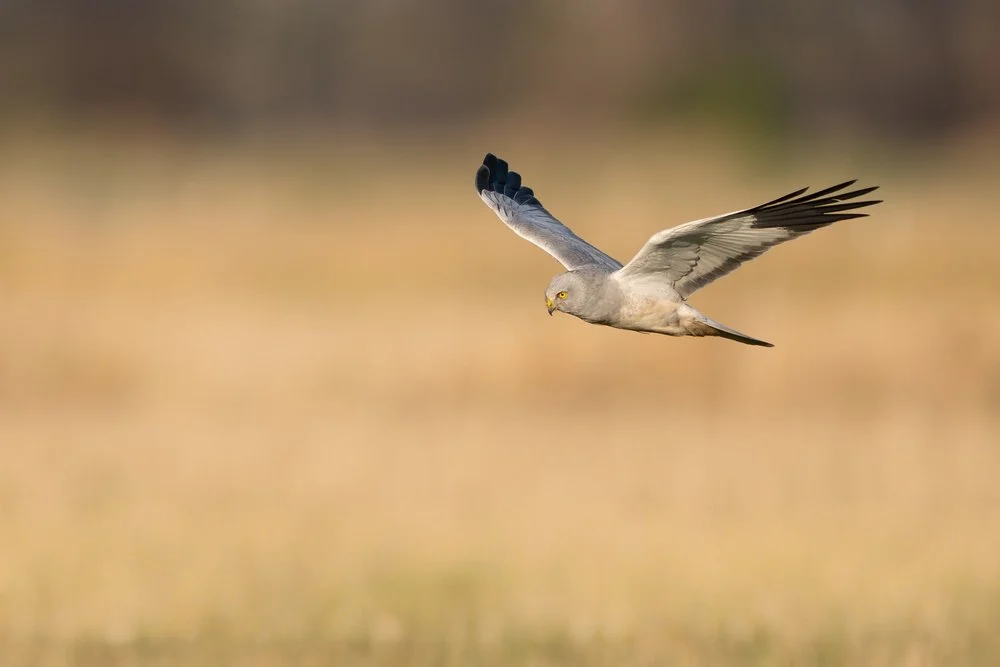
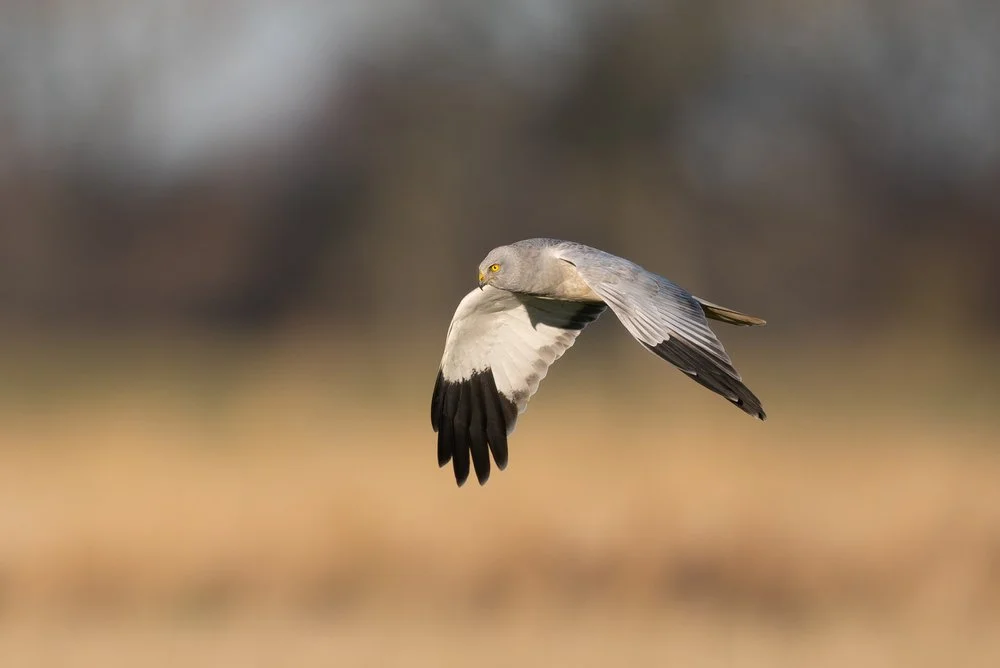
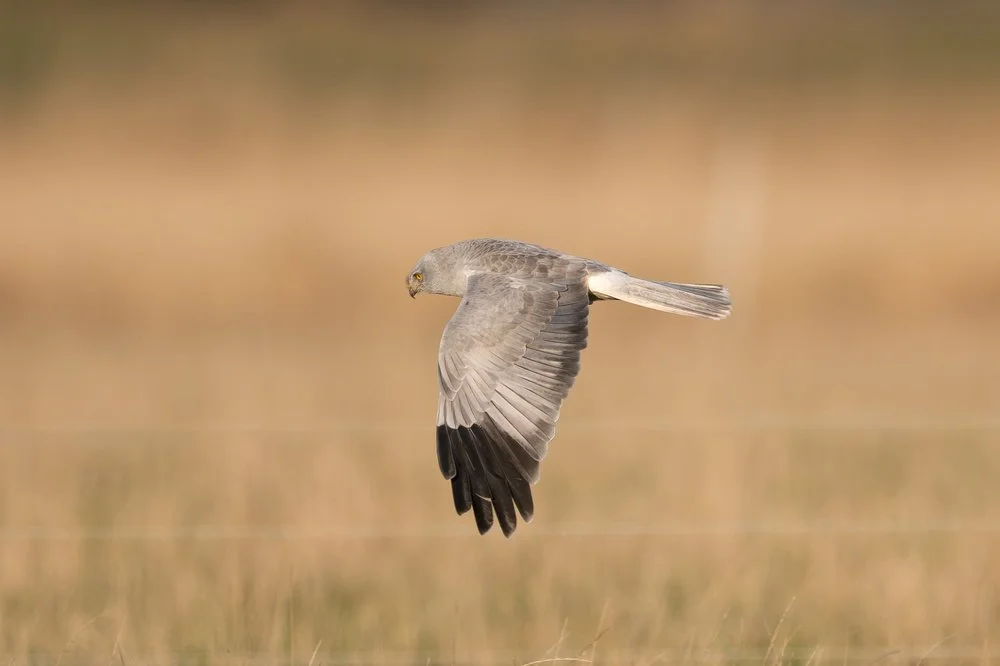
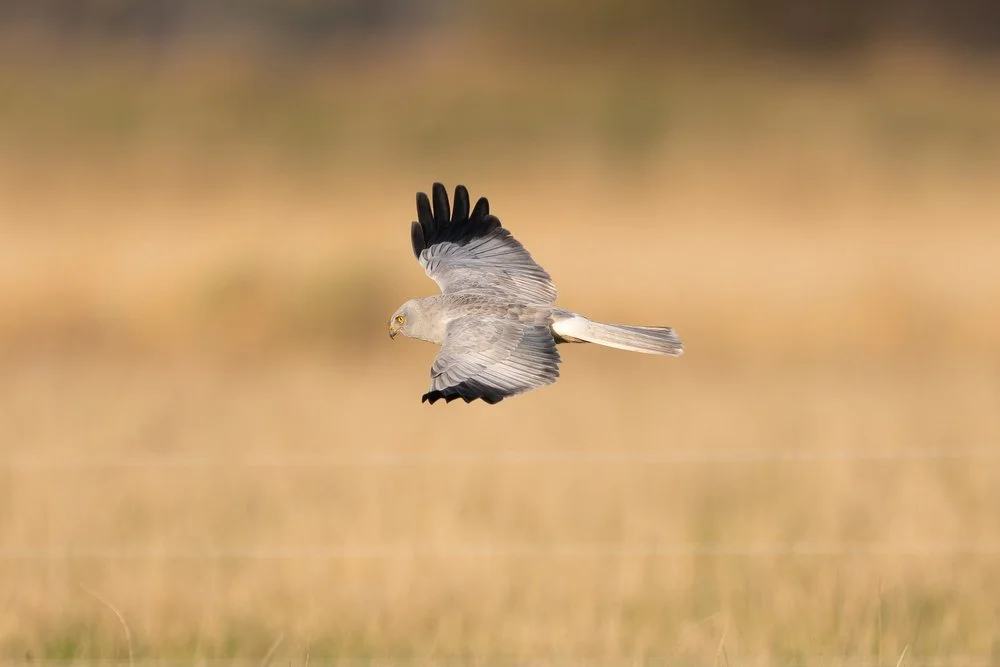
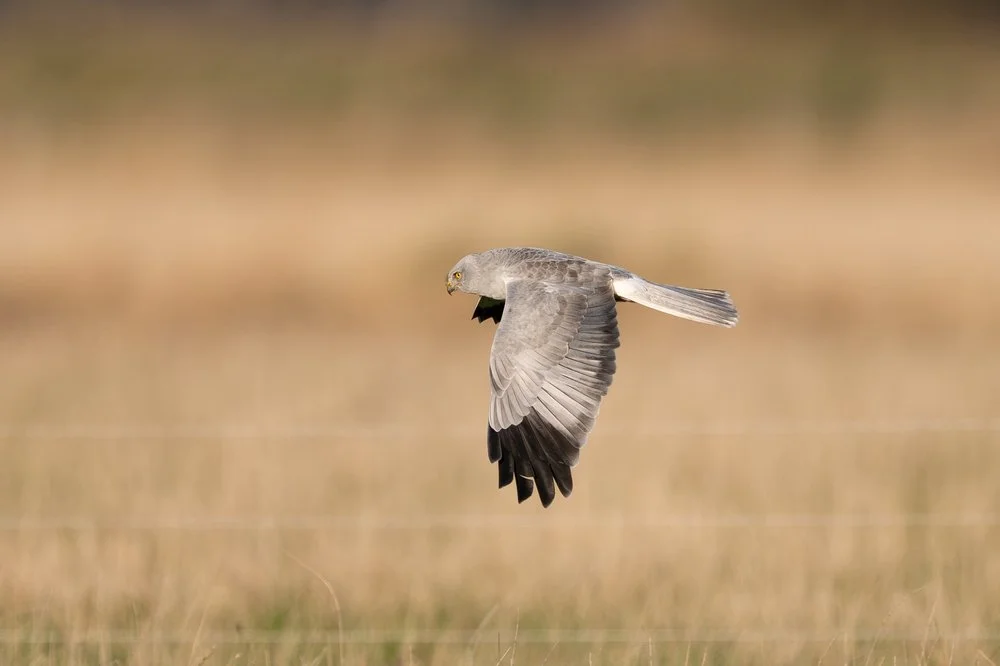
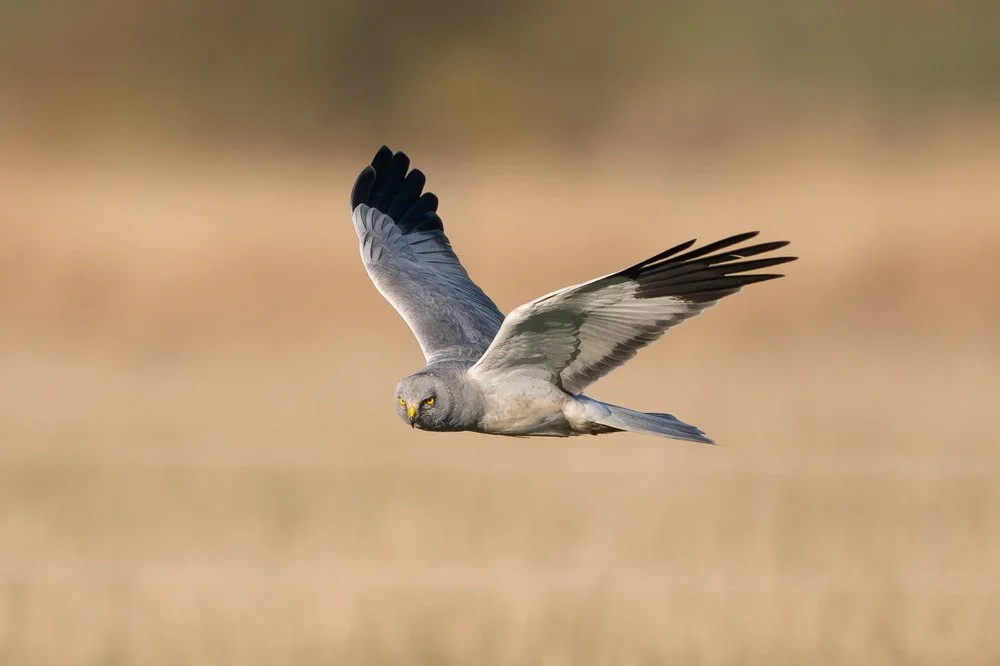
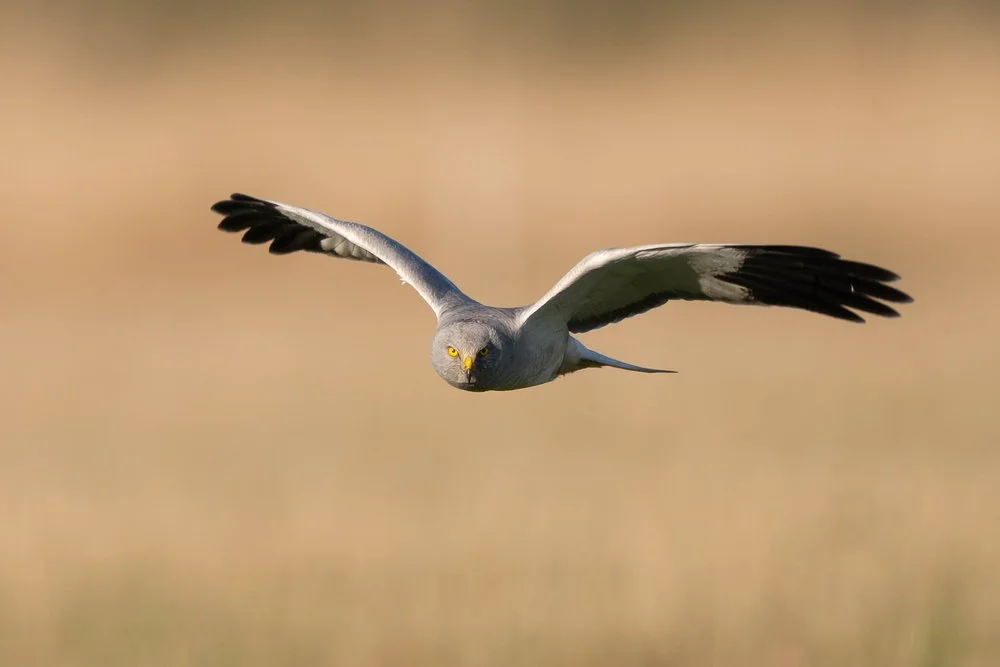
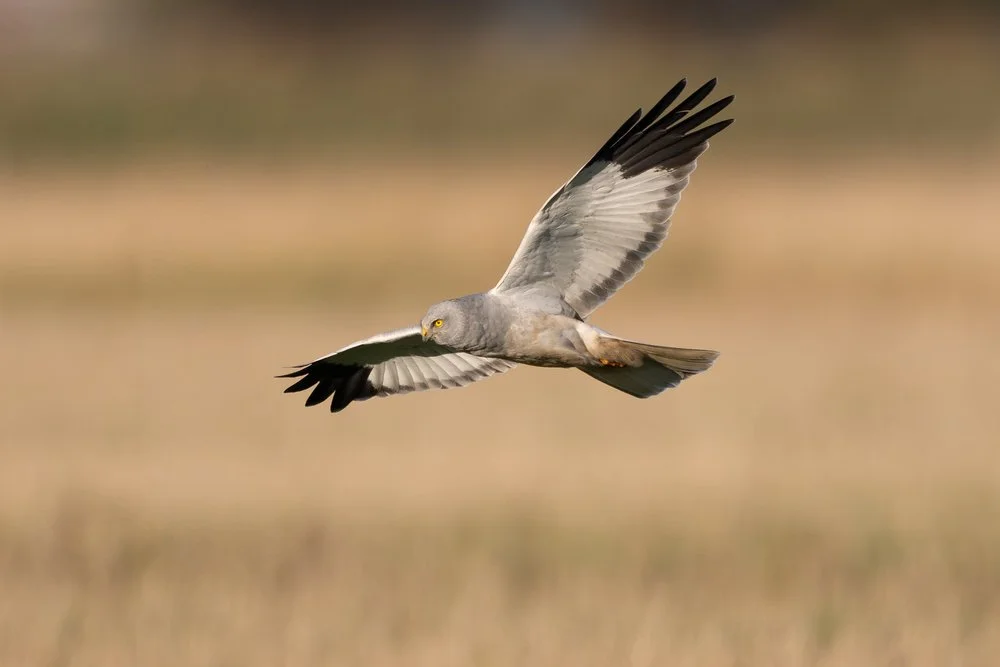
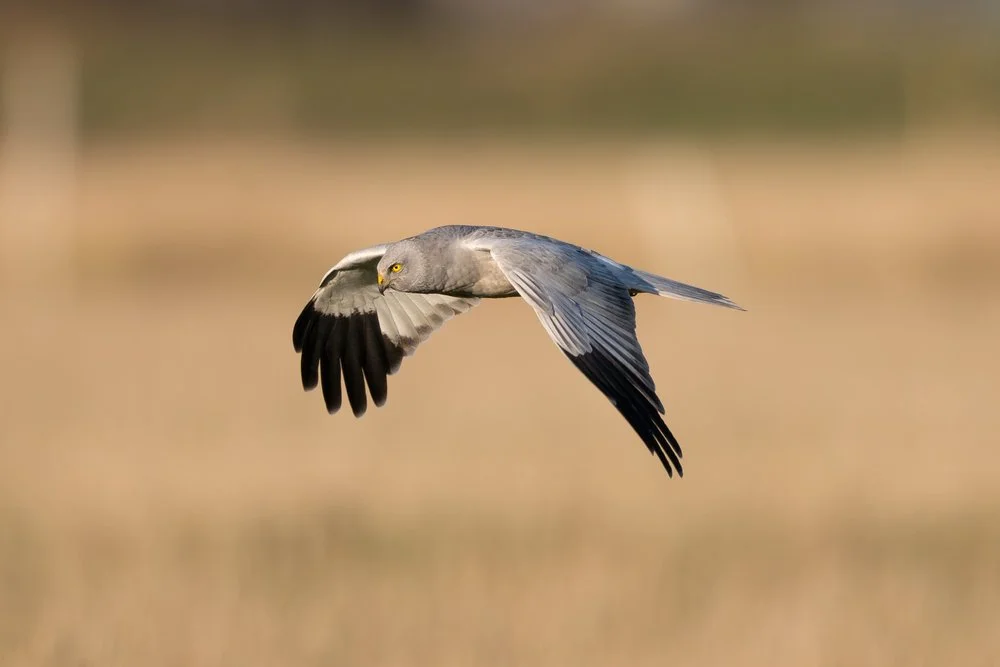
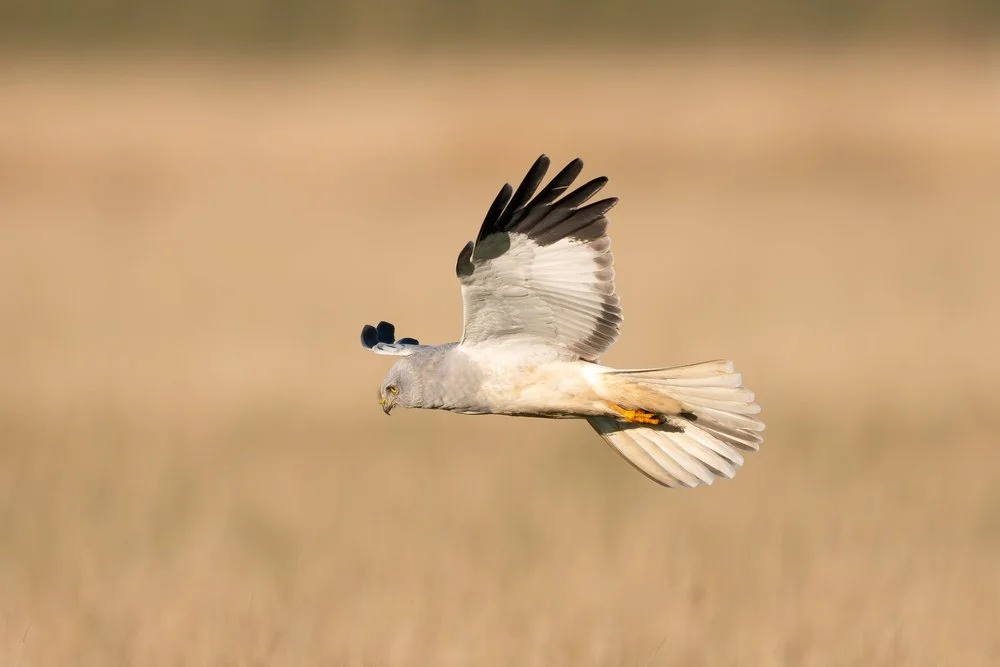
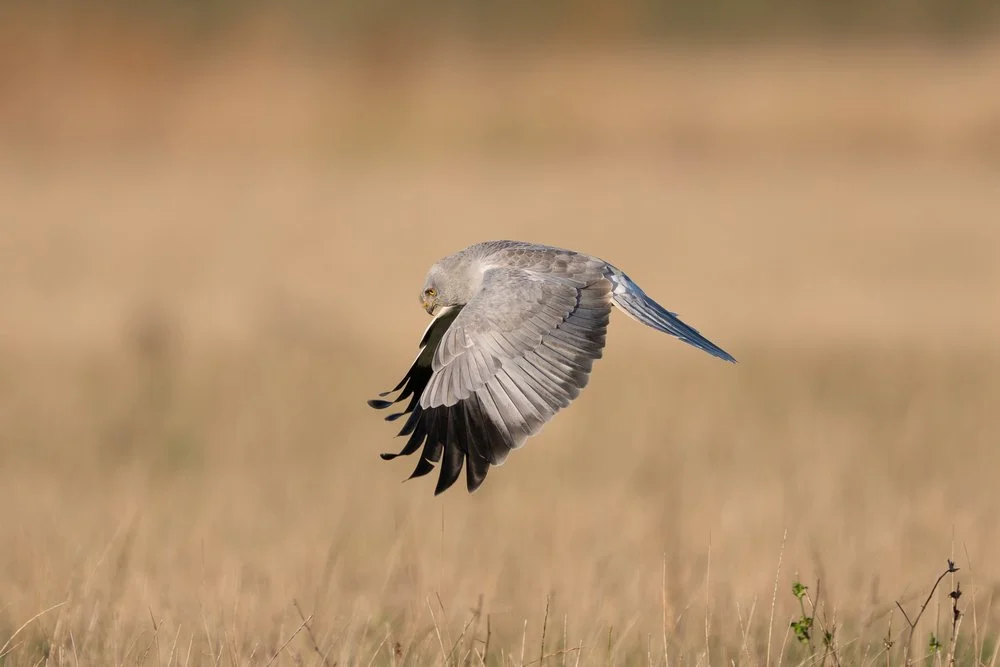
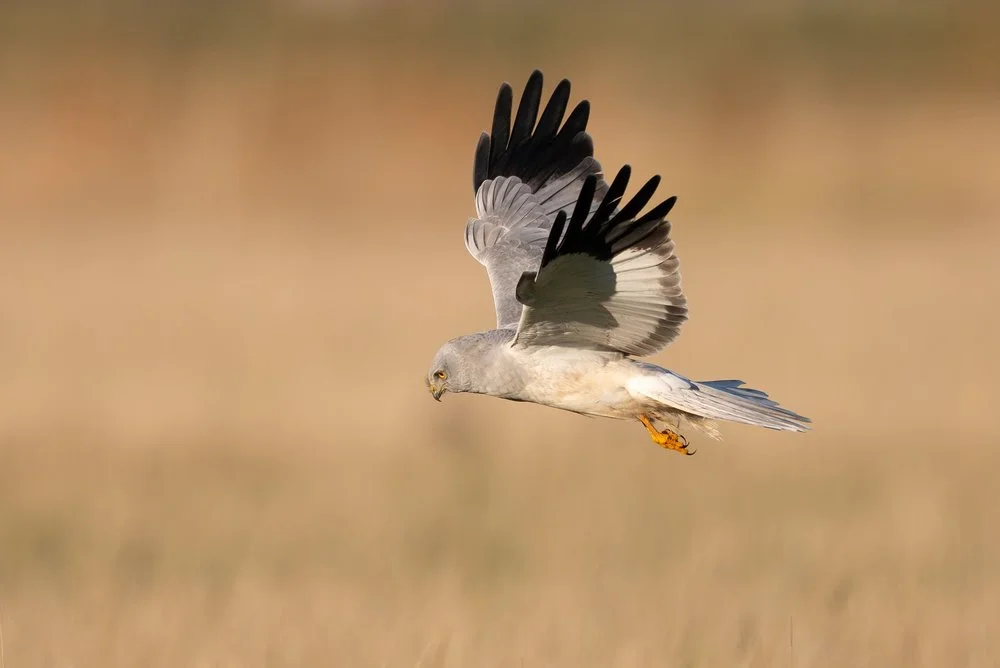
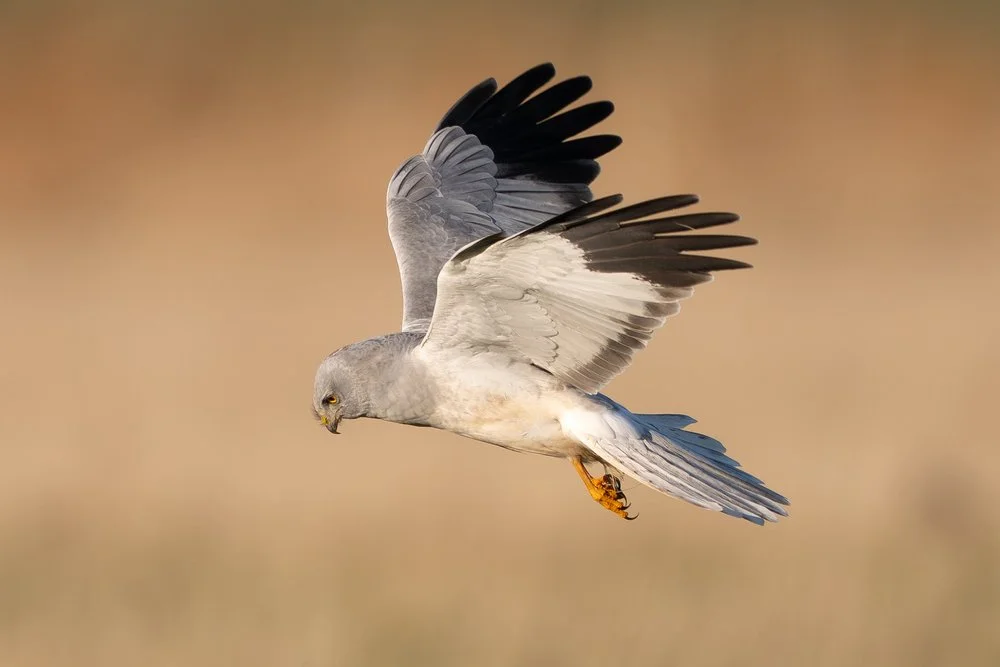
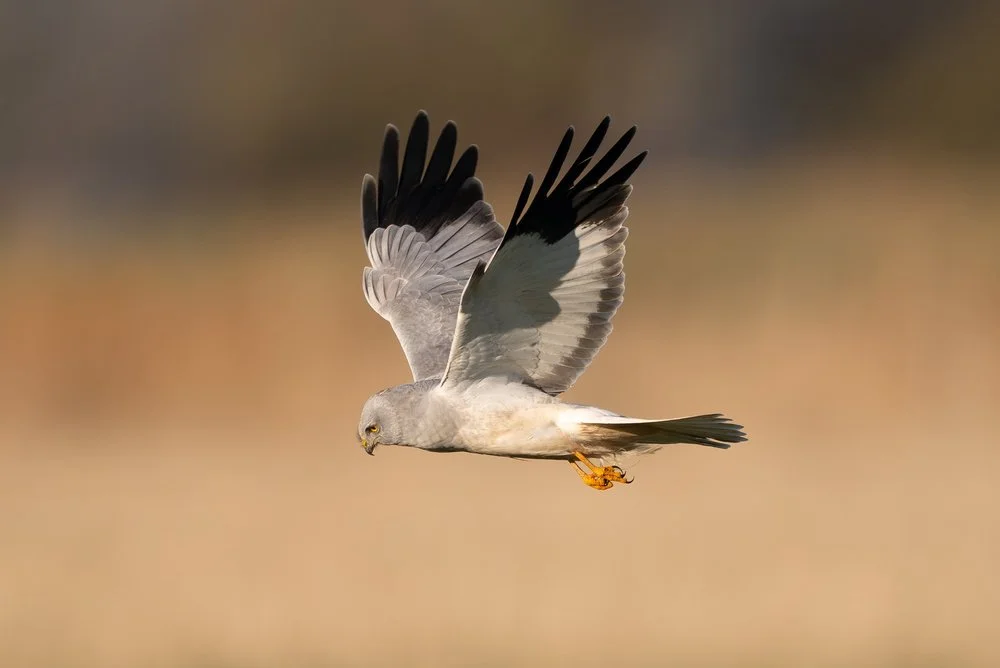
Once settled at my chosen location, I quickly spotted a male hen harrier flying past at a close distance. Though the female remained further back in the field, too far for a compelling photograph, the environment buzzed with activity. A couple of marsh harriers were hunting in the distance, while a nearby kestrel was on the hunt as well. A sparrowhawk made its signature darting flybys, adding to the dynamic atmosphere.
As midday approached, the activity began to quiet down. It was during this lulling moment that my senses sharpened; I noticed a shadow drifting above me. Looking up, I found myself nearly face-to-face with a male hen harrier, just over 5 meters away. Although the encounter was thrilling, the bird swiftly departed as soon as it caught sight of me, leaving no chance for photos.
Shifting Locations
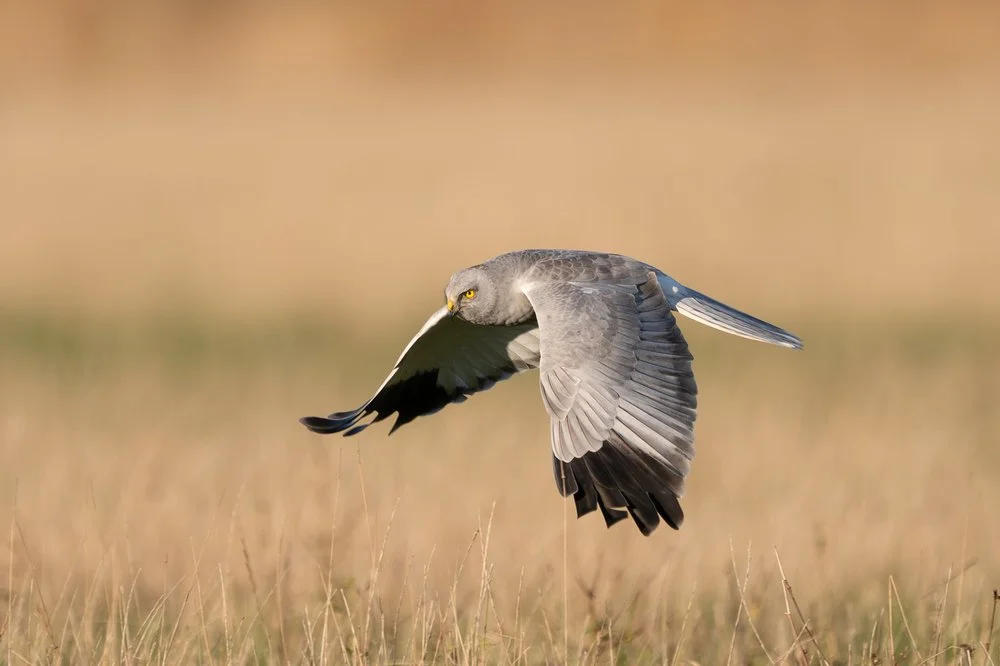
Receiving a call from a friend confirmed that one of the males had been seen nearby, encouraging me to relocate. The sun was shifting, illuminating new angles and opportunities, which prompted my decision to find better vantage. After settling into my new position, I cheerfully spotted the female hen harrier from afar, a sign that things were progressing.
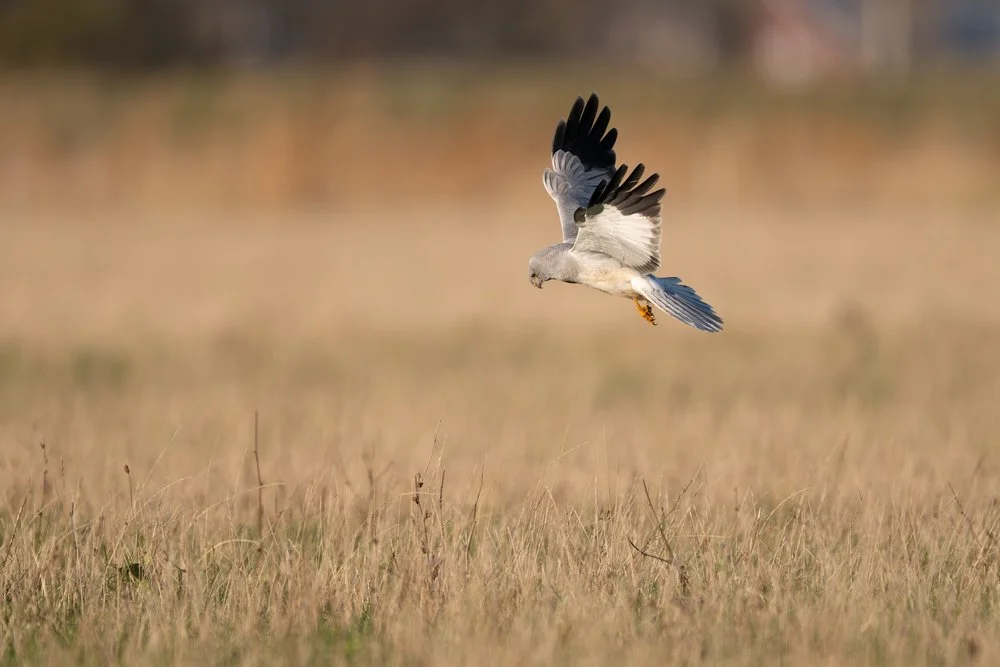
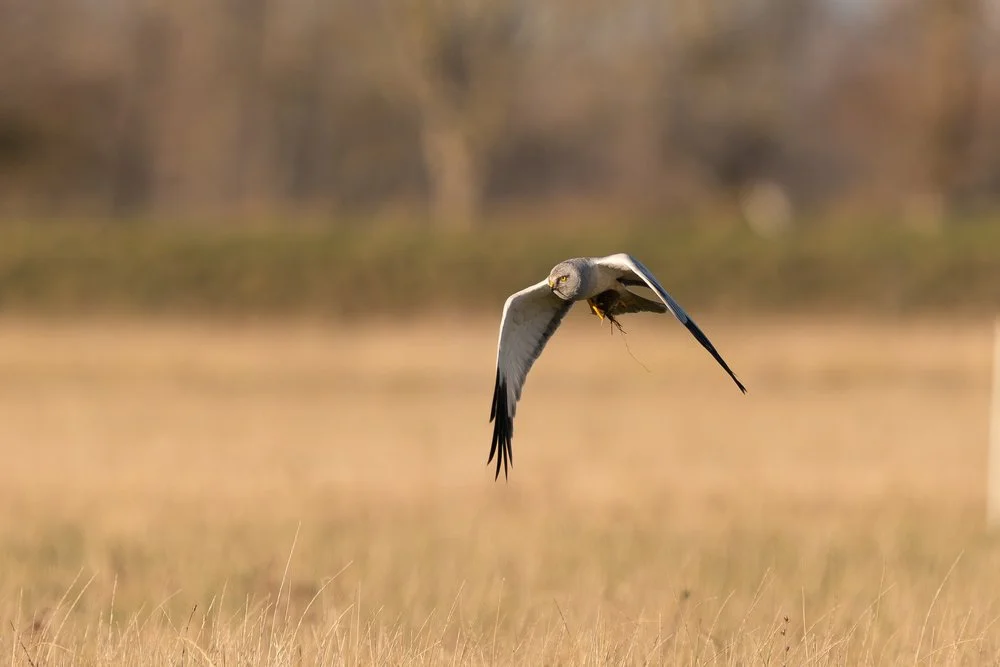
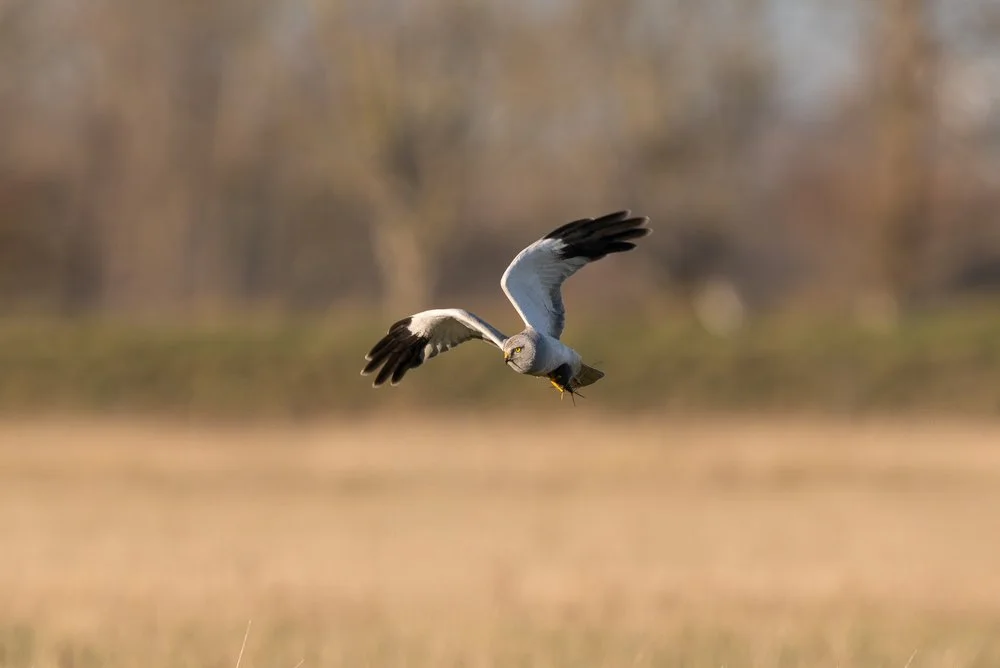
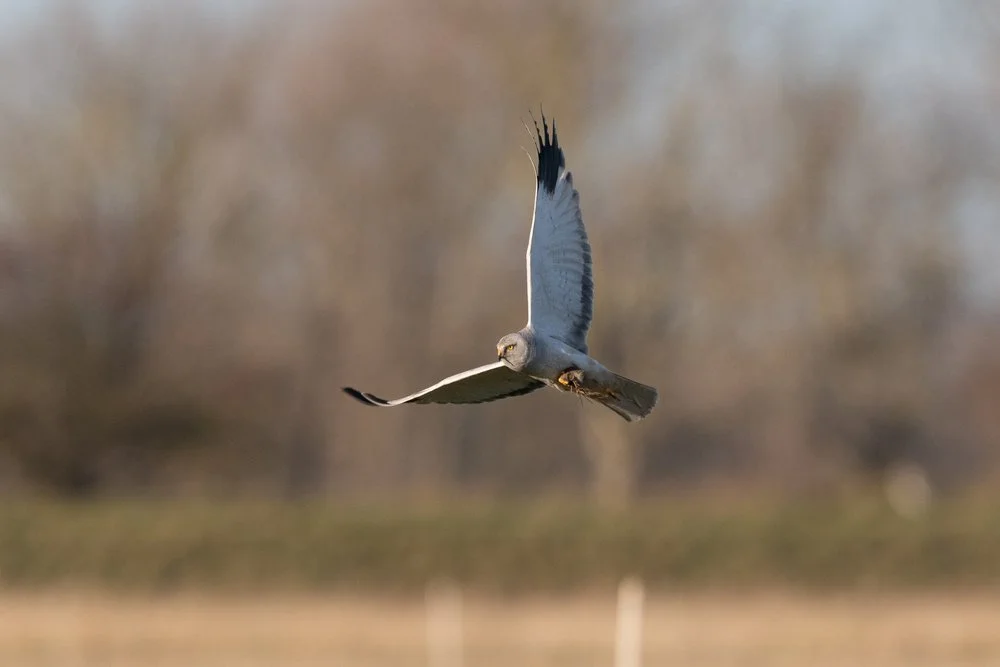
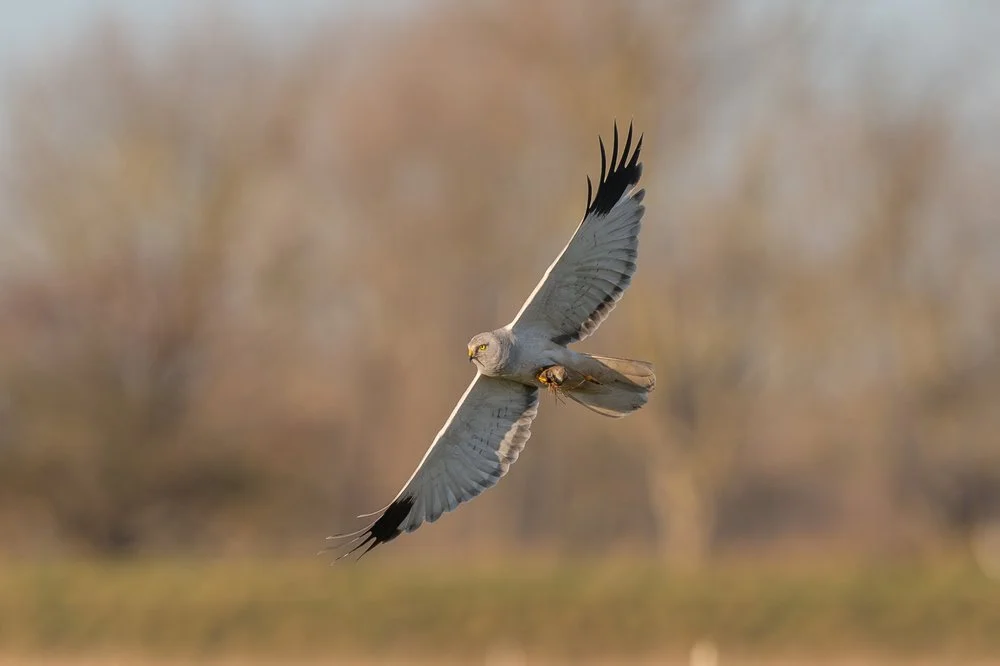
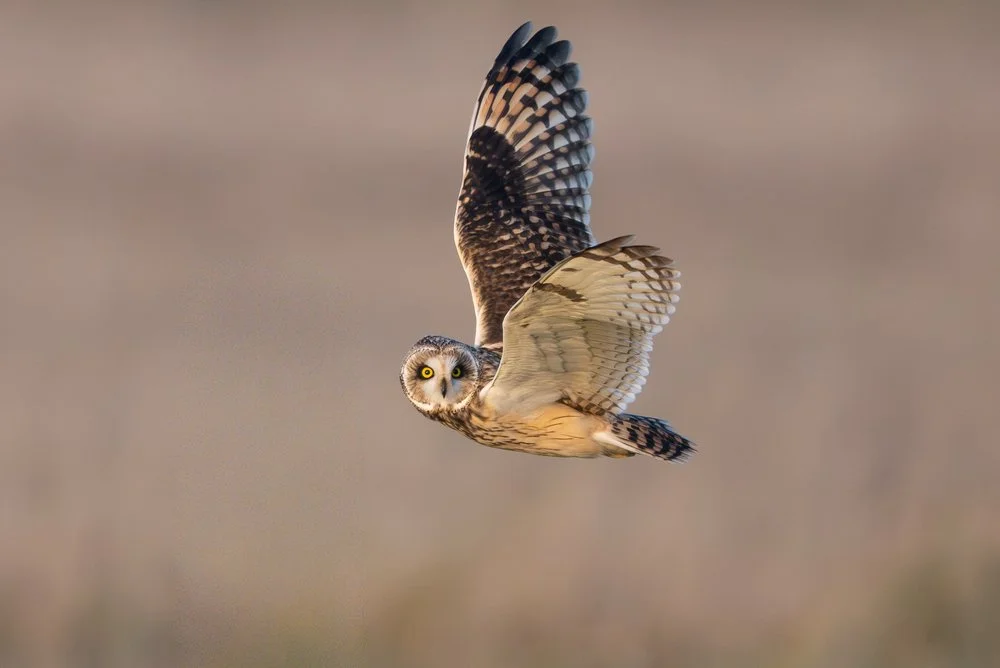
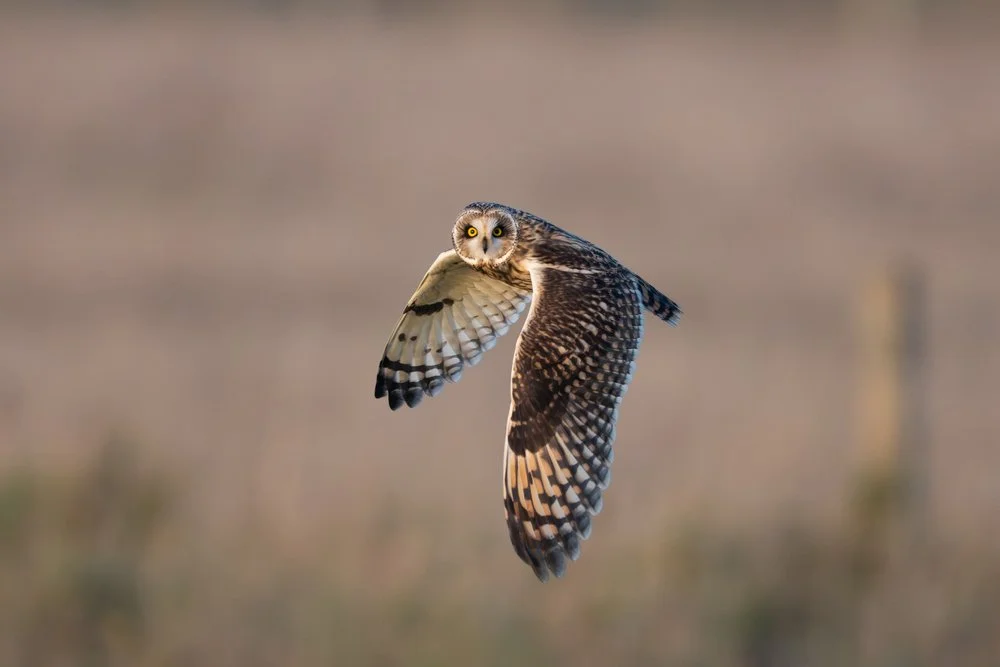
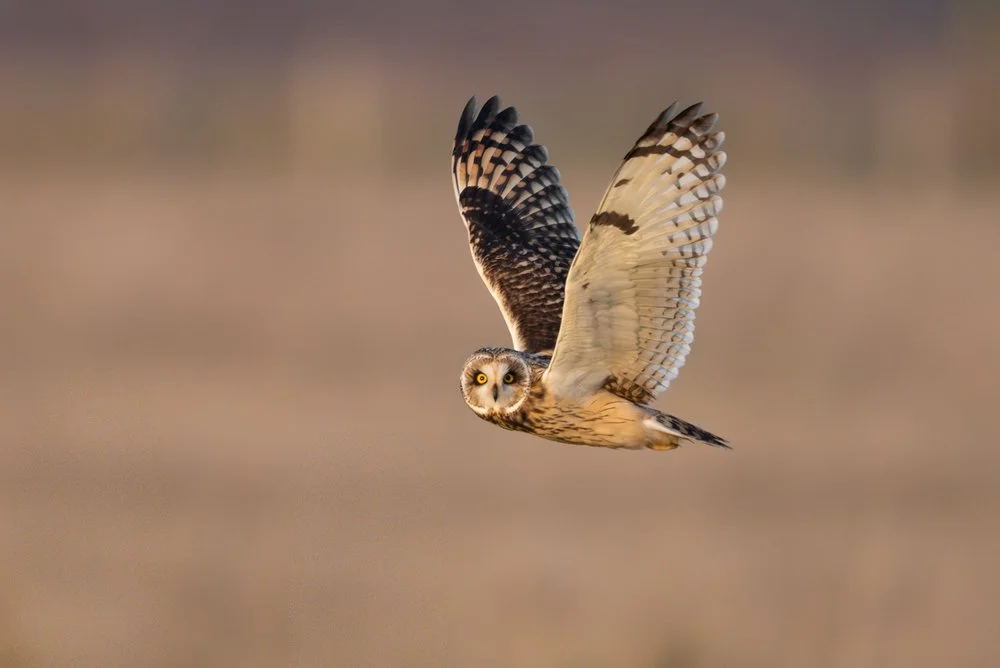
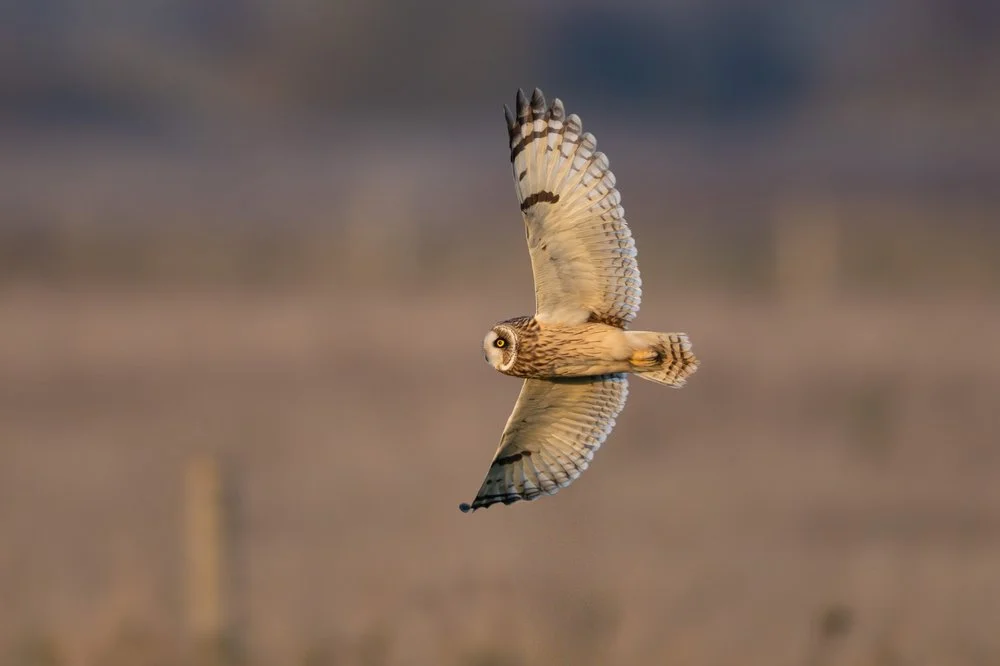
What followed was a succession of exciting moments. One of the males performed a close fly-by, immediately followed by another, which successfully caught a vole. The pair lingered in the area for a spell, offering a thrilling scene before the light began to fade. On our way back, a couple of short-eared owls gracefully cast about, one even performing a stunning close fly-by.
Equipment in Action
The day’s events reinforced the effectiveness of my new gear, particularly when it came to capturing the hen harrier shots. Most of these images were taken with the teleconverter engaged, giving me an effective focal length of 840mm. Even though many of the shots required significant cropping—indicating a distance of roughly 60 meters during the closest encounters—it was exhilarating to see how well the equipment handled this challenge.
Looking Ahead
As I concluded my day, I couldn’t help but feel a bit melancholy about the weather forecasts ahead, suggesting grim conditions were set to return. These winter days are undoubtedly special, with the sun casting beautiful light that accentuates the hues of the landscape, enhancing the overall quality of images captured. The interplay between weather, light, and subject matter is vital for any photographer, particularly those focused on wildlife.
Photography is as much about patience as it is about the right conditions. While it may be some time before I return to this particular area, these experiences serve as a thrilling reminder of what can happen when the elements align perfectly for a day of photography. Hopefully, the next outing will yield similar opportunities, as the anticipation for capturing wildlife continues to fuel my passion. Until next time, thank you for joining me in reminiscing about this day of delightful observation and capture.