Explore the techniques and strategies for photographing raptors on The Humber, focusing on planning, patience, and the beauty of wildlife photography.
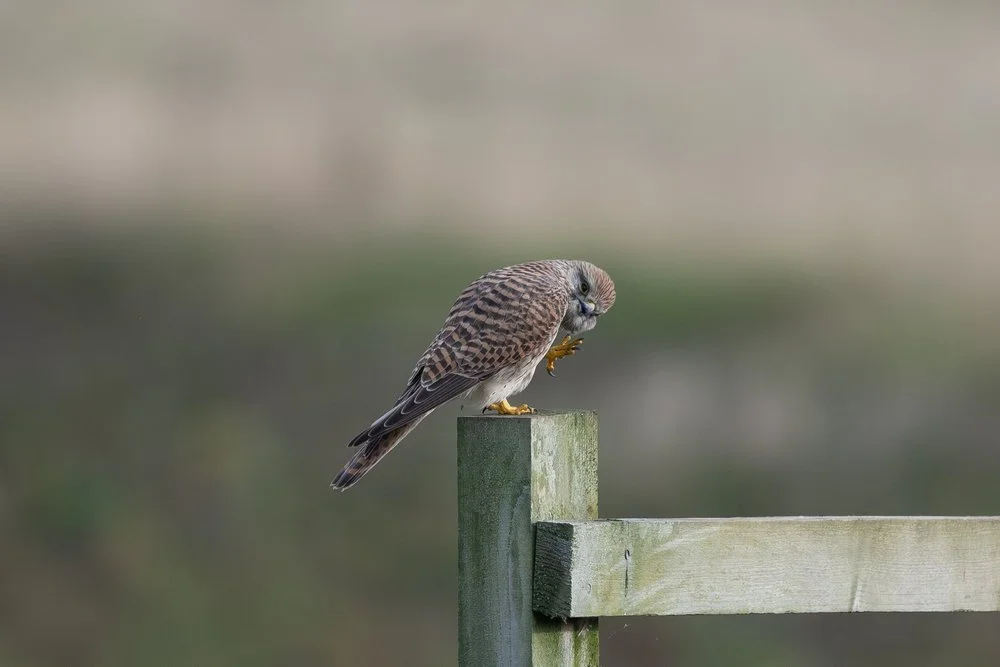
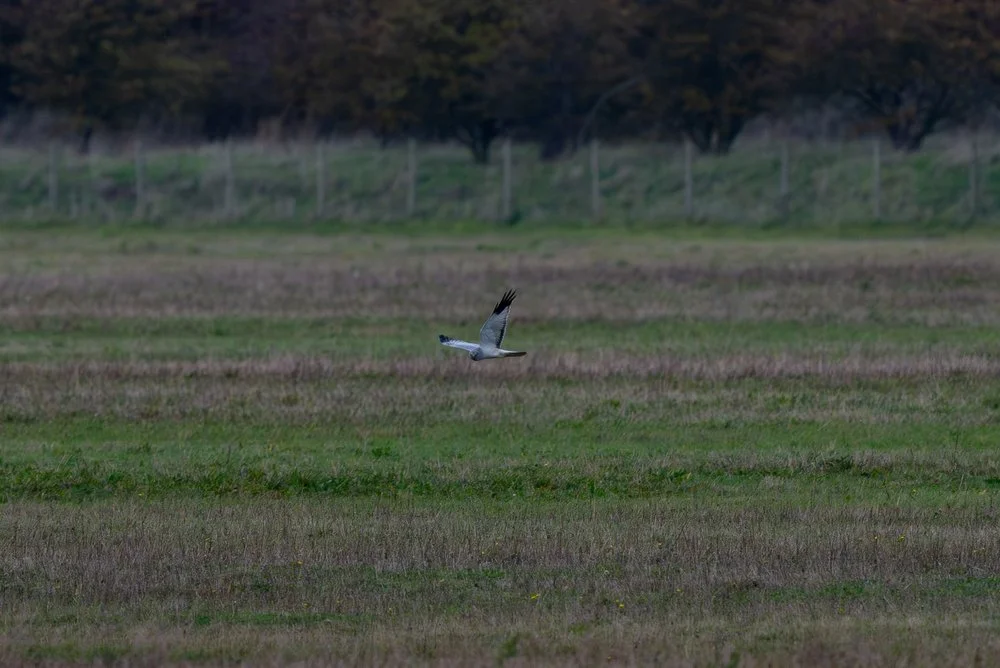
Engaging with raptors during winter is a pursuit that never loses its charm, especially when it comes to the stunning variety found along The Humber. With my extensive collection of nearly 400 images focusing on hen harriers alone, I'm continually inspired to plan subsequent photography trips, eager to capture these majestic birds in action. There's something profoundly rewarding about watching these birds engage in their natural behavior, and every outing enriches my understanding of their world.
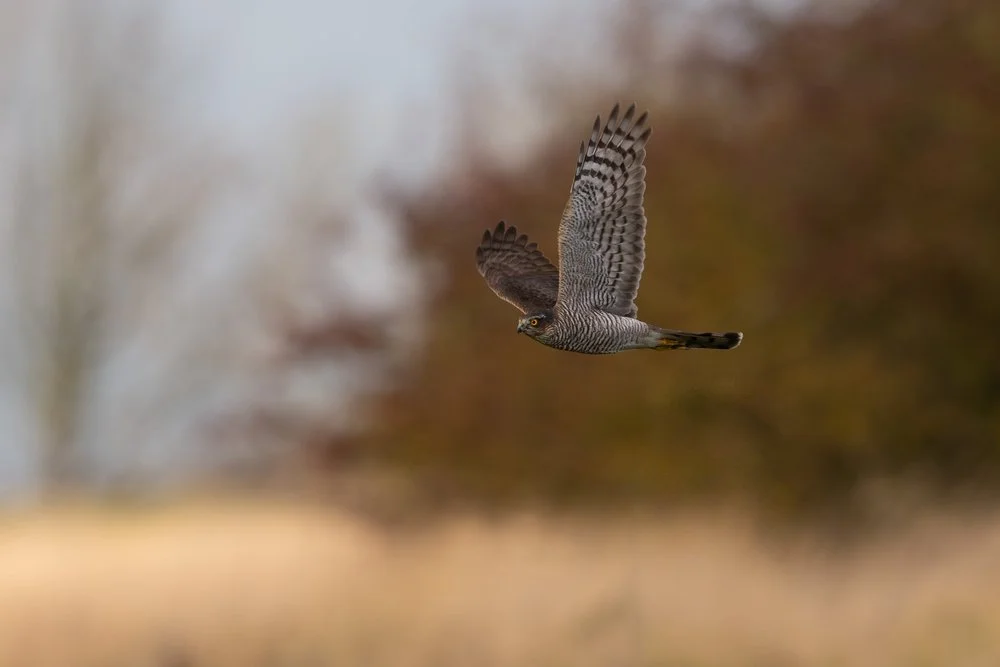
Habitat and Raptors Available
The Humber estuary boasts a rich tapestry of habitats that attract a diverse range of raptors beyond just hen harriers. During winter, birdwatchers and photographers are treated to sightings of species such as kestrels, common buzzards, sparrowhawks, and merlins. Each raptor species has its preferred hunting grounds and behaviors, which can significantly influence where and when to find them. For instance, the presence of high tide often results in optimal hunting conditions for merlins, making strategic timing essential for successful photography. Merlins are known for their agility and quick bursts of speed, often hunting small birds in flight. Observing their hunting techniques in action can yield breathtaking images, but only if you're in the right spot at the right time.
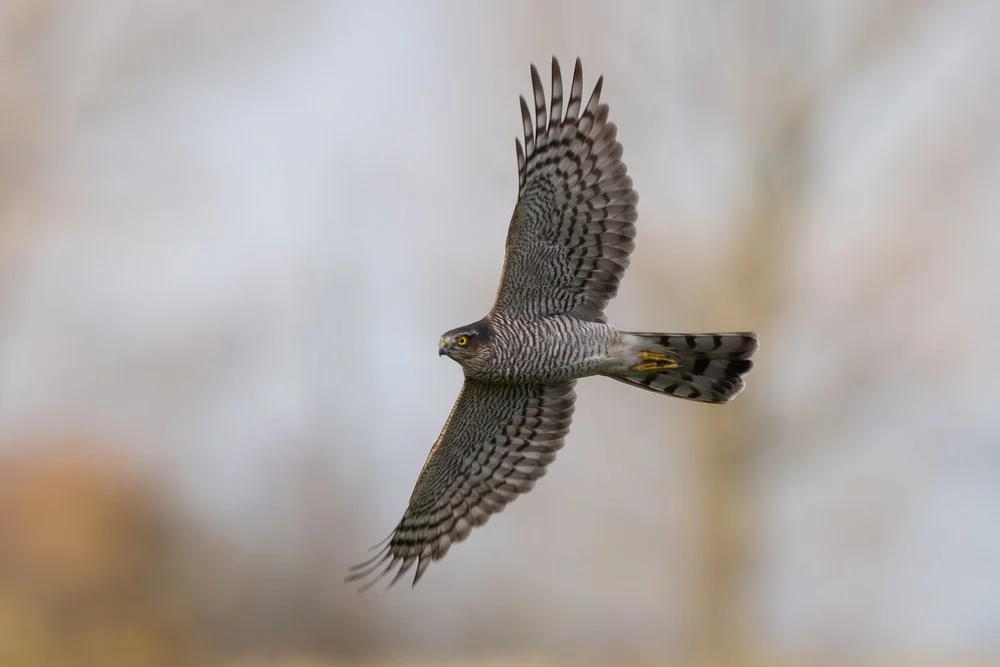
Research and Preparation
An essential part of my photography planning involves thorough research. While weather conditions and seasonal timing are primary considerations, understanding the specific characteristics of the area—such as the state of the tide and the height of grass in fields—has helped refine my photography strategy. Fields that showcase shorter grass may attract different raptors compared to those overgrown with weeds. Each detail can impact the likelihood of encountering certain species. For example, the presence of grassy clearings can indicate where voles and other small animals thrive, thus attracting raptors that hunt those prey. If you're working in this space, doing ecosystem research can lead you to sites where raptors are most active. It's about connecting with the environment on multiple levels, not just tracking the birds.
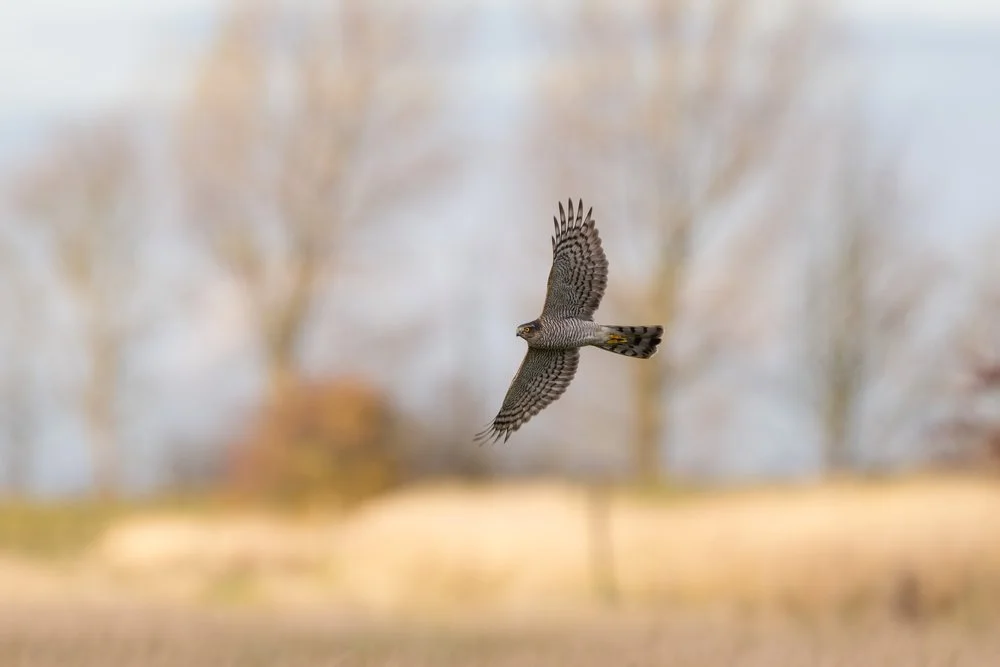
The Art of Patience
Setting up for a photography session requires not just knowledge but profound patience. My approach typically entails selecting a well-thought-out location, whether it's on a bank, tucked beneath a hedge, or positioned near one of the newly established blinds between Skeffling and Welwick. This isn't just about comfort but about strategically aligning your position to maximize the chance of a good shot. Once settled in, I find that the best strategy is to remain stationary, allowing the birds to approach naturally rather than chasing after them. This mindset transforms the experience into one of anticipation rather than urgency, making each successful encounter that much sweeter.
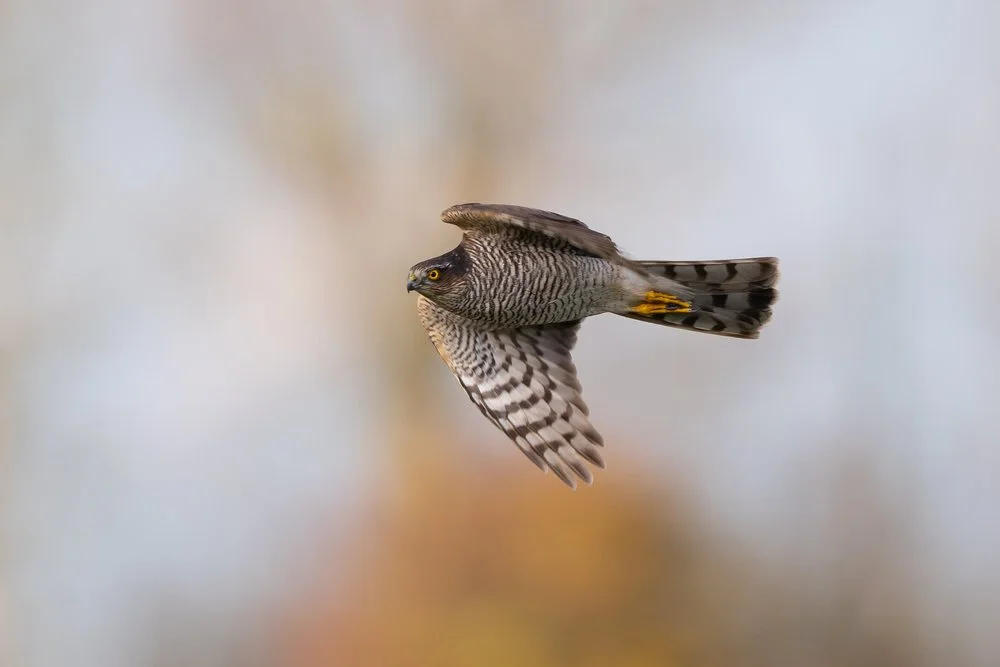
The waiting game can stretch long, sometimes with no action for hours. I often spend entire days at my chosen spot, where the thrill lies not just in capturing images but in the experience itself—watching nature unfold in real-time. And this is the part most people overlook: the slow, quiet moments build a connection with the wildlife that photographic success can’t always deliver. While some days yield remarkable results, there are times when patience is tested, reminding us of the capricious nature of wildlife photography. A single moment can redefine your entire day—an unexpected dive by a sparrowhawk or the slow soar of a buzzard can turn what feels like a fruitless outing into a deeply satisfying experience.
Current Winter Season Insights
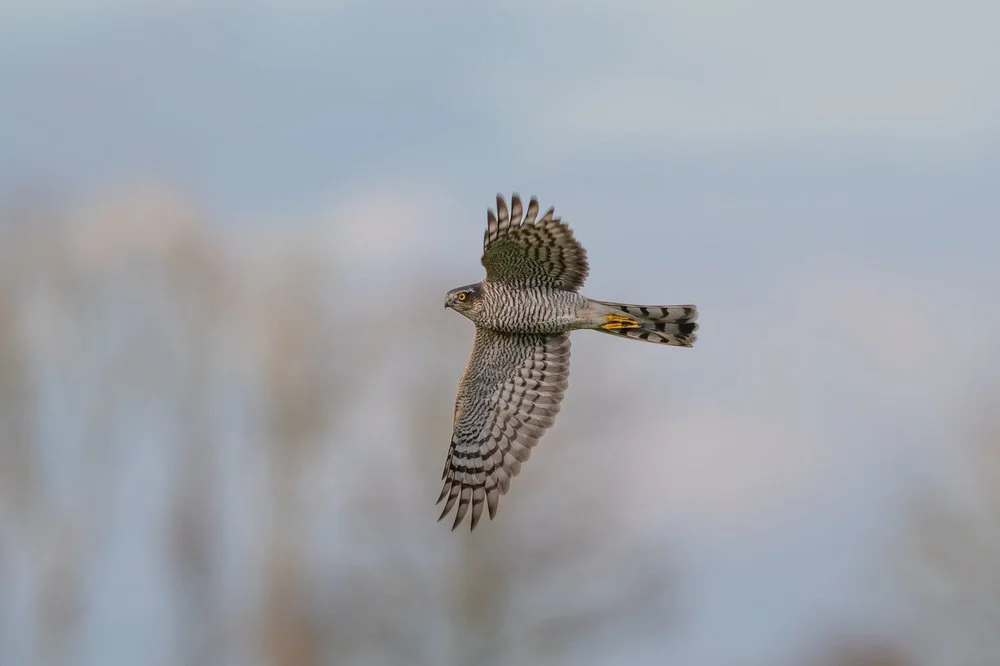
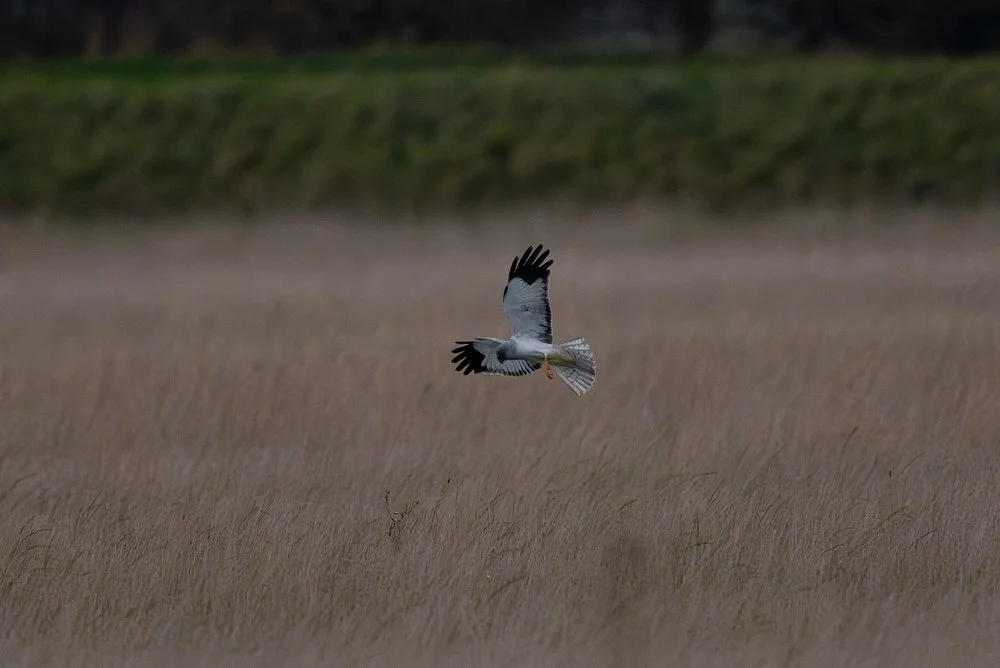
This winter season has garnered particular excitement, as I’ve confirmed the presence of up to three male hen harriers in the area. This detail adds a layer of hope and motivation for photographers and bird enthusiasts alike. Hen harriers, known for their distinctive quartering flight patterns, offer unparalleled opportunities for exhilarating shots—whether they're in mid-air or perched on a fence post. However, capturing great images requires more than just subject availability; factors such as bright weather, appropriate wind direction, and proximity to the subject are vital. Unfortunately, the weather has posed challenges recently, with cloudy conditions prevalent. Overcast skies can dampen lighting and contrast, often making the resulting images less striking. Nevertheless, the winter has only just begun, granting ample opportunities for future outings. If you persevere through unflattering conditions, you might just capture something unique that others miss.
Recent Photographic Highlights
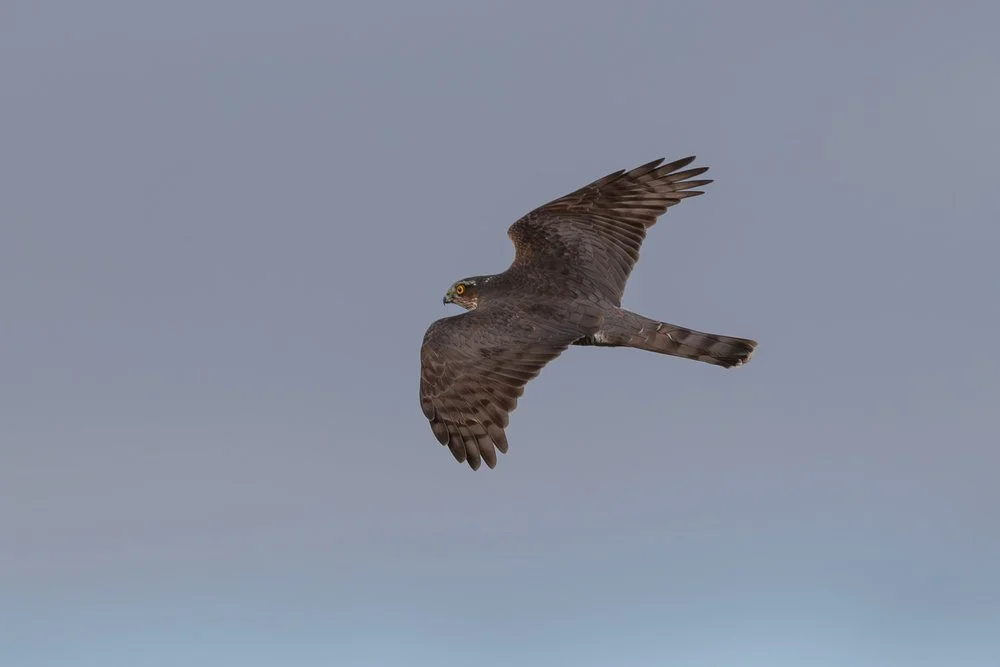
Below are several images taken during my latest sessions, showcasing the beauty of these raptors in their natural habitat:
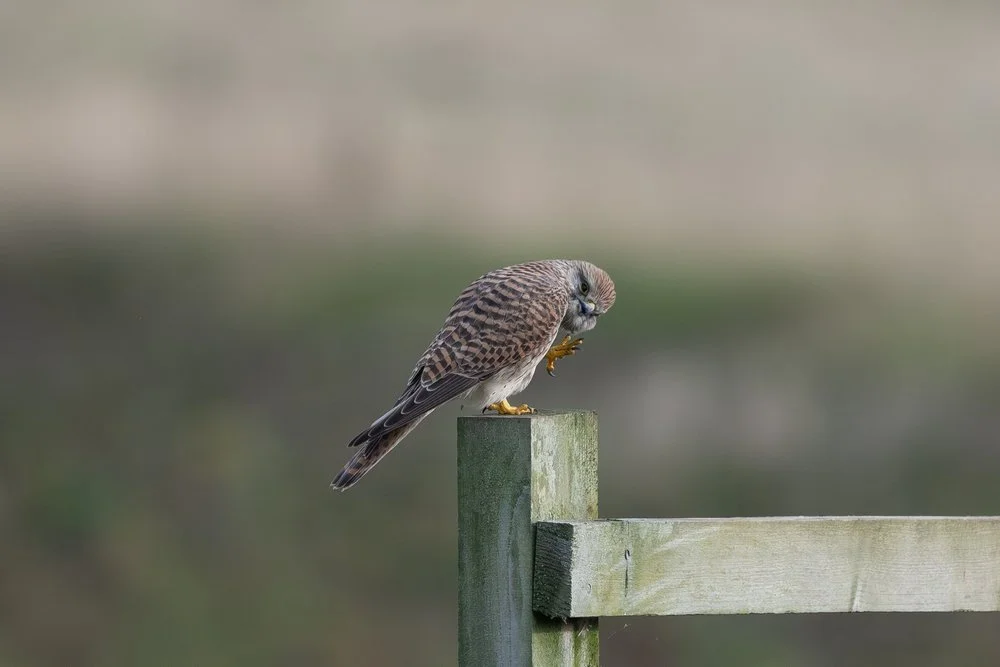
Kestrel
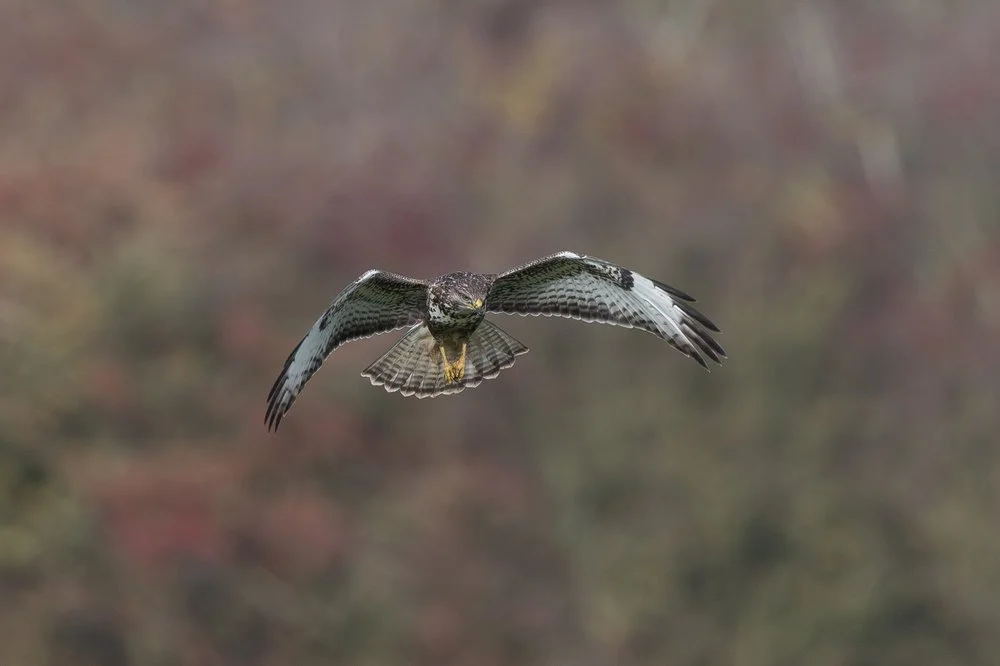
Common Buzzard
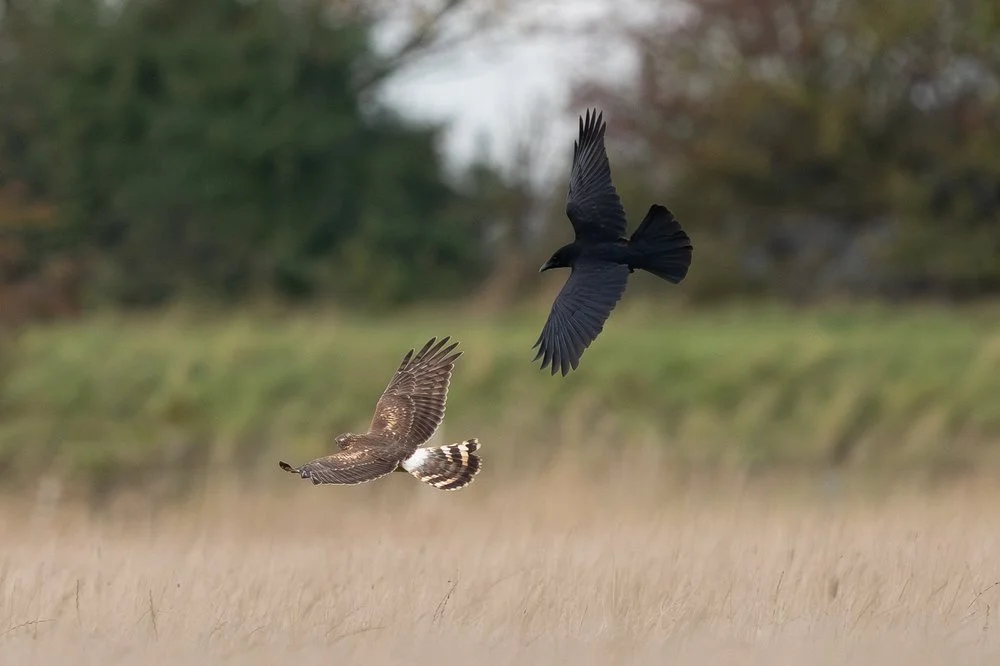
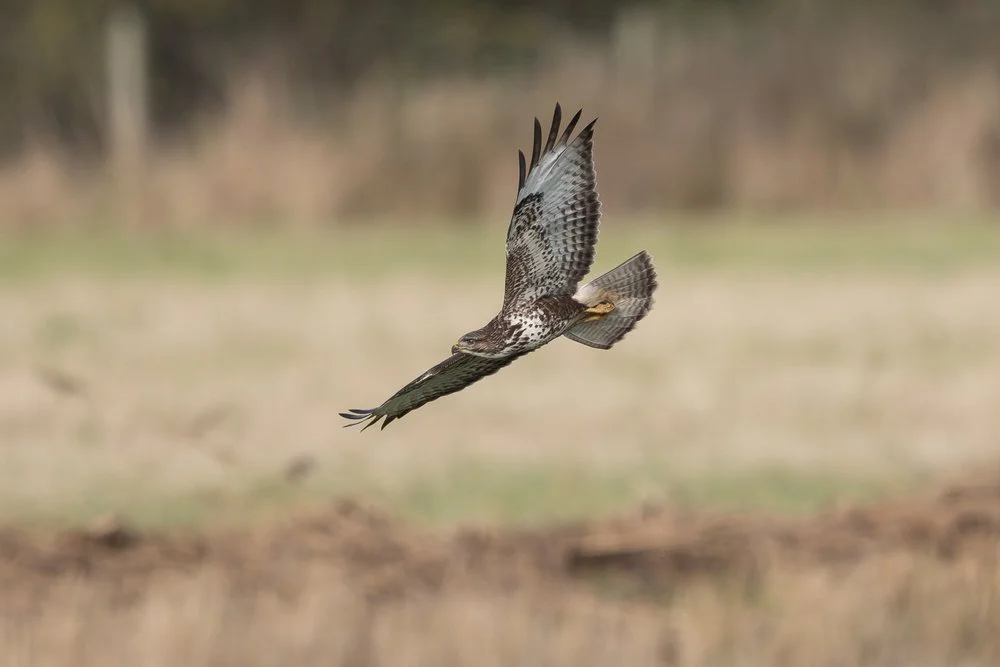
Common Buzzard
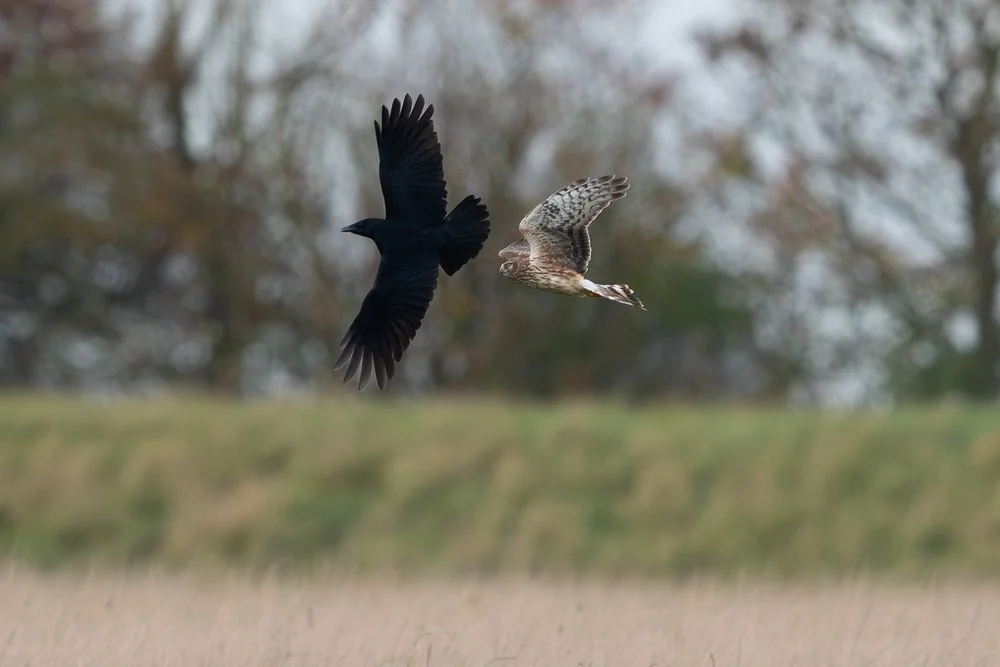
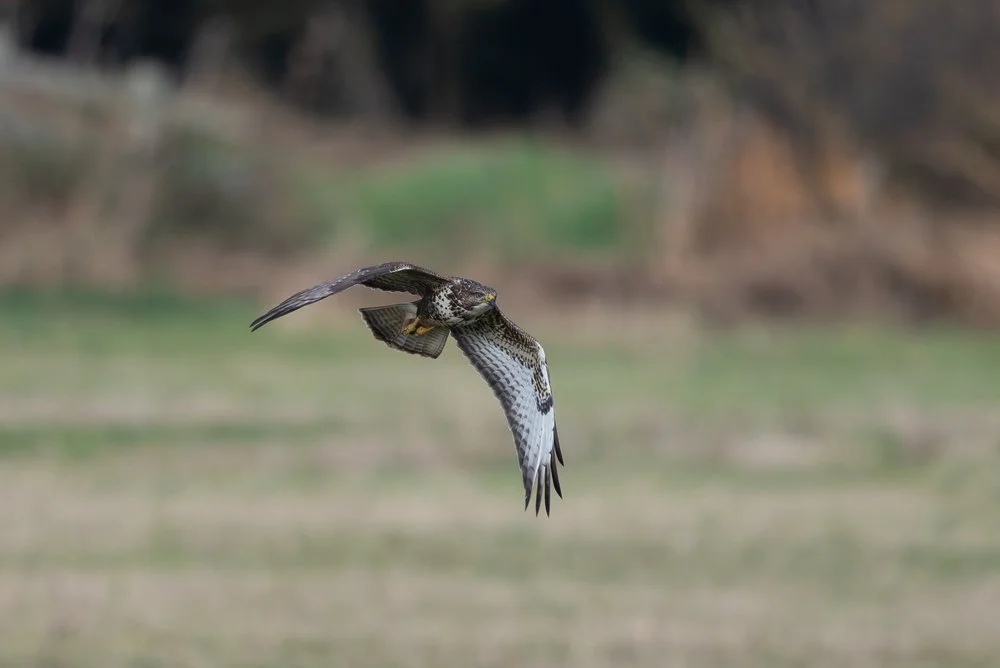
Common Buzzard
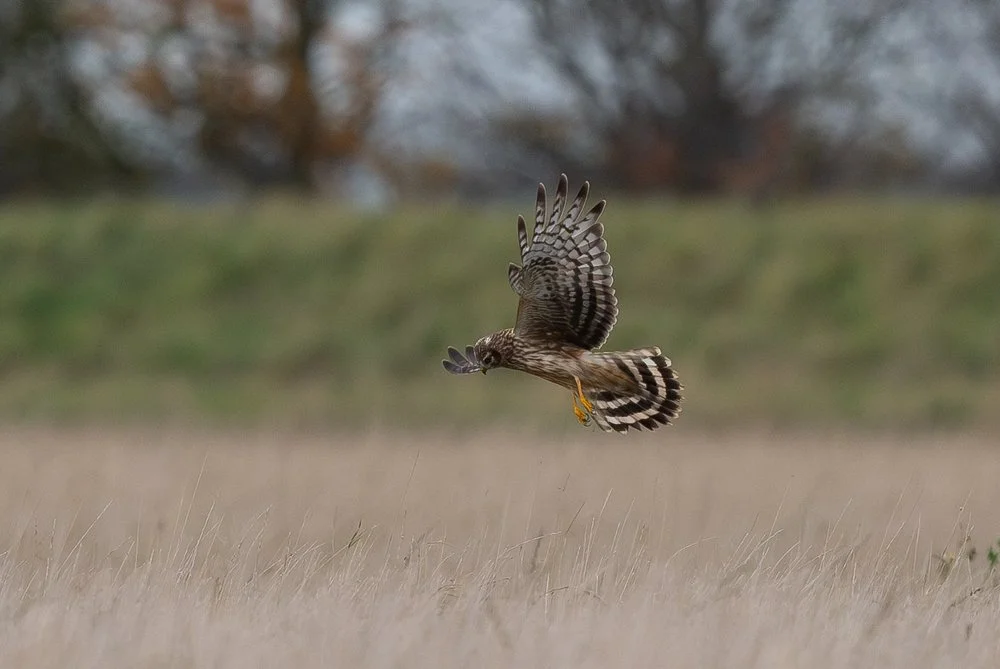
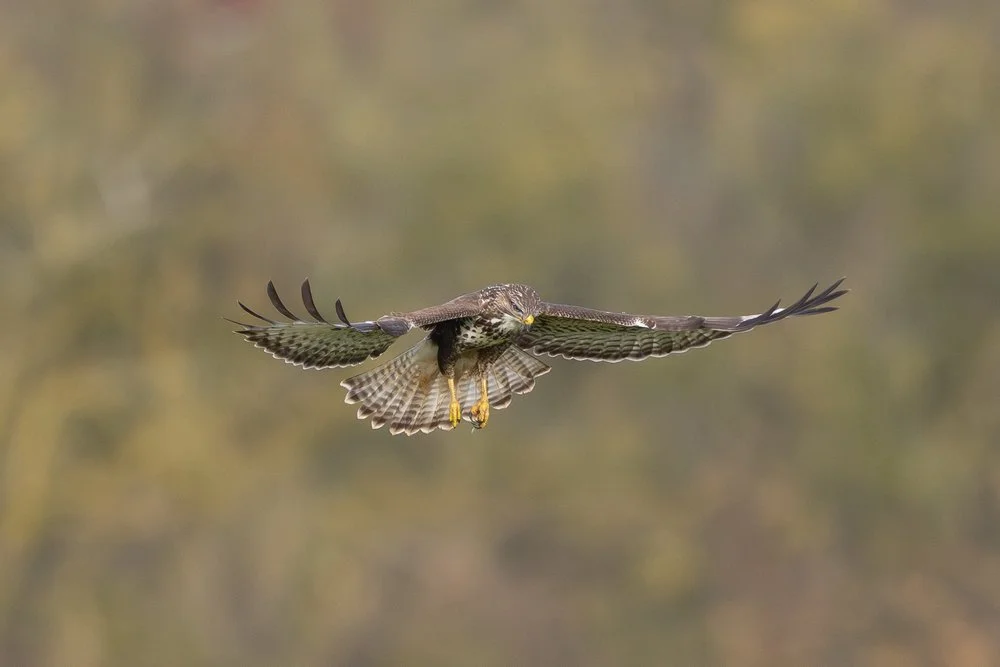
Common Buzzard
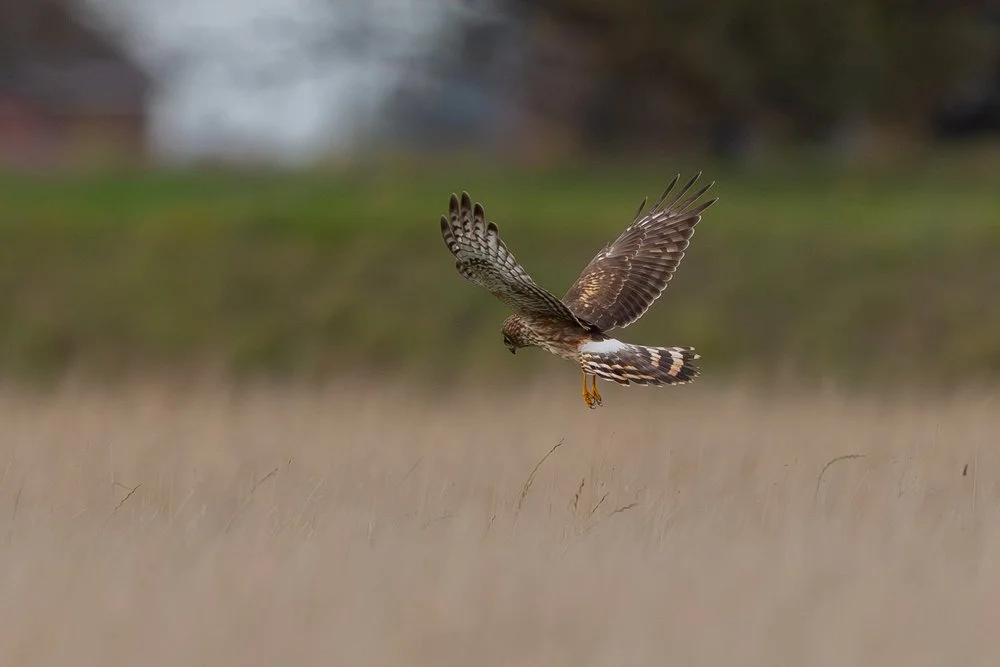
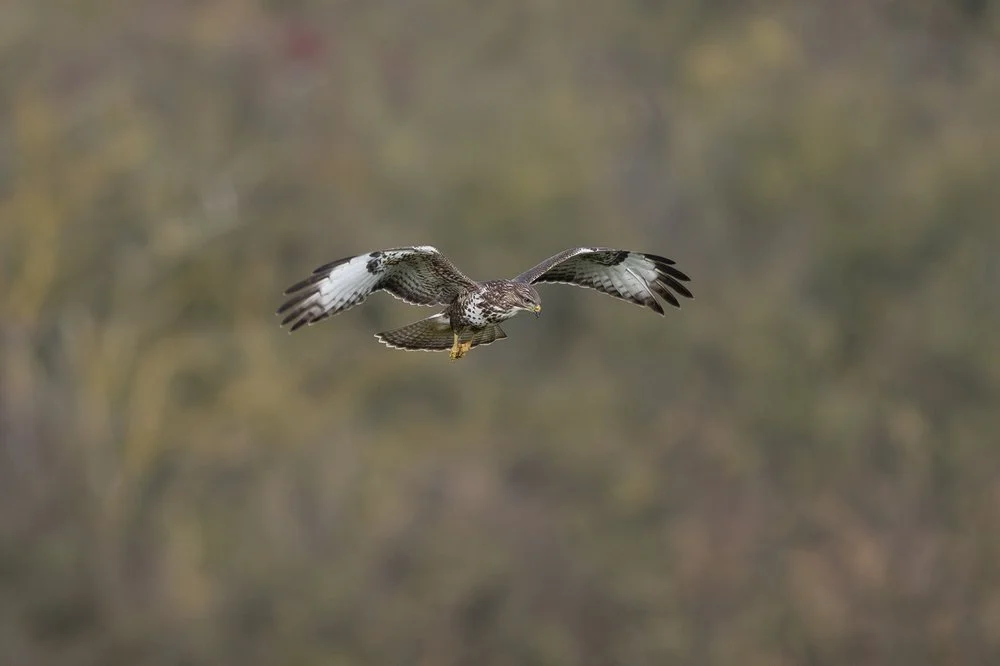
Common Buzzard
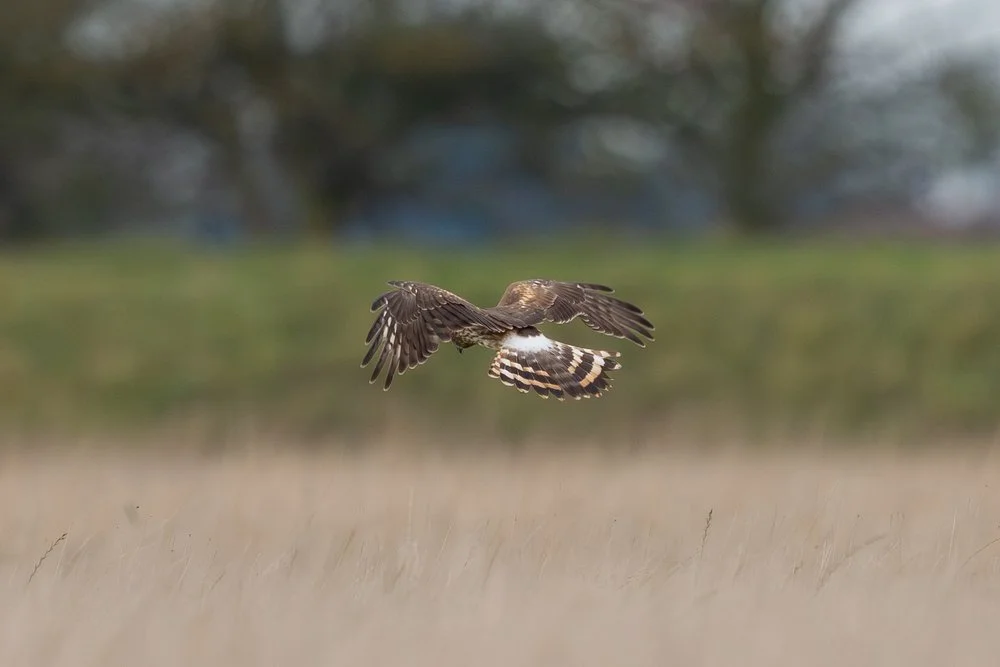
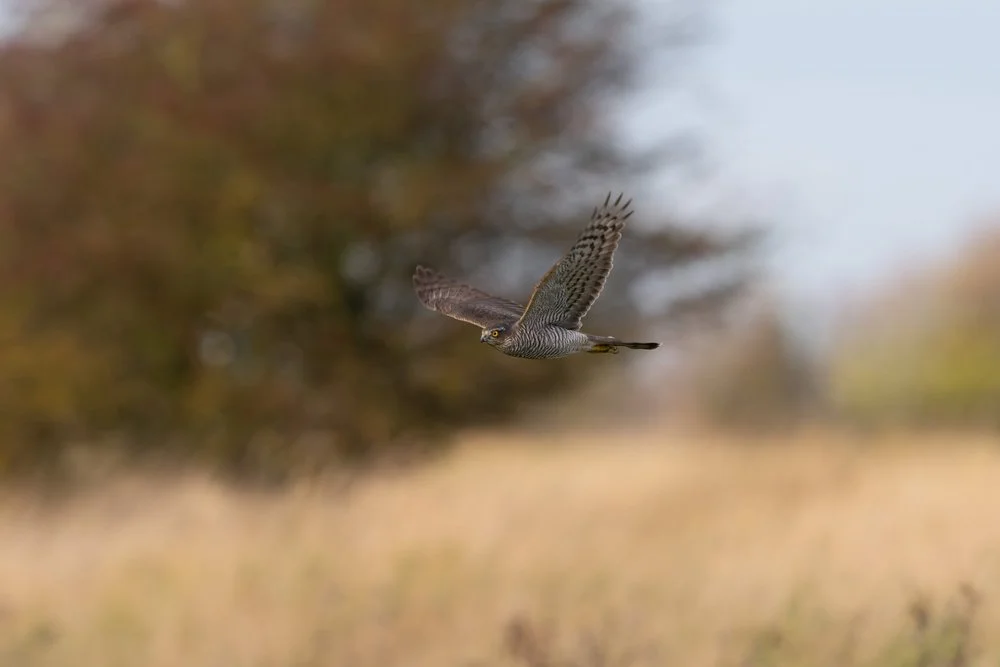
Sparrowhawk
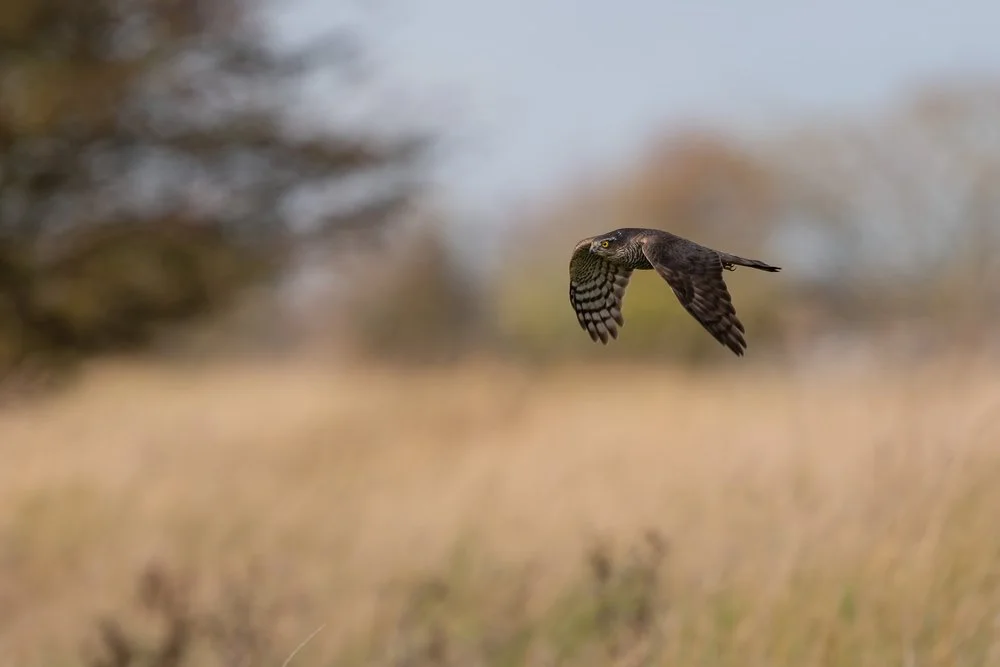
Sparrowhawk
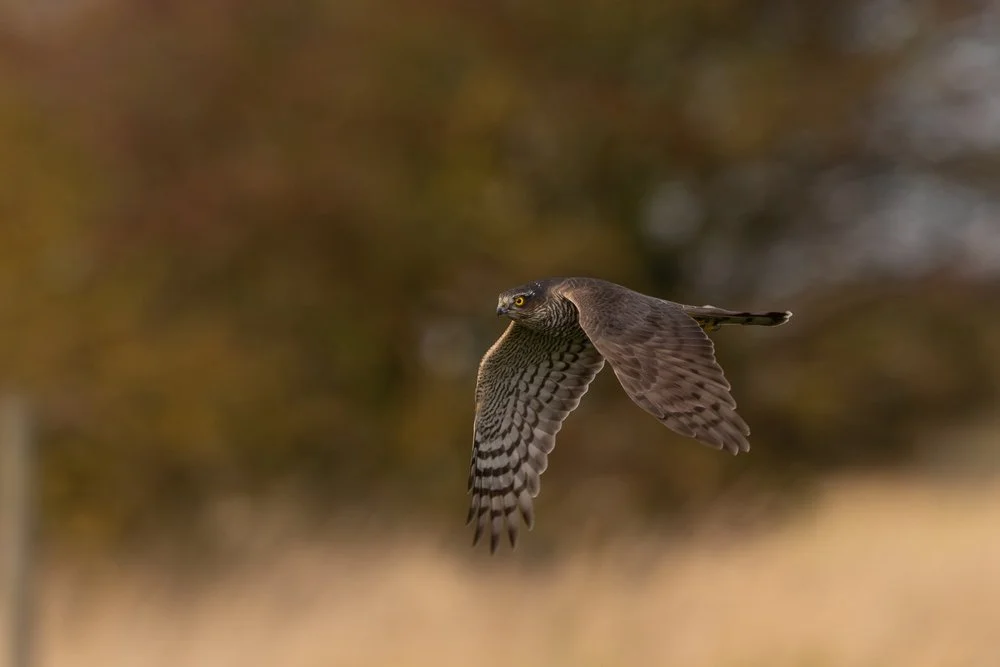
Sparrowhawk
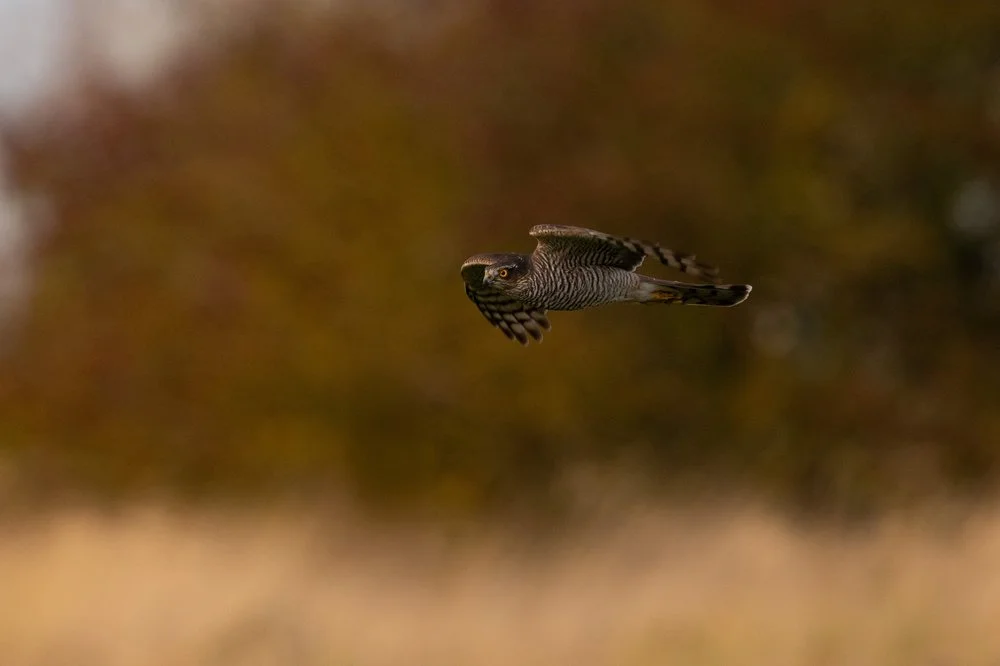
Sparrowhawk
Future Outlook for Raptor Photography
As this winter unfolds, I remain optimistic about what lies ahead, ready to brave the elements and embrace the unpredictability of raptor photography. The Humber offers a unique canvas for wildlife photographers, filled with promise and the thrill of the wild. Observing patterns of migration and behavior often leads to surprising encounters. But it's not just about the pictures; it's about conservation awareness and understanding the ecosystems we photograph. This winter will not only refine technical skills but also deepen the relationship between photographer and environment. Will future seasons bring new challenges, or will they lead to different opportunities? The constant flux of natural history is a topic worth pondering.


