Kodak's new Kodacolor 100 film offers a vibrant punch different from Pro Image 100, making it a compelling choice for photographers.

Eastman Kodak has recently revitalized its film offerings, including the new Kodacolor 100, which has sparked interest in its unique characteristics. Amidst other reissued films, Kodacolor 100 stands out as a fresh option for enthusiasts and professionals alike. This film captures the imagination of many, including photographers who have previously relied on offerings like Pro Image 100, which is now under the Alaris brand. My friend Ori, who has tested Kodacolor 100 extensively, insists it differs significantly from Pro Image 100 and suggests that it might even draw inspiration from Lomo 100 C-41.

Having a background of shooting with Pro Image 100, I can attest to its neutral color palette and medium speed, a contrast to the intense saturation seen in Ektar 100. My recent experience with Pro Image 100 using a Spotmatic II equipped with Super Multi Coated Takumar lenses yielded very pleasant, neutral tones. However, Kodacolor 100 adds an intriguing twist, presenting a slight boost in vibrancy that isn't quite on Ektar's level but is noticeable nonetheless. The film seems to strike a satisfying balance between subtlety and expressiveness, leading to a pleasing aesthetic that I think many will appreciate.
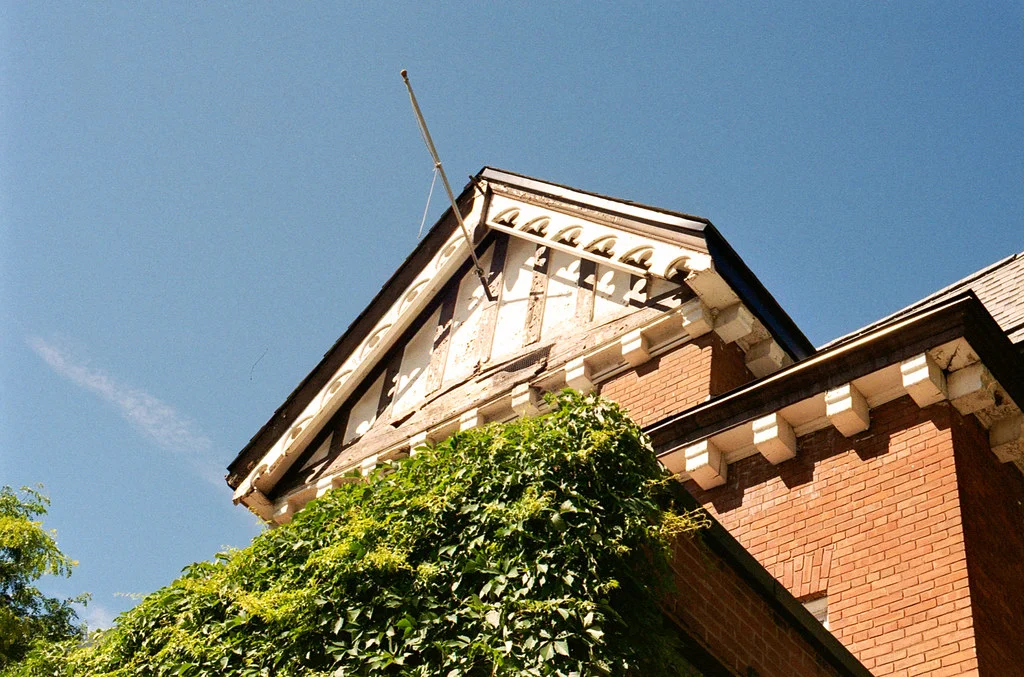
Comparative Analysis: Kodacolor 100 vs. Pro Image 100
When comparing Kodacolor 100 to Pro Image 100, one can observe distinct differences in exposure latitude and color rendition. Kodacolor 100 exhibits a more significant color punch without veering into excessive saturation, making it a vibrant yet authentic choice for various shooting scenarios. This quality enhances its versatility for outdoor scenes, street photography, and portraits, where a slight boost in color can add dynamism without overpowering the subject.

As I worked with Kodacolor 100, I found it exceptionally easy to scan. Utilizing the Pro Image 100 settings in SilverFast, I achieved satisfactory results with minimal color corrections applied in Lightroom. This streamlined post-processing made the overall workflow efficient, lending more time for creative exploration rather than technical adjustments. For photographers who prefer a speedy workflow, Kodacolor 100 offers this advantage, potentially influencing preferences toward its use in place of Pro Image 100.

Technical Specifications and Usage
Kodacolor 100 is rated at ISO 100, making it suitable for various lighting conditions. It performs admirably under natural daylight, producing soft highlights while maintaining detail in the shadows. For portraits, the film's ability to render skin tones with warmth and realism is particularly noteworthy. The result is a natural-looking image that captures nuances beautifully, something many photographers strive for in their work.

The film's grain structure is finer compared to older films, giving a clean and crisp result that suits both archival and publication purposes. This quality makes it ideal for both enthusiastic amateurs eager to explore film photography’s rich aesthetic and professionals looking for a reliable medium-speed film that meets modern standards.

Practical Tips for Shooting with Kodacolor 100
For best results with Kodacolor 100, consider these practical shooting tips:
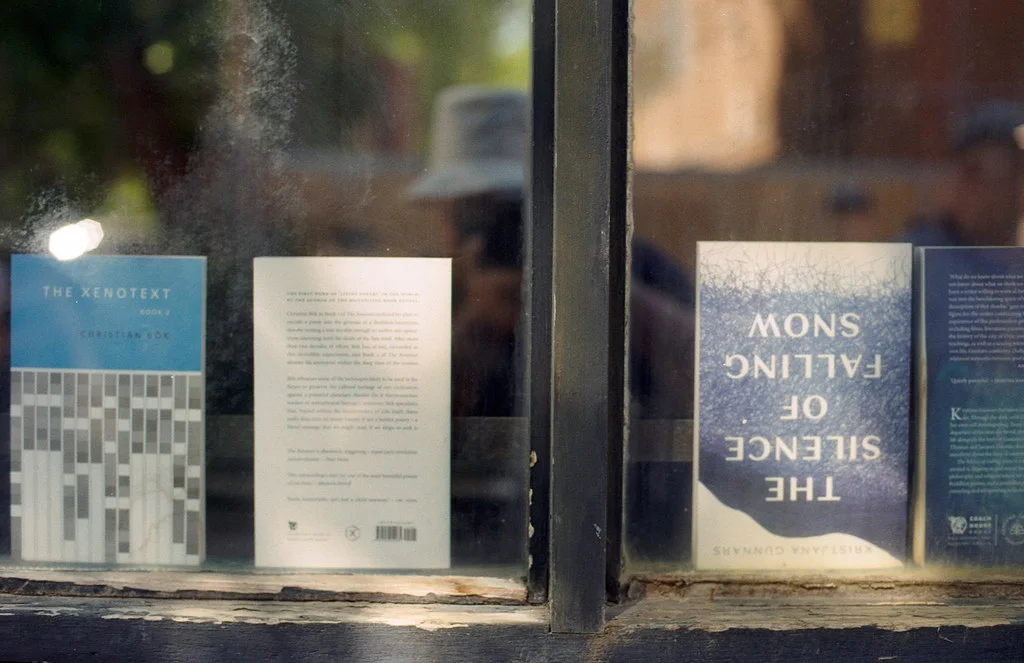
- Aperture Settings: Use a wider aperture (f/2.8 to f/4) for portraits to achieve that creamy bokeh effect and separate your subject from the background.
- Lighting Considerations: Adequate lighting is crucial. Opt for shooting during the golden hour to enhance the film’s color rendition.
- Exposure Testing: If possible, conduct a brief exposure test before starting a full roll to ensure the desired outcome based on the specific lighting conditions.
These steps can help you harness the film's capabilities effectively, allowing you to bring out the best of Kodacolor 100 in diverse scenarios.

Final Thoughts
The introduction of Kodacolor 100 captures a moment in film photography's evolution that is exciting for nostalgic enthusiasts and contemporary users. Although I still have Pro Image 100 in my refrigerator, my initial impression suggests a gradual shift towards Kodacolor 100 as my film of choice. Its combination of vibrant colors and manageable grain makes it a compelling option for anyone looking to enrich their photography. Whether you're documenting daily life, exploring street scenes, or framing portraits, Kodacolor 100 can bring an appealing edge to your work.

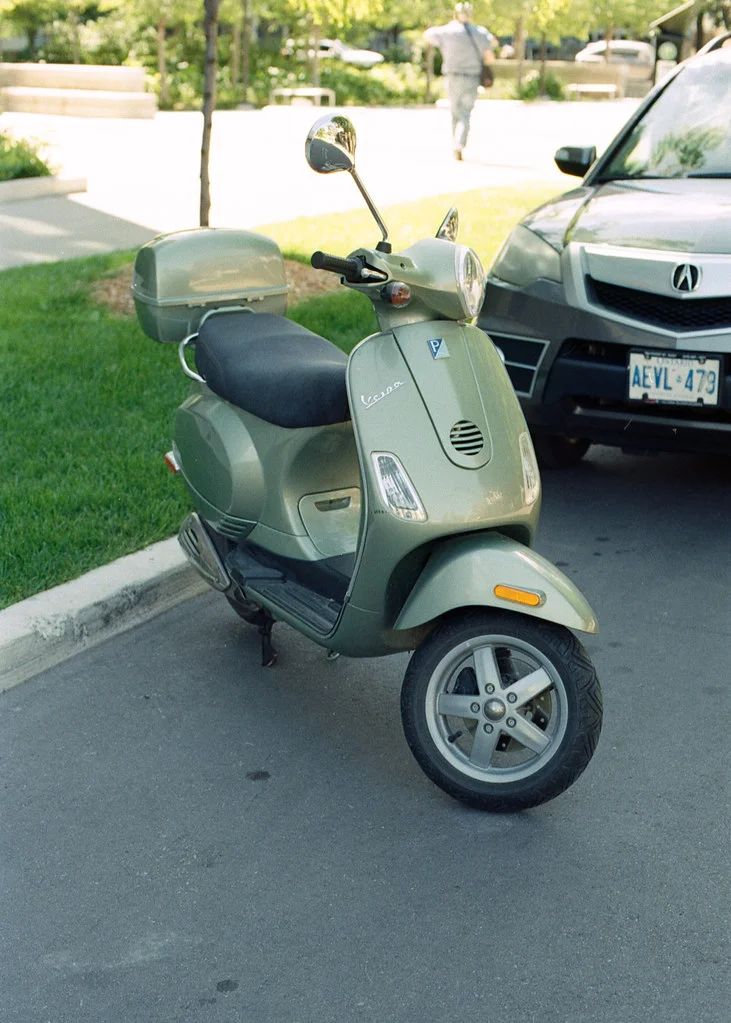
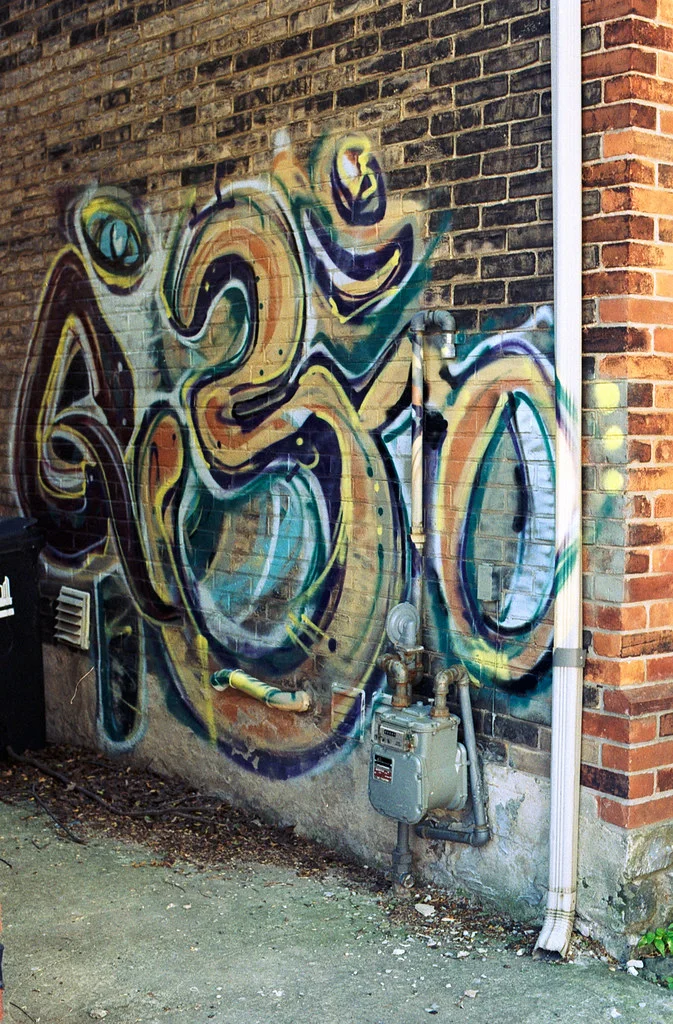
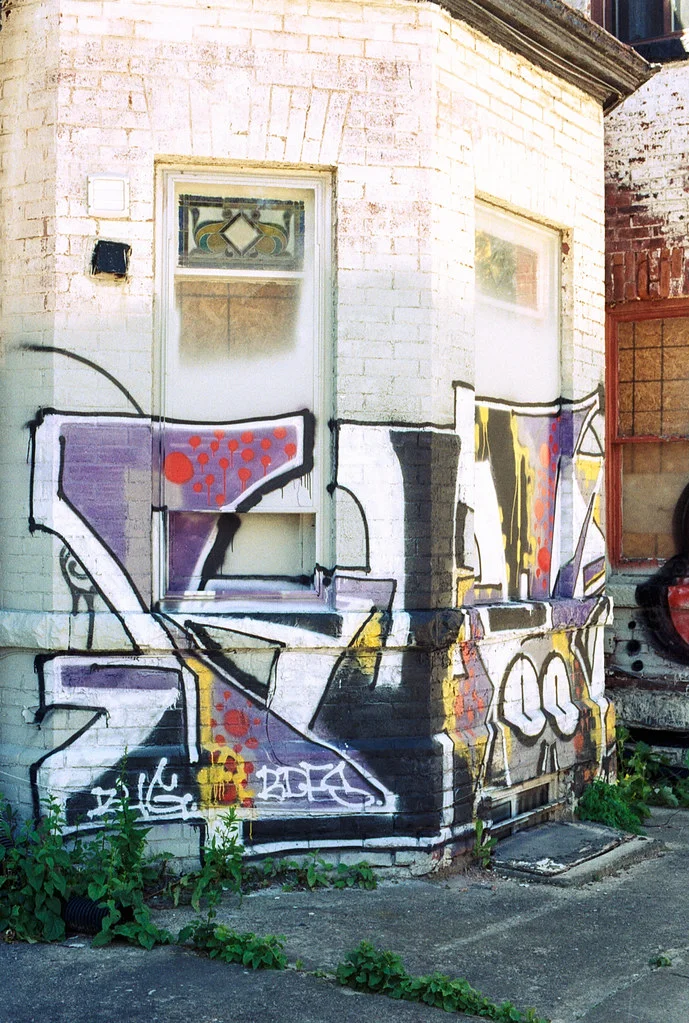
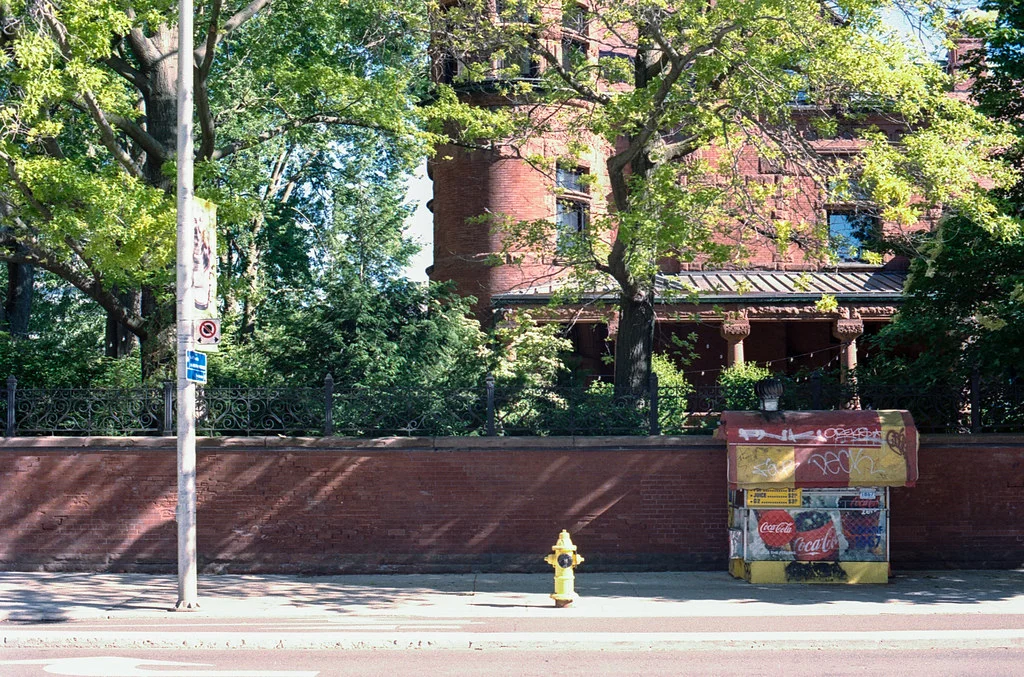
For those interested in seeing Kodacolor 100's performance, several sample images taken with a Nikon F3/T and Nikkor AIS lenses showcase a diverse range of subjects and settings. Each image reflects the film's vibrant and authentic characteristics, inviting viewers to appreciate the beauty of analog color photography.

Here are a few examples:



For any photographer looking to make the most out of their film experience, exploring the capabilities of Kodacolor 100 may just add a new layer of enjoyment to your craft.