Join the Wednesday Gang on a photographic journey through Bellwoods, utilizing classic gear to navigate changing lighting conditions for remarkable images.
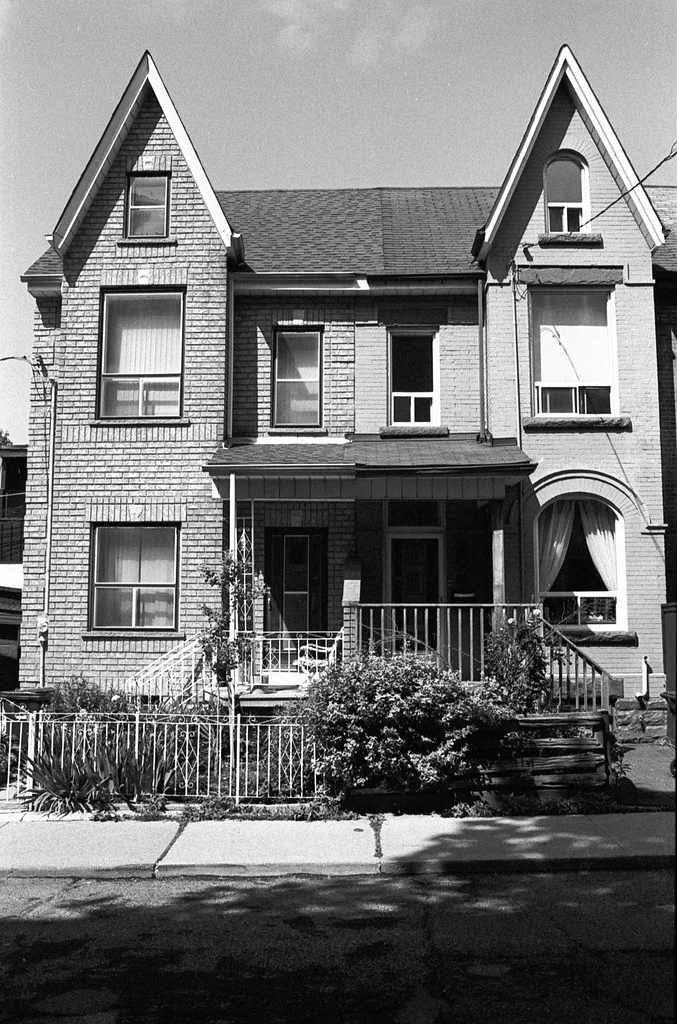
The Wednesday Gang embarked on a captivating photo walk through Bellwoods, where the interplay of light and shadow presented both challenges and opportunities. Initially, photographer opted for Kodak Tri-X 400 film, anticipating a predominantly overcast day. However, the forecast proved inaccurate, and bright sunshine illuminated the scenes, suggesting that alternatives like Ilford FP4, Rollei RPX 100, or Adox CHS 100 II might have yielded more favorable results. This experience highlights the importance of adapting to changing light conditions to maximize the film's potential.
Choosing the Right Film for the Day
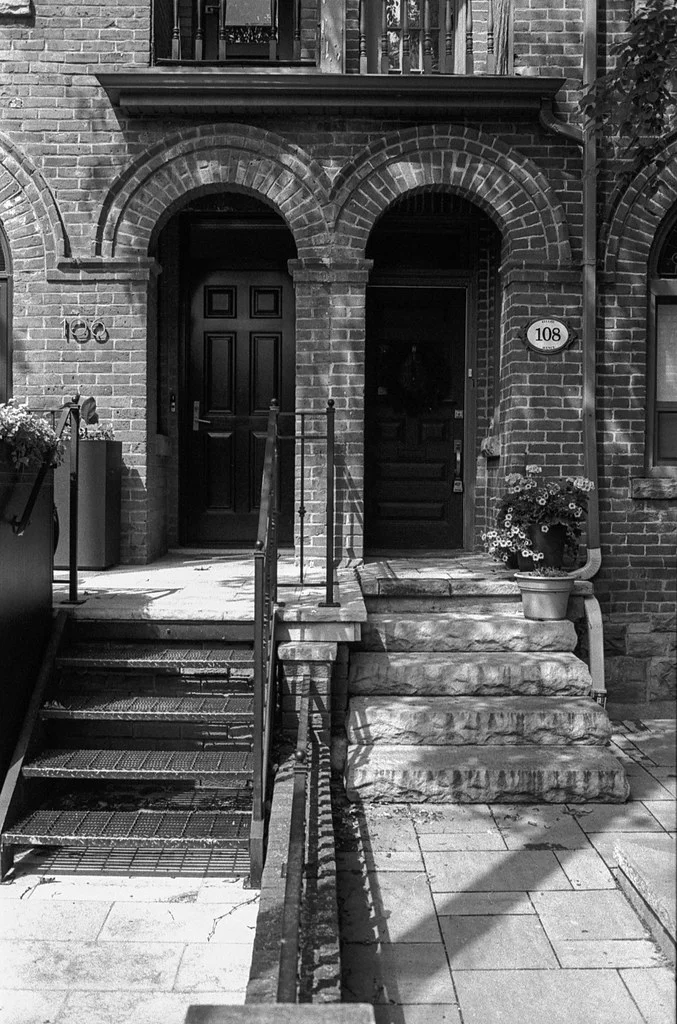
The decision to shoot with Kodak Tri-X 400 was based on the anticipated weather conditions. Tri-X is renowned for its versatility in low-light situations, yet it can also be overpowering in bright sunlight if not handled carefully. When shooting in bright light, it's crucial to use lighting and exposure techniques that maintain the quality of the image while still capturing the essence of the scene. In hindsight, on a sun-drenched day, using films with finer grain and lower ISO ratings could have opened different creative avenues, preserving the detail in highlights that often get lost with high-contrast films like Tri-X.
Reviving Classic Gear: The Canon F-1n
Returning to the Canon F-1n was like reconnecting with an old friend. This camera, a mainstay for many photographers since the 1970s, embodies a mechanical simplicity that can be richly rewarding. Its metering system, while not as intuitive as modern cameras, encourages a deeper engagement with exposure settings. For instance, when shooting in various lighting conditions, a photographer must gauge the light with more attention than a contemporary automatic system would require.
Canon's FD lenses have long been celebrated for their optical quality, and the chrome-nose 35mm f/2 lens is especially praised for street photography and black and white work. Its sharpness and contrast render textures and details beautifully, contributing a classic feel to urban images. Understanding lens performance—such as depth of field and bokeh effects—further enhances the overall composition in different lighting scenarios.
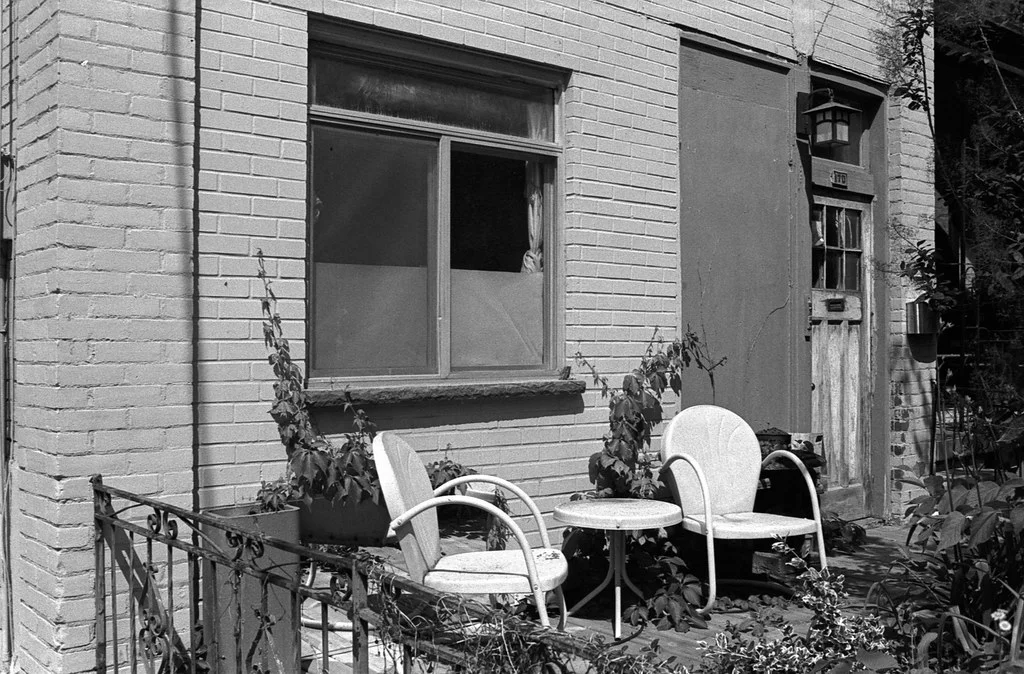
Techniques for Capturing Urban Landscapes
When walking throughout Bellwoods, the key was to adapt quickly to the shift from shaded areas to the stark brightness of open streets. Here are a few techniques employed to navigate these transitions effectively:
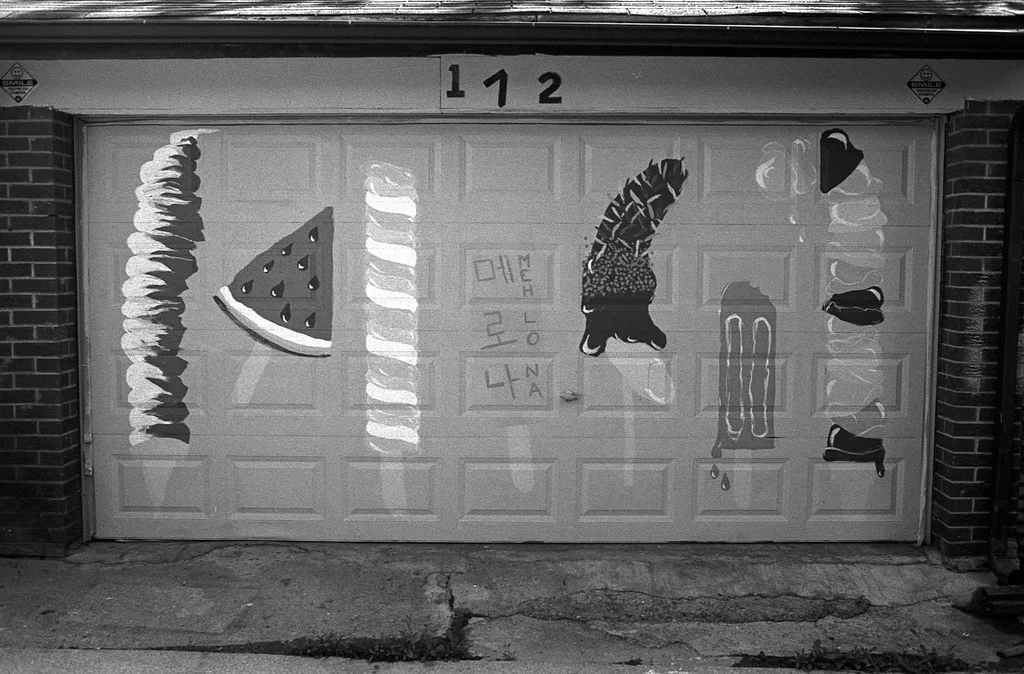
- Metering in the Shade: In shaded areas, using center-weighted or spot metering allows for accurate exposure by prioritizing the light on the subject of interest. In contrast, bright areas may require adjusting exposure compensation to avoid blown-out highlights.
- Depth of Field Control: Using the 35mm lens provided versatility with depth of field. Wider apertures can isolate subjects against a blurred background, while smaller apertures ensure more of the scene is in focus, which is particularly useful for landscape shots.
- Composition Techniques: Paying attention to framing in urban photography can dramatically affect the story being told. Utilizing leading lines, thoughtful placements of focal points and creative angles can make well-known places resonate with freshness and vitality.
Over the course of the walk, adaptability was crucial. Encountering sunny spots amidst shaded alleyways became an exercise in creatively utilizing contrasts. Using reflectors or waiting for passing clouds offered unique solutions to mitigate harsh sunlight while capturing the vibrancy of the environment.
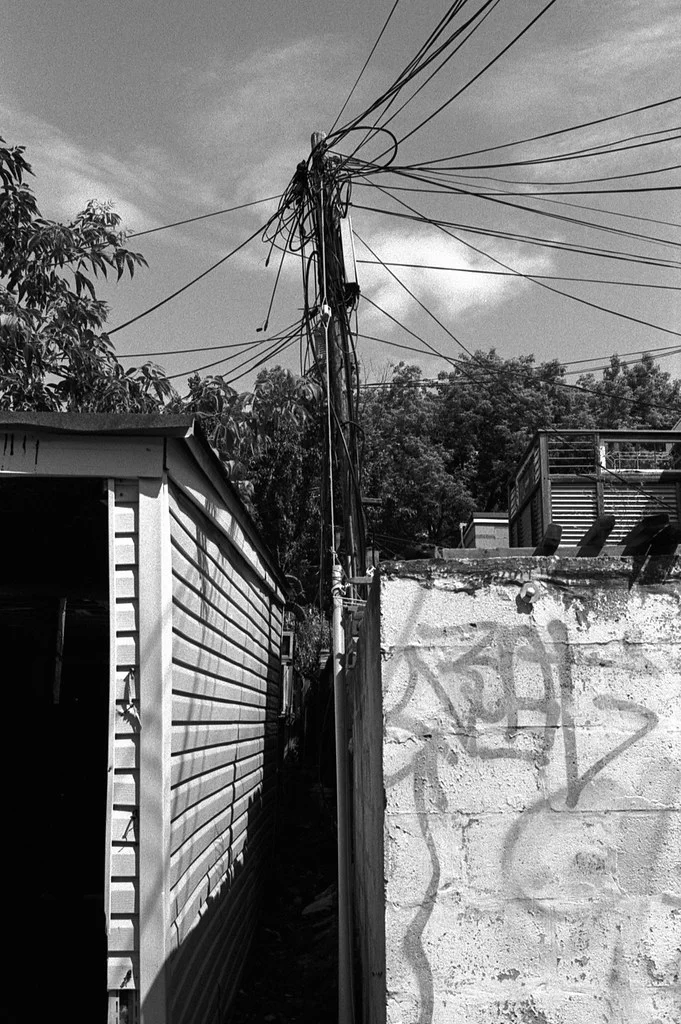
Highlights from the Walk
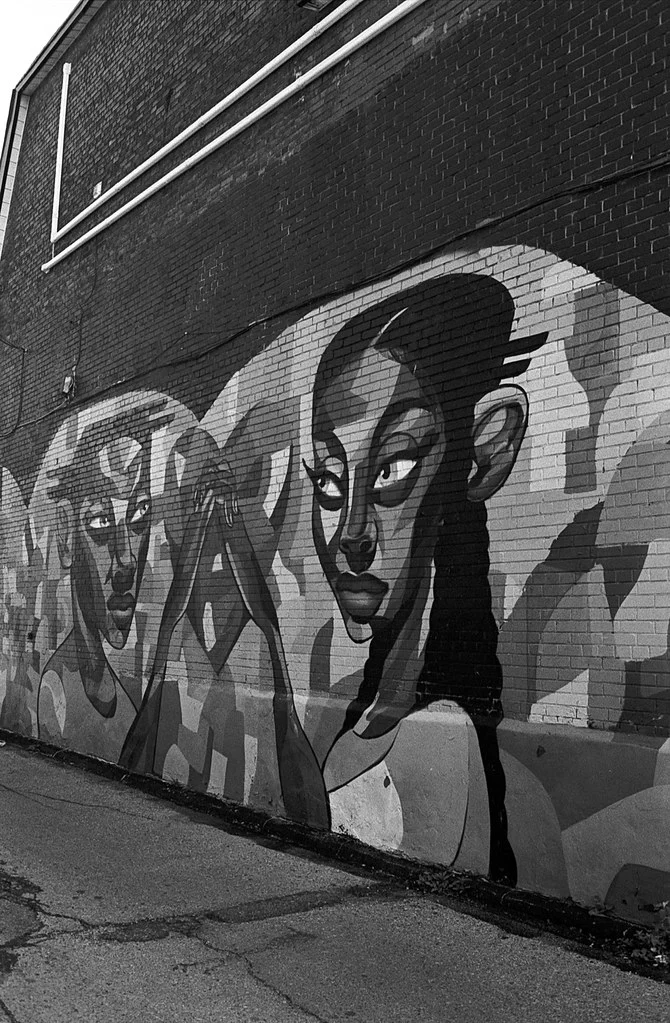
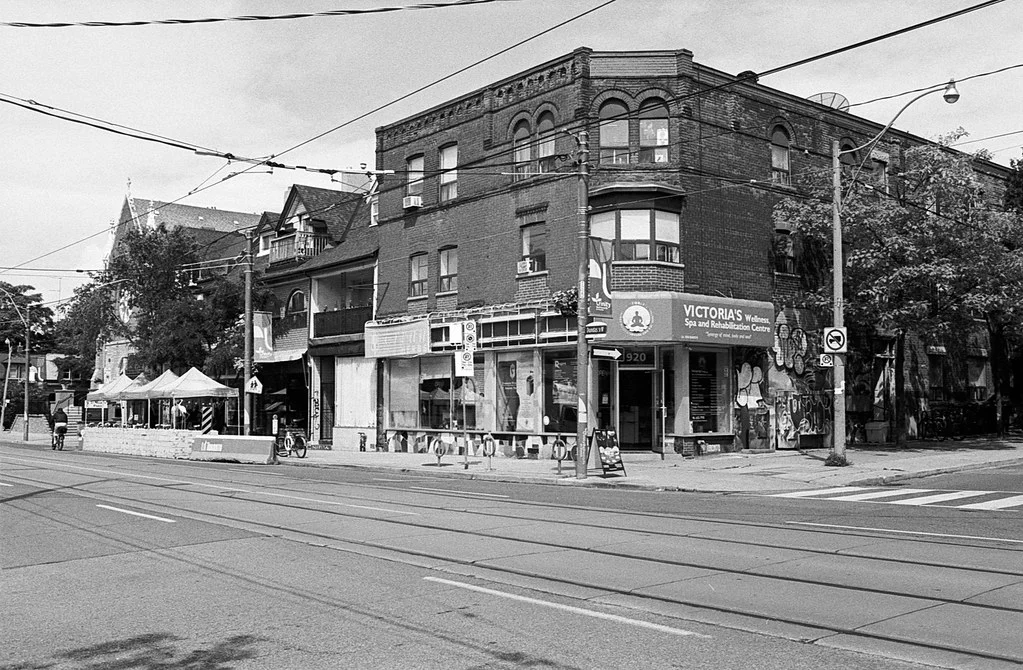
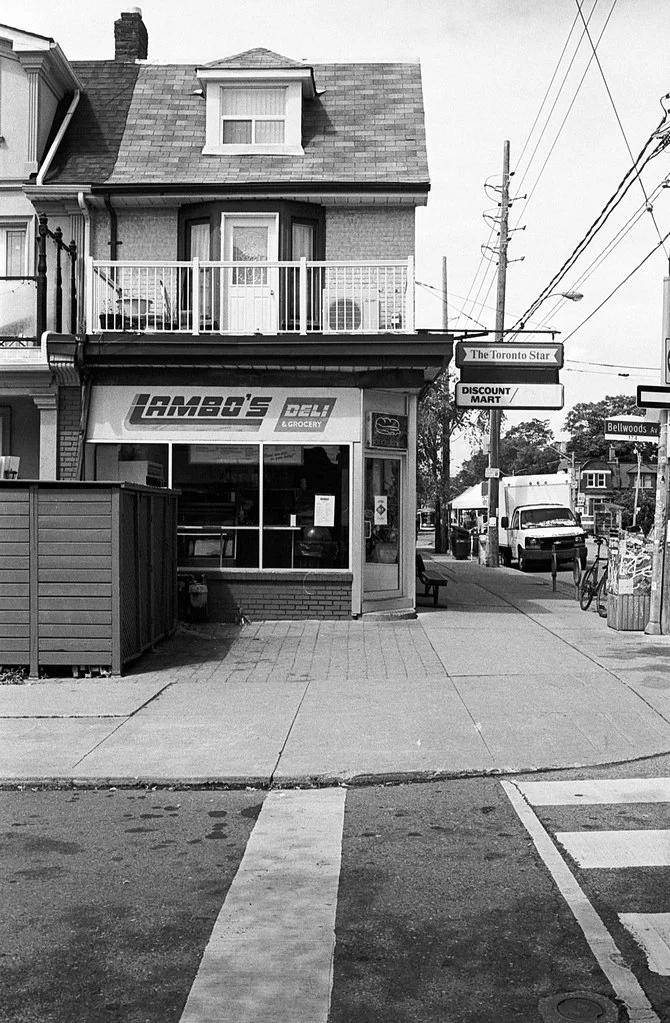
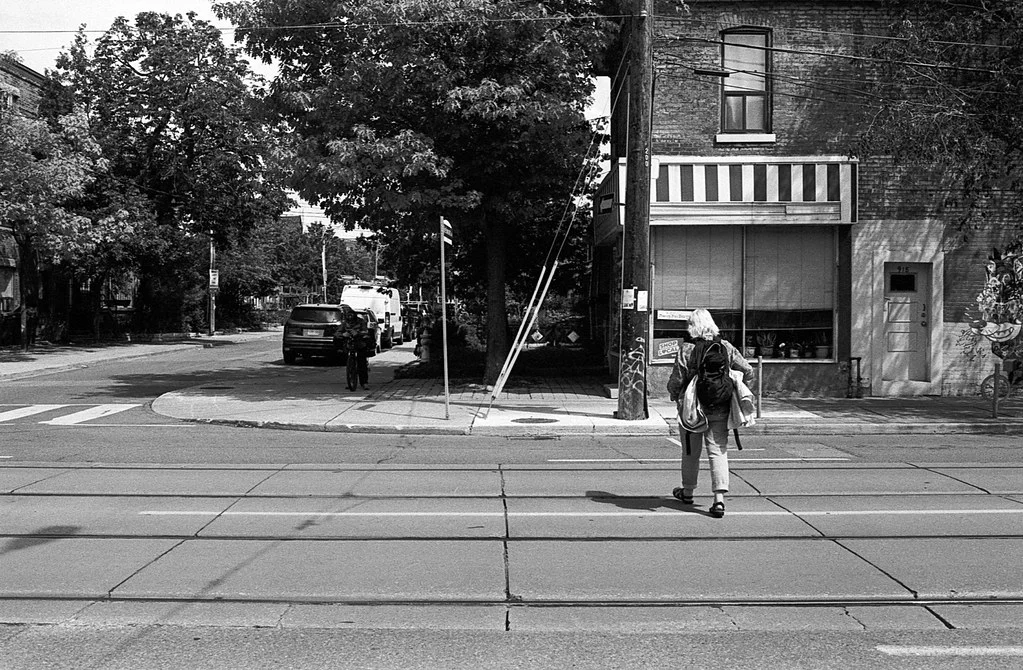
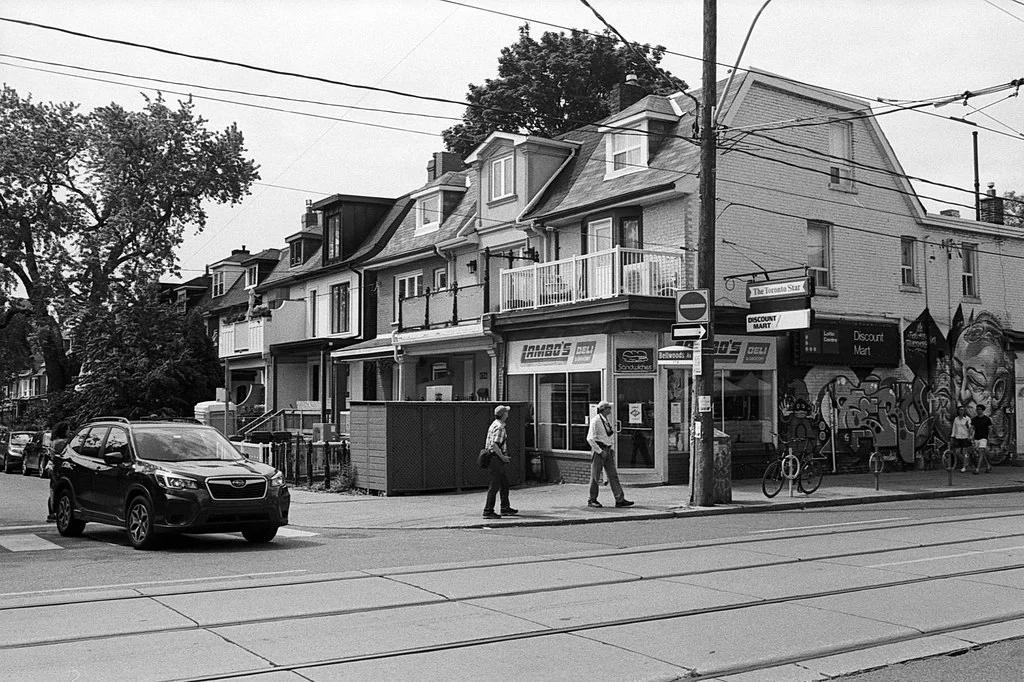
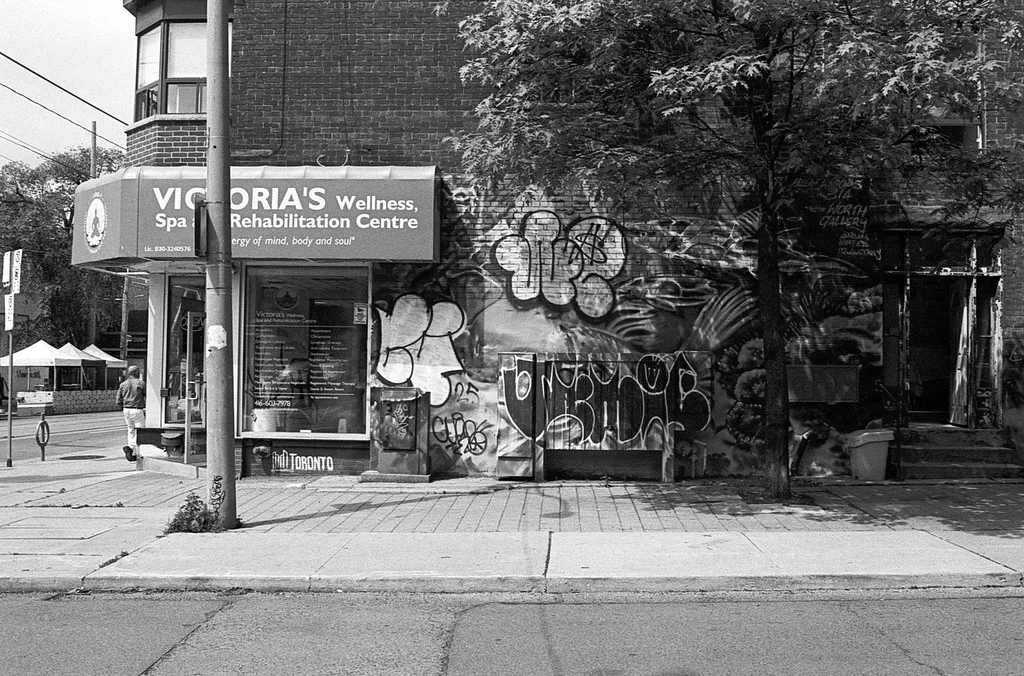
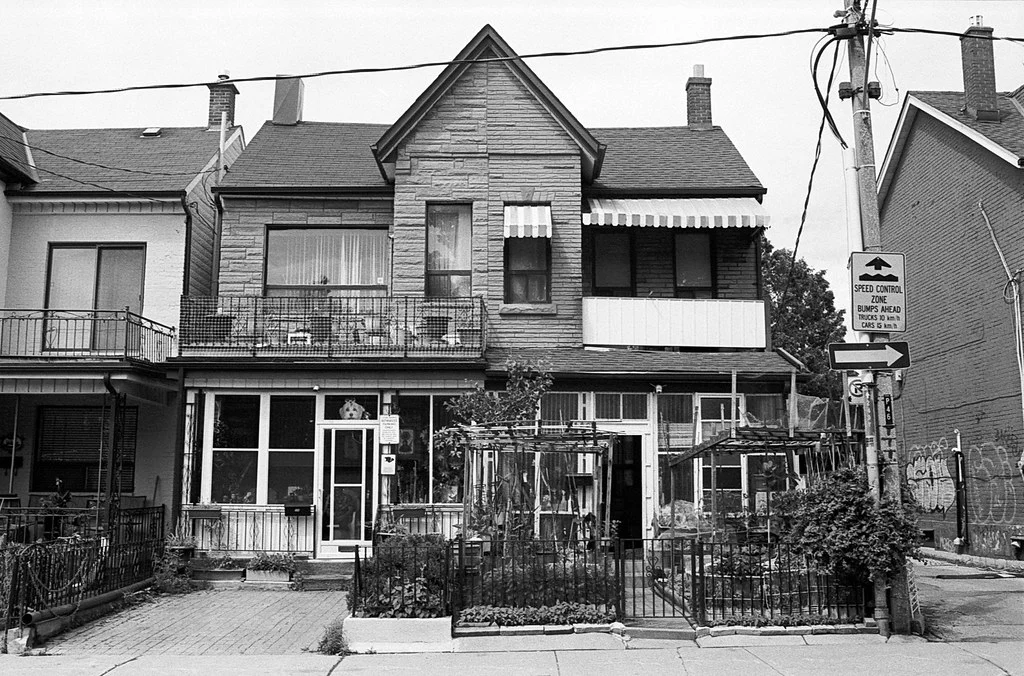
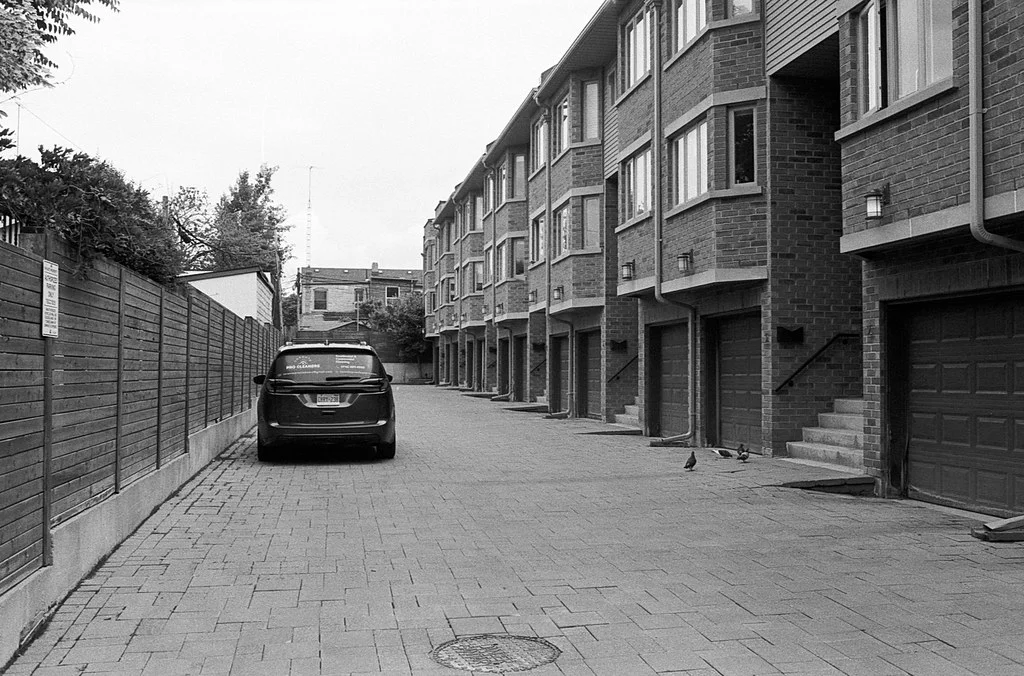
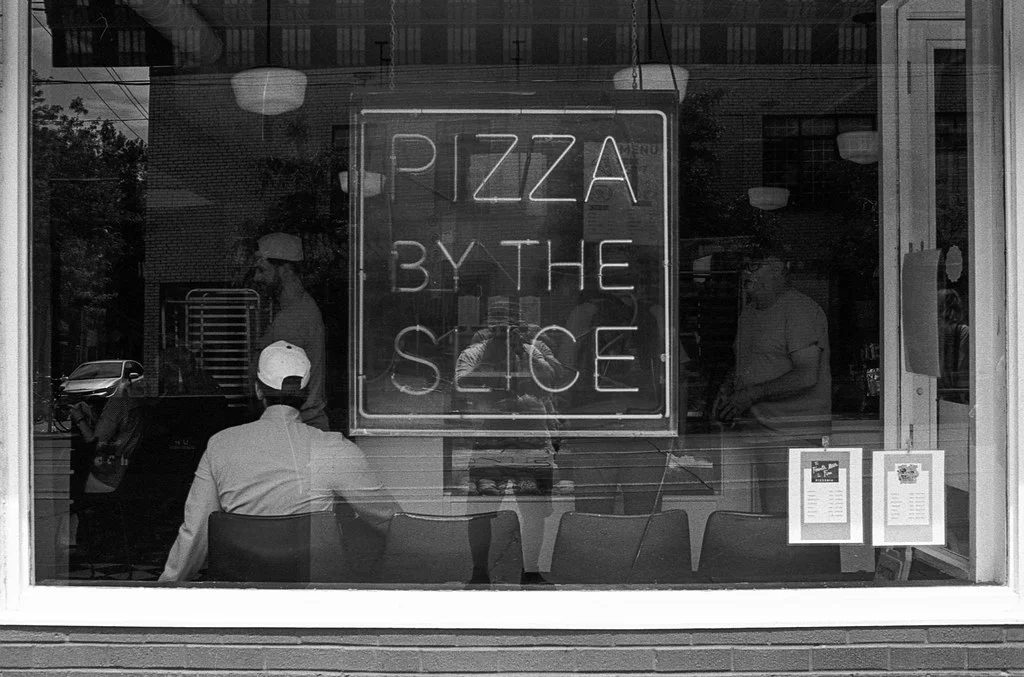
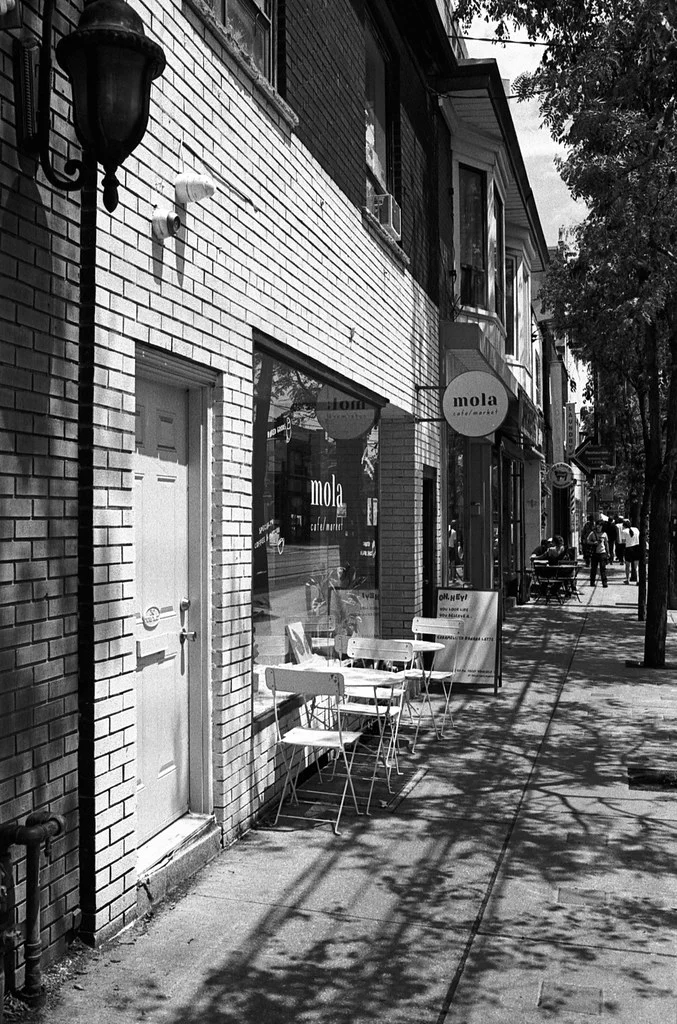
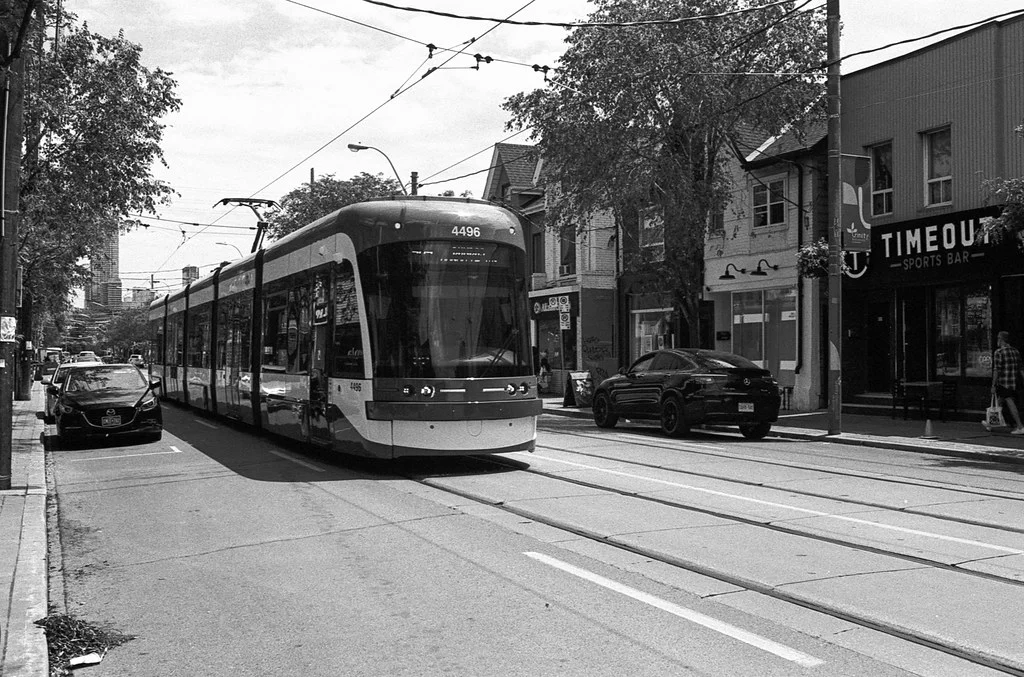
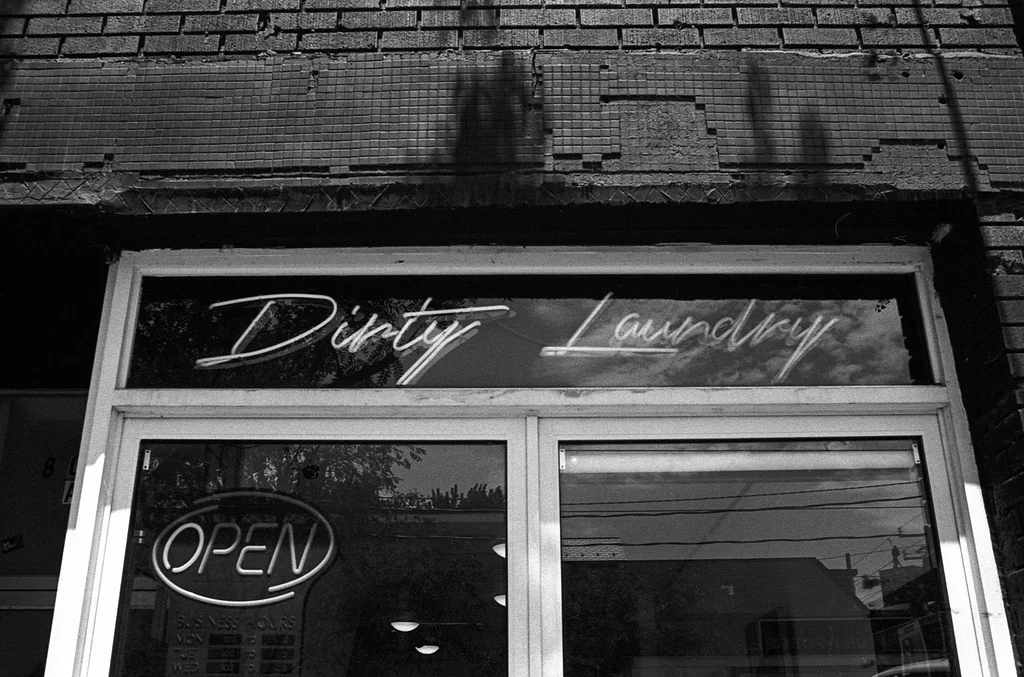
A selection of images taken during the walk offers glimpses into the community and atmosphere of Bellwoods:
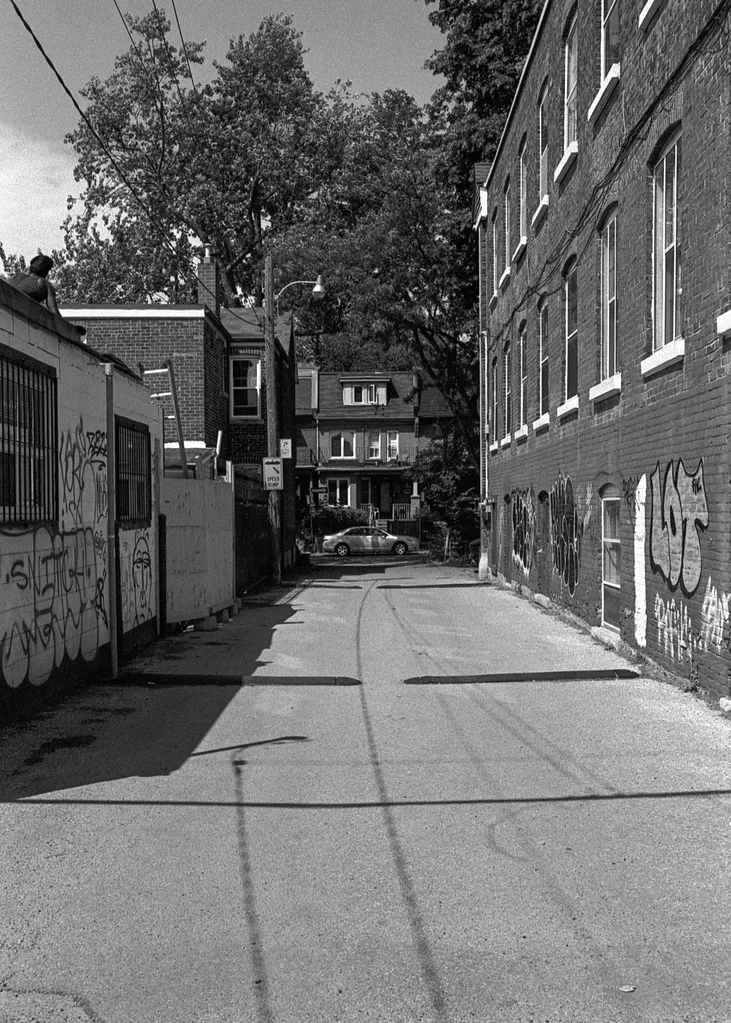
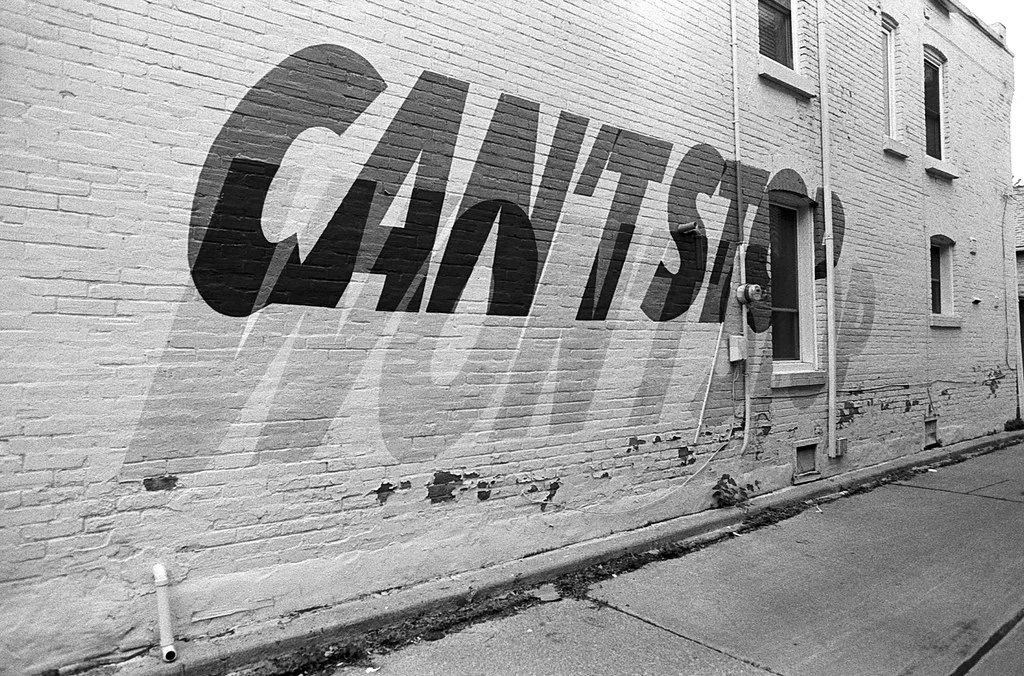
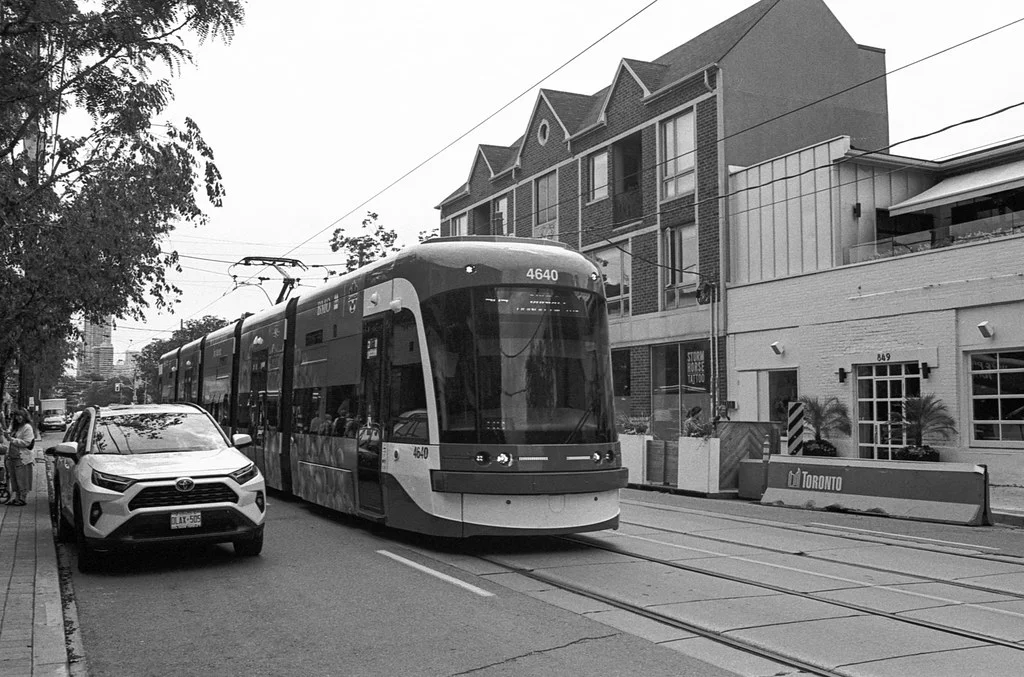
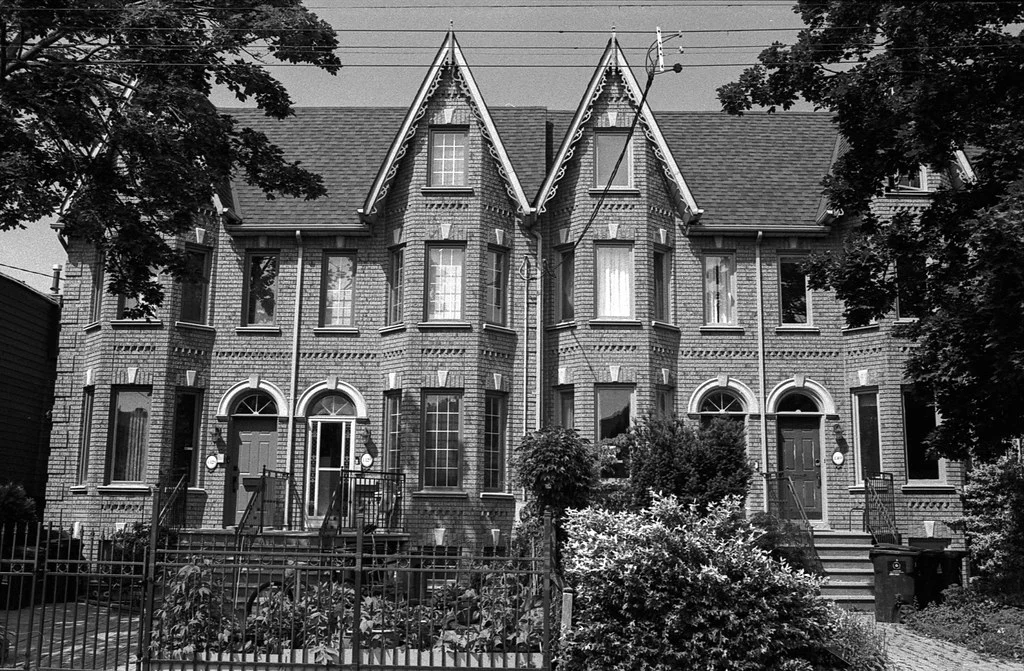
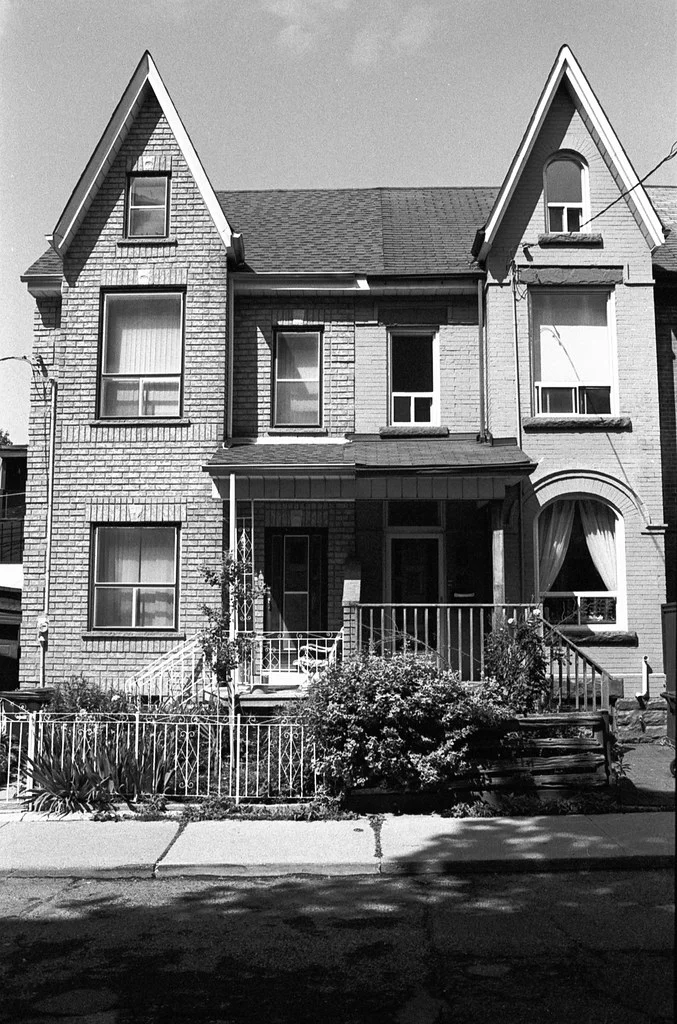 - A charming semi-urban scene showcases local architecture.
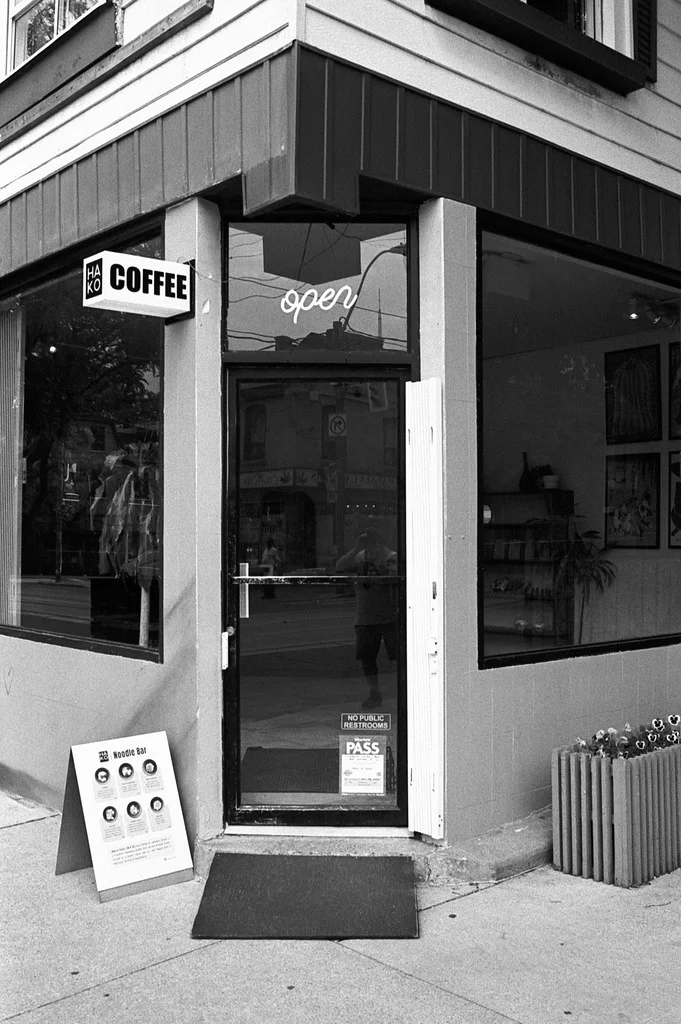
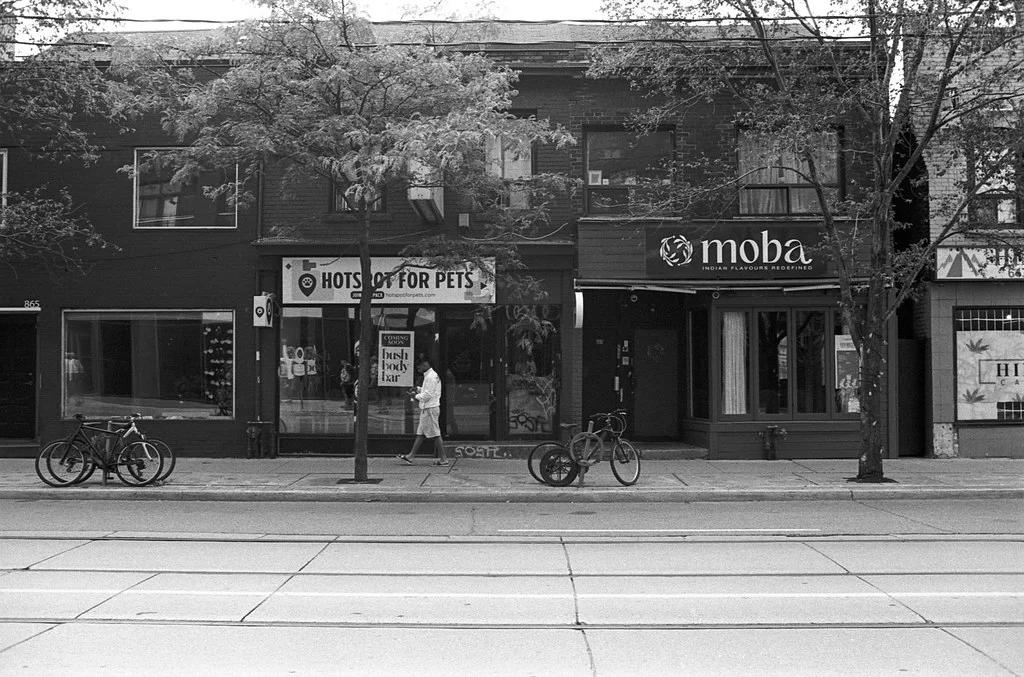
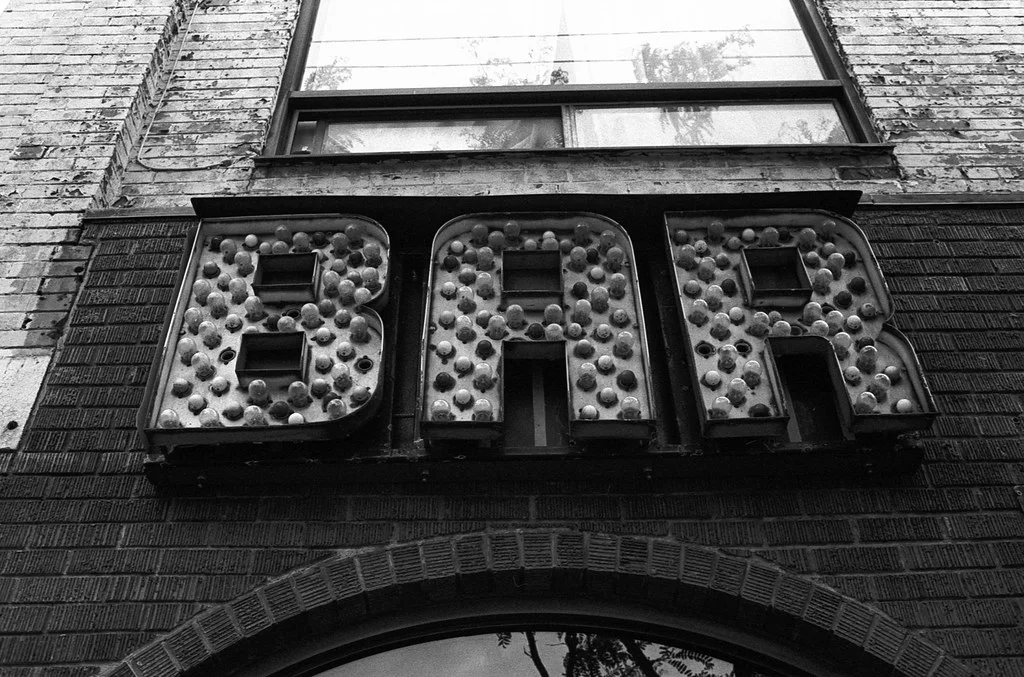
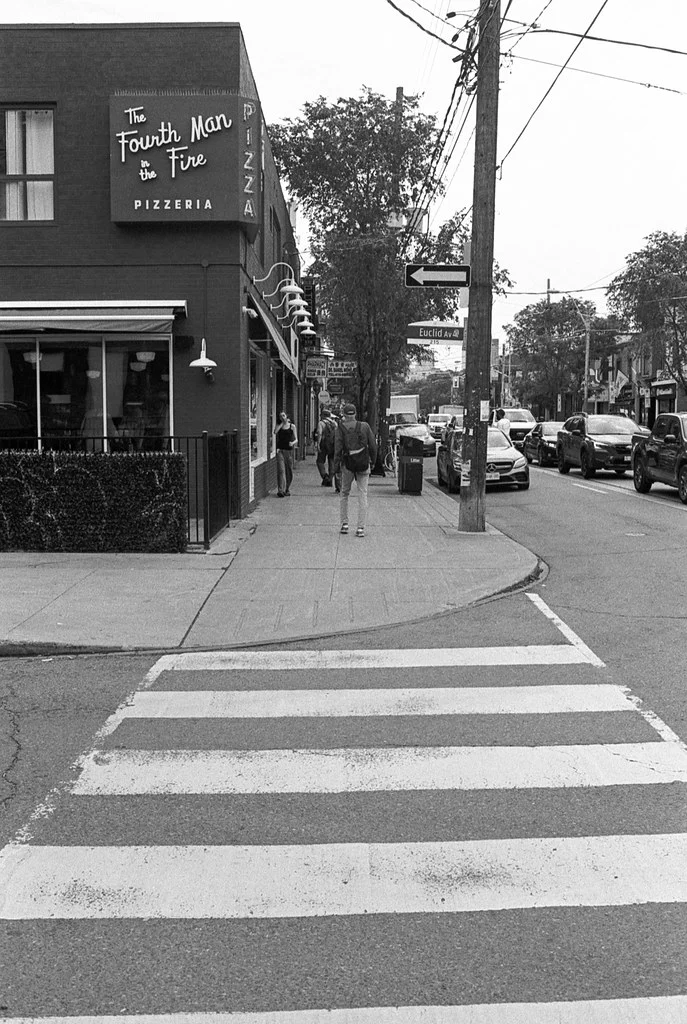
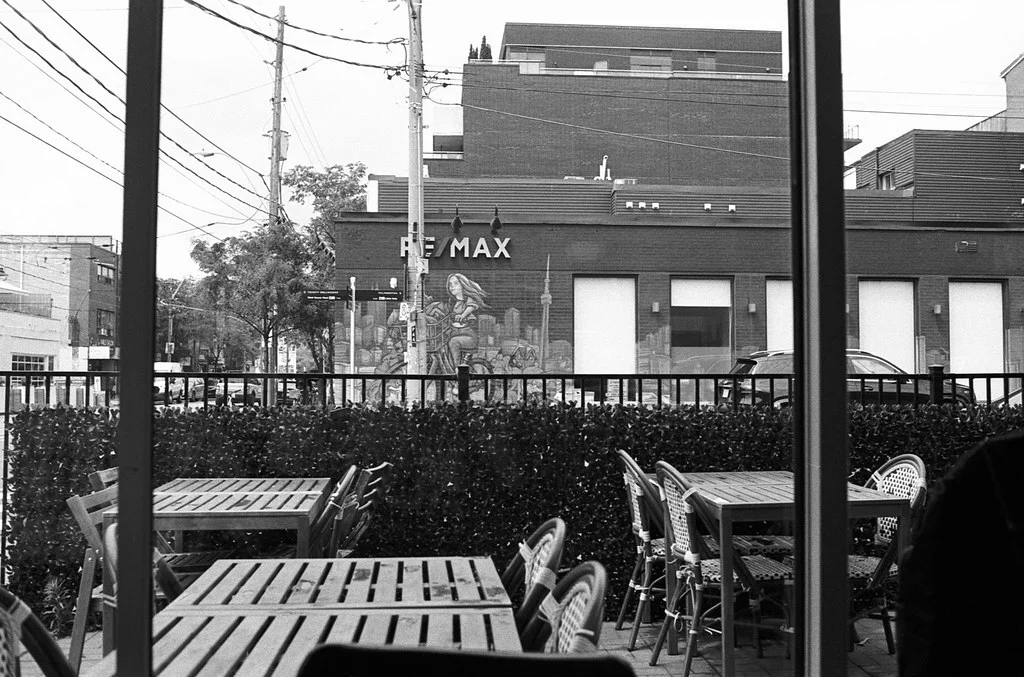
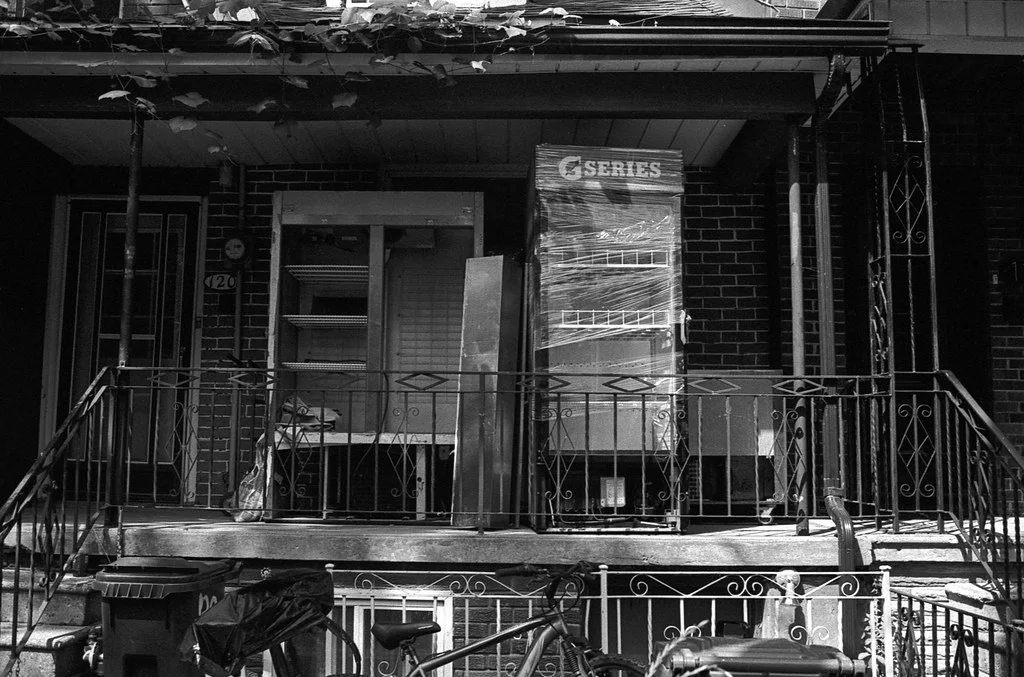 - An arresting photograph featuring mundane storefronts, elevated by the play of light.
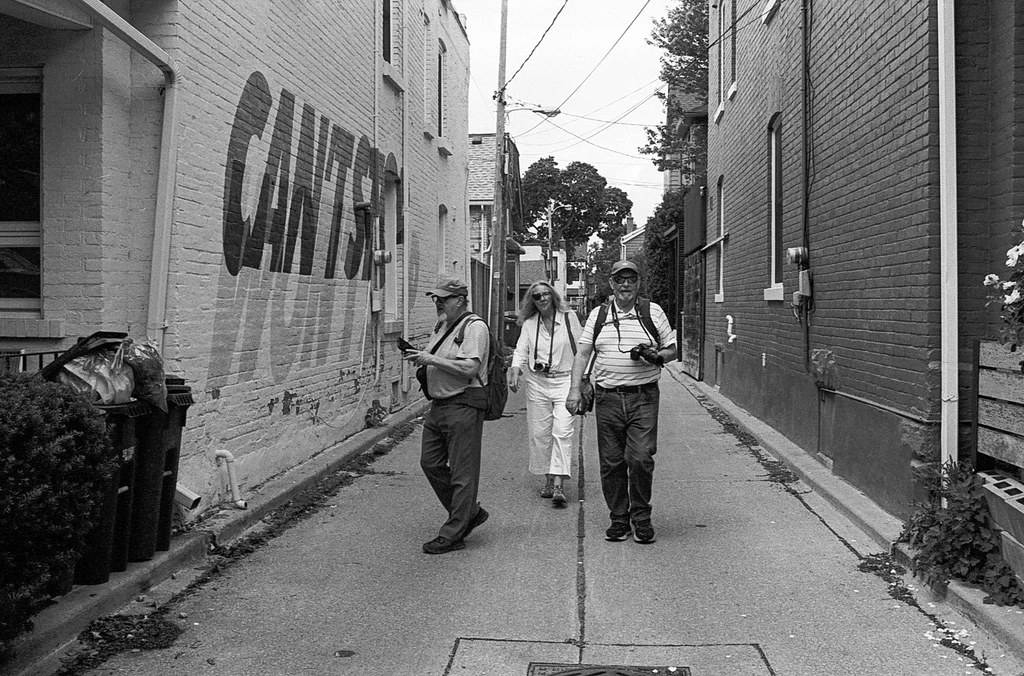
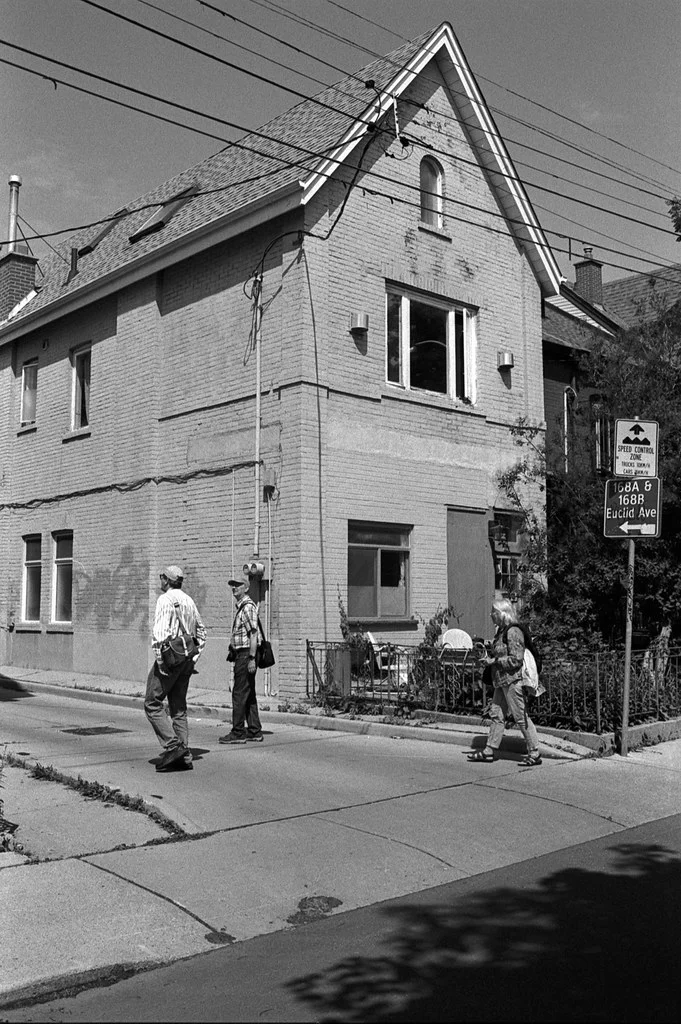
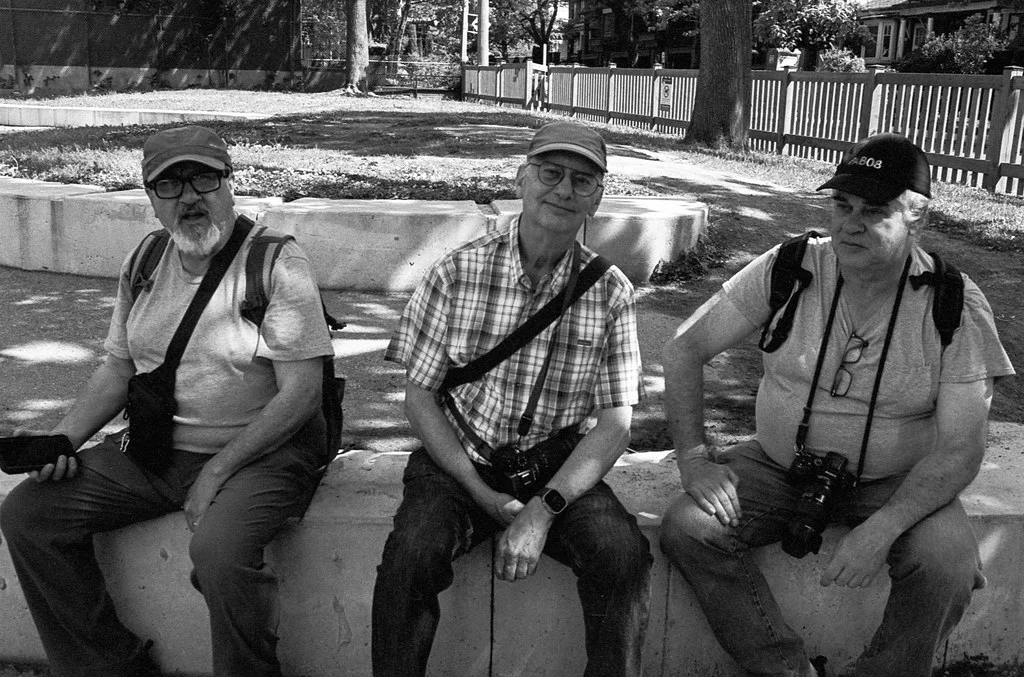 - Capturing candid moments adds a personal touch to the photo series.
Final Thoughts
Despite the unexpected weather changes, the outing underscored the importance of flexibility in photography. Mixing classic gear with film allowed for spontaneous creativity in capturing urban life. Equipped with the right mindset and techniques, every walk transforms into an opportunity for discovery. As urban photographers, it's pivotal to embrace the unpredictable nature of light and environment, resulting in images that resonate with narrative and artistry.
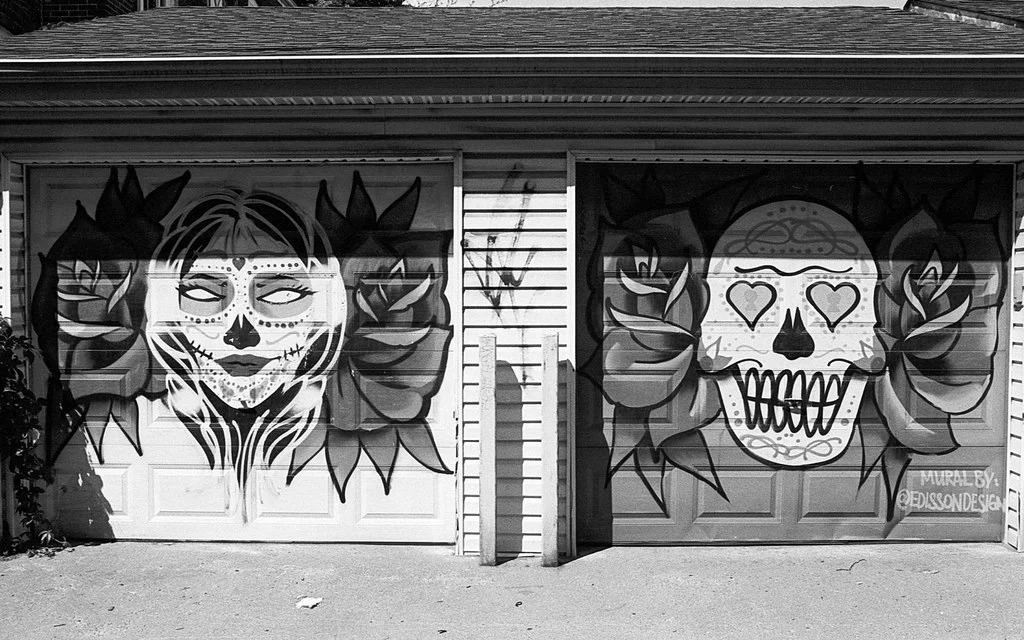
As the day concluded, the blend of sunlight, shadows, and memories taken through the viewfinder proved that sometimes, the best images emerge from embracing the unexpected.