Transform your fall foliage photography by using innovative techniques that emphasize light, contrast, and personal storytelling for unique results.

Every October, photography feeds overflow with vibrant images of landscapes awash in autumn colors, typically captured under the bright midday sun. While these shots may be visually appealing, they often lack the depth and uniqueness that characterize exceptional fall foliage photography. Instead of merely showcasing an abundance of color, effective photographers dig deeper into these scenes, discovering the elements that evoke personal resonance and distinctiveness. With the fleeting nature of peak foliage, it’s essential to approach this vibrant season with a thoughtful strategy rather than just aiming for the most brilliantly colored tree.
Why Conventional Shots May Fall Short
Wide-angle shots of sunny, saturated landscapes often serve as default choices for autumn photography. However, the human eye and camera perceive color differently; what appears vivid and captivating in person may translate into a washed-out image lacking focal points or depth. To elevate the quality of your images, focus on using color as a starting point, where the question extends beyond just “where is the color?” to “what story does this color tell, and how can I enhance it?”
Capturing Brilliant Light
The Power of Backlighting
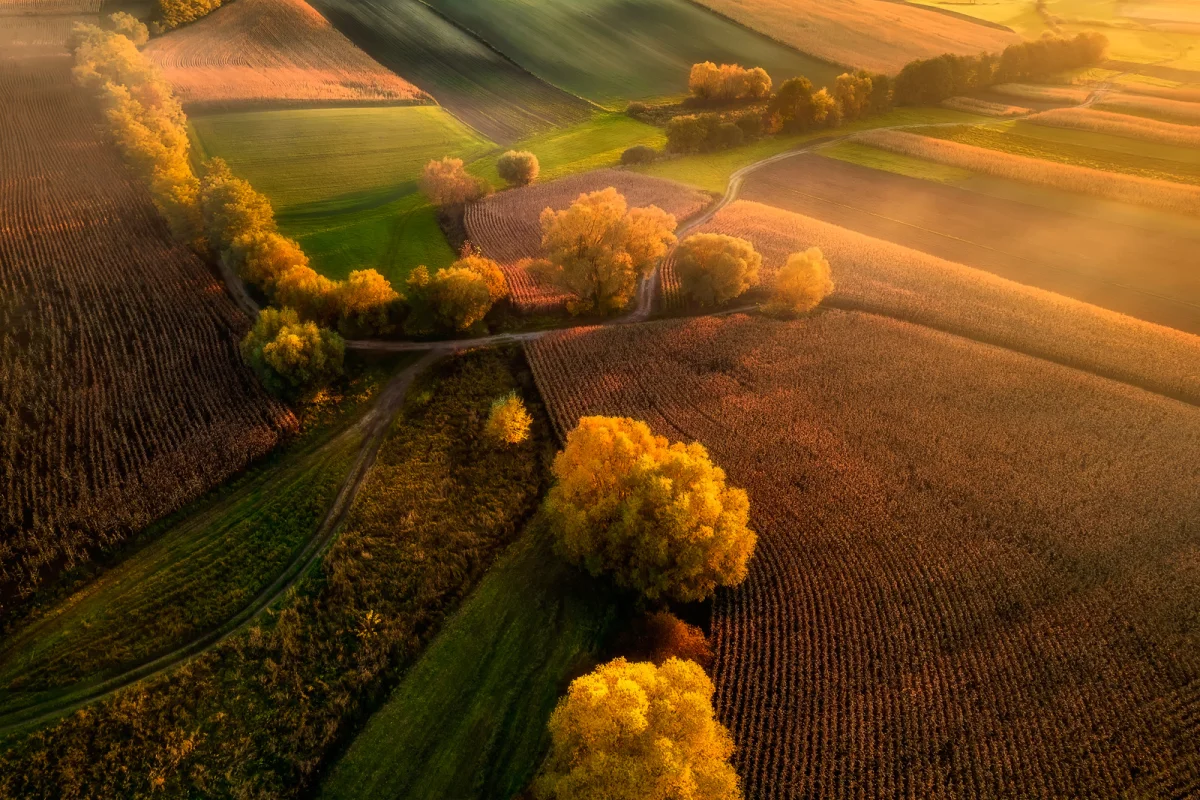
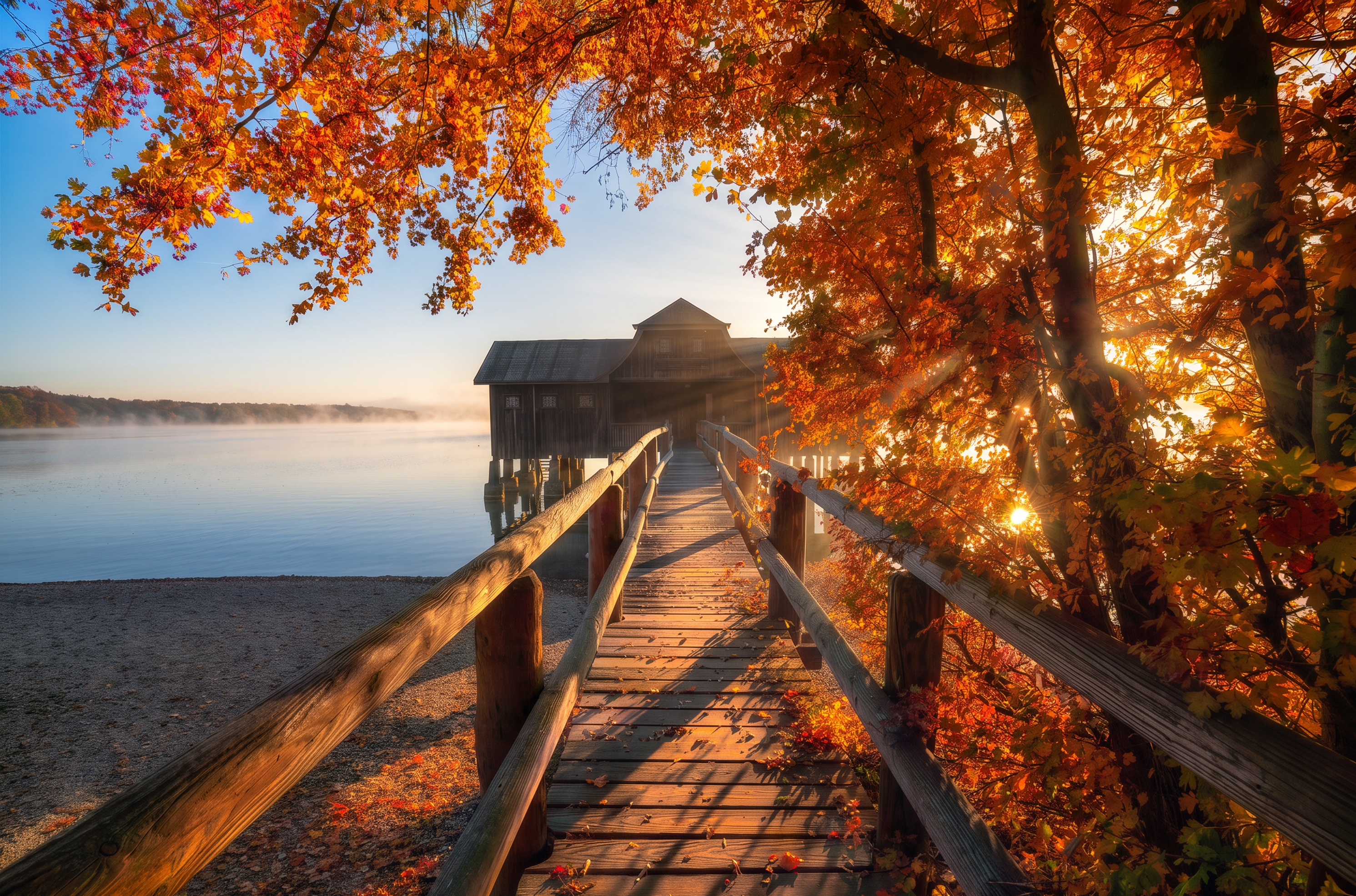
One effective technique for enhancing your fall photos is to shoot backlit scenes. The translucent nature of leaves allows light to pass through them, creating a magical glow that’s often more intense than front-lit foliage. To achieve this effect, aim to photograph during the early morning or late afternoon, positioning the sun behind the foliage while exposing for the leaves instead of the bright sky.
Utilizing Overcast Days
Contrary to popular belief, cloudy days can be a boon for fall photography. Overcast skies act as a giant diffuser, softening harsh shadows and saturating colors naturally without the overwhelming glare often seen in direct sunlight. This type of lighting is particularly favorable in forested areas, where it reveals details and textures of leaves that the chaotic lighting of bright days might obscure.
Making the Most of Wet Conditions
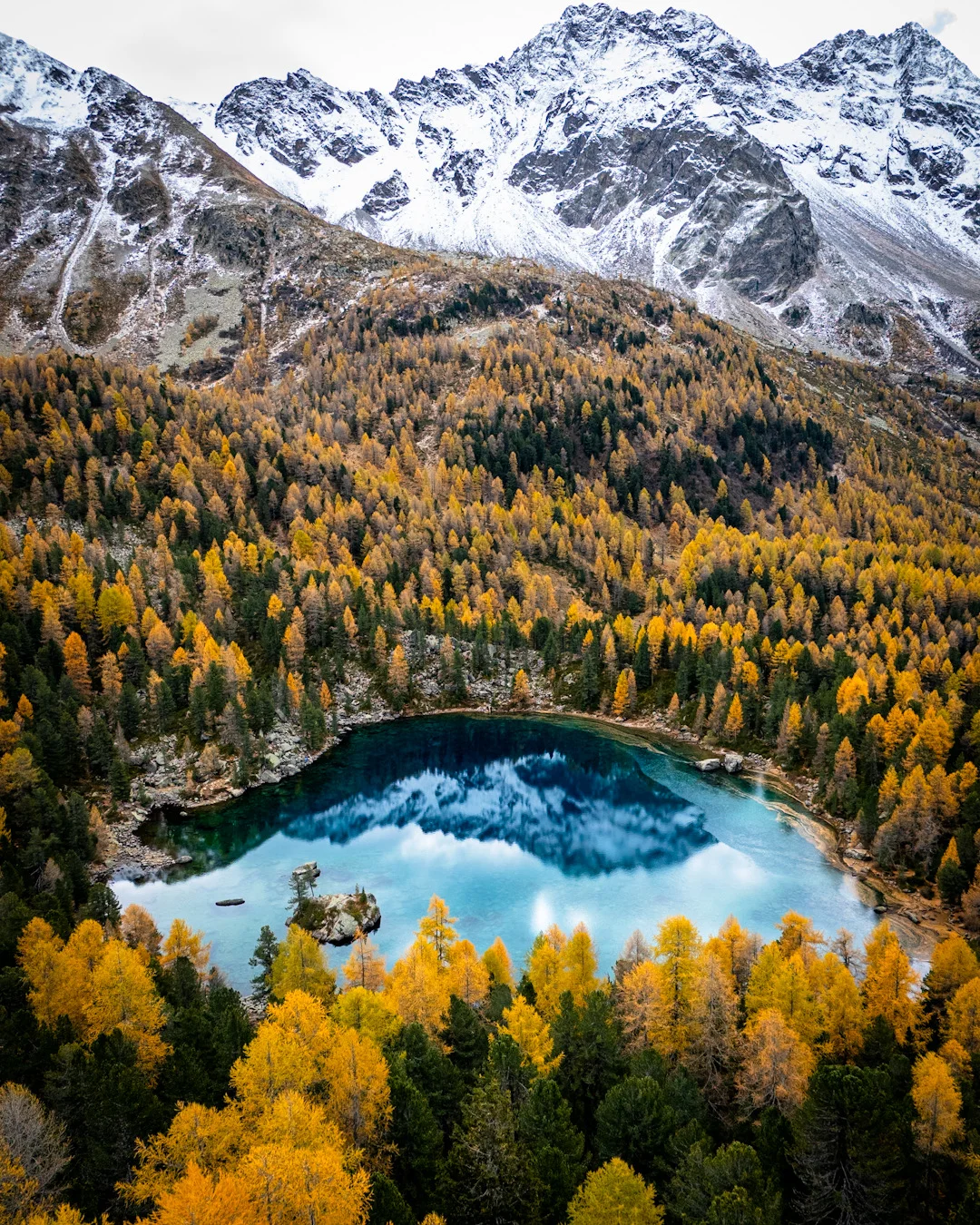
A fresh layer of rain can enrich the colors of fall foliage dramatically. Wet bark appears nearly black, while vibrant red and yellow leaves pop with increased intensity against this darker backdrop. Shooting soon after rainfall, while leaves are still glistening, can yield striking images. Employing a polarizing filter in these conditions can help eliminate glare and enhance color depth even more.
Finding Your Focus
Intimate Close-Ups
Some of the most compelling fall foliage images are tight compositions that explore just a few elements within the frame. Consider capturing a single branch contrasting against a dark trunk or a cluster of leaves resting in a stream. These intimate perspectives encourage viewers to engage with the details of the season, allowing for greater control over the colors and their interplay.
Incorporating Contrast into Your Shots
Rather than solely relying on vibrant autumn colors, look for contrasting elements that can add depth to your images. Incorporating evergreens among deciduous trees or framing a shot with a simple grey stone or a calm lake can provide a visual rest for the eye while enhancing the impact of the autumn hues. This method creates greater visual interest and draws attention to the richness of the fall palette.

Integrating Human Element
Fall is a season lived and experienced, not just visually represented. Including human figures within the scene—like a child playing in a pile of leaves or someone biking along a tree-lined road—adds scale and a narrative dimension. Such images invite viewers to connect not just with the vibrant colors, but with the experience of being in that moment.
Key Considerations for Fall Photography
Be mindful of saturation levels during both shooting and editing. Autumn's reds and oranges can easily exceed a camera’s dynamic range, leading to clipped highlights that lose detail. Instead of cranking up overall saturation, adjust individual colors in the HSL panel, ensuring that you maintain the vibrancy of textures and edges in your leaves.
It's also crucial to track local foliage progression, as peak colors shift with elevation and geography. This awareness allows photographers to capture the best colors multiple times throughout the season instead of relying on just a single visit to a specific location.
Finding Your Unique Perspective on Autumn
The objective isn’t to dismiss wide landscape shots entirely, but rather to approach them with intention. Fall foliage photography shines when photographers make conscious choices about lighting, scale, and contrast. Rather than letting vibrant colors dictate composition, these decisions lead to truly distinctive results. Each fall brings renewed opportunities to capture the season, and the images that resonate the most are those that reflect a personal interpretation of autumn's beauty.
The post Beyond the Postcard: Fresh Approaches to Fall Foliage Photography appeared first on 500px.


