Explore how unforeseen changes in a photography workshop lead to remarkable moments and stunning captures in Yosemite’s breathtaking landscape.

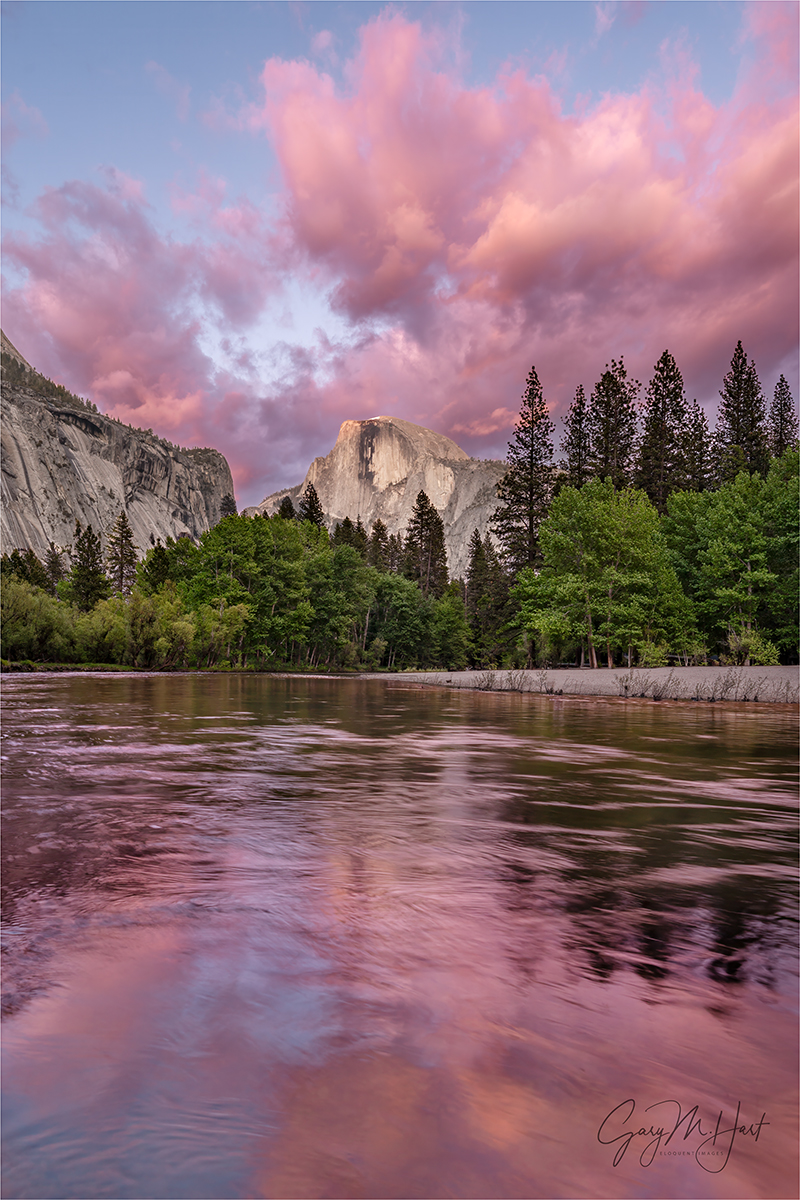
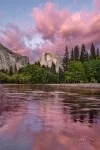
Color and Clouds, Half Dome and Merced River, Yosemite
Sony a7R V
Sony 12-24 GM
1/5 second
F/11
ISO 100
In nature photography, anticipation collides with timing; the promise of a spectacular display often hinges on the sacrifices of others. Whether it’s for a mesmerizing sunset or the fleeting beauty of a rainbow, the reality is that the best moments seem to arise when someone opts out or steps back. This age-old truth has been reinforced through countless experiences, whether during the dramatic Kilauea eruptions, the striking colors of Horsetail Fall, or electrifying lightning storms over the Grand Canyon. Recently, I encountered this phenomenon during my Yosemite spring workshop.
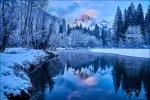
As the workshop approached its conclusion, the preceding days had already overflowed with memorable experiences. From navigating challenging road conditions to witnessing the exquisite sight of rainbows near roaring waterfalls, the participants had revelled in the park's bounty. With my sights set on a final sunset shoot, I had adjusted my expectations after checking the weather forecast—a blanket of gray skies promised a subdued finale. However, life continued to surprise us.
On the afternoon of our last day, circumstances prompted three participants to leave early. While one participant opted to begin their long drive home to Tennessee, my brother Jay—who was assisting me—was feeling unwell and chose to skip out on the final evening shoot. His history of health scares made me empathetic; the last time he left our workshop early, I was in for an unexpected four-month hospital wait. This time it was likely food poisoning, and I fully supported his departure.

The remaining participants seized the opportunity to enjoy a productive afternoon filled with image reviews and discussions about processing techniques for moonbow photography. An early wrap-up allowed us to prepare for the sunset, leading us to a cherished viewpoint along the riverside with an unobstructed view of Half Dome and its reflections in the Merced River. Given my familiarity with the area, I often felt tempted to skip shooting on less promising days. Miraculously, I chose to bring my gear the very moment conditions shifted in our favor.

Leading the group into the woods, I felt an instinctive glow of happiness. It became a pivotal moment that underscored the importance of remaining open to new possibilities. Toward the end of our session, I experienced a revelation about how to capture the essence of the landscape, challenging preconceived notions and welcoming the spontaneous beauty before us.

Adapting Composition to Conditions
As I have often emphasized, photography thrives on adaptability. Conditions can vary dramatically, and it's crucial to adjust our expectations accordingly. Just because an image may have been framed a certain way in the past doesn’t mean that similar conditions warrant the same approach. On this occasion, I pivoted away from preconceived ideas about the ideal composition, embracing the unique late-afternoon light and cloud formations that emerged.

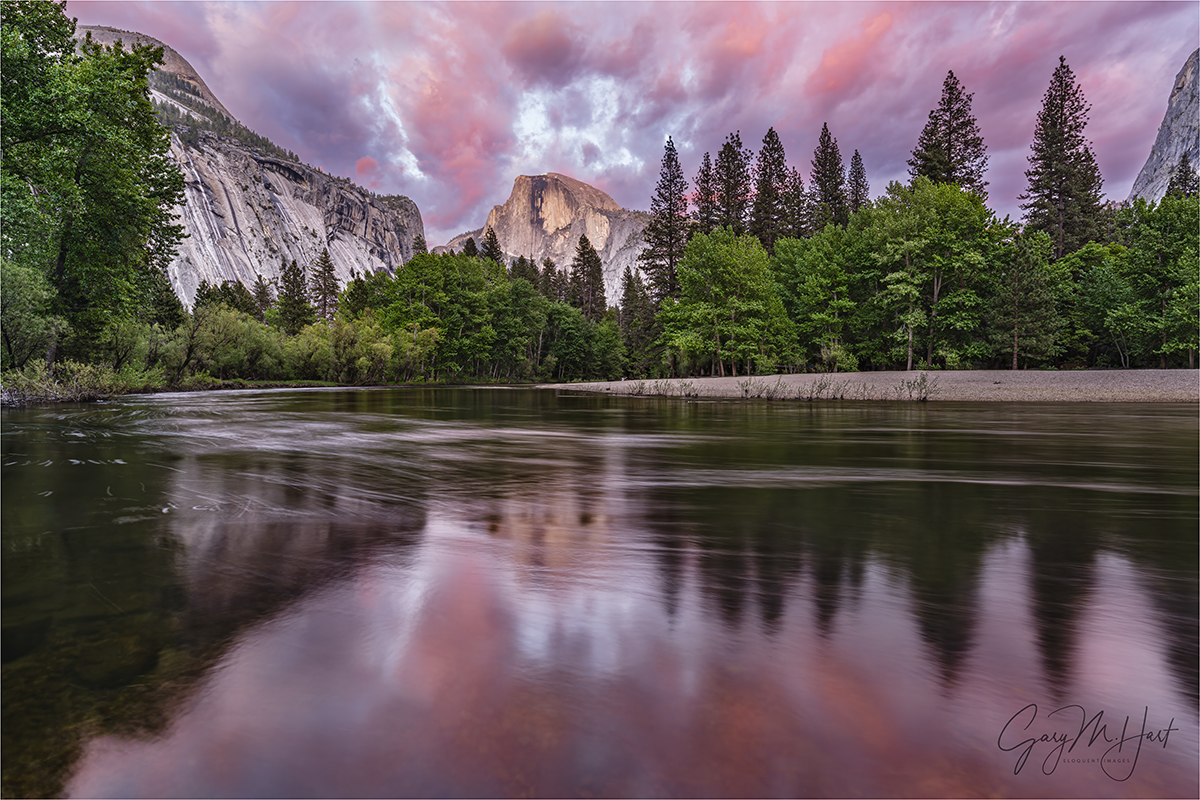
I frequently time my photography sessions to coincide with moonrises, leveraging the moon’s illumination alongside the towering Half Dome in my compositions. In peak flow months, the swift Merced River adds a mesmerizing quality to images; the reflection embodies an abstract beauty as it interacts with the shifting clouds. Interestingly, the absence of clouds usually directs me toward tighter compositions of the majesty that is Half Dome. With the sight of the swirling reflections and glowing skies, I took out my Sony 12-24mm lens—an uncommon choice that ultimately paid off.
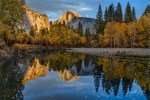
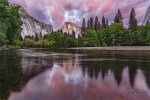
Switching to my ultra-wide lens allowed for greater creativity, even if it meant downsizing Half Dome in the frame to capture the cosmic spectacle happening overhead. As the clouds emitted intense shades of crimson and scarlet, my desire to capture this moment became unwavering. I made sure to shoot both horizontal and vertical compositions to ensure I had coverage across framing options.

Even though the focal lengths were between 12mm and 16mm, note how the trees remained remarkably straight. Misconceptions often lead photographers to blame lens flaws for distortion, but perspective shifts naturally occur with any lens. The essential key is to keep the camera level for straight verticals; this principle clarifies the importance of understanding focal length and composition.

Ultimately, those who "took one for the team" opened the door for the remaining group members to revel in the extraordinary beauty of Yosemite. Everyone arrived home safely and learned to focus on the moment rather than potential missed opportunities, an essential lesson in nature photography and life.
As you strive to enhance your own photography, remember that serendipity often awaits those willing to take risks, embrace the unknown, and, sometimes, let others embark on their journeys ahead.

Yosemite Photo Workshops