Photographer Gary Hart shares his experience of shooting the Milky Way in New Zealand, detailing techniques and optimal conditions for stunning nightscapes.

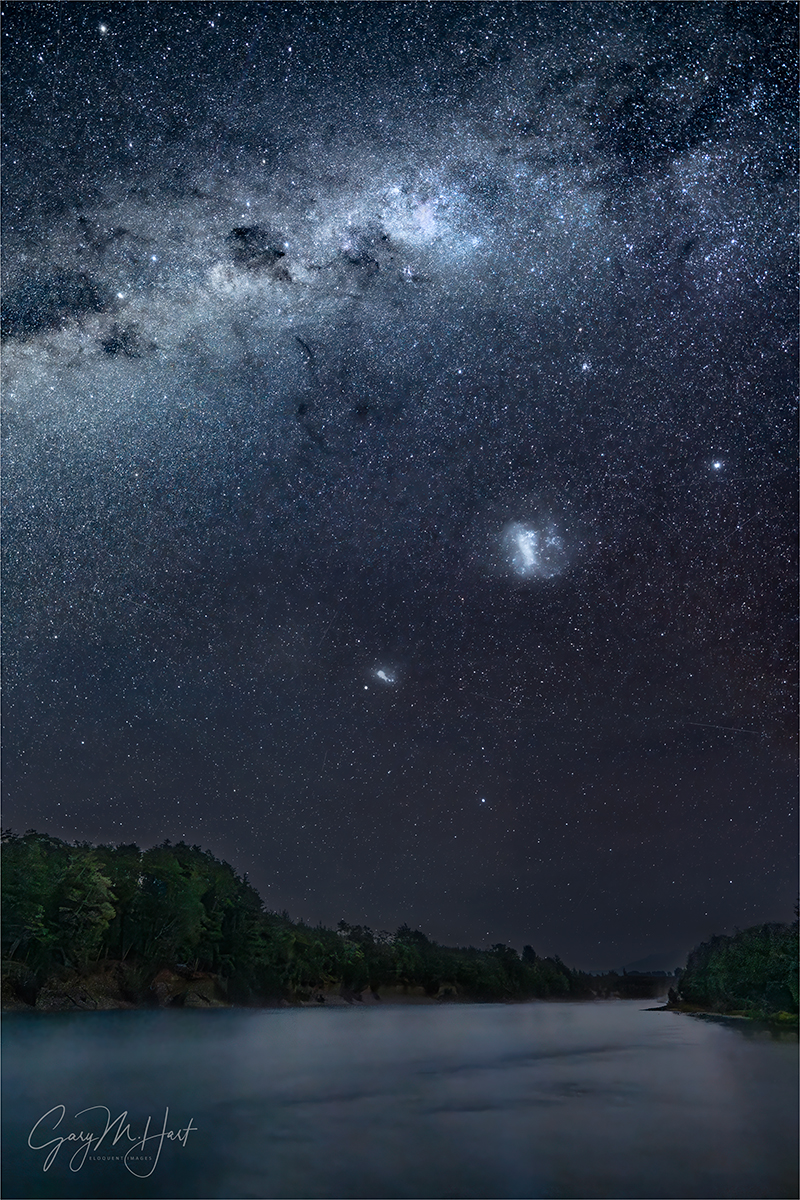
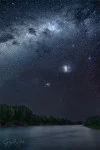
Milky Way and Magellanic Clouds, Waiau River, New Zealand
Camera: Sony α1
Lens: Sony 14mm f/1.8 GM
ISO: 5000
Aperture: f/1.8
Exposure: 20 seconds
New Zealand remains a premier destination for Milky Way photography, and June presents the perfect conditions for capturing spectacular night skies. Renowned photographer Gary Hart shares insights from a recent workshop he conducted with colleague Don Smith, revealing the nuances of shooting in this breathtaking landscape.
Planning the Perfect Shot
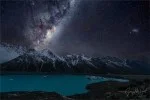
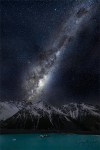
Hart's annual trips focus on capturing stunning views of the Milky Way, with June providing the longest nights for optimal shooting. The workshop itinerary is designed to maximize opportunities for Milky Way photography, as Hart has identified standout locations since their first visit in 2017, including Lake Wakatipu and Mt. Cook.
However, the town of Te Anau, despite its stunning proximity to landscapes like Doubtful and Milford Sounds, has historically posed challenges for Milky Way photography. The issues stem from limited accessible viewpoints and winter fog that often obscures the sky. This year, fortune smiled upon Hart and Smith as they secured a clear night after a disappointing start at Lake Wakatipu.
Discovering New Locations
Seeking new perspectives, the duo consulted local photographer Douglas Thorne, who recommended a picturesque site along the Waiau River. Though Hart and Smith typically scout locations beforehand, their late arrival meant they had to trust Thorne's expertise without prior inspection.
As they arrived in the fading twilight, Hart assessed the area to confirm crucial criteria required for a successful workshop location: a scenic foreground, safe access, and ample space for the group. The chosen site met all these standards—offering a wide, unencumbered view of the Milky Way, and a manageable distance for the participants to navigate in the dark.
Optimal Techniques for Milky Way Photography
Once set up, Hart's technique involves revealing the Milky Way in stages as darkness envelops the landscape. He began by positioning the group to shoot wide vertical frames, utilizing his 14mm f/1.8 prime lens, which is well-regarded for its expansive field of view and high light-gathering ability, critical for low-light situations.
With complete darkness, he pointed out the Large and Small Magellanic Clouds—satellite galaxies only visible in the Southern Hemisphere—and highlighted their significance in the composition. Hart's goal was to capture both the Magellanic Clouds and the Milky Way in a single frame, a tricky endeavor due to the distance between these celestial bodies.
Achieving the Desired Composition
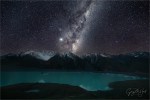
In previous attempts, including both galaxies in one shot led to compromising the landscape's aesthetic. However, the selected vantage point alongside the Waiau River allowed for a successful composition. Hart discovered that a horizontal framing could indeed encompass all three elements without the composition feeling cramped.
Yet, the standout moment was his idea for a vertical frame aimed at the river, which turned out to be a strategic choice. Not only did the vertical composition include both Magellanic Clouds, but also allowed for a segment of the Milky Way that rivaled the brightness of its galactic core. This combination showcased the breathtaking celestial tapestry above.
A Rewarding Night for All
The evening proved overwhelmingly positive. Hart and Smith witnessed not only the fulfillment of their shooting goals but also ensured that every participant left with images they were proud of—something paramount for both instructors. The successful outing concluded with one more notable spot to share in future workshops.
For photographers eager to embark on their own Milky Way adventures, the experience captured in New Zealand serves as a reminder of the careful planning, skilled techniques, and the occasional stroke of luck that can lead to capturing breathtaking nightscapes.
Join Don and me as we run it back in New Zealand again next year
Workshop Schedule || Purchase Prints || Instagram
New Zealand Milky Way
Click any image to scroll through the gallery LARGE