Explore how tonal separation and luminosity can create a sense of depth in your photography, alongside practical editing techniques for stunning results.
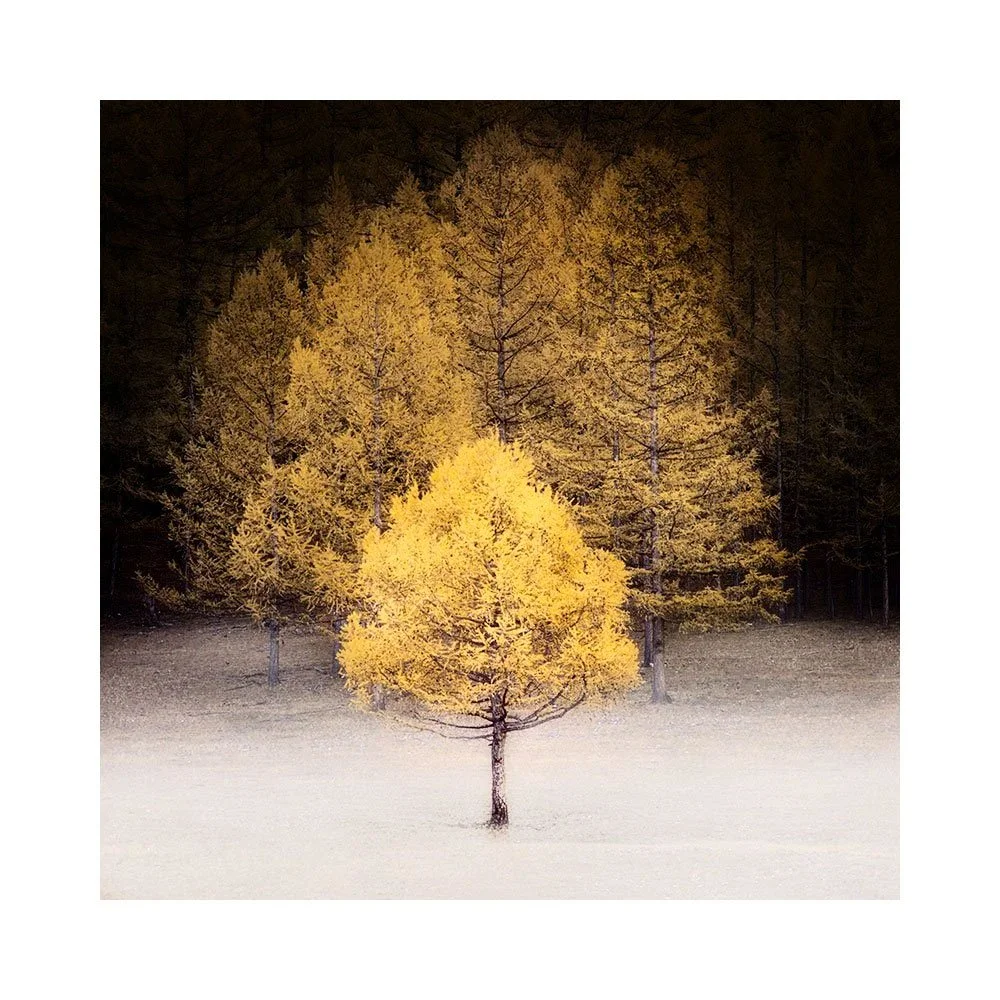
Creating a convincing sense of depth in photography, despite its inherently two-dimensional nature, hinges on tonal separation and luminosity. Understanding how to manipulate light and contrast can transform flat imagery into photographs that visually pop, giving them a three-dimensional-like quality. This transformation isn't merely technical—it's a shift in how you and your viewer perceive the space within the frame.
The Role of Tonal Separation
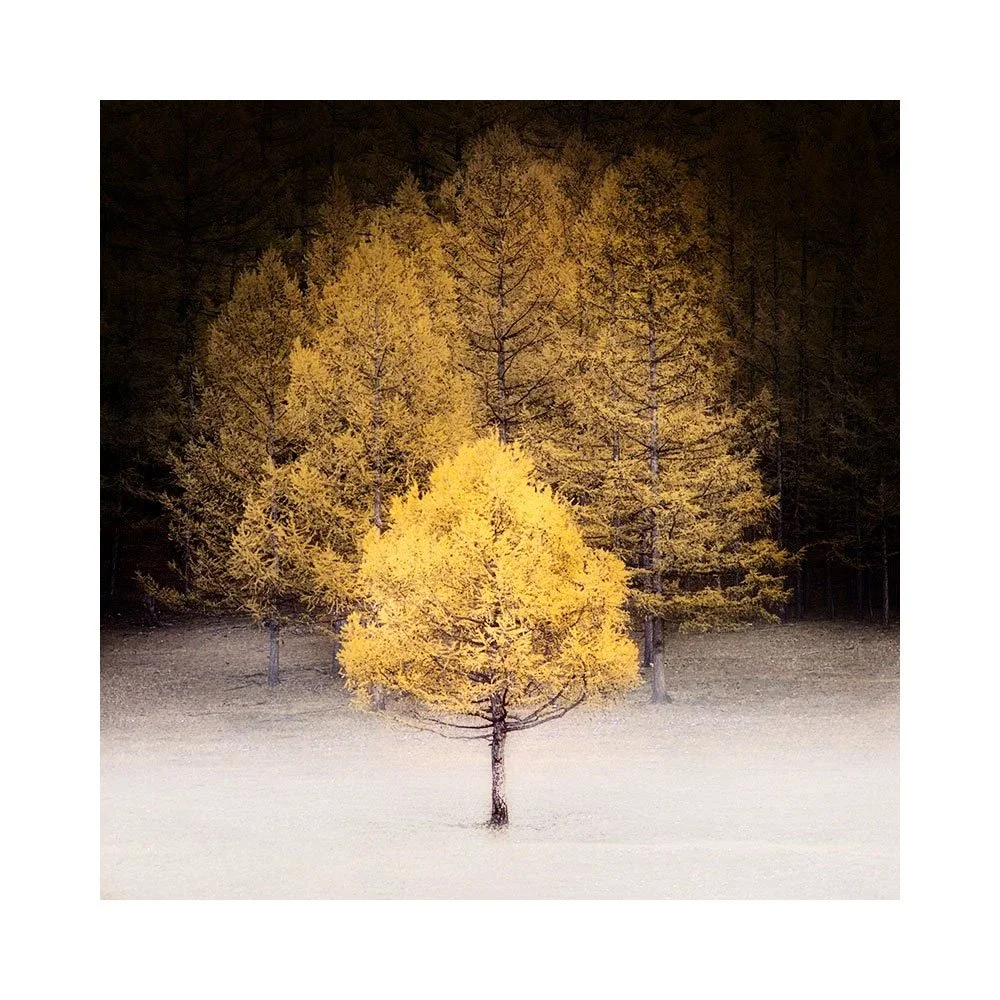
A fundamental technique in imparting depth is using tonal separation effectively. This idea revolves around contrasting the brightness levels of elements within your frame. When photographing a scene, consider adjusting the brightness of your foreground in relation to the background. For instance, brightening the foreground while keeping the background darker naturally draws the viewer's eye forward. This simple shift can greatly enhance depth perception, making your image more engaging. Conversely, employing darker foreground elements can push background elements further back, enhancing the perception of depth. Understanding how these tonal relationships affect viewer engagement opens up a more profound comprehension of visual storytelling.
Practical Adjustment Techniques
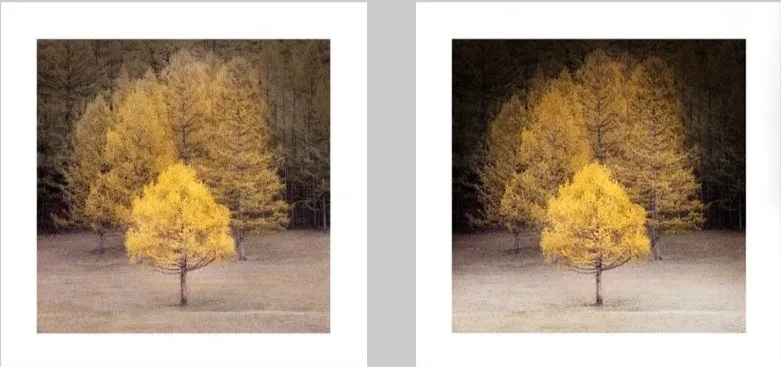
Achieving the right luminosity balance often requires careful consideration and several editing iterations. Take the first step by selecting an initial edit of your photo and living with it for a day or two. This period of reflection allows your perceptions to adapt, highlighting areas that may need further adjustment. Maintaining a critical eye can reveal nuances overlooked in the initial excitement of editing. For example, in one series of edits, the first image I worked on felt roughly 50% effective in conveying depth. After sitting with the edit, though, I recognized shortcomings that prompted more refinement. Look closely; the subtleties of brightness that showcase depth can be elusive, often waiting to be revealed in moments of contemplation.
Iterating Towards the Final Edit
Pursuing the final version of an image requires confidence, a stark contrast from the initial uncertainties. In this journey, the decision to manipulate the background to darker tones can feel daunting. Yet, this choice proved effective in establishing depth and drama within the composition. For example, in a particular edit, I initially resisted darkening the background, fearing it might overshadow the main subject. But as I experimented, the darker tones created a rich contrast with a lighter foreground, making the image pop. The process involved meticulous manipulation, where lightening specific areas enhanced the three-dimensionality the viewer experiences. You must remember that confidence builds with practice and familiarity—each edit teaches you how to amplify depth in ways you might not have considered before.
The Skill of Editing
Editing in photography mirrors composing a photograph itself; it’s a cultivated skill that grows with time and experience. Some photographers might proudly declare that they rarely touch their images post-capture, yet such statements often hint at a lack of familiarity with editing tools and techniques. True mastery of this craft is a continuous journey toward developing an astute visual literacy that allows photographers to recognize and enhance the depth in their work. This skill goes beyond mere technical adjustments; it's about understanding visual hierarchies, how light interacts with forms, and how to guide the viewer’s gaze. Here’s the thing: the depth achieved in post-processing can often elevate an ordinary capture into something memorable.
Application of Techniques
To successfully apply these principles, remember to experiment with both highlights and shadows in your images. Begin by assessing your raw images for areas of brightness and darkness, considering how these elements interact. How does light dance through the composition? Play with layer adjustments in your chosen editing software to see how altering the tonal balance affects the overall perception of depth. Tools like Adobe Photoshop or Lightroom offer precise control over luminosity, allowing for targeted edits that can redefine how the viewer interprets your composition. Don’t hesitate to push boundaries—sometimes the most unexpected adjustments yield the most striking results. (And this is the part most people overlook.)
Implications and Future Outlook
The implications of mastering depth in photography stretch beyond mere aesthetics; they can influence how your work is received and understood by an audience. As visual platforms continue to evolve, the demand for engaging imagery that captivates viewers increases. Photographers who invest time in refining their skills in tonal separation and editing will find themselves better equipped to stand out in a saturated market. What this means for you is that honing these skills isn’t just about producing appealing photos; it’s a strategic move for career longevity and creative expression. The techniques discussed here can lead to richer narratives in your work. As technology progresses, the ability to create depth may also become a hallmark of personal style, distinguishing one photographer's vision from another.
A Path to Improvement
Ultimately, it’s about fostering a keen eye and developing your editing skills over time. Don't shy away from spending time iterating on your work. Embrace the learning process—each edit hones your ability to see and convey depth, enriching the viewer's experience of your photographs. As you become more adept at recognizing the tonal dynamics in your images, you’ll discover new dimensions to your work that propel you towards more compelling and dynamically layered compositions.
Integrating a thorough understanding of luminosity and tonal separation into your photographic practice allows you to create images that resonate with depth and perspective, even within the limits of a 2D medium. This shift from flat imagery to impactful visual narratives is what transforms casual observers into engaged viewers who appreciate the artistry behind each photograph.


