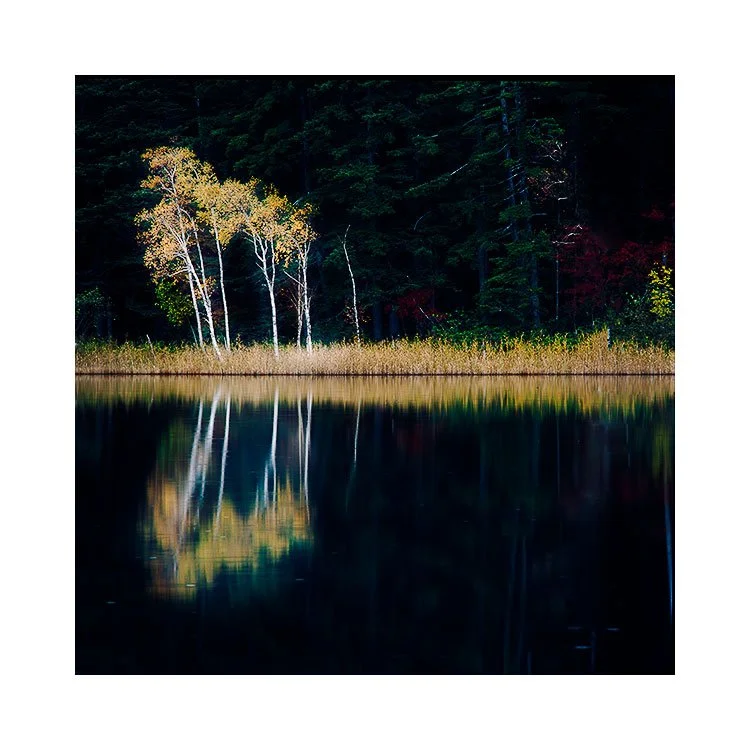
Discover how the dark forest backgrounds enhance the visual narrative in a photographer's autumn portfolio from Hokkaido, Japan.
Reflecting on past work often reveals surprising connections and insights, especially when revisiting projects that resonate deeply. This week, I’ve revisited my portfolio from a trip to Hokkaido during autumn—a time when the landscapes transform into a canvas of rich, warm colors. My conclusion is that this collection of images stands out as among the most thematically cohesive of my entire body of work in Hokkaido.
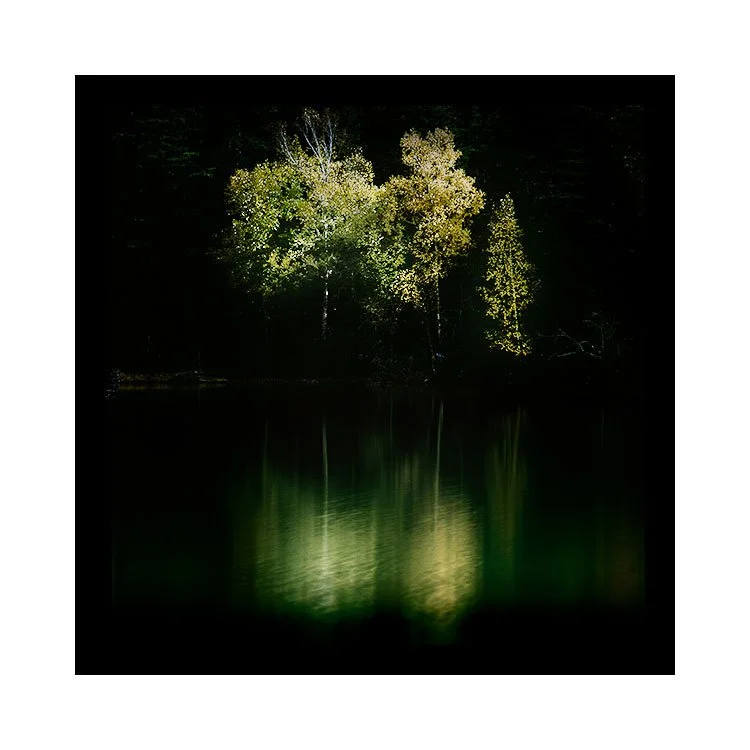
Thematic Connection Through Backgrounds
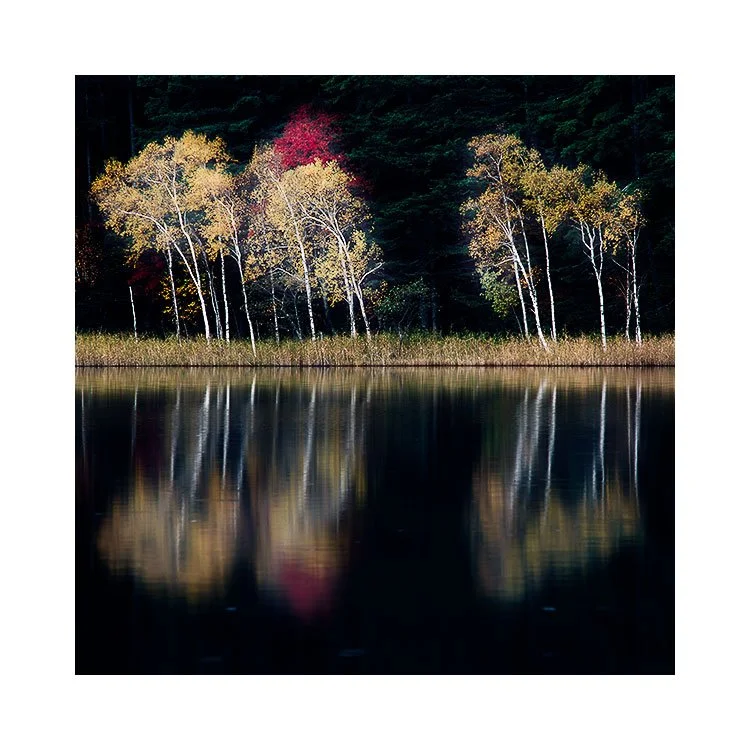
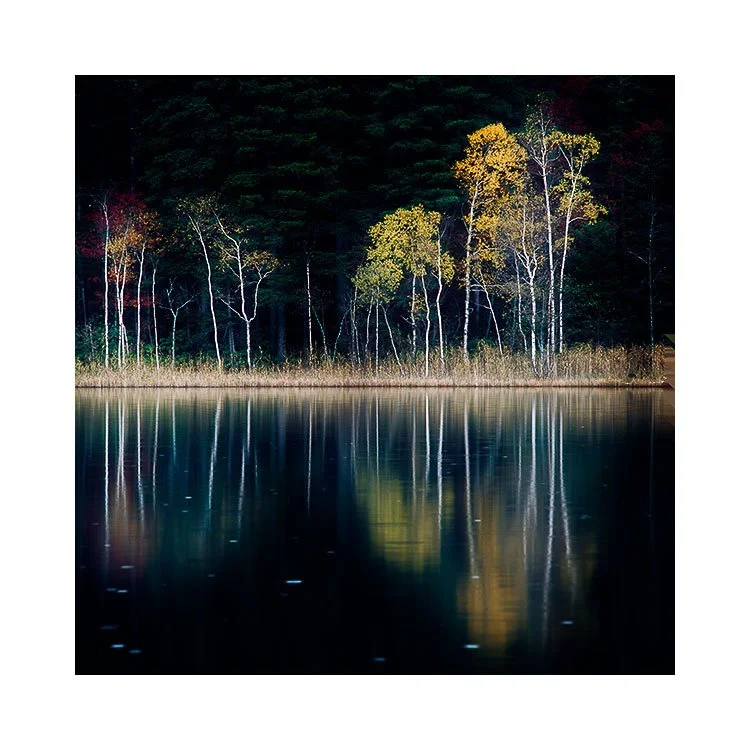
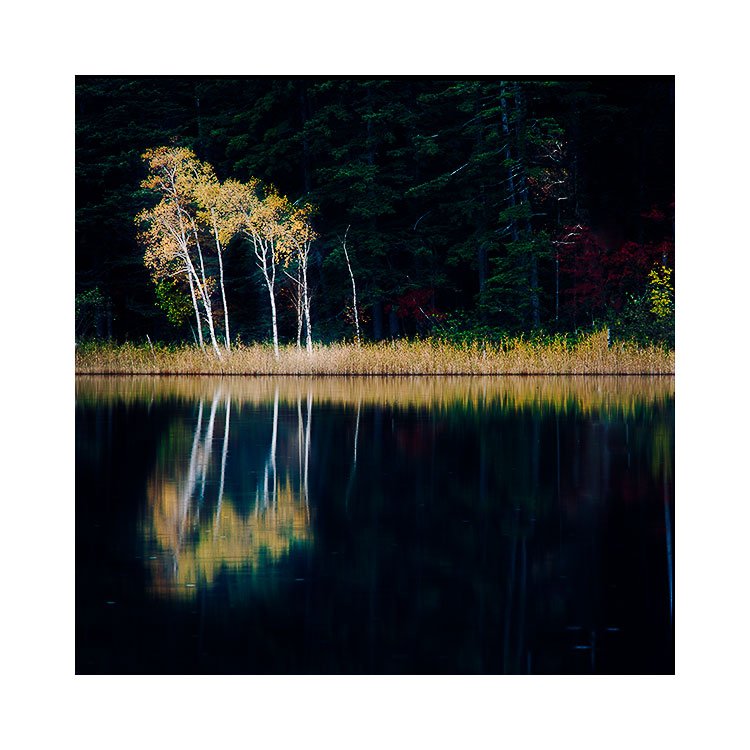
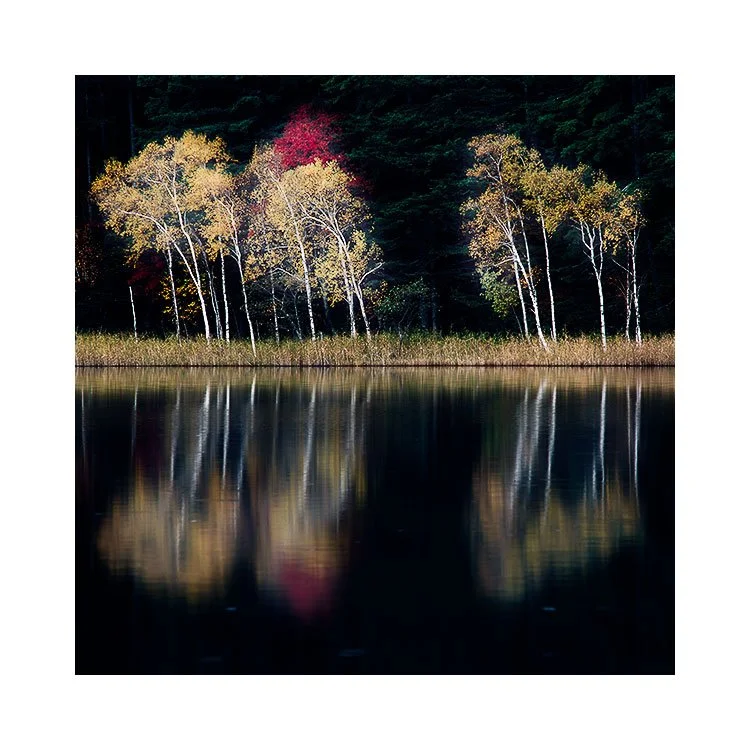
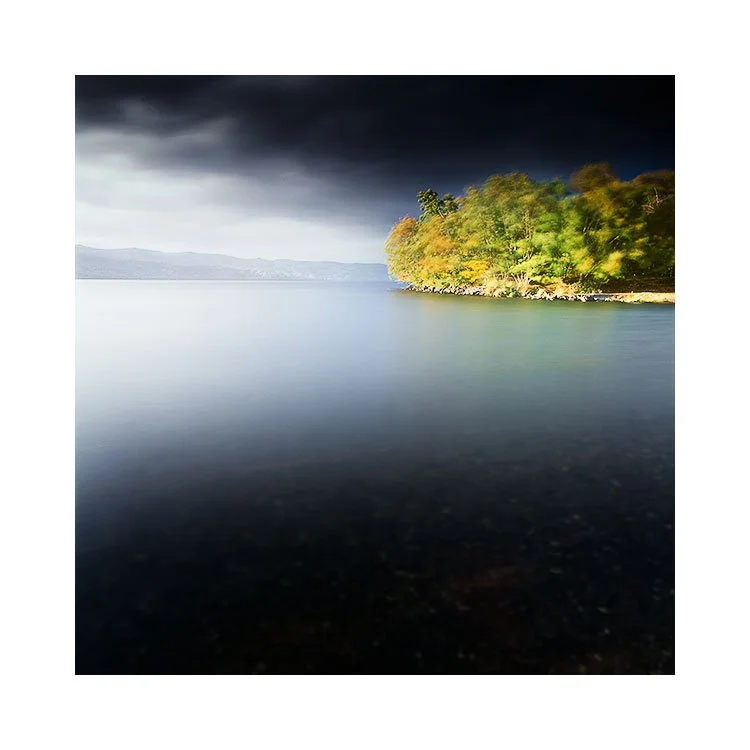
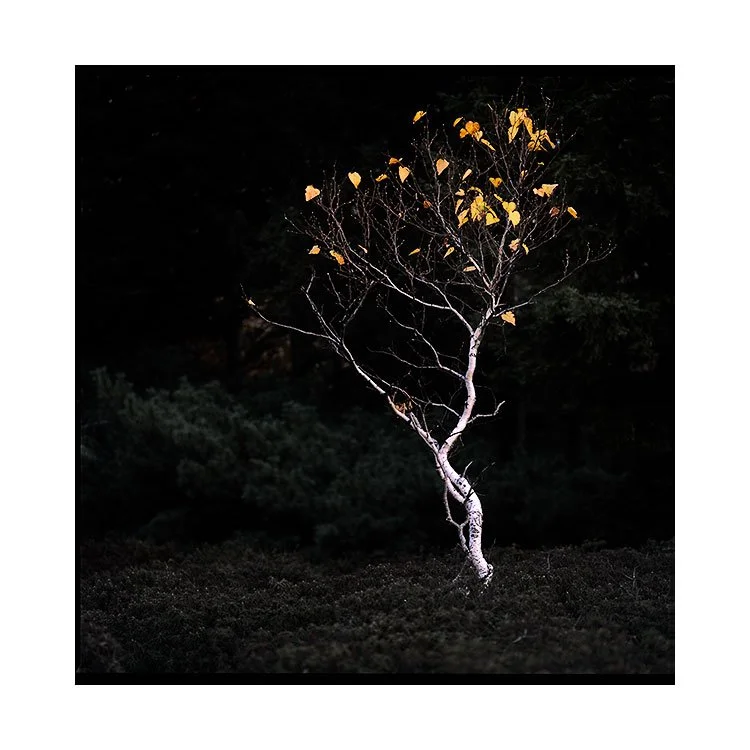
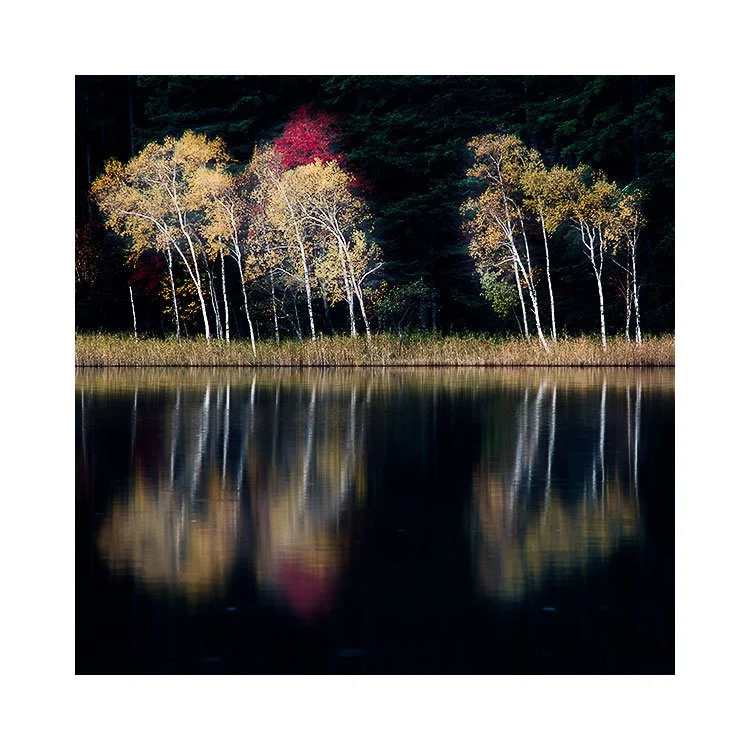
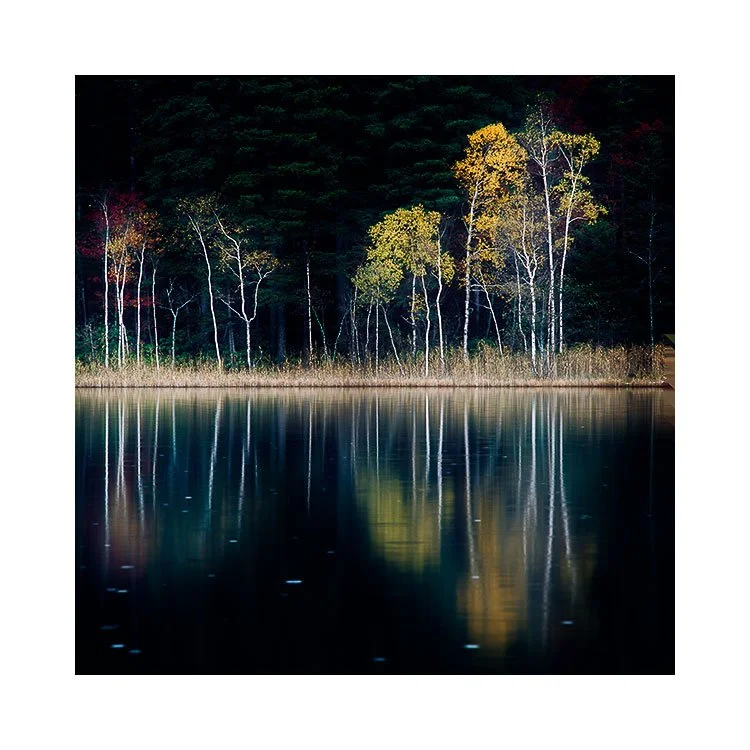
The unifying element of this series is the use of black backgrounds, which serve to enhance and connect a diverse array of visuals into a single narrative. This wasn’t initially a conscious choice; it emerged organically through my selection and editing process. As I sifted through my captures, it became apparent that certain images naturally harmonized against the dark forest backdrop, creating a striking contrast that demands the viewer's attention. This kind of thematic consistency is more significant than it looks—what started as a subconscious decision transitioned into a deliberate artistic strategy.
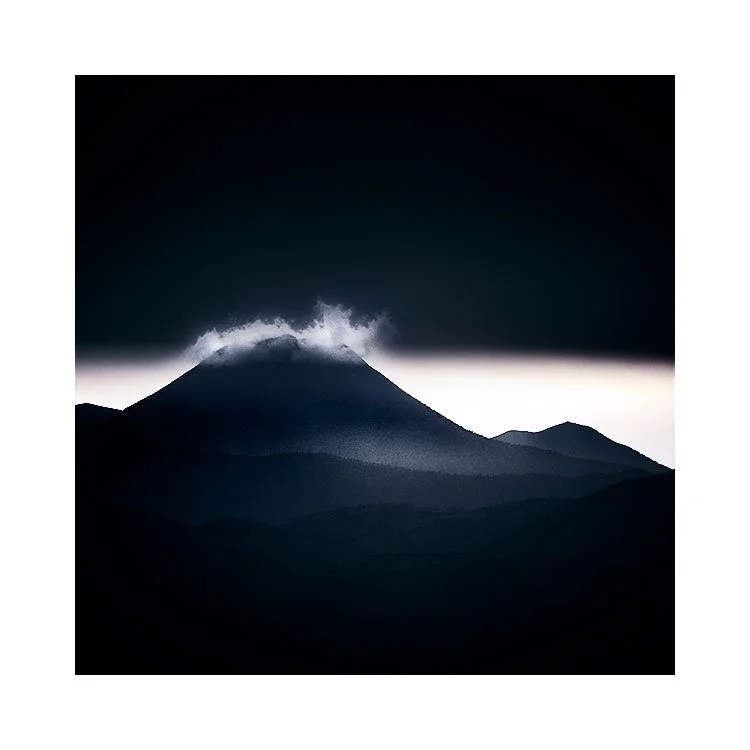
Imagery and Experience
Here’s the thing: while shooting in Hokkaido, I didn’t set out to build a specific theme around these backgrounds. Instead, it was during post-processing that I realized how impactful these dark tones could be in amplifying the vibrancy of autumn’s palette and showcasing the exquisite details of nature. Every shot astounded me with how the black canvas framed the golden leaves and the delicate play of light and shadow, making each element stand out. There’s a certain thrill in retrospect, realizing that an incidental choice could lead to such a cohesive narrative.
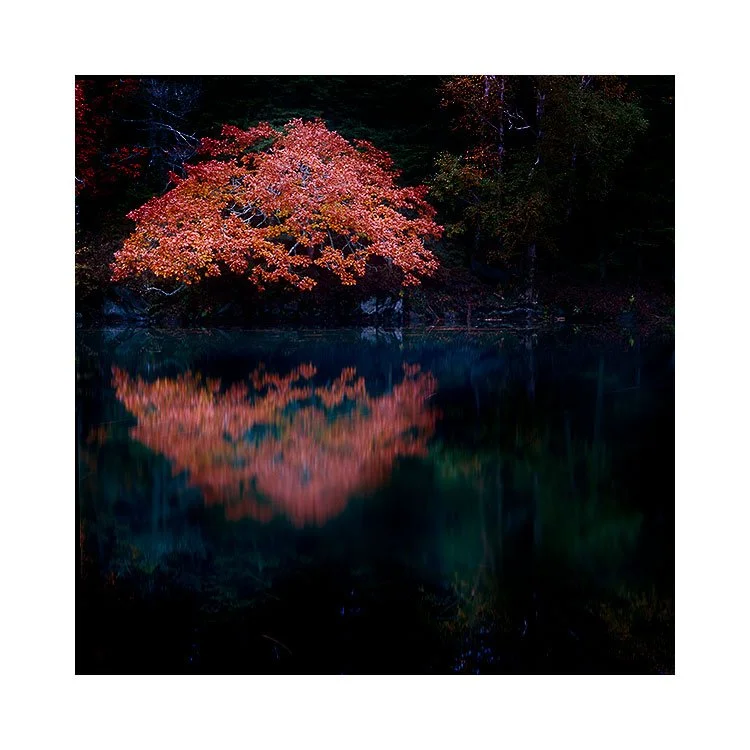
These backgrounds added an unexpected layer of depth to the images. They provided not only a stark contrast but also enhanced the emotional weight of each photograph, compelling the viewer to interact more meaningfully with the natural textures and hues at play. This isn’t just about aesthetics; it’s about how visual choices can shape the audience's experience and interpretation. And yet, I must acknowledge that the viewer’s connection to the subject matter is often far more complex than these visuals might suggest.
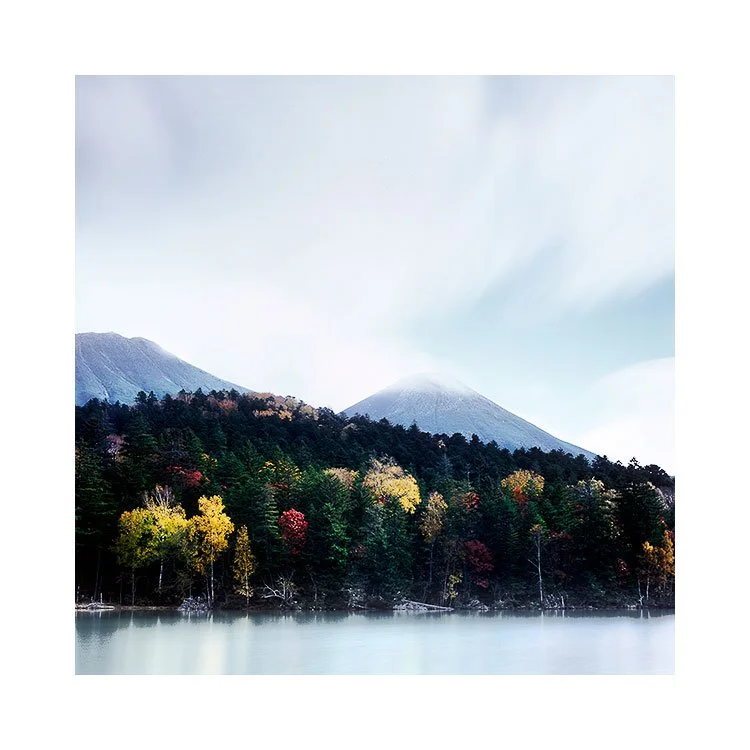
Visual Inspiration from Japanese Culture
On a personal note, my affinity for dark lacquerware—common in Japanese culture—was an underlying influence during my creative process. These objects, often crafted with meticulous attention to detail, feature deep, glossy surfaces that beautifully reflect light, creating a delightful interplay between depth and simplicity. This aesthetic resonated deeply in my images; the dark backgrounds symbolically echoed the elegant simplicity yet profound complexity of lacquerware. If you’re working in this space, think about how cultural artifacts can influence your visual storytelling and prompt a deeper exploration of connections across different forms of expression.
Portfolio Highlights
The portfolio compiles various shots taken throughout the fall season, capturing Hokkaido’s unique charm from diverse angles. Some images focus on intricate leaf patterns brimming with detail, while others reveal expansive landscapes that seem to stretch into infinity. Here are a few standout elements from the collection:
Embracing the Editing Process
The editing phase was where the magic truly happened. Each selection was driven not only by visual appeal but also by the stories the images were eager to tell. The introduction of a consistent editing technique that highlighted contrast and depth brought different elements to life in unexpected ways. What this means for you is understanding the profound impact processing can have on the narrative arc of a portfolio.
This process involved fine-tuning color balance, sharpening details, and adjusting exposure settings to ensure that none of the subtle nuances slipped through the cracks. Every edit was a step closer to realizing the connection I felt with the landscapes and the artistic intent fueled by traditional Japanese craftsmanship. Editing isn't merely technical; it's an iterative process of storytelling, shaping the viewer's journey through the images.
Exploring the Implications of Thematic Photography
What does this practice mean for the future of photography? The integration of personal influence with thematic consistency can redefine how artists approach their work. Themes seep into the subconscious, often shaping the creative direction without deliberate intent. This collection doesn’t merely showcase Hokkaido’s splendid autumn; it conveys how deeply intertwined personal experiences and cultural narratives can enrich the visual arts. This approach might resonate with other photographers seeking more than just beautiful images—finding meaning in personal exploration and cultural connections can elevate their work.
Final Thoughts
Through this set of images, I’ve woven a narrative that speaks to the beauty of Hokkaido in autumn, all while subtly honoring my appreciation for Japanese design themes. The experience emphasizes that personal insights gained through exploration and reflection significantly affect how we create art. As I look ahead, I anticipate more opportunities to develop this thematic approach, drawing from my environment and cultural context to enrich my photographic practice.
Ultimately, photography isn’t just about creating beautiful images; it’s about storytelling and seeking meaning in the ordinary. This portfolio exemplifies that journey for me, reinforcing the idea that every photograph can carry a piece of our history while inviting viewers to see it through their lens.