Harnessing a clear idea can transform your creative output, guiding every decision in your photography and artistic endeavors.
In the realm of photography and visual arts, the mantra "the idea dictates everything" holds profound significance. This approach underscores the importance of having a clear concept at the forefront of your creative process. Many photographers often question whether there’s a precise way to execute their vision, or if they should be confined by conventional rules. However, it becomes essential to recognize that the foundation of creativity lies in the strength and clarity of the initial idea.
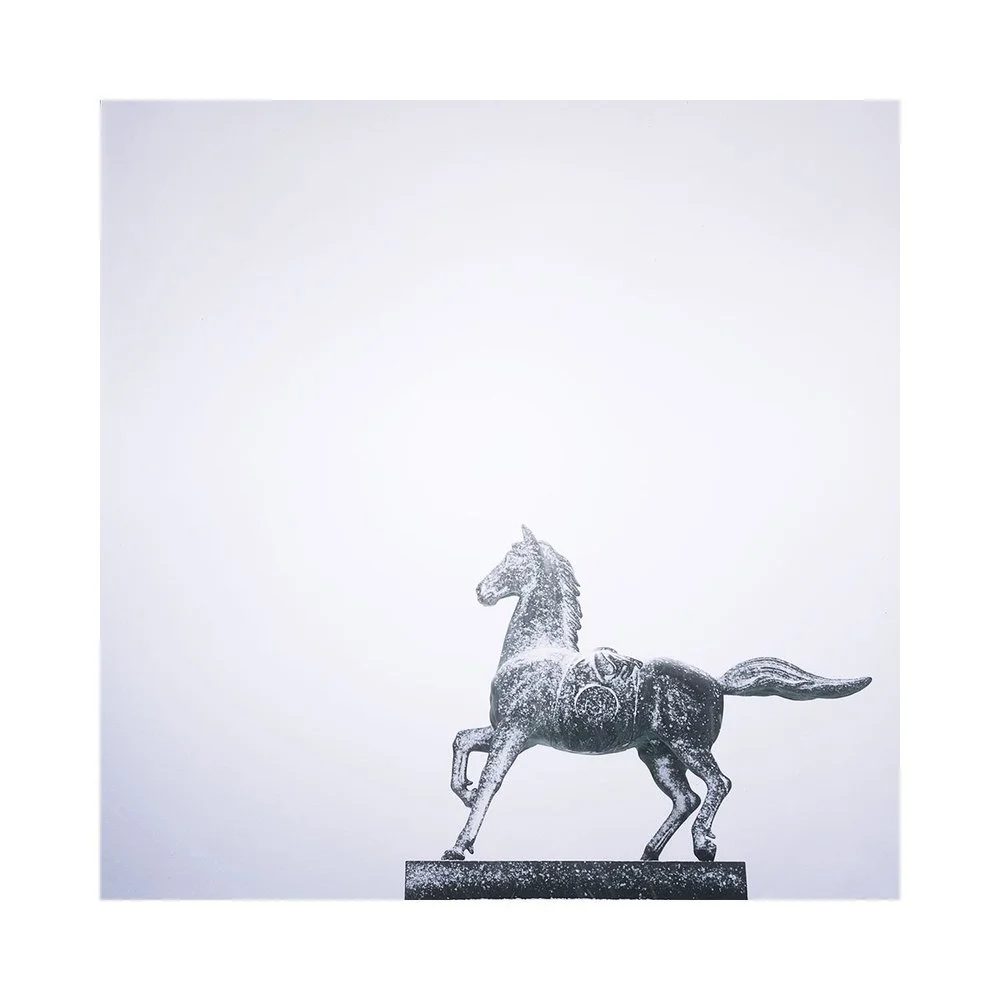
When you're embarking on a project without a solid idea, it’s easy to feel lost. For some, this drifting phase can lead to unexpected discoveries. Just starting your work without a defined concept can sometimes yield fruitful results. It’s a common experience to engage with your medium, be it photography, painting, or writing, and eventually stumble upon an idea that resonates. This spontaneous exploration can often illuminate paths that a rigid structure might obscure.
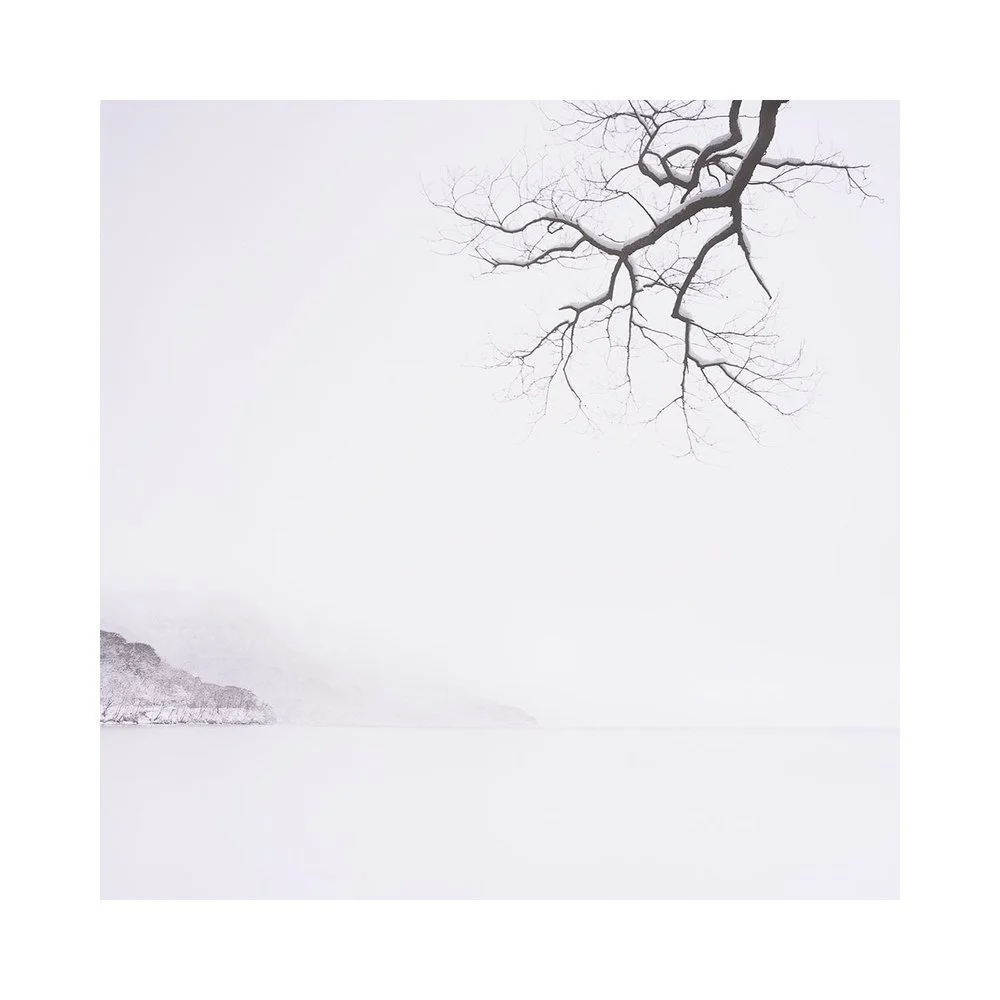
The Importance of a Defined Concept
Once you develop an idea, it becomes the cornerstone of your creative choices. This principle applies across various aspects of photography, from composition to lighting, color choice, and even the selection of equipment. For instance, if you’re inspired by a central theme, be it nostalgia or environmental concerns, this thematic anchor shapes your decisions. Every aspect of your shoot can align with the narrative you wish to convey.
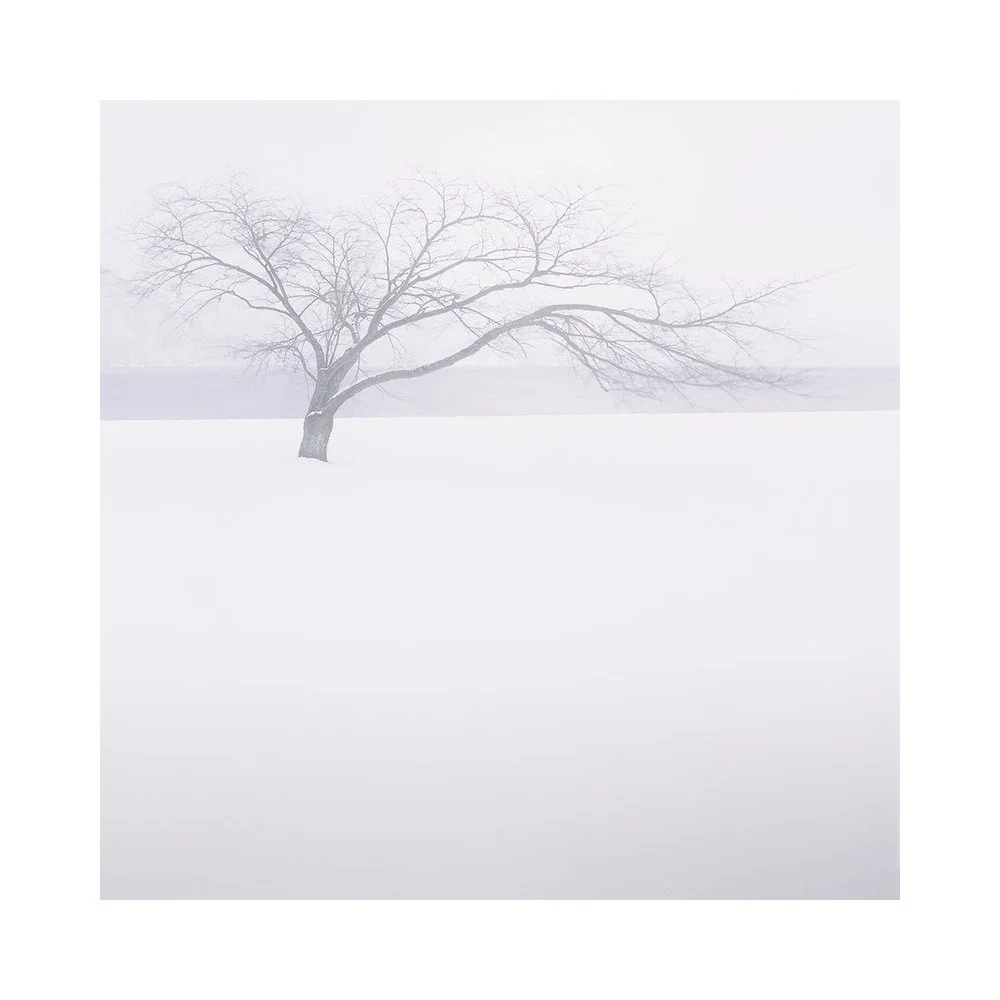
Applying Your Idea to Practical Choices
Consider a situation where your idea revolves around urban isolation. In this case, your approach to lighting and composition can accentuate that feeling. Choosing to shoot during twilight can create a moody atmosphere, enhancing the sense of solitude in your images. On the other hand, using harsh midday light might defeat the purpose of conveying isolation, making your images feel busy or chaotic.
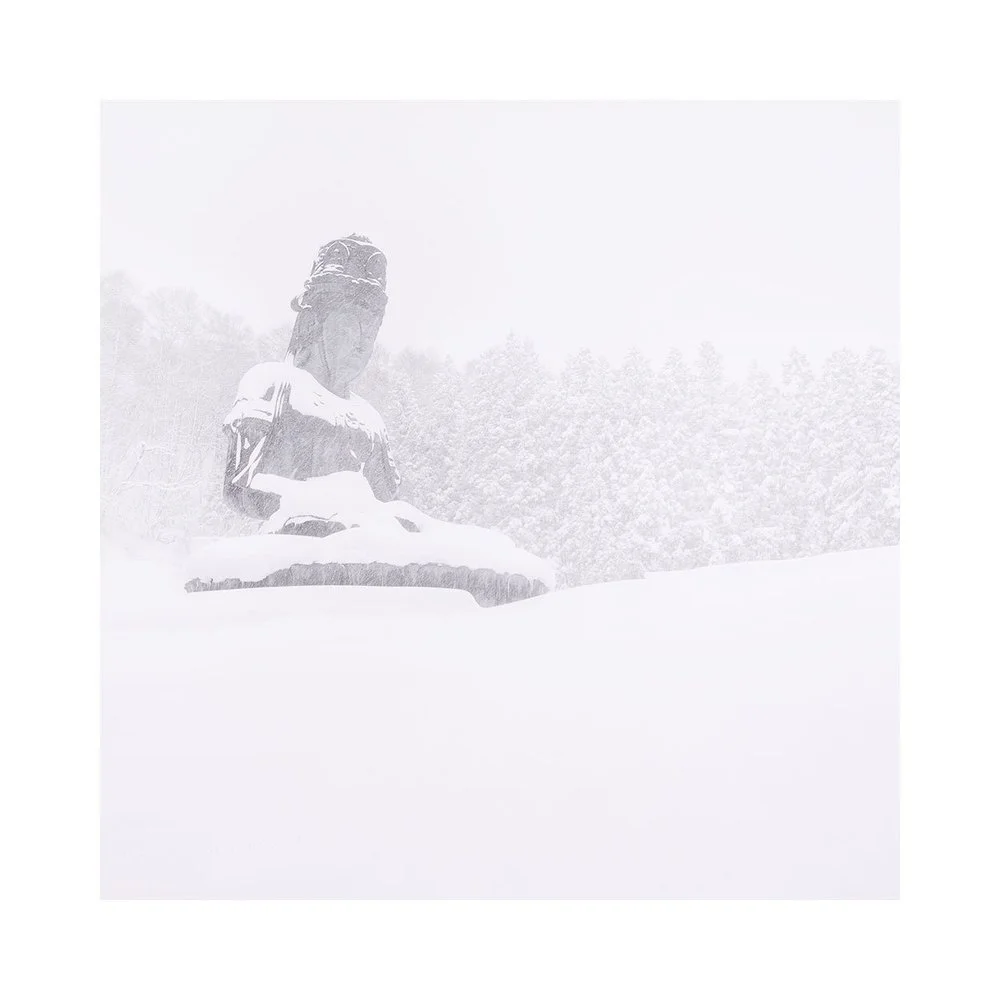
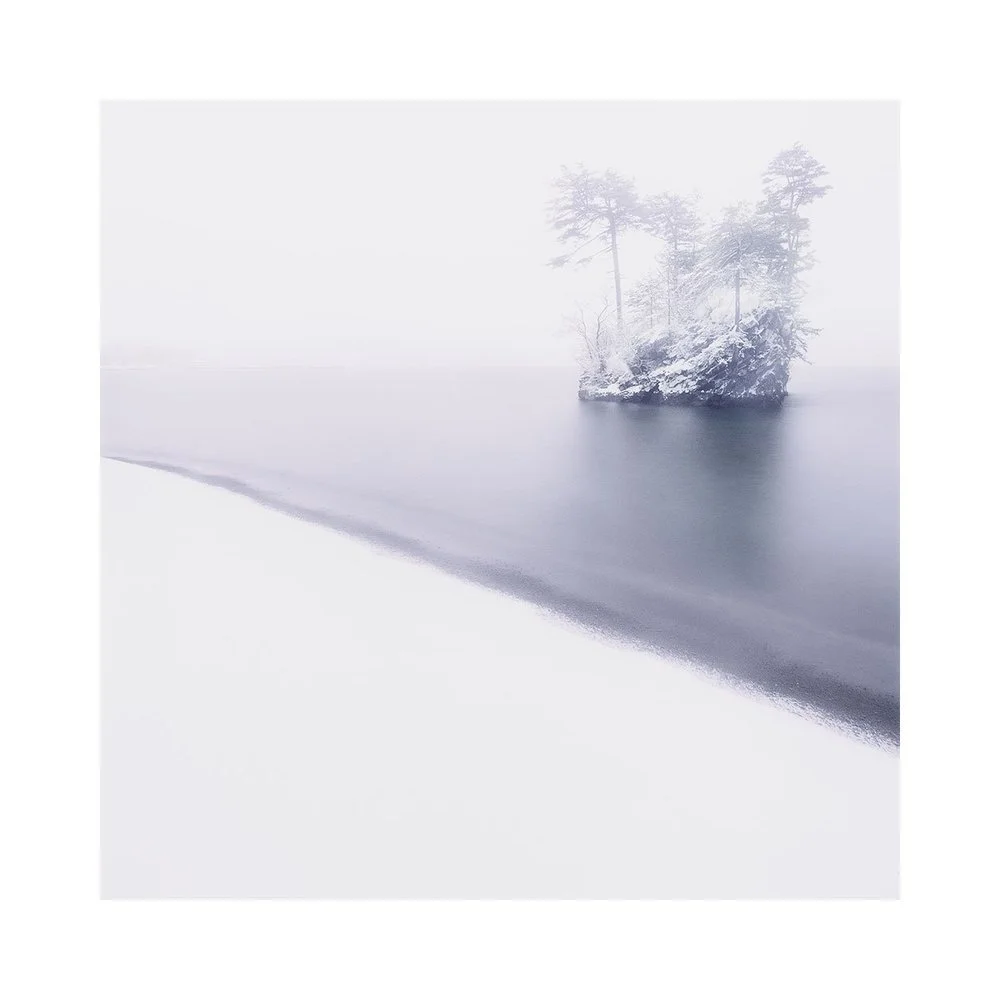
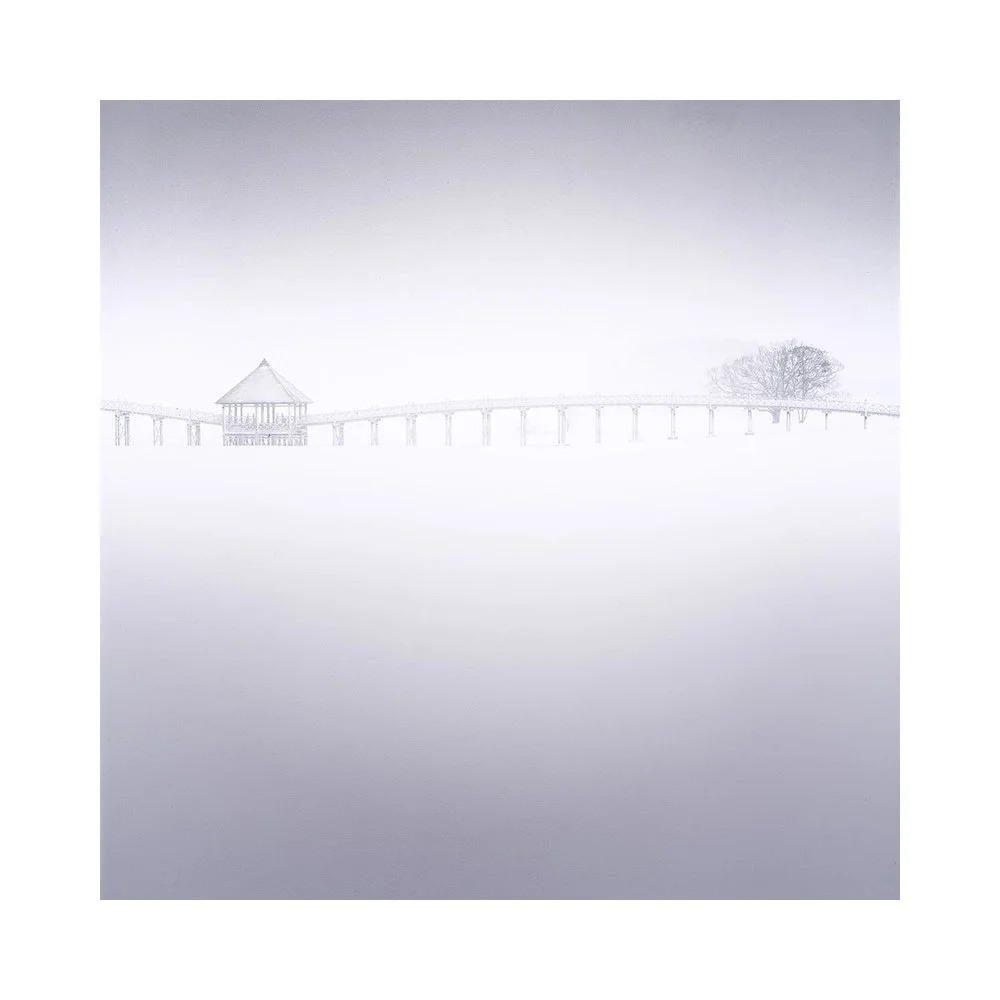
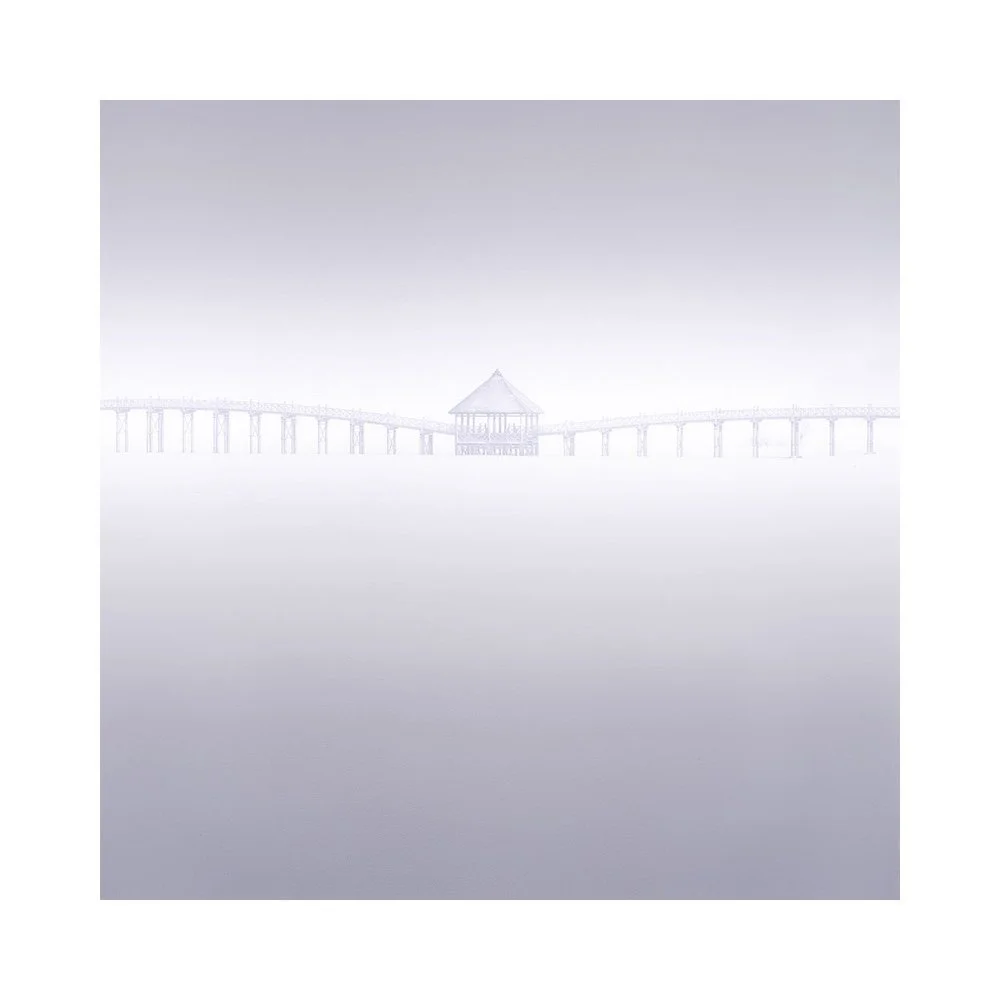
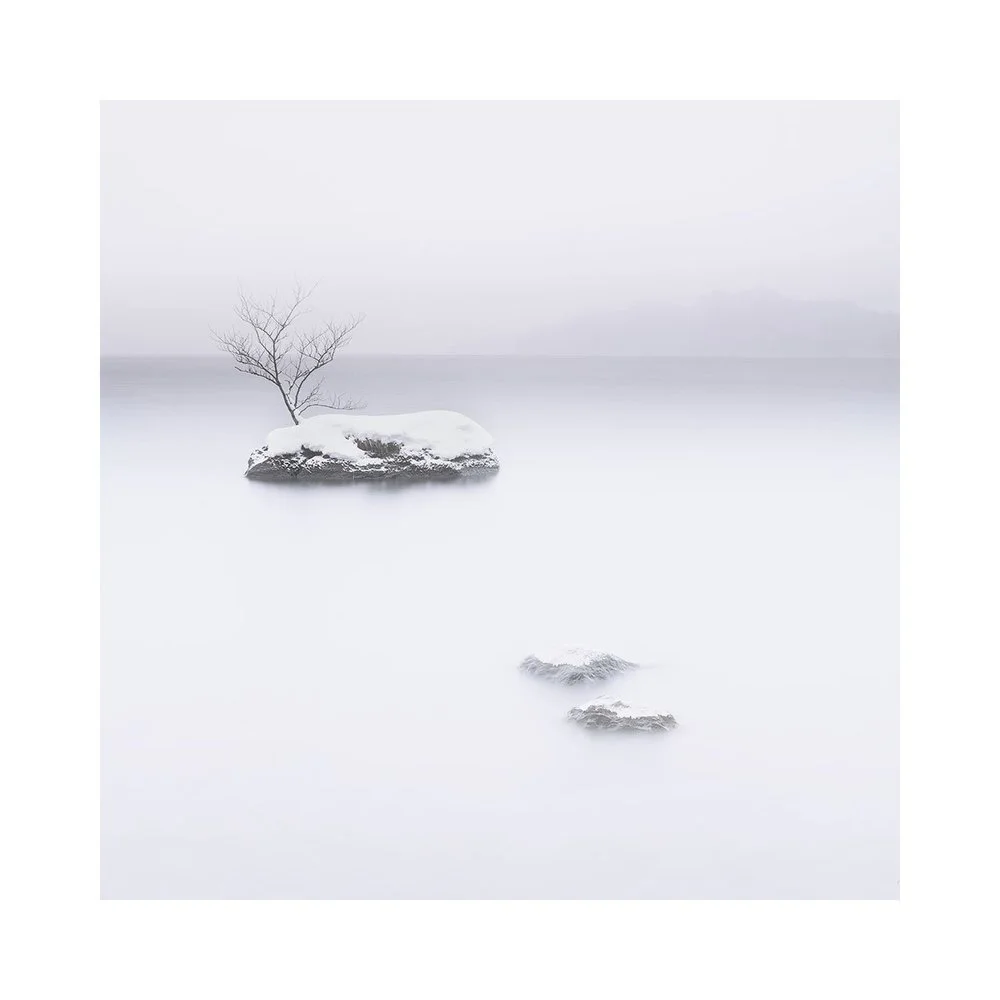
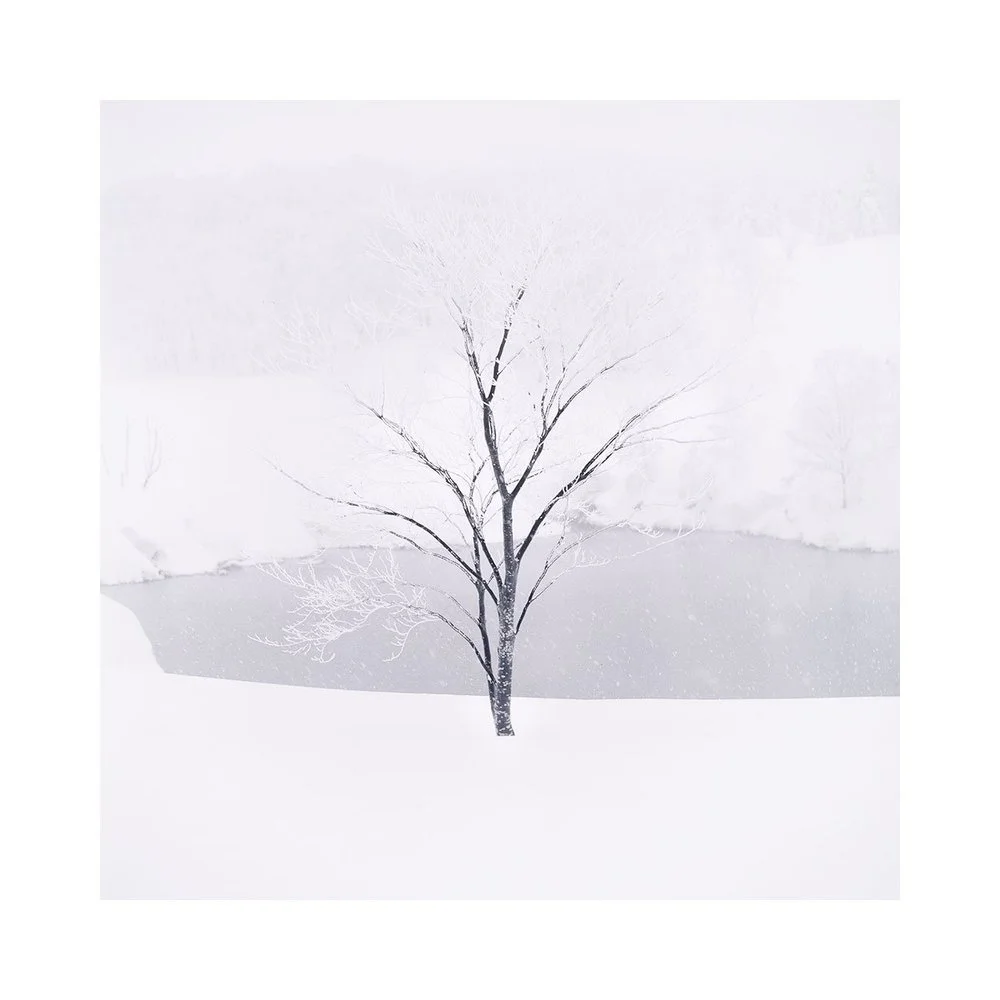
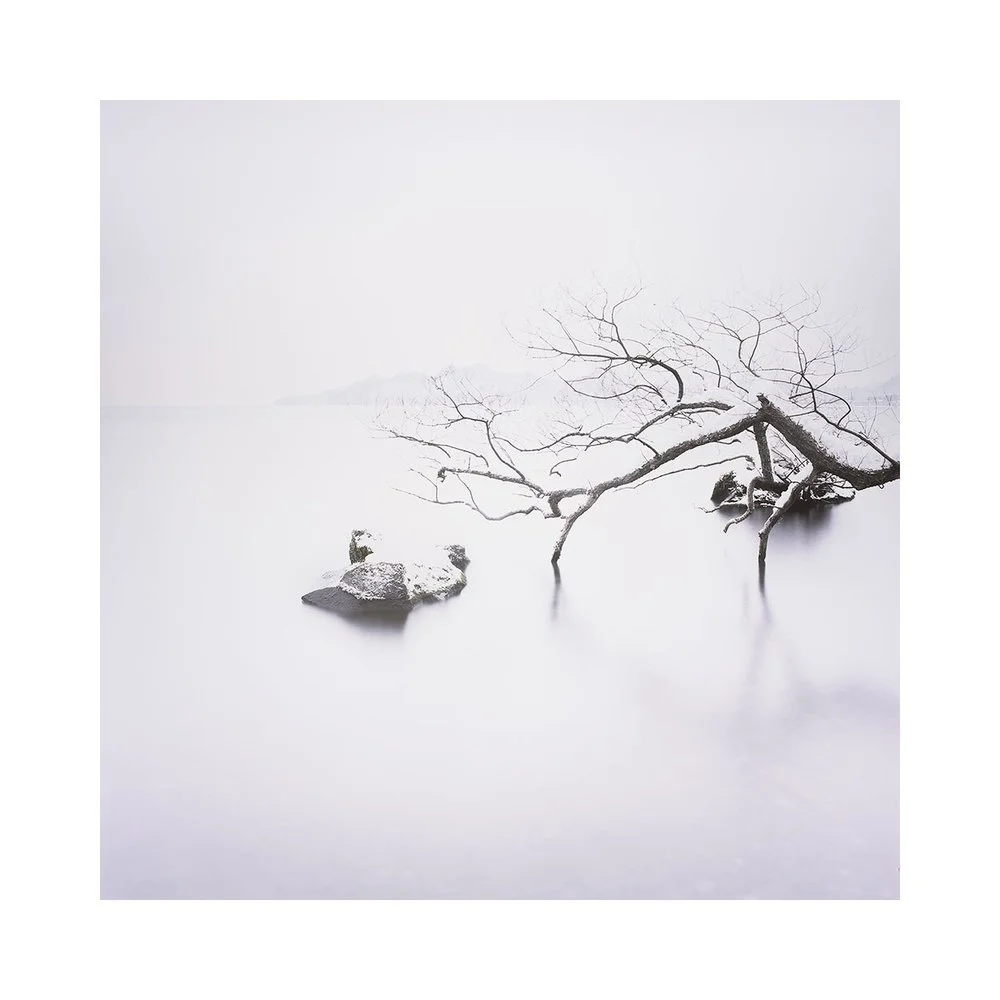
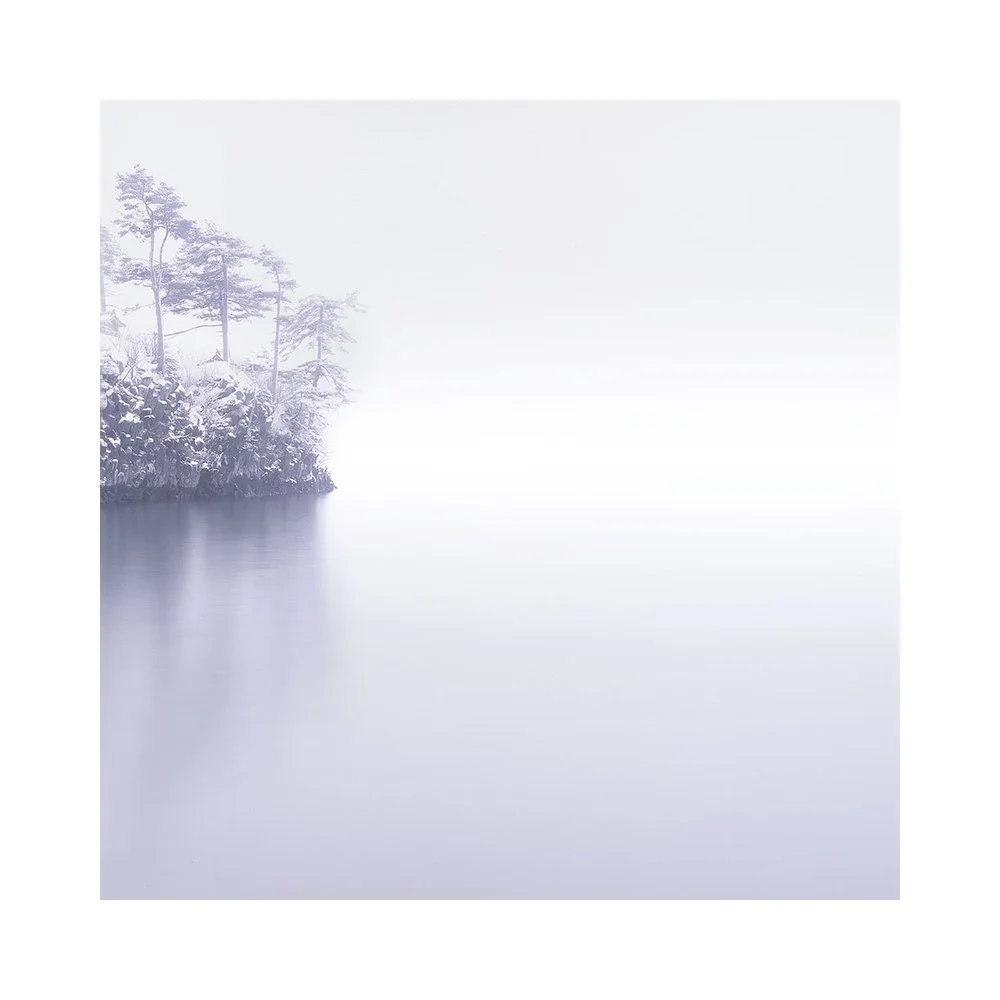
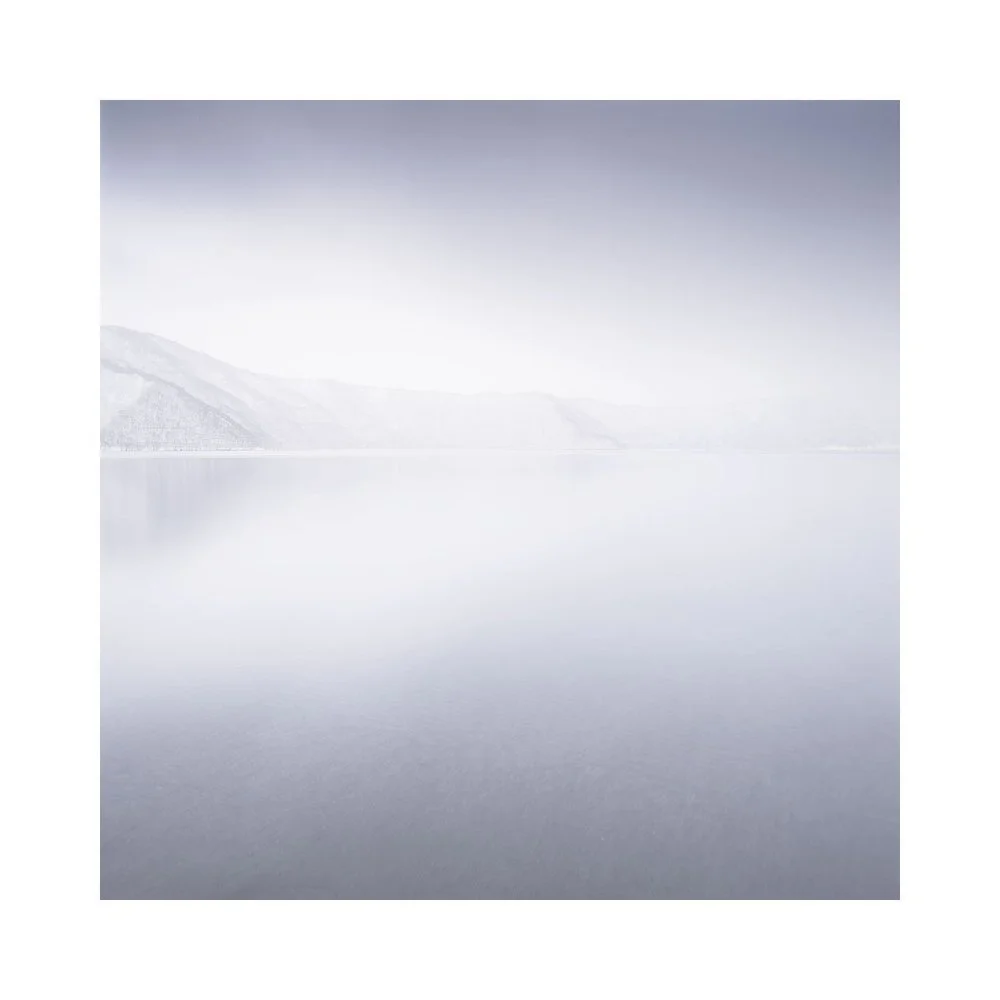
Composition is another area heavily influenced by your idea. If your concept emphasizes minimalism, then your shots should reflect that. The choice of a wide aperture will achieve a shallow depth of field, isolating the subject against a blurred background, which can powerfully evoke feelings of simplicity and focus. Conversely, a detailed, busy composition might serve a narrative that’s rich and complex, engaging the viewer in a different manner.
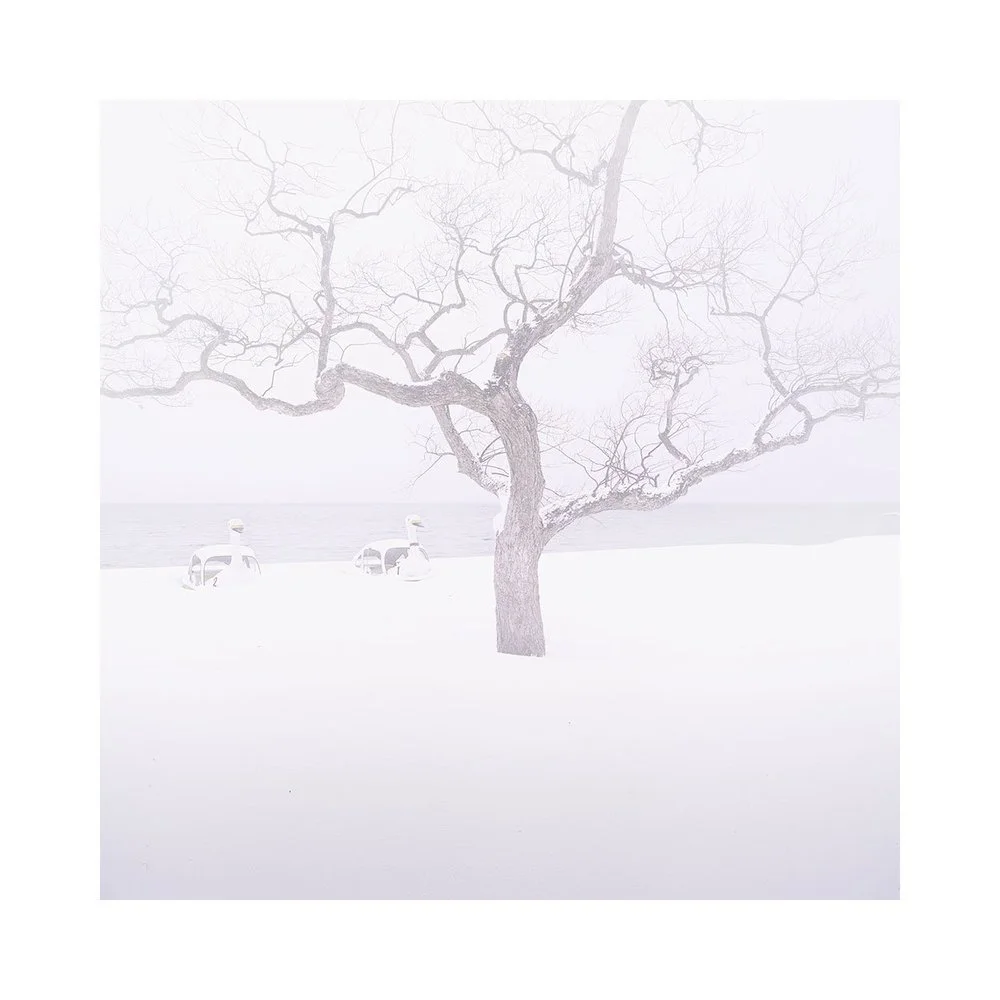
Connecting with Viewers Through Intentional Choices
Each decision, from focal length to the arrangement of elements within the frame, should resonate with the idea you are attempting to express. If you have a theme of "movement," utilizing a slower shutter speed to create motion blur captures action vividly. Alternatively, freezing a moment in time with a fast shutter speed might serve a different narrative intent, both telling powerful stories but in distinctly different ways.
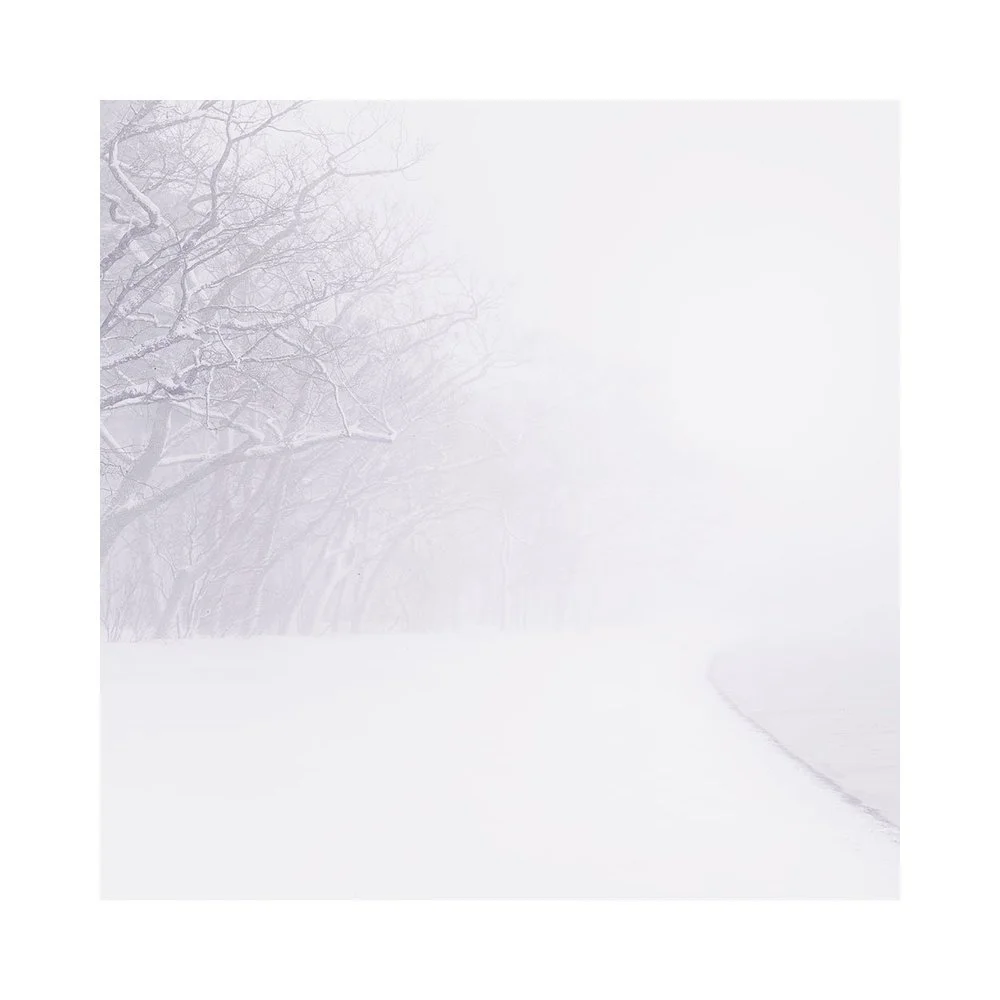
It’s also vital to consider your choice of lenses. A wide-angle lens might support an idea that involves context and vast spaces, making viewers feel a part of the environment. A telephoto lens, however, can isolate subjects, offering a more intimate portrayal, which might work better for themes associated with personal narratives or abstractions.
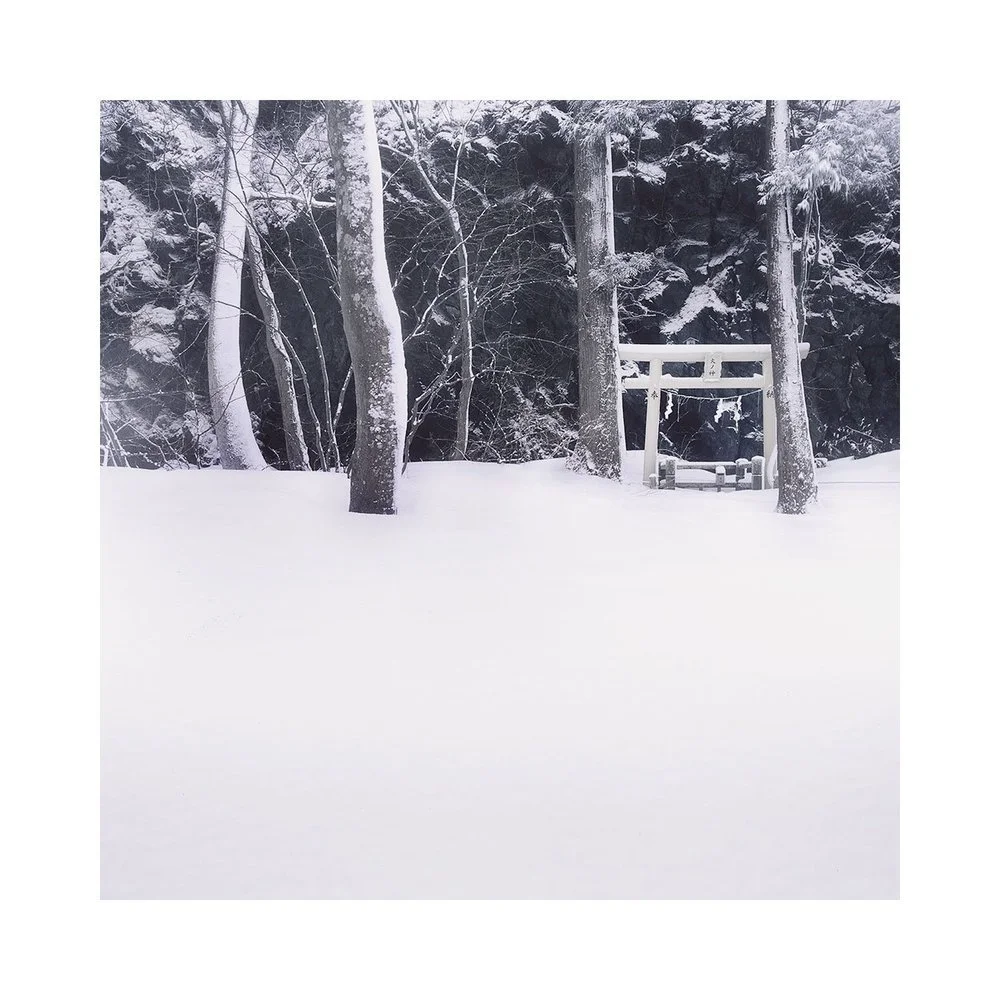
Bearing in Mind the Execution Phase
Moreover, maintaining a consistent idea throughout all phases of your project ensures coherence in your work. After the shoot, the editing process is where your initial concept continues to influence choices in post-production. For example, if your theme underscores warmth and nostalgia, you might boost warm color tones and soft textures in post-processing to align with your established narrative.
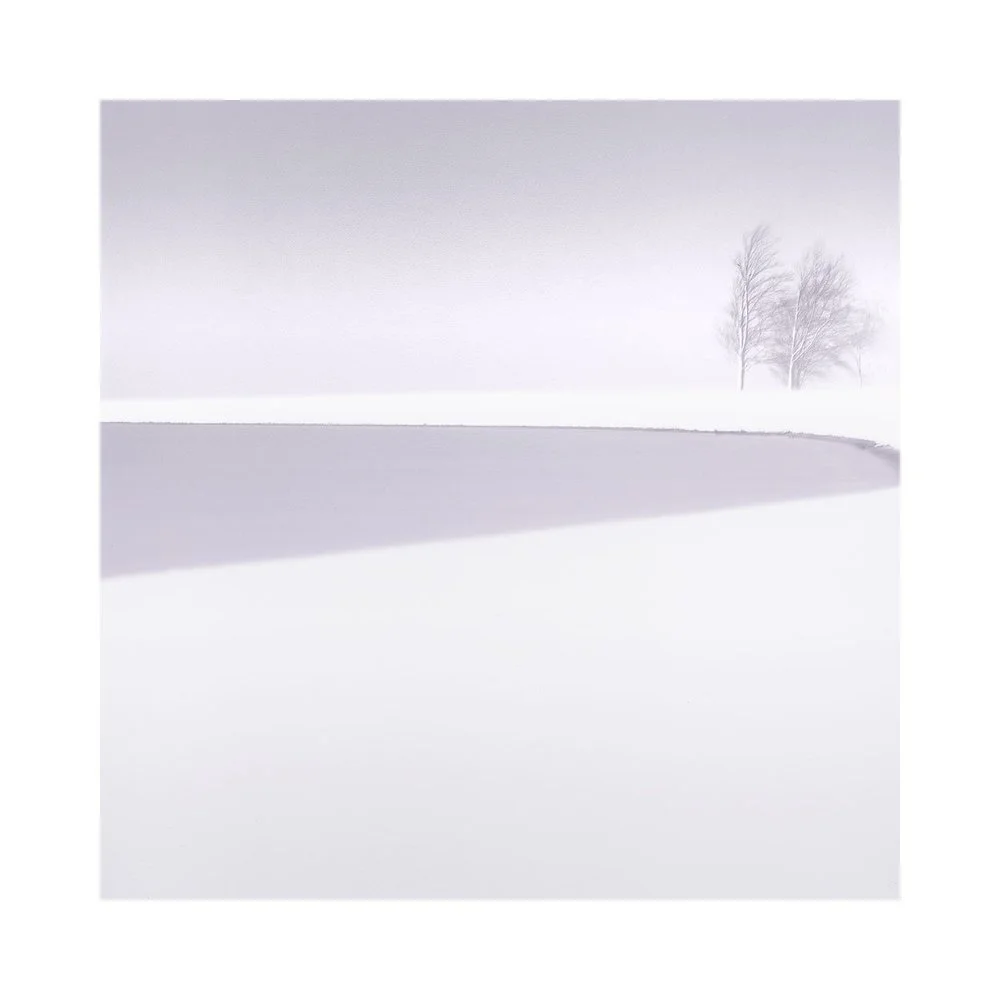
Editing is not just about correcting exposure or color balance; it’s about enhancing the story you want to share. The editing tools available today allow you to manipulate images substantially, but the successful application of these tools hinges on the core idea you started with. This thematic framework will guide you in selecting presets, filters, and effects that resonate with the story behind your images.
Concluding Thoughts: The Power of Intention
Ultimately, having a defined idea not only provides focus during the creative process but also increases the impact of your final work. It invites viewers into a world constructed by your vision, offering them a coherent narrative that speaks to their experiences and emotions. As photographers and artists, embracing the notion that "the idea dictates everything" can lead to deeper, more meaningful work that resonates long after the final shot is taken.
Let this principle guide your next creative endeavor, reminding you that clarity of thought can elevate your work beyond the visual into the profound.