Discover how revisiting old images reveals the impact of directional light and how it influences your photography style.
Revisiting Old Projects
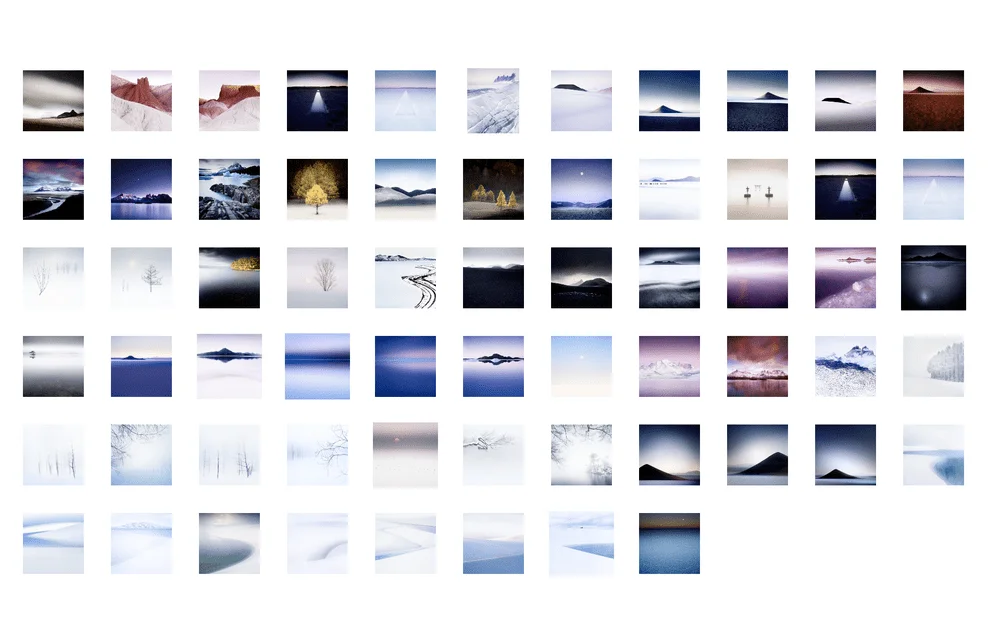
This past week, I've been delving into my archive, examining previous images to assess the role of directional light. This exploration is tied to a long-standing project that hinges on understanding sunlight's direction and its effect on the scenes I've captured. As I sift through my collection, I'm learning just how many photographs are significantly influenced by the nature of lighting.
The Role of Light in Photography
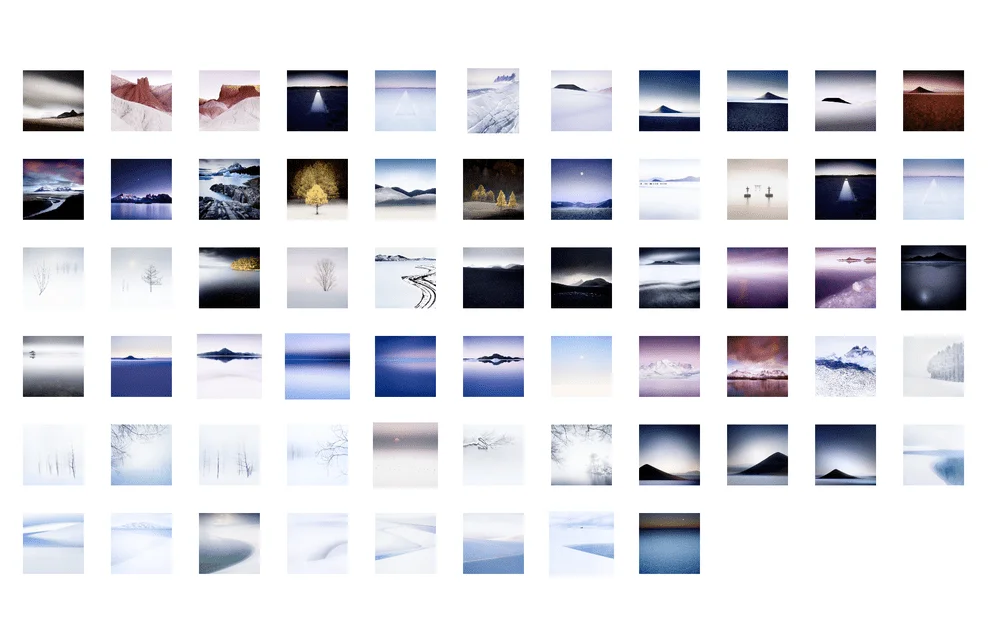
Directionality in light is a critical element in photography; it shapes how we perceive subjects. Whether it's soft light on an overcast day or dramatic shadows cast by the sun, each scenario creates a distinct visual impact. I initially held the belief that I solely preferred the subdued tones and gentle gradients of soft light, consciously avoiding harsh, directional sunlight. However, revisiting my portfolio has revealed a different story.
Surprising Discoveries
During my review, I was genuinely surprised by the number of images where sunlight played a pivotal role. Each image told a story driven by the type of light present. For instance, the glint of sunlight piercing through tree branches adds a sense of dynamism that simply isn't replicated in diffused light conditions. Whether it's the golden hour illuminating a landscape or bright midday sun casting stark shadows, these images demonstrate how light can dramatically alter a photograph’s mood.
Assess Your Own Work
Have you ever taken the time to assess your own work to explore how many of your images were shot in particular lighting conditions? Not only does this exercise help you understand your style, but it also offers insight into the lighting situations you may gravitate towards, consciously or subconsciously. It can be eye-opening to discover patterns in your work that you hadn’t previously acknowledged.
Soft Light vs. Directional Light
Generally, photographers discuss the concepts of soft and directional light in context with mood. Soft light, often present during overcast days or in shaded areas, tends to create a gentle, flattering atmosphere. On the other hand, directional light—characterized by its ability to create pronounced shadows and highlights—can evoke drama and tension within a composition. Both lighting types have their merits, yet understanding how each one influences your imagery can strengthen your photographic narrative.
Finding Balance
Understanding the effects of light not only involves recognizing its qualities but also knowing how to balance these influences in your work. For example, if you find that your capture sessions generally yield images filled with soft light, you might be missing out on the bold contrast that directionality can offer. Experimenting with both lighting scenarios can provide a more diverse portfolio. Perhaps consider a subject you typically shoot in soft light; attempt to capture it during the golden hour or even at noon. This contrast might help you re-envision your artistic approach.
The Impact of the Sun's Direction
When analyzing why the sun's direction is paramount in photography, we must consider the angle at which light strikes the subject. This angle influences exposure, shadows, and the overall visual narrative of the scene. For example, side lighting can give texture and depth to a subject, drawing the viewer's eye to intricate details that might otherwise go unnoticed in flat light. It’s in these nuances that the true essence of photography is often defined.
Learning From the Past
Reflecting on past projects can also serve as a learning mechanism to inform future endeavors. Each image presents an opportunity to rethink how you engage with light. Are there ways to incorporate the dynamic aspects of directional light into your current work? As I continue to refine my project, acknowledging this newfound understanding will be critical.
Final Thoughts
This process of examination has deepened my appreciation not only for my own work but also for the versatility of light itself. Directional light shouldn’t merely be considered a technical aspect but an integral part of storytelling within photography. As I prepare to move forward with my renewed project focus, I'm excited about the directions these realizations might take me. Reflecting on your own archive can reveal similar insights that push your creativity further, opening up new avenues for artistic expression.


