Original photographic ideas lose their uniqueness once published, making them susceptible to imitation. This article explores how trends affect creativity and value in photography.
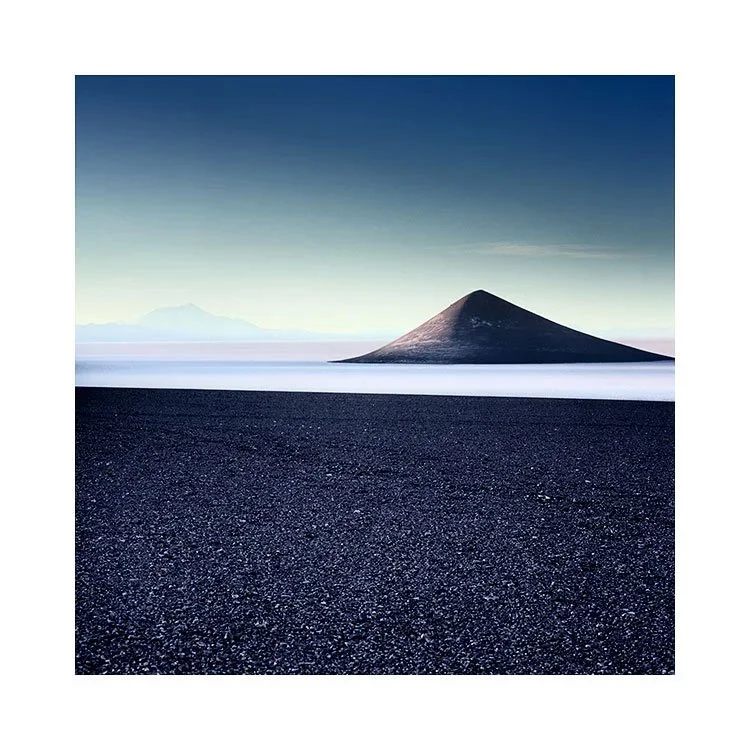
The Nature of Original Ideas in Photography
In the realm of photography, the birth of a great idea is a rare event. While many photographers may stumble upon good concepts now and then, exceptional ideas, those that genuinely challenge conventional thinking or introduce a new perspective, emerge infrequently. Once a unique idea comes to light, however, it faces an inevitable transformation—it's likely to be copied and adapted by others. This phenomenon raises critical questions about the value of originality and how photographic concepts can become mere trends.
Copycats and the Loss of Context
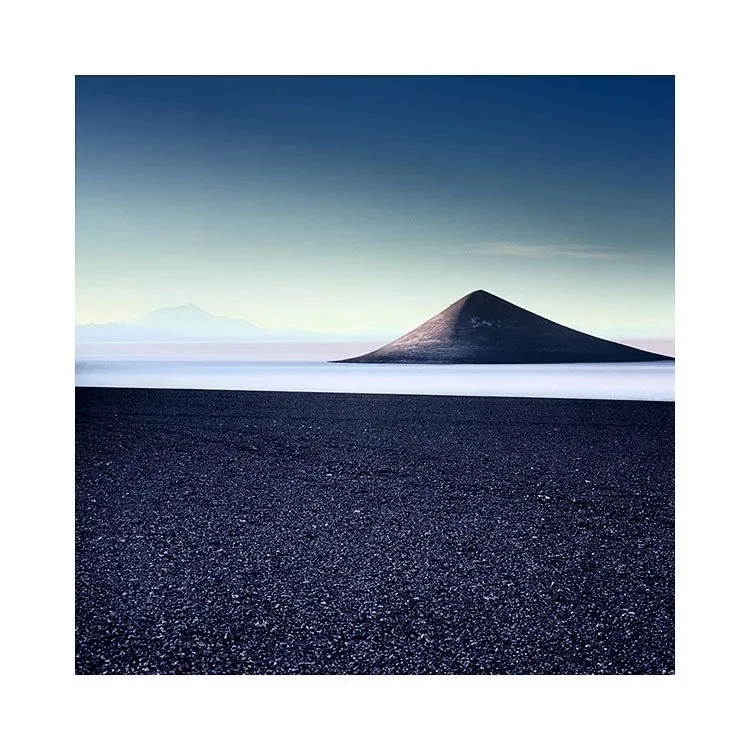
A common phrase among photographers when they encounter a replicated concept is, “It’s quite obvious when you go there.” This assertion often overlooks the critical factor of context. Each original idea comes with a unique backdrop—a time, a place, and a set of circumstances that shaped its creation. Stripping away these nuances reduces the work to a mere imitation, lacking the rich narrative that originally informed it. It’s crucial to recognize that without the origination of the idea, copying it wouldn’t be possible. The challenge lies in capturing the essence of the original thought and replicating not just the visual but also the emotional weight it carried.
The Cycle of Trends and Creativity
The process of idea devaluation is particularly evident in the photography industry, where trends tend to proliferate rapidly. Once an idea is published, it loses its exclusivity. Photographers, driven by the desire to gain recognition, often align their work with prevailing trends. Fashion in photography is defined by the mass adoption of similar styles and concepts, leading to what can feel like a homogenized creative landscape.
However, it’s important to understand that these trends are not merely a result of lazy imitation; they also represent a collective response to the environment and context we inhabit. Photographers are influenced by the work of their predecessors, as well as by contemporary shifts in culture, technology, and aesthetics. In many ways, this kind of collective inspiration invigorates the field, but it also leads to the dilution of once-groundbreaking ideas.
The Weight of Hindsight
Once an idea becomes widely recognized, the difficulty of its creation is often underestimated. Hindsight can cloud our judgment, causing great works to appear obvious or simple after they've been achieved. When one looks back at iconic images that may have seemed groundbreaking at their inception, it’s easy to forget the time and effort that went into them. The pressure of living up to these past successes can discourage originality, as newer photographers may feel compelled to replicate what’s already been accepted.
The Elusive Nature of Originality
Creating something unique is a daunting task. The overwhelming likelihood is that any new work will be instantly compared to existing pieces, perhaps overshadowed by them. This scenario often leads to the realization that once an idea is publicly shared, it can no longer remain solely in the hands of its creator. The minute one decides to publish an image, the idea enters a community context where it bears the risk of becoming part of a larger visual lexicon.
Despite this, the creative process remains vital. By continually pushing boundaries and striving for personal expression in photography, individuals contribute to an evolving dialogue. They may not always be recognized as the originators of new concepts, yet they play a crucial role in the adaptation and evolution of ideas within the art form.
Strategies for Maintaining Originality
For photographers looking to cultivate their unique vision, it’s essential to maintain a strong sense of individual style and intention. Here are some strategies that can help:
- Document Your Process: Keeping a detailed record of your work and thought process can provide valuable context for your ideas. This not only serves as a personal reference but can also assert your originality if your concepts are later mirrored by others.
- Be Mindful of Trends: Instead of conforming to current trends, seek inspiration from diverse sources—art, history, nature—and allow those influences to inform your unique expression.
- Focus on Personal Stories: Share your story and experiences through your photography. Personal narratives are harder to replicate and provide depth to your work that resonates with audiences on a profound level.
- Embrace Vulnerability: Originality often comes with risk. Be open to sharing works that might not immediately appeal to mass markets or popular trends, as these are often the pieces that stand out in the long run.
Conclusion
The photographic journey is one marked by both creativity and imitation. While great ideas may inevitably face devaluation once shared, the act of creating and expressing one’s unique viewpoint is a powerful catalyst for evolution in art. By understanding the dynamics of originality and influence, photographers can navigate the challenges of the medium while contributing their distinct voice to the visual tapestry of the world.


