While celebrating a century of The New Yorker, the documentary lacks depth, particularly in showcasing film critic Richard Brody’s vital contributions.

Documentary Overview
The documentary titled "The New Yorker at 100" serves as a tribute to the storied history of one of America's preeminent magazines. Spanning an entire century, it attempts to capture the essence of the publication, highlighting its influence within journalism and culture. However, while the documentary delivers a celebratory tone, it falls short in certain aspects that could have elevated its narrative and engagement with viewers. One glaring shortfall is the insufficient focus on Richard Brody, a pivotal figure in film criticism and a significant contributor to The New Yorker.
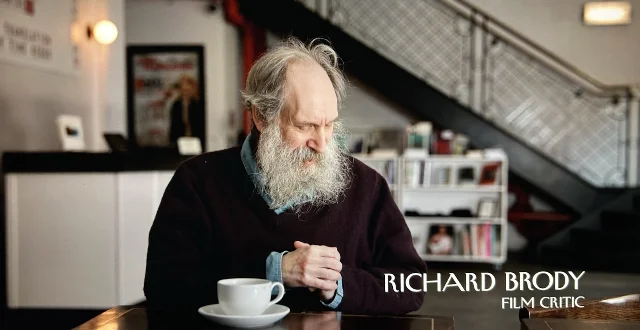
Richard Brody's Missing Impact
Richard Brody, a prominent film critic, only receives limited screen time, roughly 5-7 minutes, which is hardly representative of his impact on the publication and film criticism as a whole. Many fans of The New Yorker, whether they are familiar with Brody's work or not, consider him a linchpin of the magazine's cultural contributions. His insights and critiques have shaped how films are perceived today, and many readers turn to his reviews for guidance in cinema choices. Given the film is intended to commemorate a century of this iconic magazine, dedicating a substantial portion to Brody would have enriched the narrative significantly.
Documentary Structure and Content
Structurally, "The New Yorker at 100" is a light comet through the publication’s journey, largely avoiding any major conflicts or narratives that might deepen the viewer's understanding of its evolution. For individuals who are ardent supporters of The New Yorker, the content might resonate closely, as it provides an overview of major milestones and the magazine's role in cultural commentary. However, the absence of a compelling arc or dramatic tension makes it feel more like a montage than a cohesive documentary.
Historical Significance
The absence of a strong narrative can make the documentary feel superficial, particularly for a publication that has played a significant role in addressing complex social issues over its 100 years. The New Yorker is known for engaging writing that tackles every topic from politics to art and literature, so the missed opportunity to intertwine these themes within the film means that it could leave viewers wanting more. By focusing predominantly on celebratory elements without juxtaposing them against challenges faced by the magazine or the shifting landscape of journalism, the documentary misses the depth that could have enriched its portrayal of The New Yorker.
A Need for Broader Perspectives
It stands to reason that the filmmakers could have benefited from consulting Richard Brody during the documentary's production. His unique perspective as an influential critic could have added much-needed context and nuance. Now more than ever, as journalism and criticism continue to evolve, Brody's commentary about film and culture is more relevant. Engaging him in discussions about the magazine's legacy, or even inviting him to narrate parts of the documentary, could have provided viewers with a richer and deeper insight into The New Yorker and its varied contributions over the last century.
Viewer Reception
As a viewer, the expectation is that a documentary celebrating such a significant milestone would also delve into discussions about the magazine's future and its ongoing relevance in a digital age. Viewers might find themselves questioning the balance between celebration and critical evaluation. Given the wealth of topics and individual stories that could have been explored, it’s clear that "The New Yorker at 100" offers a mere glimpse into the magazine's legacy but ultimately lacks the depth that many would hope for.
Final Thoughts
Ultimately, while "The New Yorker at 100" serves its purpose as a commemorative piece, its execution leaves much to be desired. The documentary may draft a light sketch of the magazine's influence, but for those looking for a thorough exploration, it can feel lacking. Incorporating the captivating narrative style that The New Yorker is known for could have transformed this documentary from a fleeting celebration to a meaningful analysis of its century-old history. As audiences continue to engage with both film and written criticism, perhaps a well-rounded exploration of Brody's voice would serve not just The New Yorker’s history but its ongoing conversations surrounding art, culture, and journalism in an ever-changing landscape.


