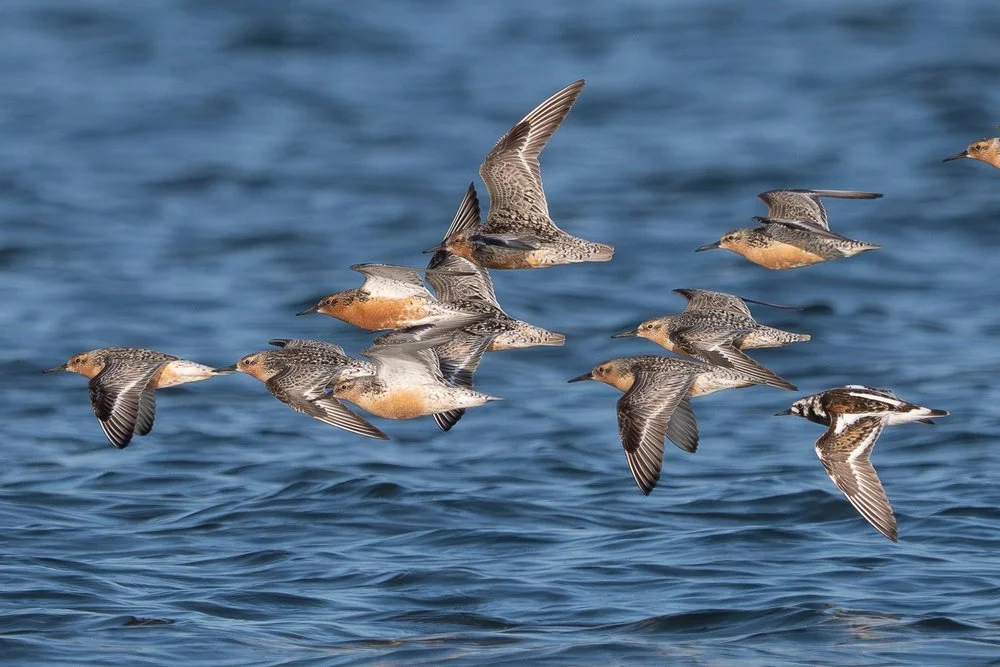
Explore the rich biodiversity of Spurn Peninsula during summer, featuring rare waders, thriving terns, and ideal photographic conditions.
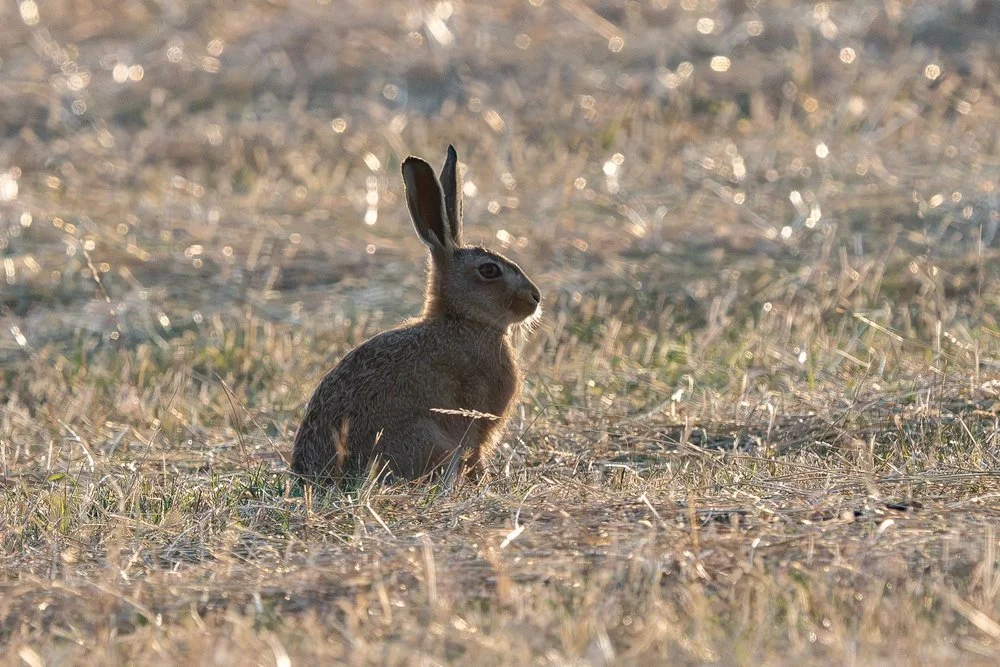
After a hiatus from photography, I recently embraced my passion again during two trips to my caravan at Spurn Peninsula. The location is particularly vibrant this time of year, teeming with wildlife, making it the perfect spot for capturing stunning images.
The Abundance of Life at Spurn
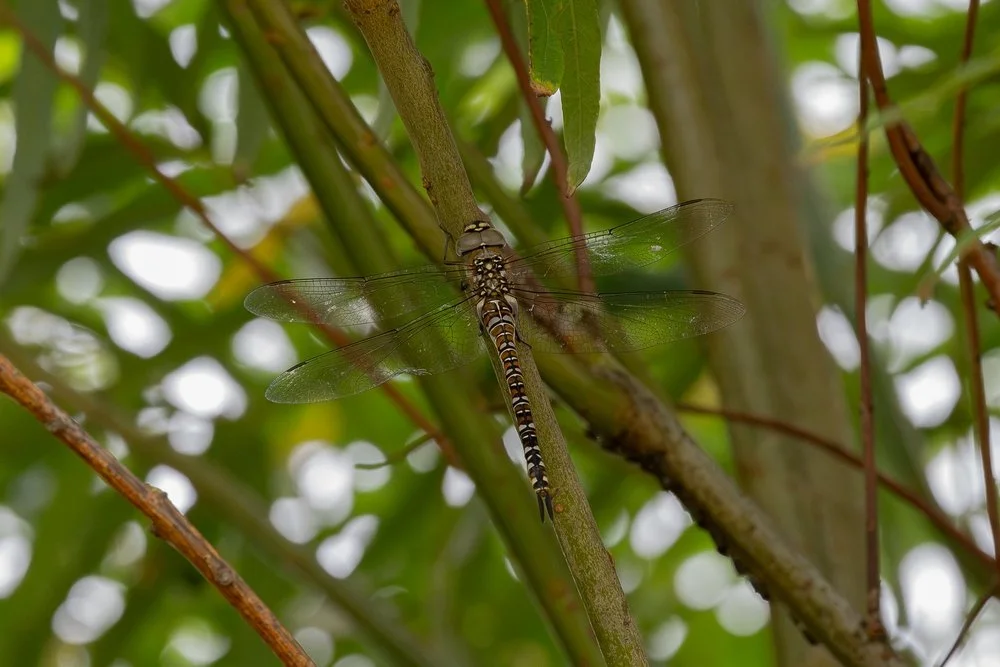
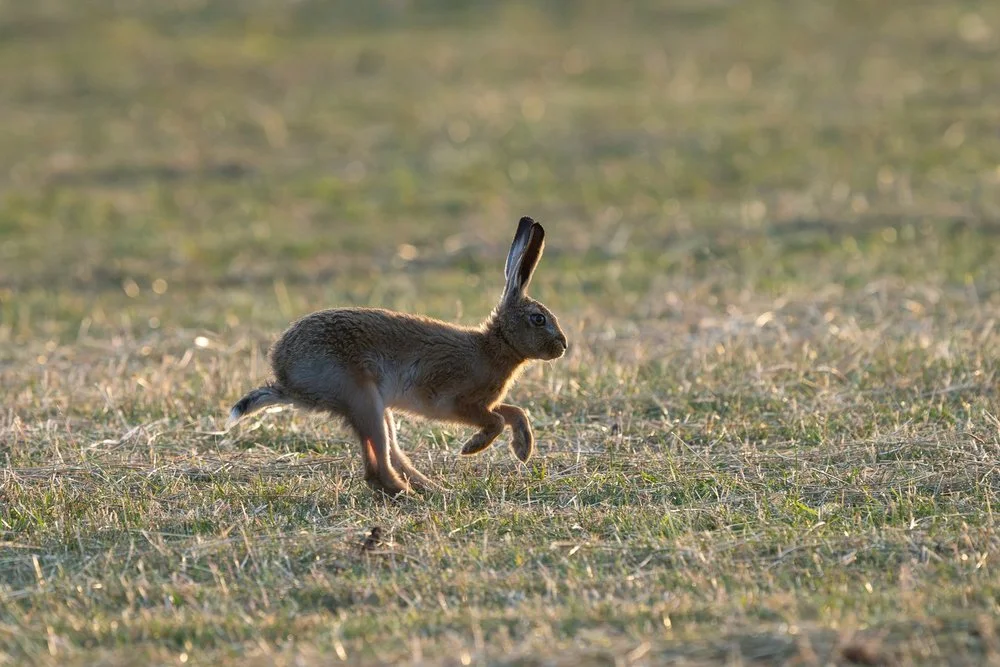
As summer unfolds, Spurn is bustling with activity. Migratory waders return from their Arctic breeding grounds, and the numbers of terns and gulls swarming around Beacon Ponds steadily rise. It’s an ecosystem in full swing. Notably, this isn’t limited to avian life; mammals are also busy raising their young, while the air buzzes with insects of diverse species. This kind of diversity creates a rich tapestry that’s both fascinating to observe and rewarding to photograph.
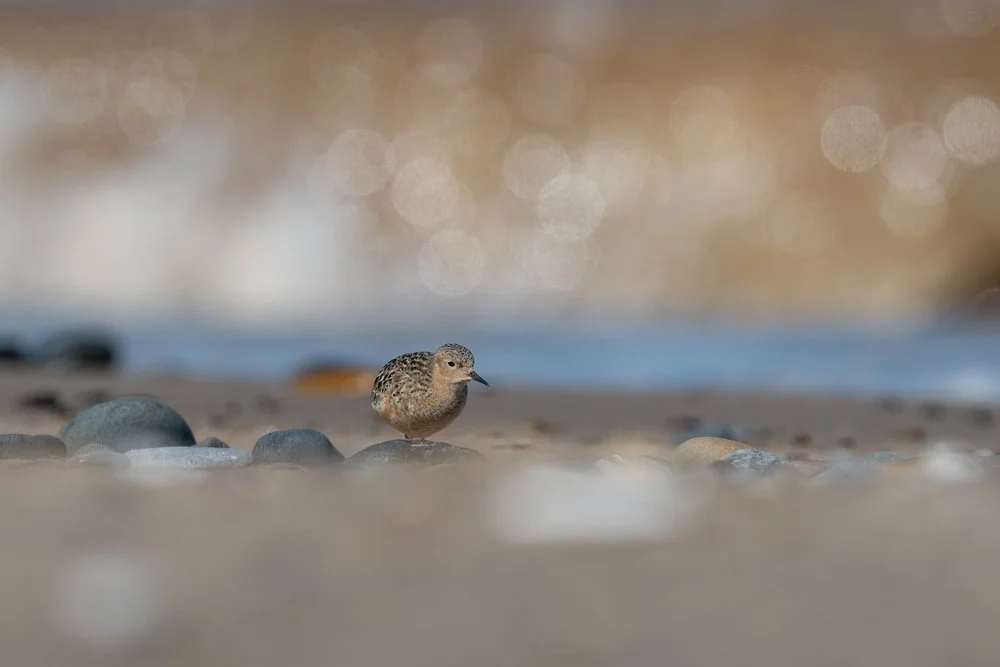
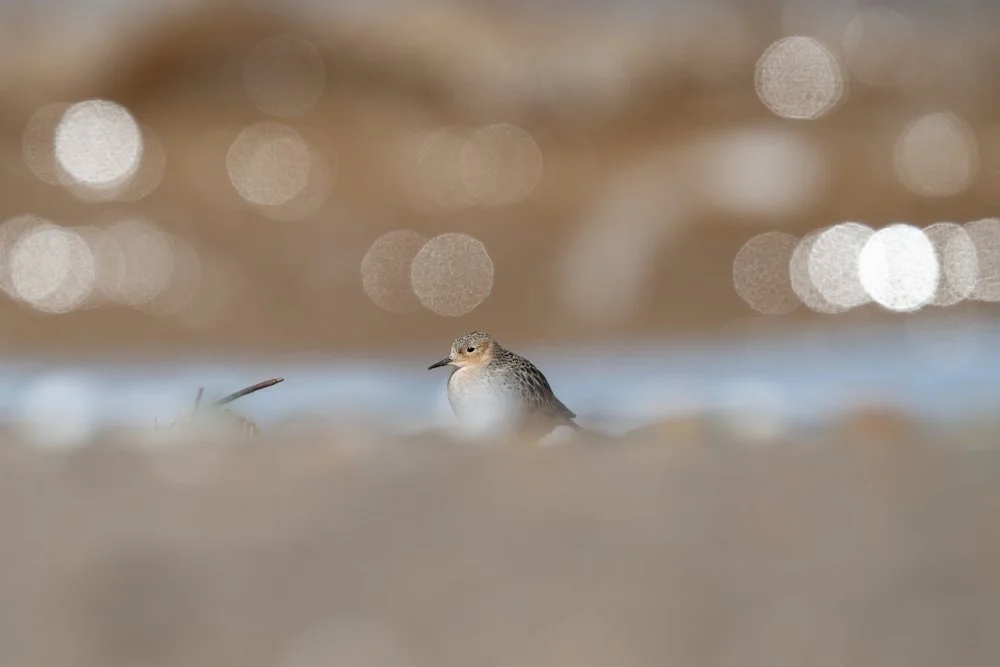
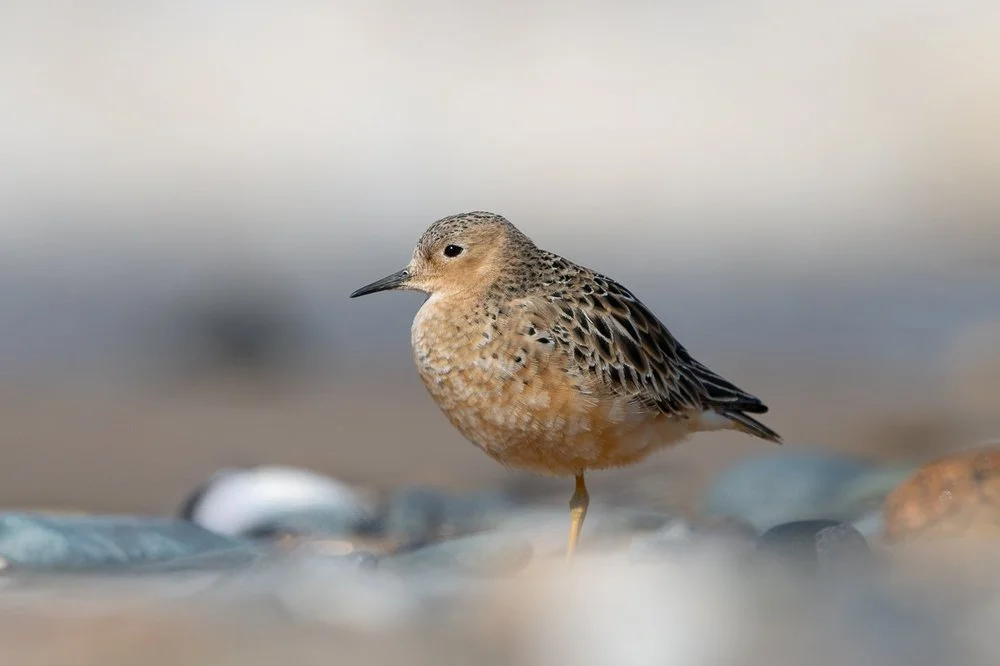
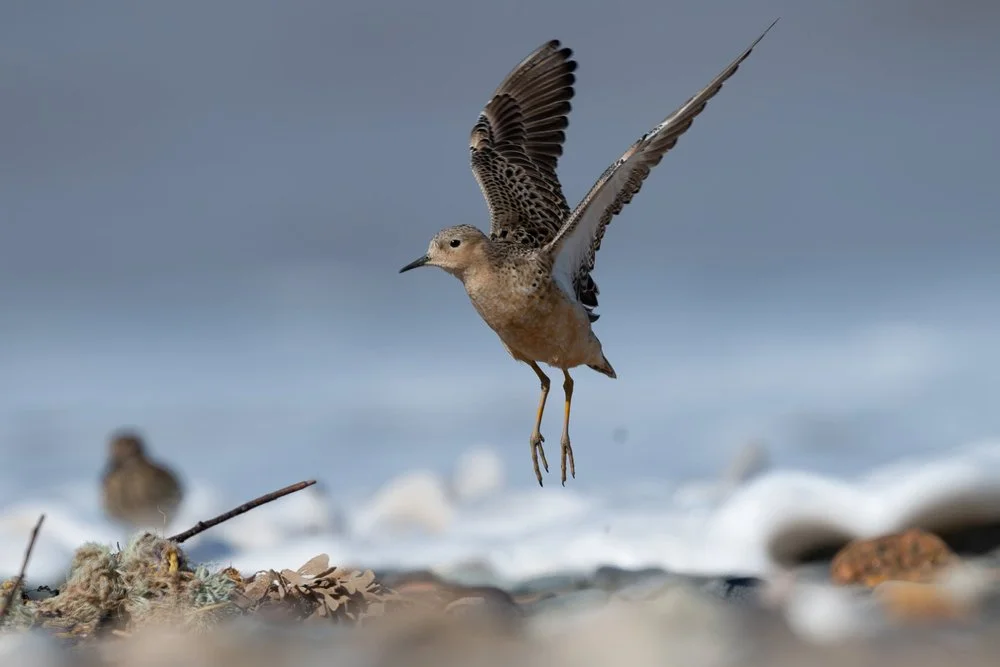
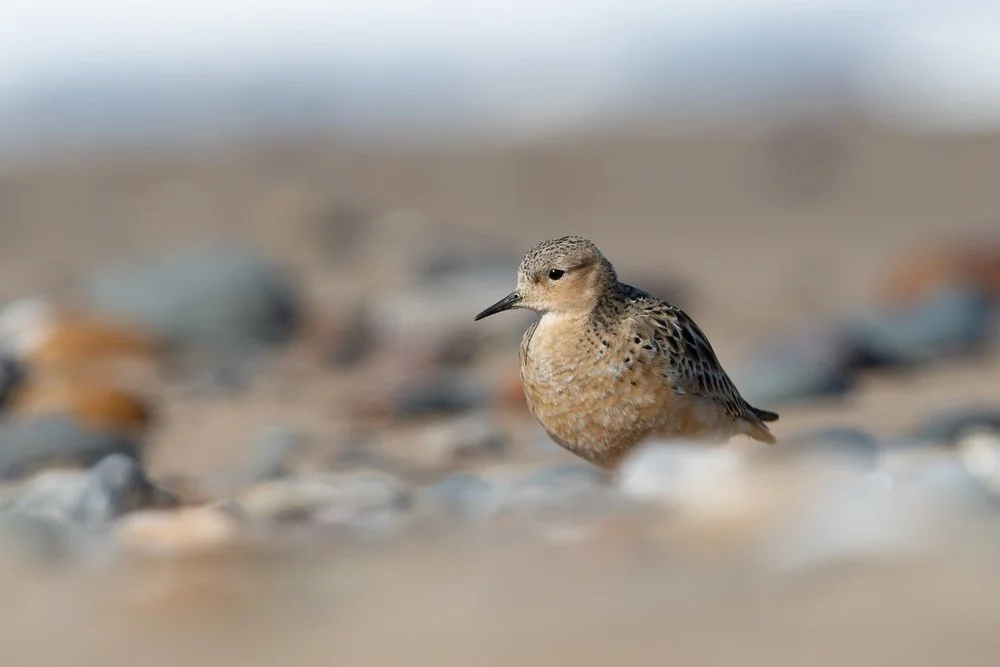
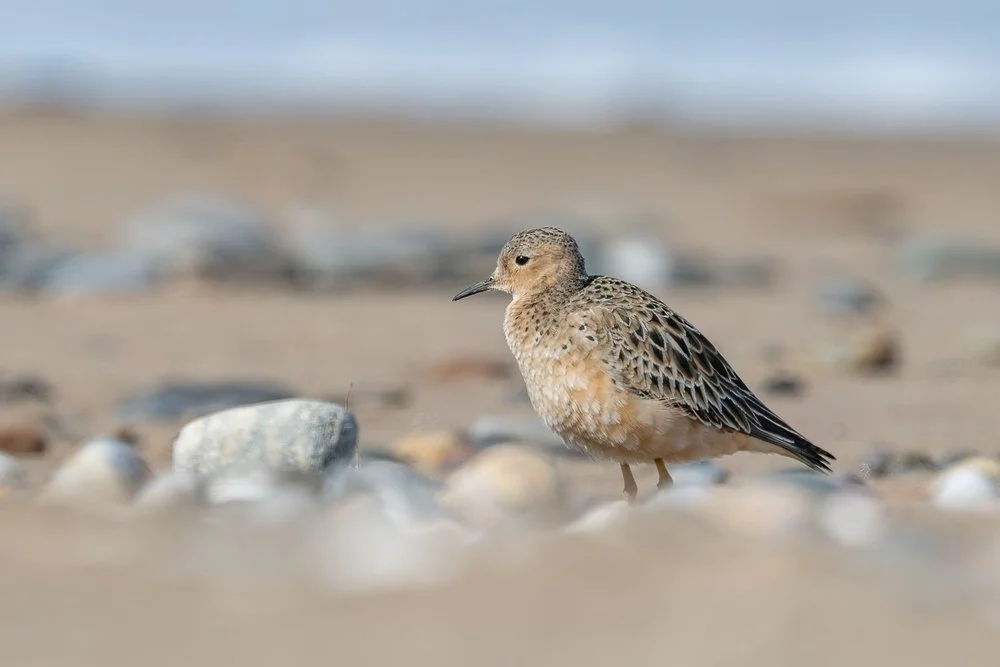
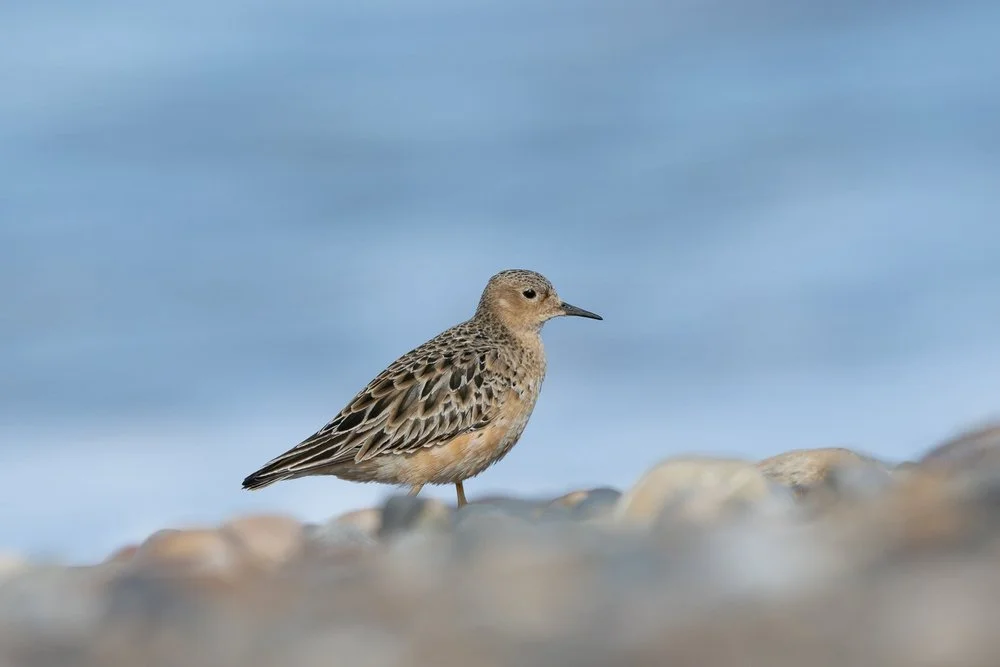
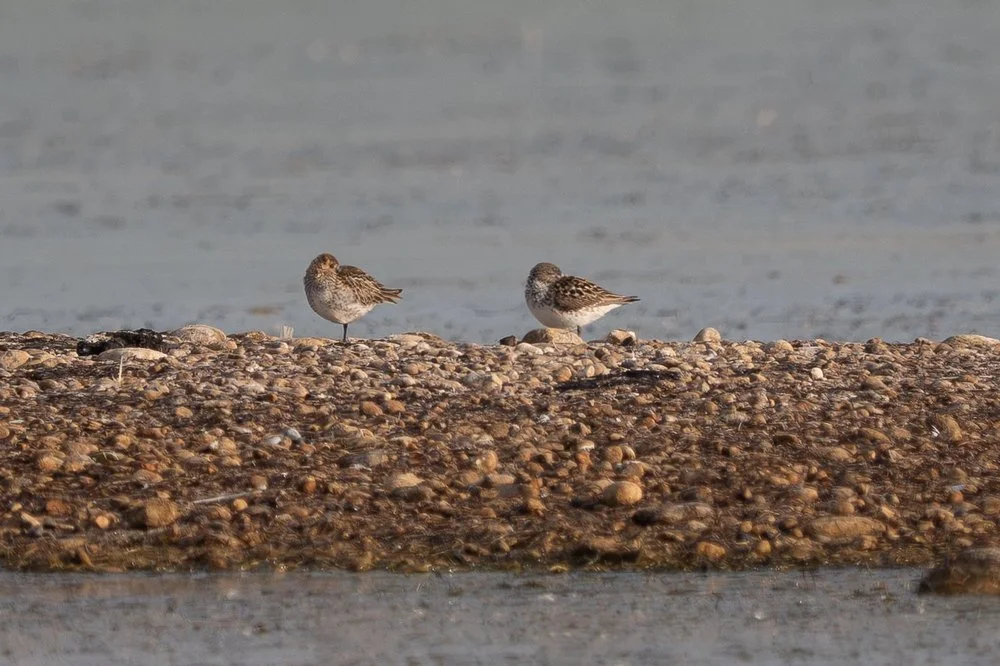
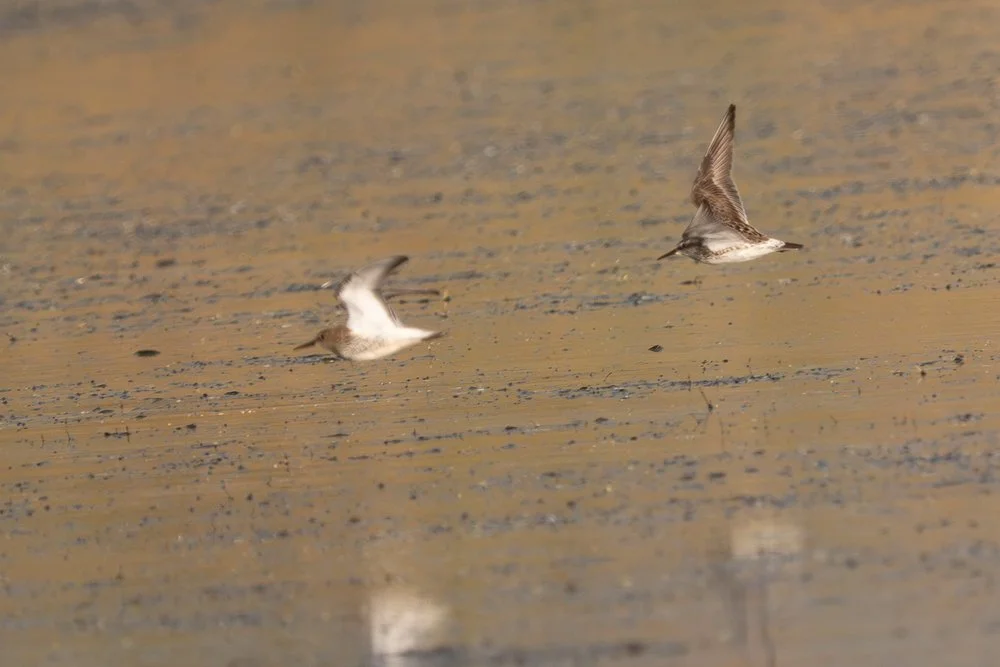
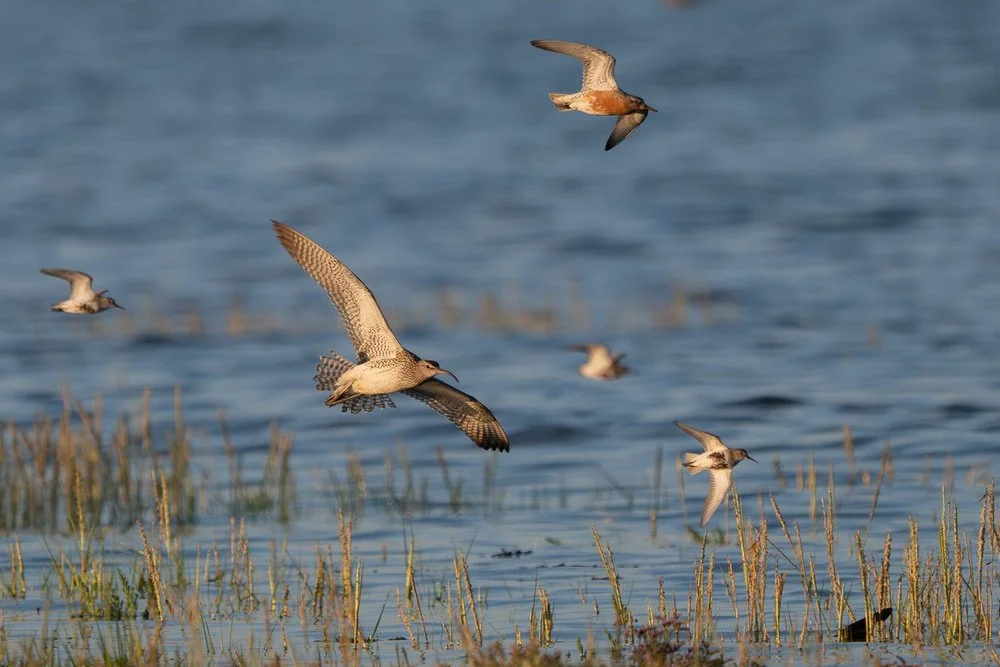
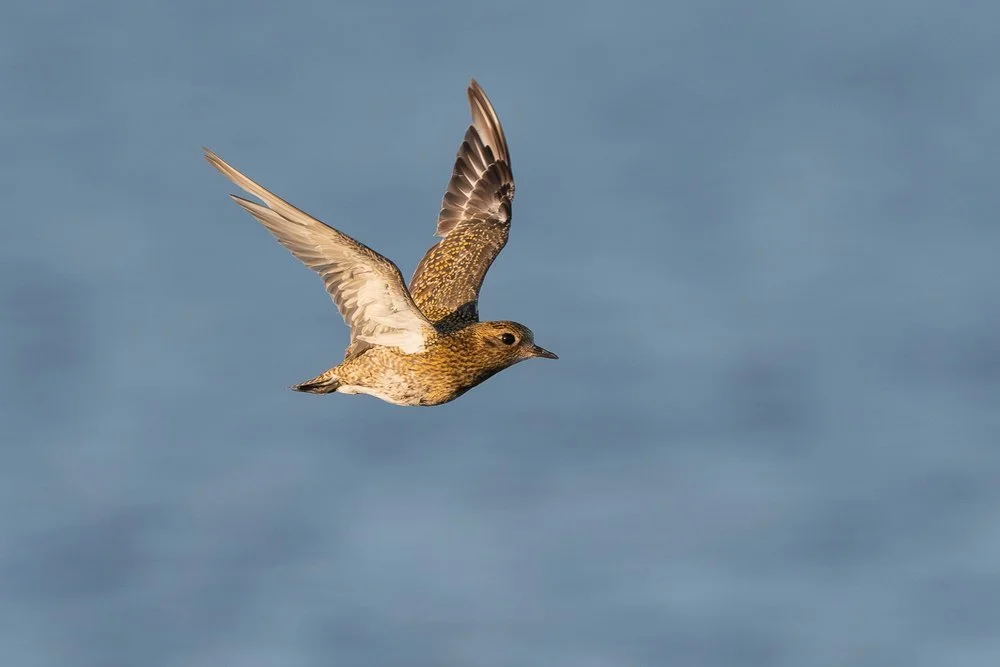
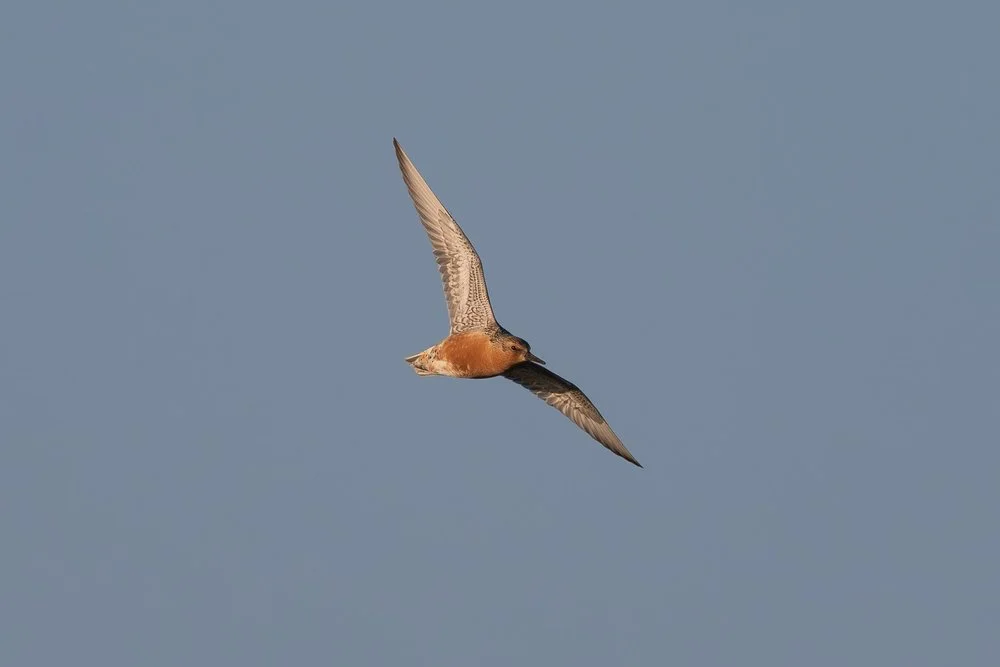
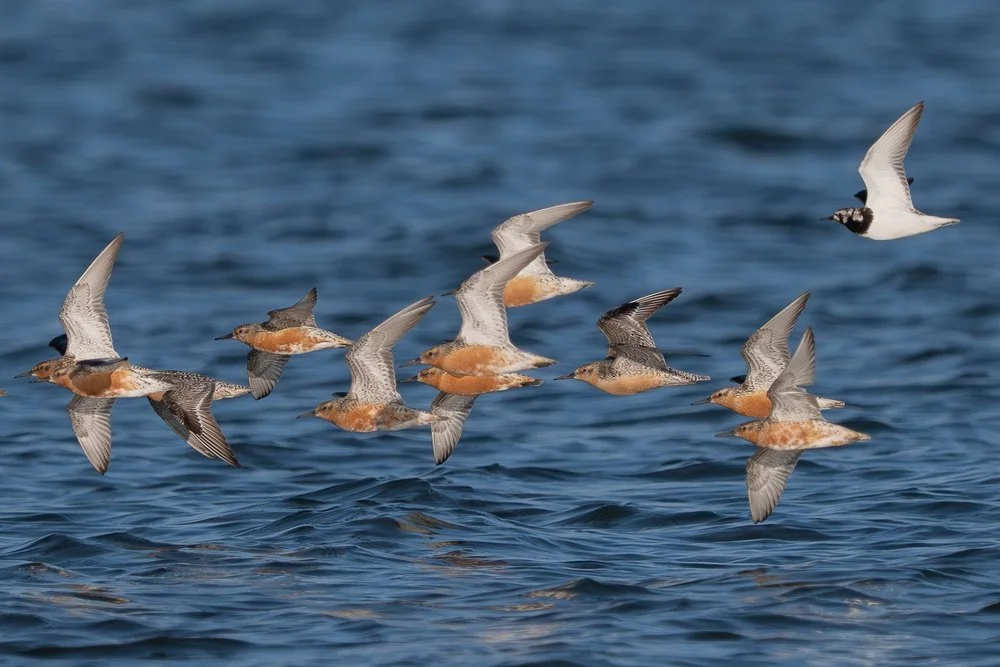
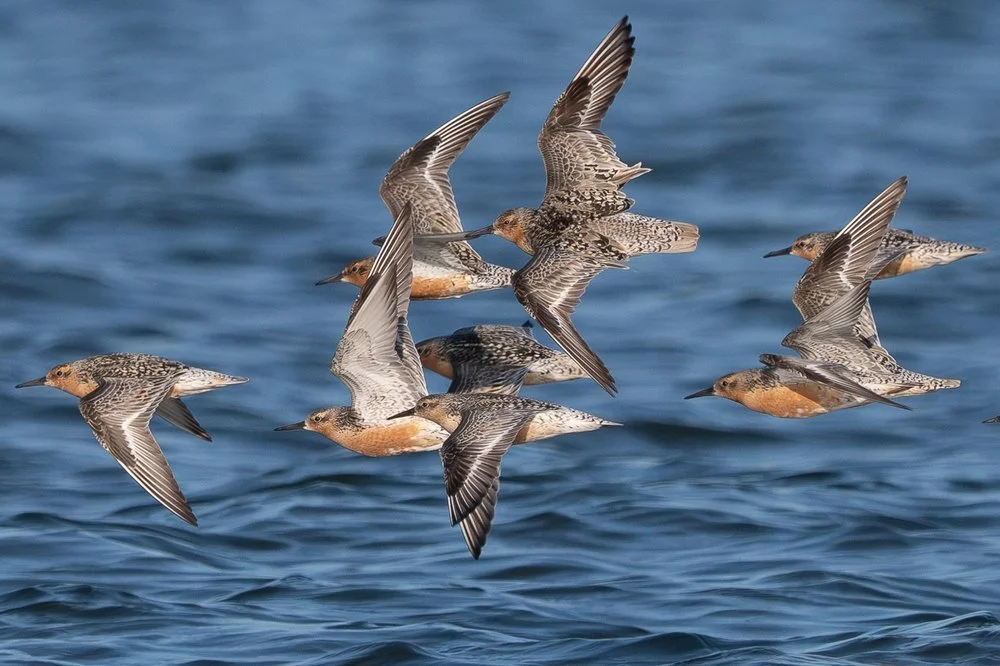
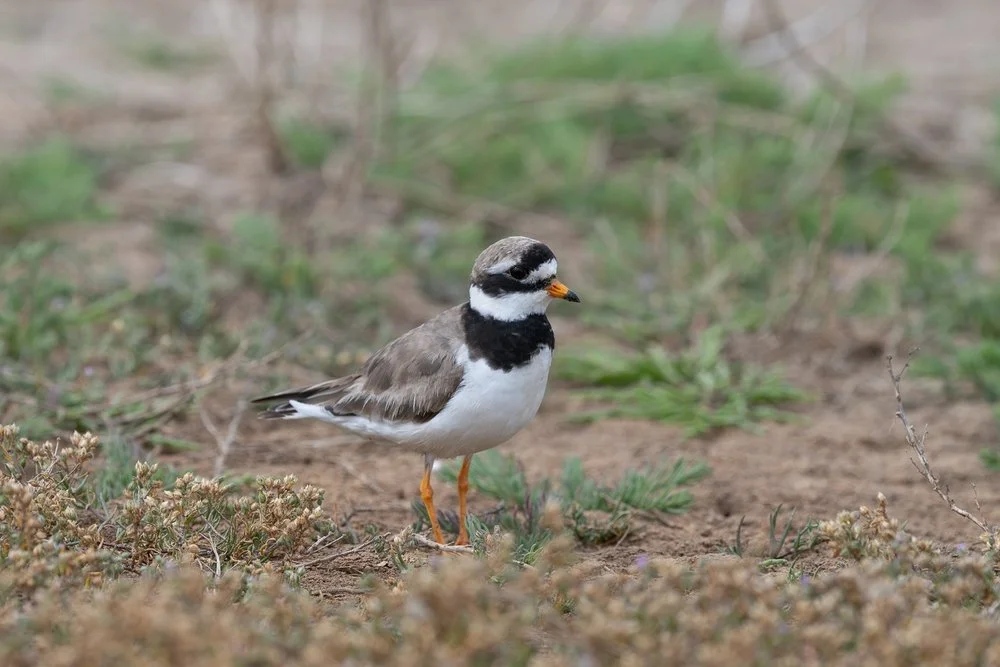
Beacon Ponds stands out as the prime location for observing these seasonal visitors. This year, I spotted several noteworthy wader species, including a buff-breasted sandpiper, which marked a significant return as it hadn’t been seen at Spurn since 2018. Alongside it was a white-rumped sandpiper, adding to the excitement. The common waders looked stunning, particularly the Knot, still in their summer plumage. The vivid colors and patterns on these birds create a striking contrast against the lush green surroundings, enhancing the visual appeal for photographers.
A Celebration of Tern Success
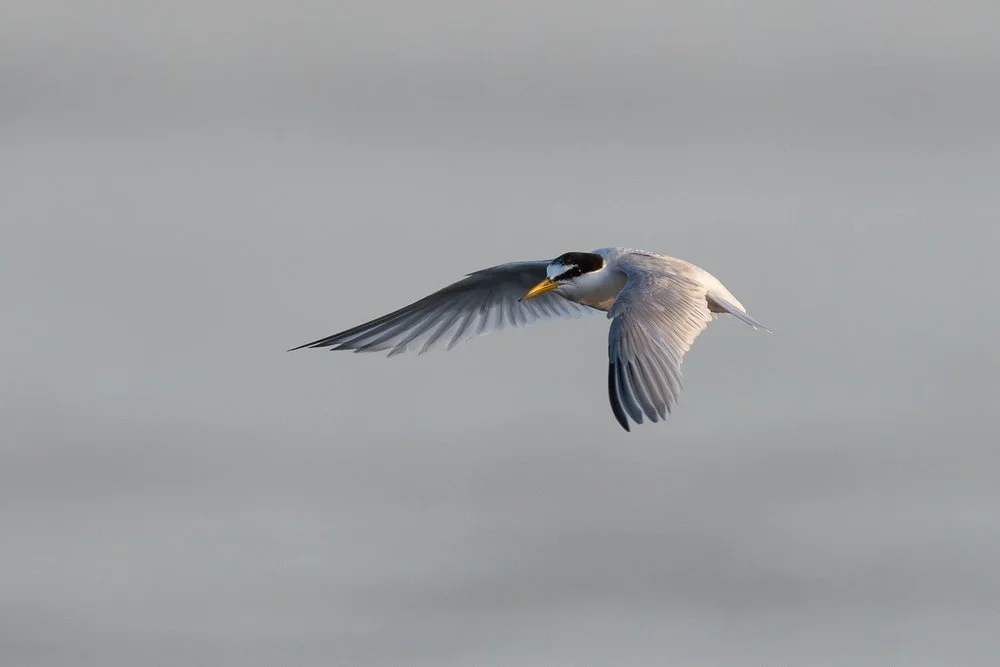
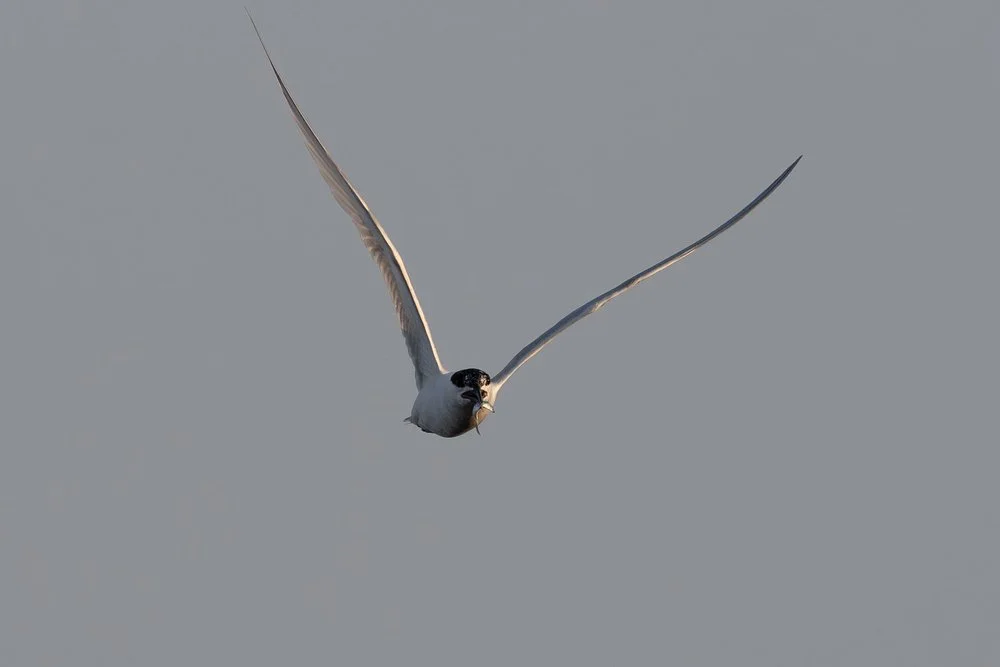
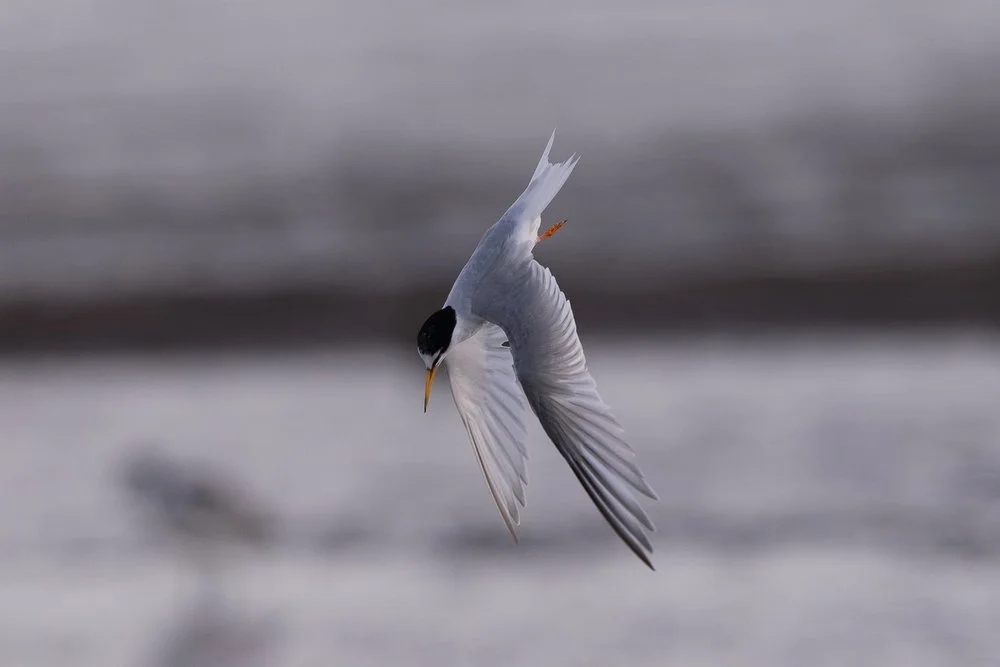
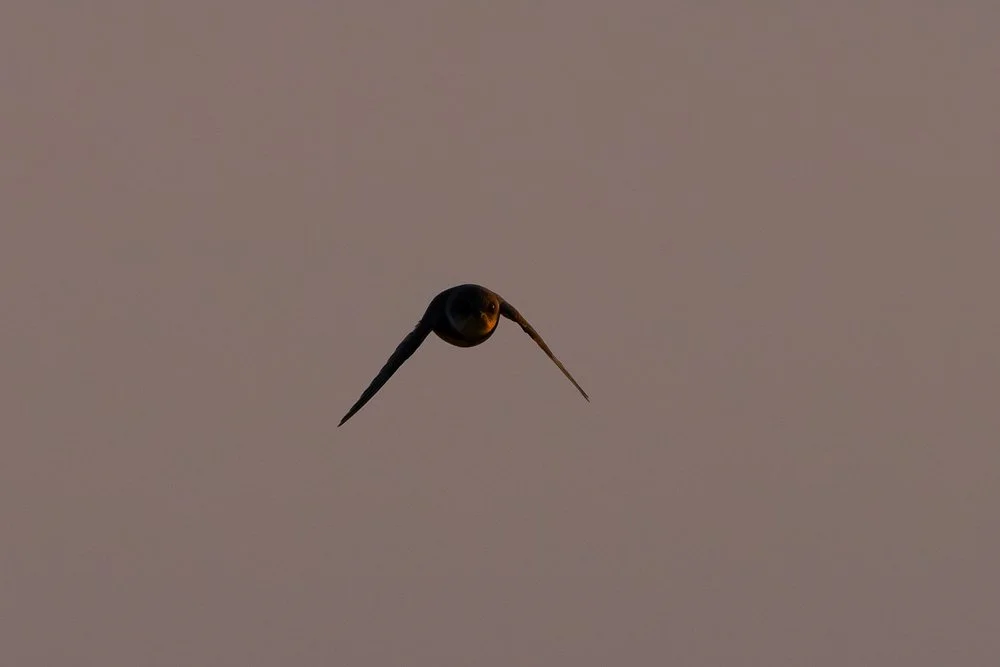
During my visit, I was thrilled to learn from the Spurn Bird Observatory that the 100th little tern chick had recently hatched. This achievement underscores the ongoing conservation efforts aimed at protecting these beautiful birds. Little terns are particularly vulnerable to habitat loss and predation, so the uptick in their population is emblematic of successful wildlife management. Watching these birds thrive this year has been a joy and reflects the impact of dedicated conservation work.
Exciting Encounters with Rare Species
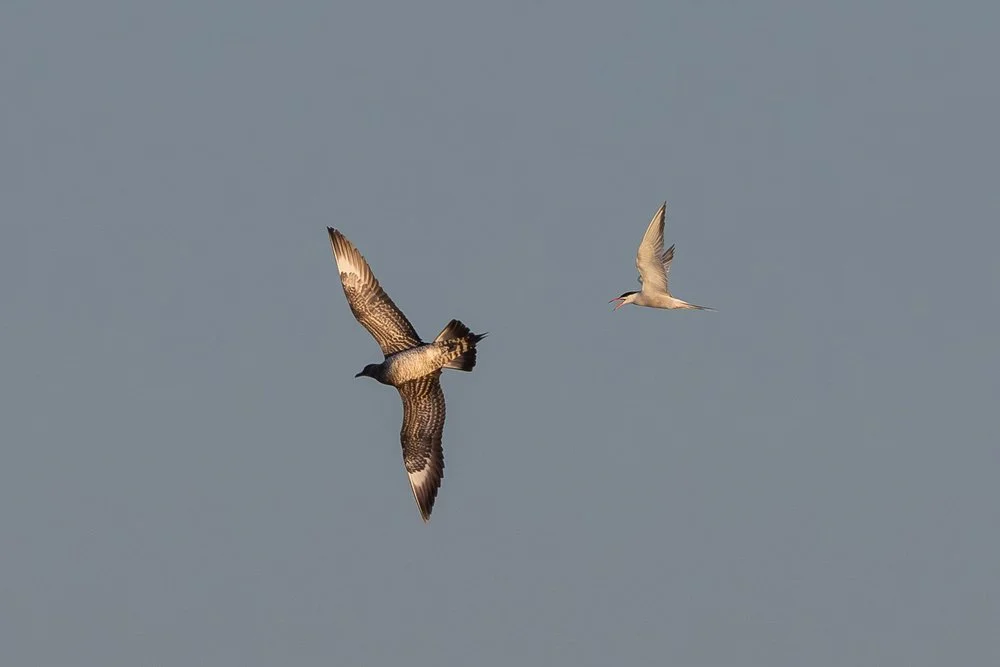
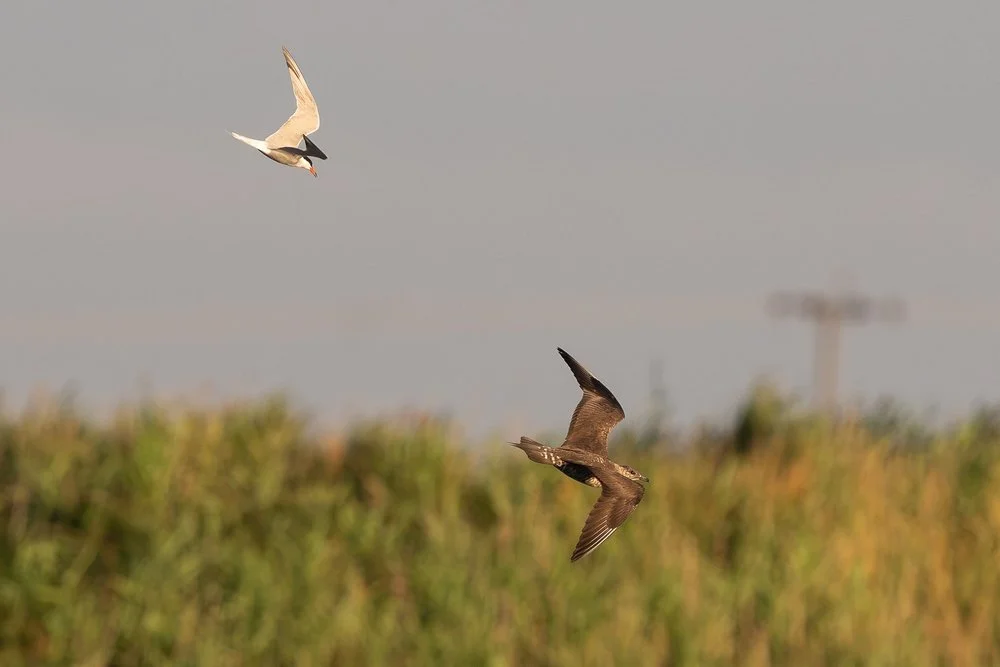
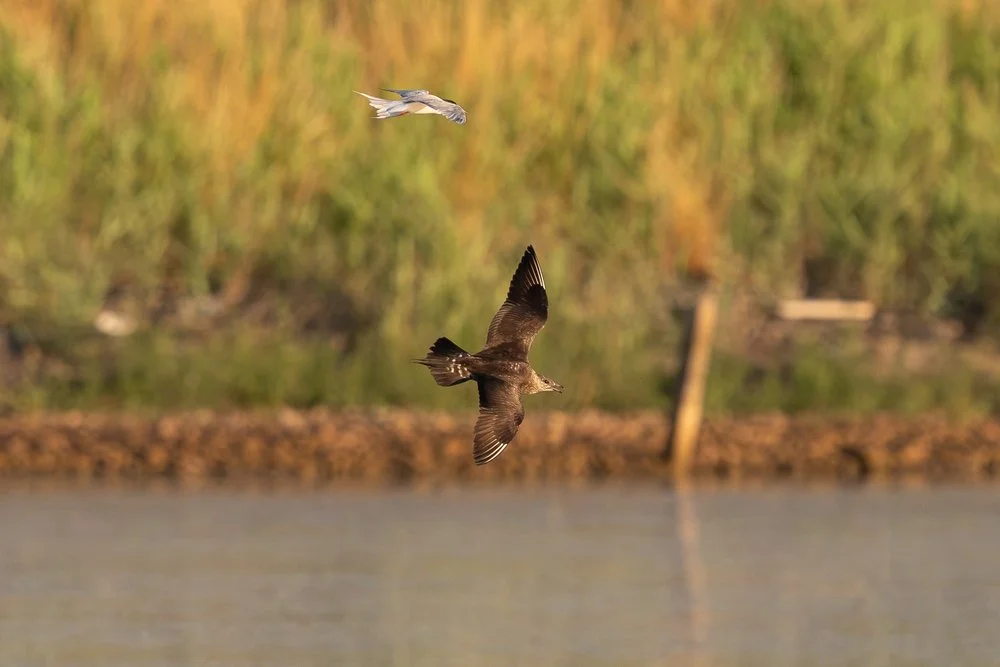
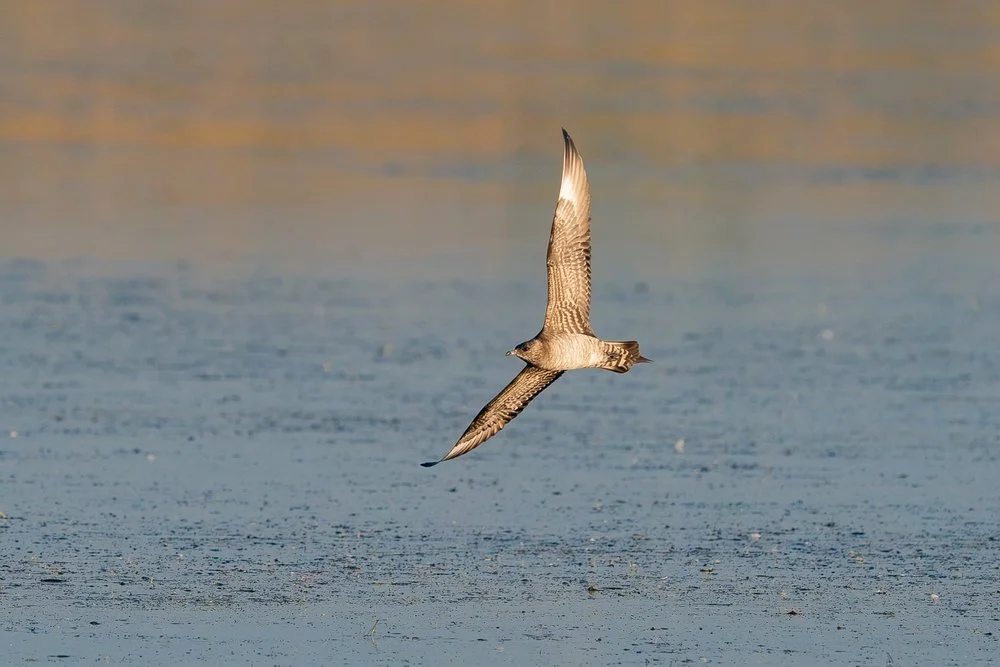
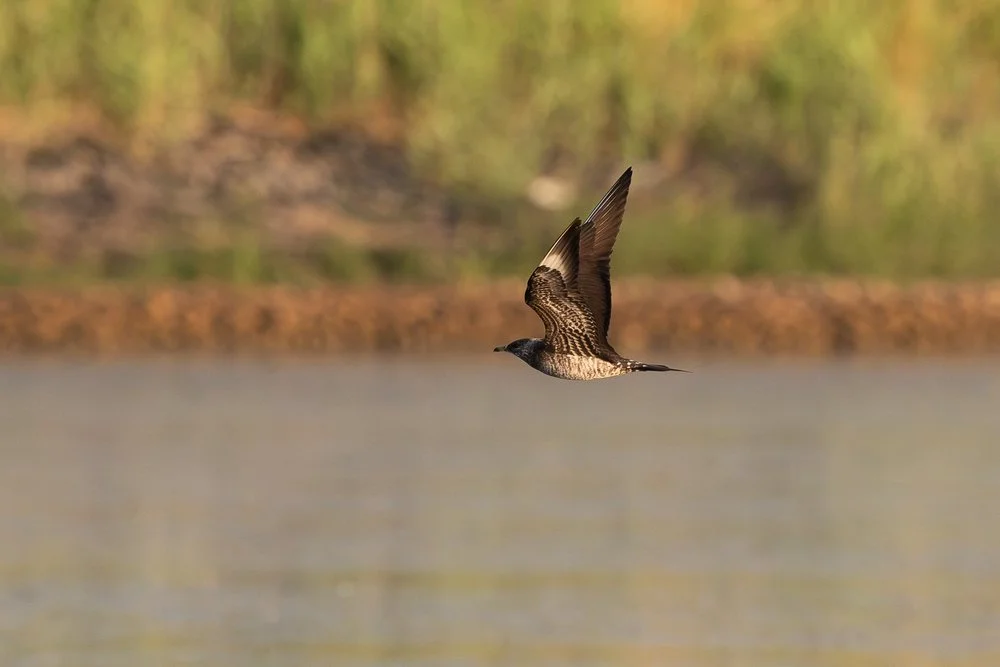
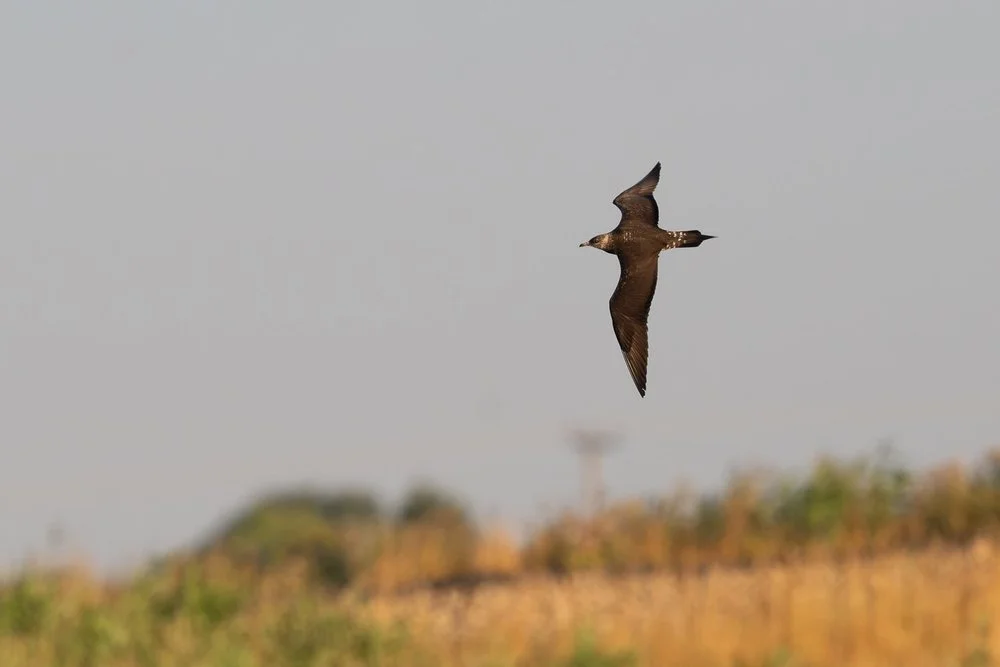
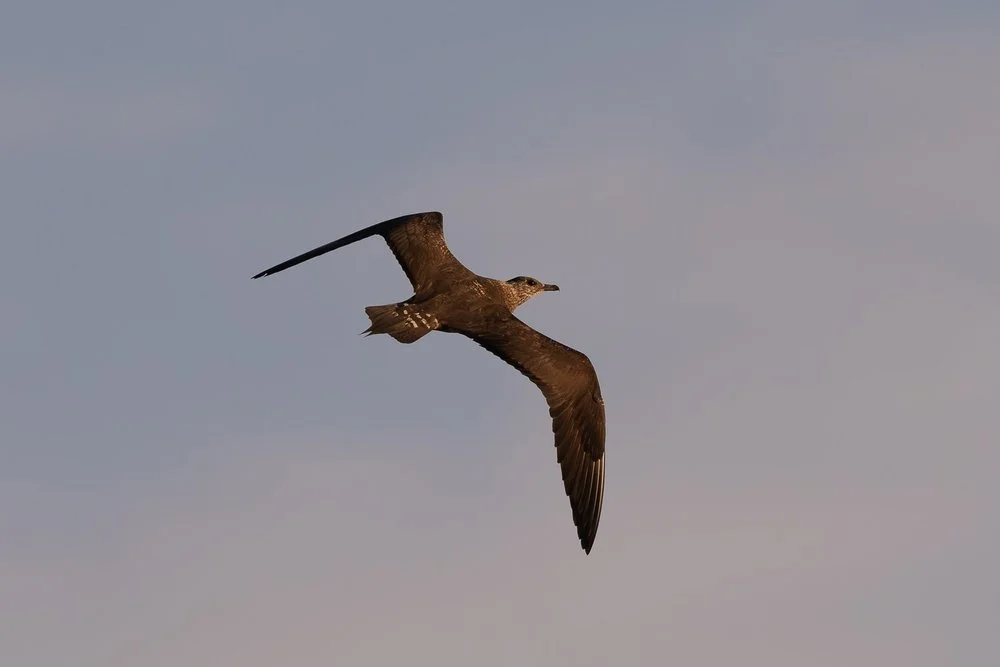
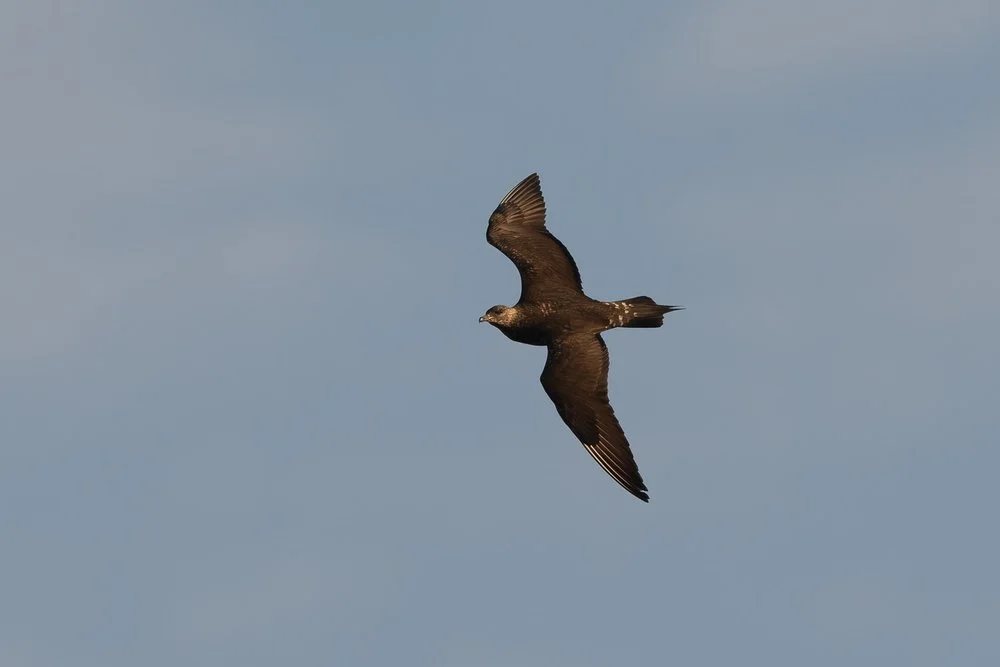
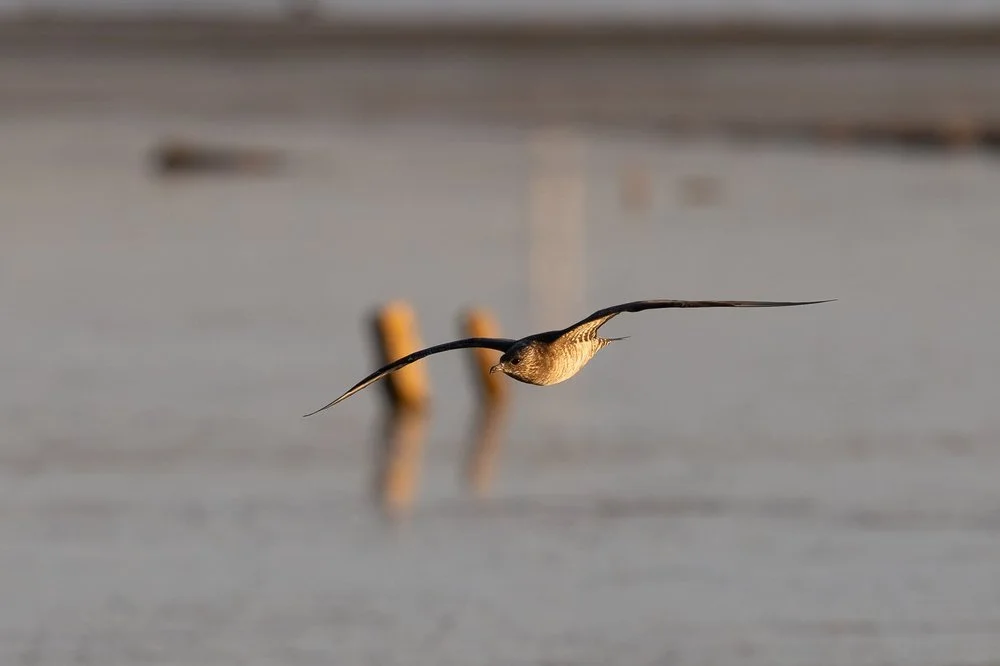
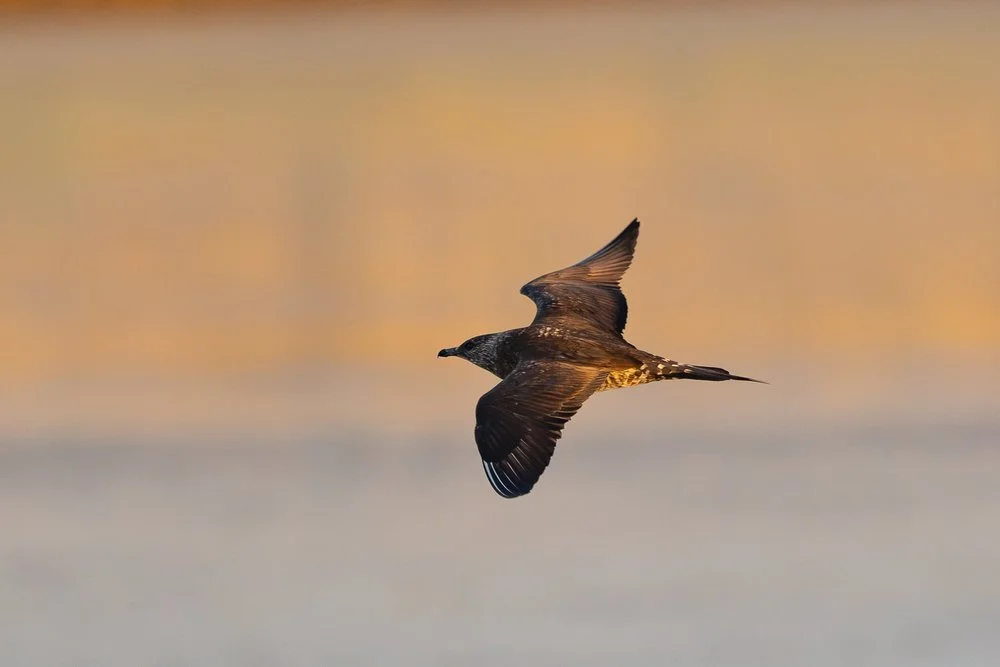
My mornings at Spurn were enriched by unexpected wildlife encounters. One highlight was an Arctic skua that appeared one early morning, providing a brief but thrilling spectacle. The skua’s presence, however, wasn’t just about the beauty of the bird; it also showcased nature's fierce realities. The skua was eventually driven off by a flock of protective terns defending their nests, an instance of instinctive behavior that speaks volumes about survival in the wild. Such moments remind us of nature’s unpredictability and the beauty of capturing these interactions on camera. The eye could easily miss these fleeting encounters, but a photographer’s patience can reveal nature’s stories.
Optimal Conditions for Photography
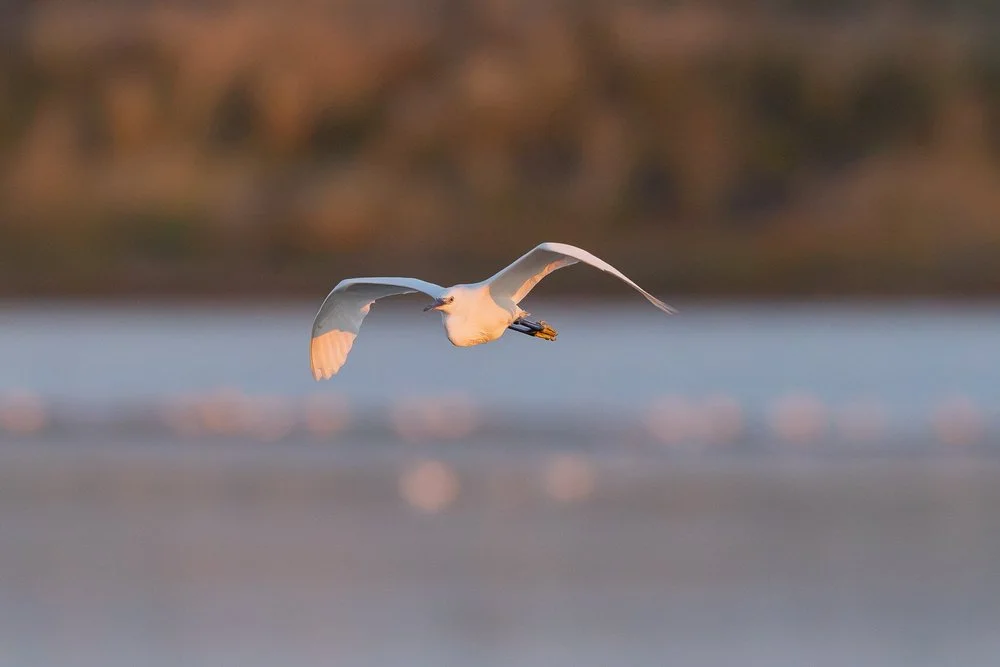
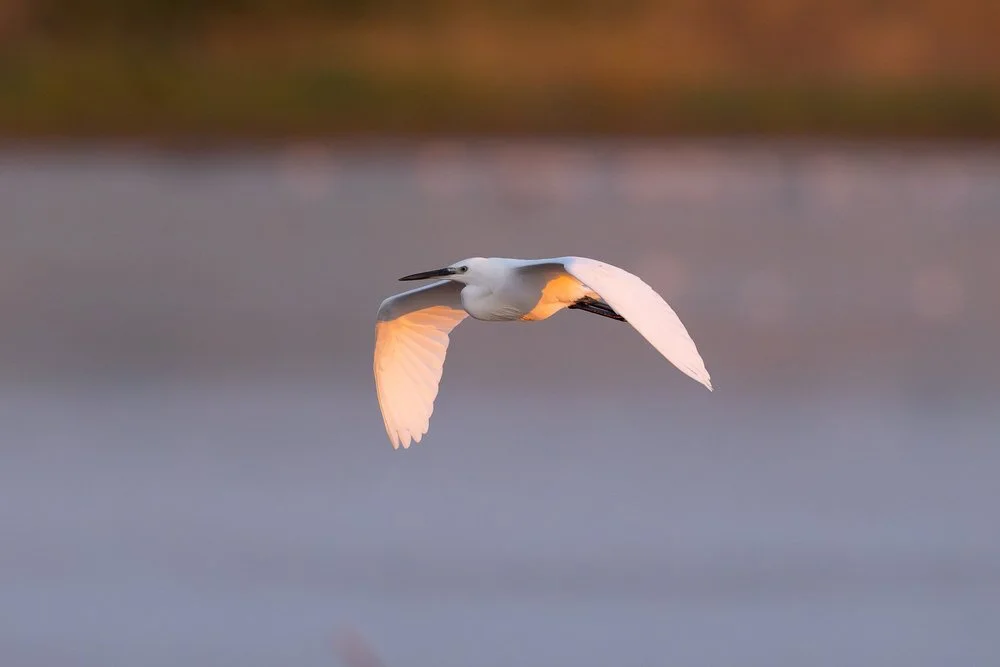
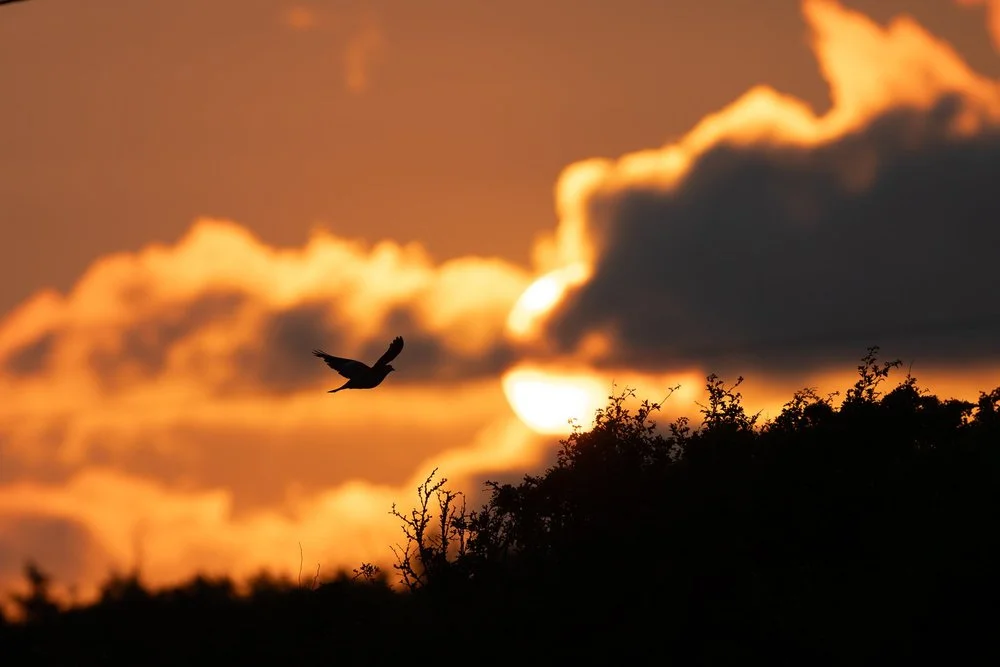
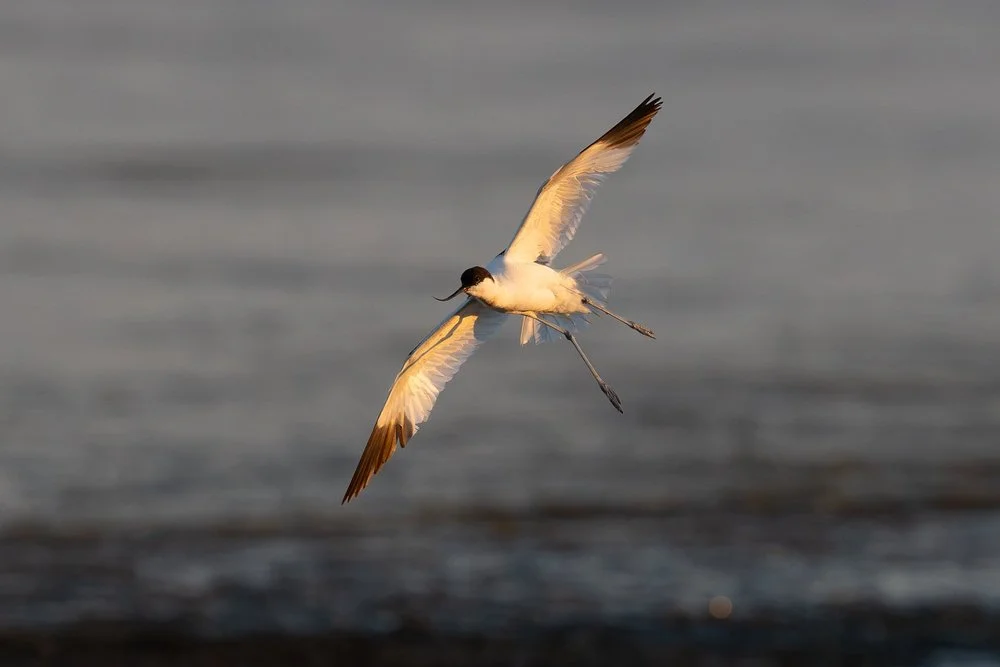
The summer mornings at Spurn offer golden light that’s optimal for photography. When this early light coincides with high tide, it creates magical conditions for wildlife photography. The best spots to catch this enchanting light are at Beacon Ponds and the gateway to Spurn Peninsula. Angling for the right composition during these times can lead to breathtaking results. This time of day is a double-edged sword, though; the light can be harsh within hours, making the early lock-in essential for success.
On my last outing, I returned with over 7,000 images. The sorting and editing process has been taxing yet rewarding as I sift through a season's worth of moments captured through my lens. Each click of the shutter encapsulates a story, whether it’s a dramatic action shot of a bird in flight or a serene portrayal of a creature in its habitat. The duty of a photographer extends beyond the click; it involves reflecting on the meanings these moments hold.
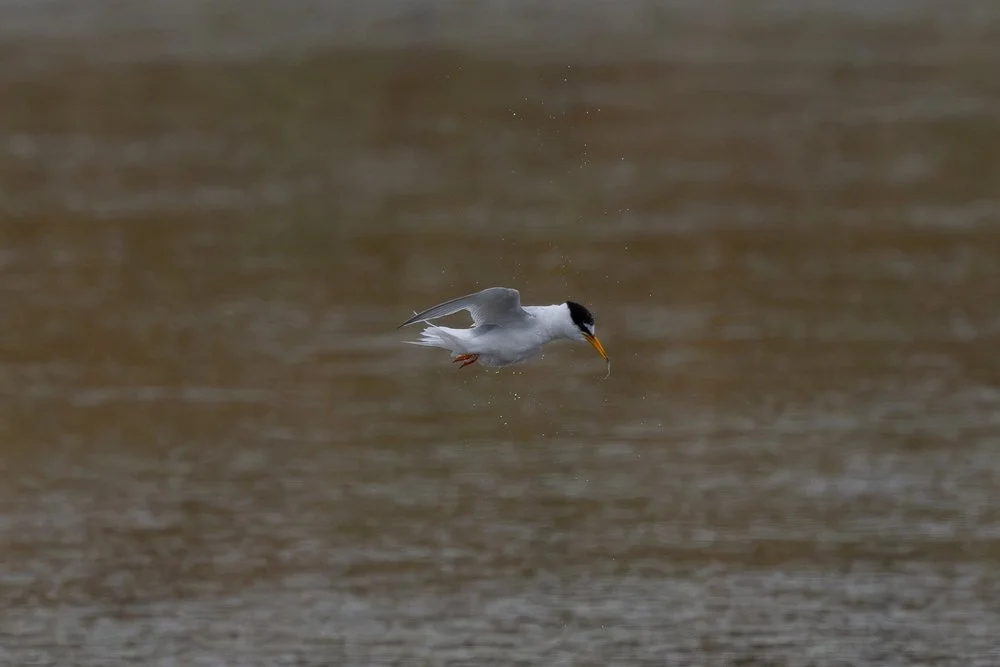
Captivating Wildlife Photographs
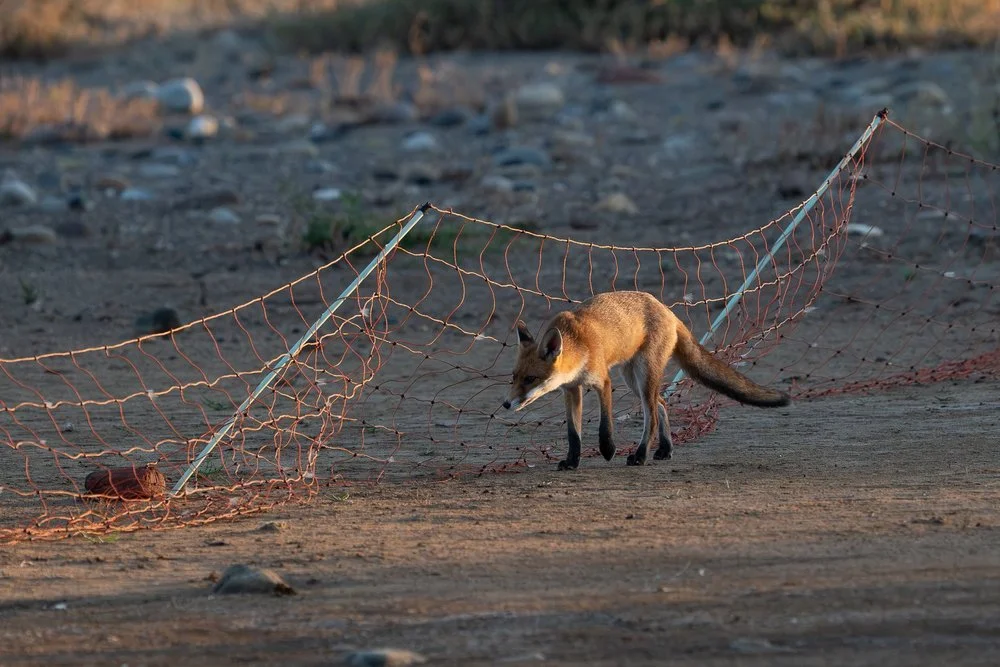
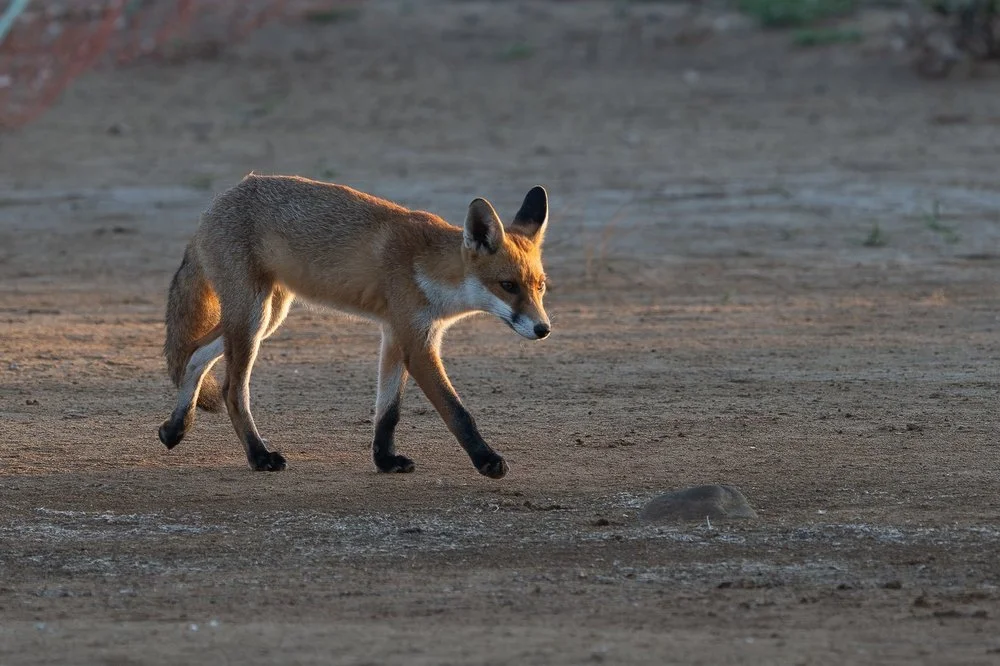
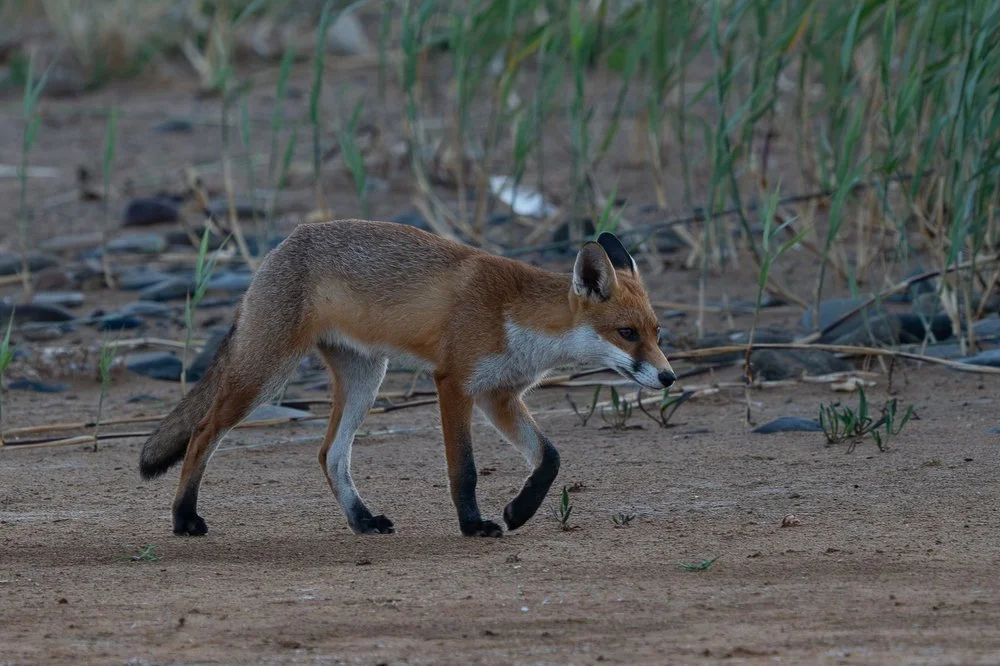
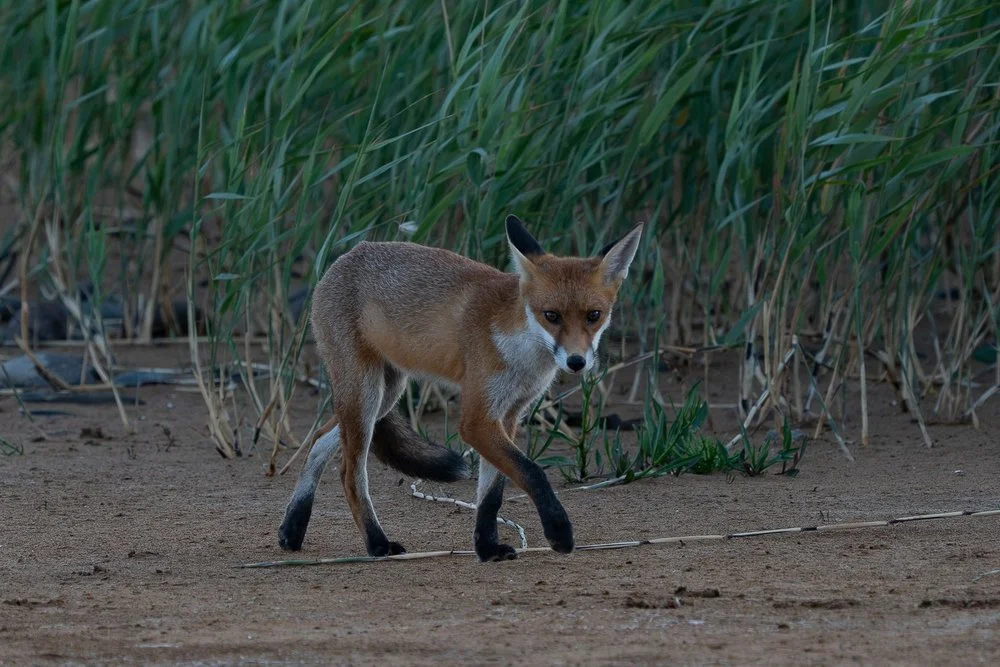
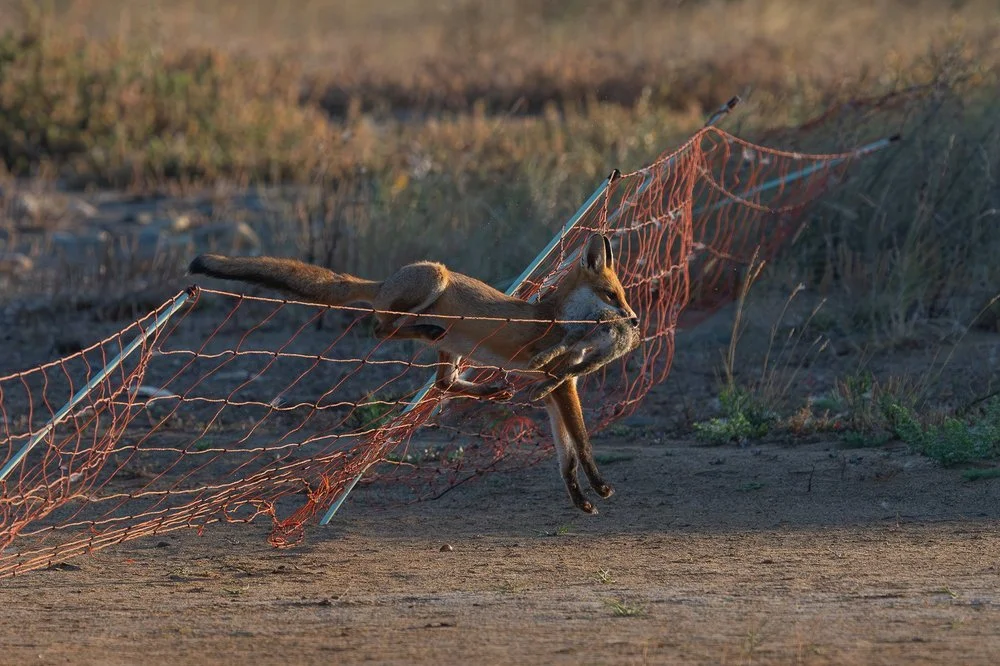
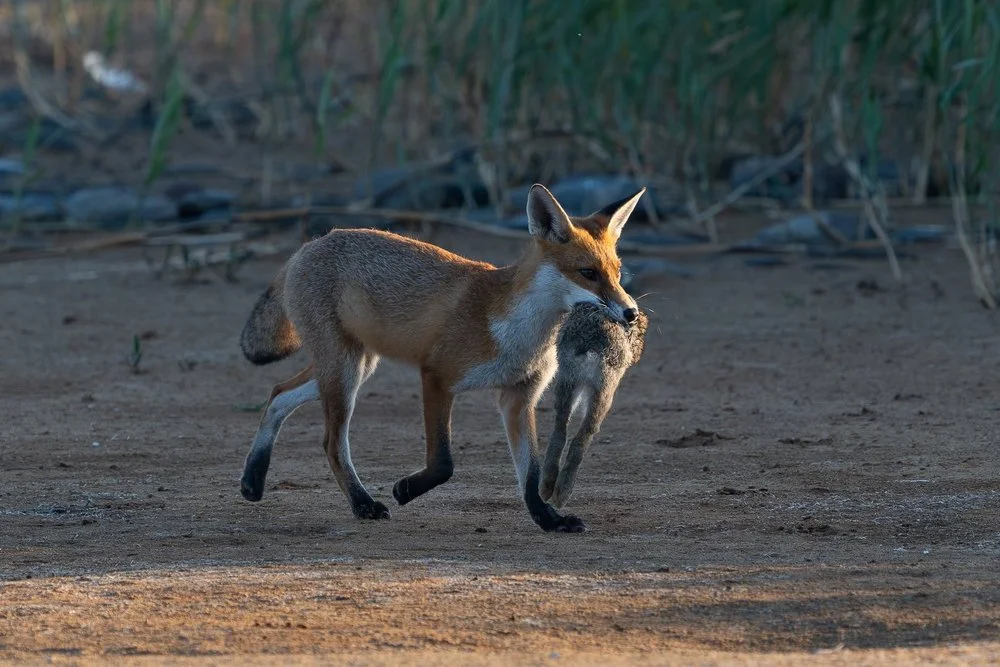
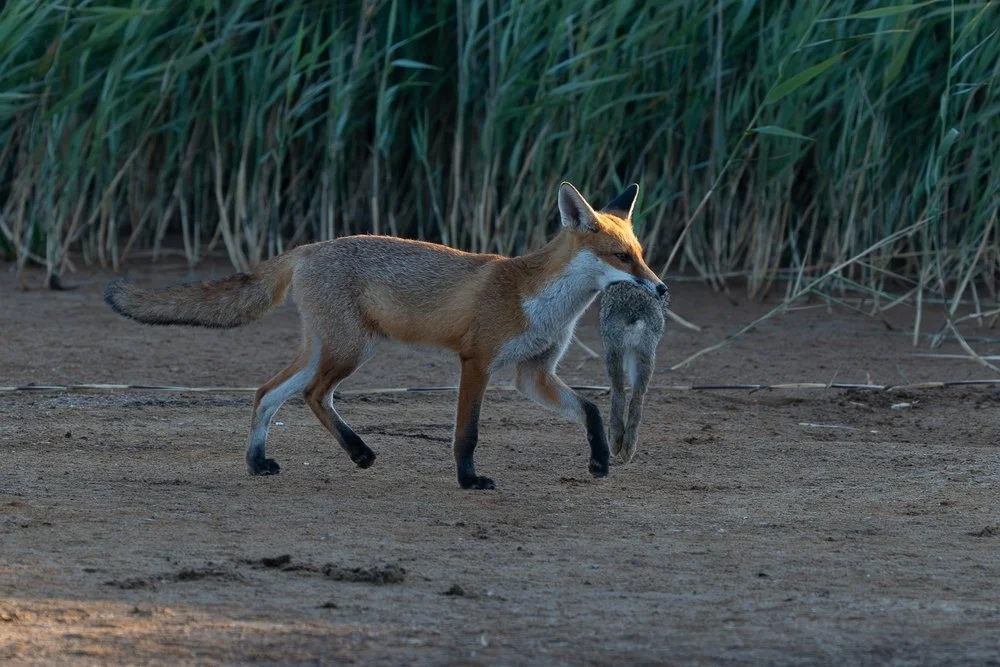
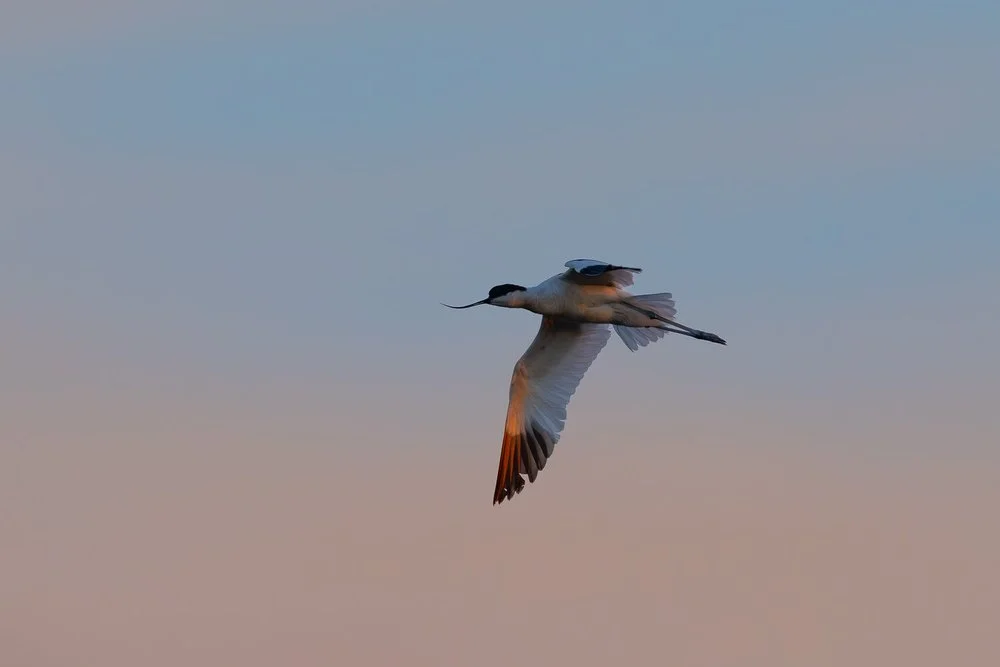
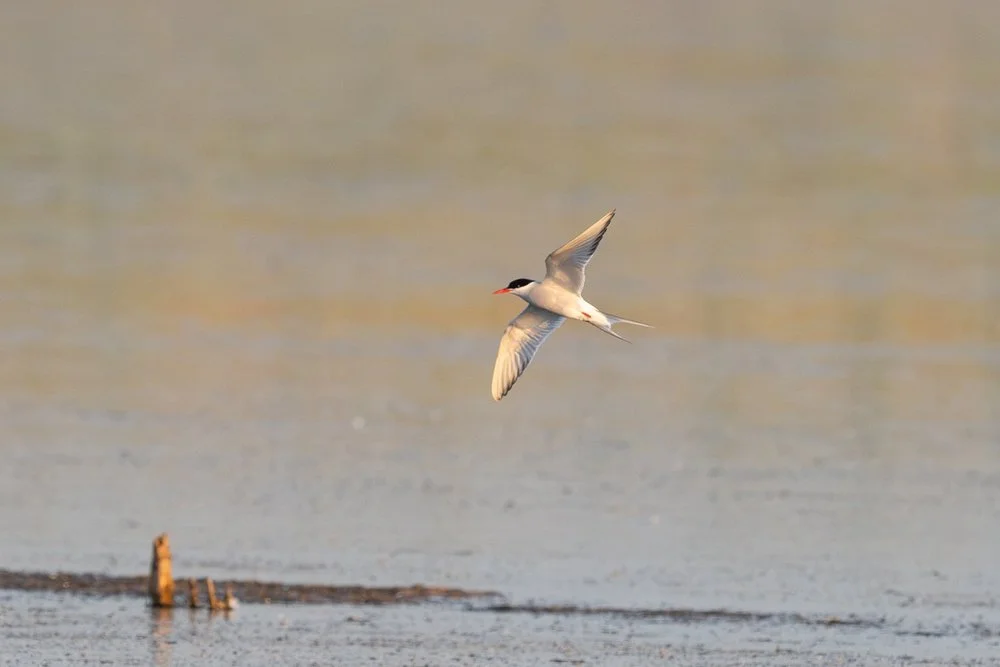
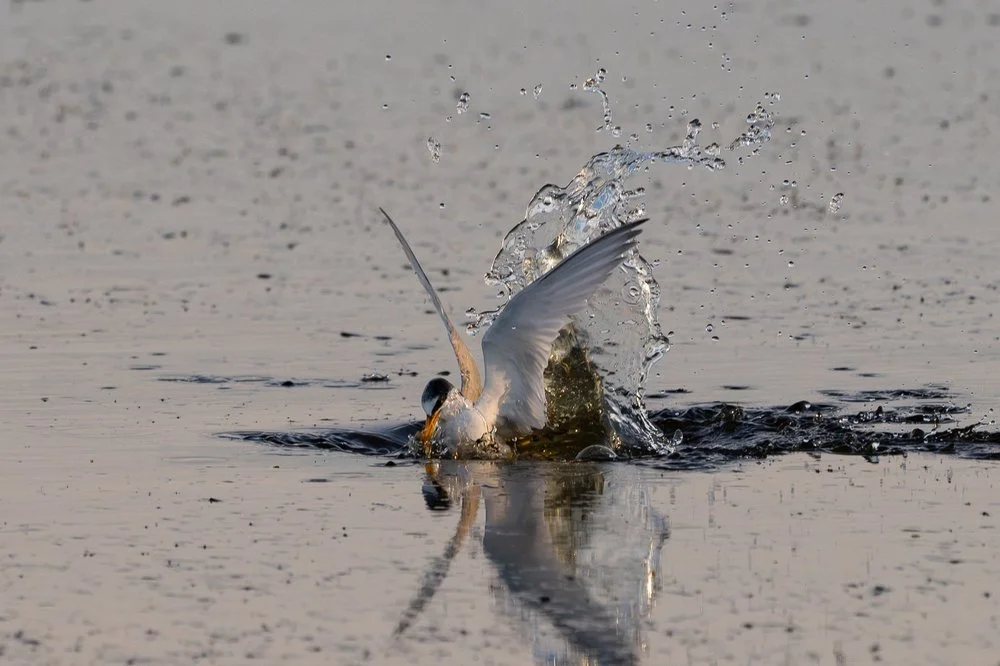
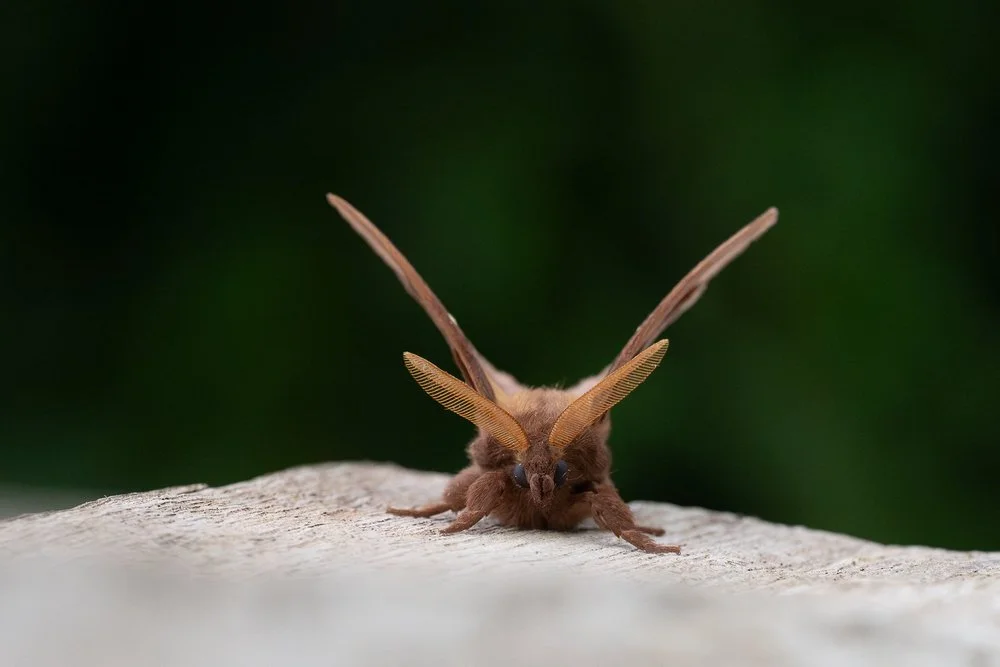
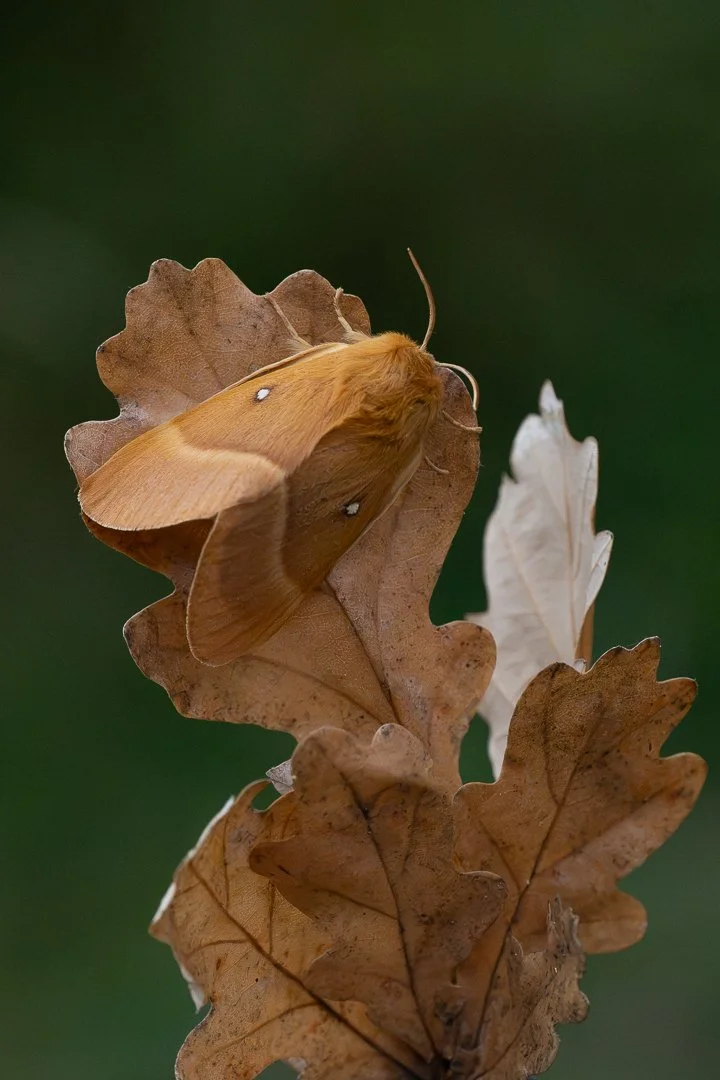
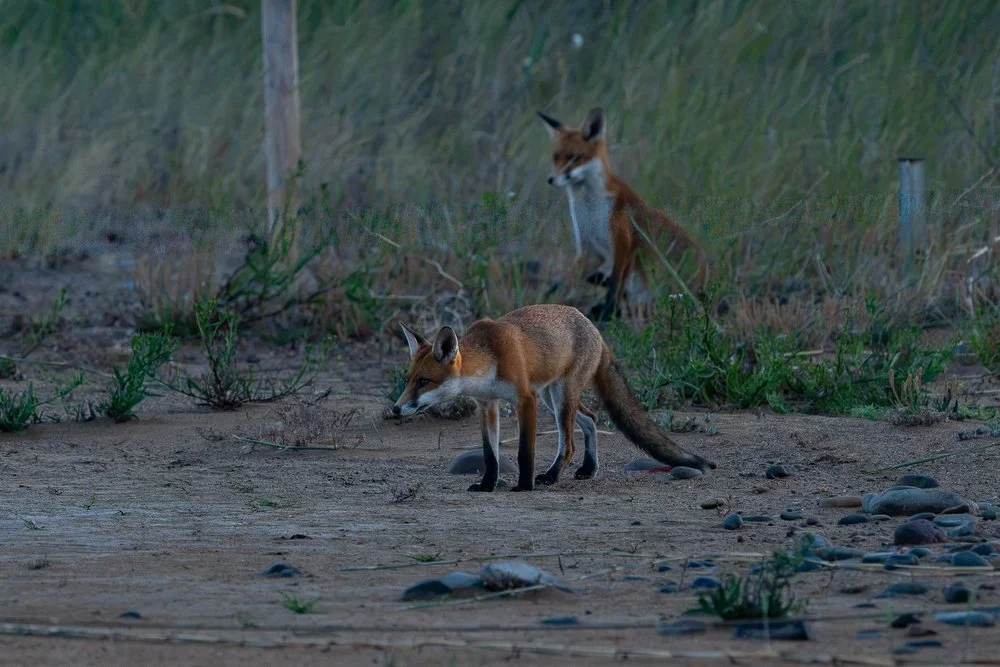
Throughout my time at Spurn, I was fortunate to capture a variety of wildlife. Here's a glimpse of some memorable subjects:
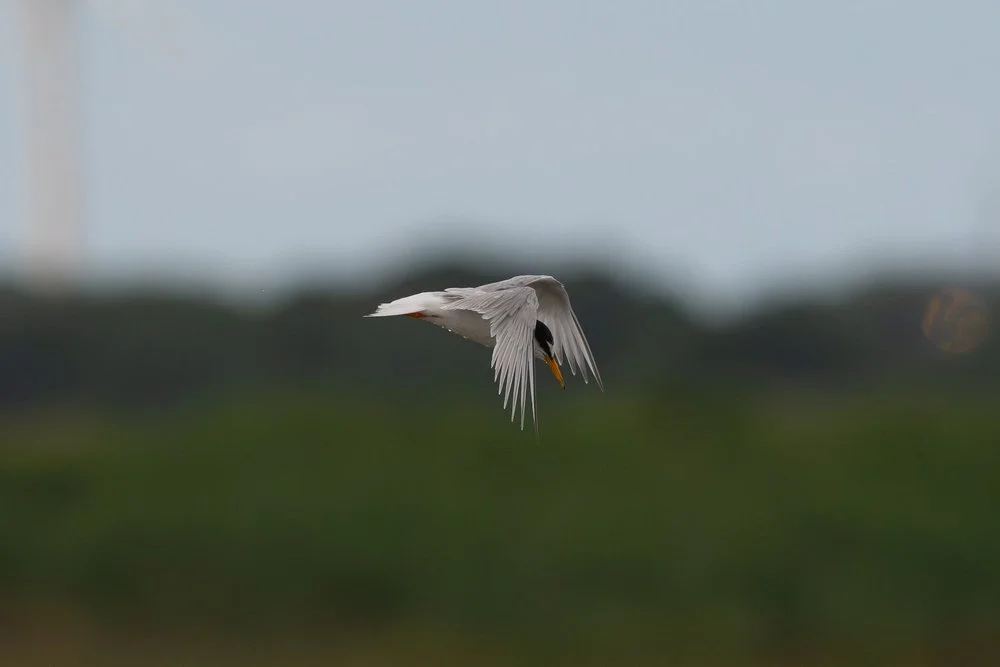
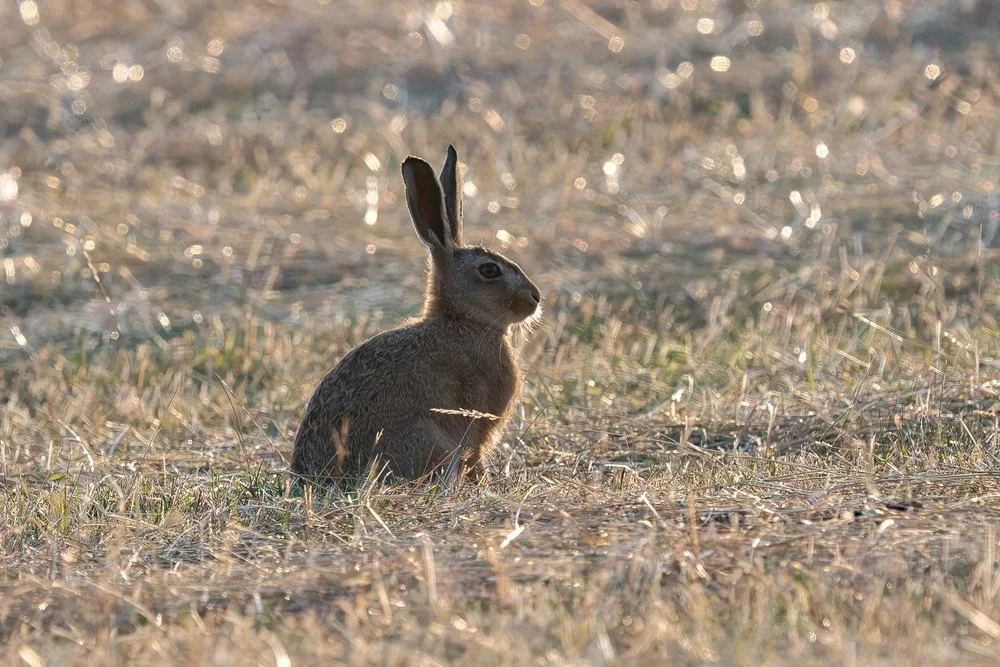
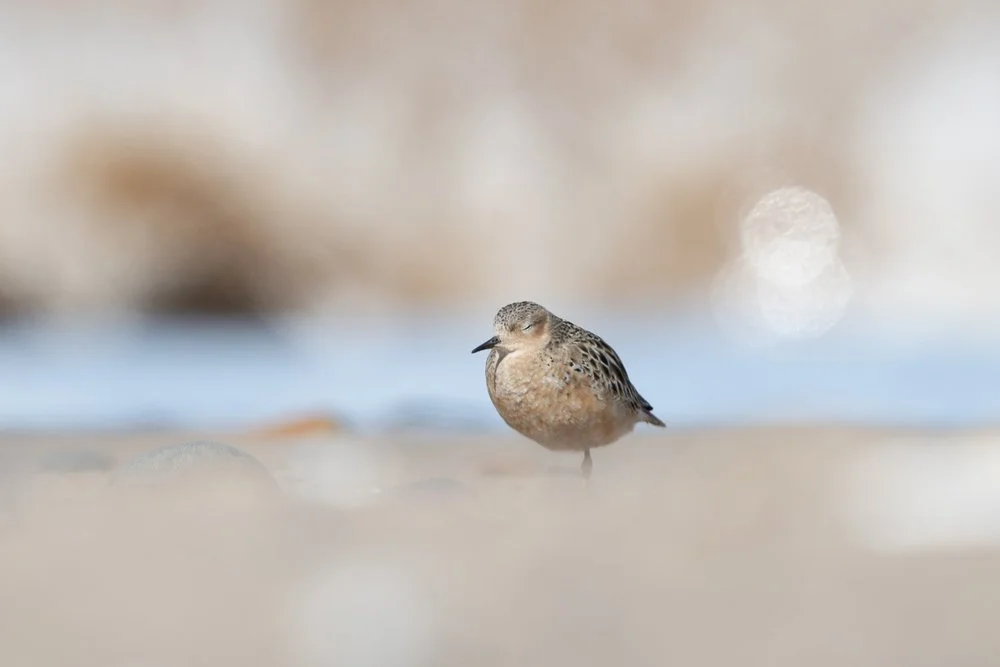
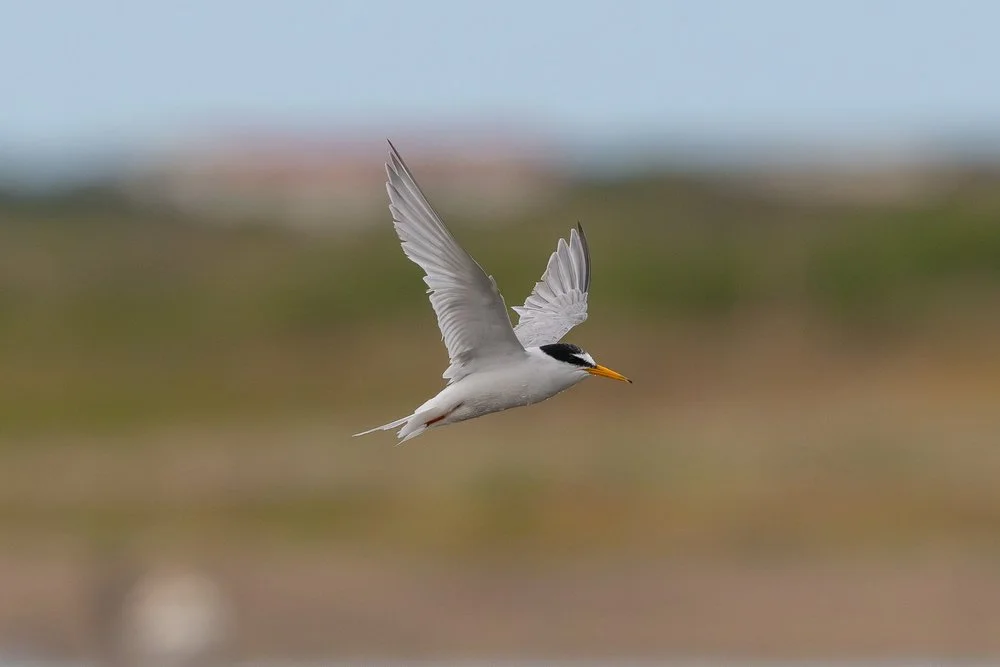
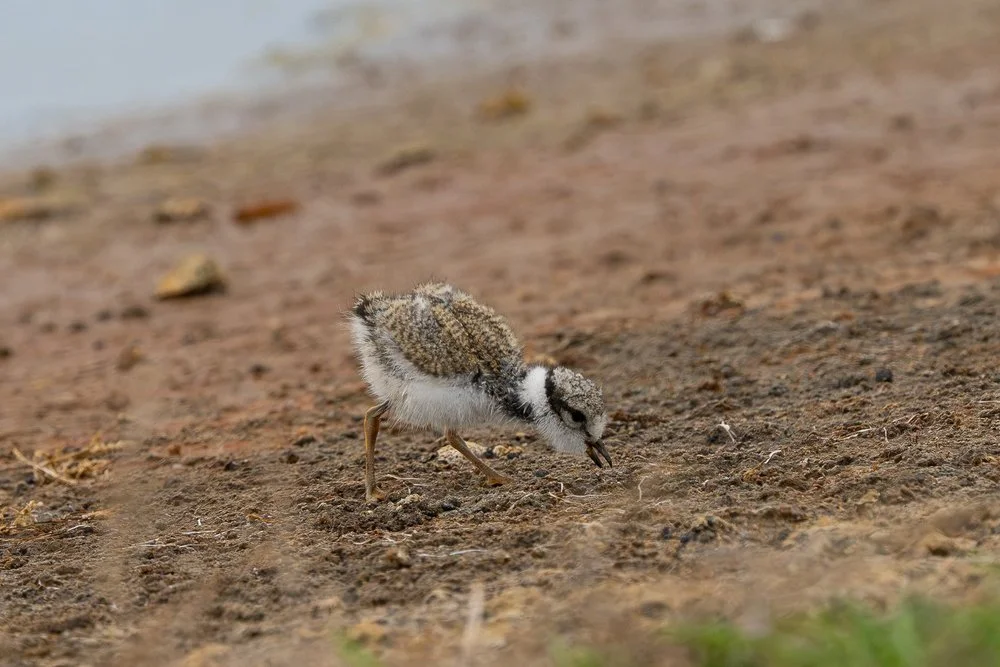
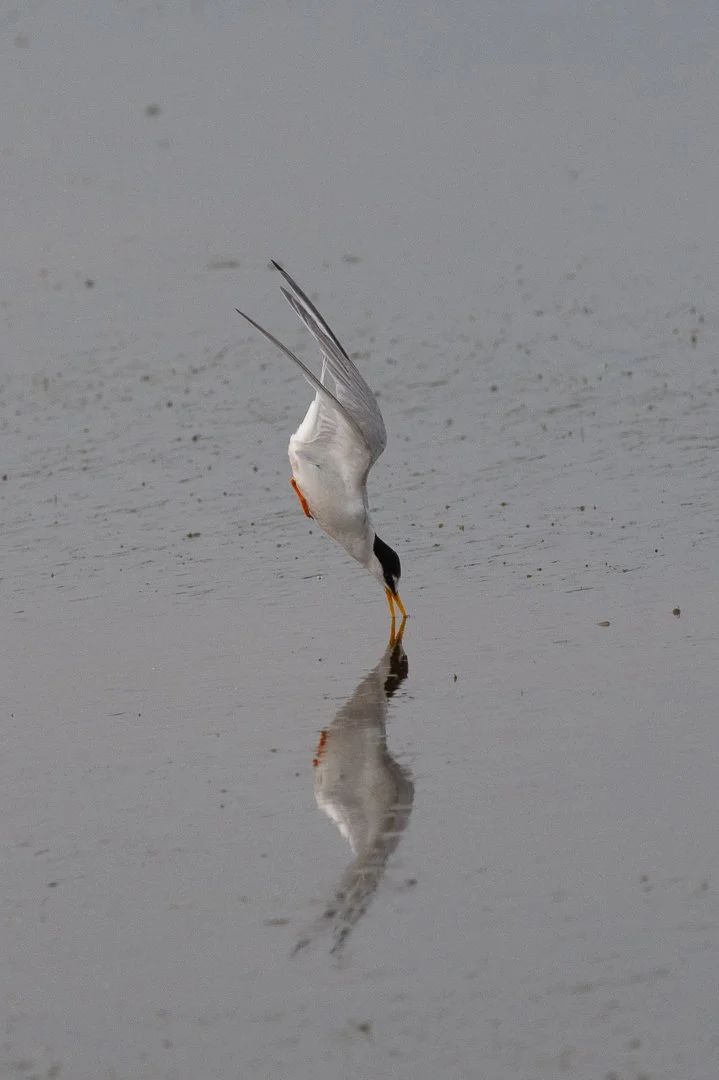
Each image tells a story; a testament to both the skill of the photographers and the beauty of the natural world. The art of wildlife photography demands patience and persistence. Sometimes, simply waiting for the perfect light or the right behavior can yield rewarding shots; other times, you might end up with hundreds of images that just don't resonate. That’s photography—it requires a blend of chance and skill.
Looking Ahead
As I wrap up my photographic journey for now, I can't shake the feeling of satisfaction. Witnessing and capturing such a rich tapestry of life at Spurn is a reminder of why I fell in love with photography in the first place. Though my gear is packed away for the moment, I already look forward to my next adventure—hopefully filled with more memorable wildlife encounters. There’s always another trip on the horizon, another opportunity to connect with nature.
Significance of Wildlife Photography
The role of wildlife photographers extends beyond aesthetics. It's also a form of advocacy. By documenting these species, photographers raise awareness about conservation challenges and foster a deeper appreciation for nature. It's an opportunity to connect people with wildlife they may never see otherwise and to highlight the fragility of ecosystems that need ongoing protection. If you're working in this space, remember that your images can serve not just as art, but as a call to action. The conservation story continues, and every shot counts.
Thank you for joining me on this visual exploration. May you too find inspiration in capturing the beauty of nature through your lens.