Join the photographer as they navigate Scarborough's Golden Mile, sharing insights on lens performance and capturing urban landscapes.
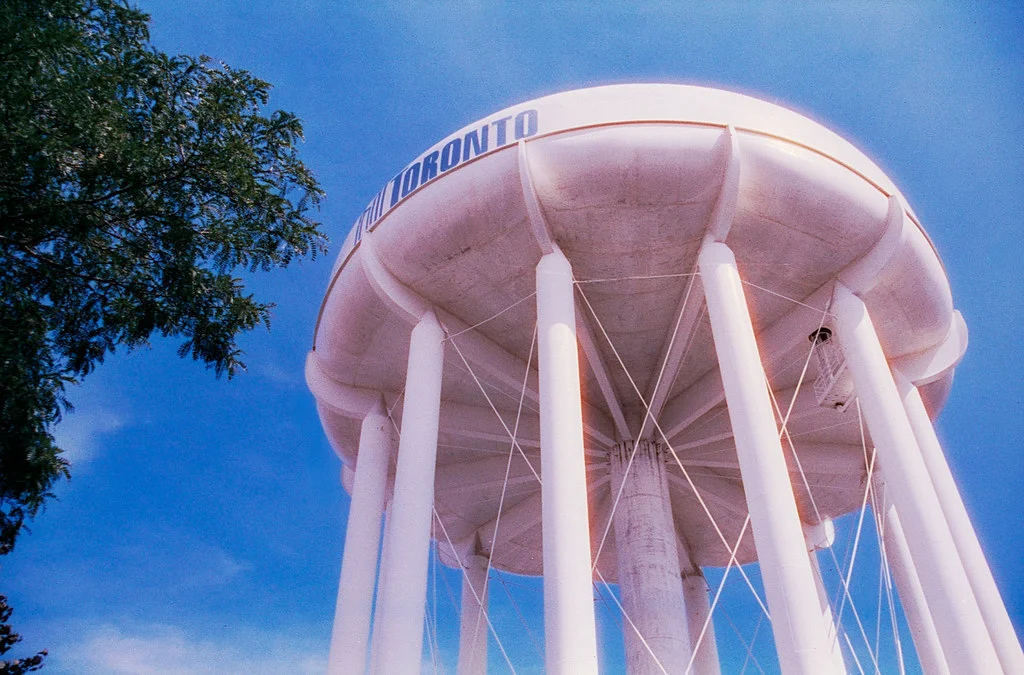
Embarking on a photographic journey through Scarborough's Golden Mile provides a unique opportunity to engage with the vibrancy of urban landscapes while experimenting with beloved equipment. In this outing, I utilized my Canon L Series FDn 20-35mm f/3.5 zoom lens, an excellent choice for capturing wide scenes. However, I encountered some distortion at the 20mm setting. This issue is easily rectified in post-processing software like Lightroom, allowing for a focus on the creative aspects of my photography instead of rigorous technical adjustments.
Gear Overview
The Canon L Series FDn 20-35mm serves as a versatile lens, particularly when considering its lightweight design, which significantly lightens my camera bag. This makes it an ideal companion for lengthy photo walks where mobility is essential. While weighing your options, keep in mind that lens choice can dramatically influence the outcome of your images. The L Series lenses are known not just for their optical quality but also their durability, which plays a substantial role in outdoor settings. Alongside this lens, I also own the Canon FDn 100-300mm f/5.6 telephoto zoom lens. While it remains an underutilized piece in my kit, I’m eager to explore its capabilities when presented with the right photographic situation—perhaps during a future excursion up north. Each lens has its unique set of strengths and weaknesses. Understanding when to deploy each can separate good photographers from great ones.
Photographic Decisions
As I wandered the streets of Scarborough, I found myself reconsidering my choice of equipment. I had packed the Canon FDn 100mm f/2.8 lens, which remained unused during this outing. Although its capabilities are well-suited for wildlife and portrait photography, my focus for this photo walk steered clear of those themes. The challenge lies in having the right gear at one’s fingertips while also avoiding the temptation to switch based on whim. Instead, my intention was to capture elements of inner suburbia—a perspective that often goes unacknowledged in fast-paced urban settings. Discovering beauty in the mundane is a skill that requires not just technical proficiency but also an open mind. What this means for you, if you're working in this space, is that flexibility and a willingness to adapt to your surroundings can sometimes yield more profound results than sticking rigidly to your original plan.
Capturing the Essence of Scarborough
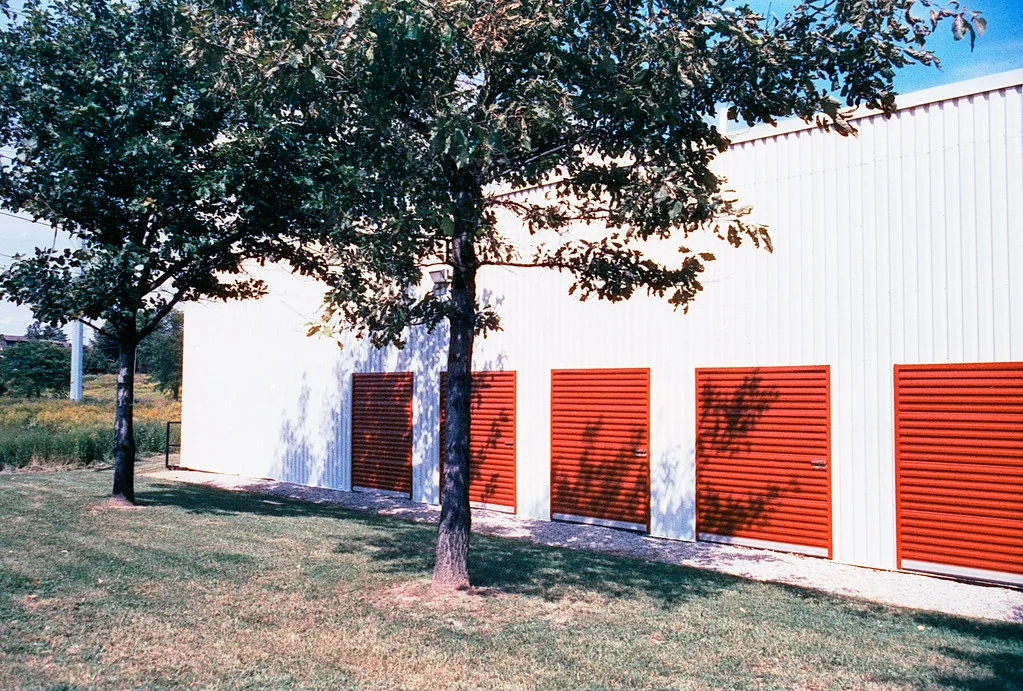
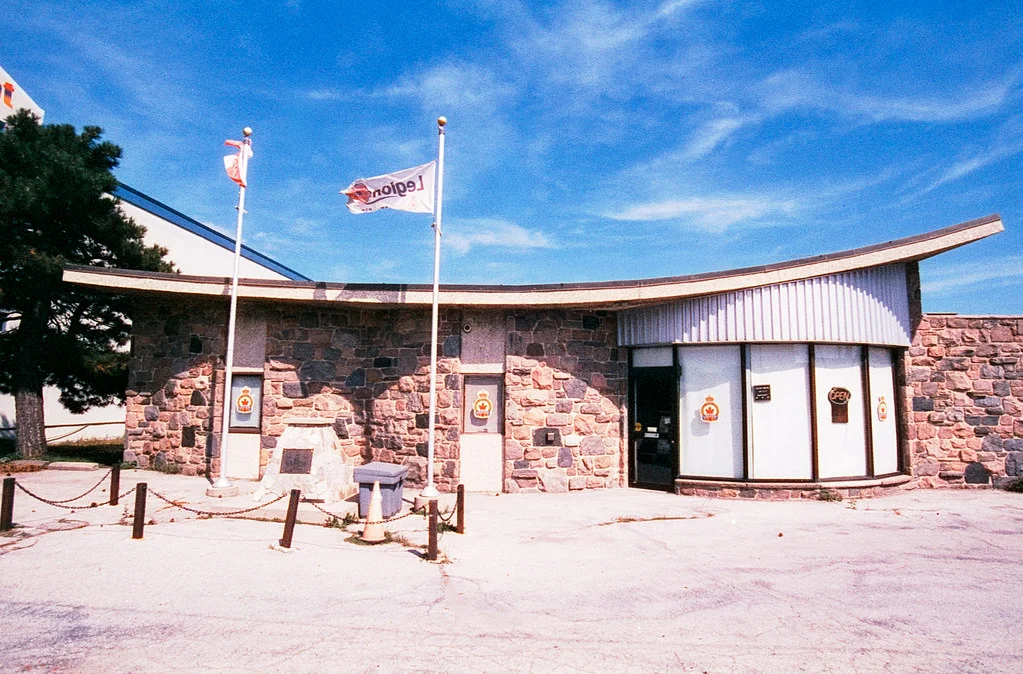
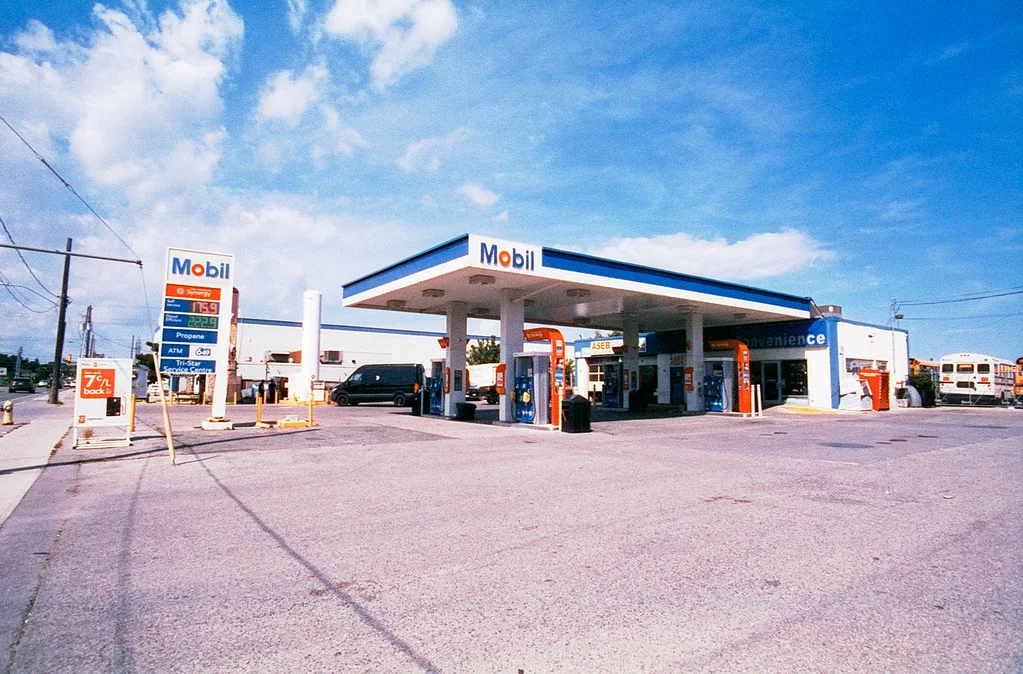
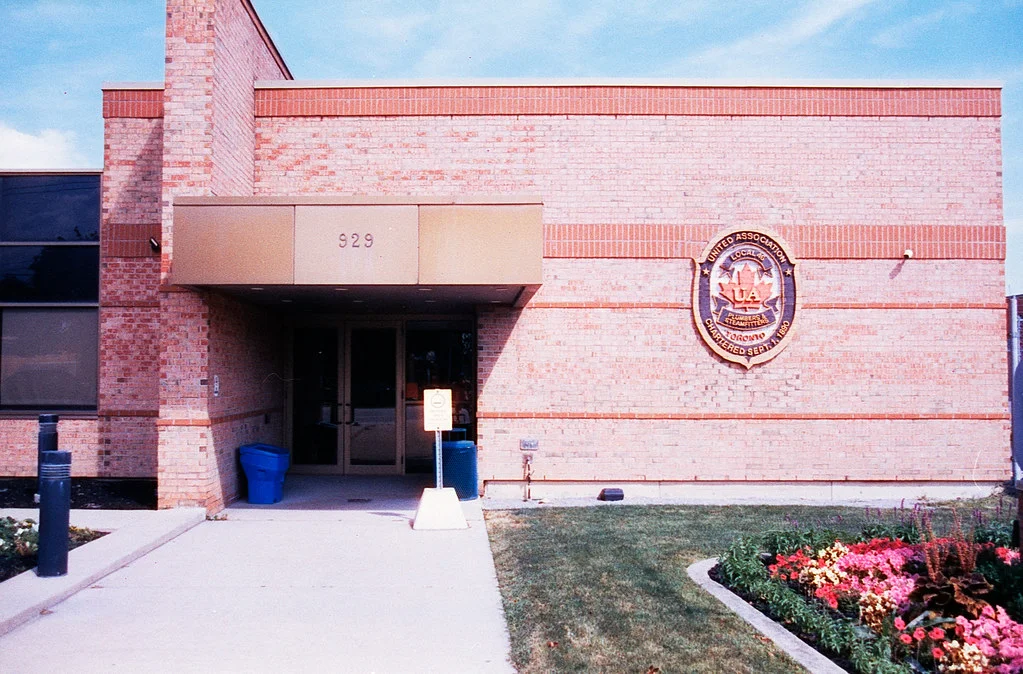
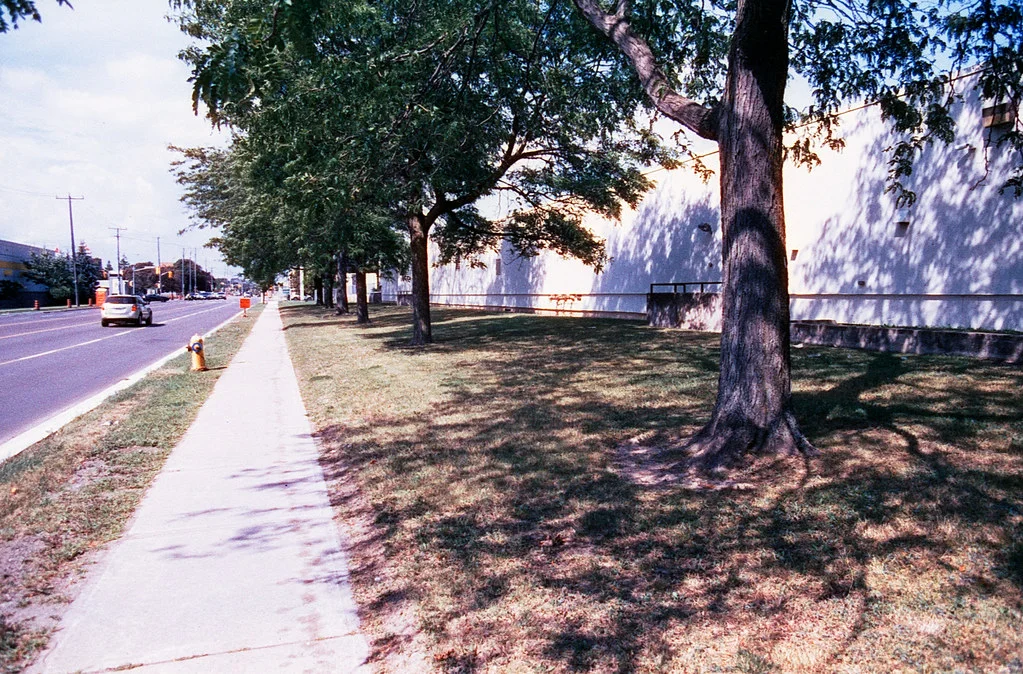
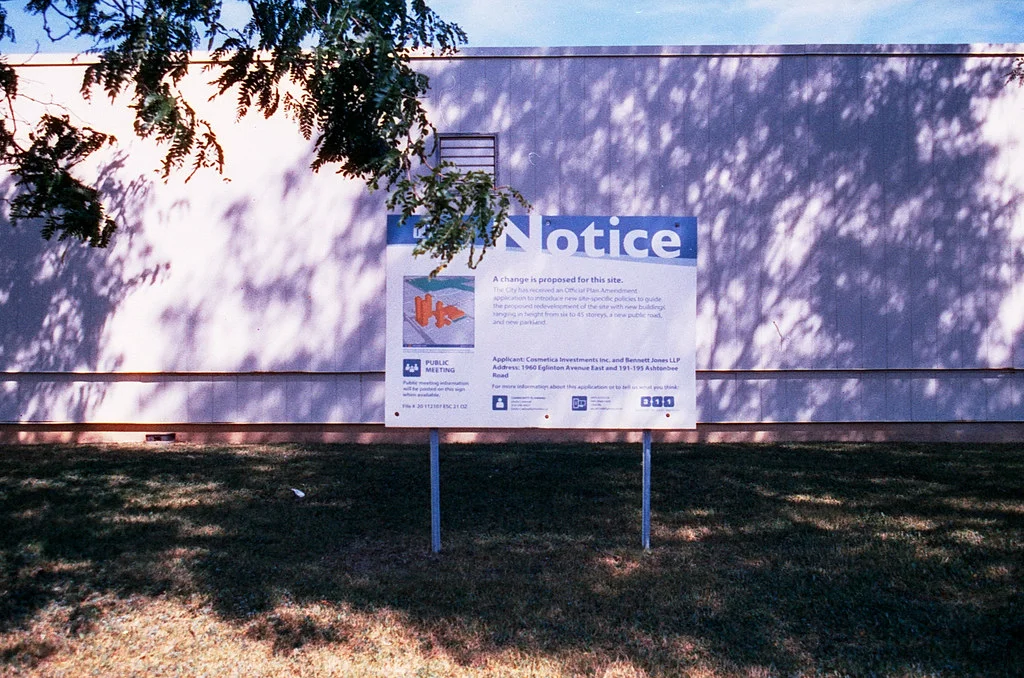
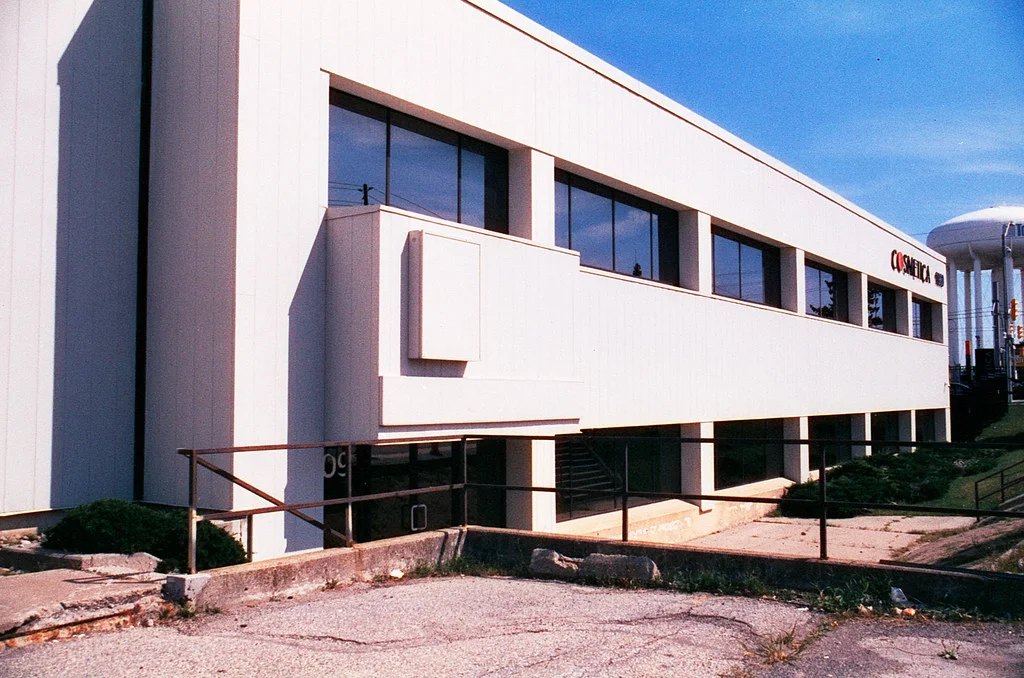
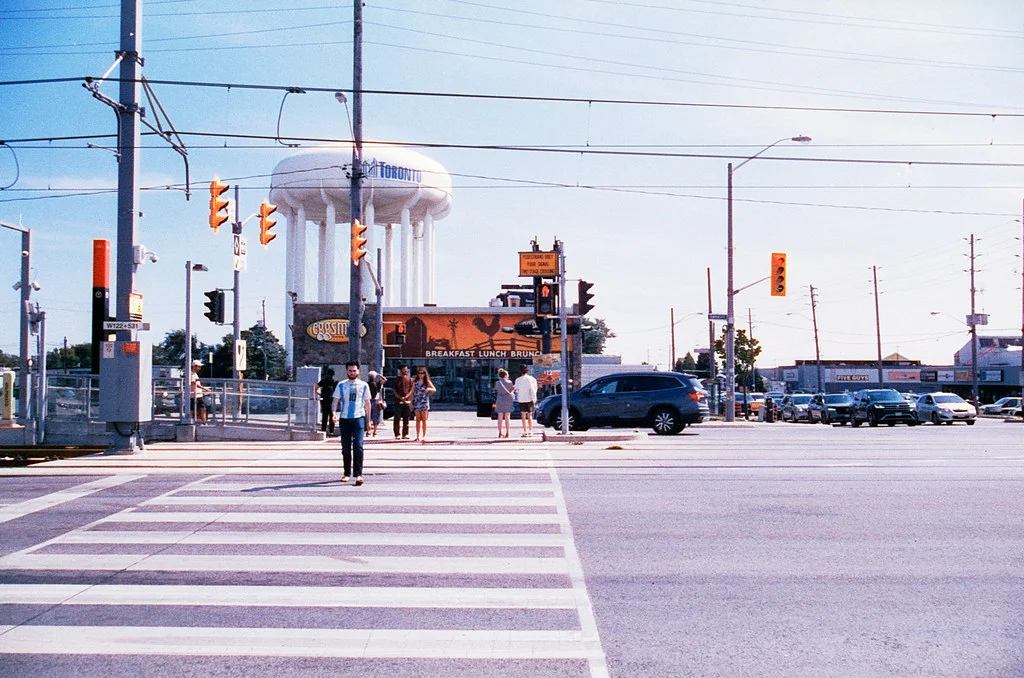
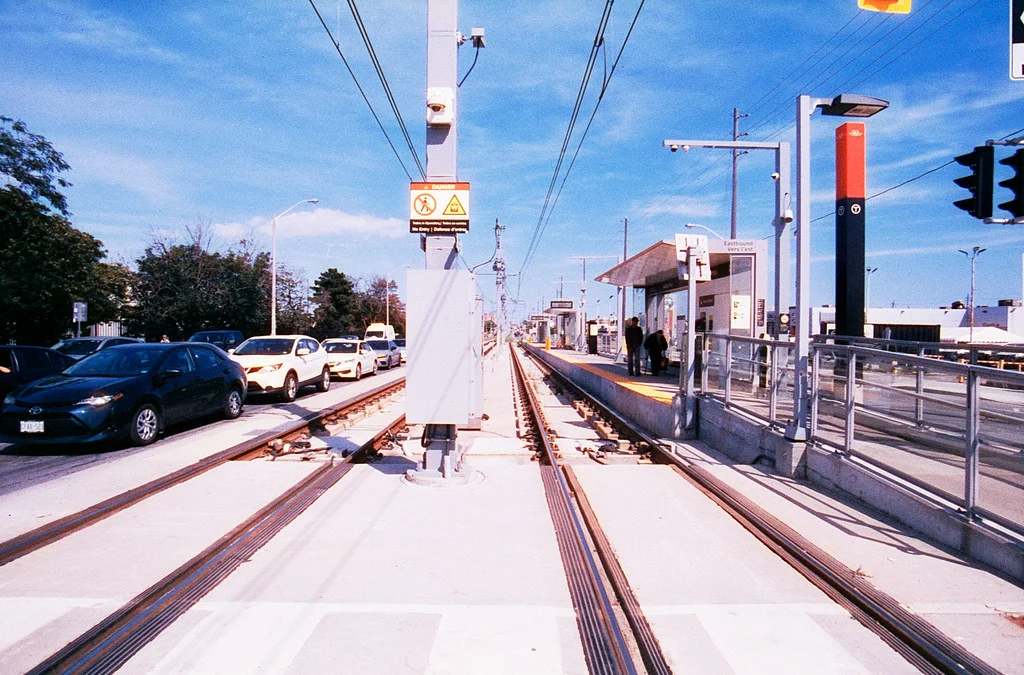
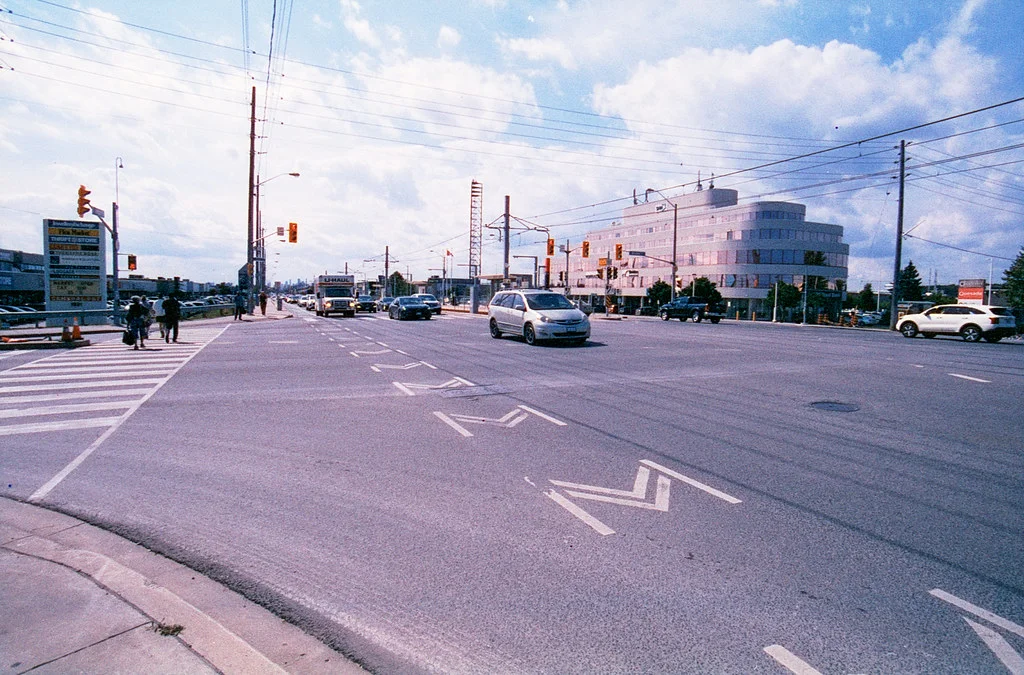
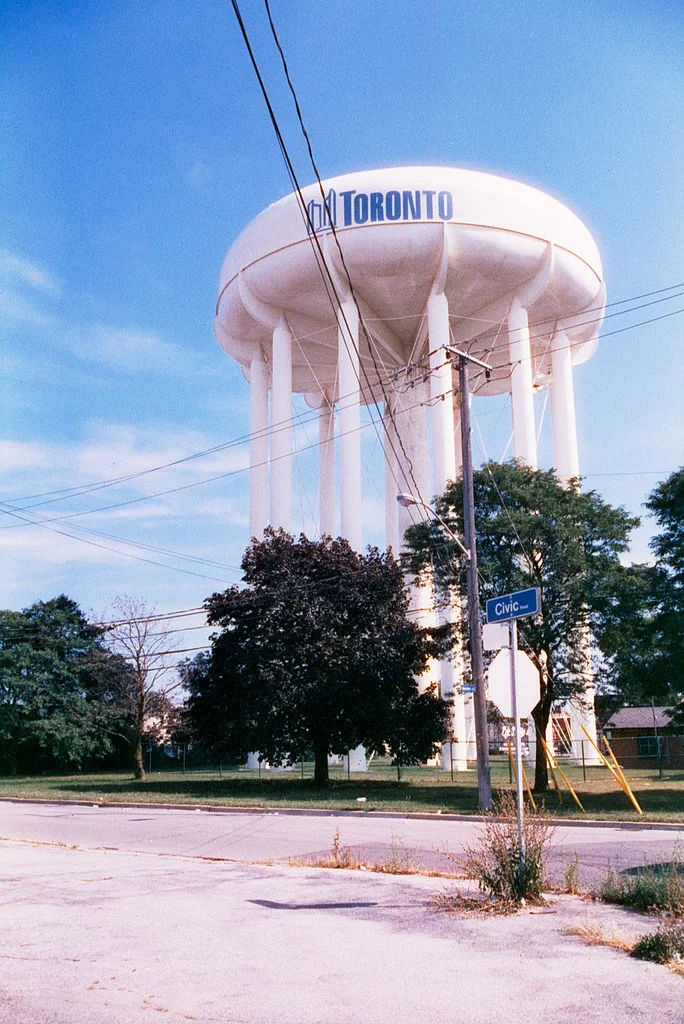
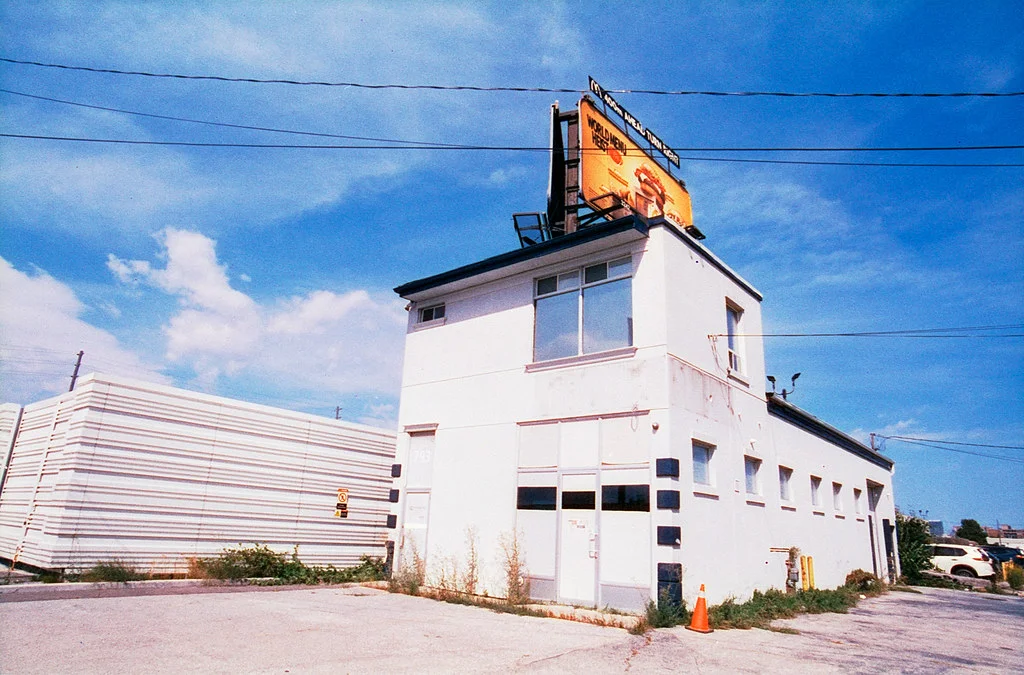
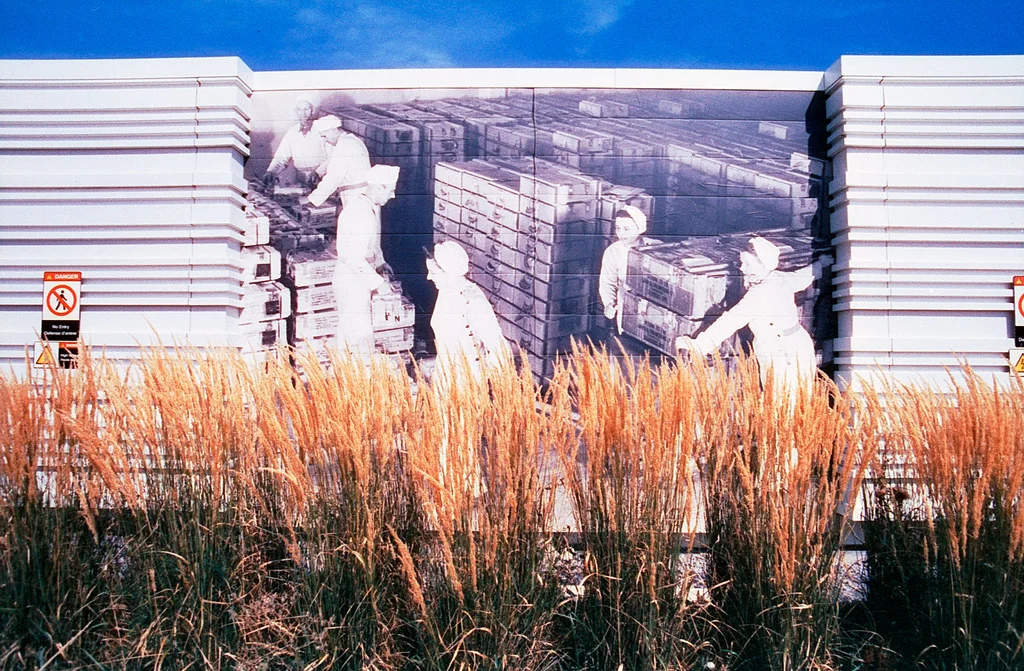
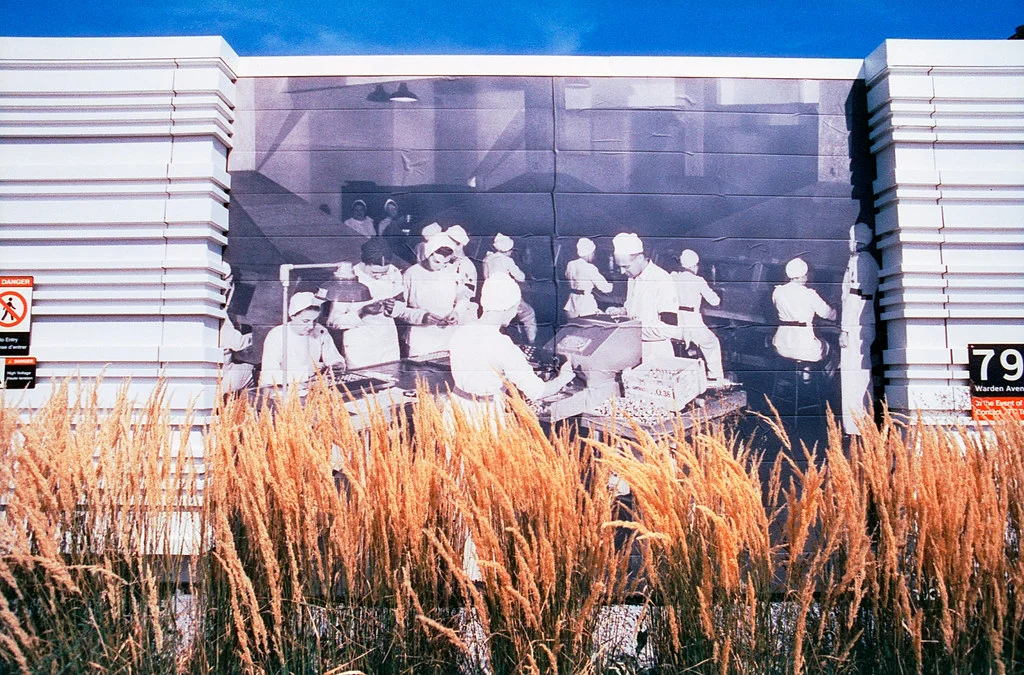
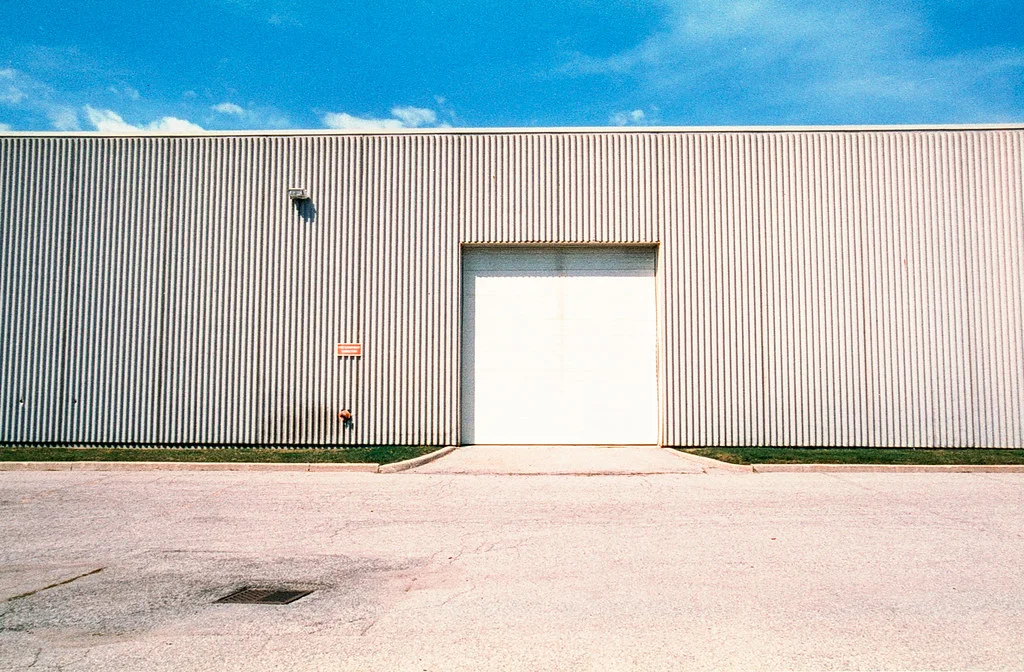
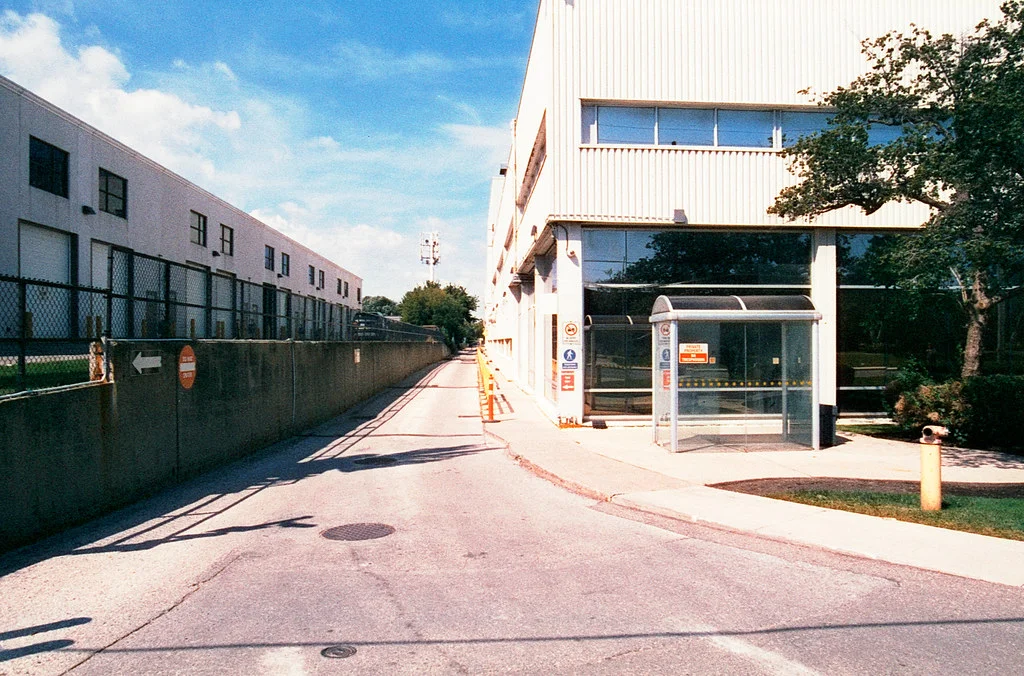
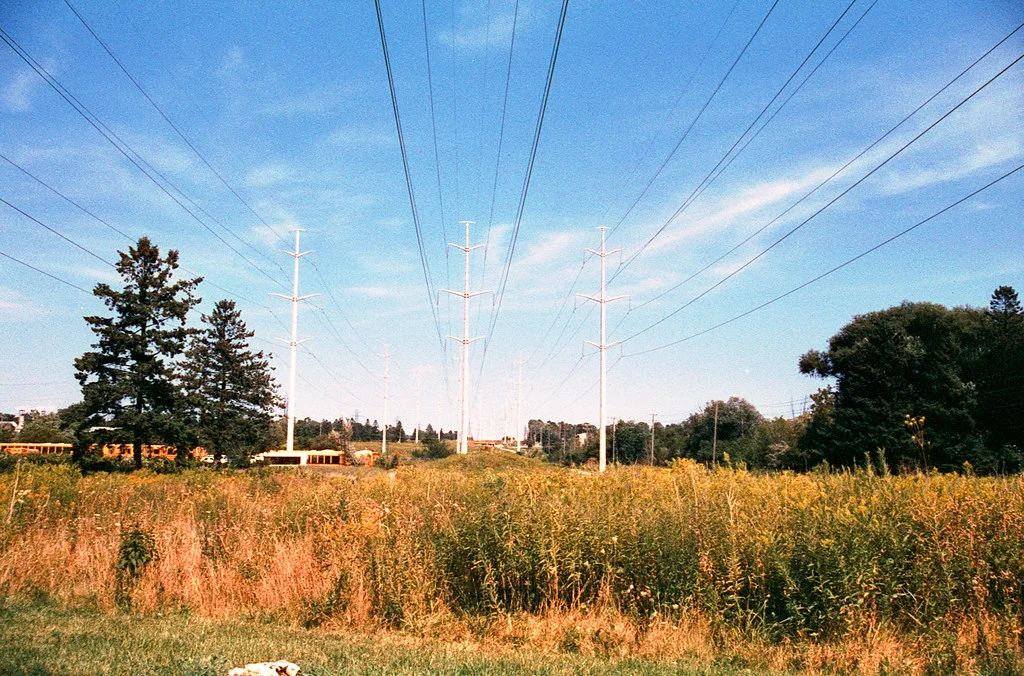
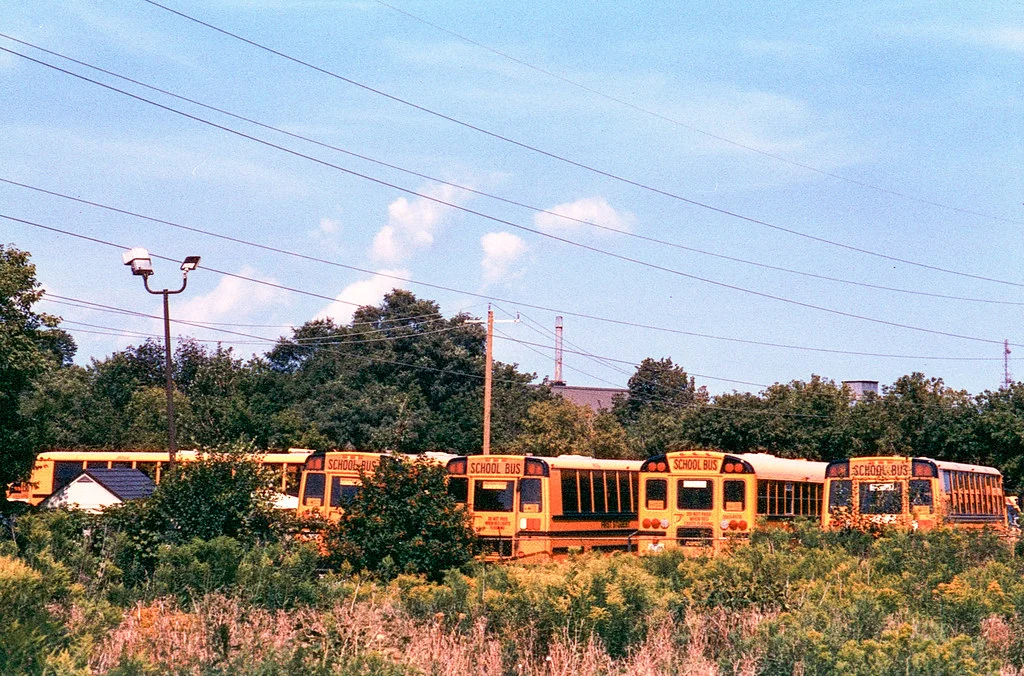
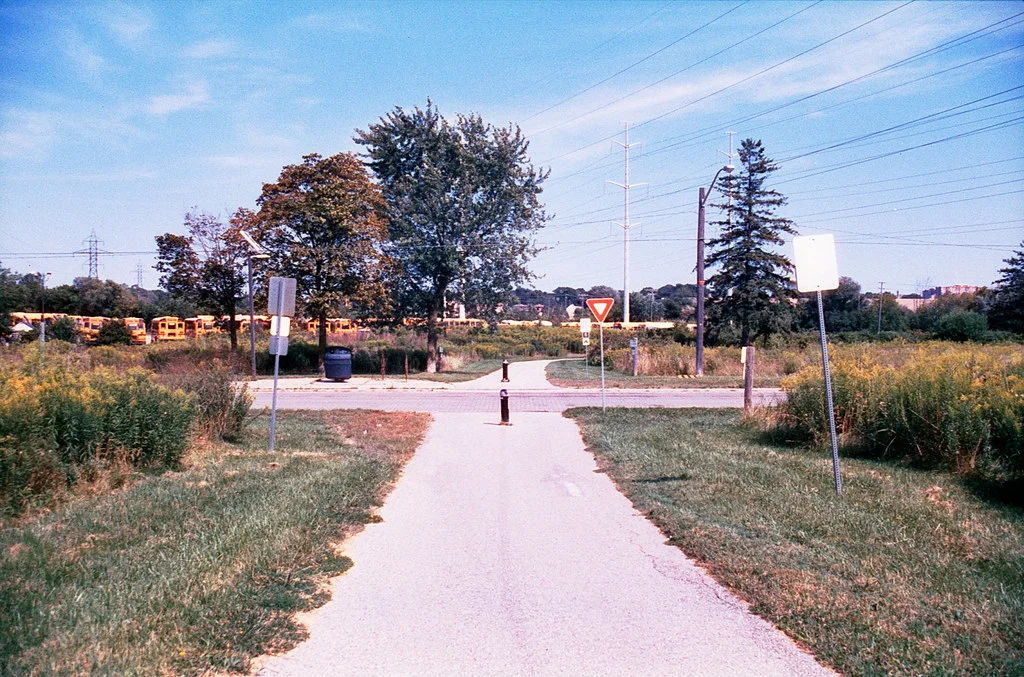
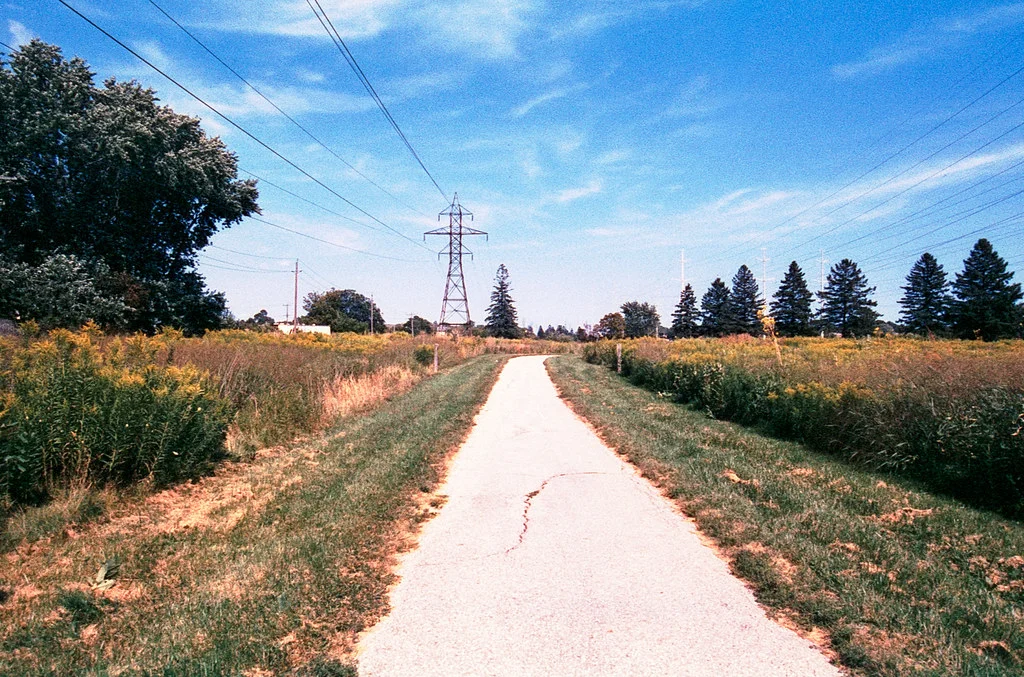
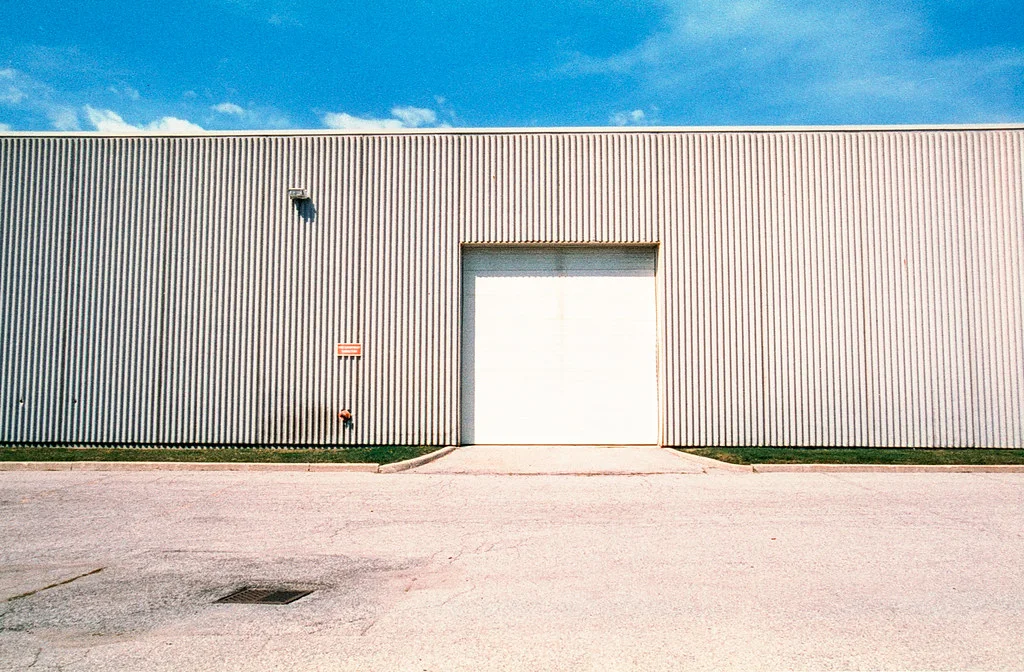
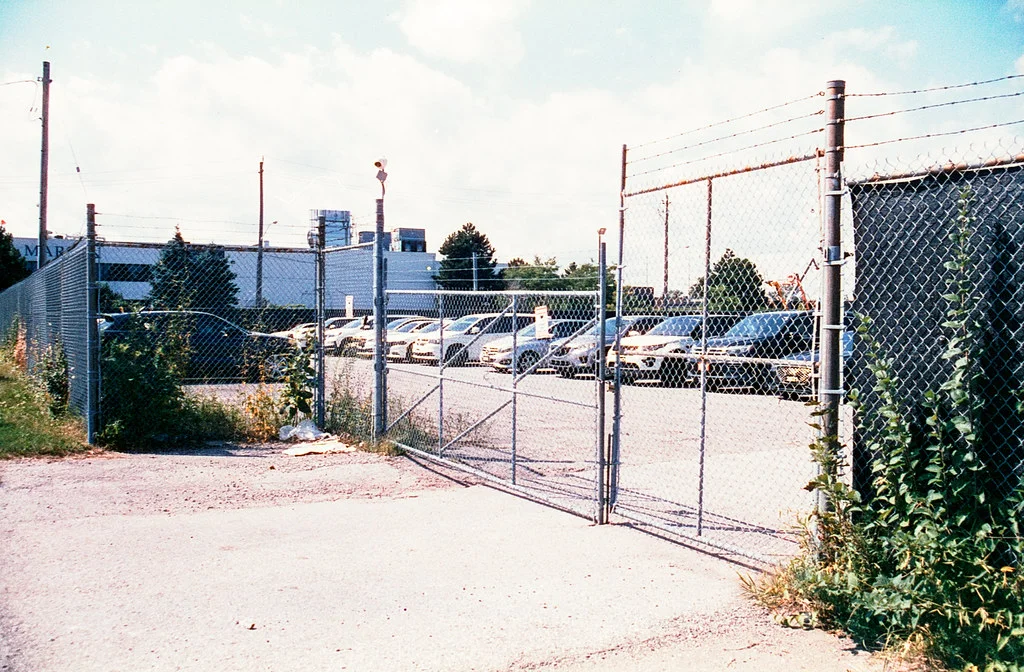
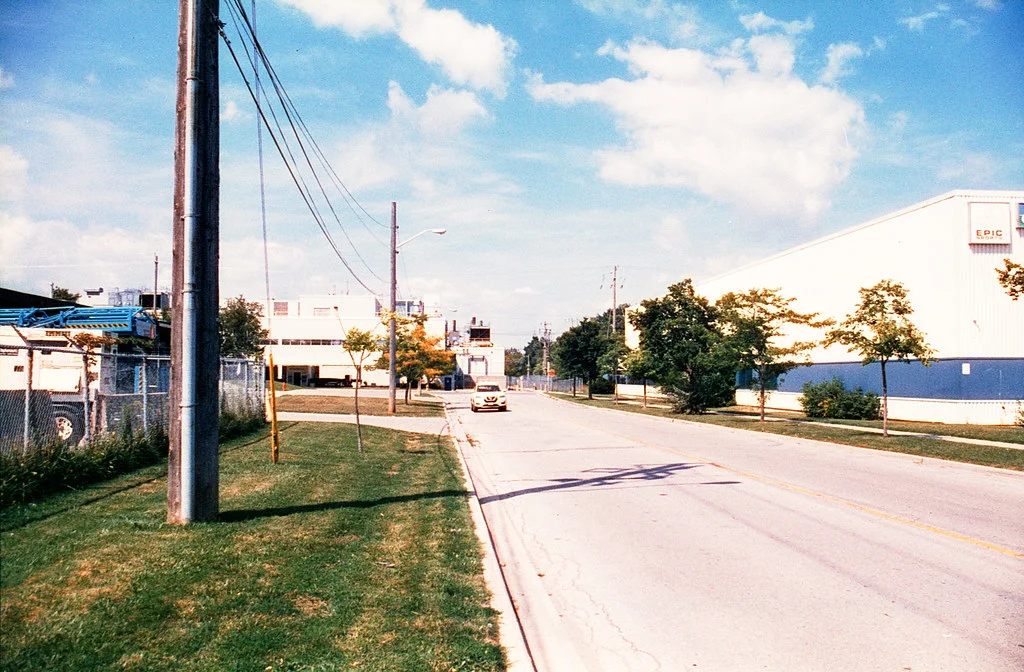
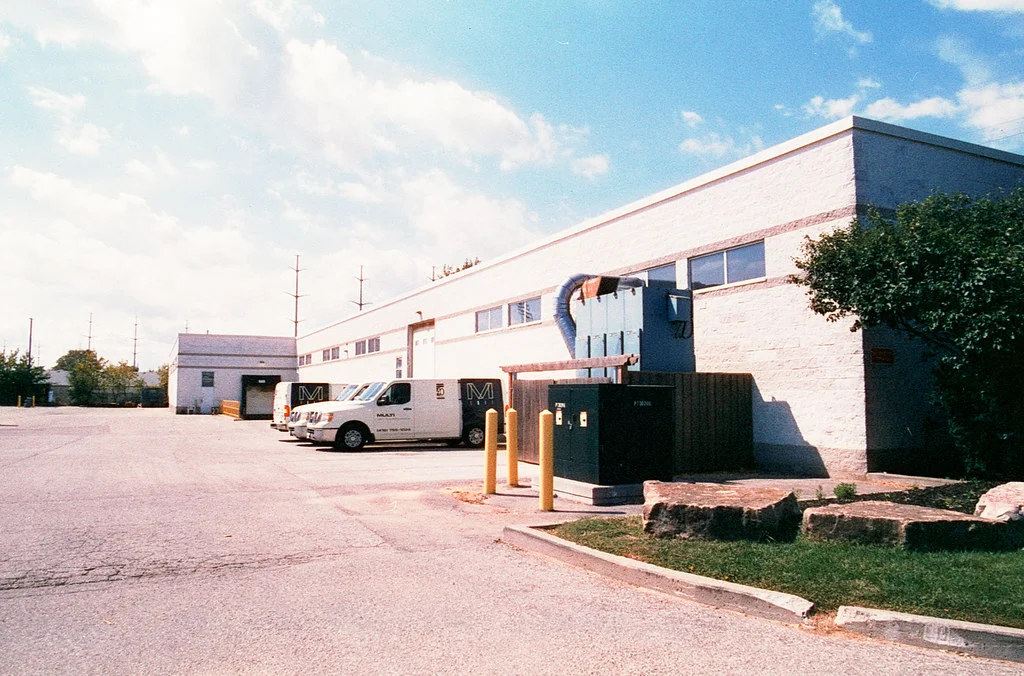
During my time in the Golden Mile, I focused on various suburban scenes that reflect both the character and charm of this community. Each photograph represents a moment that reveals underlying stories; for example, my images of parking lots and side streets serve as reminders of everyday life that can easily be overlooked. The richness of a community often lies in these ordinary elements, which can sometimes tell more of a story than a bustling marketplace or a grand monument. A key takeaway from this experience is recognizing how to visualize unique perspectives and utilize them to tell a compelling narrative. In a fast-paced world where everything seems associated with glamour, it’s the less celebrated aspects that can create connections—both for the photographer and the audience. (And this is the part most people overlook).
Technique and Composition
When shooting in urban environments, consider the use of composition techniques that enhance storytelling. Utilizing leading lines helps direct the viewer’s eye through the images, while securely framing subjects allows for a compelling focal point. The contrast between structured environments and organic subjects in urban settings makes composition even more vital. Additionally, manipulating depth of field by adjusting aperture settings can create artistic effects, drawing attention to specific areas within the frame. For example, using a slightly wider aperture can softly blur backgrounds, making the subject stand out beautifully against the chaos of urban life. Experimenting with angles—such as shooting from a low perspective—can alter how the environment interacts with the subject, adding layers of depth to your photographs. Each shot, therefore, becomes a conversation between various elements, whether it’s light, shadow, or form.
Post-Processing Insights
Post-processing was a crucial step following this photo walk. The slight distortion observed at the 20mm setting of the zoom lens was corrected using Lightroom, an industry-standard tool for photographers. The program’s lens correction feature allows for straightforward adjustments and can transform images to faithfully represent what was seen through the lens. Many new photographers underestimate the impact of post-production. It can elevate an image from average to exceptional, adding layers that enhance the original intent. Contrast and saturation enhancements also brought out the vitality of the colors found in the suburban landscapes, providing a polished, professional finish. Understanding how to balance these adjustments is vital; over-editing can strip an image of its authenticity, while under-editing might fail to do justice to the captured moment.
Selected Photographs from the Walk
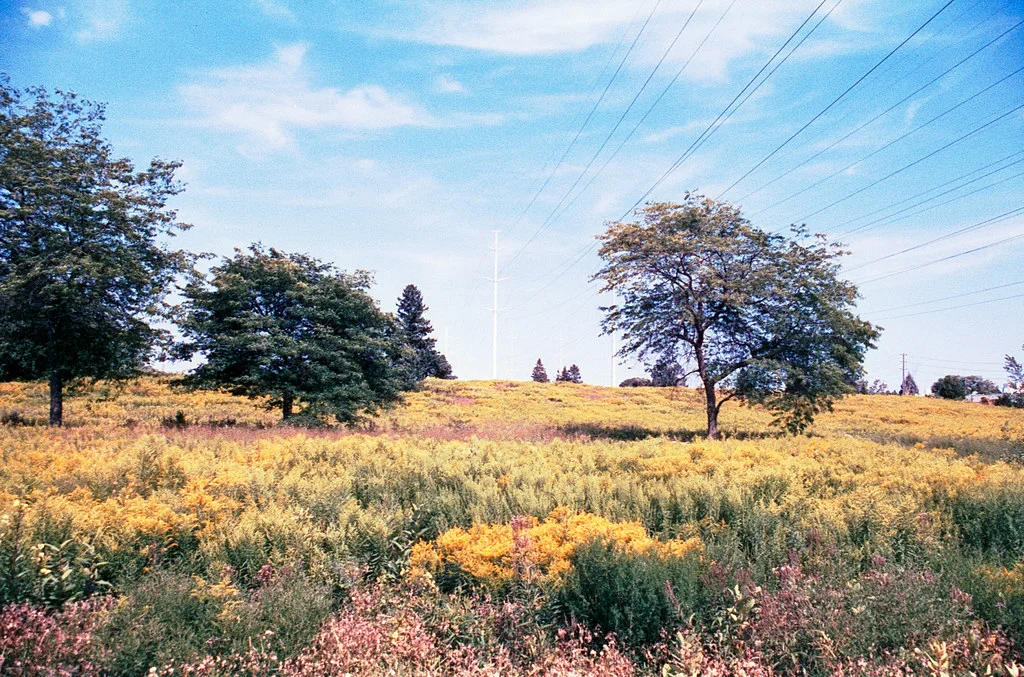
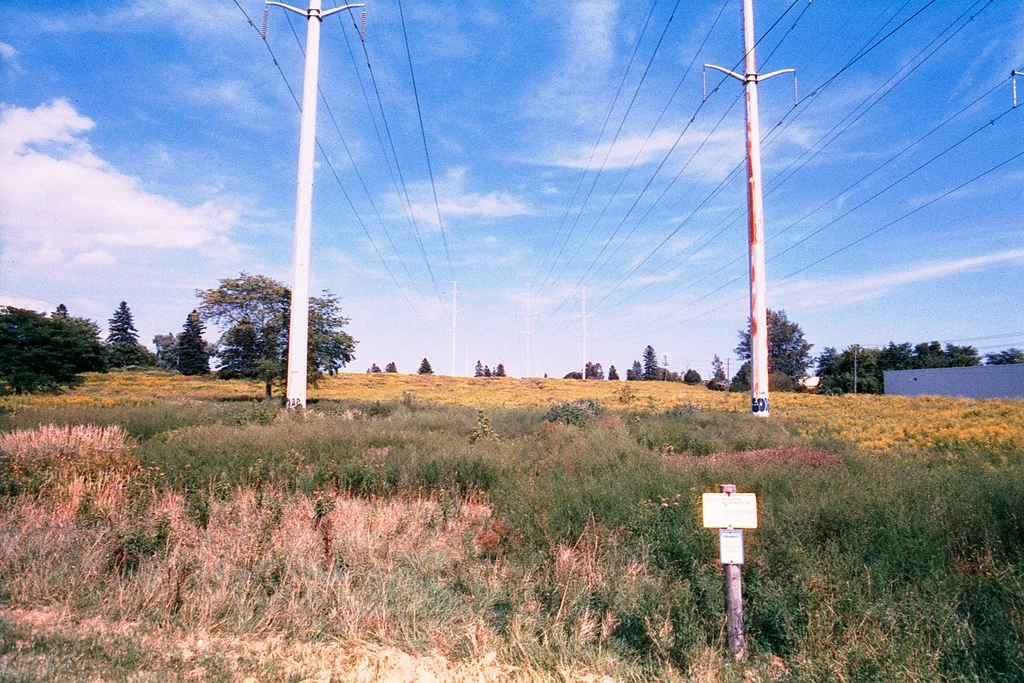
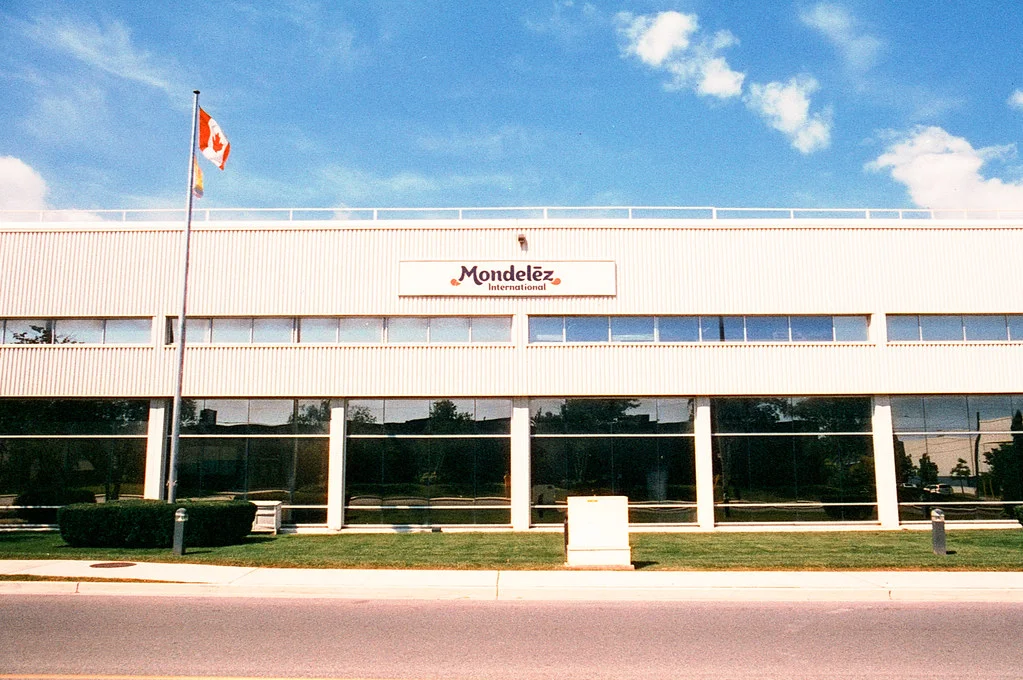
Throughout this journey, I captured a variety of images, each with its own distinct story and vibrant colors from the Golden Mile. Below are a few selected photographs that represent my experience:
Implications and Future Outlook
This photo walk served as not just an escape from routine but also as an exercise in exploration and creative visualization. Reflecting on the experience, the question arises: how can we push these boundaries further? For photographers, there’s immense value in revisiting familiar places with fresh eyes, breathing new life into previously captured subjects. Making this approach part of your routine could uncover hidden stories within your own neighborhood or city that you've previously overlooked. This journey has inspired me to further explore the potential of my equipment, refine my technical skills, and embrace the stories that every image can tell. Each click isn't simply about capturing a moment, but also about framing a narrative that can resonate with viewers on different levels. In a world saturated with images, carving out unique narratives could be the differentiator that propels one’s work into new avenues of appreciation and connection.