Join me on a photographic journey through Belfountain, reflecting on community issues and how traditional film captures these moments beautifully.
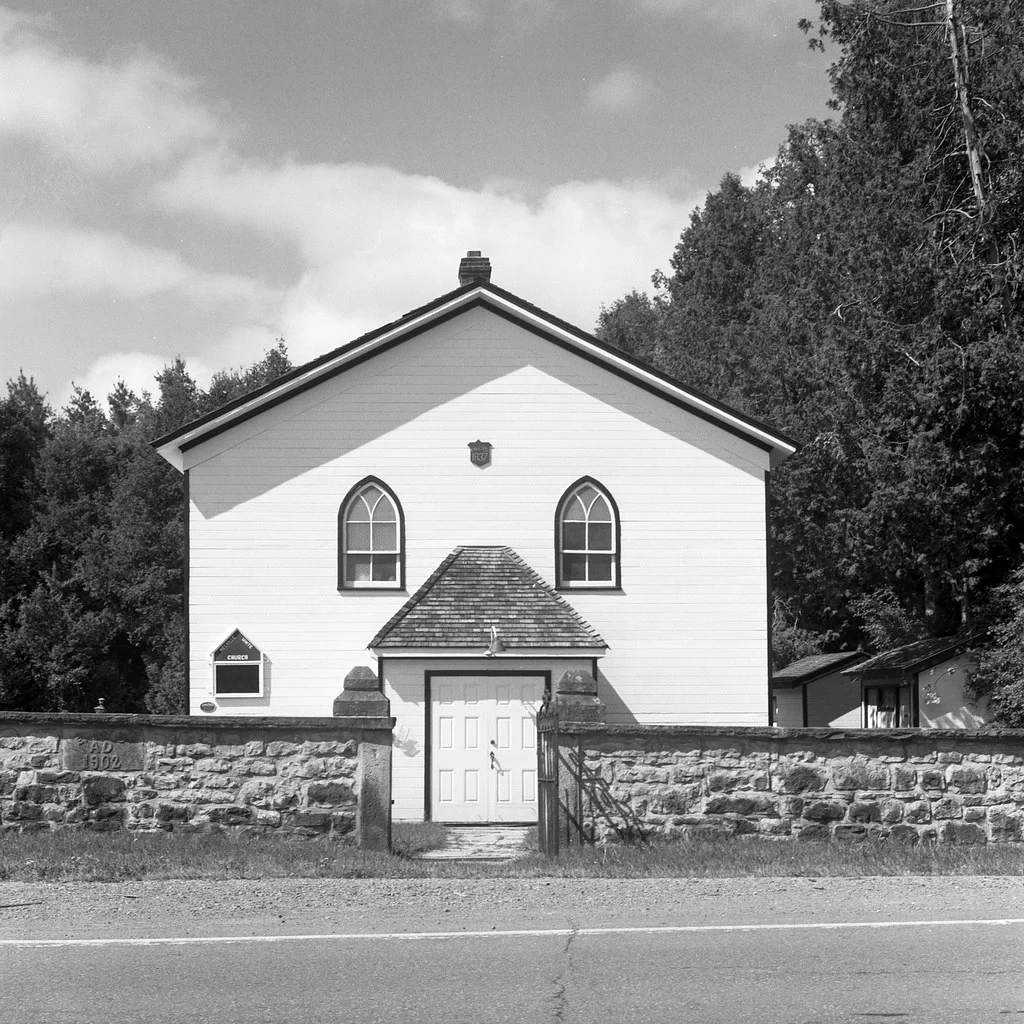
The picturesque town of Belfountain, located northwest of Toronto, offered a refreshing retreat on a recent Sunday morning. I brought along my trusted Rolleiflex 2.8C, a classic twin-lens reflex camera that has been a favorite for film enthusiasts. The Rolleiflex is significant not just for its stunning design and historical relevance but also for the unique photographic experiences it creates. This outing became an excellent opportunity to experiment with some OG Fujifilm Acros 100 film, which I decided to shoot at 80 ISO instead of its standard 100. This slight overexposure often lends itself beautifully to tonal richness in black and white photography. It's a technique that can yield surprising results, often enhancing the depth and character of images.
Processing the Film: A Throwback Experience
Upon processing the film in Adox FX-39 developer, I was pleased with the outcome, especially considering it felt like a throwback to pre-pandemic times when the gear and film stock saw more frequent use. The tactile nature of film photography remains unmatched, offering a unique aesthetic that digital formats often struggle to replicate. The process itself—mixing chemicals, pouring developer, agitating the tank—creates a connection to the art form that's often missing in digital photography's instant gratification. There’s something intimate about waiting for images to emerge from their chemical bath, the anticipation heightening each moment.
The Town Hall Meeting: Community Focus
However, my visit to Belfountain was not solely photography-focused. The primary purpose was attending a "Town Hall" meeting at the nearby Caledon Ski Club, where crucial discussions about extensive renovations to the West Lodge were in progress. This facility requires significant upgrades — from fire suppression systems and updated electrical work to a new roof. These changes are necessary not just to modernize the lodge but also to safeguard the well-being of club members and visitors alike, given the rising standards of safety and accessibility in community spaces.
The meeting stirred various opinions among the attendees, showcasing strong discussions regarding the requirements and costs involved. Some voices in the room were quite adamant against the proposed changes, fearing the implications of such transformations. Such tensions often arise in community discussions; while some advocate for progress, others find comfort in tradition. Yet, I found it essential for the lodge to maintain safety standards while keeping up with the current needs of the community. My stance is clear: carry out necessary assessments, secure the project, and let the renovations offer a much-needed facelift to the beloved lodge that serves generations of skiing enthusiasts. A refusal to adapt can lead to stagnation, and history has shown us repeatedly that vibrant communities evolve.
Exploring Belfountain: Capturing Compelling Images
After the deliberations, I resumed my photography, completing the remaining roll of Acros around Belfountain and along Shaw's Creek Road. The landscapes here offer unique framing opportunities that can be breathtaking in black and white. The gentle curves of the road merge harmoniously with the soft natural light present during midday, creating ideal conditions for capturing the essence of this charming location. Of course, the pursuit of the perfect shot requires patience and an eye for composition—elements that can be overlooked in a fast-paced digital shoot.
My recording instrument was the Rolleiflex, featuring an 80mm f/2.8 Schneider Xentotar lens, known for its sharpness and contrast rendition. This combination is revered not just for its build quality but also for the evocative images it can produce. The lens faithfully renders the scene, whether it’s the intricate details of foliage or the depth of shadows cast by structures. It’s the kind of gear that elevates the photography experience beyond simply taking pictures—each click is like a conversation with the scene, a dialogue where textures, tones, and forms coalesce into something more than just a moment captured in time.
The Timeless Allure of Film Photography
This shoot reflected the timelessness of film photography. The organic textures come alive in the monochrome palette, giving a certain nostalgia filtered through the modern lens of today. Each frame drawn from the Acros film exudes an emotional weight that feels less prevalent in its digital counterparts. The grain, the contrast—these characteristics add layers of meaning to visual storytelling. And this is the part most people overlook: film requires an intentional approach. You think critically about every shot, and when you finally see the results, there’s a gratifying sense of accomplishment.
Implications and Significance
As digital photography continues its advance, the charm of film remains, reminding us of the roots of our craft. What this means for you, if you're working in this space, is a duality of choice. Digital may offer convenience, but film captures narratives in a way that sparks deeper connections. You could argue that the resurgence in film is indicative of a collective yearning for authenticity, for tangible output in a world saturated with pixels. The tactile and human aspects of creating a photograph, from loading the film to watching it develop, add layers of significance often lost in the immediacy and impersonality of the digital process. This is an exploration that invites not only creativity but also a reflection on the tools we choose in our artistic practice.
Here are some highlights from that day:
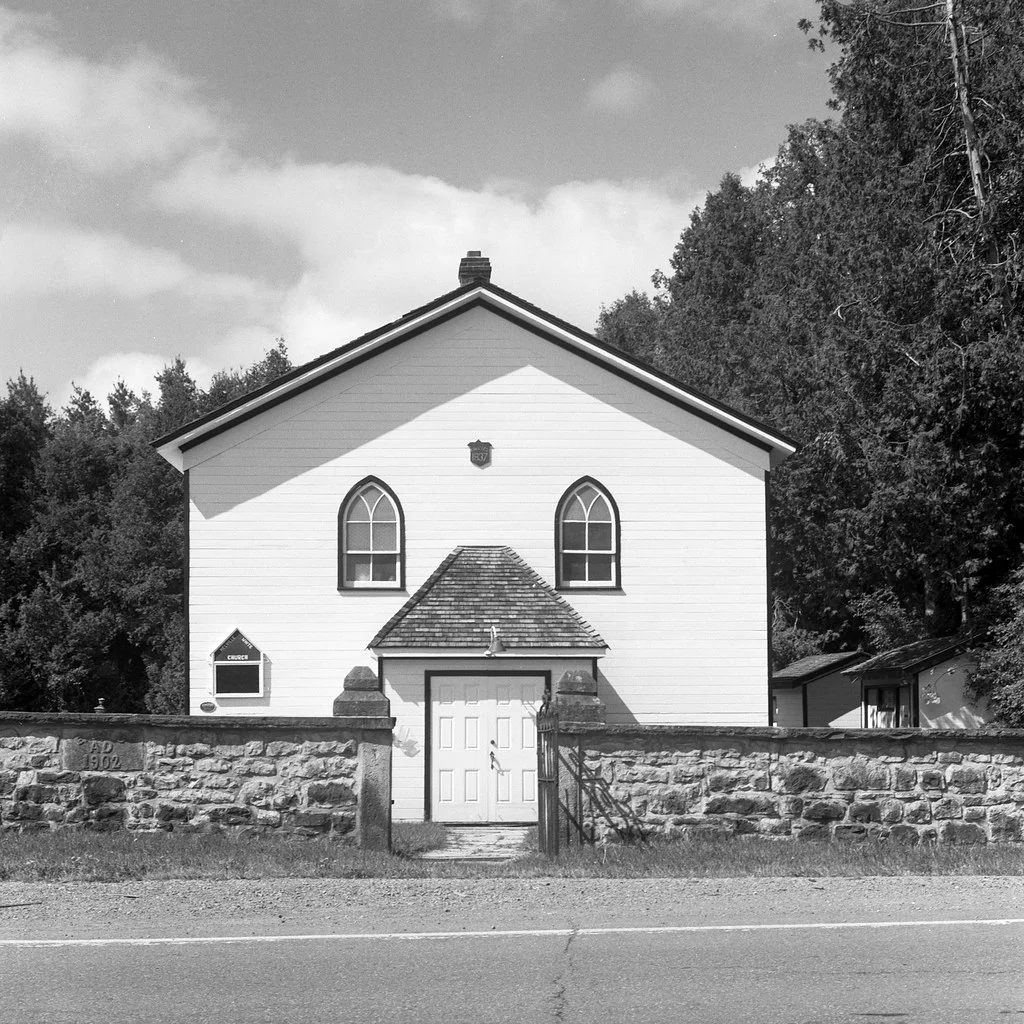
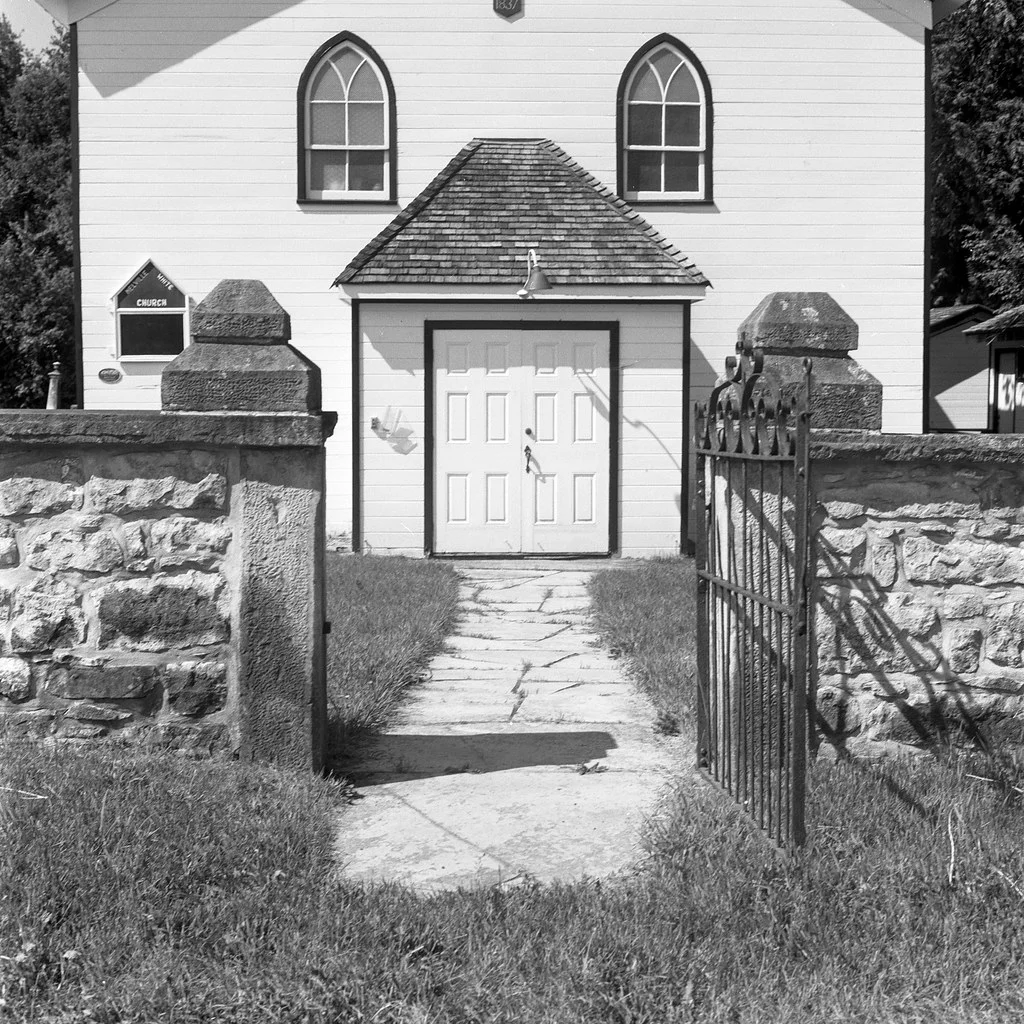
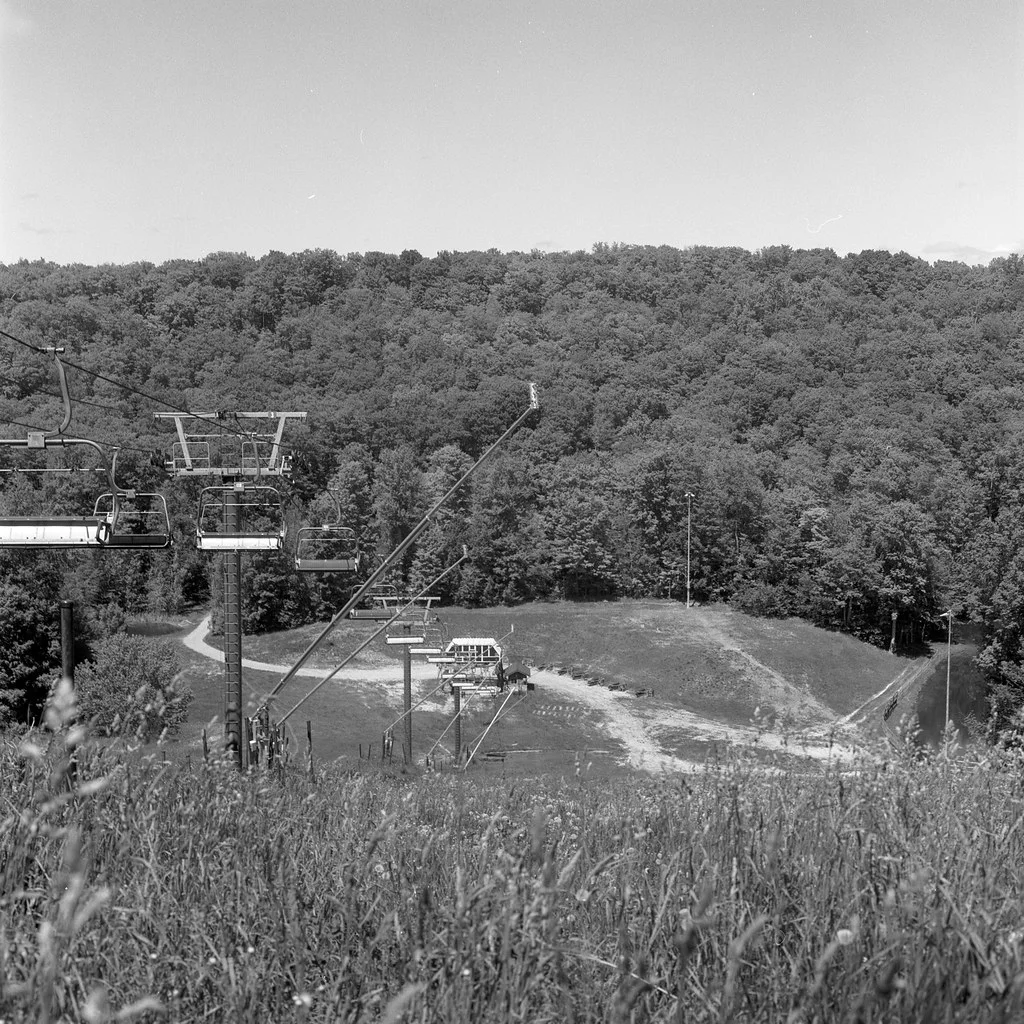
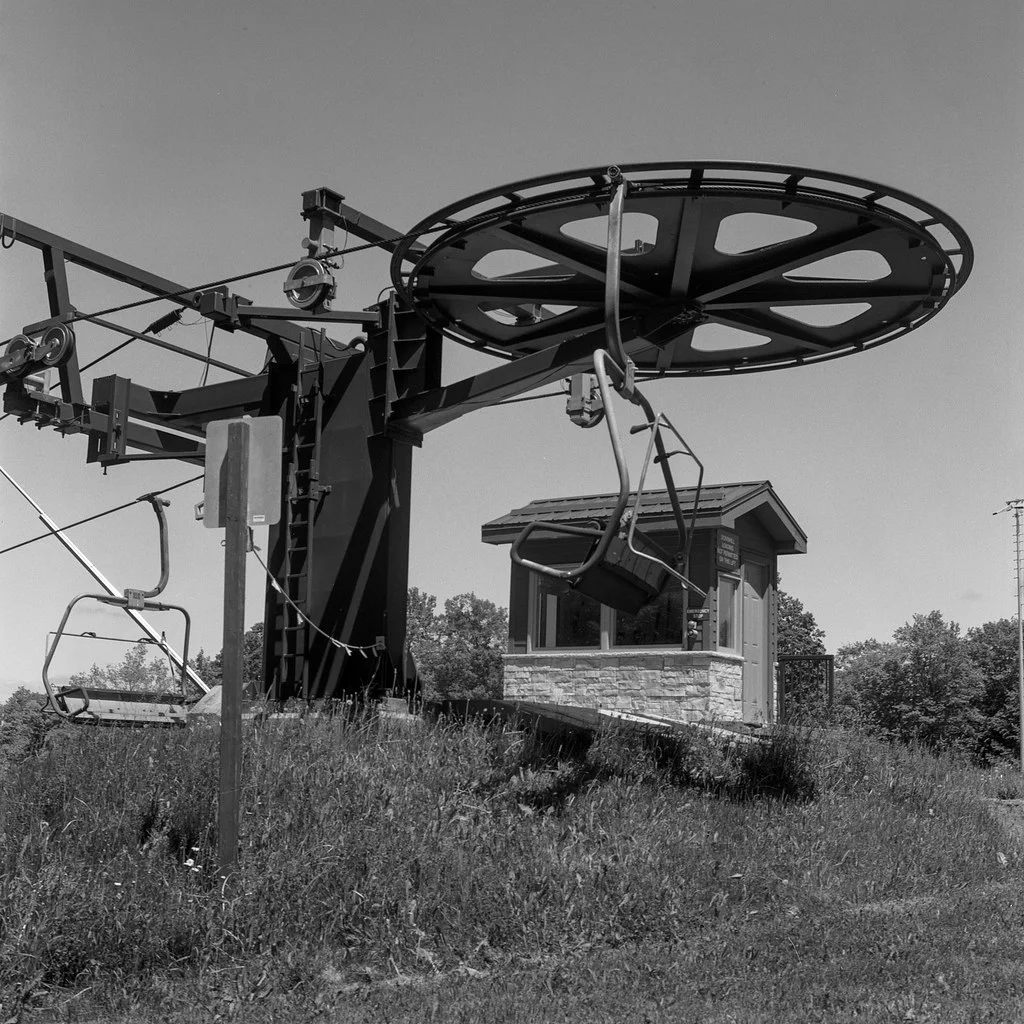
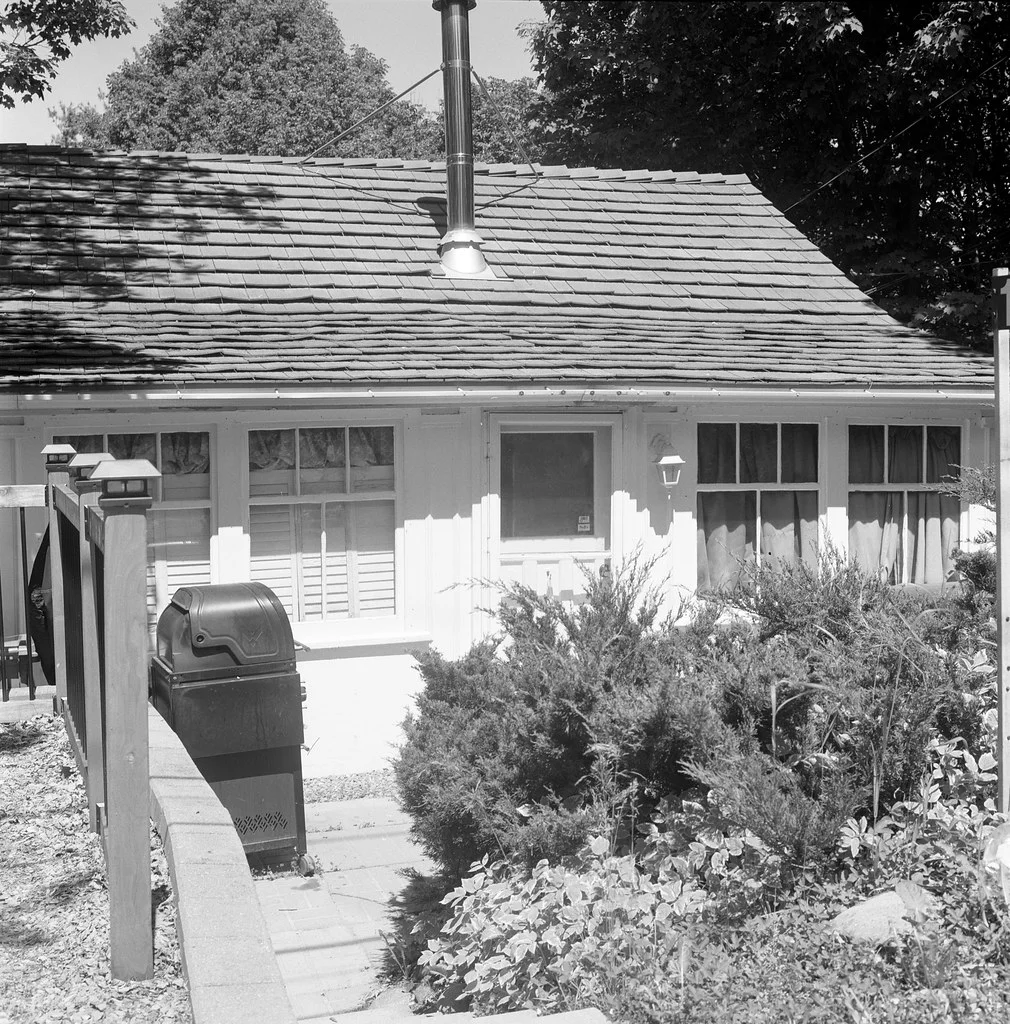
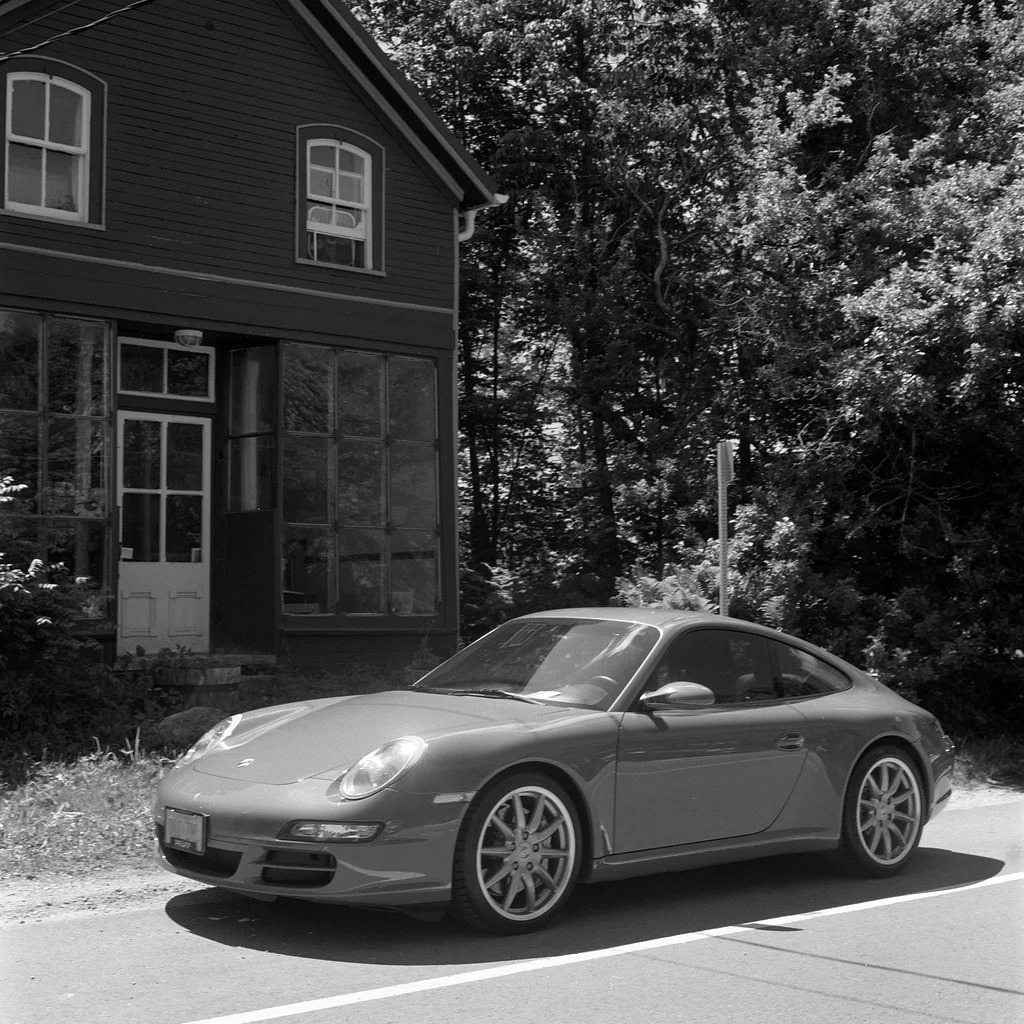
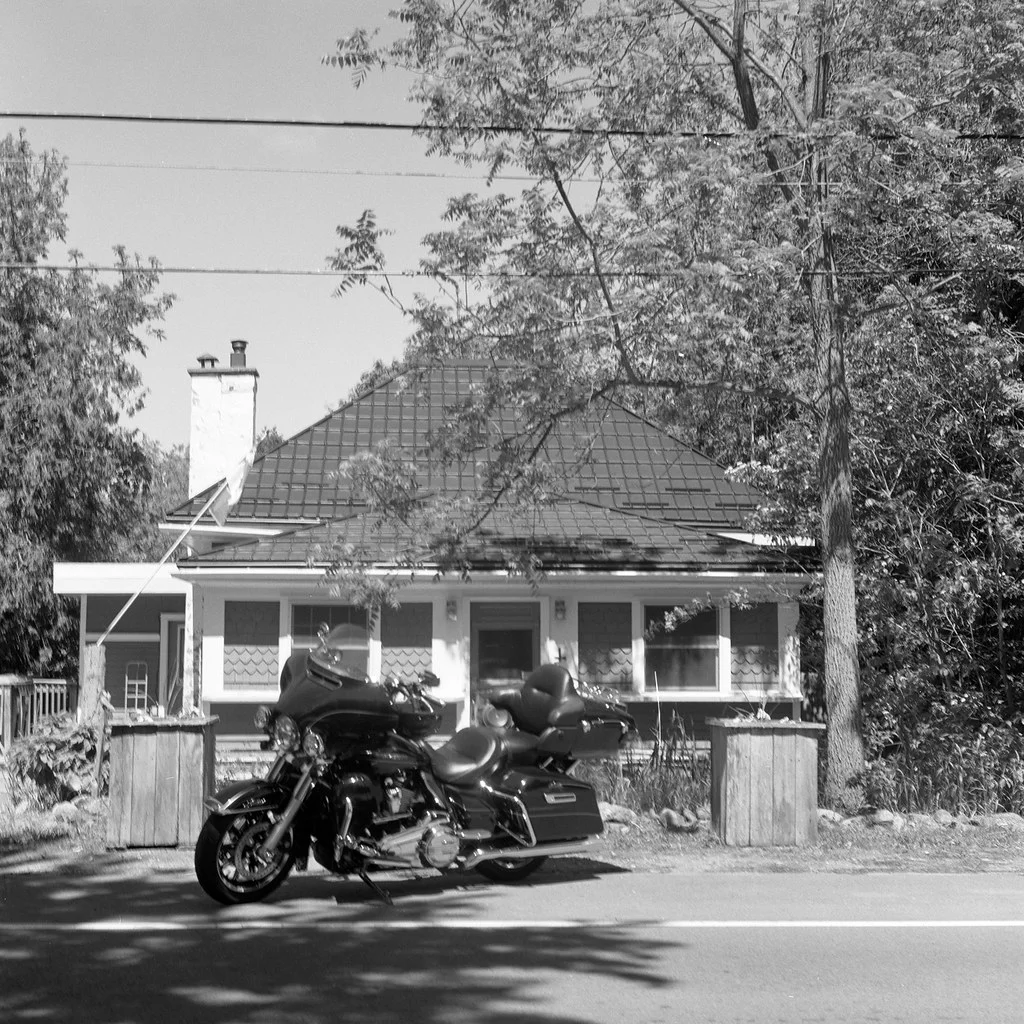
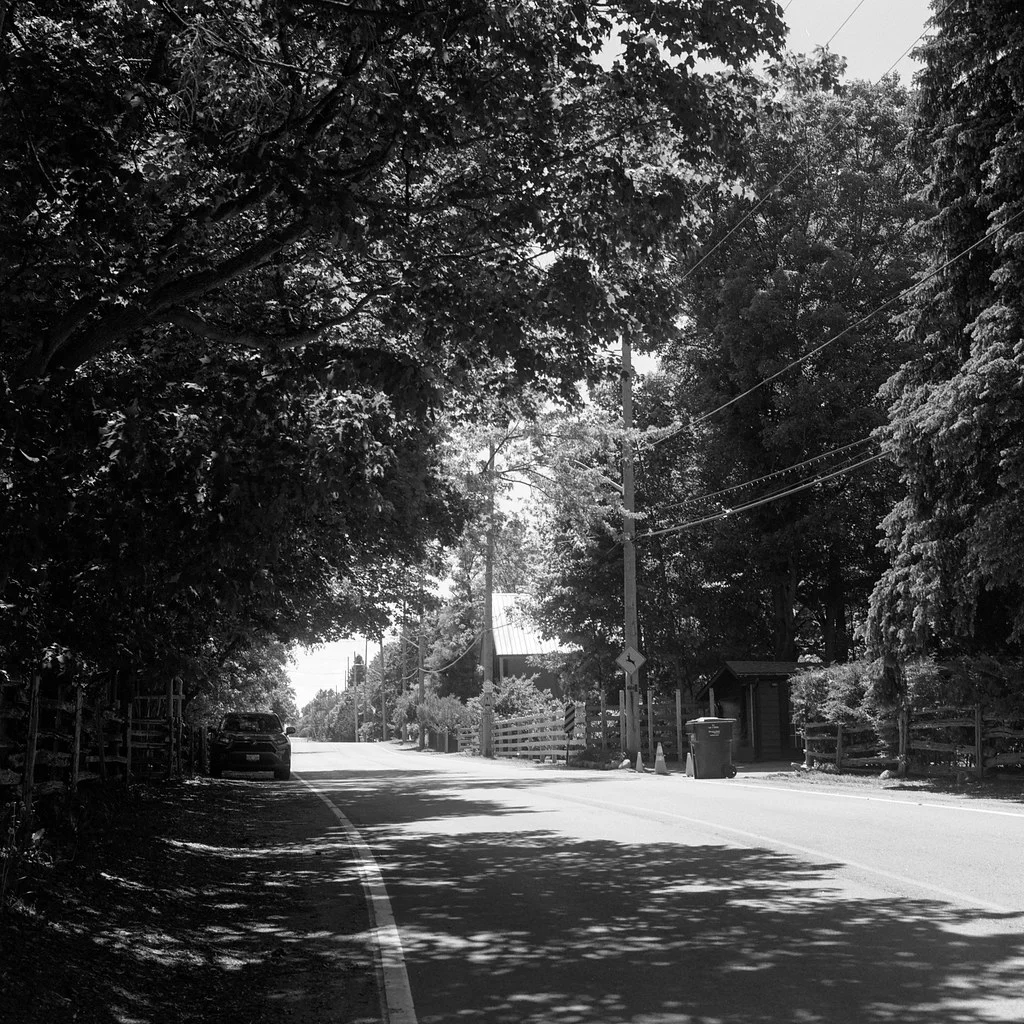
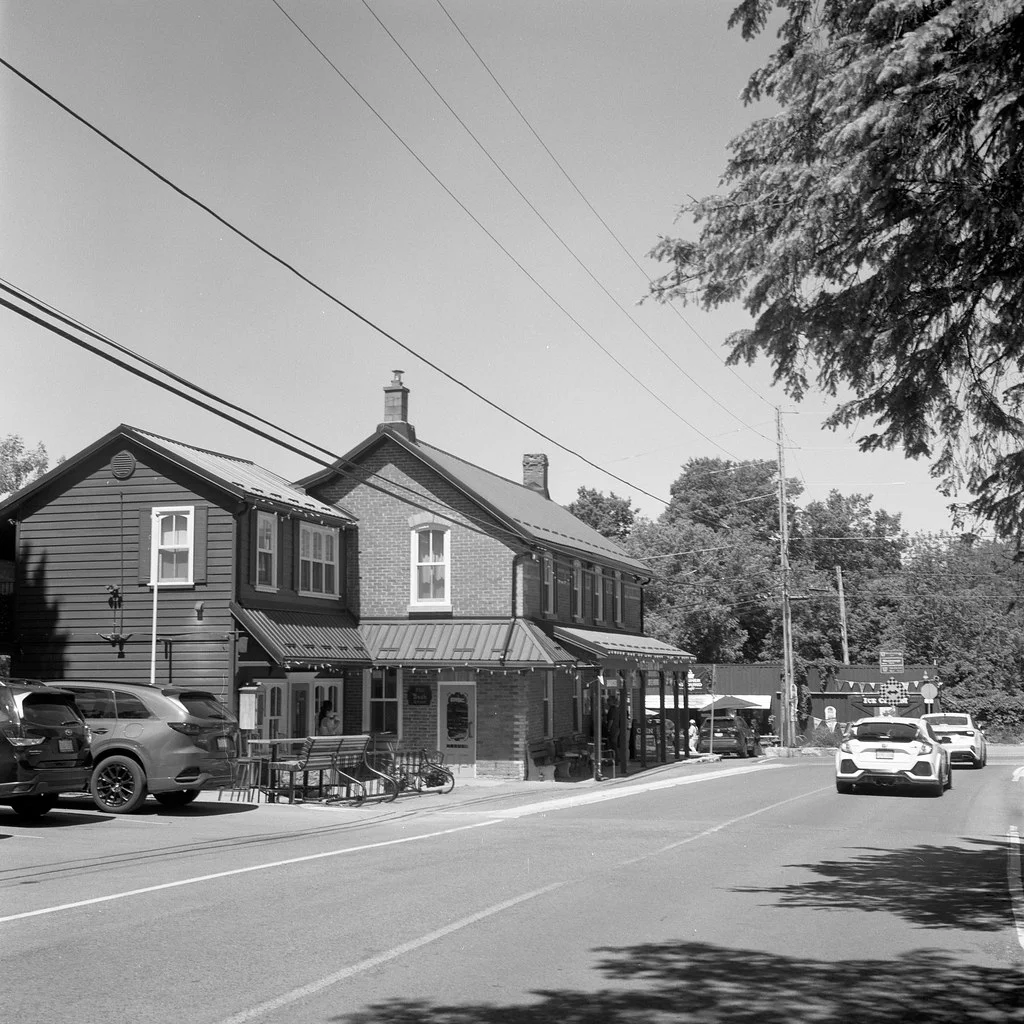
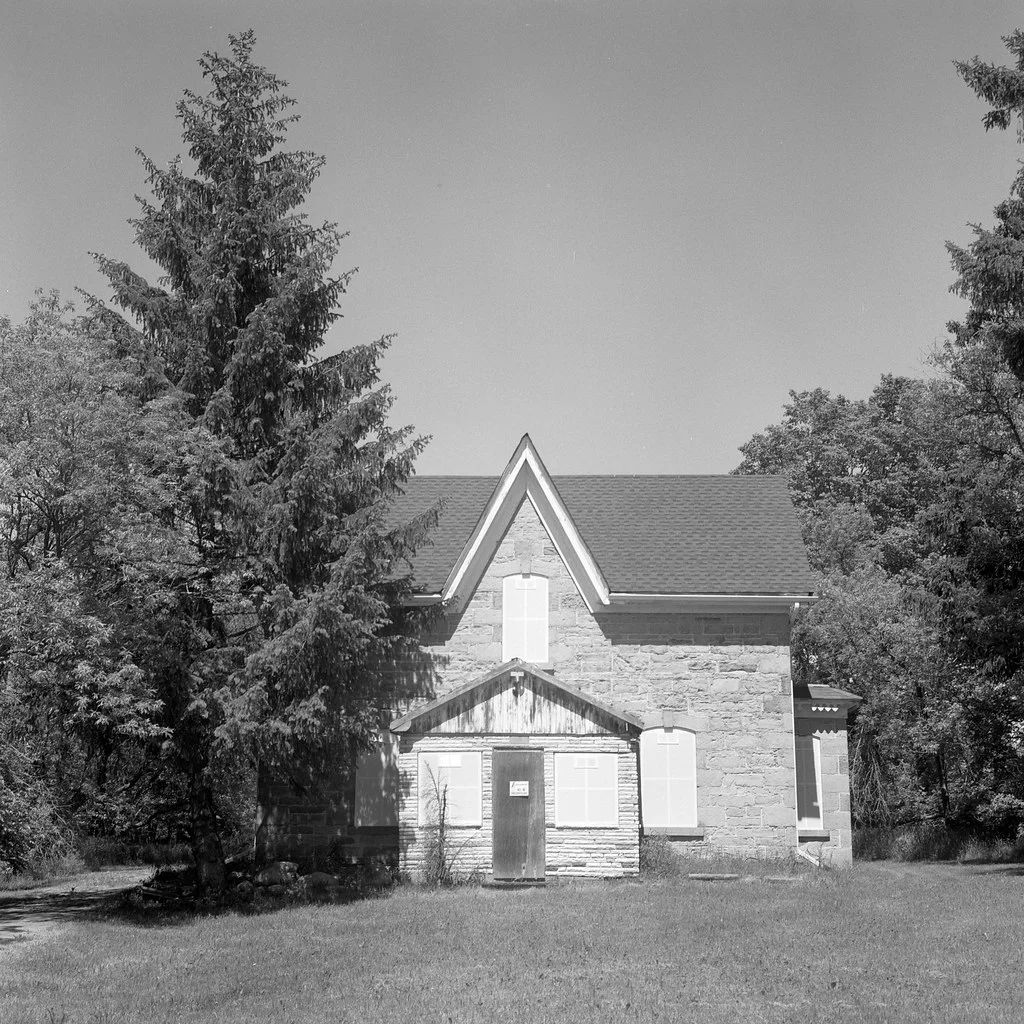
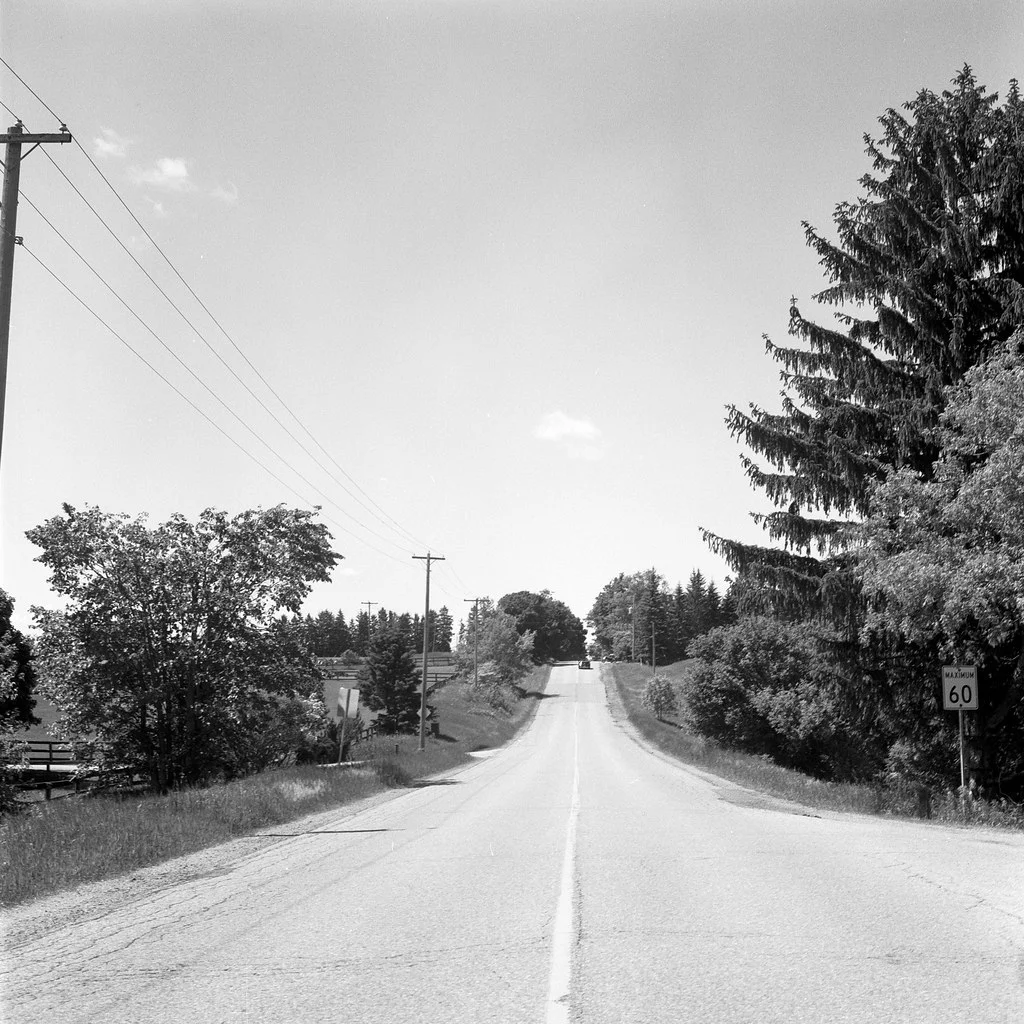
This day in Belfountain wasn’t purely about photography or community discussions; it was a reminder of the threads connecting us, the places we cherish, and the voices that seek to shape our surroundings. Whether through the lens or active participation, each interaction is vital in capturing the essence of our experiences.


