Join a photographic journey through Poland's Bialowieza Forest and Biebrza Marshes as we explore European Bison and Elk, revealing tips for wildlife photography.

Embarking on a wildlife photography trip to Poland can be a transformative experience, especially when the target subjects are the majestic European Bison and Elk. Recently, I had the pleasure of joining friends from the Cornwall Wildlife Trust Photographic Group for an invigorating expedition to capture these incredible creatures in their natural habitats.
Chasing the European Bison at Sunrise
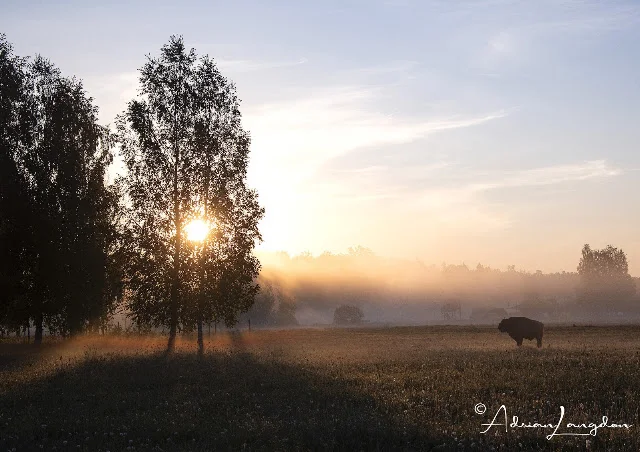
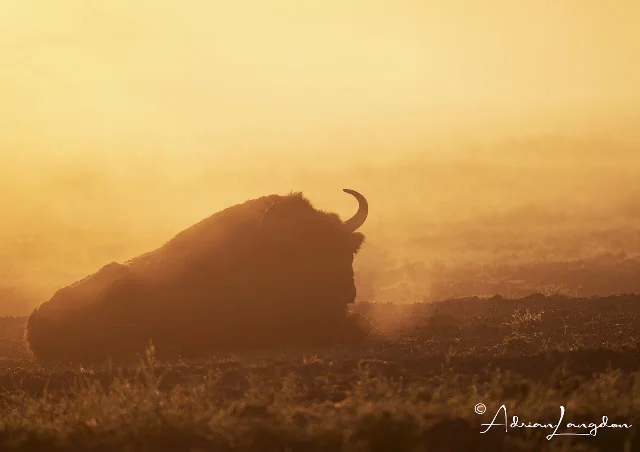
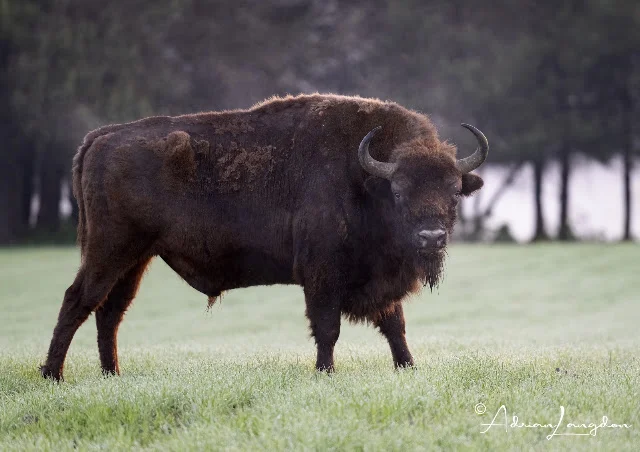
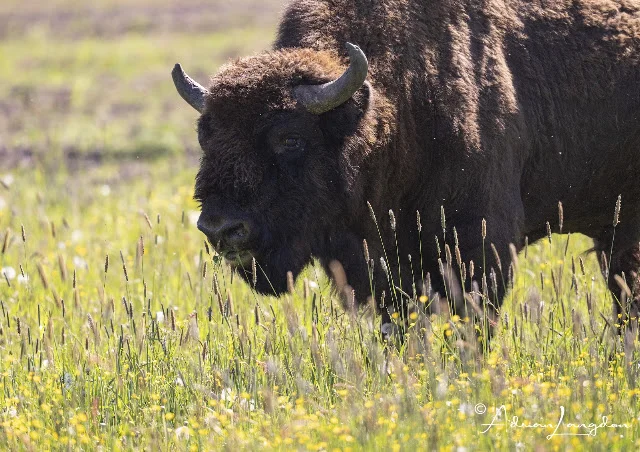
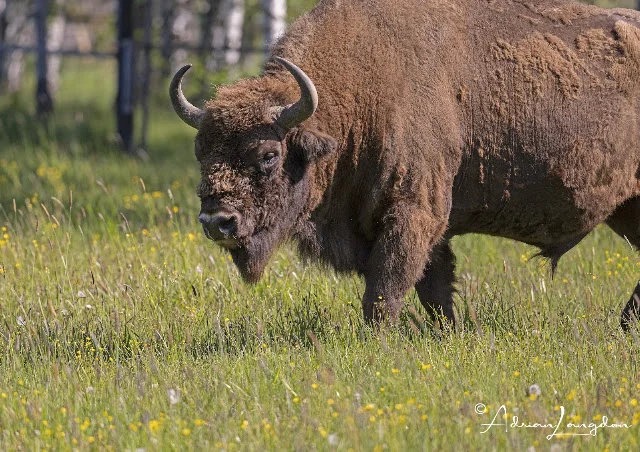
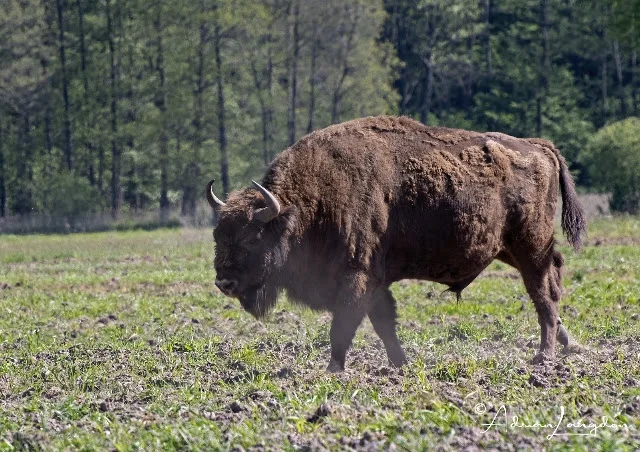
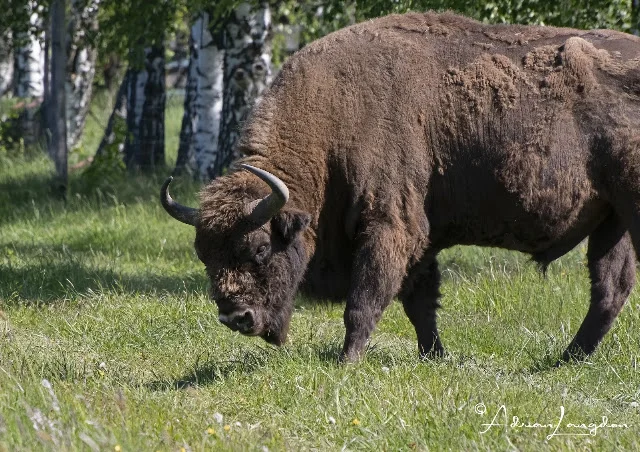
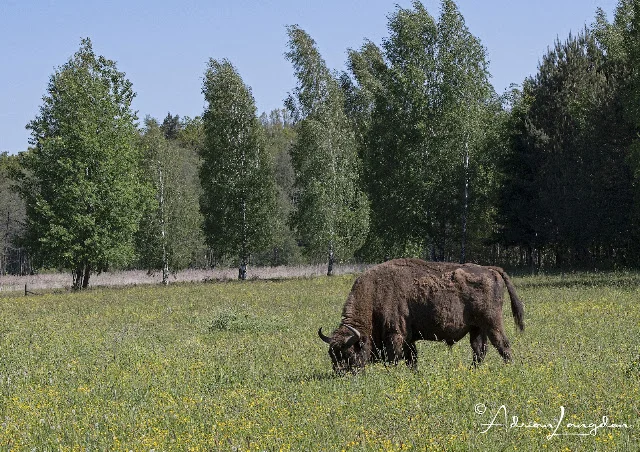
Our journey began well before dawn, with a 4 AM start crucial for locating the European Bison, also known as Wisent, during their serene morning grazing. This iconic species roams the Bialowieza Forest, which occupies the border between Poland and Belarus. Notably, these bison are the largest terrestrial animals in Europe, having faced near extinction by the end of World War I. Thanks to tireless conservation efforts, more than 1,400 individuals now thrive in this forest, following their reintroduction in 1929.
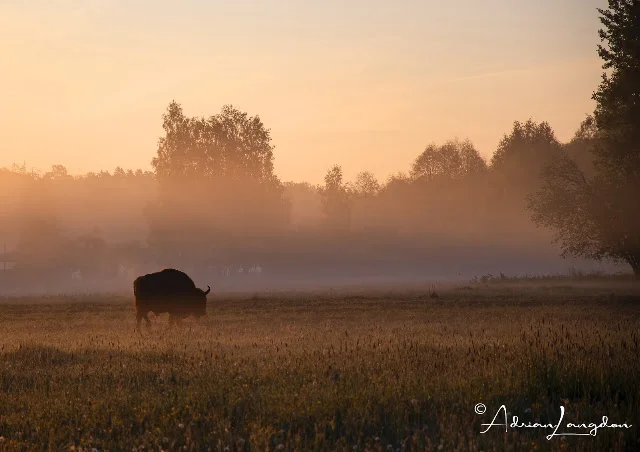
With the sun barely rising, we ventured into the meadows, where we were fortunate to spot three bison grazing peacefully. The early morning light cast a soft golden hue across the field, creating an ideal backdrop for our photographs. We used long telephoto lenses to respect the animals' space while capturing the beauty of these powerful creatures. Such distance is crucial not only for the safety of the photographer but also for the animals, ensuring their natural behavior remains undisturbed.
Photography Techniques for Wildlife
When photographing wildlife, several key techniques enhance the quality of your images. First, understanding the animals’ behavior is vital. Bison, for instance, become more active during the cooler hours of dawn and dusk. It's best to plan your outings around these periods.
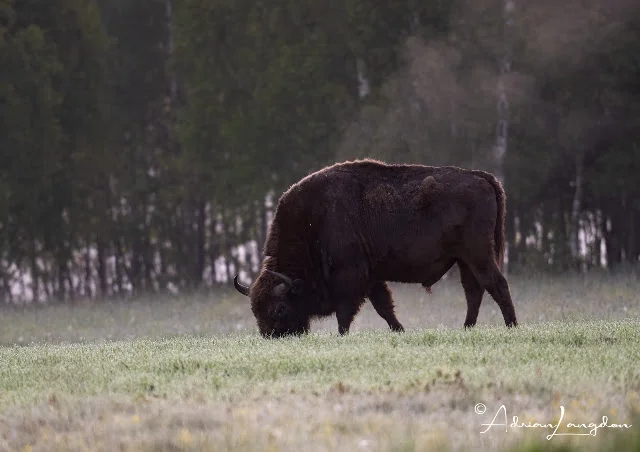
Consider your camera settings too. For wildlife photography, a fast shutter speed is typically required to freeze the action without motion blur. Using continuous shooting mode can increase your chances of getting that perfect shot as animals move about. A wide aperture can help create a pleasing bokeh effect, keeping the focus on your subject while softly blurring the background.
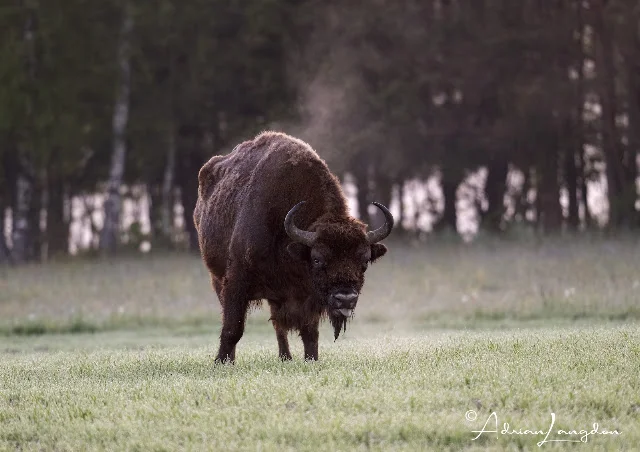
The composition is equally critical. Utilize the “rule of thirds” by positioning the bison off-center, allowing for negative space that conveys the sense of vastness they inhabit. Patience is also essential; waiting silently and allowing wildlife to come into their own can yield rewarding results.
A special thanks goes to Tomasz Jezierczuk from Wild Poland, whose expertise in wildlife organization and guiding enriched our experience considerably. The effort of local guides like Tomasz is invaluable, helping locate wildlife while ensuring we observe best practices for responsible wildlife photography.
Spotting the European Elk
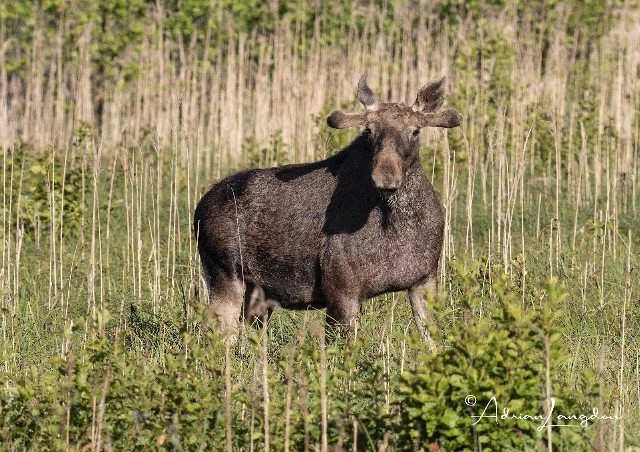
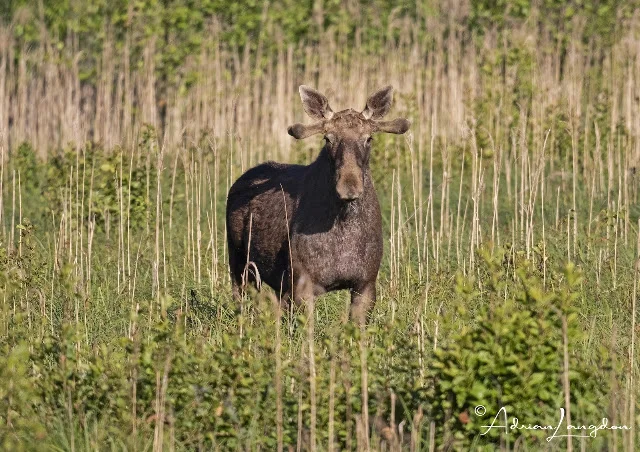
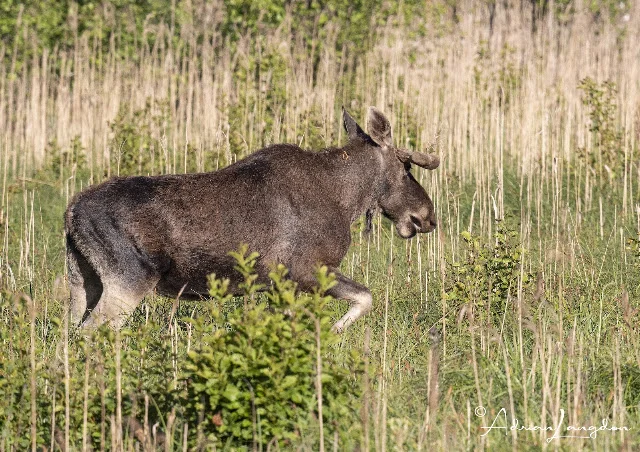
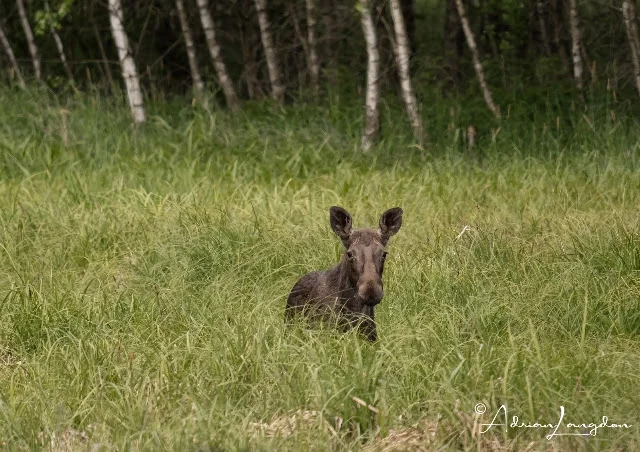
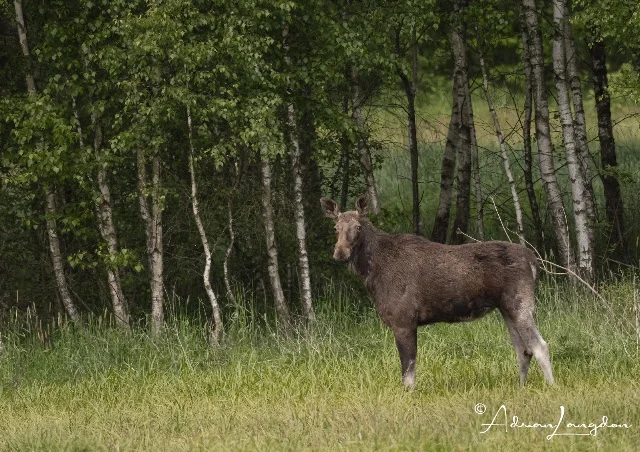
Our photographic journey took us to the tranquil Biebrza Marshes, another thriving ecosystem in Poland, which hosts Europe’s largest deer species, the European Elk, known as the Eurasian Moose. The wet marshland, lined with Birch and Willow trees, provides an ideal habitat for these magnificent animals, which thrive in areas with abundant food and water.
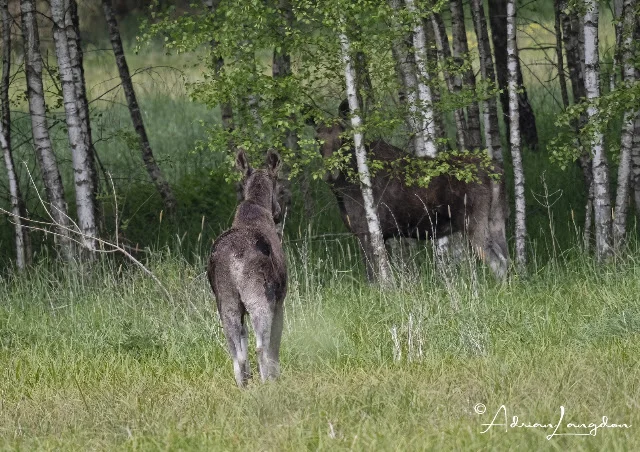
During our early morning excursions, we were fortunate to witness a bull elk with his budding antlers cloaked in velvet, followed by a pair of youngsters that we suspected were siblings. This sighting came during two separate van trips, where we shot through open doors and from within the vehicle, utilizing long lenses to maintain a respectful distance while capturing the elk's behaviors.
Reflections and Future Endeavors
The thrill of wildlife photography lies not just in the capture but also in the stories that unfold during the process. Each outing brought new surprises and opportunities for unique shots, like the lingering fog over the marshes or the sudden movements of the elks as they navigated their habitat. Observing their interactions and reactions to their surroundings deepened my appreciation for these animals.
With countless images taken during our trip, I’m excited to share more in the future, showcasing not only the bison and elk but also the rich birdlife that inhabits Poland’s diverse landscapes. Each photograph serves as a reminder of the breathtaking beauty of nature and the importance of conservation efforts to preserve these magnificent species for future generations.
As I continue processing the many images from this expedition, I’m inspired to return to Poland and explore further, capturing even more of its wildlife treasures.