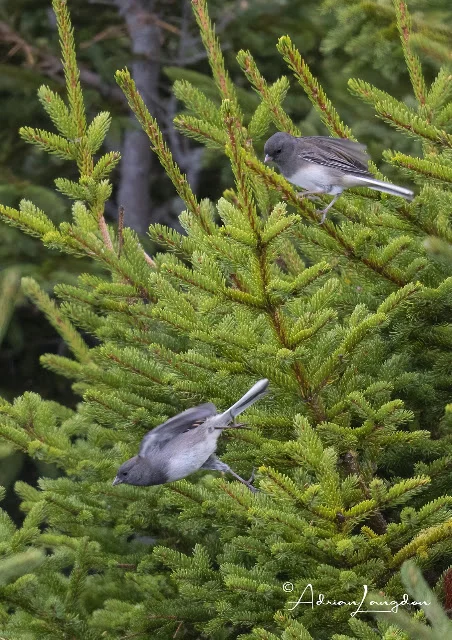
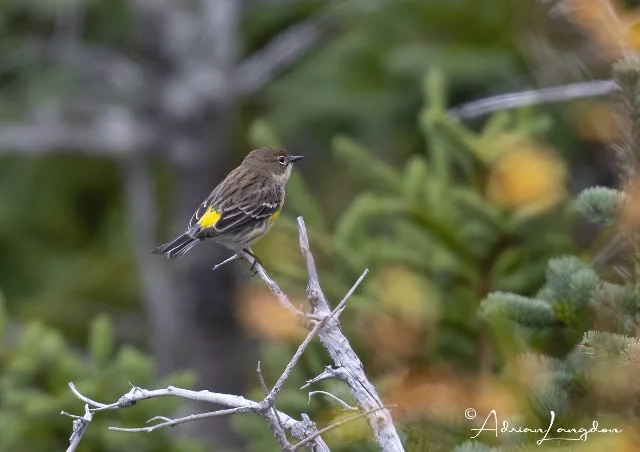
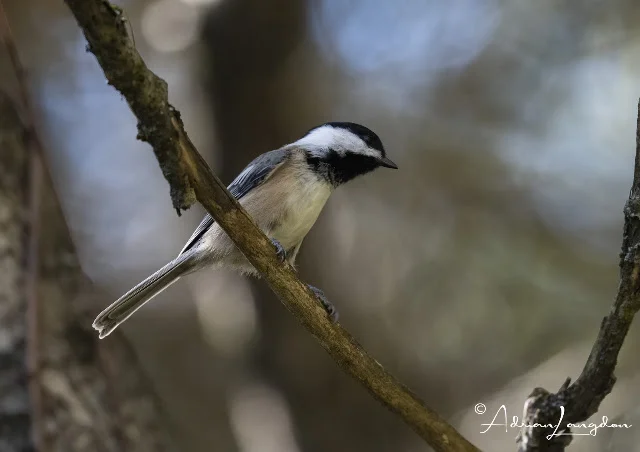
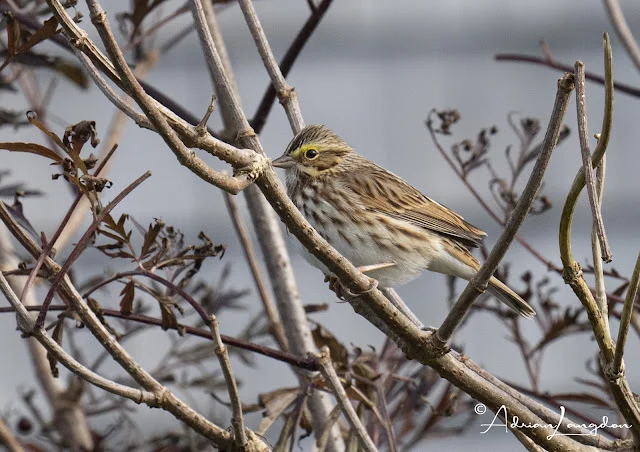
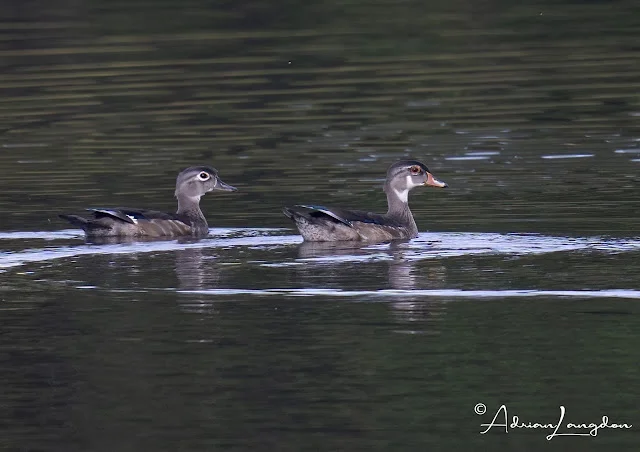
Discover stunning bird photography and highlights from a Naturetrek tour across New England, showcasing Bald Eagles, Common Loons, and more.

The recent tour themed "Autumn Colours of New England," organized by Naturetrek, offered a remarkable glimpse into the avian diversity of Massachusetts, Maine, and New Hampshire. Over the two-week period, participants were treated to stunning birdwatching opportunities, despite elusive species often found in dense foliage. This article explores various birds encountered during the journey, highlighting their natural beauty and behavior while offering insights into the broader ecological significance of these species and their habitats.
The Experience of Birdwatching
Birdwatching isn’t just a hobby for many; it’s a passion that connects individuals to nature in unique and profound ways. For participants of the Naturetrek tour, the anticipation of witnessing birds in their fall plumage and listening to their calls is part of the allure. The tour not only provides a chance to observe distinct species but also to revel in the changing colors of autumn. Expecting to spot a variety of migrating species adds an extra layer of excitement. That thrill can often overshadow the more technical aspects of bird identification, which is more complex than many realize.
Majestic Bald Eagles
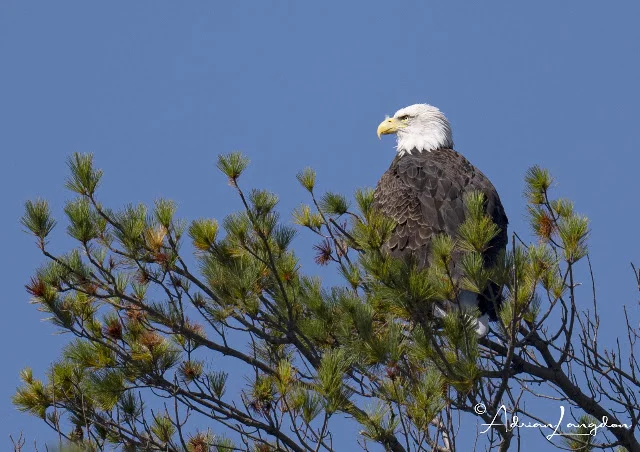
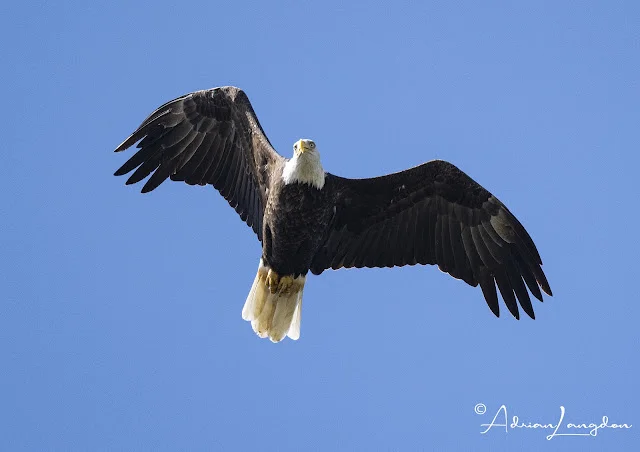
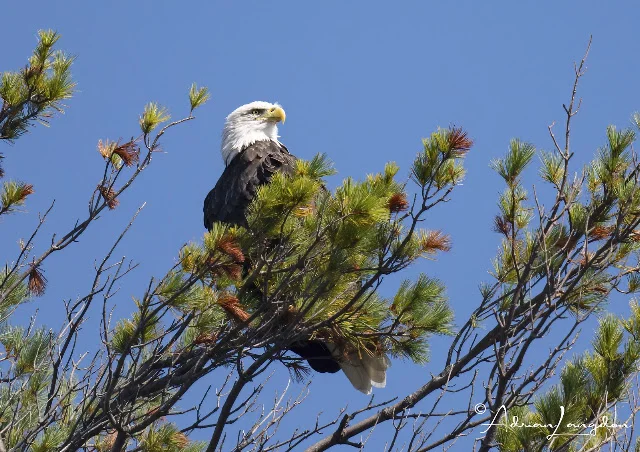
The Bald Eagle was a consistent presence throughout the trip, majestic in its structure and flight. One of the most memorable encounters occurred at Monhegan Island in Maine, where a Bald Eagle soared directly overhead, allowing for incredible close-up views. Observing a Bald Eagle in its natural habitat can be a life-changing experience for birdwatchers. The thrill of spotting one of these birds, once teetering on the brink of extinction, is heightened in autumn when their striking features are showcased against the vibrant foliage. Another rewarding sighting was at Squam Lake in New Hampshire, where two Bald Eagles perched elegantly against the backdrop of autumn colors.
 |
| Bald Eagle at Monhegan Island |
Throughout the tour, the Bald Eagle captured the attention of birdwatchers eager to witness this iconic symbol of strength and freedom. This bird's soaring presence added to the rich tapestry of New England's autumn wildlife, making it a highlight for both seasoned and novice birdwatchers and lending a sense of achievement to their animal-spotting endeavors.
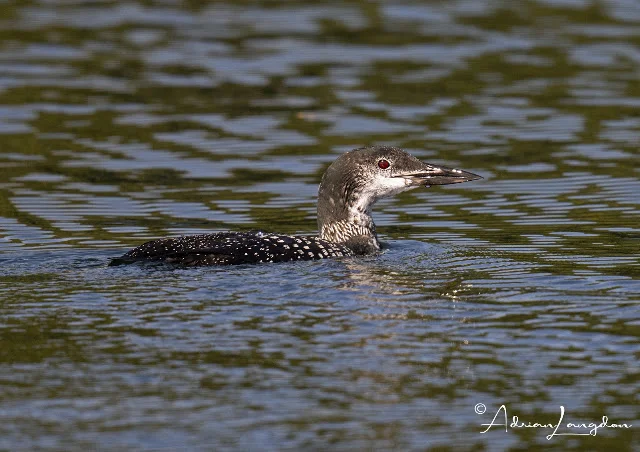
Common Loons: A Nostalgic Encounter
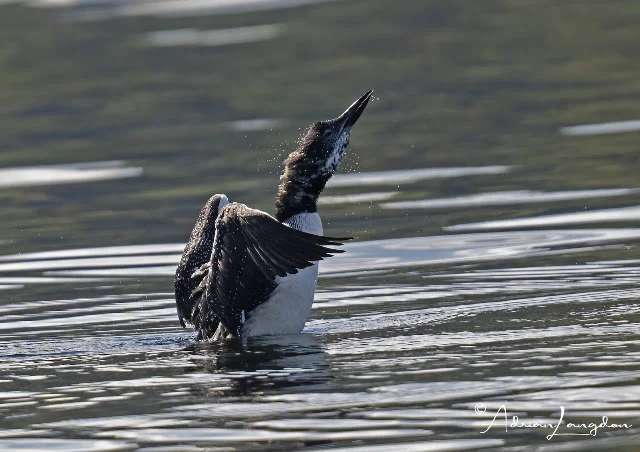
Common Loons were among the most sought-after sightings. Known as Great Northern Divers in the UK, they delighted participants who had hoped to witness their distinctive calls and striking plumage. The best observation occurred again at Squam Lake, a location intertwining iconic cultural references with nature appreciation; this is the same lake featured in the 1981 film "On Golden Pond," where the haunting calls of the loons resonated across the water. The interplay of the cinematic and the avian creates a poignant moment, bridging cultural memory and natural experience. Hearing those calls again can evoke personal nostalgia for many. Picture this: an early morning mist hovering over the water, the sun rising slowly, and suddenly, the echoing call of a loon. It feels almost spiritual.
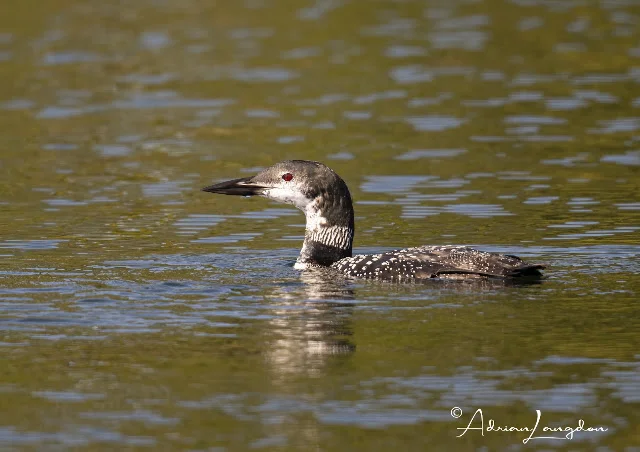
 |
| Common Loon |
Woodpecker Sightings
New England's rich habitat, dominated by numerous trees, provided an optimal setting for woodpecker sightings. One exciting moment was spotting a Pileated Woodpecker energetically pecking at a decaying stump. While the sighting was quick, the spectacle captured the power and determination of this large bird. Video footage was captured, showcasing its notable size and striking appearance. These visuals are crucial for understanding the woodpecker’s foraging behavior, which significantly impacts forest ecosystems.
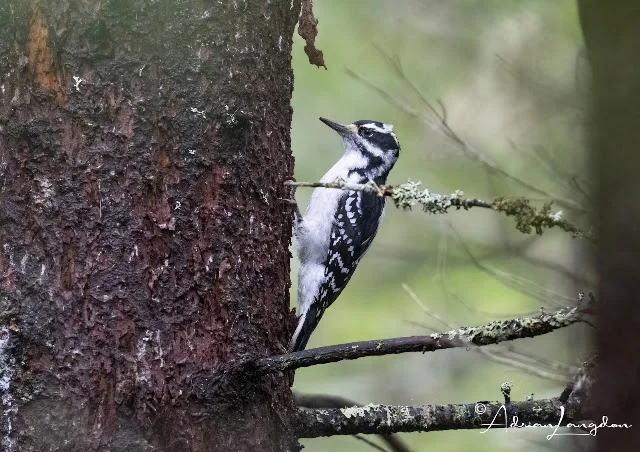
During the tour, Hairy Woodpeckers and Red-bellied Woodpeckers were frequently seen, along with the vibrant Northern Flicker. Their varied calls and behaviors, from drumming to foraging, added a dynamic layer to the birdwatching experience. Woodpeckers play an essential role in controlling insect populations and promoting tree health—something that's easy to overlook, especially when you're caught up in their entertaining antics.
 |
| Red-bellied Woodpecker |
A Variety of Birds
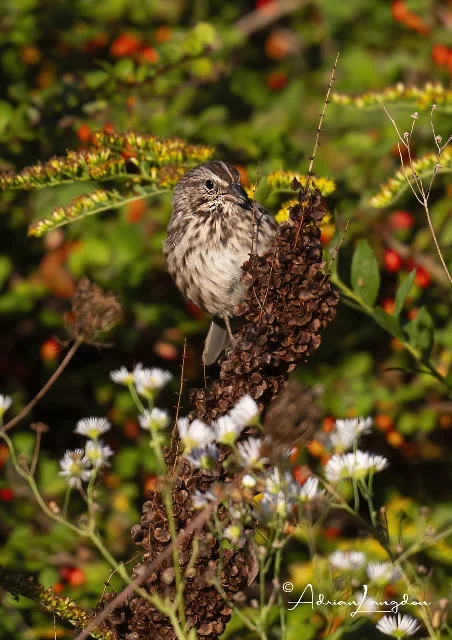
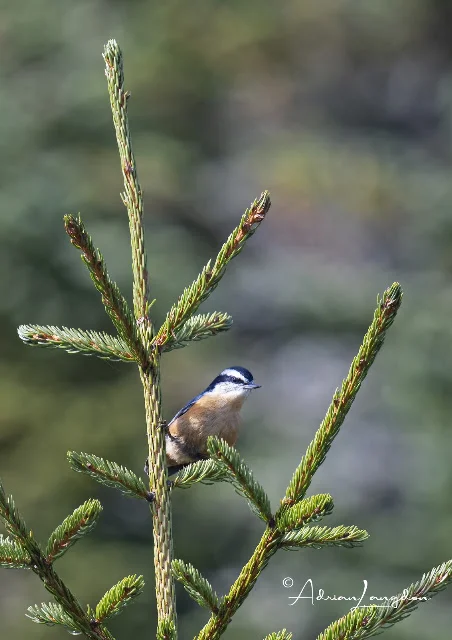
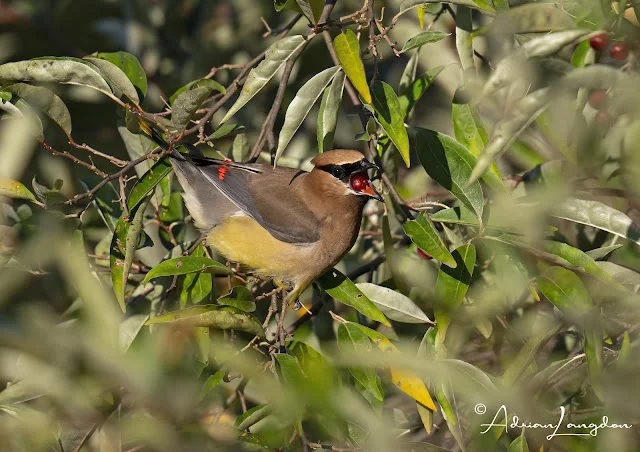
As the tour progressed, many other notable species were observed. For example, the Red-breasted Nuthatch and Cedar Waxwing made appearances wherever berry-laden trees were present. The cheerful calls of Cedar Waxwings echoed amidst the lush foliage, particularly in Tenants Harbor and Bethel. This highlights not only the birds’ adaptability but also demonstrates the seasonal changes that dictate their movements and behaviors as they follow food sources.
 |
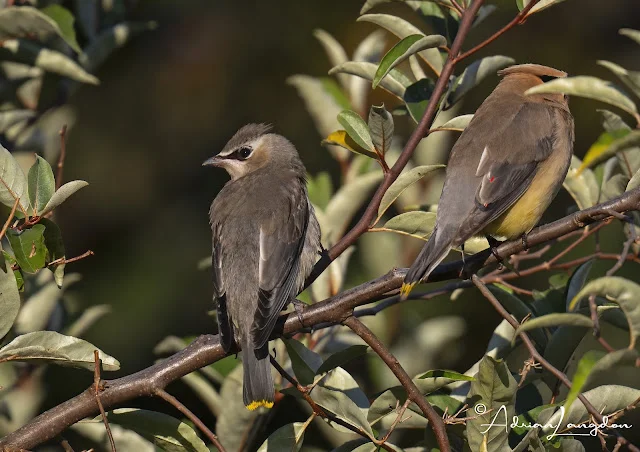
| Juvenile Cedar Waxwing |
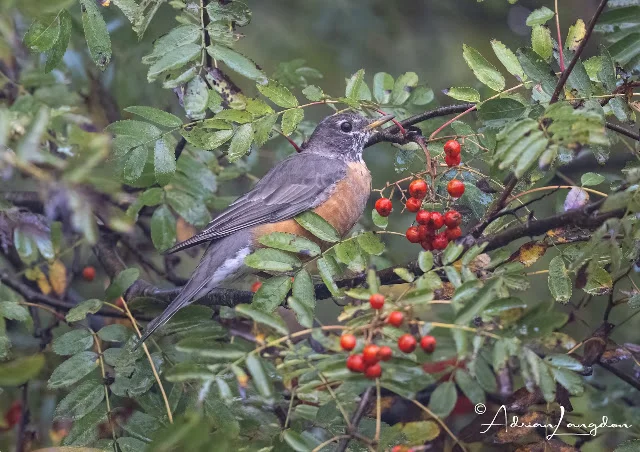
Spotting juvenile Cedar Waxwings alongside American Robins was particularly heartwarming, showcasing the life cycle of these birds. These moments emphasized the interconnectedness of avian life in this region—reminding participants that birds don't exist in isolation but as part of a complex ecological web.
Coastal Highlights and Shorebirds
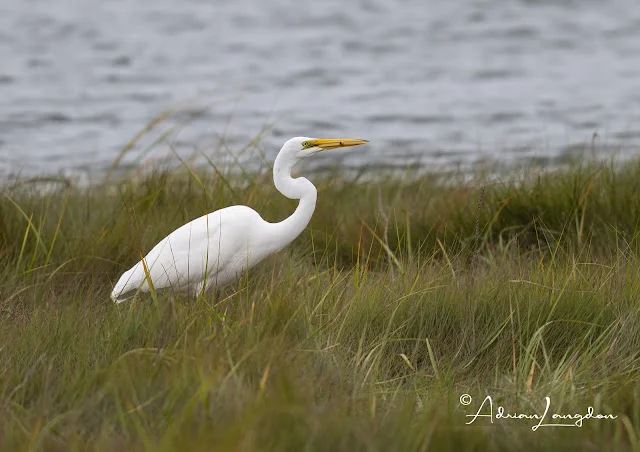
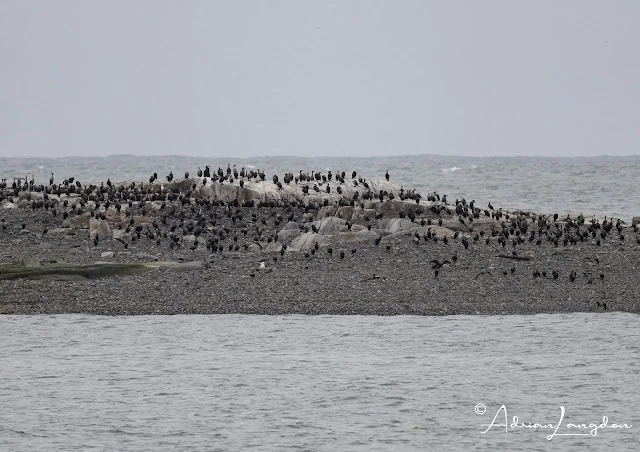
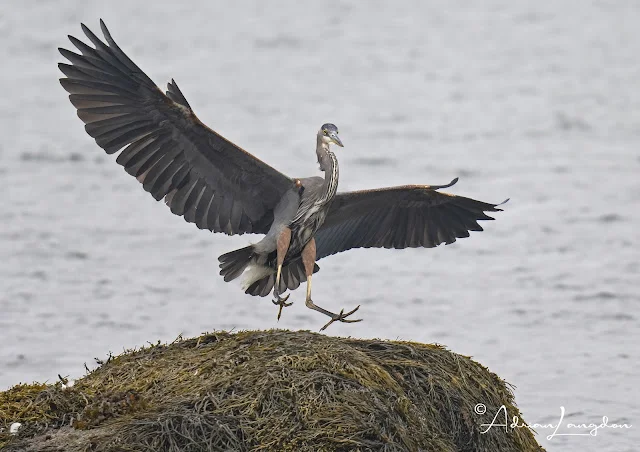
The coastal stretch from Kittery Point to Acadia National Park was a haven for various estuarine and shoreline birds. Double-crested Cormorants and Great Blue Herons were among those observed during this segment of the tour. Participants reveled in photographing these birds in their natural habitats, offering rich content for both amateur and professional photographers.
 |
| Double-crested Cormorant |
The interactions among these species, such as herons hunting along the shoreline and cormorants diving for fish, provided rich observational opportunities, enhancing the overall experience of nature enthusiasts on the trip. What’s fascinating about coastal ecosystems is how they maintain delicate balances, which can be disrupted by environmental changes.
Implications and Future Outlook
This type of tour does more than just provide a fleeting sense of adventure; it raises awareness about the importance of preserving these habitats. Changes in climate, urban development, and pollution threaten both birds and the ecosystems they inhabit. Birdwatching tours encourage a hands-on approach to conservation—building a sense of stewardship among participants. Importantly, there's an educational component; understanding the role each species plays can deepen a participant's commitment to protect their environments.
Plans to run this tour again in 2025 are in motion, presenting another opportunity for bird lovers to immerse themselves in the beauty of New England's avian wonders. With fragile ecosystems at stake, perhaps we should consider how we can contribute positively—not just as spectators but as active participants in the preservation of nature.
For those interested in joining future tours, details are available through Naturetrek: Autumn Colours of New England 2025.