The 2026 ZWO Astronomy Photographer of the Year has honored striking celestial images, blending artistry with technical skill, to showcase the beauty of the universe.
2026 ZWO Astronomy Photographer of the Year Winners Showcase Stellar Imagery
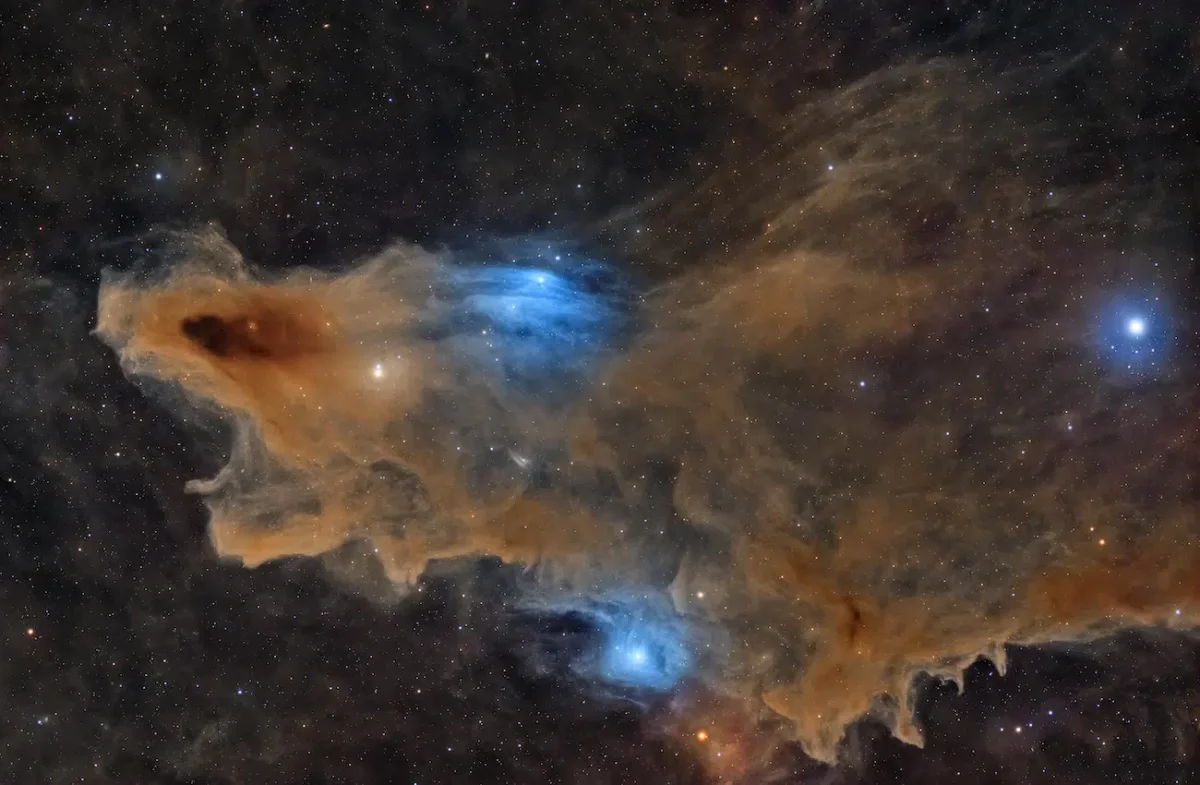
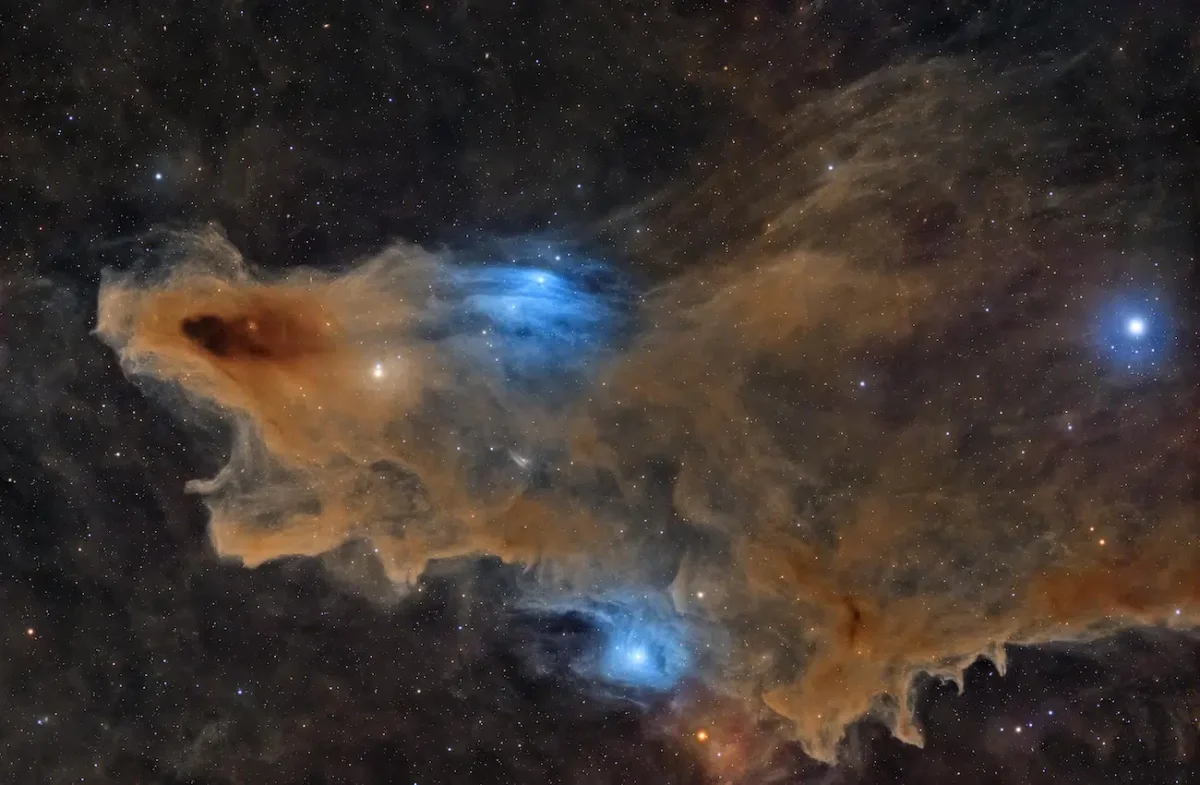
Overall winner, The Quiet Predator © Ali Alobaidly (Kuwait)
Captured at 650 light years away, the Shark Nebula (LDN 1235) is depicted by Alobaidly using an Askar 140 APO telescope mounted on a Sky-Watcher EQ8-R. With the ZWO ASI2600MM Pro camera, he validated 28 hours and 30 minutes of exposure time showcasing a stunning interpretation of the nebula's dense interstellar dust. Shot in Jahra Governorate, Kuwait, on August 21-22, 2025, this image draws viewers in with its ethereal quality.
Ali Alobaidly's award-winning photograph The Quiet Predator intertwines technical mastery with a poetic vision of the cosmos. He metaphorically describes the nebula as reminiscent of "an oceanic predator prowling the skies," emphasizing his connection to both the universe and his ancestral desert landscapes. The founder and CEO of ZWO, Sam Wen, praises the photograph for its detailed portrayal of the nebula and striking color palette, urging viewers to lose themselves in the hidden beauty of space.
In addition to Alobaidly’s top honor, the competition recognized multiple other categories and emerging talents. The ZWO Young Astronomy Photographer of the Year title was awarded to 15-year-old Nikolaos Strimpoulis, whose image Mineral Moon features detailed textures of the lunar surface, including both the dark maria and bright highlands. Strimpoulis effectively highlights the subtle colors of the moon's mineral composition, achieved using a Sky-Watcher Dobsonian telescope combined with the Player One Astronomy Ares-C Pro camera, demonstrating a remarkable leap in young astrophotography.
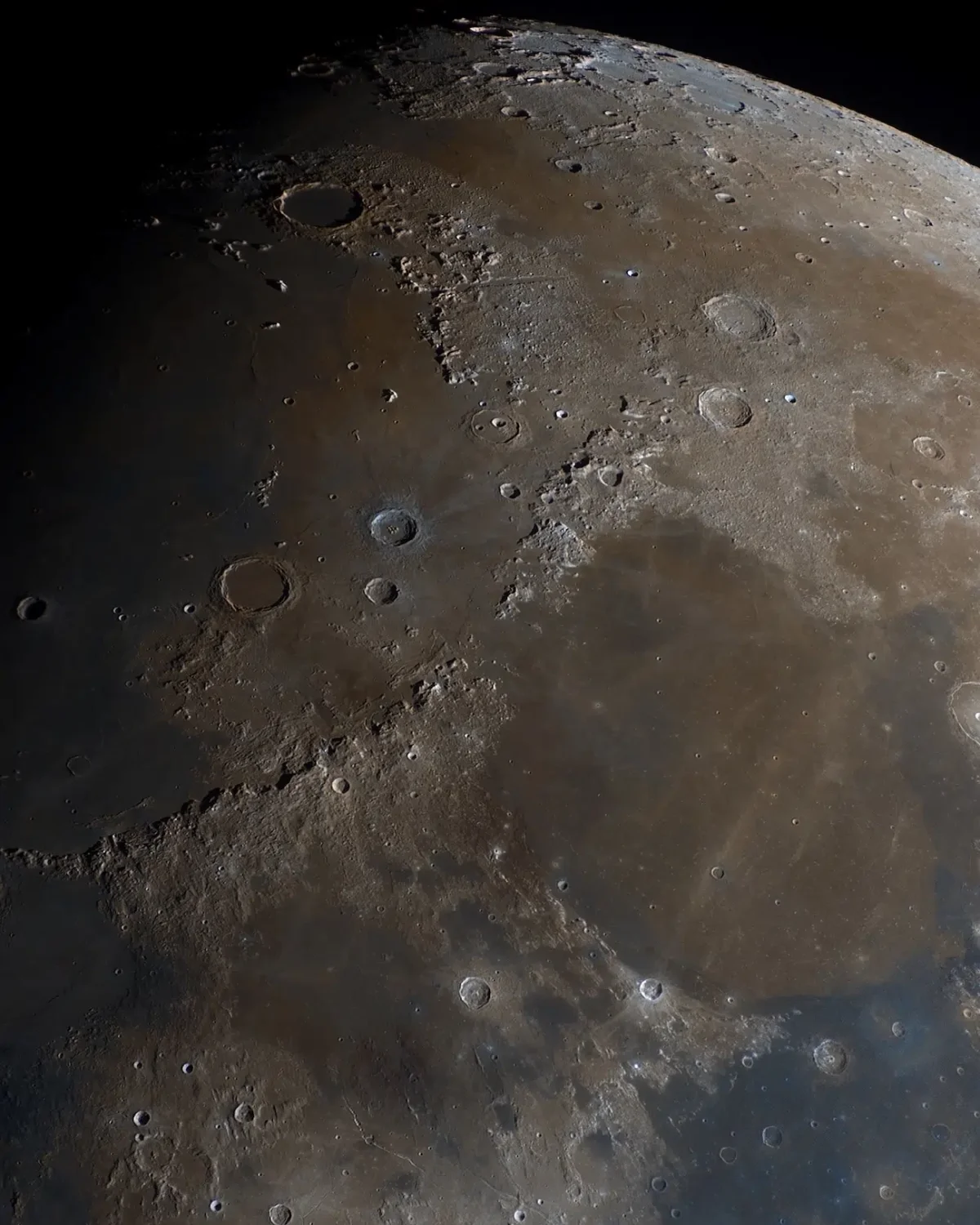
Mineral Moon © Nikolaos Strimpoulis (Greece), aged 15
This intricate image captures both the dark maria and rugged highlands of the Moon, embodying the natural history of Earth's satellite. Recorded with a 1,200 mm f/7.8 configuration, the application of ISO 100 successfully reveals ancient lava flows and impact features in stunning detail. Strimpoulis took this photograph in Palaio Faliro, Athens, on March 8, 2025.
Highlighting Cosmic Wonders: Other Noteworthy Awards
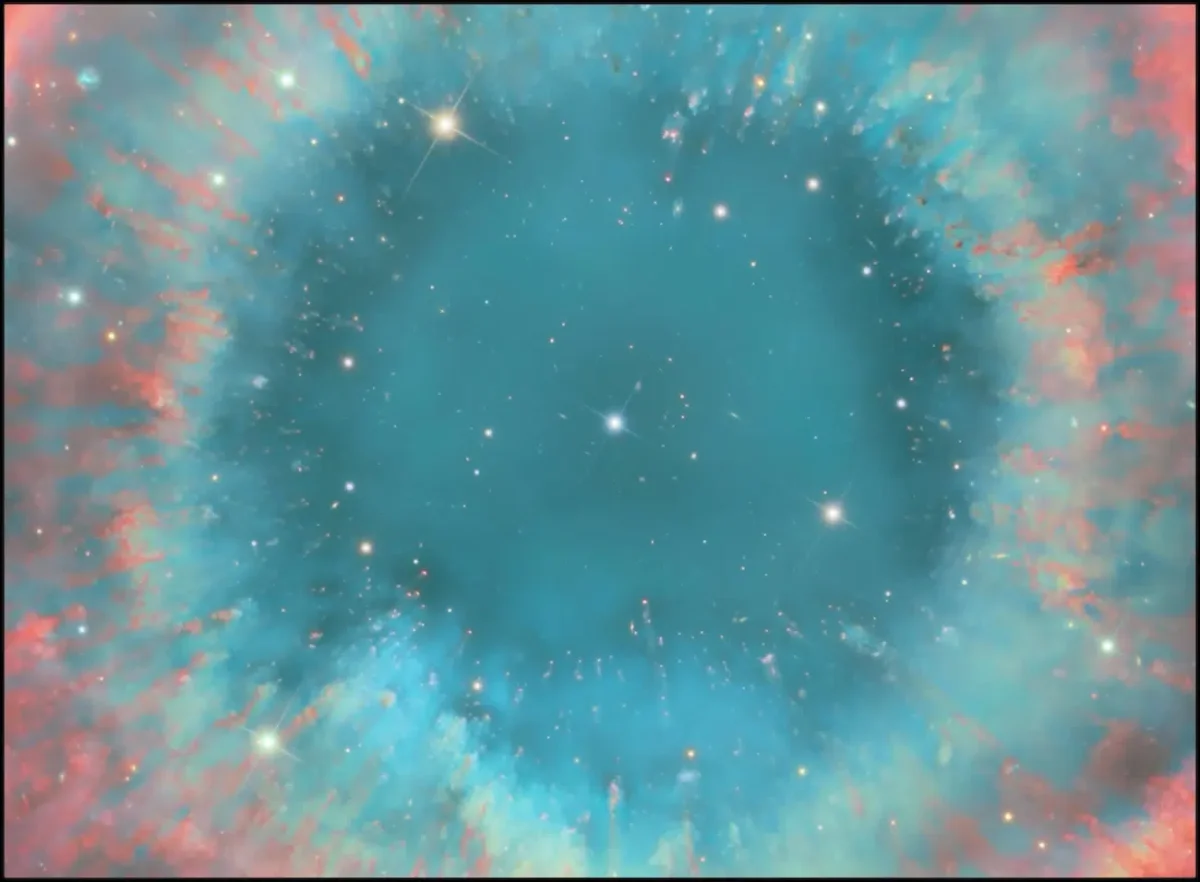
Runner-up, Beyond the Wormhole © Kfir Simon (Israel)
The stunning image of the Helix Nebula (NGC 7293), captured from the Tivoli Southern Sky Guest Farm in Namibia on June 23, 2025, illustrates distant galaxies observable through what appears to be a wormhole. Simon's long exposure techniques reveal the nebula's intricate details, utilizing the ASA 600 telescope and a Moravian Instruments C3 Pro camera to demonstrate more than six hours of cumulative exposure.
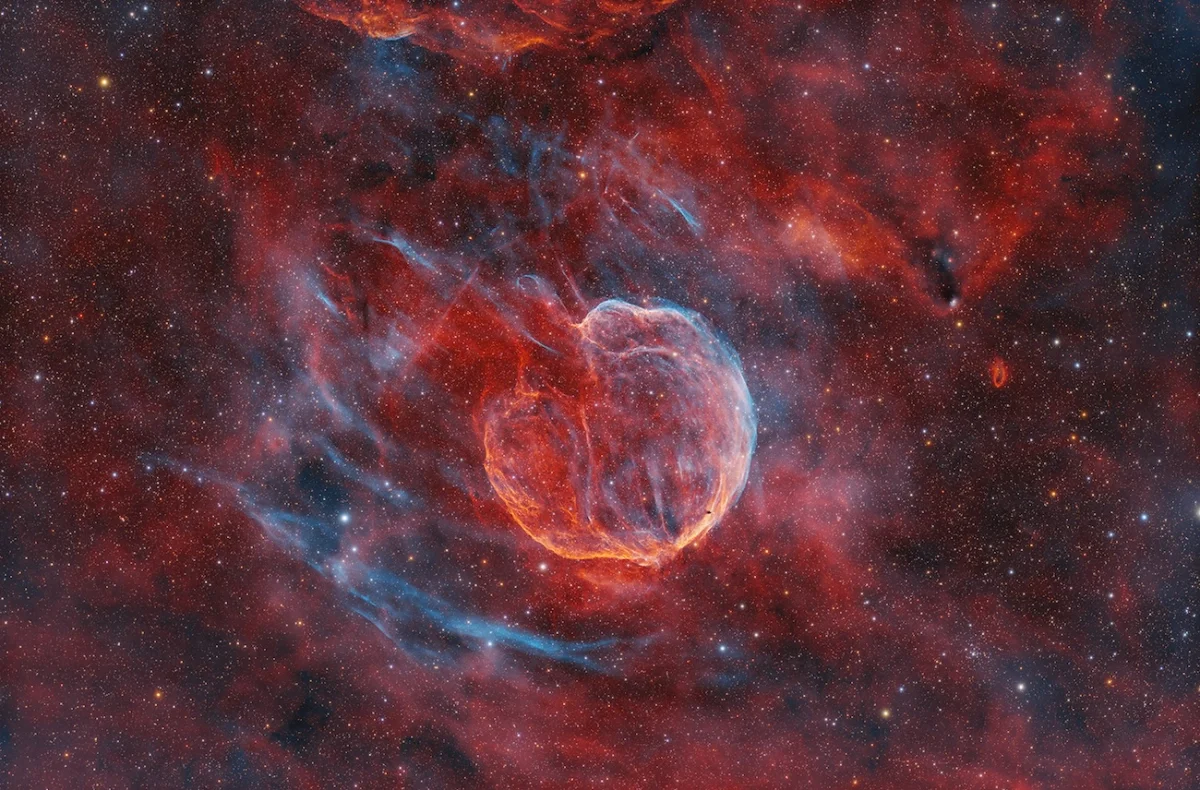
Highly Commended, Abell 85 © Humbert Cédric (France)
This revealing image of Abell 85, a supernova remnant in the Cassiopeia constellation, captivates onlookers with its dim gaseous form. Captured with a Takahashi FSQ-106 telescope, the photograph required 88 hours of data collection to showcase the faint filaments of this distant cosmic structure. Cédric’s meticulous approach incorporates a diverse range of exposure lengths, significantly enhancing the details.
Innovation and Artistic Vision on Display
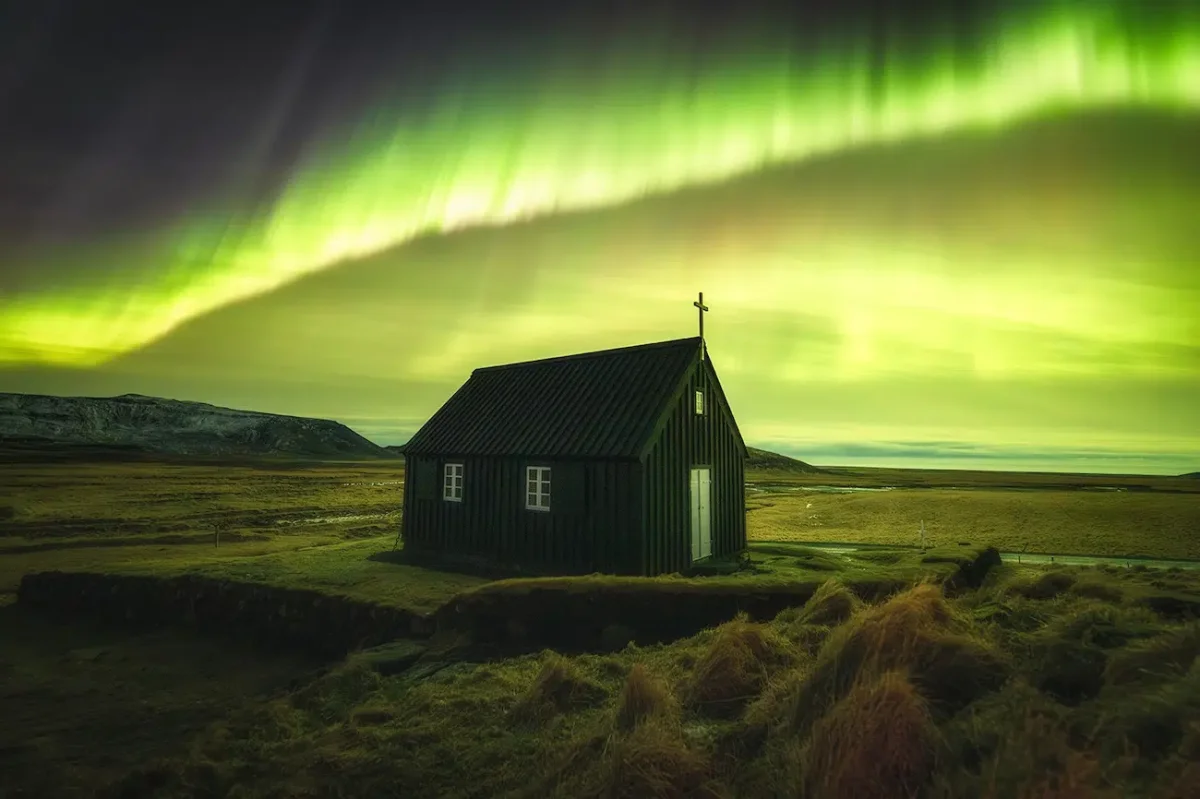
Winner, Aurorae, The Crown © Radoslav Sviretsov (Bulgaria)
Captured during a potent geomagnetic storm on January 20, 2026, Sviretsov’s image portrays the Northern Lights above a quaint Icelandic church, highlighting the vivid display of aurora borealis colors in the pristine night sky devoid of light pollution. Shot with a Canon EOS R camera, the composition achieves a delicate balance between light and setting.
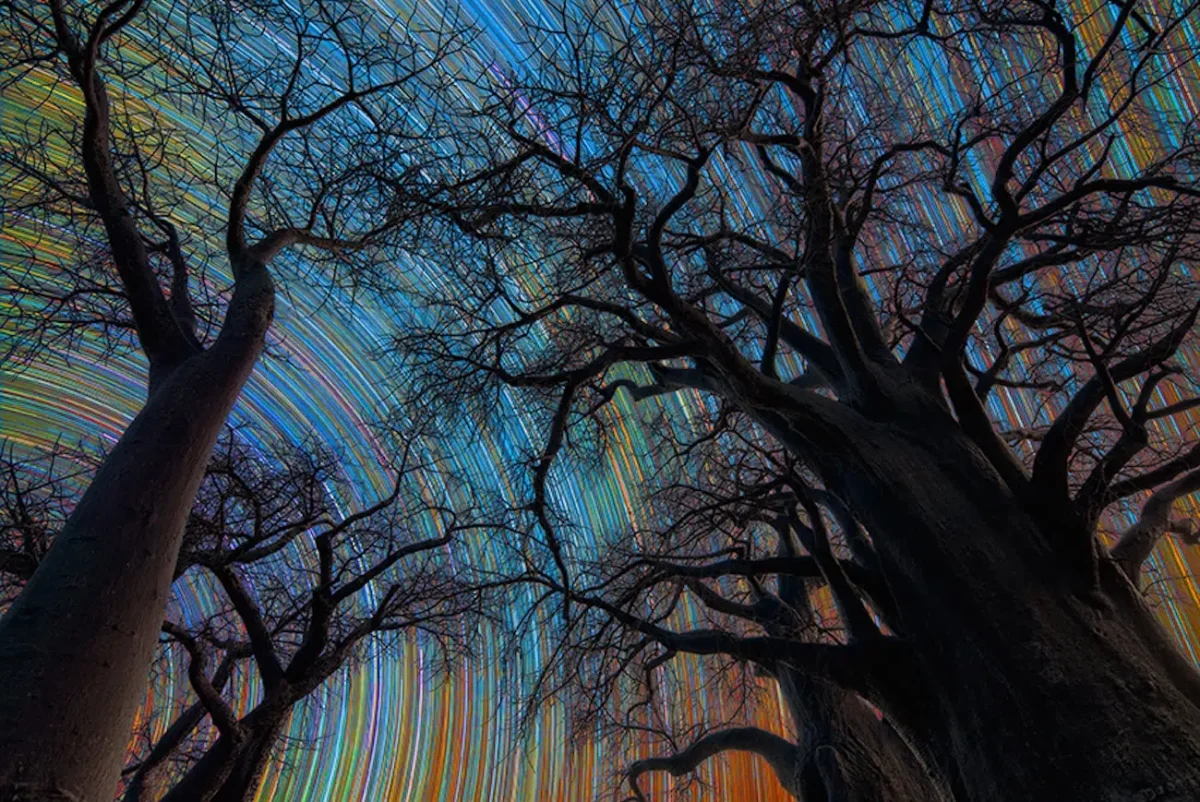
Winner, Skyscapes, Botswana Star Trail © Stefano Pellegrini (Italy)
Creating a visually stunning star trail image in Nxai Pan, Botswana, Pellegrini utilized a Nikon D7200 to capture an extraordinary view, free from atmospheric disturbance. The final result comprises 340 thirty-second exposures, culminating in a vibrant, psychedelic visualization of the sky.
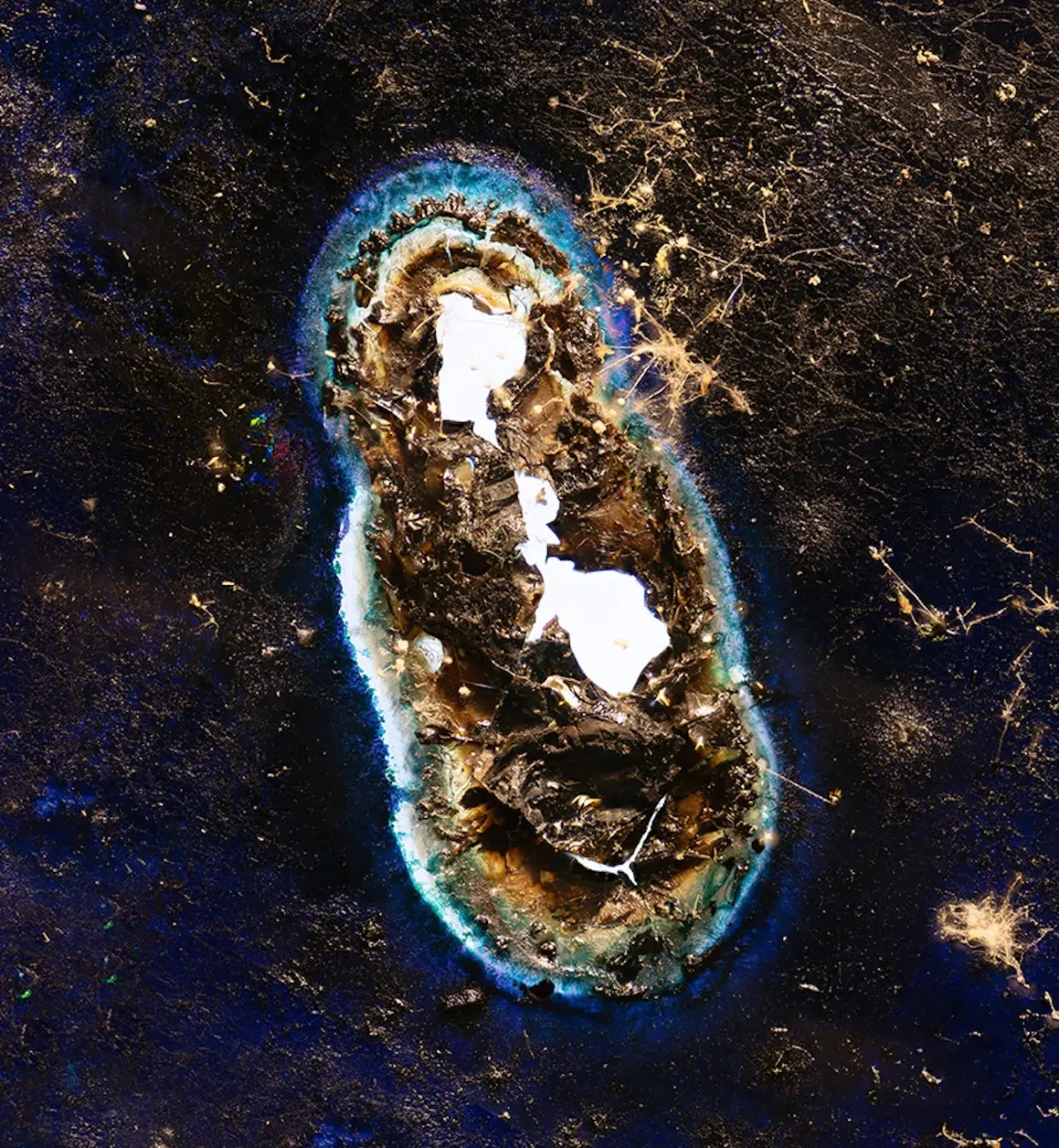
Winner, The Annie Maunder Open Category, Reverse Astronomy: Mother © Paweł Paweł (Poland)
Paweł Paweł ventured into experimental photography, creating an image by directing a large-format analogue camera toward the Sun. With intense irradiation, he explored a relationship between light and film, challenging traditional astrophotography norms. Melding techniques in developing and processing, the final image became a representation of time and light's impact on matter.
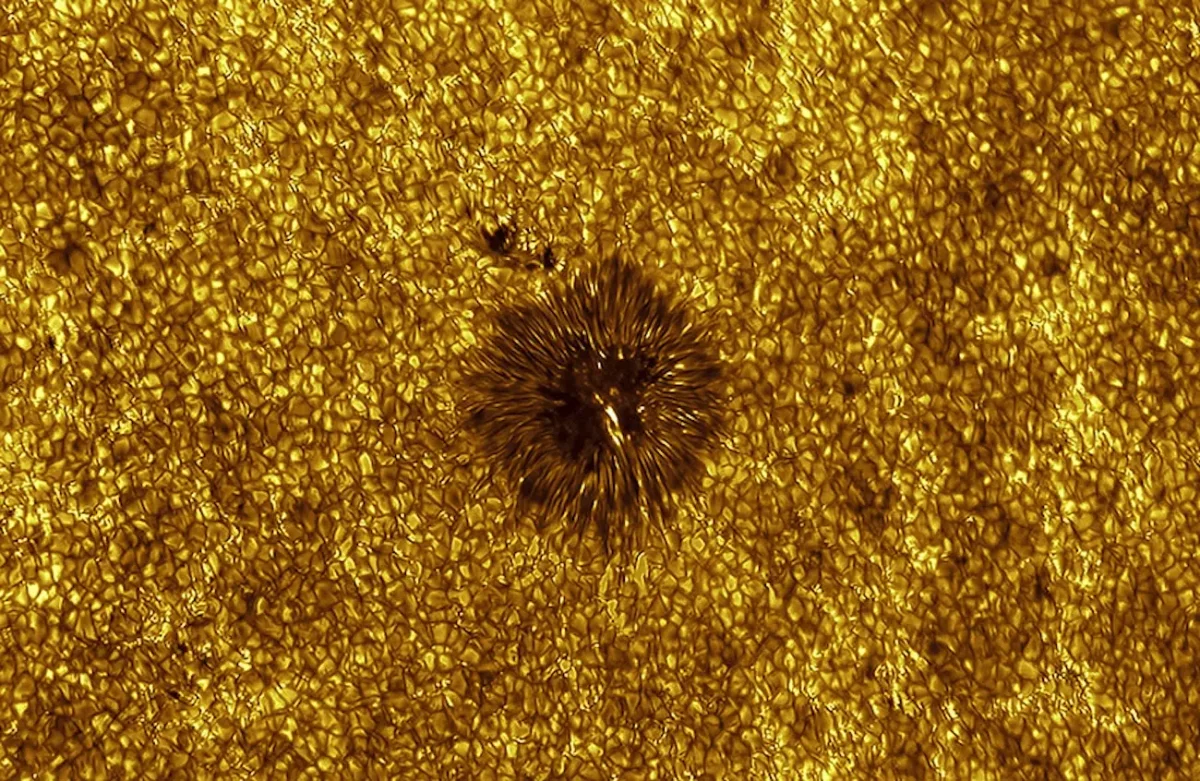
Winner, Our Sun, Active Region 4122 © Miguel Claro (Portugal)
Claro captured detailed, high-contrast imagery of the Sun's photosphere using a specialized solar telescope during optimal conditions on July 2, 2025. The dynamic shifting of plasma was beautifully rendered, showcasing the Sun's surface's complexity. These capturing techniques provide insights into solar dynamics.
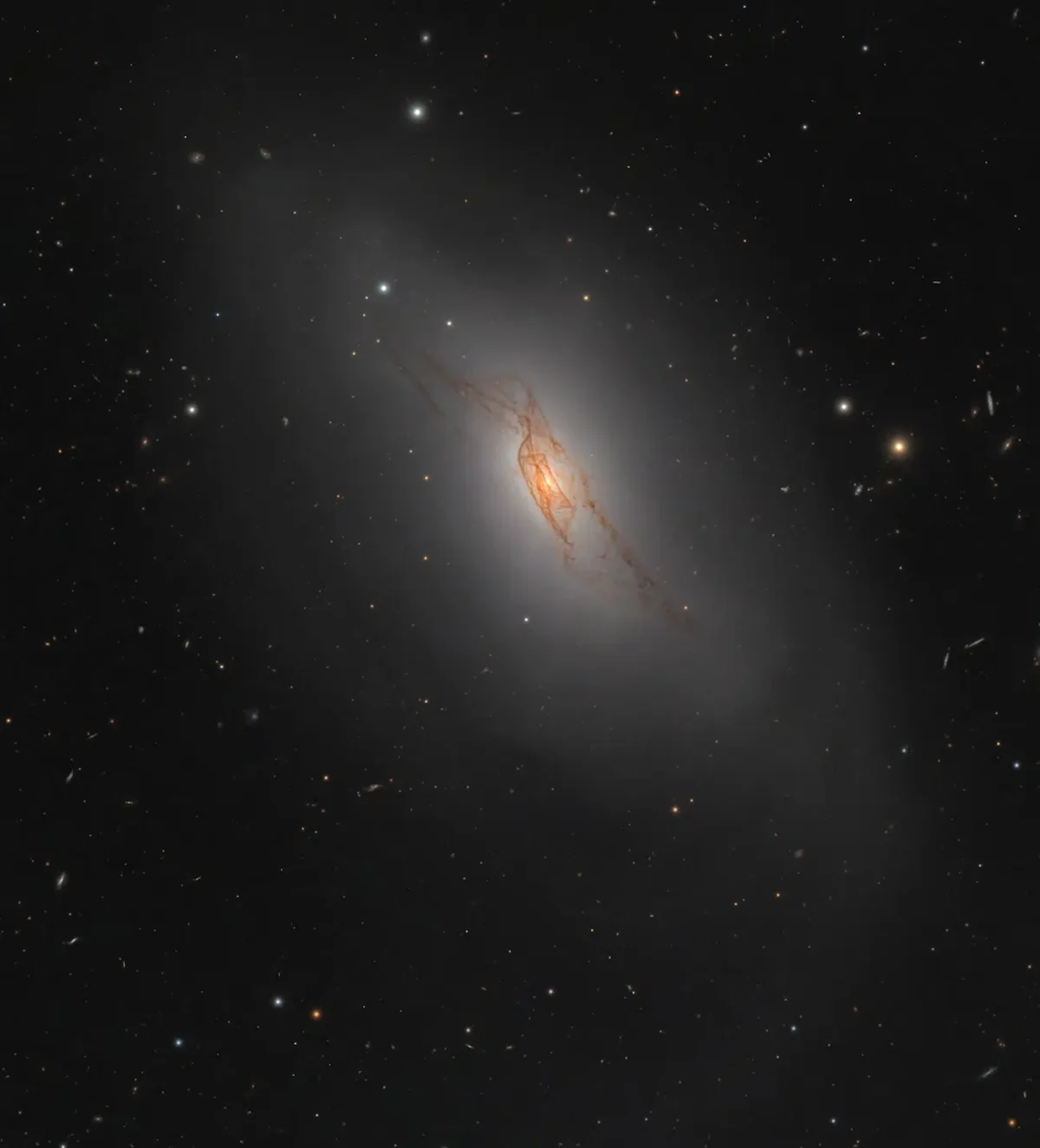
Winner, Galaxies, NGC 4753: A Symphony of Dust Lanes in Virgo © 智鹏 严and Xinran Li (China)
An extraordinary deep-sky capture of the lenticular galaxy NGC 4753 reveals its intricate dust lanes, utilizing the pristine skies of Chile to enhance image fidelity. More than 10 hours of cumulative imaging helped clarify the features often lost in less-exposed photographs. This showcases the beauty and structure of galaxies while aiding scientific understanding.
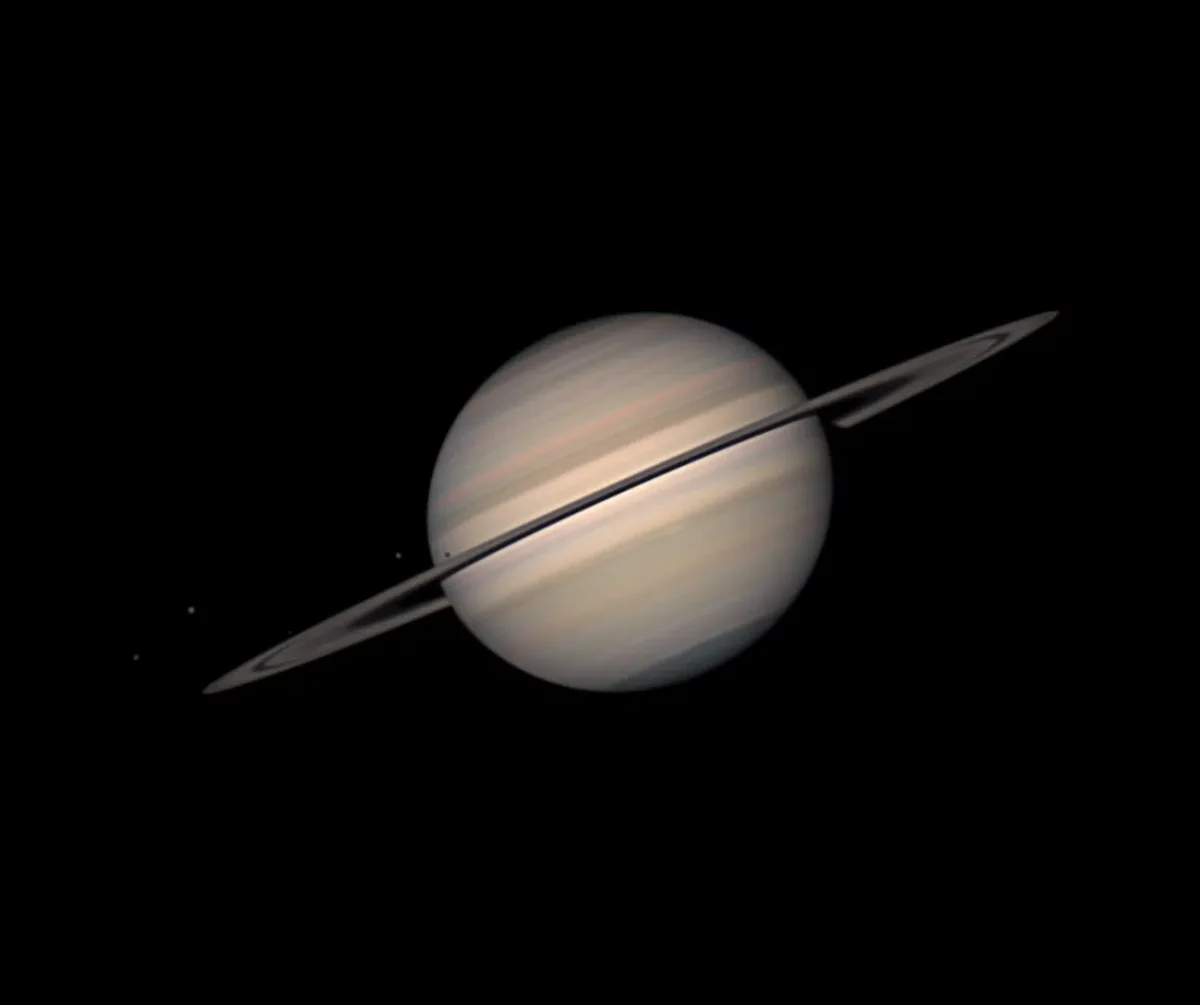
Winner, Planets, Comets & Asteroids, Saturnian Equinox © Tom Williams (UK)
Illustrating a rare view of Saturn’s rings shortly after its equinox, Williams captured the planet in intricate detail, showcasing celestial characteristics of Saturn during its journey. The visible gaps in the rings, such as the Cassini Division, were detailed using high-capture techniques, accentuating not just the planet but its moons in the surrounding space.
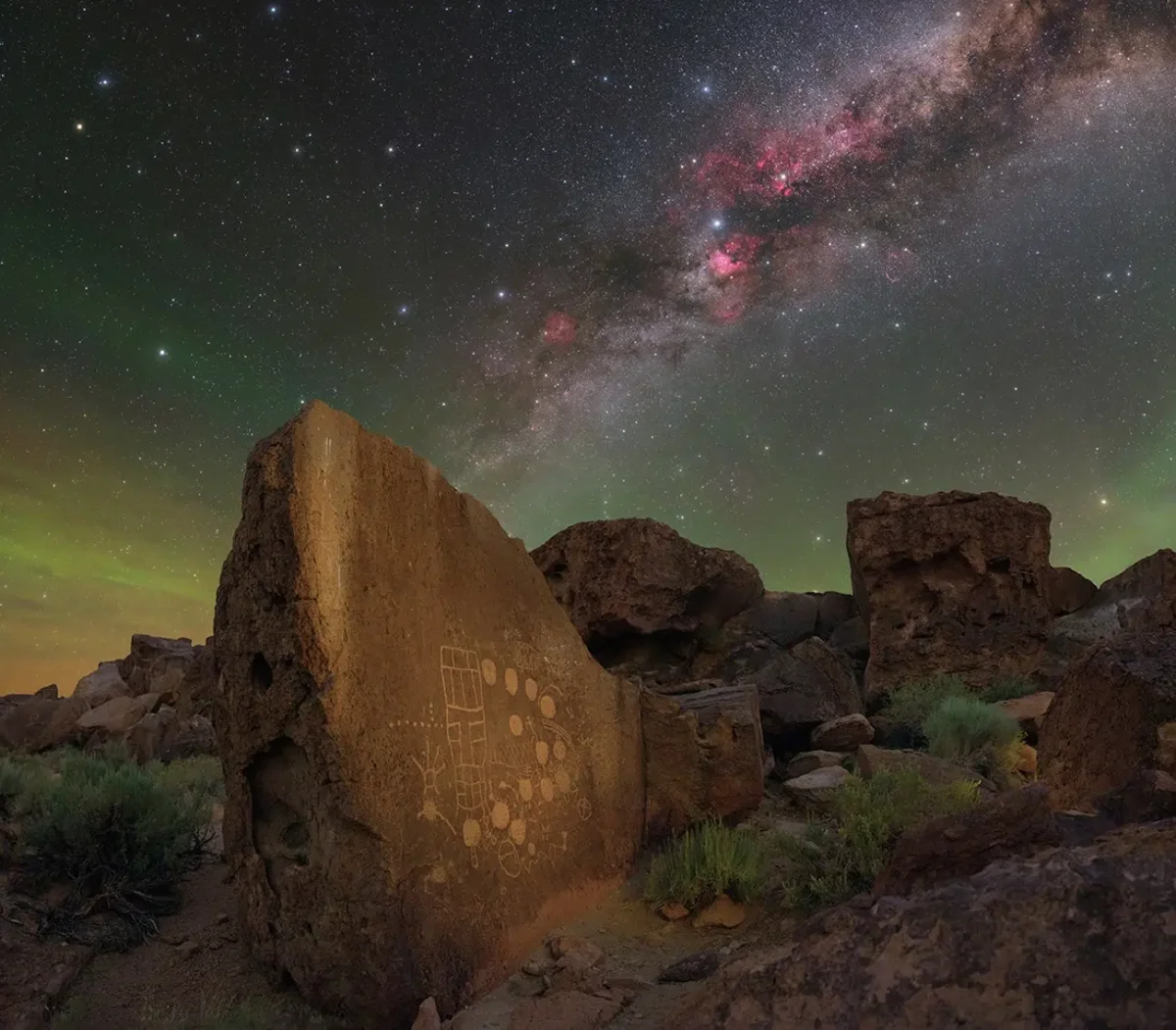
Winner, People and Space, A Message from the Ancients © Max Inwood (Aotearoa/New Zealand)
Inwood’s captivating image of ancient petroglyphs beneath the Cygnus constellation creatively links human history to the cosmos. This interplay of Earth’s history with the Milky Way’s hydrogen nebulae creates a vibrant tapestry of colors, merging historic artistry with astronomical wonder.
Exhibition Details
These astonishing images, each a testament to creativity and technical skill, will be featured in an exhibition starting September 18, 2026, at the National Maritime Museum in London.
Exhibition Information:
ZWO Astronomy Photographer of the Year Exhibition
Opening September 18, 2026
National Maritime Museum
Romney Rd, London SE10 9NF, United Kingdom
ZWO Astronomy Photographer of the Year: Website
My Modern Met granted permission to feature photos by ZWO Astronomy Photographer of the Year.
Explore Further:
29 Spectacular Finalists of the 2026 Astronomy Photographer of the Year Contest
Out-Of-This-World Winners of the 2025 Astronomy Photographer of the Year Contest
Astrophotographer Captures Dynamic Shots of a SpaceX Rocket Launching From 600 Feet Away
Gaze at the Breathtaking Astrophotography in the 2026 Milky Way Photographer of the Year Contest
After Seeing 400 Auroras, This Astrophotographer Shares His Tips for Seeing Them Yourself [Interview]
READ: Wondrous Winners of the 2026 ZWO Astronomy Photographer of the Year


