Explore techniques for photographing breathtaking reflections on the Escalante River Trail, perfect for both enthusiasts and professionals.
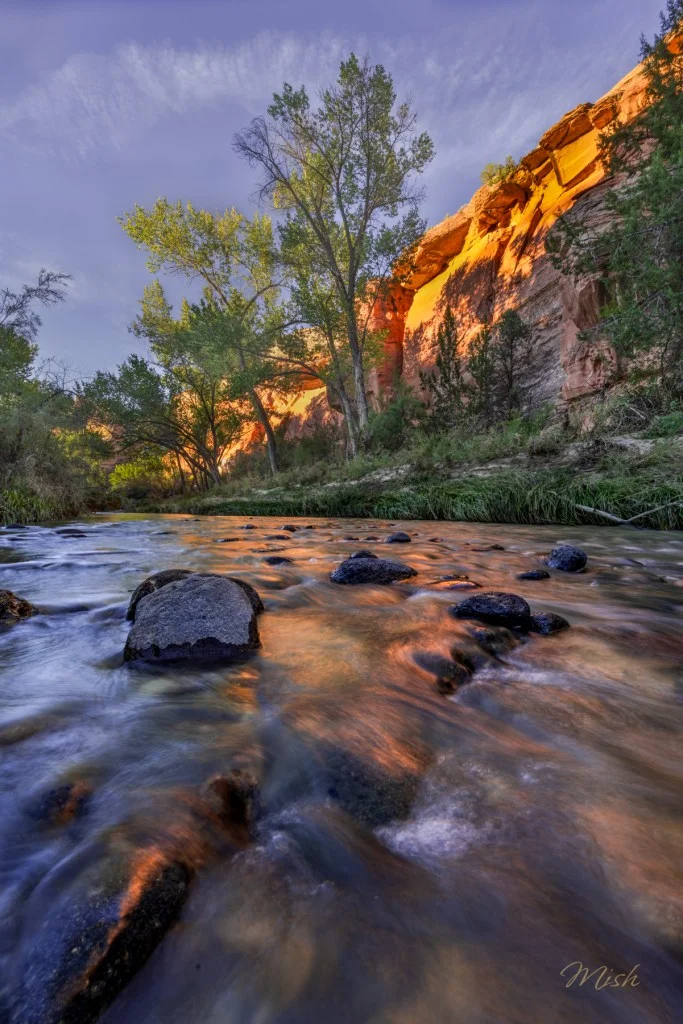
The Escalante River Trail, renowned for its stunning scenery, traverses the river multiple times, ultimately leading to a remarkable natural bridge. This area showcases dramatic landscapes characterized by unique rock formations, vibrant colors, and reflective water surfaces, making it a prime spot for photographers eager to capture landscape beauty.
Mastering the Art of Reflection Photography
This trail provides not only a challenging hike but also numerous opportunities to photograph the serene reflections of the surrounding landscape on the water. During your journey, remember that you will encounter wet conditions, as the trail crosses the river approximately six times. It's essential to prepare adequately to navigate these crossings while keeping your gear dry.
The golden hour—just before sunset—is traditionally considered the best time for photography. During this period, soft light enhances natural colors and creates compelling reflections. The following tips will help you achieve stunning images:
Key Techniques for Capturing Reflections
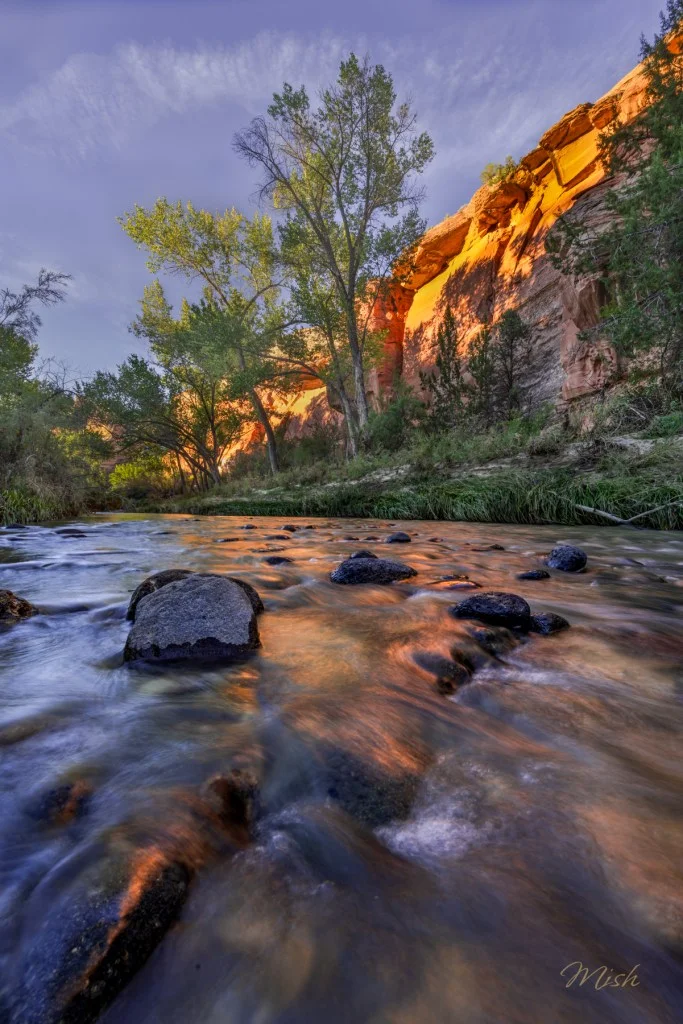
- Avoid Direct Light: The most effective reflections occur when the water is free of direct sunlight. Ideally, ensure that light illuminates surrounding features like cliffs and trees while keeping the water shaded.
- Get Low: Position your tripod or camera just a few inches above the water's surface. This perspective emphasizes the reflections and helps integrate the elements of the scene.
- Manage Exposure: With the illumination primarily on the rocks and not on the water, you may risk overexposing the bright areas in your image. Pay close attention to your exposure settings and consider using graduated neutral density filters to balance the light.
- Employ Multiple Exposures: If you have a tripod, take several exposures—one focused on the water and another on the land. You can then blend these images during post-processing for enhanced detail and dynamic range.
- Focus Stacking: For intricate scenes, focus stacking might be your best option. Focus on multiple points: the nearby rocks, the prominent mid-ground features, and the distant cliffs. Combine longer exposures for the mid-ground with shorter ones for the more brightly lit areas.
- Smart Phone Techniques: If you’re shooting with a smartphone, get low and take a shot focusing on the central rock for clarity, then adjust to focus on the illuminated cliff wall for variety.
Documenting the Landscape
The Escalante River Trail isn't just about the reflections; it's an immersive experience that allows for a variety of photography, including capturing the distinctive landscapes surrounding these reflective waters. Each image tells a story, emphasizing the dynamic relationship between the river and its environment.
While hiking, consider the context of your photography—each point of interest along the river presents a unique opportunity. From meandering pathways flanked by towering cliffs to stunning rock formations illuminated by the setting sun, these elements contribute to a compelling narrative in your photographic journey.
Further Exploration and Useful Resources
For photographers looking to expand their gallery, other locations within the Grand Staircase-Escalante National Monument provide additional subjects for creative work:
- Vista Under the Escalante Natural Bridge: Capture wide-angle images from beneath the natural arch, showcasing the grand vista.
- Milky Way and Airglow: Photograph the stunning Milky Way during your visit in May when the skies are particularly clear.
- Lower Calf Creek Falls Photography Guide: Featuring two waterfalls, the lower falls are the more accessible option with incredible photo ops.
- Devil’s Garden at Sunrise: Explore the iconic landscape about 18 miles from Escalante.
- Willis Creek Slot Canyon: Discover hidden waterfalls and natural beauty following spring rains and snowmelt.
Equipment Considerations
The photographs in this article were captured using the Canon EOS R5 Mark II. This camera offers impressive dynamic range and low-light performance, perfect for underwater conditions and scenic landscapes. As you prepare for your own hike, consider the best gear for your needs, including weather-sealed equipment, tripods, and a selection of filters that can help with managing reflections and exposure.
With thoughtful planning and attention to the elements of photography, the Escalante River Trail can yield breathtaking images that capture the beauty of the natural world. By following the outlined techniques and exploring additional locations, photographers can enrich their portfolios while experiencing the stunning vistas that this trail has to offer.


