In the face of unpredictable weather and transport challenges, a Yosemite workshop unfolds with unexpected camaraderie and stunning landscapes.

As my April photography workshop on the breathtaking scenery of Yosemite National Park loomed closer, I found myself facing a heightened sense of anxiety. Despite two decades spent leading workshops, each new group still stirs a mix of excitement and apprehension. This year, however, my concerns were less about how participants would connect and more about whether anyone would arrive at all due to harsh weather predictions.

The forecast called for snow, threatening the closure of two of the three main routes into Yosemite Valley. To compound my worries, the remaining route had recently suffered a rockslide, rendering its status somewhat unpredictable. Already, I had received messages from several participants dealing with various travel issues including canceled bus tickets and doubts about whether they could navigate potential chain requirements for tire traction.
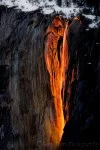
Typically, my predominant concern for the Yosemite spring workshop involves the water flow in Yosemite Falls, hoping for enough to create a beautiful moonbow. Fortunately, this year, a series of timely storms bolstered the Sierra snowpack, alleviating worries about insufficient water levels. Ironically, the same storms responsible for solving one issue were now creating complications for travel.

The Preferred Route: Highway 140
Among the routes to Yosemite, I always recommend Highway 140 for several reasons: it's easier to drive, offers scenic views, and is less likely to be burdened with snow and ice. While closures on this route do occur, they’re typically brief. However, the current rockslide situation had led to closures lasting several days, leaving what was once a reliable path uncertain.
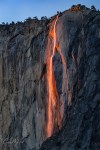
When 140 closed yet again just days before the workshop, I felt the clock was ticking. It prompted me to provide my participants with alternate routes. Highway 120 through Big Oak Flat and Highway 41 through Wawona, both of which add elevation and could lead to more potential chain requirements, were still reasonable options. These roads rise significantly higher than Highway 140, often leading to snow conditions when 140 remained clear.
Weather Woes
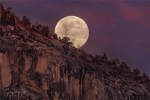
As another late-season storm was forecast to hit the day before our start, the prospect of sending novice Yosemite travelers into potentially treacherous conditions seemed daunting. Fortunately, I experienced a relief moment when 140 reopened on a Friday night, just days before our Monday session. I promptly alerted my group, directing them to reliable road condition updates via the Caltrans website while advising them to opt for 140 to avoid higher elevations plagued by snow.
With optimism renewed, I shifted my focus to the unknown fate of another participant, Jim, a photographer unable to drive himself. He relied on a convoluted combination of trains and buses, making his participation precarious. He had previously canceled due to the closure, only to tentatively re-confirm his attendance, yet communication had stalled as the workshop approached.

Participants’ Challenges
The day before the workshop, Barbara, one of the photographers from the Gulf Coast who faced the driving conditions for the first time, called to inform me that she had turned back from Highway 120 after experiencing adverse conditions. Hearing about her struggles, I offered to drive to Groveland to guide her down to Yosemite Valley if conditions worsened.

The next morning held promise as I checked road conditions—Highway 120 was now manageable with no chain requirements, and 140 remained open. Just as I began my journey, Barbara texted to say she would be sticking with 140 after all, suggesting that perhaps our fortunes were finally aligning.

However, the unpredictability of mountain travel proved daunting, as I later received word that 140 had closed again. As I found myself in Groveland, awaiting Barbara and hoping she wouldn't run into issues, I learned that conditions had improved and chain requirements had been lifted. Just then, my phone rang with a call from Jim, whom I'd almost written off. He had managed to make it to Yosemite Valley but faced new challenges upon arrival.

Jim’s Incident
After a long journey, Jim had checked in to a hotel for some rest, but disaster struck when he tripped on a rock in the dark, injuring himself while dinner was served. An ambulance was called, and while doctors confirmed he suffered no serious injuries, Jim found himself stranded without transport back to his original hotel where his equipment was waiting.

Fortunately, a kind stranger offered him transport to a nearby hotel where he could recuperate until the morning. Juggling uncertainty, he planned to catch the first bus back to his belongings and join the workshop. Just as things seemed to settle, Highway 140 went dark yet again before he could board the bus, raising fresh concerns about whether I would actually have anyone to guide through the natural beauty of Yosemite.

A Bright Outcome
The growing list of participant arrivals included Stan and Bonnie, who detoured significantly due to road closures. Eager to contribute, I proposed that they assist by offering to pick up Jim and bring him to the group. Thankfully, they agreed, and in what seemed a final twist of fate, everything aligned just in time for the workshop.

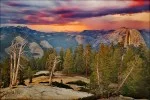
Everyone eventually made it to the gathering, sharing their unique tales of travel adversity and overcoming challenges that fostered a newfound connection within the group. The ongoing unsettled weather, while initially causing distress, transformed into a backdrop of stunning, cloud-laden vistas and theatrical sunsets.

Capturing the Beauty
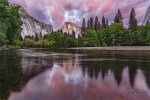
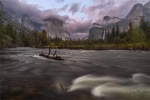
During our penultimate moonbow shoot, the clouds danced around the landscape, adding to the mesmerizing sunset finale we anticipated. The reflections in the Merced River during this spectacle were particularly noteworthy. The choice of how much sky to include in landscape compositions can be challenging, especially when you have such contrasting elements of beauty present. I encouraged my workshop participants to frame their shots in a way that highlighted both the vibrant clouds and their reflections below.

Ultimately, this turned out to be an unforgettable sunset—one of my most cherished experiences in Yosemite. Reflecting on the entire experience, I found truth in an old saying: most things I worry about never happen anyway.

This journey emphasized the importance of flexibility and problem-solving, using shared experiences to foster stronger bonds among photographers. As we left Yosemite, a spirit of camaraderie remained palpable, enriched by the lessons learned both in the field and through the unexpected challenges we collectively faced.

For those planning future workshops, let this blend of unpredictability and beauty in adventure remind you that creative potential often flourishes under pressure, proving that even when nature throws challenges your way, the rewards can be breathtaking.
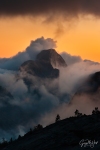
About the Photograph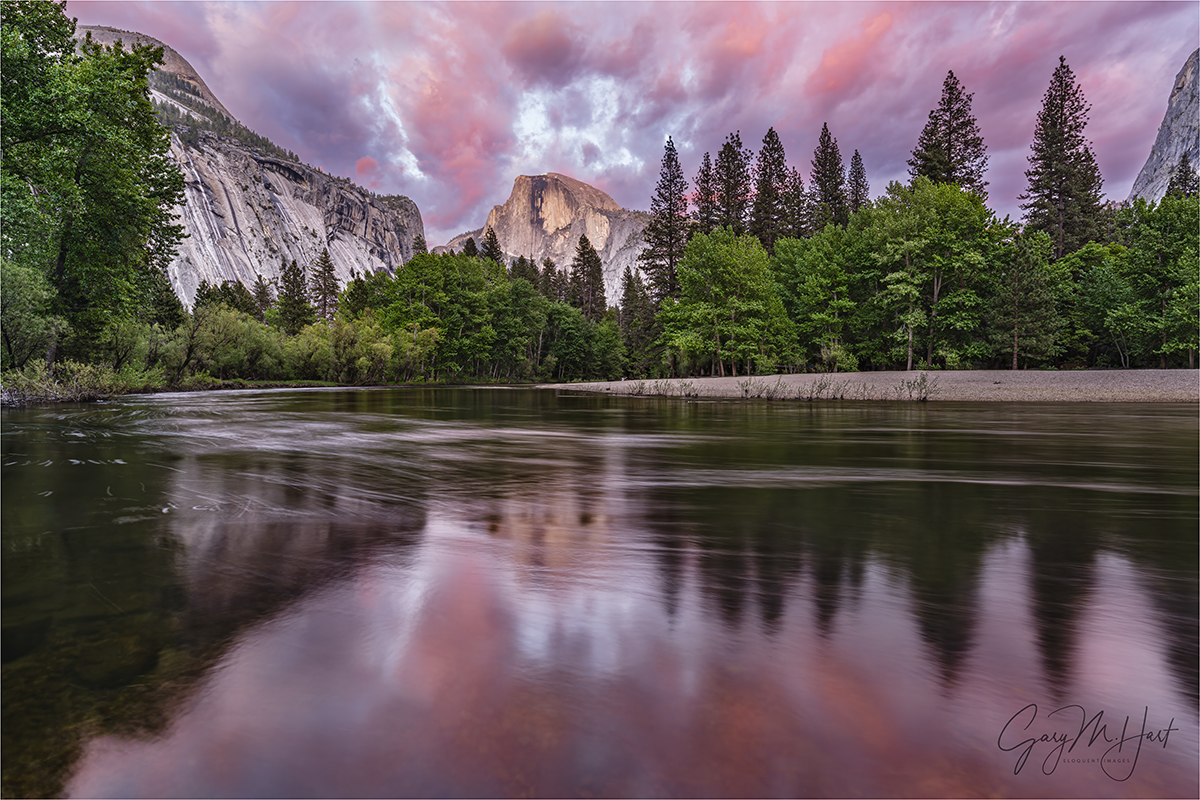
Shot on a Sony a7R V with a Sony 12-24 GM lens, settings at 2 seconds, F/16, ISO 50.

Check Out Our Workshop Schedule || Visit Gary Hart Photography
Explore stunning Yosemite sunrises and sunsets in our photographic gallery, emanating peace, beauty, and the lessons of nature.