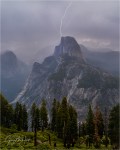
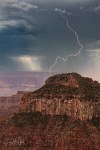
Explore the latest techniques and gear innovations in lightning photography, including the benefits of pre-capture technology and the transition to new lightning sensors.

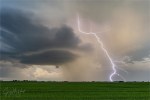
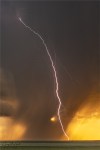
Complex Lightning Strike, Western Alberta, Canada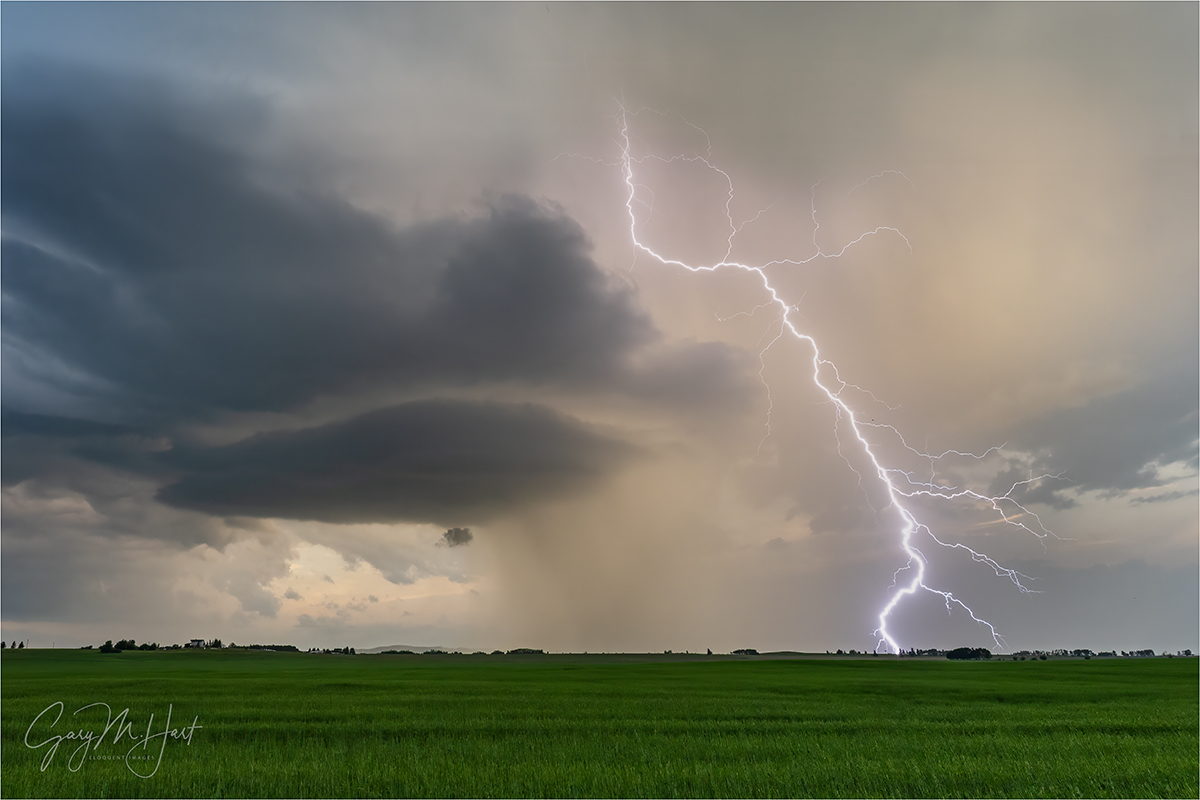
Captured using: Sony a7R VI, Sony 12-24 f/2.8 GM
Exposure: 1/60 second, F/9, ISO 400

Fifteen Years of Lightning Photography
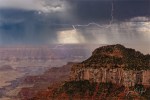
For over 15 years, I've dedicated my photography to capturing the fleeting moments of lightning, primarily from the dramatic landscapes of Northern California and the Grand Canyon. Last year marked a turning point, expanding my horizons into the heart of Midwest storm chasing, followed by a successful trip to Canada this year. Moving forward, I’ve scheduled three lightning photography workshops, focusing on storm chasing across the Midwest, the Canadian prairies, and the monsoon season in the Grand Canyon.

The challenge of daylight lightning photography is unparalleled. Unlike nighttime photography, where prolonged exposure captures lightning against a dark backdrop, daylight often obscures these brilliant flashes. Longer exposures tend to wash out lightning, rendering it imperceptible. To combat this, I adopt varied strategies, from using intervalometers for rapid-fire exposures to more sophisticated tools like lightning sensors that trigger the shutter at the moment a bolt is detected.

Pioneering Light Capture Techniques: The Transition to Pre-Capture
This year saw a significant upgrade to my gear with the Sony a7R VI, introducing pre-capture functionality into my workflow. This feature allows the camera to record a series of frames before the shutter is physically pressed, buffering them for a brief window—maxing out around 30 frames over one second in my case. This technology should be seen as a complement to traditional lightning sensors rather than a replacement.
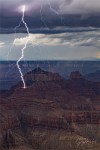
Many photographers miss critical moments because of slow reflexes. Pre-capture resolves this issue, enabling the capture of moments that occur just before the shutter is activated. This is especially useful in coursework involving wildlife or fast-paced sporting events. However, relying solely on pre-capture presents its own challenges. Namely, it requires constant vigilance and readiness, which can be taxing during long waits for lightning strikes.
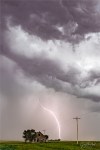
Rolling shutter is another disadvantage of pre-capture settings. With electronic shutters reading scenes from top to bottom, a lightning strike occurring mid-exposure can lead to uneven lighting across the frame. Fortunately, cameras with faster sensor readouts or global shutters, like the anticipated Sony a9 III, mitigate this issue significantly.

The Evolution of Lightning Sensors
In my extensive experience with lightning photography, I've recommended Lightning Trigger sensors, which have consistently outperformed alternatives in my workshops. Despite their high success rate, several attendees arrived with diverse, competing models from vendors boasting modern features. Their frustration often led them to inquire about acquiring Lightning Triggers during workshops, highlighting the ongoing competition among sensor technologies.

While I've enjoyed strong service and reliability from my aged Lightning Triggers, recent changes have spurred me to explore other options due to logistical limitations affecting my workshop students' experiences. By chance, I encountered the Bolt Hunter sensor this year, which consistently outperformed my trusted Lightning Trigger in terms of image quality. The pivotal moment was during a dramatic storm in Canada, where Bolt Hunter users captured superior depictions of lightning's intricate details compared to the Lightning Trigger.

Understanding Bolt Hunter's Advanced Features
Bolt Hunter introduces innovative functionality by assessing various lightning components to determine the optimal shutter timing. Unlike many standard sensors that merely detect lightning and trigger the camera immediately, Bolt Hunter evaluates camera shutter lag and integrates that knowledge into its decision-making process. This results in capturing the most visually interesting aspects of a bolt, including delayed strikes not present at the initial flash.

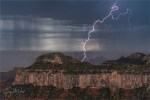
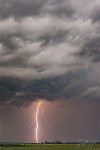
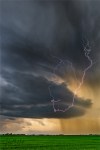
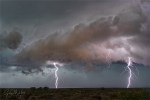
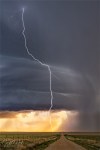
Two significant images illustrate this advantage. My version, triggered by the Lightning Trigger, captured a lightning bolt but lacked the definition found in a similarly framed image captured by a workshop attendee using Bolt Hunter. While my picture revealed the general action, the Bolt Hunter image displayed more complex filaments and intricate detail—an aesthetic edge that significantly enhances the visual experience.

Bolt Hunter lightning captured by Don Goldman
Despite these findings, it’s important to acknowledge that my observations stem from a limited comparative scenario. More extensive testing under controlled conditions would yield conclusive results. For now, my decision to transition to Bolt Hunter is based on its visible performance advantages, coupled with a growing concern regarding the shortcomings of Lightning Trigger technologies.
Acknowledging Past Relationships
Despite my switch, I still hold deep appreciation for Lightning Trigger and the support from its creator, Rich at Stepping Stone. His dedication and responsiveness over the years are commendable, and he has always been there to address any challenges I've faced. Should I find myself unsatisfied with Bolt Hunter, I remain open to revisiting my Lightning Triggers; their capability of capturing lightning effectively remains well-established.

However, I hope this new relationship with Bolt Hunter will extend well into the future. The integration of innovative features and the quality of captured images make it a promising tool for my lightning photography journey.

Final Thoughts on Photography Gear and Techniques
The photography landscape continues to evolve, unveiling an array of tools and techniques designed to enhance our craft. The advancements in lightning photography are no exception, with pre-capture technology and modern lightning sensors leading the charge. As I move forward with these improvements, I encourage others to evaluate their tools critically and embrace innovations that complement their unique photographic journeys. Let's keep capturing these electrifying moments!
Check my workshop schedule for opportunities to join and learn more. I also invite you to explore additional resources and my favorite gear recommendations, including :
- Bolt Hunter—a tech-savvy sensor option
- Breakthrough Filters—for enhancing image quality
- Really Right Stuff—for reliable tripods and mounts
- Sony Alpha—for powerful imaging solutions