Explore the reality of storm chasing through personal experiences, focusing on risk management, photography techniques, and the beauty of nature's fury.

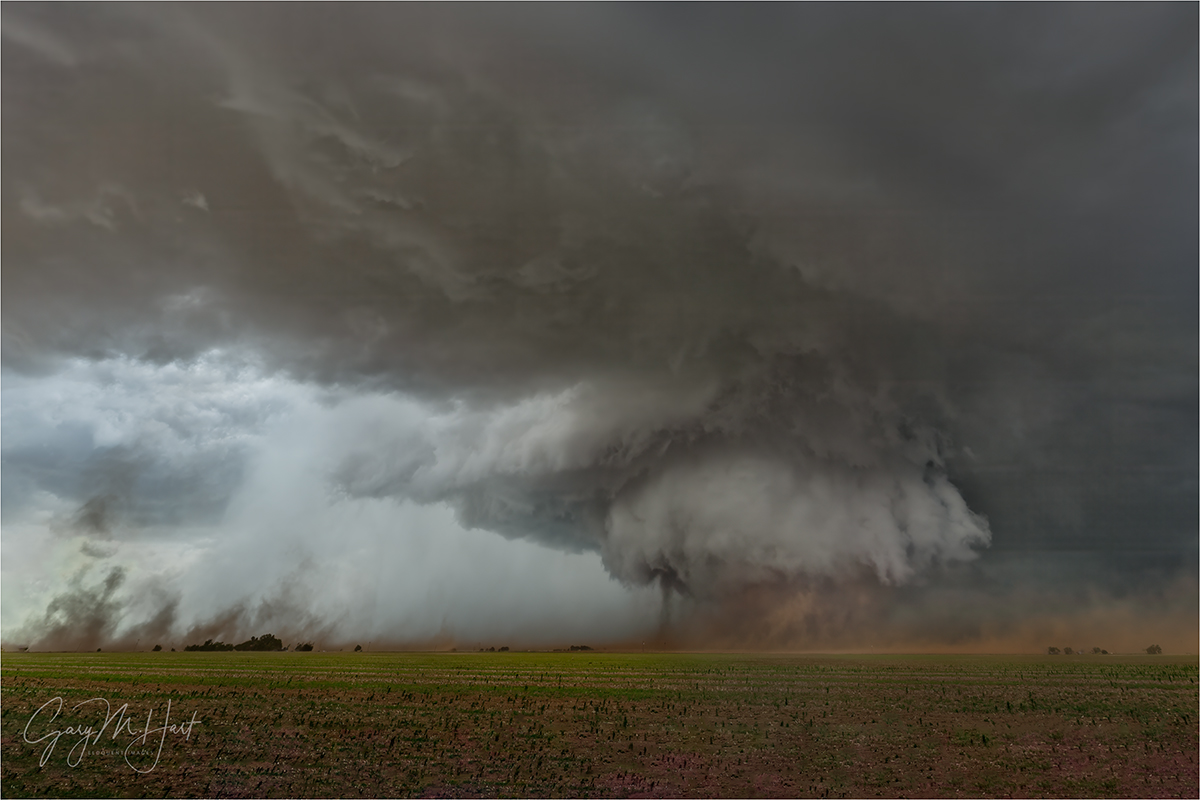
Morton EF2 Tornado and Satellite Vortex, Morton, Texas (2025)
Sony a7R V
Sony 24-105 f/4 G
ISO 200
f/16
1/40 second
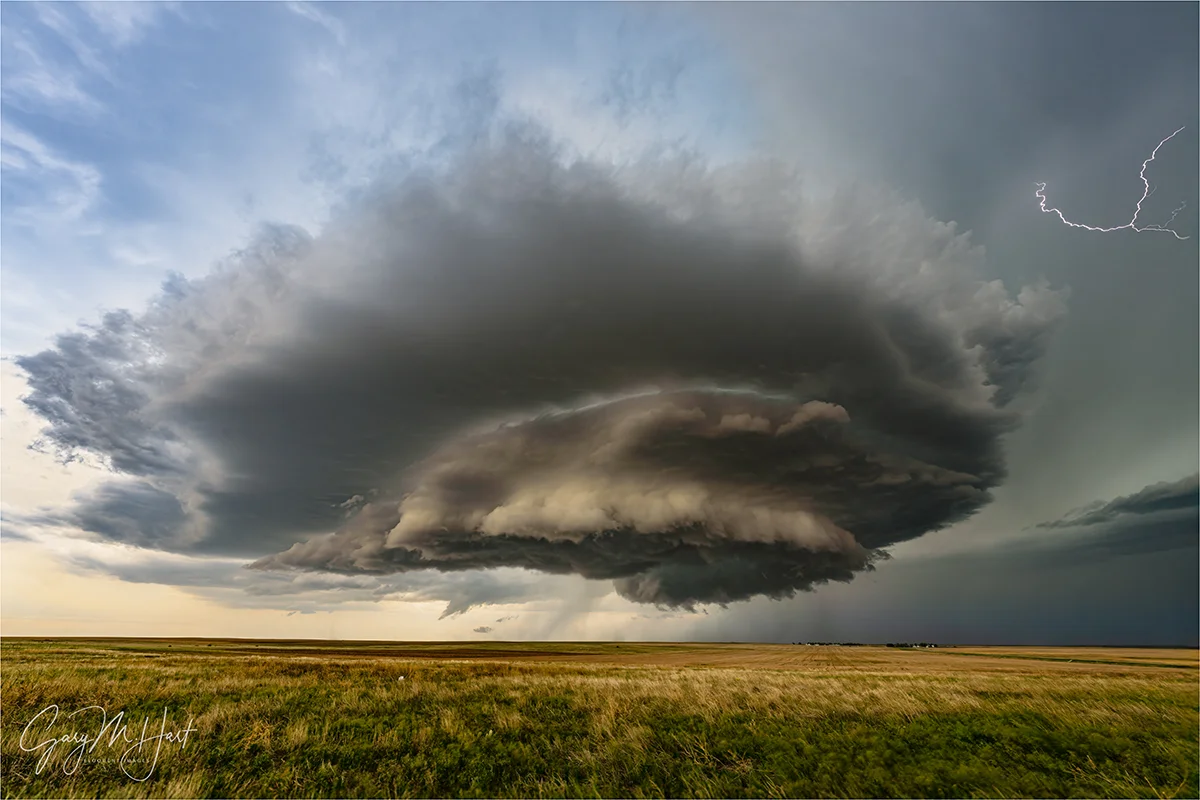
Choosing to chase tornadoes involves a careful assessment of risk versus reward. For me, the potential rewards have always outweighed the risks, leading to a newfound passion for storm chasing, which has become a staple in my photography workshops.
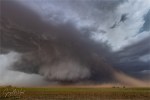
My fascination with tornadoes began in childhood, inspired by the dramatic tornado scenes in “The Wizard of Oz.” That initial interest matured into a deeper appreciation for the forces of nature as I sought to witness and photograph awe-inspiring phenomena, such as comets, the northern lights, and solar eclipses. The transition to focusing on tornadoes seemed a natural progression on my list of natural spectacles to observe, although I never envisioned myself chasing the violent EF4 or EF5 tornadoes typically featured in movies. My visions instead were of more whimsical twisters, much like those in my childhood memories.
It’s essential to clarify that responsible storm chasers do not revel in the misfortunes of others. Fortunately, tornadoes often occur over sparsely populated areas, causing minimal damage. In my experience with fellow chasers, we consciously avoid storming into metropolitan regions, driven by respect for those in harm's way and the realization that pursuing storms in urban settings complicates logistics and safety.

Leading up to my inaugural storm chasing trip in 2025, I prepared mentally by rewatching tornado-themed films, which only exacerbated my nerves as onlookers expressed concern over my plans. Had I underestimated the risks?

On my first storm chasing workshop, our group encountered six tornadoes, each sighting enhancing my understanding of risk and safety. I discovered that my previous concerns were somewhat naïve; experienced storm chasers take numerous precautions to ensure their safety and that of others.
While chasing extreme weather certainly carries risks, I believe misconceptions about those risks are widespread. The three primary dangers include:

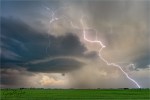
- Lightning: Being outside during a storm always poses a risk of lightning strikes.
- Hail: Large hail can inflict damage on structures, vehicles, and people indiscriminately.
- Tornadoes: Tornadoes can obliterate anything in their path.
However, contrary to Hollywood portrayals, the reality of storm chasing lacks the dramatic, life-threatening scenarios depicted in films like “Twister.” In fact, the foremost goal for seasoned photographers is to position themselves at a safe distance from the storm. This distance not only enhances safety but typically yields better photographic opportunities as well.

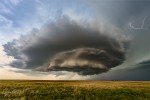
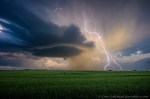
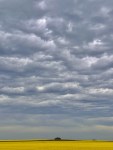
As I delved deeper into storm chasing, learning about the organization of mesocyclones and supercells allowed me to understand the inherent risks and the necessary precautions taken. Key features of storm systems—such as the anvil shape at the top, inflow and outflow patterns, wall clouds, rotating clouds, and even varying shades indicating hail—become recognizable to trained eyes.
Risk Management Strategies
Here’s how storm chasers effectively manage each of the three key risks:
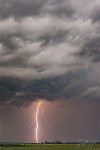
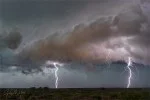
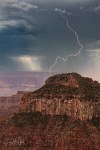
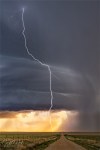
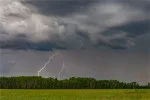
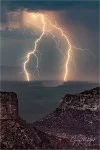
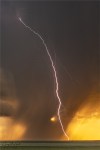
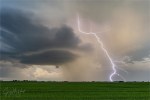
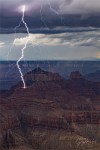
- Lightning: Experienced chasers can often predict lightning strike zones within storm clouds. The safest refuge from lightning is inside a secure building or vehicle. When photographing lightning, our groups maintain close proximity to our vans. With clear communication, we can retreat to safety swiftly when needed, which contributes to the lack of recorded fatalities in storm chasing due to lightning.
- Hail: As hail forms, it exhibits distinct visual indicators—a blue or green band in clouds—and emits a roar as it approaches. This sound serves as a vital warning for chasers to seek the shelter of their vehicles. While vehicles often bear the brunt of hail damage, the ability to quickly escape to safety helps mitigate injuries. For instance, during one nighttime chase, our group expertly navigated beneath a gas station canopy just in time to avoid destructive hail.
- Tornadoes: Knowledge of atmospheric physics allows storm chasers to identify conditions that lead to tornado formation. Understanding the storm's motion, the positioning of updrafts, and classic signs signaling a tornado’s imminent development are paramount for staying safe.
My first storm chasing lesson highlighted the importance of positioning. The objective is not just to see a tornado but to secure a distant vantage where safety, visibility, and the full grandeur of the supercell can be appreciated. This careful approach underpins why collaborating with knowledgeable storm chasers is vital for photographers.
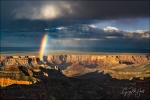
Professional storm chasers rely on real-time data provided by NOAA and the National Weather Service to chart their course and select optimal locations for chasing storms. Their expertise enables them to navigate safely and effectively, taking into account the potential for treacherous road conditions and ensuring a quick escape route if necessary.
Understanding Storm Structures
The predictable nature of supercells reflects why traffic-related incidents are usually the cause of storm chasing deaths, save for a rare case where an El Reno tornado unexpectedly changed direction with devastating outcomes. Here, three scientists lost their lives attempting to get close enough to capture data within the tornado, emphasizing the dangers of misjudging a storm’s behavior.
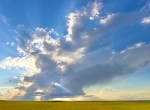
Fortunately, our group received significant validation of our safety protocols during our tornado day last year. An experienced chaser friend, Chris, used his expert knowledge to position us perfectly to witness a developing supercell that ultimately produced our first tornado sighting. He adeptly guided us through the day, ensuring we remained safe while still witnessing the impressive storms.
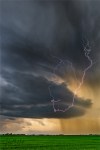
Finding ourselves on a rural road near Morton, Texas, we encountered a scene reminiscent of disaster films—vehicles packed along the roadside, excited photographers scrambling for the best views. As we positioned ourselves at a fence a half-mile away, we witnessed an EF1 tornado erupt from the wall cloud, followed by a series of twisters that stirred up dust in unpopulated fields.
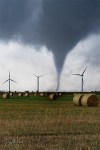
The crowning moment was the Morton Tornado, later recorded as over a mile in width, traveling approximately ten miles across farmland with peak winds reaching 125 mph. Looking back at the captured images, it's clear that I experienced a pivotal shift in my perception of storm chasing. Instead of fear, I felt an overwhelming sense of awe; the presence of excitement was accompanied by serenity, knowing we had safely managed our distance from the twister.
Join me on a storm chasing trip
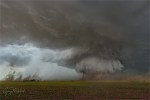
Embarking on a journey as a storm chaser opens up a world of thrilling and educational experiences. While the risks are significant, the rewards of capturing nature's fury and beauty are profound, offering photographers remarkable opportunities to expand their craft while navigating the dazzling and dangerous interplay of weather.