Navigating the complexities of self-critique can be challenging for artists. Discover how to embrace uncertainty and foster a healthy relationship with your work.
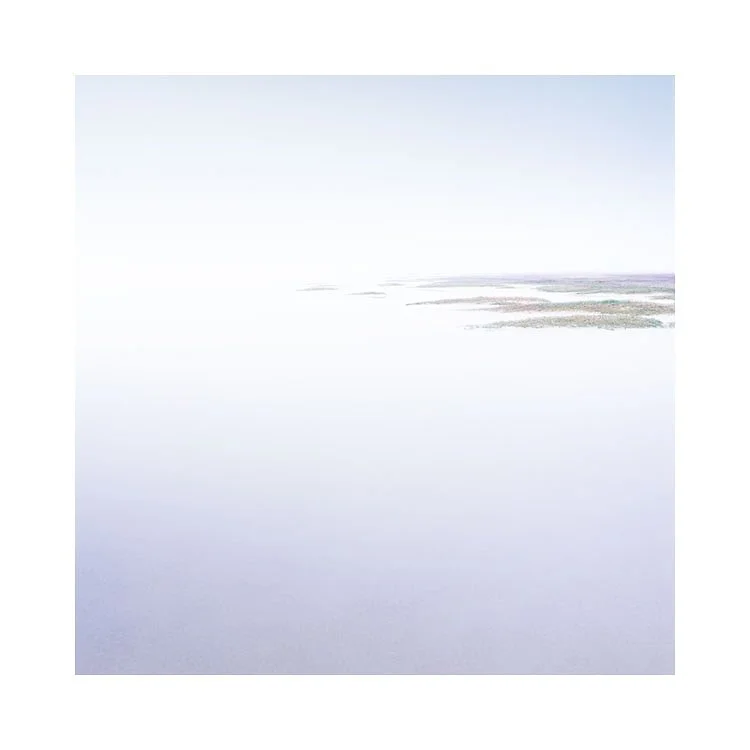
Living with one's own work can often feel like an uphill battle for many artists. As a photographer, I’ve witnessed my style evolve over the years, moving towards a more minimalistic aesthetic. This transition hasn’t come without its struggles; there have certainly been phases where I’ve looked back at my earlier pieces, only to feel a profound disconnect.
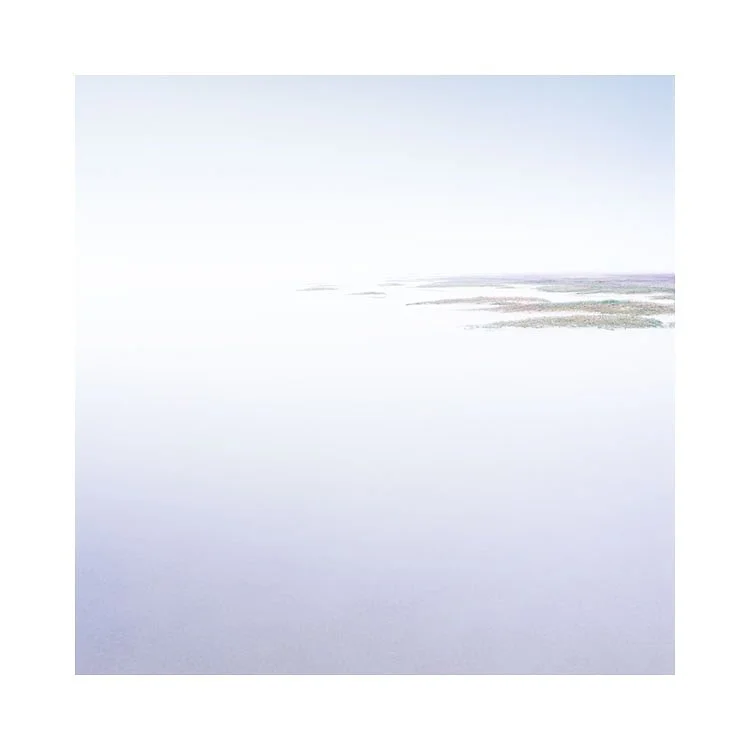
It’s not uncommon for artists to view their earlier works with a sense of disappointment or embarrassment. We tend to recognize ways in which we have grown and matured in our craft, leading to the inevitable conclusion that our past efforts pale in comparison to our current standards. Even on the rare occasion when we appreciate our old works, it’s difficult not to recognize the flaws—what we would change or refine if given a second chance. This is a natural part of artistic growth.
However, what’s often overlooked is the weight of living with current work that leaves us uncertain or dissatisfied. There’s a tendency among artists to conceal their apprehensions; sharing doubts can invite skepticism from audiences who seek assurance in the quality of the work. This psychological barrier can hinder not only personal satisfaction with our art but also the reception it receives from the public.
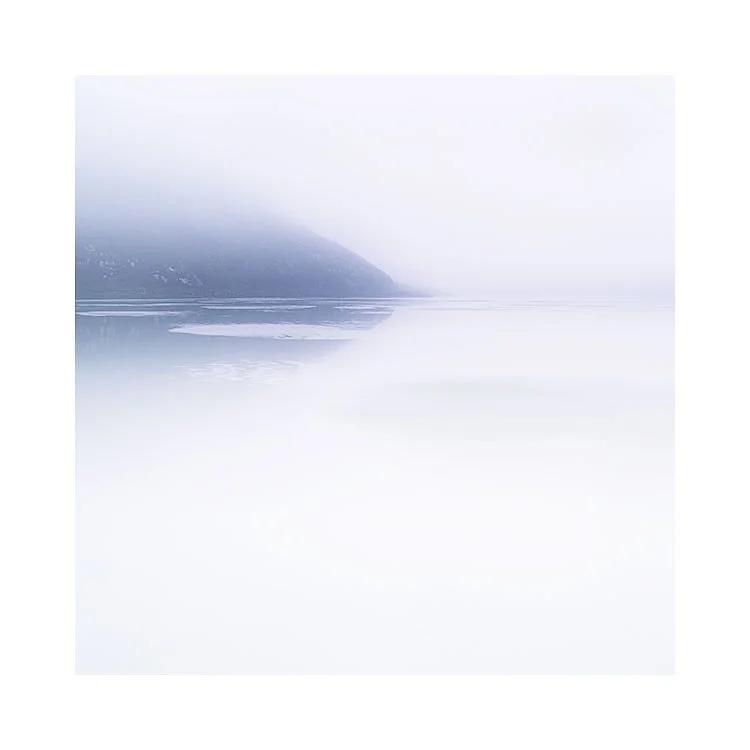
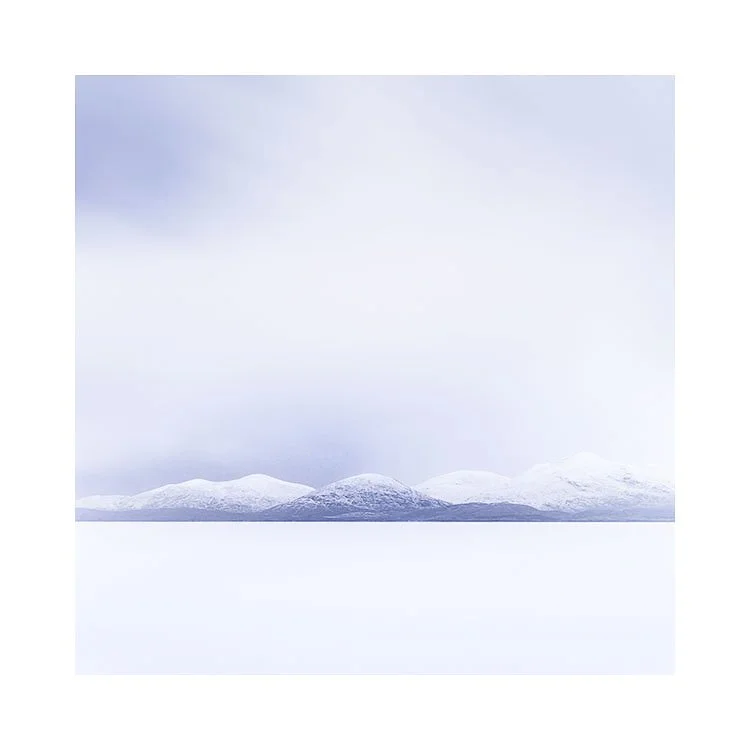
In the past year, I ventured to the Isle of Harris under what I deemed ideal conditions for creating an exceptional portfolio. The fog and snow were all I could have hoped for to capture the island’s ethereal beauty. I left with a collection of images I believed would be striking—plenty for a compelling showcase.
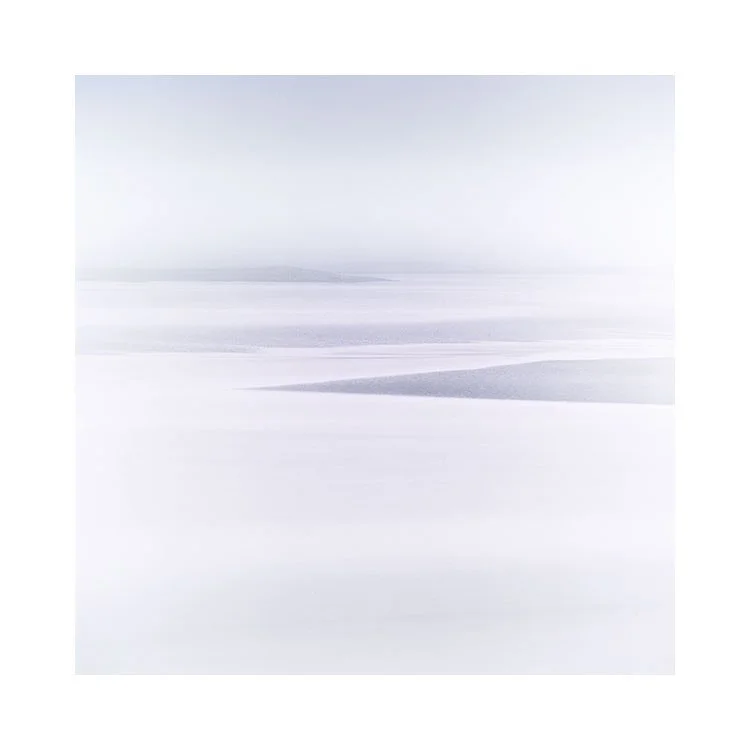
Yet, when I reviewed the portfolio, dissatisfaction loomed large. I sensed inconsistencies in my work; at times it felt overly light, while other attempts to introduce depth left the images feeling stark and hard-edged. This struggle to find balance limited my ability to appreciate what I had created at that moment.
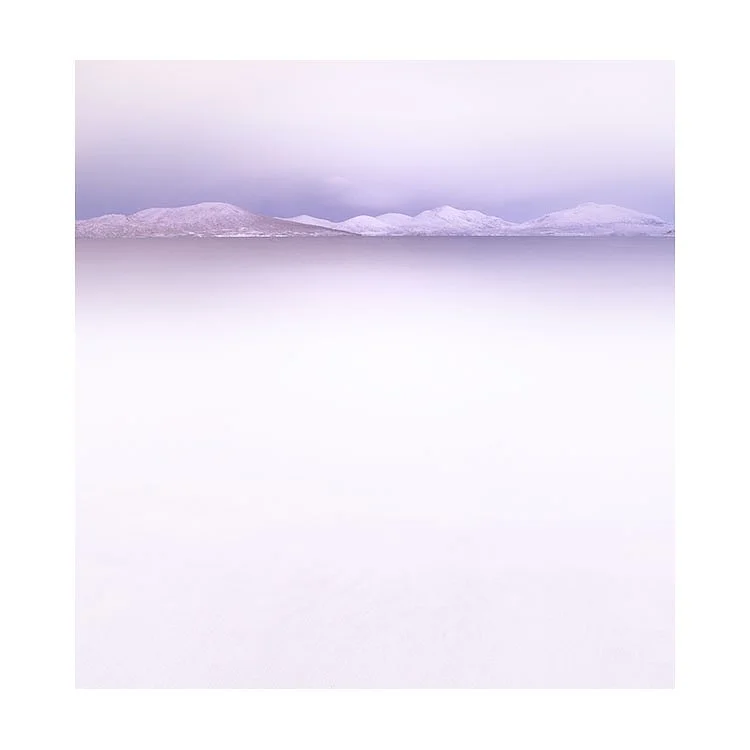
Ultimately, I had to learn to step back. Allowing myself time to "live with" the work has been pivotal. By distancing myself from my immediate expectations, I could reassess the images without the weight of my aspirations clouding my judgment. It became apparent that my earlier frustrations were blocking me from seeing the unique qualities of the images at hand.
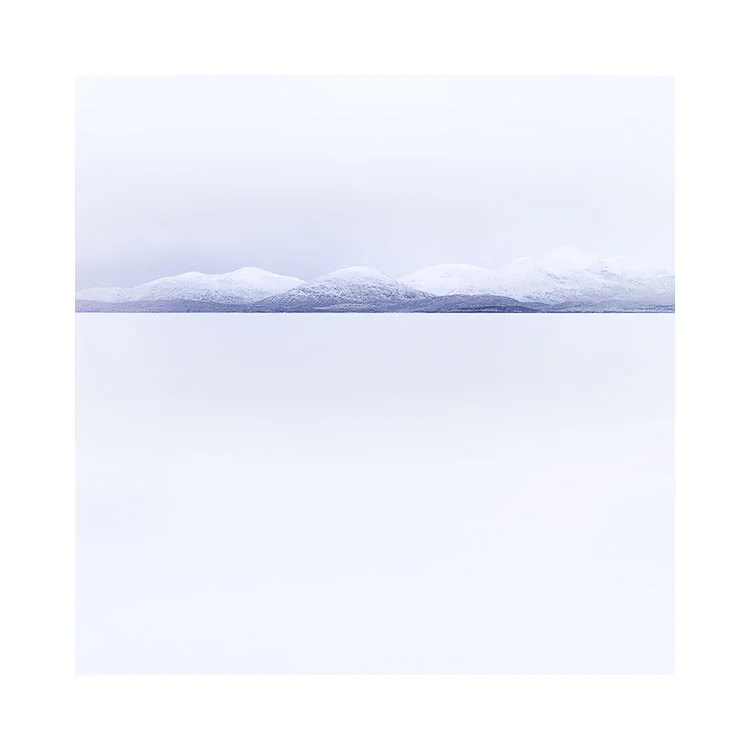
This realization brings to light an important aspect of the artist-audience relationship. Typically, an audience lags behind the artist’s evolving journey. They often identify you based on your past works instead of acknowledging your current direction. It's common for audiences to resist new styles because they were accustomed to your familiar “signature” work. Similarly, artists may find themselves at odds with their own creations as they pivot in style and vision.
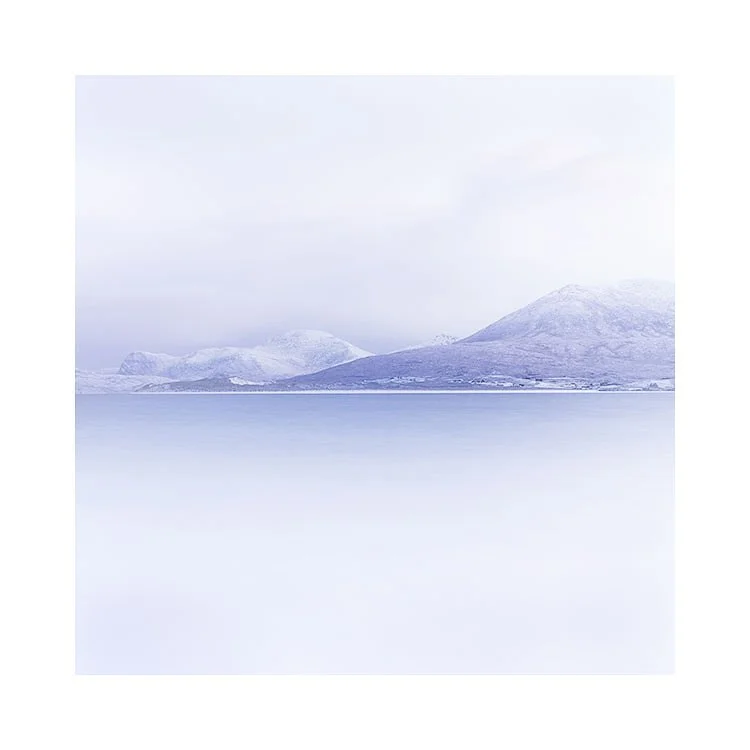
This discordance signifies a natural disconnect. As an artist, how you view your abilities may not sync up with your current emotional or creative state. Recognizing that these feelings exist is the initial step toward maintaining one’s artistic mental health; acceptance follows, and ultimately, embracing the fluid nature of creativity marks the final stride in this journey.
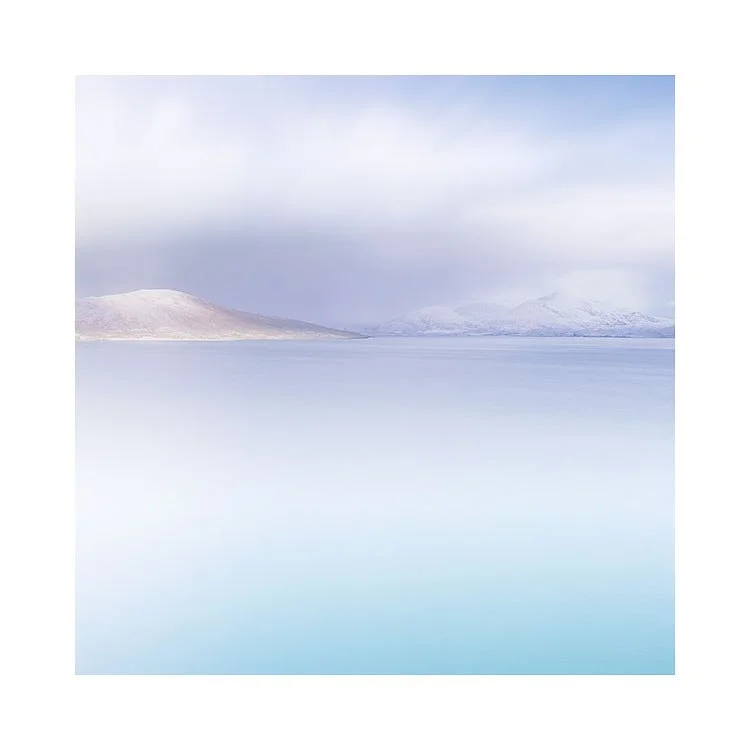
It’s worthwhile to accept that our feelings toward our work aren’t always in alignment with our growth. There have been countless instances where I initially doubted certain pieces, only for them to resonate over time. The surprise that once-dismissed works might foster a deeper appreciation is a reminder of creativity’s unpredictable nature.
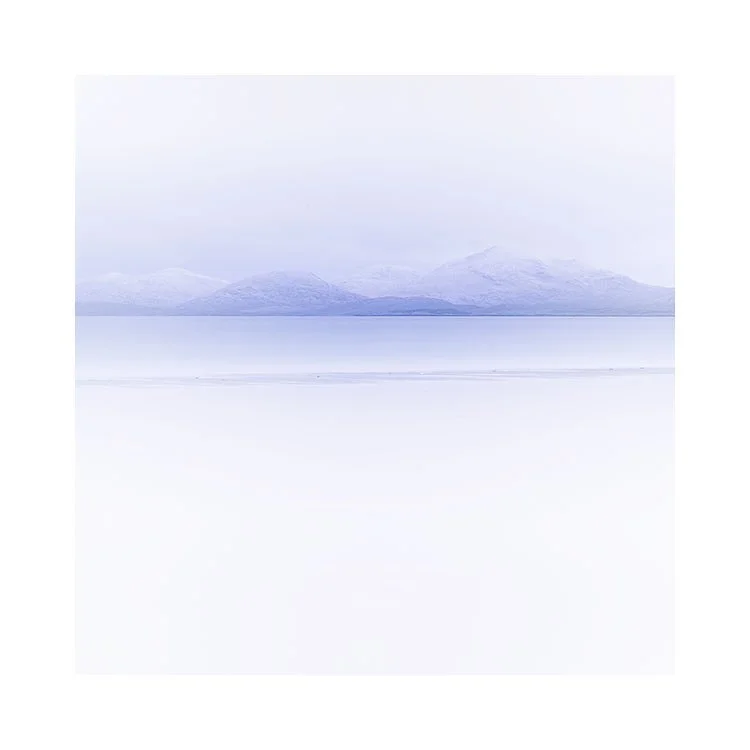
Creating art inevitably involves learning to negotiate between our expectations and the outcome. Cultivating a healthy relationship with both our ambitions and the reality of our progress is essential. Adopting a mindful attitude toward our creativity can forge a more positive artistic experience. I’ve always believed in being kind to one’s creativity, and by allowing time for reflection, we create space for our work—even those we feel uncertain about—to flourish and evolve.
Ultimately, learning to coexist with the highs and lows of artistic creation fosters resilience. Allowing ourselves the grace to accept, doubt, and grow alongside our work can lead to unexpected rewards. In the end, the journey of self-discovery through art is what truly enriches both our creative practices and our understanding of our artistic voices.


