This article dives into the ongoing debate of film versus digital photography, examining personal perspectives and the unique qualities each medium offers.
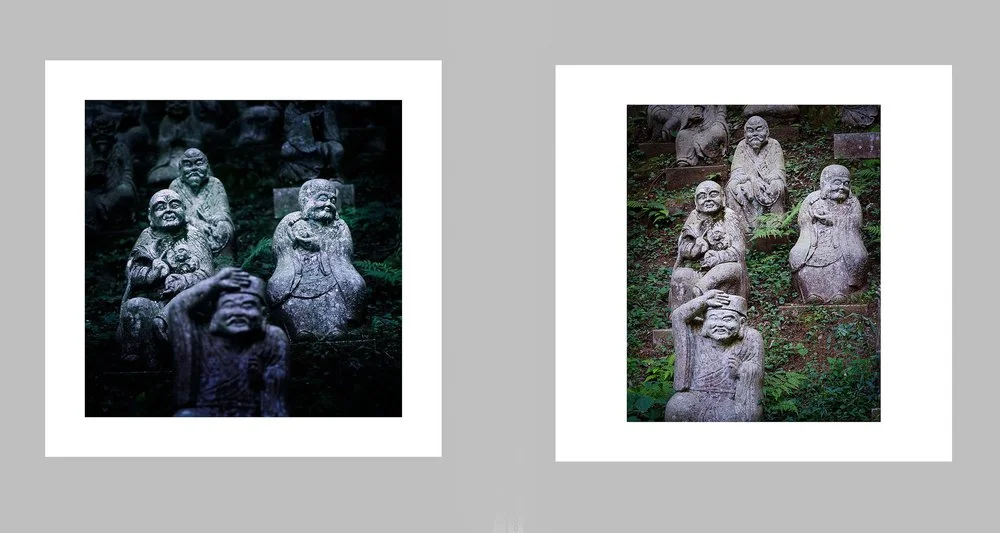
Photography has undergone a dramatic transformation over the last few decades, yet the comparison between film and digital persists. For many modern photographers, especially those who have not experienced the dominance of film, this debate might seem outdated. However, for those still passionately engaged with film, the discussion remains relevant, particularly as digital technology continues to evolve rapidly.
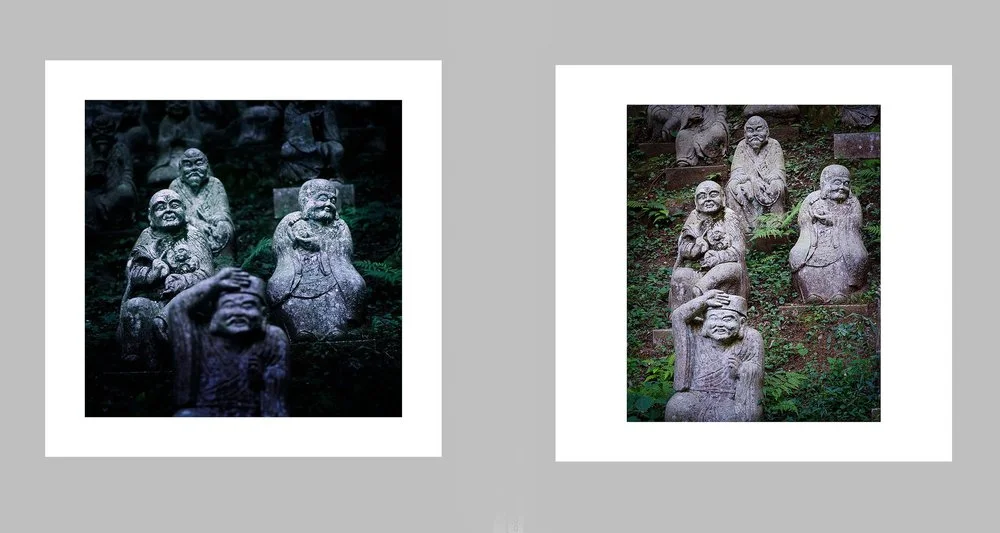
Fuji Velvia 50 vs Nikon D4s RAW
As a dedicated film shooter, the allure of digital photography is tempting. Digital cameras offer significant advantages, such as excellent low-light performance and portability, which can make the shooting experience more convenient. Film cameras, particularly older models, tend to be bulkier and less versatile in certain scenarios; yet, the appeal of the aesthetics provided by film often keeps traditionalists engaged.
The aesthetic quality produced by film and digital mediums is distinct but not inherently superior to one another. The adage "if it ain't broke, don't fix it" resonates for those who cherish the character and nuances of film photography. For many, including myself, the tactile experience of loading film, hearing the shutter's click, and waiting in anticipation during development contributes to the magical allure of this medium.
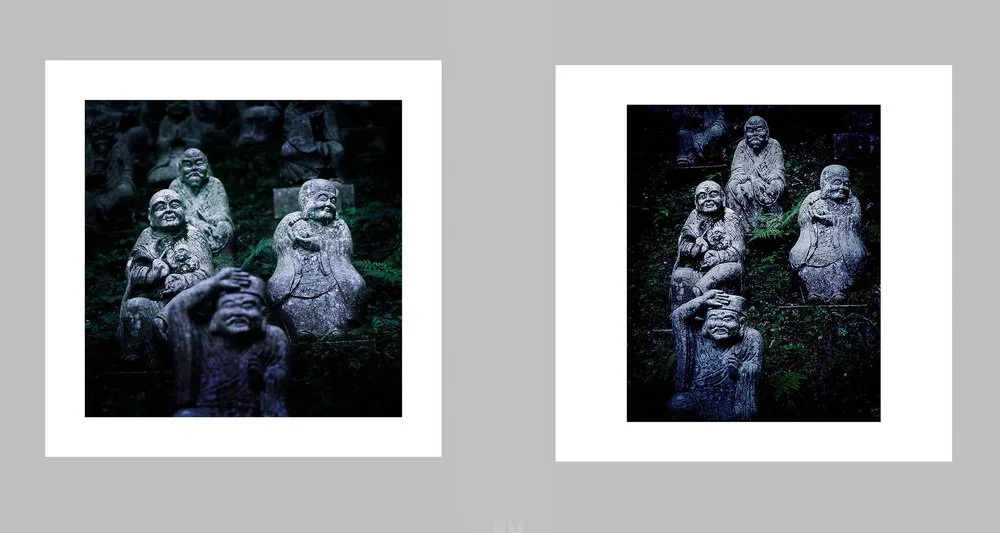
Fuji Velvia vs Nikon D4s processed to imitate Fuji Velvia.
In my latest project in Mongolia, I chose to bring along a Nikon D4s primarily to capture the dark interiors of Yurts. This led me to ponder the feasibility of making digital images emulate the qualities of my beloved film photographs. Previous attempts to replicate the film look in digital formats have proven challenging. While the accompanying examples suggest a degree of success, I remain skeptical about the authenticity of digital images capturing the essence of Velvia film.
The primary hurdle in this endeavor is that achieving a film-like result with digital images often requires a direct comparison to the original film files. This necessitates shooting film side by side with digital, as each film brand—like Velvia—exhibits unique color responses under various lighting conditions. Thus, there's no universal adjustment curve that can flawlessly apply to all types of subjects.
Beyond just color, different tonal characteristics come into play. Film often displays a distinct roll-off in the highlight areas that is notoriously difficult to replicate in digital formats. I regularly face an uphill battle when trying to soften highlights in digital images to mirror my film work; often, extensive edits don't yield satisfactory results.
Photography inherently involves compromise. The challenge of capturing every moment persists, and there are limits to what can be accomplished with film that digital technology might effortlessly handle. My inclination is to remain a film shooter, using digital tools selectively for specific projects where film falls short. However, I acknowledge a need to broaden my exploration of digital photography—not as a replacement but as a supplementary medium that enhances my work.
One of my struggles has been reconciling my experiences with digital photography. Often I feel that the essence of my film captures is diminished when using digital, which has contributed to my hesitance to fully incorporate it into my practice. It's easy to fall into the trap of viewing one medium as a substitute for another, but this mindset can inhibit creative exploration. Instead, I acknowledge the importance of experimenting with digital techniques while finding ways to ensure that they don't detract from my film photography.
Ultimately, enjoyment should be the driving force behind our choice of mediums. Photography transcends rigid definitions of 'better' or 'worse.' For many, the outcome and personal fulfillment derived from the process are what truly matter. Personally, I embrace the limitations of film, finding that these constraints often spur creativity rather than hinder it. Others might prioritize the practicality of digital formats or seek inspiration from their tools, demonstrating that the path of a photographer is uniquely subjective. There are no strict rules—only preferences guiding our choices.
As technology continues to advance, it's important for photographers to remain open to exploring and experimenting with different formats. Each medium has its place in the diverse landscape of photography, and both film and digital offer distinct avenues for creative expression. Finding a balance between the two can enhance your photography and creativity, enriching your visual storytelling experience.


